What Does 97W Mean on a Tire? Load, Speed & Rating Guide
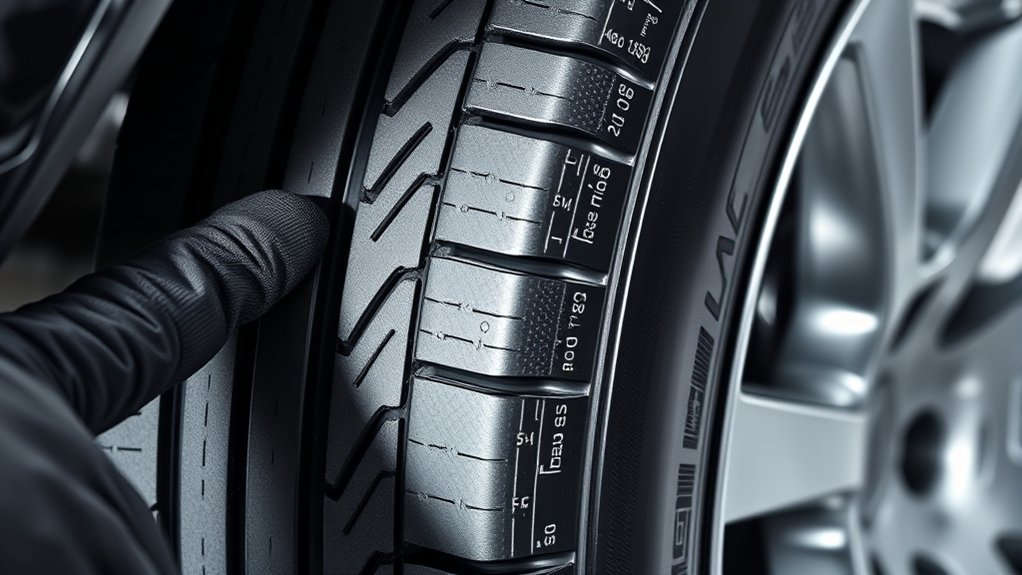
A 97W tire means you’re getting a load index of 97, so each tire can support up to 730 kg (1,606 lbs), and a W speed rating, which allows sustained speeds up to 168 mph (270 km/h). You should keep equal or higher ratings on the same axle for stability and safety. Proper inflation matters, too. If you want to choose the right fit, there’s more to know about matching ratings to your vehicle.
Key Takeaways
- 97 is the tire’s load index, meaning each tire can support up to 730 kg (1,606 lbs).
- W is the speed rating, indicating a maximum safe speed of 168 mph (270 km/h).
- 97W combines load and speed performance, often used on sports cars and performance sedans.
- All tires on the same axle should match or exceed the 97 load index and compatible speed rating.
- Proper inflation and correct tire matching are essential for safety, handling, and tire life.
97W Tire Rating Explained
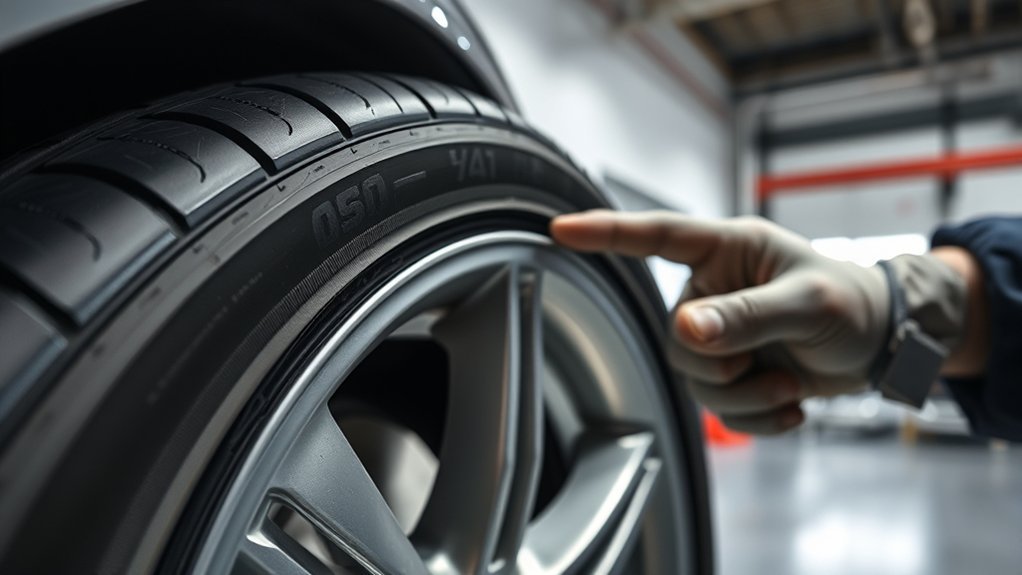
A 97W tire rating tells you two key things about a tire’s capability: the 97 load index means each tire can safely support up to 730 kg (1,606 lbs) when properly inflated, while the W speed rating indicates a maximum safe operating speed of 168 mph (270 km/h). When you read 97W, you’re seeing tire speed ratings that define load capacity and maximum speed together. This combination helps you choose a tire size that meets safety standards while preserving performance. You’ll often find 97W tires on sports cars, sports sedans, and other performance vehicles because they deliver the handling and stability demanded at higher speeds. If you replace tires, match both the load index and speed rating exactly; don’t trade either spec for convenience. Doing so keeps your vehicle aligned with engineering limits, supports predictable control, and lets you drive with confidence. Additionally, understanding tire ratings like load index and speed rating is crucial for ensuring optimal performance and safety.
How Load Index 97 Affects Capacity
The 97 load index tells you each tire can safely carry up to 730 kg, or 1,604 lbs, when it’s properly inflated. That load index defines your tire’s capacity and maximum load, so you can match the tire to the vehicle’s demands without guesswork. If you run four 97-rated tires, your vehicle can support up to 2,920 kg, or 6,416 lbs, in total. You should keep the load index equal on both tires on the same axle to protect vehicle stability and tire safety. This rating is common on passenger vehicles because it balances performance and comfort while meeting daily hauling needs. If you exceed the listed capacity, you increase heat buildup, risk tire failure, and reduce control. Pairing the correct load index with the right speed rating helps you keep your tires liberated from overload and your driving precise, stable, and safe on the road. Additionally, understanding tire performance ratings can further enhance your selection process to ensure optimal safety and efficiency.
What the W Speed Rating Means
W speed rating signals a tire’s maximum sustained speed of 168 mph, or 270 kph, placing it in the high-performance range between T and Y. When you see a W speed rating, you’re looking at tire capability built for high-performance vehicles that demand stable control at elevated speeds. This rating tells you the tire can handle the heat, stress, and centrifugal forces of fast driving while preserving handling characteristics and safety at high speeds. For sports cars and performance-oriented models, that matters because peak vehicle performance depends on grip, precision, and consistent response. The W designation sits within the broader set of speed ratings, so you can compare it with other limits and choose a tire that matches your driving needs. Pairing it with the correct load index number helps you support the vehicle properly while keeping performance balanced, predictable, and liberation-ready on the road. Additionally, tires like the Evoluxx Capricorn HP demonstrate how high-performance tires maintain stability and grip at high speeds.
Can You Mix 97W With Other Tires?
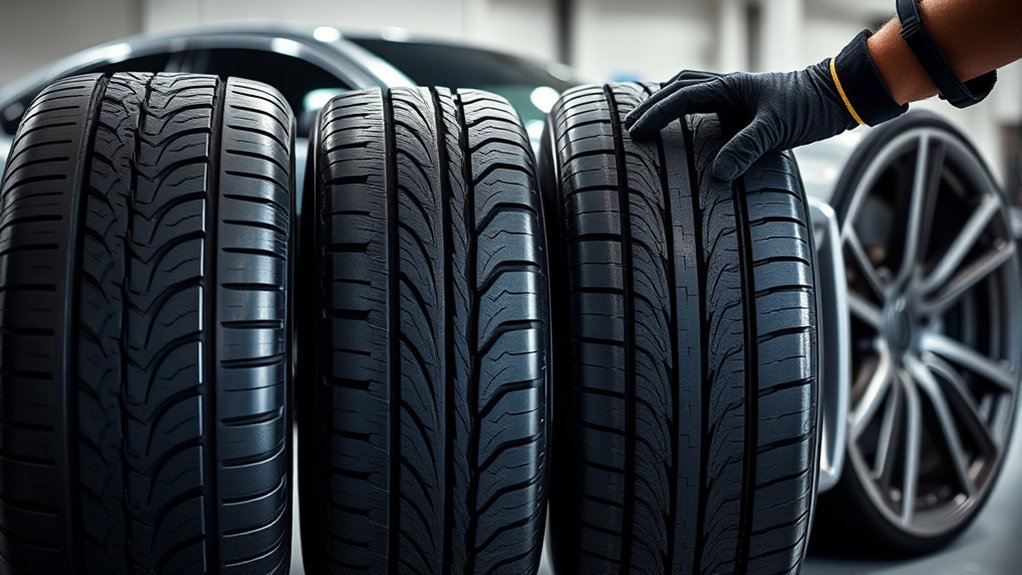
Mixing a 97W tire with other tires isn’t recommended, because mismatched load or speed ratings can compromise handling and safety. On the tire sidewall, 97W tells you the load index and speed rating: 97 means 730 kg per tire, while W supports up to 168 mph. To keep performance stable, avoid trying to mix tires with lower ratings on the same axle.
- Match or exceed the 97 load index.
- Use a compatible speed rating.
- Preserve balanced load capacity across the axle.
- Check the tire sidewall before you install anything.
If you must combine tires, choose replacements with equal or higher ratings so your vehicle stays predictable and responsive. Different load or speed values can alter steering feel, braking, and grip. For drivers who want more freedom on the road, a compatible rating protects the system that keeps you moving: handling, safety, and performance. Additionally, many performance tires, like the Evoluxx Capricorn HP, are designed to provide reliable year-round grip and stability.
How to Match 97W to Your Vehicle
To match a 97W tire to your vehicle, check your owner’s manual or tire placard and confirm that the required load index and speed rating meet or exceed 97W. The 97 load index means each tire supports 730 kg (1,605 lbs) when properly inflated, while W covers speeds up to 168 mph (270 km/h). If you drive high-performance vehicles, this rating can help you preserve control without compromising freedom on the road. Use matching tires on the same axle, and keep the load index at 97 or higher to protect vehicle stability and load carrying capacity. Compare all tire specifications before buying, because a higher speed rating or load index is acceptable only when the full fitment matches your vehicle. Also, check tire pressure regularly; underinflation reduces load carrying ability and can weaken performance. When you stay within the manufacturer’s specs, you get precise handling, safer operation, and the confidence to move on your own terms. Additionally, ensuring your tires have a suitable tread depth can significantly improve traction and performance in various driving conditions.
Frequently Asked Questions
What Is the Difference Between 97H and 97V Tires?
97H and 97V tires share the same Load capacity, but you’ll notice different Speed ratings. 97H supports 130 mph, while 97V handles 149 mph, so you’ll get better Tire performance and Tire durability from the V at higher speeds. Your Driving conditions, Weather impact, Tire inflation, Handling characteristics, Road noise, and Tread design all still matter. Choose the rating your vehicle needs, and don’t compromise safety.
Are V or W Tires Better?
W tires are better if you need higher tire performance, sharper handling characteristics, and safer high-speed stability; V tires suit everyday driving habits better. Your choice should match load capacity, weather conditions, and fuel efficiency goals, not just speed. Check tread patterns, tire maintenance needs, and noise levels before buying. For replacement tips, follow your vehicle specs and choose the rating that supports your actual driving demands, not assumptions.
What Is the Difference Between 97Y and 97W?
97Y has a higher speed rating than 97W: both share the same load capacity of 730 kg, but 97W tops out at 168 mph while 97Y reaches 186 mph. You’ll get similar tire performance, yet 97Y can offer better high-speed handling characteristics and temperature resistance. Tire durability, tread design, fuel efficiency, traction levels, and road noise usually stay comparable, so match the speed rating to your vehicle’s needs.
What Does 97 Mean on a Tire?
97 means your tire load index: one tire can carry 730 kg, or 1,609 lbs. If you’re hauling family gear, that rating keeps you safe. You should check tire size, tire pressure, tread depth, tire construction, seasonal tires, performance tires, tire maintenance, and tire warranty against your vehicle manual. Match tire load across an axle, and the speed rating still matters, too.
Conclusion
When you see 97W on your tire, you’re reading two key limits: load index 97 and a W speed rating. That means the tire can carry a specific maximum weight and handle high speeds safely when properly inflated and matched to your vehicle. Think of the rating like a bridge and its traffic limit—both must align to stay safe. Always check your owner’s manual before mixing tires or upgrading sizes.

Related Articles
What Does 102T Mean on a Tire? Load, Speed & Rating Guide
A 102T tire reveals load and speed limits, but there’s more to matching the right replacement than those numbers alone.
Read More
Don & Dave’s Auto & Tire: Services, Hours & Customer Reviews
See why Don & Dave’s Auto & Tire earns praise for fast, fair service, flexible hours, and more details you’ll want to keep reading.
Read More
What Is Tire Kicking? Origin, Meaning & What It Tells Buyers
Obeying no one, tire kicking reveals hesitant buyers—and the surprising signs can help you spot real intent before they waste your time.
Read More