What Does 105V Mean on a Tire? Load, Speed & Rating Guide
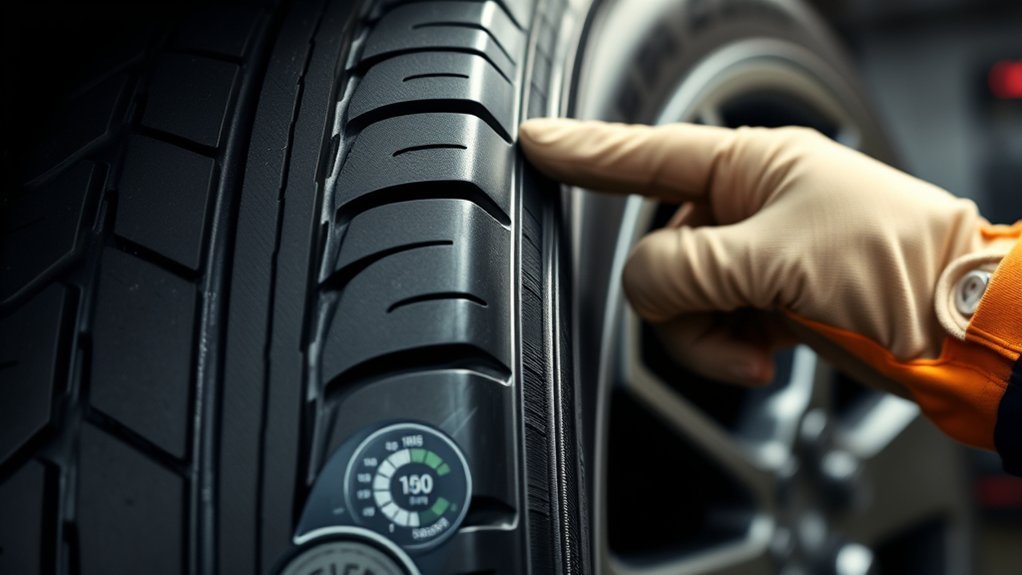
105V on a tire means the tire’s load index is 105 and its speed rating is V. That means it can support up to 925 kg, or 2,035 lb, per tire, and safely run at speeds up to 149 mph, or 240 km/h, when properly inflated and used within spec. You should match both ratings to your vehicle’s requirements to maintain control, reduce heat buildup, and avoid premature wear, and the sidewall code reveals even more.
Key Takeaways
- 105V is a tire rating where 105 is the load index and V is the speed rating.
- Load index 105 means the tire can carry up to 925 kg (2,035 lbs).
- Speed rating V means the tire is approved for speeds up to 149 mph (240 km/h).
- This rating appears at the end of the tire size code, such as 205/55 R18 105V.
- Always match tire ratings to your vehicle’s requirements for safe load capacity and performance.
What Does 105V Mean on a Tire?
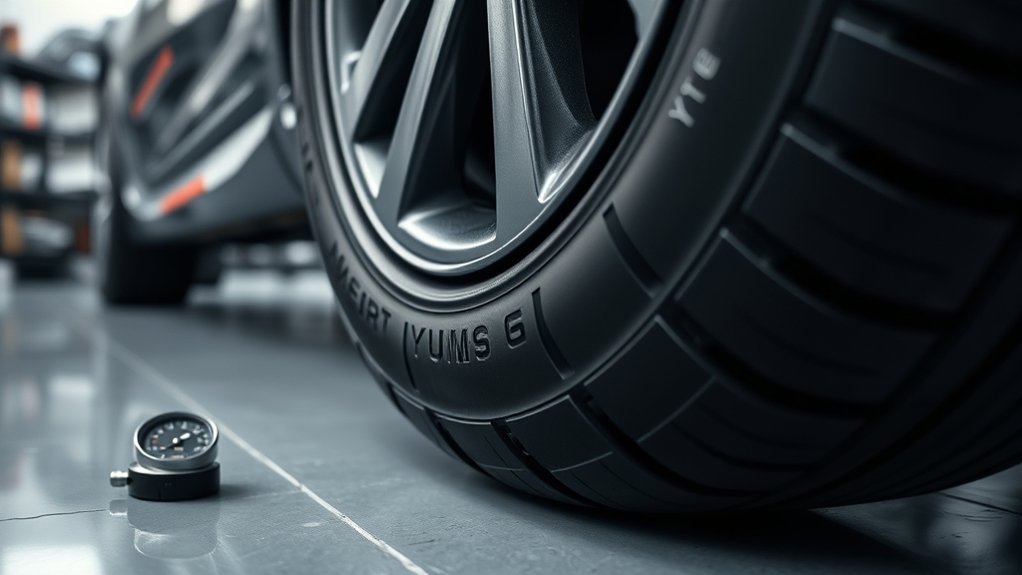
A tire marked 105V uses two key ratings to define its limits: 105 is the load index, meaning the tire can support up to 925 kg (2,035 lbs) when properly inflated, and V is the speed rating, indicating a safe maximum speed of 149 mph (240 km/h). You should read this as a compact safety code, not a suggestion. The load index tells you the maximum load the tire can carry, while the speed rating shows the highest sustained speed it can handle. Match both values to your tire size and vehicle needs so you keep control under higher speeds and heavy use. Check tire pressure regularly, because underinflation reduces capacity and safety. This rating often fits passenger cars and light trucks when their performance standards call for a balanced mix of load support and speed capability. Choosing the right tire lets you drive with confidence and less constraint. Additionally, it’s essential to consider all-season tire options to ensure versatile performance in various driving conditions.
How to Read a Tire Sidewall Code
Once you know that 105V tells you a tire’s load and speed limits, you can read the full sidewall code to identify the tire itself. On the tire sidewall, you’ll usually see a pattern like 205/55 R18 105V. The tire type tells you the category, while 205 gives the tire width in millimeters. 55 is the aspect ratio, so you know the sidewall height relative to width. R means it’s a radial tire, and 18 is the rim diameter in inches. The load index comes next; here, 105 shows the maximum load capacity the tire can carry. The final letter is the speed rating, which marks the maximum speed the tire is built to handle safely. Reading each part correctly helps you choose tires that fit your vehicle and support safe, independent driving. Additionally, understanding the importance of all-season tires can enhance your vehicle’s performance and safety throughout the year.
Why 105V Matters for Load and Speed
The 105V rating matters because it tells you two critical limits at a glance: 105 means the tire can carry up to 925 kg (2,035 lbs) per tire when properly inflated, while V means it’s approved for speeds up to 149 mph (240 km/h). When you choose speed-rated tires with this 105 load index, you align load capacity and high-speed performance with your vehicle’s engineering. That match protects tire safety, preserves vehicle handling, and supports stable tire performance under demanding conditions. If you exceed the maximum load or ignore the V speed rating, you increase heat buildup, stress, and the risk of premature wear. You don’t want hidden limits controlling your drive; you want the right specification doing the work. Properly matched tires help maintain tire longevity while giving you the confidence to use your vehicle as intended, with precise control at speed and dependable support under load. Additionally, selecting tires with strong wet-weather traction can further enhance your driving experience in various conditions.
Can You Use a Different Tire Rating on 105V Tires?
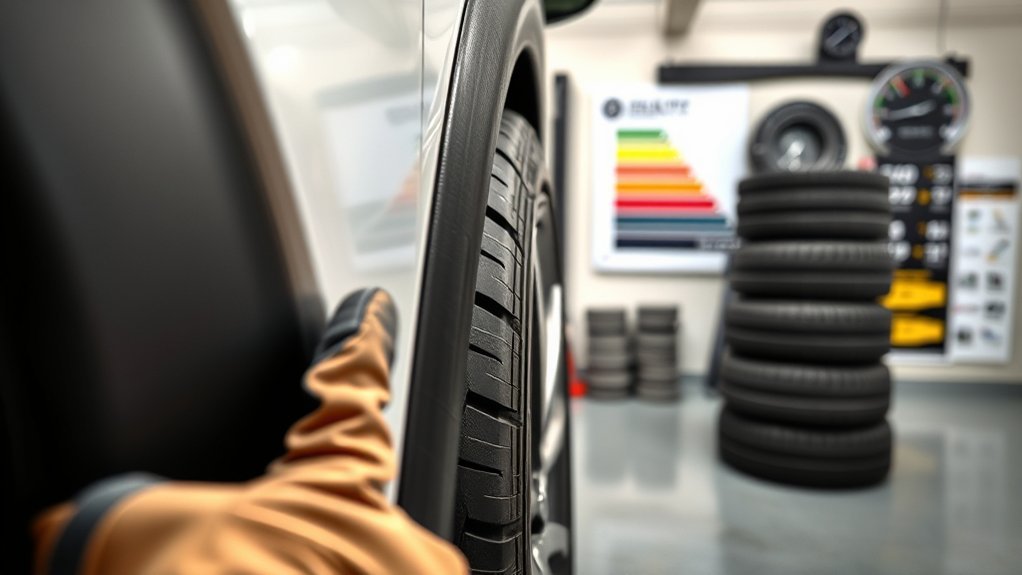
Can you use a different tire rating on 105V tires? Yes, but you need to match the tire speed ratings and load index carefully. The 105 load index means each tire must support a maximum load capacity of 925 kg. If you install a lower speed rating, your vehicle’s safe operating limit drops to that tire’s capability, not the 105V spec. That can create handling issues, reduce tire performance, and raise the risk of wear or blowouts. Mixing tires with different ratings also weakens vehicle safety, especially if the lower-rated tire sits on the front axle, where steering loads are highest. For best control and freedom from avoidable limits, keep uniform speed ratings across all four tires. A higher rating can work only if it still meets or exceeds the required load and matches your setup. Additionally, tire maintenance tips are essential to ensure safety and longevity, as improper care can exacerbate any issues from mismatched ratings.
Where to Find 105V on the Sidewall
After matching tire ratings, you can confirm the correct specification right on the sidewall. You’ll usually find 105V at the end of the tire size, such as 205/55 R18 105V, printed on the tire’s sidewall. The 105 is the load index, and it tells you the tire supports a maximum load of 925 kg (2,037 lbs) when inflated correctly. The V is the speed rating, showing a maximum speed of 149 mph (240 km/h). Check this key information before you drive, because it affects safe operation and vehicle performance. If the sidewall shows a different tire size or rating, don’t assume it’s equivalent. Read the whole marking, not just one number, and verify it matches your vehicle placard and manual. Regular checks help you stay compliant with safety standards and keep your tires doing their job. Additionally, understanding load ratings and speed ratings can further enhance your tire selection process.
Frequently Asked Questions
Is W or V Better for Tires?
W is better if you need higher Tire performance and faster Speed ratings; V is better for most Driving habits and can improve Tire longevity. You should match Vehicle compatibility, Load capacity, and Performance tuning to your vehicle’s specs. Check Tire inflation and select for your Weather conditions. For Road safety, don’t downgrade below requirements. If you don’t need high speed, V’s usually enough and more practical for everyday use.
What Does V Mean on a Tire?
V means your tire’s speed rating, showing it’s tested for speeds up to 149 mph. You should check tire specifications, including load index and speed rating, because they affect tire performance and tire safety. Match tires to your driving conditions, maintain proper tire pressure, and inspect tread patterns. If you use seasonal tires, remember the rating can influence tire lifespan and handling, so don’t exceed the maker’s limits.
What Does 105Y Mean on a Tire?
105Y means your tire carries a load capacity of 925 kg and a speed rating of 300 km/h. Ironically, one tiny code can decide everything. You should verify tire pressure, sidewall markings, and tread patterns against vehicle compatibility and safety standards. Different tire types affect performance factors, so routine tire maintenance matters. Choose matching ratings, or you’ll weaken handling, compromise safety, and surrender control when freedom demands precision.
What’s the Difference Between 105H and 105V Tires?
105H and 105V share the same load capacity, so your Tire performance differs mainly in Speed rating. 105H tops out at 130 mph, while 105V reaches 149 mph, with better high-speed grip, Temperature resistance, and Tread design. For Vehicle compatibility, match all four tires. Check Inflation pressure, Wear indicators, and Tire maintenance to protect Tire longevity. Don’t mix ratings unless your manufacturer allows it; your handling can suffer.
Conclusion
In short, 105V tells you your tire’s load index and speed rating, and you shouldn’t treat either as optional. You need to match your vehicle’s requirements to stay safe, keep handling predictable, and avoid premature tire failure. When you check the sidewall, make sure you’re reading the whole code, not just one number. Don’t cut corners here—your tires are the rubber that meets the road, and the right rating matters every mile.

Related Articles

What Causes Tire Separation? Warning Signs & What to Do
False confidence on the road can hide tire separation risks—discover the warning signs and what to do before a blowout catches you off guard.
Read More
What Punctures a Tire? Common Causes & How to Avoid Them
Keeping your tires safe from nails, debris, and hidden hazards isn’t always easy—discover what punctures a tire and how to avoid the next surprise.
Read More
How Does a Car Tire Pop? Causes, Warning Signs & Prevention
From underinflation to pothole impacts, discover what really causes a tire to pop—and the warning signs that could save you next.
Read More