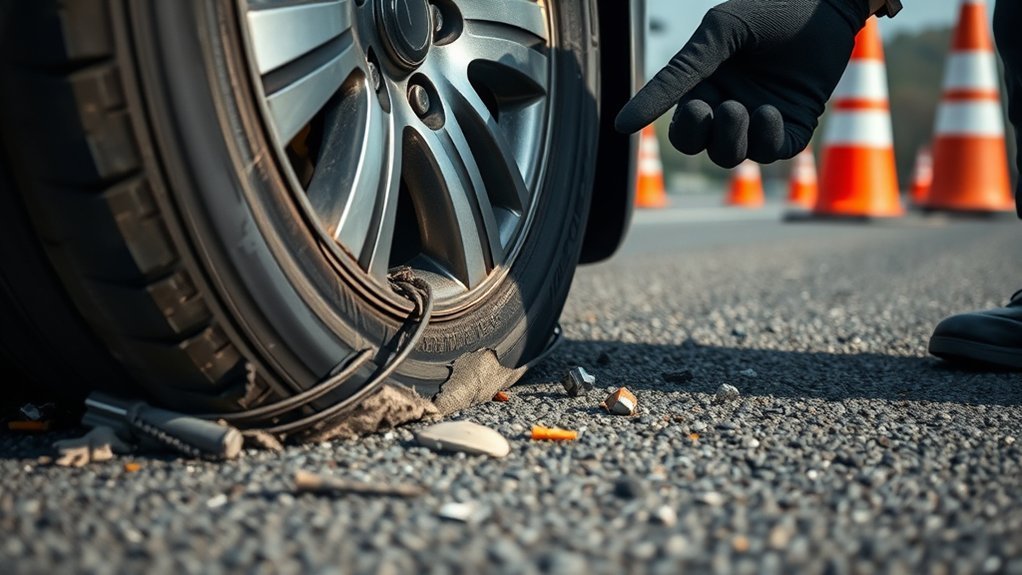
A car tire pops when air escapes suddenly or the tire structure fails under stress. The usual causes are low tire pressure, road impact, punctures, overloading, worn tread, age-related cracking, faulty valve stems, or previous tire damage. Some failures happen without much warning, but many give clues first, such as vibration, pulling, hissing, bulges, repeated pressure loss, or tread separation.
Quick Answer
A car tire usually pops because pressure, heat, impact, or structural damage overwhelms the tire. Underinflation is a major risk because it makes the sidewall flex and overheat. Potholes, nails, overloading, worn tread, aging rubber, and bad repairs can also trigger sudden air loss or a blowout.
Key Takeaways
- A tire can pop from a puncture, blowout, bead leak, valve failure, or tread separation.
- Low pressure is one of the biggest risks because it increases heat, sidewall flex, and tire stress.
- Bulges, cracks, exposed cords, repeated pressure loss, vibration, or pulling mean the tire needs prompt inspection.
- During a blowout, hold the wheel firmly, avoid hard braking, stabilize the car, then slow and pull off safely.
- Check tire pressure monthly when tires are cold, inspect tread and sidewalls, and rotate tires according to your owner’s manual.
At a Glance
| Time Required | 5 to 10 minutes for a monthly tire check |
| Difficulty | Easy for pressure and visual checks; professional inspection needed for bulges, cords, sidewall damage, or repeated leaks |
| Tools Needed | Tire pressure gauge, tread depth gauge or penny, flashlight, owner’s manual, and air pump |
| Cost | About $5 to $25 for a gauge; tire repair, replacement, alignment, or roadside assistance varies by vehicle and damage |
The National Highway Traffic Safety Administration reports that 511 people died in tire-related crashes in 2024.
What Is a Tire Blowout?
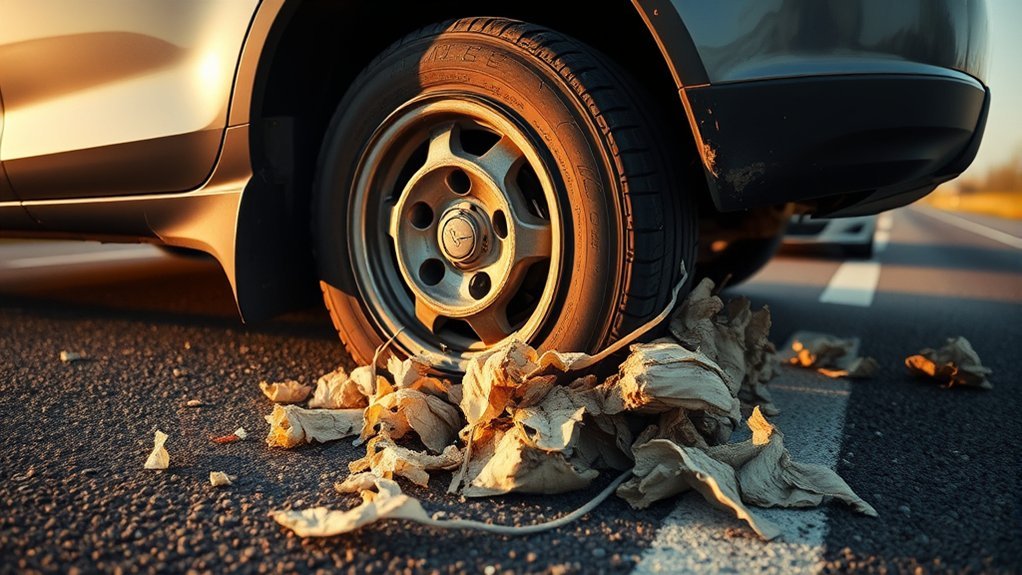
A tire blowout is a rapid loss of tire air pressure that can make your vehicle harder to steer, brake, and keep stable. It is more severe than a normal slow leak because the tire may collapse, shred, or separate while the vehicle is moving.
Blowouts often start with stress inside the tire. Low pressure lets the sidewall flex too much. Excess weight adds load. High speed and hot weather raise tire temperature. Road impact from a pothole, curb, nail, screw, or sharp debris can weaken the tire quickly. If the casing, tread, bead, or sidewall is already damaged, the tire has less strength left to hold pressure.
The best protection is regular tire care. The NHTSA tire safety guidance recommends checking tire pressure at least once a month when tires are cold, inspecting tread and sidewalls, and replacing tires that show unsafe wear or damage.
Tire Blowout vs. Flat Tire
A flat tire and a tire blowout both involve air loss, but they are not the same problem. A flat tire usually loses air slowly from a puncture, valve stem leak, bead leak, wheel damage, or small crack. You may notice low pressure, a TPMS light, soft handling, or a tire that looks low before it becomes dangerous.
A blowout happens much faster. You may hear a bang, feel the car pull sharply, or notice heavy vibration. The tire can break apart and the vehicle can become unstable, especially at highway speed. A flat may be repairable if the puncture is small and in the tread area. A blown-out tire, a tire with sidewall damage, or a tire with exposed cords usually needs replacement.
Warning: Never inspect or change a tire in an active traffic lane. Move as far from traffic as safely possible, turn on hazard lights, and call roadside assistance if the shoulder is narrow, dark, icy, or unsafe.
7 Common Causes of a Car Tire Popping
A tire can pop for several reasons, and more than one cause may be involved. For example, an older underinflated tire is more likely to fail after hitting a pothole than a newer tire at the correct pressure. These are the seven causes drivers should understand.
1. Underinflation and Overheating
Underinflation is one of the most important tire failure risks. When a tire is low on air, the sidewall bends more than it should. That extra flex creates heat, weakens the tire, and can lead to tread separation or sudden failure. The federal TPMS standard also warns that driving on a significantly underinflated tire causes overheating and can lead to tire failure.
Do not use the maximum PSI printed on the tire sidewall as your everyday target. Use the vehicle manufacturer’s recommended cold tire pressure on the driver’s door placard or in the owner’s manual.
2. Road Hazards and Impact
Road hazards can damage a tire even when pressure is correct. Potholes, curb strikes, metal scraps, glass, nails, screws, and sharp rocks can puncture the tread, bruise the inner structure, crack the sidewall, or break the bead seal. Sometimes the tire does not fail right away. A bulge, vibration, or slow leak after impact can mean internal damage has already started.
Slow down before rough pavement when traffic allows, avoid standing water that may hide potholes, and inspect your tires after a hard hit. If you see a sidewall bubble, exposed cord, deep cut, or wobble, do not keep driving on that tire.
3. Overloading the Vehicle
Every tire has a load limit. When the vehicle carries more weight than the tires and suspension are designed to handle, the tire runs hotter and the sidewalls work harder. Overloading is especially risky on road trips, work trucks, trailers, and SUVs packed with passengers and cargo.
Check the Tire and Loading Information Label on the driver’s doorjamb before loading the vehicle. Do not exceed the vehicle’s payload rating, gross vehicle weight rating, or the tire load rating.
4. Overinflation
Too much pressure can also cause problems. An overinflated tire may ride harshly, wear more in the center of the tread, and have less ability to absorb impact from potholes or debris. It is not usually the same risk pattern as underinflation, but it can still contribute to damage and uneven wear.
Set pressure when the tires are cold. If you check pressure after driving, the reading may be higher because heat raises tire pressure. Let the tire cool when possible and recheck.
5. Worn Tread or Visible Damage
Tires are not safe once tread is worn down to 2/32 of an inch. The NHTSA also says tires should be taken out of service for physical damage such as cuts, cracks, bulges, irregular wear, or other damage from underinflation or overloading.
Use a tread depth gauge for the most accurate check. You can also use the penny test: place a penny into the tread with Lincoln’s head upside down and facing you. If you can see the top of his head, the tread is too shallow and the tire should be replaced.
6. Age-Related Rubber Cracking
Tires age even when tread looks good. Heat, sunlight, storage conditions, low mileage, and time can weaken rubber and internal materials. The NHTSA says some vehicle and tire manufacturers recommend replacing tires that are six to 10 years old, regardless of treadwear.
Check the DOT Tire Identification Number on the sidewall. The last four digits show the week and year the tire was made. For example, “2322” means the tire was made in the 23rd week of 2022. Look on both sides, because the full code may appear on only one side.
7. Bad Repairs, Valve Leaks, and Installation Problems
A tire can lose air from a damaged valve stem, corroded wheel, bead seal leak, poor installation, or an unsafe previous repair. Plug-only emergency repairs, sidewall punctures, old patches, and damage near the shoulder of the tread can leave the tire weak. If a tire keeps losing pressure after being filled, do not just keep adding air. Have a tire professional remove and inspect it from the inside.
Pro Tip: If one tire repeatedly drops pressure, mark its position on the vehicle and record the PSI each week. That pattern helps a shop find a slow puncture, bead leak, valve leak, cracked wheel, or TPMS sensor issue faster.
Warning Signs of a Tire Blowout
A tire blowout may feel sudden, but many tires show warning signs before they fail. Pay attention to changes in how the vehicle sounds, feels, and tracks down the road.
- Repeated pressure loss: One tire keeps getting low even after you refill it.
- Vibration or rumbling: The steering wheel, seat, or floor shakes more than usual.
- Pulling to one side: The vehicle drifts or tugs even on a straight, level road.
- Bulges or bubbles: A raised spot on the sidewall often means internal tire damage.
- Cracks or cuts: Sidewall cracks, deep cuts, or exposed cords require immediate attention.
- Tread separation: The tread looks lifted, wavy, uneven, or partly detached.
- Hissing or ticking sounds: Air may be escaping from a puncture, valve, bead, or damaged wheel.
- TPMS light: A solid light means at least one tire is significantly underinflated. A flashing light followed by a steady light can mean the TPMS has a malfunction.
Good tread condition also supports wet-road control. Choosing tires with strong hydroplaning resistance can improve wet-weather safety, but no tire can overcome low pressure, deep damage, or worn-out tread.
What to Do During a Tire Blowout
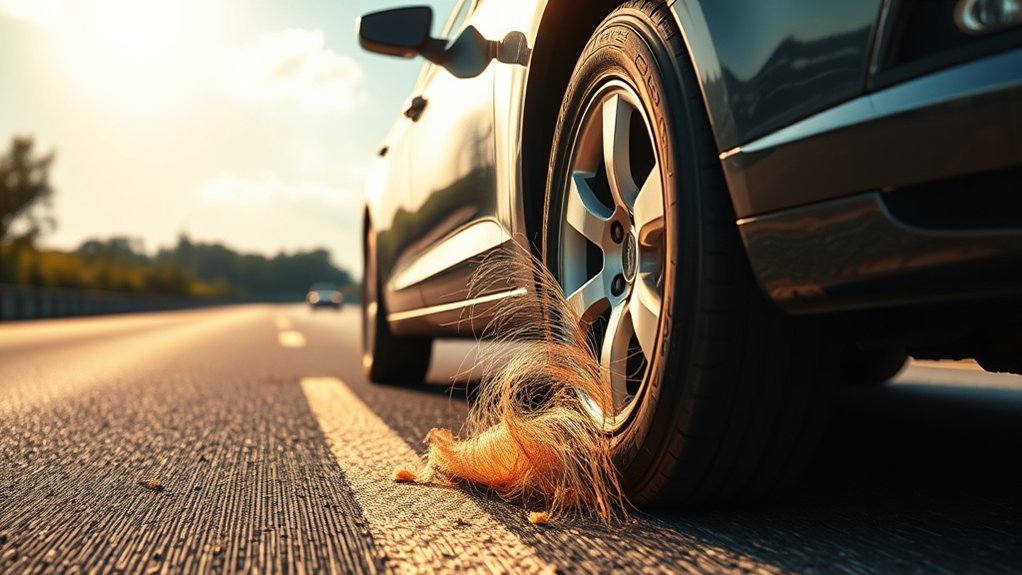
If a tire blows while you are driving, your goal is to keep the vehicle balanced and controllable. Do not panic, jerk the wheel, or slam on the brakes. The NHTSA blowout guidance recommends steady control first, then gradual slowing once the vehicle is stable.
Hold the Wheel and Stabilize the Car
Grip the steering wheel with both hands and keep the vehicle pointed where you want it to go. If the vehicle pulls, correct smoothly. Do not oversteer. A front tire blowout is usually felt more through the steering wheel. A rear tire blowout is often felt more through the seat or body of the vehicle.
Avoid Hard Braking
Do not slam on the brake pedal. Sudden braking can shift weight, upset the vehicle, and make it harder to control. If it is safe, keep the vehicle steady for a moment, then gradually release the accelerator. Let the vehicle slow in a controlled way.
Move to a Safe Place
Turn on your hazard lights once you can do so safely. When speed drops and the vehicle is stable, steer toward the shoulder, an exit, a parking lot, or another safe area away from traffic. Stop on firm, level ground if possible.
After You Stop
Set the parking brake, keep hazard lights on, and check your surroundings before opening the door. If traffic is close, stay in the vehicle with your seat belt on and call roadside assistance or emergency services. If the area is safe and you know how to change the tire, use the spare and tools exactly as your owner’s manual explains.
How to Check Tire Pressure the Right Way
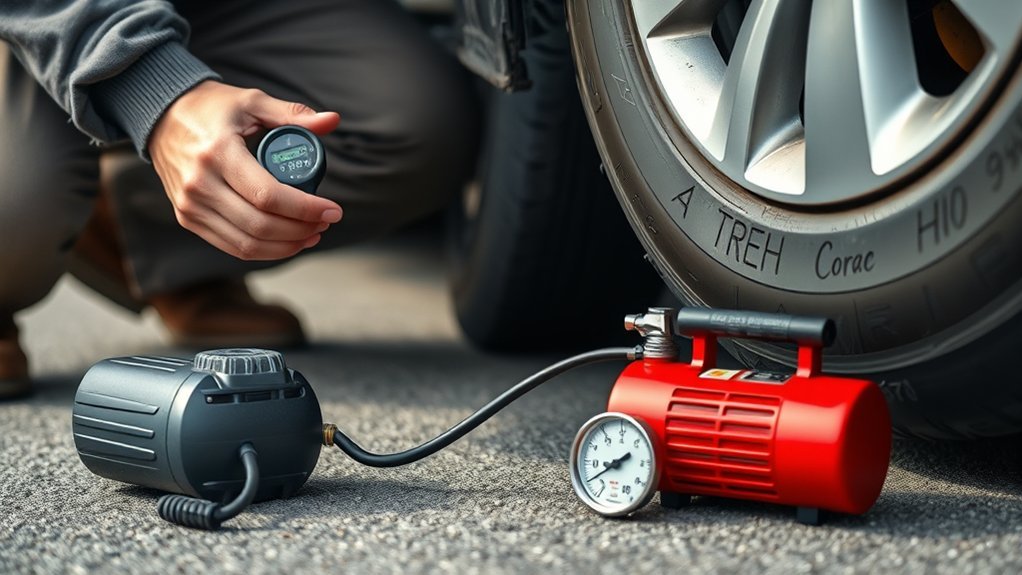
To check tire pressure correctly, start when the tires are cold. The NHTSA defines cold tires as tires that have not been driven for at least three hours. Use a reliable tire pressure gauge and check all four tires plus the spare if your vehicle has one.
- Find the recommended cold PSI on the driver’s door placard or in the owner’s manual.
- Remove the valve cap and press the gauge firmly onto the valve stem.
- Read the pressure and compare it with the recommended PSI.
- If pressure is low, add air in small amounts and recheck.
- If pressure is high, release a little air and recheck.
- Reinstall the valve cap and repeat the process for every tire.
Do not use the maximum pressure molded into the tire sidewall as your normal inflation target. That number is not the vehicle manufacturer’s recommended pressure. Proper inflation also helps fuel economy. FuelEconomy.gov says properly inflated tires can improve gas mileage by 0.6% on average and up to 3% in some cases.
[Products Worth Considering]

Measure tire tread depth quickly and accurately with this LUMITECO dial gauge that reads in 1/32" increments up to 14/32". The color-coded green/yellow/red zones make it easy to judge tire wear and know when replacement is needed. A rugged, compact design with a protective pouch helps keep the gauge ready for use on cars, trucks, motorcycles, and more.

The SAFELIFE dial tire tread depth gauge measures tread depth in 1/32 inch increments with clear, easy-to-read 2-inch dial face. Color zones using a traffic light system help you quickly judge whether tread is low, marginal, or ample for safer driving. Built with a durable zinc cast body and a metal detect probe for precise, comfortable use across cars, motorcycles, trucks, and buses.
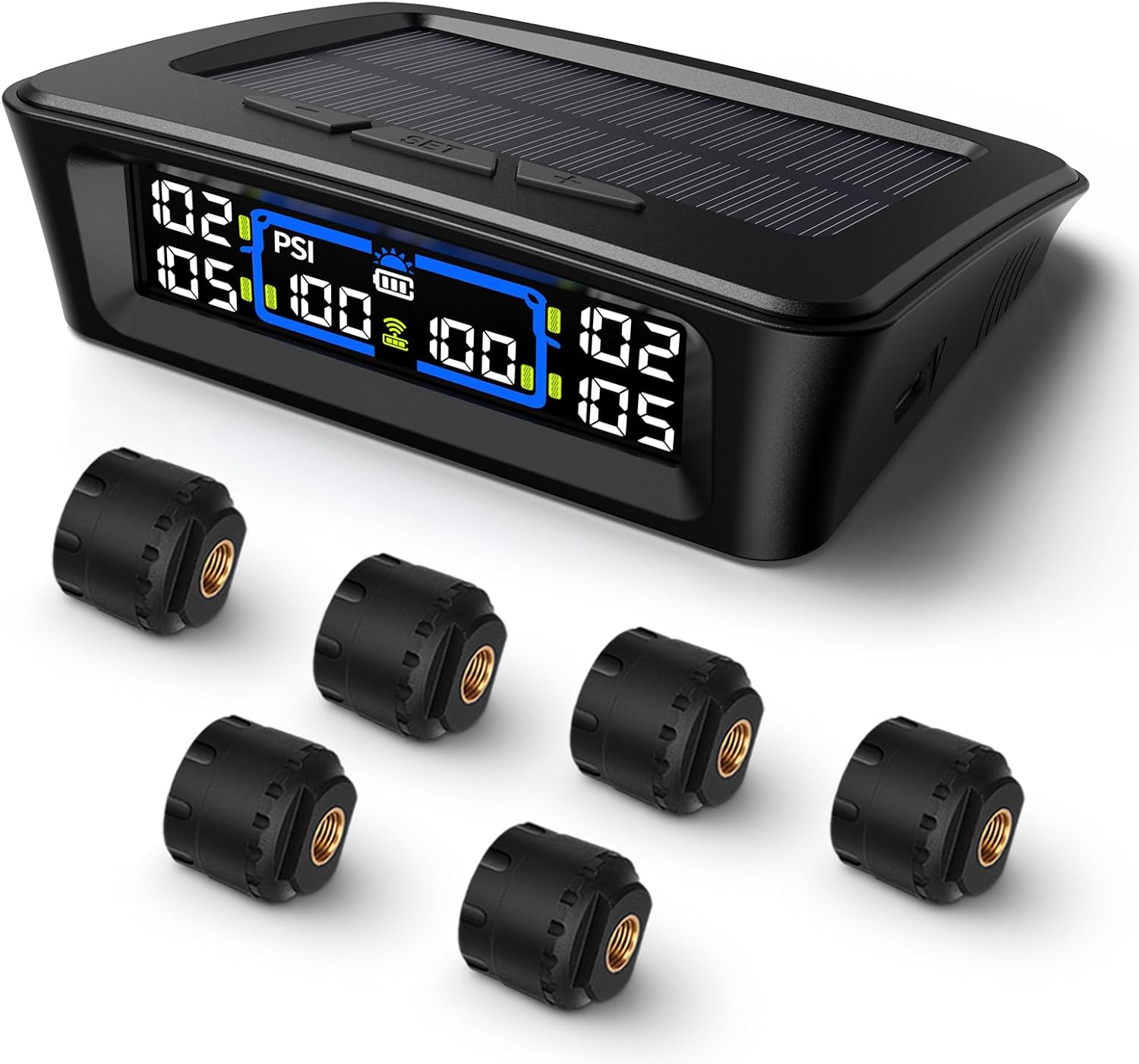
The Tymate TM12 RV TPMS delivers real-time tire pressure and temperature monitoring with a stable 433Hz display for safer long-distance driving. It supports simultaneous monitoring across vehicle and trailer zones, includes six alarm modes for pressure, temperature, leakage, battery, and signal loss, and features easy DIY installation with auto calibration. Power is supplied via USB-C charging or solar recharging, with a wide 0–144 PSI range and up to 50 ft signal coverage for RVs and towable trailers.
What the TPMS Light Can and Cannot Tell You
A Tire Pressure Monitoring System, or TPMS, warns you when one or more tires are significantly underinflated. Under federal rules, TPMS must warn when tire pressure falls to the required low-pressure threshold, but it is not a substitute for manual tire maintenance.
If the TPMS light turns on, check pressure as soon as it is safe. If it flashes for about a minute and then stays on, the system may have a malfunction. That can happen after sensor failure, wheel replacement, tire replacement, or an incompatible wheel or sensor. Have the system inspected if the light keeps flashing.
Note: A tire can be low or damaged before it looks flat. Always use a gauge instead of judging pressure by appearance.
How to Prevent Tire Blowouts
Preventing a tire blowout starts with keeping the tire within its designed pressure, load, age, and condition limits. Small checks make a major difference because many tire failures begin with neglected pressure loss, uneven wear, or visible damage.
- Check pressure monthly: Use the cold PSI on the door placard or owner’s manual.
- Inspect tread monthly: Replace tires at 2/32 inch tread depth or sooner if traction is poor.
- Look at the sidewalls: Replace tires with bulges, cracks, exposed cords, or deep cuts.
- Rotate tires correctly: Follow your owner’s manual. If recommended, many vehicles use a 5,000 to 8,000 mile interval.
- Do not overload the vehicle: Stay within the vehicle’s payload and tire load limits.
- Slow down around road hazards: Potholes and curb strikes can damage internal tire structure.
- Check tire age: Follow the tire or vehicle maker’s age limit, often six to 10 years.
- Pay attention to recalls: Search for tire recalls if you notice unusual failures or bought used tires.
Regular tire rotations enhance longevity by reducing uneven wear. Tire safety also depends on matching the tire type to your driving conditions, load, and vehicle requirements.
[Products Worth Considering]

Monitor tire tread wear with a smart, color-coded depth gauge that shows clear condition ranges at a glance. The bar is range marked for fast, easy readings, helping you maintain safer traction and performance. Each gauge is portable with a pocket clip, and the set includes 20 units for daily use and sharing.

ETENWOLF’s tire pressure gauge helps you quickly and accurately check tire PSI across cars, trucks, motorcycles, bikes, and more. It’s manually calibrated to ANSI B40.1 Grade A for reliable readings, includes a large glow dial for easy nighttime viewing, and features a 360-degree swivel chuck for use at any valve angle. The gauge also works consistently in extreme hot or cold weather.

Measure tyre tread depth precisely with a digital gauge that reads in both MM and inches, helping you monitor safe driving conditions. The large LCD screen is easy to operate, and the compact tool fits for cars, trucks, and motorcycles. It provides high accuracy with a 0-25.4mm range and includes a 1-year warranty for added peace of mind.
When to Replace a Damaged Tire
Replace a damaged tire when the structure is unsafe or the damage is outside the repairable tread area. Do not drive on a tire with a sidewall bulge, exposed cords, deep cracking, tread separation, or damage from being driven while flat. These problems can lead to sudden failure.
You should also replace tires when the tread is worn to 2/32 inch, when wear bars are flush with the tread, or when the tire maker’s age limit has been reached. If a tire keeps losing air, has been hit hard by a pothole, or has a repair history you do not trust, have it inspected from the inside by a tire professional.
When buying replacements, check the correct tire size, load rating, speed rating, and UTQG ratings. Treadwear, traction, and temperature grades can help you compare tire performance, but they do not replace correct inflation and regular inspection.
Can a Popped Tire Be Repaired?
Sometimes a flat tire can be repaired, but a popped or blown-out tire usually cannot. A repair may be possible when the puncture is small, located in the tread area, and the tire was not driven while flat. A repair is usually not safe when damage is in the sidewall, shoulder, bead, or internal structure.
Do not rely on sealant or a plug as a permanent fix unless a tire professional confirms the repair is safe. Sealant can help you get off the road in an emergency, but the tire still needs inspection. If you are unsure, replace the tire. Guessing is not worth the risk.
What About Spare Tires and Inflator Kits?
A spare tire can get you out of danger, but it is not always a full replacement. Compact spare tires often have speed and distance limits. Check the sidewall and owner’s manual before driving on one. If your vehicle uses an inflator kit instead of a spare, learn how it works before you need it on the roadside.
Spare tires age, lose pressure, and can crack even when unused. Check the spare during your monthly tire inspection. If your vehicle does not have a spare, make sure you know whether it has run-flat tires, sealant, an inflator kit, or roadside assistance coverage.
[Products Worth Considering]

Accurately measure tire tread depth with a calibrated gauge marked from 0 to 1 inch in 1/32 inch increments. The color-coded bar helps you quickly identify tread condition ranges, supporting safe driving for trucks, motorcycles, automobiles, and passenger vehicles.

These aluminum alloy tire valve stem caps protect the valve core from corrosion and help prevent air leakage for more stable tire pressure. The rubber ring design helps support a secure, safe seal while adding a stylish look to your Honda wheels. Easy to install by hand, these caps are ideal for everyday driving and weather exposure.

Get precise tire readings with the ETENWOLF T300 Plus digital gauge, calibrated to ANSI B40.7 Grade 2A for reliable accuracy. It measures across a wide 3–200 PSI range and includes thermal compensation for dependable performance from extreme cold to heat. The bright LED display, LED illumination, and replaceable AAA batteries make it easy to check pressures quickly, even in low light.
Is a Tire Blowout Covered by Insurance?
Whether a tire blowout is covered by insurance depends on your policy, the cause, your deductible, and whether the blowout caused other vehicle damage. A tire that fails from normal wear, poor maintenance, old age, or underinflation is usually treated differently from damage caused by a covered collision, road debris, vandalism, theft, or another insured event.
If the blowout leads to a crash, collision coverage may apply to covered vehicle damage, depending on fault and policy terms. If an outside event damages the tire, comprehensive coverage may apply in some policies. Tire and wheel protection plans may also cover certain road hazard damage. Before filing a claim, document the tire, road hazard, location, repair estimate, and any police or roadside assistance report.
Frequently Asked Questions
What will cause a tire to pop?
A tire can pop from underinflation, overloading, impact damage, punctures, worn tread, sidewall cracks, age, valve leaks, bead leaks, bad repairs, or manufacturing defects. The most common preventable risks are low pressure, visible damage, and driving too long on worn or old tires.
Which is the most common reason for a car tire exploding?
Low tire pressure is one of the most common and most preventable reasons. When pressure is too low, the tire flexes more, builds heat, wears unevenly, and can fail under load. Road impact, overloading, and tire age can make the risk worse.
What would pop a car tire suddenly?
A nail, screw, pothole, curb strike, sharp debris, sidewall bubble, tread separation, or overloaded tire can make a tire fail suddenly. A tire that is already low, worn, cracked, or old is more likely to pop when it hits a road hazard.
How likely is it to pop a tire?
It is less likely when your tires are properly inflated, in good condition, correctly loaded, and not too old. The risk rises when you ignore low pressure, worn tread, pothole damage, vibration, sidewall bubbles, or repeated leaks.
Can overinflation make a tire pop?
Yes, overinflation can contribute to tire damage because the tire may ride harder, wear unevenly, and absorb impact poorly. Underinflation is usually the bigger heat-related blowout risk, but both incorrect pressure levels are unsafe.
Should I keep driving after a tire pops?
No. Stabilize the vehicle, slow down gradually, and pull off the road as soon as it is safe. Driving on a popped or flat tire can destroy the tire, damage the wheel, and make the vehicle harder to control.
Conclusion
A tire blowout can happen quickly, but many failures start with preventable issues: low pressure, overloaded tires, road impact, old rubber, worn tread, or damage that was ignored. Check tire pressure monthly when tires are cold, inspect tread and sidewalls, watch for vibration or repeated pressure loss, and replace unsafe tires before they fail.
If a tire pops while you are driving, stay calm, hold the steering wheel firmly, avoid hard braking, let the vehicle stabilize, and move to a safe place. Tire care is simple, but it matters. In 2024, 511 people died in tire-related crashes, so a few minutes of tire inspection can be a real safety step.
Sources
- National Highway Traffic Safety Administration: TireWise — tire pressure, tread depth, tire aging, rotation, TPMS, blowout response, and 2024 tire-related crash fatalities.
- eCFR: 49 CFR 571.138, Tire Pressure Monitoring Systems — TPMS requirements and underinflation warning language.
- FuelEconomy.gov: Keeping Your Vehicle in Shape — proper tire inflation and fuel economy impact.