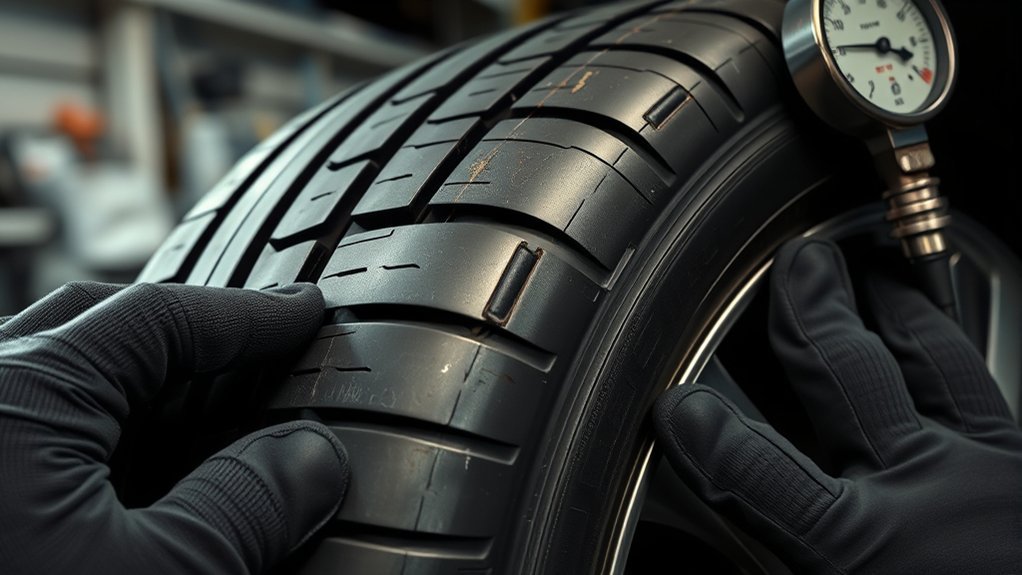
A tire can pop from the inside when heat, low pressure, excess load, impact damage, age, or a hidden casing defect weakens the tire until it can no longer hold air. This is more than a simple flat. A true blowout is a rapid pressure loss that can shake the vehicle, pull the steering, and damage the tire beyond repair. The safest approach is to know the warning signs, check pressure when the tires are cold, and react calmly if a blowout happens.
Quick Answer
A tire pops from the inside when the inner liner, belts, sidewall, bead area, or casing fails under pressure. The most common triggers are underinflation, heat buildup, overloading, road impact damage, aging rubber, and improper repairs. If it happens while driving, hold the wheel steady, avoid hard braking, gradually release the accelerator, and pull over once the vehicle is stable.
Key Takeaways
- A blowout is a rapid loss of air pressure, usually caused by structural tire failure rather than a slow leak.
- Underinflation is one of the biggest risks because it increases sidewall flex, heat, and internal damage.
- Bulges, cracks, vibration, pulling, exposed cords, repeated pressure loss, or a TPMS warning need immediate attention.
- Check tire pressure at least monthly when tires are cold, using the pressure on the vehicle placard, not the number molded on the tire sidewall.
- After a blowout, replace the failed tire and inspect the wheel, TPMS sensor, alignment, and the other tires before driving normally again.
At a Glance
| Time Required | Seconds to stabilize the vehicle; 5–15 minutes to inspect safely after stopping |
| Difficulty | Moderate in an emergency; easy for routine prevention checks |
| Tools Needed | Tire pressure gauge, tread-depth gauge or penny, flashlight, owner’s manual, and roadside kit |
| Cost | Prevention is low-cost; replacement after a blowout usually means the price of a new tire, mounting, balancing, and possible wheel or alignment repair |
What Is a Tire Blowout?
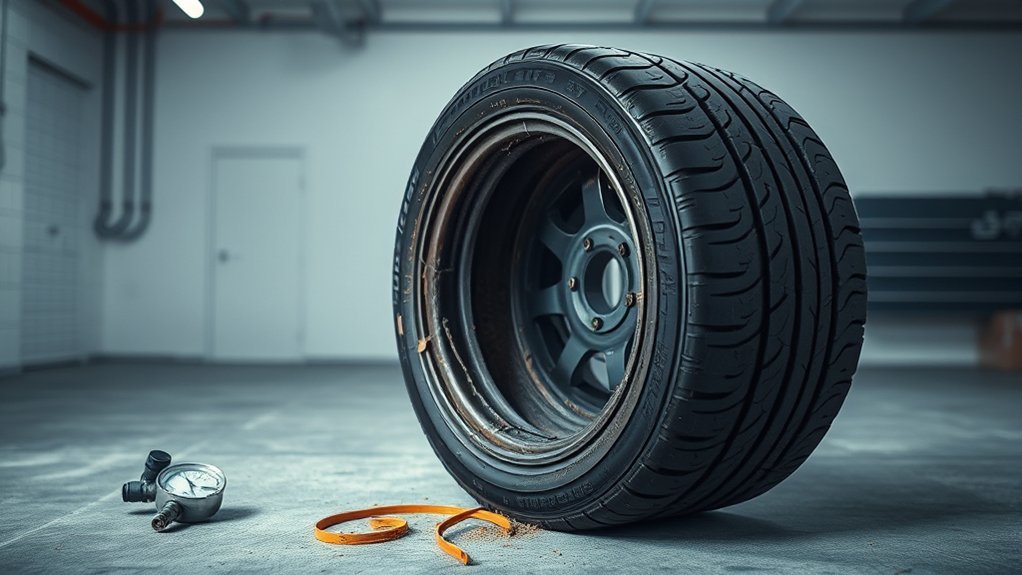
A tire blowout is a rapid loss of air pressure that can cause the tire to collapse, shred, or separate while the vehicle is moving. Unlike a slow leak from a nail, a blowout usually means the tire’s structure has failed. You may hear a loud bang, feel a sudden vibration, or notice the vehicle pulling toward the damaged side.
A tire can seem to “pop from the inside” when the inner liner, belts, sidewall, bead area, or casing can no longer contain pressure. This can happen after weeks of heat damage from low pressure, one hard pothole impact, an overloaded trip, old rubber, or an improper repair that lets moisture and air reach the tire’s internal layers.
The National Highway Traffic Safety Administration warns that poor tire maintenance can lead to a flat tire, blowout, or tread separation. That is why tire pressure, tread condition, age, and visible damage all matter before a tire fails.
Warning: Do not keep driving on a tire that has a bulge, exposed cords, a sidewall crack, repeated pressure loss, or severe vibration. These are signs of structural damage, not normal wear.
Why Tires Pop From the Inside
Most blowouts begin before the tire actually bursts. The tire flexes, heats, weakens, or separates internally until air pressure finds the weakest point. The outside damage may look small, but the hidden damage inside the casing can be severe.
Underinflation and Heat Buildup
Underinflation is one of the most common blowout risks. When a tire does not have enough air, the sidewalls bend more than they should. That extra flex creates heat, and heat weakens rubber, belts, and bonding layers. Over time, the tire can separate internally and fail suddenly.
Federal TPMS rules also warn that driving on a significantly underinflated tire causes overheating and can lead to tire failure. A TPMS light is helpful, but it is not a substitute for checking tire pressure with a gauge.
Overinflation and Impact Damage
Overinflation can make the tire stiffer and less able to absorb impacts. If you hit a pothole, curb, or sharp road edge, the tire may bruise internally, cut cords, or develop a weak spot. The tire may not blow immediately. It can fail later after the damaged section flexes under load and heat.
Do not use the maximum pressure molded on the tire sidewall as your normal inflation target. Use the recommended cold tire pressure on the driver’s door placard or in the owner’s manual.
Overloading, Towing, and Speed
Every tire has a load index and speed rating. When the vehicle is overloaded, when cargo is unevenly distributed, or when you tow near the vehicle’s limit, each tire has to carry more heat and stress. Highway speeds make the problem worse because the tire cycles faster and builds more temperature.
Before a road trip, check the vehicle’s tire and loading label, confirm the tire size and load rating, and reduce speed on rough or hot roads. If you tow, follow the vehicle and trailer manuals for tire pressure and load limits.
Tire Age and Rubber Breakdown
Tires age even when tread depth still looks good. Heat, sunlight, oxygen, storage conditions, and low annual mileage can all harden rubber and weaken internal materials. NHTSA says some vehicle and tire manufacturers recommend replacing tires that are six to 10 years old, regardless of treadwear.
Check the DOT Tire Identification Number on the sidewall. The last four digits show the week and year of manufacture. For example, “2322” means the tire was made in the 23rd week of 2022. Look on both sides of the tire, because the full code may appear on only one side.
Road Hazards and Hidden Casing Damage
Potholes, broken pavement, curb strikes, nails, metal scraps, and sharp rocks can damage a tire’s belts or sidewall. Some damage is obvious, such as a cut or puncture. Other damage hides inside the tire and shows up later as vibration, a bulge, tread separation, or sudden pressure loss.
Bad Repairs and Moisture Inside the Tire
A poor plug-only repair, a repair too close to the sidewall, or a puncture that was driven on while flat can leave internal damage behind. Moisture can also reach steel belts through an open puncture and promote corrosion. If a tire was driven while severely underinflated or flat, have it dismounted and inspected from the inside before anyone tries to repair it.
Manufacturing Defects and Recalls
Less often, a tire fails because of a manufacturing defect or recalled tire line. Search tire recalls through NHTSA’s recall lookup tool, especially after buying used tires, buying a used vehicle, or noticing repeated failures on the same tire model.
Main Reasons a Tire Blows Out
These are the most common reasons a tire pops, bursts, or loses pressure suddenly:
- Low tire pressure: Causes extra sidewall flex, heat, tread wear, and internal separation.
- Too much pressure: Reduces impact cushioning and can make damage from potholes or curbs worse.
- Heavy load: Adds stress to the casing, belts, sidewalls, and bead area.
- Hot weather and highway driving: Increase operating temperature, especially when pressure or load is wrong.
- Road impact: Can bruise the tire internally even when the outside looks acceptable.
- Old rubber: Can crack, harden, and lose strength with age.
- Worn tread: Reduces grip and can expose damage that should have been caught earlier.
- Improper repair: Can leave hidden casing damage or allow moisture into the belts.
- Defective or recalled tire: Can fail even with normal use, which is why recall checks matter.
NHTSA reported 511 total motor vehicle traffic fatalities in tire-related crashes in 2024. Tire pressure, tread, age, and damage checks are not optional maintenance; they are safety checks.
Signs a Tire Is About to Blow Out
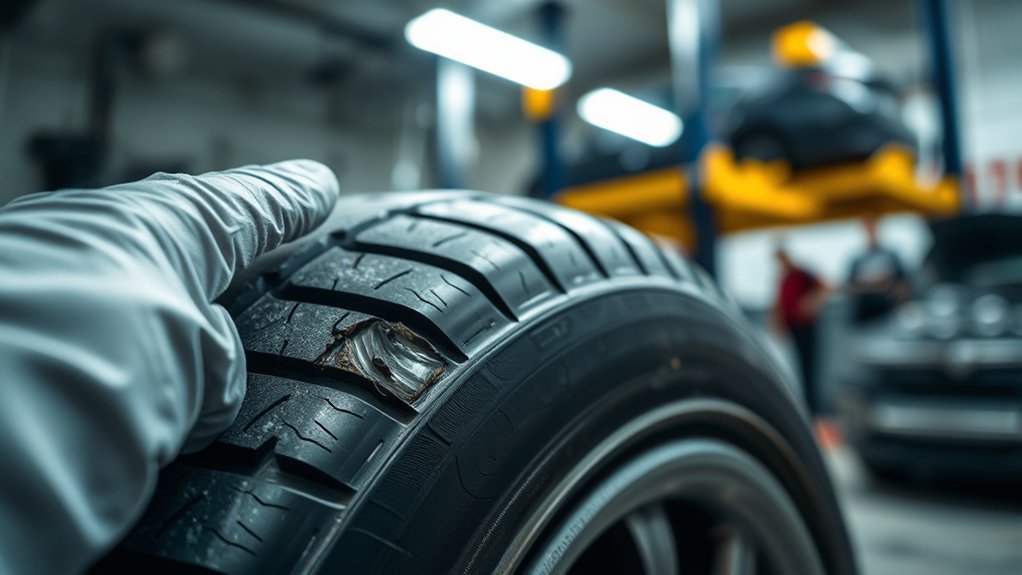
A tire often gives warning signs before it comes apart. Stop driving and inspect the tire as soon as it is safe if you notice any of these problems:
- Bulge or bubble: Often means internal cords are damaged.
- Cracks in the sidewall: Can signal aging, weathering, or structural weakness.
- Repeated low pressure: May point to a puncture, bead leak, valve issue, or rim damage.
- TPMS light: Means at least one tire is significantly underinflated or the system has a fault.
- Vibration or shimmy: Can indicate belt separation, wheel damage, or an out-of-balance tire.
- Pulling to one side: May come from pressure loss, alignment problems, or internal tire damage.
- Uneven tread wear: Can reveal underinflation, overinflation, alignment issues, or worn suspension parts.
- Exposed cords or bald tread: Means the tire is unsafe and should be replaced.
Note: A TPMS warning may not appear until pressure is already significantly low. Check pressure manually at least once a month and before long trips.
What to Do During a Tire Blowout
If a tire blows while you are driving, the first seconds matter. Your goal is to keep the vehicle balanced, stable, and pointed where you want it to go.
1. Hold the Wheel Steady
Keep both hands on the steering wheel. Look where you want the vehicle to go and steer smoothly. Do not jerk the wheel, even if the vehicle pulls to one side.
2. Do Not Slam the Brakes
Hard braking can shift weight suddenly and make the vehicle harder to control. Avoid panic inputs. Keep the vehicle stable first.
3. Release the Accelerator Gradually
Ease off the gas smoothly. Do not abruptly lift off the accelerator if the vehicle feels unstable. Let speed drop in a controlled way while you keep the vehicle straight.
4. Stabilize Before Moving Over
Once the vehicle settles, turn on the hazard lights and move toward the shoulder, exit, or another safe area. Avoid stopping in a travel lane, on a curve, or in a blind spot unless the vehicle cannot move safely.
5. Exit Only When Safe
After stopping, set the parking brake and check traffic before opening the door. If the shoulder is narrow, traffic is heavy, or the vehicle is not safely away from the lane, stay inside with your seat belt on and call roadside assistance.
Warning: Never change a tire on the traffic side of the vehicle, on soft ground, on a slope, or where passing traffic is close. A safe location matters more than saving time.
Front vs. Rear Tire Blowout: What Feels Different?
The control steps are the same for a front or rear blowout, but the feeling can be different. A front tire blowout is usually felt more through the steering wheel. The vehicle may pull hard toward the failed tire. A rear tire blowout is often felt more through the seat or body, and the back of the vehicle may feel loose or unstable.
In both cases, avoid hard braking, keep steering smooth, and slow down gradually before moving out of traffic.
How to Prevent Tire Blowouts
You cannot prevent every tire failure, but you can reduce the risk by controlling pressure, load, age, tread, and damage.
[Products Worth Considering]
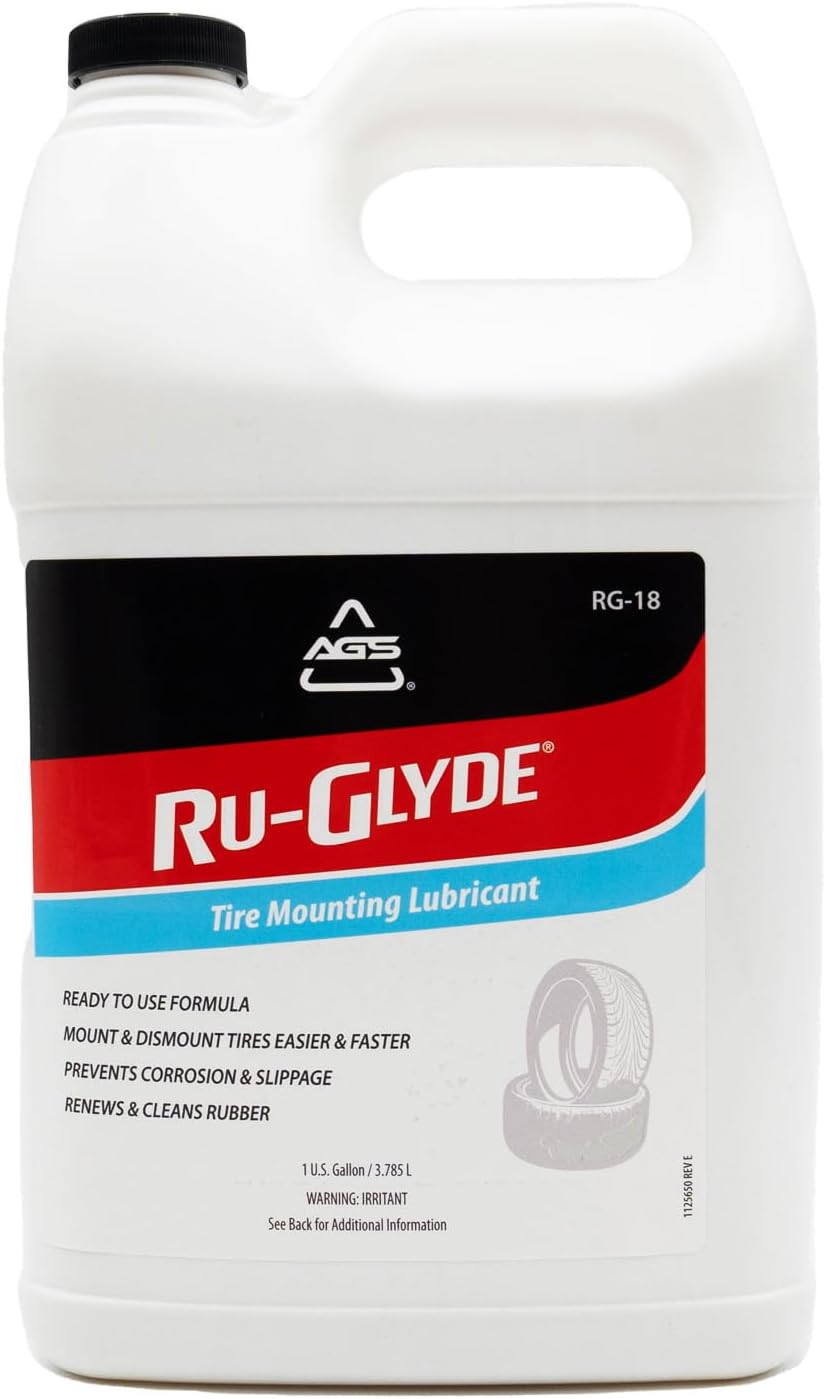
Ru-Glyde tire mounting lubricant from AGS seats tire beads smoothly on the first try with a thick, stay-put formula. It is ready to use with no mixing or dilution, helps prevent rim rust, and dries completely without causing bead slip residue. The water-based formula also conditions aged rubber, making it useful for sidewalls, gaskets, and door seals while remaining safe for tire, wheel, and technicians.

Monitor tire tread wear with a smart, color-coded depth gauge that shows clear condition ranges at a glance. The bar is range marked for fast, easy readings, helping you maintain safer traction and performance. Each gauge is portable with a pocket clip, and the set includes 20 units for daily use and sharing.

The VEHLIVE SU-50448 II TPMS relearn tool provides a fast activation reset to restore accurate tire pressure monitoring after sensor replacement or tire rotation. It supports 315 MHz and 433 MHz GM series sensors and helps clear dashboard pressure warnings. With simple two-button operation and horn-confirmed relearning order, you can reprogram sensors conveniently at home.
Check Cold Tire Pressure Monthly
Check all tires, including the spare, at least once a month when they are cold. “Cold” means the vehicle has been parked for at least three hours or driven only a short distance at low speed. Use the pressure on the Tire and Loading Information Label or owner’s manual. Do not inflate based on the sidewall maximum pressure unless your vehicle or tire documentation specifically tells you to.
Inspect Tread and Sidewalls
Replace tires when tread is worn to 2/32 inch or when treadwear indicators are level with the tread. Also inspect for cuts, cracks, bulges, punctures, uneven wear, and exposed cords. If you see damage on the sidewall, do not treat it like a normal puncture repair.
Watch Load, Speed, and Heat
Before long trips, towing, or carrying heavy cargo, check the vehicle’s payload limit and tire load rating. Slow down on rough pavement and in extreme heat. The harder a tire works, the more heat it builds.
Rotate, Balance, and Align
Follow your owner’s manual for tire rotation. NHTSA notes that if the manufacturer recommends rotation, many vehicles use a 5,000- to 8,000-mile interval. Balance tires when new tires are installed or when vibration appears. Get an alignment if the vehicle pulls, the steering wheel sits off-center, or tread wears unevenly.
Check Tire Age and Recalls
Use the DOT date code to track tire age. Have older tires inspected by a professional, especially if they are six years old or older, used on an RV, stored outdoors, or driven only occasionally. Replace tires by the vehicle or tire maker’s age limit, even if tread remains. Search tire recalls at least twice a year or when you buy a used vehicle.
Pro Tip: Keep a tire pressure gauge in the glove box and check pressure before the first drive of the day. Gas-station gauges can be inaccurate, and warm tires can give misleading readings.
When to Replace a Tire After a Blowout
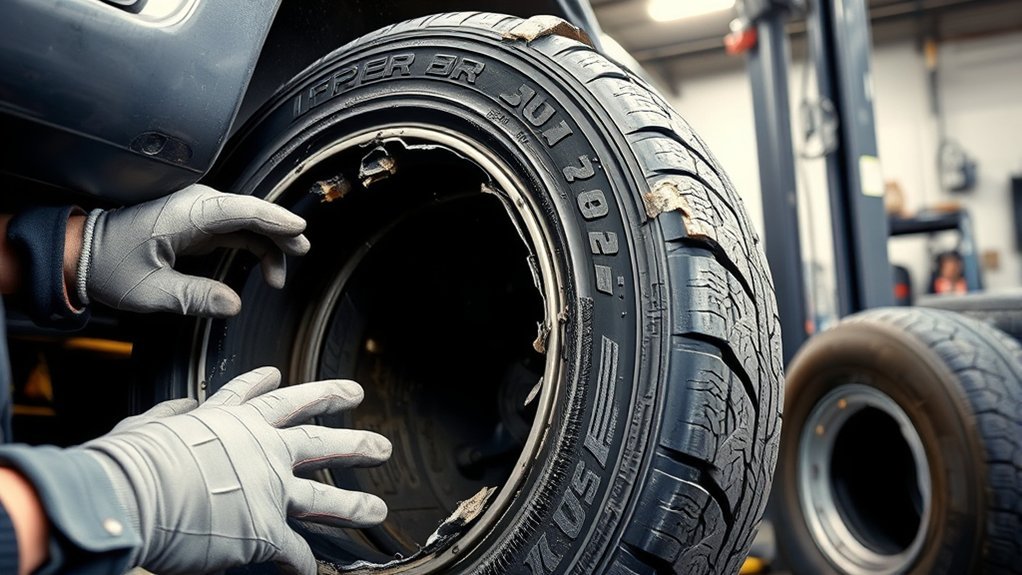
After a blowout, replace the failed tire. A tire that has burst, shredded, separated, or been driven on while flat cannot be trusted to hold its shape, pressure, or load safely.
Also inspect the rest of the vehicle before returning to normal driving:
- Wheel and rim: Look for bends, cracks, sharp edges, or bead-seat damage.
- TPMS sensor: A blowout can break the sensor or valve stem.
- Brake lines and suspension: Shredded tire pieces can strike nearby parts.
- Alignment: A hard impact or blowout can knock alignment out of spec.
- Other tires: Check age, tread, pressure, bulges, and uneven wear.
- Spare tire: Confirm pressure, age, and speed/distance limits before relying on it.
If one tire failed because of age, overloading, poor pressure maintenance, or severe wear, the other tires may be close to failure too. Replace in pairs or sets when needed to keep tread depth and traction balanced, especially on all-wheel-drive vehicles that require closely matched tire circumference.
[Products Worth Considering]

Malco tire mounting and demounting lubricant is a ready-to-use tire lube formulated to reduce friction during tire installation for passenger cars, light trucks, farm tires, and heavy-duty equipment. It provides rust-inhibiting protection to help reduce corrosion on rims and wheels, and helps support proper tire bead seating during inflation to reduce air leakage. The silicone-free, soap-free formula is whitewall safe to help prevent discoloration on whitewall tires and sensitive sidewall markings.

Vigorder rubber cement glue delivers superior adhesion and cures quickly within about 30 seconds for seamless rubber bonding. Once cured, it helps provide a strong, durable, waterproof seal that holds up to vehicle weight, pressure, and heat. Suitable for cars, motorcycles, trucks, bicycles, and off-road tires, it’s designed for emergency patch and maintenance repairs.

Replace your worn or missing TPMS sensors with pre-programmed, direct-fit sensors for compatible Ford, Lincoln, and select Mazda models. Each sensor comes ready to activate with a scan tool, helping restore accurate tire pressure monitoring and trouble-free installation. Built with a long-life CR2032 battery and tested before factory release, this set provides dependable performance with a one-year warranty.
Can a Blown Tire Be Repaired?
A true blowout should not be repaired. Repairs are only for certain small punctures in the tread area, and only after the tire is removed from the wheel and inspected inside. Sidewall damage, shoulder damage, exposed cords, belt separation, inner-liner damage, and run-flat damage usually mean replacement.
If you are unsure whether the tire was driven while flat, assume it needs professional inspection. A tire can look acceptable outside while the inside is shredded or weakened.
[Products Worth Considering]

Replace worn or malfunctioning GM TPMS sensors with this 433MHz pre-programmed sensor set designed for compatibility with many Chevrolet, Buick, GMC, and Cadillac models. It includes guidance for proper OBDII relearning/pairing after installation and supports reliable long-term operation with a high-performance CR2032 battery. Quality tested for durability and performance to help restore accurate tire pressure monitoring.
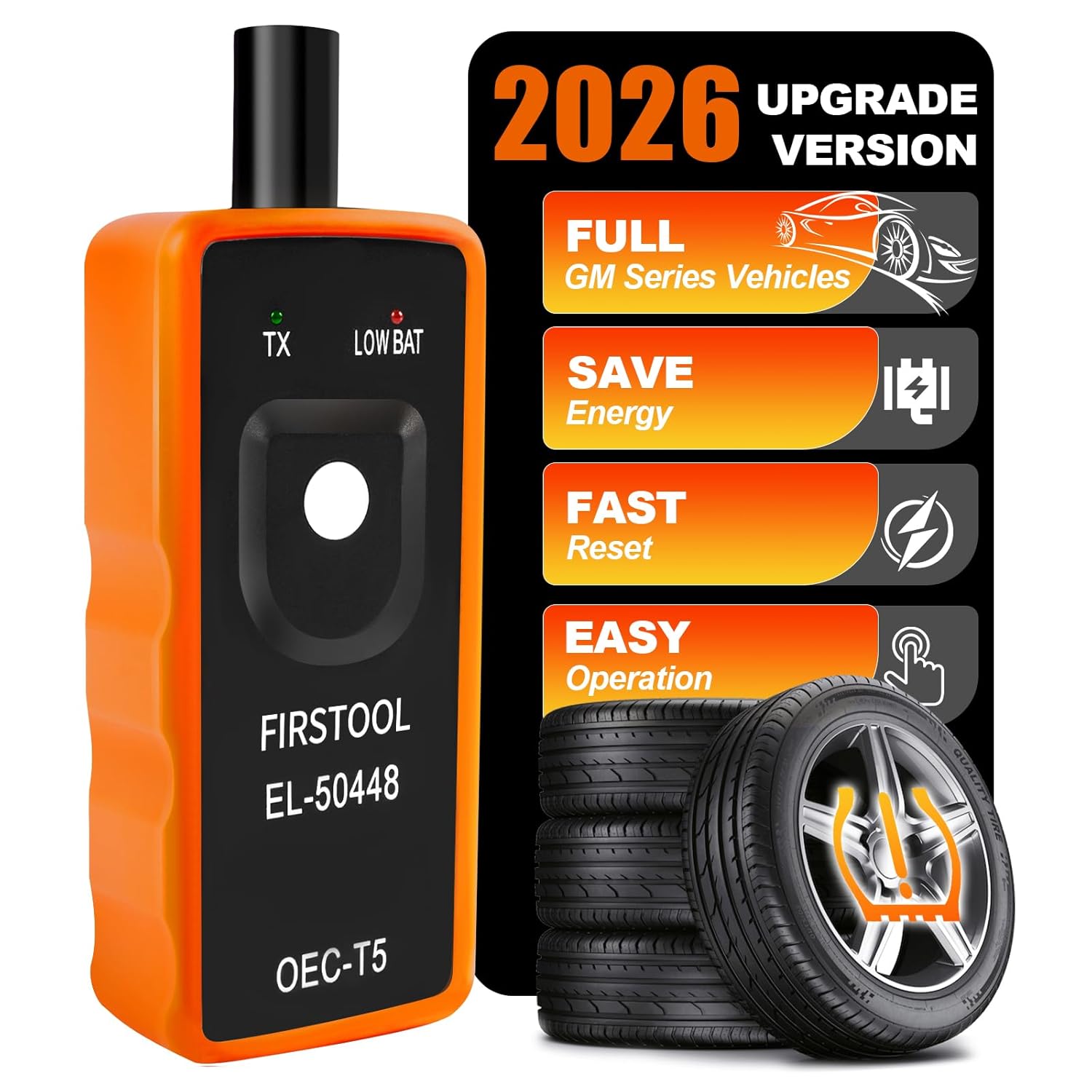
This TPMS relearn tool helps you quickly activate, match, and reset GM tire pressure sensors to keep the vehicle monitoring system working properly. It clears tire pressure alarms and dashboard warning lights after sensor replacement or tire rotation, and supports learning for common 315/433 MHz TPMS sensors. Designed for simple one-button operation, it can help you avoid unnecessary trips to repair shops.

Milton S-921 pencil tire pressure gauge helps you maintain optimal tire pressure for passenger cars with accurate readings in PSI and kPa. It features a built-in deflator valve for convenient pressure adjustments, plus a single chuck head and nylon indicator bar for easy use on the go. Built from durable plated brass and designed for reliable performance, it’s a practical road trip and cold-weather maintenance tool.
Frequently Asked Questions
How does a tire pop from the inside?
A tire pops from the inside when internal pressure escapes through a weak point in the casing, sidewall, bead, tread, or inner liner. The weak point may come from underinflation, heat, impact damage, aging rubber, belt separation, or a bad repair.
What easily pops tires?
The fastest ways to damage a tire are driving underinflated, overloading the vehicle, hitting potholes or curbs, driving on old cracked rubber, ignoring bulges, and using tires with severe tread wear. Sharp debris can also puncture a tire, but many blowouts come from hidden structural damage rather than one visible cut.
How do you pop the bead in a tire safely?
Use a proper tire bead breaker after the tire is fully deflated, then apply tire lubricant and press the bead away from the rim. Do not use fire, starting fluid, excessive force, or improvised tools that can damage the wheel or injure you. If you do not have the right equipment, use a tire shop.
What is the 3 tire rule?
The “3 tire rule” is not a universal law or official tire standard. People usually use it to mean that if three tires are worn or damaged, replacing all four is often smarter because it keeps tread depth, grip, and handling balanced. Always follow your vehicle maker’s guidance, especially for all-wheel-drive vehicles.
Can I drive after a tire blowout?
Drive only far enough to get out of traffic if the vehicle is still controllable. Once stopped safely, do not continue on the blown tire. Use a properly inflated spare within its speed and distance limits, install a full replacement tire, or call roadside assistance.
How old is too old for a tire?
There is no single age limit that applies to every tire in every vehicle. NHTSA says some vehicle and tire manufacturers recommend replacement at six to 10 years, regardless of treadwear. Check the DOT date code, inspect for aging damage, and follow the tire or vehicle maker’s limit.
Conclusion
A tire pops from the inside when pressure, heat, load, impact damage, age, or hidden casing damage overwhelms the tire’s structure. The best prevention is simple but consistent: check cold tire pressure monthly, inspect tread and sidewalls, respect load limits, track tire age, and replace damaged tires before they fail. If a blowout happens, stay calm, hold the wheel steady, avoid hard braking, ease off the accelerator, and pull over only when the vehicle is stable and the location is safe.
Sources
- NHTSA TireWise — tire pressure, tread depth, aging, TPMS guidance, blowout response, and 2024 tire-related crash fatality figure.
- 49 CFR 571.138, Tire Pressure Monitoring Systems — TPMS warning requirements and owner-manual language about underinflation and tire failure.
- NHTSA Recalls — tire and equipment recall lookup and recall-check guidance.