What Does 102V Mean on a Tire? Load, Speed & Rating Guide
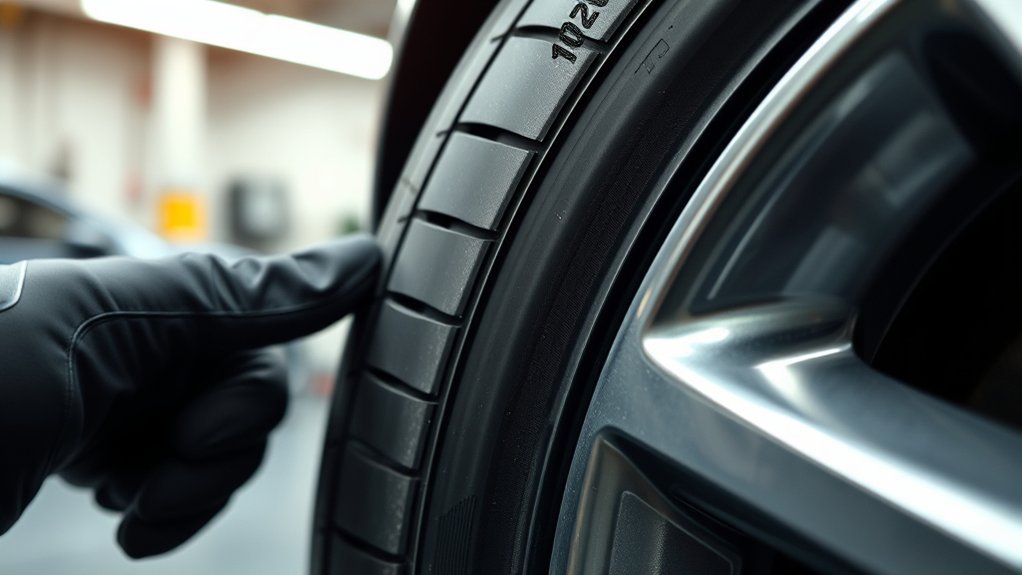
A tire marked 102V means you’re looking at a load index of 102 and a V speed rating. That load index lets each tire carry up to 1,874 pounds (850 kg) when properly inflated. The V rating means the tire’s approved for speeds up to 149 mph (240 km/h). You should match your vehicle’s placard or owner’s manual, because correct load and speed ratings help keep performance, safety, and handling consistent as you compare more details.
Key Takeaways
- 102 is the load index, meaning each tire can support up to 1,874 pounds (850 kg) when properly inflated.
- V is the speed rating, meaning the tire is designed for speeds up to 149 mph (240 km/h).
- Together, 102V shows the tire’s load capacity and maximum safe operating speed.
- Check your vehicle’s placard or owner’s manual to confirm that 102V matches the manufacturer’s requirements.
- Using the correct load and speed ratings helps prevent overheating, wear, and tire failure.
What Does 102V Mean on a Tire?
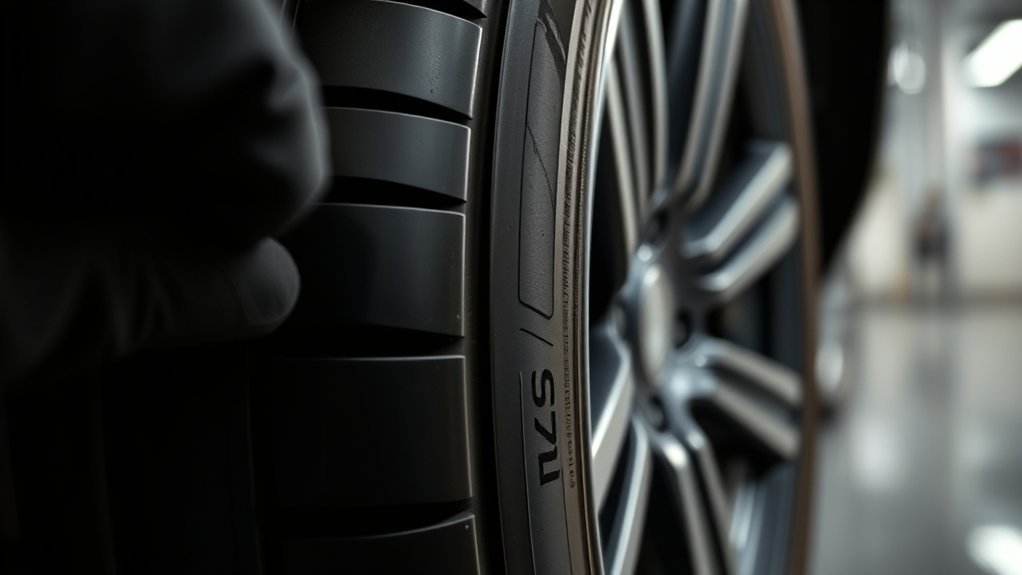
A tire marked 102V tells you two key things: 102 is the load index, meaning the tire can carry up to 1,874 pounds (850 kg) when properly inflated, and V is the speed rating, meaning it can safely handle speeds up to 149 mph (240 km/h) under ideal conditions. You’re reading a compact code that links carrying capacity with road speed. The load index shows the tire’s maximum load per tire, while the speed rating shows the highest sustained speed it’s designed to tolerate. Together, they help you match the tire to your vehicle’s requirements and protect performance, stability, and control. Tires with a 102 load index and V speed rating often fit sporty sedans and similar vehicles that need both strength and speed. Additionally, selecting tires with strong wet traction enhances safety and driving performance in various conditions. Check your owner’s manual, compare specs, and choose tires that meet or exceed the manufacturer’s limits.
What Does Load Index 102 Mean?
Load index 102 means the tire can support a maximum load of 1,874 pounds (850 kg) when it’s properly inflated. You use this load index to judge whether a tire can handle your vehicle’s weight without strain. Load index numbers run from 0 to 150, and higher values mean greater carrying capacity. In practical terms, a 102 rating often appears on passenger vehicles and light trucks. You should always compare the tire ratings on your sidewall with your vehicle manufacturer’s specifications; the load index must meet or exceed them for safe operation. If you’re checking total capacity, multiply the load index capacity by the number of tires in use, usually four. That gives you a clear baseline for load support, though your actual limit also depends on axle ratings and proper inflation. Additionally, choosing tires with low rolling resistance can enhance fuel efficiency and overall vehicle performance.
What Does a V Speed Rating Mean?
The V speed rating means your tire can safely operate at speeds up to 149 mph (240 km/h) when it’s properly inflated and loaded. You’ll usually see a V speed rating on performance tires, where engineers tune the tread and carcass for stronger grip, sharper response, and more stable vehicle handling at higher speeds. That doesn’t mean you should drive that fast; it means the tire has passed testing for that limit under specified conditions. Compared with lower-rated tires, a V-rated tire can deliver better stopping power and cornering confidence when you demand more from your vehicle. Keep all four tires matched in speed rating whenever possible, because mixing a V rating with a lower-rated tire can upset balance and reduce safety. When you replace tires, choose a rating that meets or exceeds the manufacturer’s spec so you keep control, performance, and freedom on the road. Additionally, tire selection criteria play a crucial role in ensuring safety and longevity.
Where to Find Tire Sidewall Markings
Sure! Here’s the revised content following your directions:
—
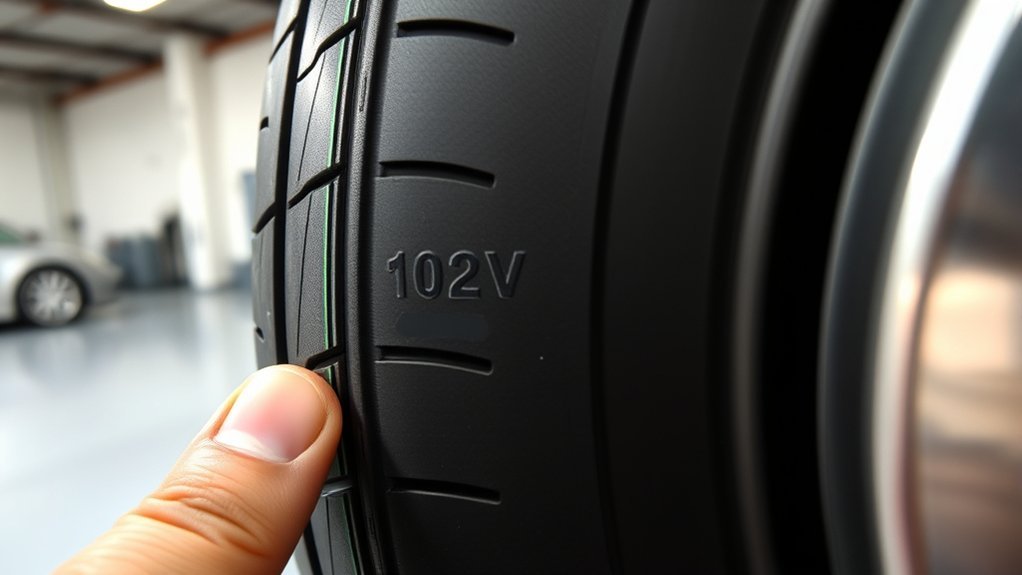
Look at the tire’s outer sidewall to find the embossed markings that list its size, construction type, load rating, and speed rating. You’ll usually see them molded into the rubber on the visible face of the tire sidewall, so you don’t need tools or guesswork. Wipe away dirt or brake dust, then read the code in full. All-season tires, like the Evoluxx Capricorn HP, often feature specific markings that indicate their performance characteristics.
| Marking area | What you’ll see |
|---|---|
| Outer sidewall | Size and construction code |
| Nearby code block | Load rating and speed rating |
| Vehicle references | Owner manual or tire placard |
Use the tire itself as your first reference, then cross-check with the owner manual or placard if you want confirmation. This gives you control over your fitment choices and helps you match the right tire to your vehicle’s demands. When you can read these markings confidently, you’re less dependent on shops and more able to choose parts on your own terms.
How Load and Speed Ratings Work
You can read the load index to see how much weight each tire can carry; for example, a 102 rating means 1,874 pounds per tire. You can also use the speed rating to see the maximum safe operating speed under proper inflation and load, such as V for up to 149 mph. You need both ratings to match the vehicle maker’s specs, because overloading or mismatching tires can raise heat, reduce handling, and increase failure risk. Choosing the right tires ensures optimal performance and safety for your vehicle.
Load Index Basics
A tire’s load index tells you the maximum weight it can support at a given inflation pressure, and the speed rating shows the highest safe operating speed under proper load conditions. On your tire’s sidewall, you’ll find the load index number and speed rating together, ready to guide smarter choices. For 102V:
- 102 = 1,874 pounds per tire.
- V = up to 149 mph.
- Match ratings to your vehicle’s needs.
- Don’t exceed either limit.
If you overload a tire or run it underinflated, you raise heat, stress, and failure risk fast. Higher load indices support heavier vehicles and reinforced setups. Check the markings before you buy, and use the numbers to choose with confidence. You’re not guessing—you’re selecting freedom through precise fit.
Speed Rating Meaning
The speed rating on a tire, such as the “V” in 102V, tells you the maximum speed it’s designed to handle safely under proper load and inflation conditions. In this case, the load index 102 means your tire supports a maximum load of 1,874 pounds, while the speed rating V allows up to 149 mph. You need both ratings to match your vehicle’s specs, because they work together under real driving stress. If you exceed either the maximum load or speed rating, heat builds fast and the tire can lose structural strength. That can reduce handling and stability. By reading the load index and speed rating together, you protect your vehicle’s performance and keep control where it belongs—in your hands.
Why Ratings Matter
Load and speed ratings do more than label a tire—they define the operating limits that keep it safe and predictable on the road. Your load rating, like 102, tells you the tire can carry 1,874 pounds when properly inflated. Your speed rating, like V, means it’s built for up to 149 mph under specified conditions. Respect both if you want real safety and control.
- Match your vehicle maker’s specs.
- Avoid overload and heat buildup.
- Preserve handling and stability.
- Reduce tire damage and failure risk.
When you choose the right load rating and speed rating, you free your vehicle to perform as designed. That means fewer compromises, better response, and safer travel at every mile.
Can You Use Higher or Lower Tire Ratings?
You can use higher-rated tires if they meet or exceed your vehicle manufacturer’s load and speed requirements, since that preserves safe performance and handling. A higher speed rating or a higher load index won’t hurt fitment if the tire’s service description matches the vehicle’s needs, but you should still keep ratings uniform across all four corners for consistent stability. Avoid mixing tires with different speed ratings unless you’ve verified the overall performance won’t suffer; uneven specs can dull steering response and upset balance. Don’t run a lower load index than required, because the tire may overwork, wear early, and create a real safety risk. Lower-rated tires generally aren’t a smart choice. The only common exception is a winter-capable tire marked with the 3PMSF symbol, and even then, place it on the rear axle to help prevent oversteer and keep the car free, predictable, and responsive. Additionally, refer to the tire fitment FAQs for guidance on maintaining the correct specifications for optimal performance.
What XL Tires Mean for Load Capacity
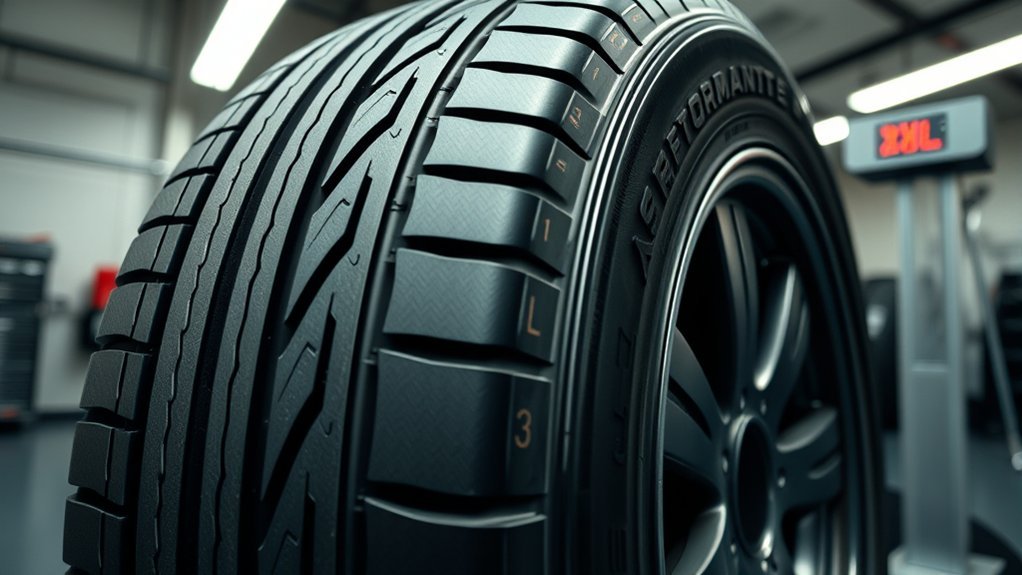
XL tires, or Extra Load tires, use reinforced construction and higher inflation pressures to carry more weight than standard tires without sacrificing safe performance or handling. When you see XL (Extra Load), you’re looking at a tire built for higher load capacity, often with a load index above a standard equivalent. That extra margin matters on SUVs and trucks that work harder every mile.
XL tires reinforce the load-bearing task, carrying more weight with higher pressure and a stronger casing.
- Reinforced casing resists deformation under weight.
- Higher pressure lets the tire support more load safely.
- A higher load index signals greater carrying capacity.
- Matching the vehicle’s spec helps you avoid failure and keep control.
You don’t gain freedom by guessing; you gain it by reading the rating and using the right tire for the job. If your vehicle calls for XL, treat that as a precise performance requirement, not an upgrade gimmick. Additionally, choosing tires like the Evoluxx Capricorn can enhance your vehicle’s stability and performance under load.
How to Choose the Right Tire Rating
You should match the tire’s load and speed ratings to your vehicle manufacturer’s placard or owner’s manual, since those specs define the minimum safe requirements. For example, a load index of 102 supports 1,874 pounds per tire when properly inflated, while a V speed rating permits up to 149 mph under specified conditions. If you need extra margin, you can choose a higher-rated tire, but don’t install a lower-rated one unless it meets winter-capable 3PMSF requirements. Additionally, choosing tires with heavy-duty durability can enhance performance in off-road conditions.
Match Vehicle Specs
To choose the right tire rating, check the vehicle placard or owner’s manual first, since the manufacturer specifies the required load and speed ratings for safe operation. Match the load index and speed rating exactly or above what the vehicle manufacturer lists. The 102 load index supports 1,874 pounds per tire when properly inflated, and the V speed rating permits up to 149 mph. Use this quick check:
- Read the placard.
- Confirm both ratings.
- Compare tire size.
- Verify fitment.
If you upgrade from 102V to 106W, make sure the new tire still meets your vehicle’s geometry and handling needs. You want freedom on the road, but you also need specs that keep your setup safe, legal, and predictable.
Balance Load And Speed
Once you’ve matched the vehicle placard and confirmed the correct size, the next step is balancing load and speed ratings so the tire works within the vehicle’s limits. The load index tells you the maximum load each tire can carry; 102 equals 1,874 pounds when properly inflated. The speed rating shows the tire’s safe operating ceiling; V means 149 mph.
| Rating | Meaning |
|---|---|
| 102 | maximum load 1,874 lb |
| V | speed rating to 149 mph |
| Higher speed | better stability, more wear |
| Matching specs | safer handling |
Choose a load index that meets or exceeds the maker’s spec, and don’t trade capacity for speed. Higher speed-rated tires can feel sharper, but they may wear faster. You want both freedom and control.
Frequently Asked Questions
What Is the Difference Between a 102H and a 102V Tire?
A 102H tire and a 102V tire share the same load capacity: you can carry up to 1,874 pounds per tire. The difference is speed rating and tire performance. H is approved to 130 mph, while V handles 149 mph, so you get better high-speed stability with V. Their tread design may vary by brand, but you should follow your vehicle’s specs to keep control, safety, and freedom on the road.
What Tire Rating Is Better, H or V?
V is better if you want higher tire performance, stronger grip, and more stability at speed; H is better if you value comfort, longevity, and lower cost. You should treat rating importance as vehicle-specific, not universal. When choosing tires, match the speed rating to your manufacturer’s specs and your driving style. If you rarely drive fast, H may free you from unnecessary expense while still keeping you safe and capable.
What Does 245 50R20 102V Mean?
245 50R20 102V means you’ve got a 245 mm-wide tire, with a sidewall height that’s 50% of that width, built radially, and sized for a 20-inch wheel. The 102 load index means it can support 1,874 pounds per tire, while V speed ratings allow up to 149 mph. This spec helps you judge tire performance, load capacity, and speed ratings, so you can choose confidently and drive on your terms.
What Does 102 Mean on Tires?
102 means your tire’s load index, so you know how much weight it can safely carry. You’re looking at a tire load rating of 1,874 pounds, or 850 kg, per tire when properly inflated. That old-school number may seem quaint, but it’s essential. You should match it to your vehicle specs, because the right load index supports speed rating choices and tire safety, giving you practical, liberated confidence on the road.
Conclusion
So, when you see 102V on your tire, you’re looking at a specific load index and speed rating that must match your vehicle’s needs. Check your placard, confirm the sidewall data, and never guess on capacity. If you choose a tire with the wrong rating, you can reduce safety and handling. Use the spec that fits your driving, load, and road conditions—simple as a rotary phone, but far more critical.

Related Articles
How Tall Is a 35 INCH Tire? Exact Height, Width & Dimensions
Find out the true height, width, and mounted size of a 35-inch tire before your next upgrade.
Read More
How Tall Is a 245 75R17 Tire? Exact Height, Width & Dimensions
How tall is a 245 75R17 tire, and what do its exact dimensions mean for fitment, clearance, and performance?
Read More
How Much Does a F1 Tire Weigh? Exact Weight Guide
I explain the exact weight of an F1 tire and why every kilogram matters, so keep reading to see how teams turn weight into speed.
Read More