
How Many Inches Is a 305 Tire? Width & Size Conversion Guide
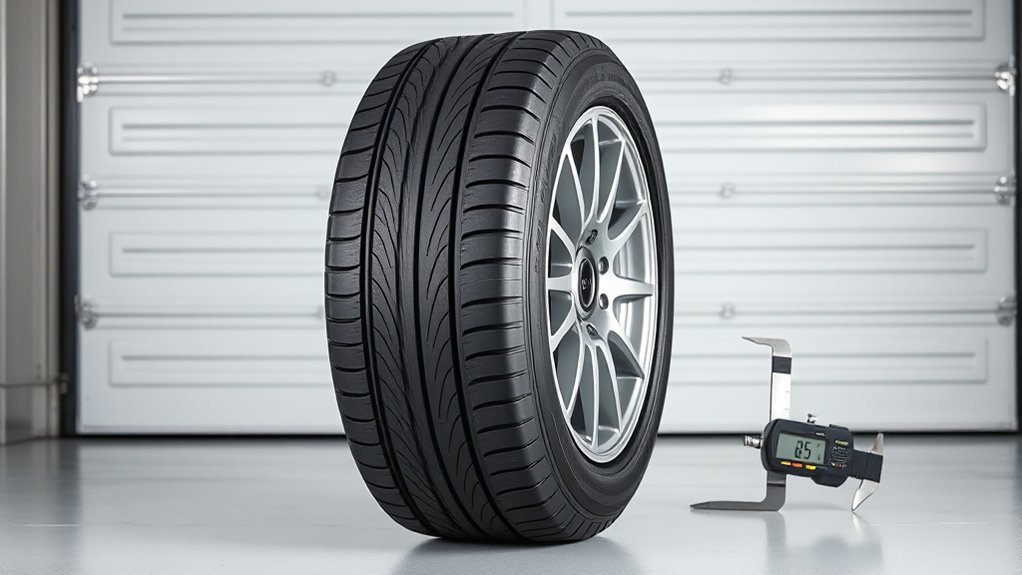
A 305 tire is about 12 inches wide because 305 mm converts to roughly 12.0 inches. That width describes the tire’s section width, not its diameter or sidewall height. If you’re looking at a 305/70R18, it’s about 12 inches wide, 8.4 inches tall in the sidewall, and 34.8 inches overall. Aspect ratio changes ride height, clearance, and fitment, so the exact size matters more than the 305 label alone if you want the full picture.
Key Takeaways
- A 305 tire is about 12.0 inches wide, since 305 mm ÷ 25.4 equals roughly 12 inches.
- “305” refers to tire width, not tire height or overall diameter.
- A 305/70R18 tire is about 12 inches wide, 8.4 inches tall in sidewall height, and 34.8 inches in diameter.
- The aspect ratio changes sidewall height and overall tire diameter, affecting ride comfort, handling, and clearance.
- Always match tire diameter, rim size, and vehicle clearance when choosing a 305 tire for proper fitment.
How Many Inches Is a 305 Tire?
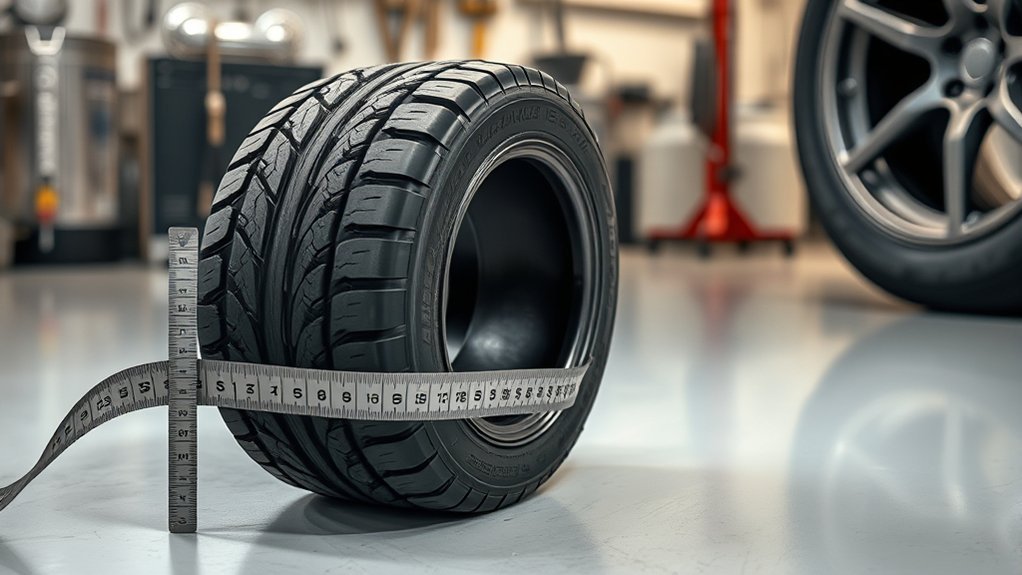
A 305 tire is about 12 inches wide, since 305 mm converts to roughly 12 inches. When you see 305 tire width, read it as the nominal tread width in millimeters, not the full tire diameter. That conversion gives you a fast imperial reference: 305 mm ÷ 25.4 = about 12.0 inches. You can use that number to judge fitment, wheel clearance, and stance on trucks or off-road rigs. The exact tire height still depends on the full size format, such as 305/70R18, where the sidewall ratio changes the final dimensions. So don’t treat 12 inches as the whole story; treat it as the width baseline. If you’re choosing parts for a vehicle, verify the complete size so you don’t compromise handling, articulation, or freedom of movement. Additionally, consider the tire performance characteristics that can affect your driving experience based on the tire type you choose.
305 Tire Width in Millimeters
At the metric core, a 305 tire measures 305 millimeters across its sidewall, which converts to about 12 inches when you need an imperial reference. That tire width in millimeters defines the tire’s maximum sidewall span when mounted, so you can judge fit with confidence and restraint.
| Metric | Value | Meaning |
|---|---|---|
| Width | 305 mm | Nominal tire width |
| Imperial | ~12 in | Approximate reference |
| Measurement | Sidewall span | Maximum mounted width |
| Fitment | Rim-dependent | Compatibility check |
| Use case | Trucks/SUVs | Broad, rugged application |
You should treat this figure as a precision spec, not a guess. It helps you match rims, meet vehicle requirements, and choose a tire that supports demanding terrain. For off-road or larger vehicles, the 305 profile gives you a wide footprint without ambiguity. Compare metric and imperial data, then select the size that frees your setup from mismatch and limits. Additionally, selecting the right tire size can greatly enhance your vehicle’s overall performance and safety on various terrains.
How to Convert 305 Tire Width to Inches
To convert a 305 tire width to inches, divide 305 millimeters by 25.4, and you get about 12 inches. That’s the direct width conversion for a 305 tire size, and it gives you a clear imperial baseline. You don’t need guesswork: the width is fixed by the metric label, so the math stays straightforward and repeatable. Use the inches figure when you compare fitment, clearance, or wheel compatibility.
If you’re checking a build for off-road traction or performance freedom, this width conversion helps you judge space accurately. A 305 tire width doesn’t describe sidewall height or overall diameter; it only tells you how wide the tire sits. For precise planning, convert the metric width first, then evaluate the rest of the size separately. That keeps your measurements clean, your choices informed, and your setup ready for the road or trail. Additionally, consider your tire selection criteria to ensure optimal performance and safety.
305/70R18 Tire Size in Inches
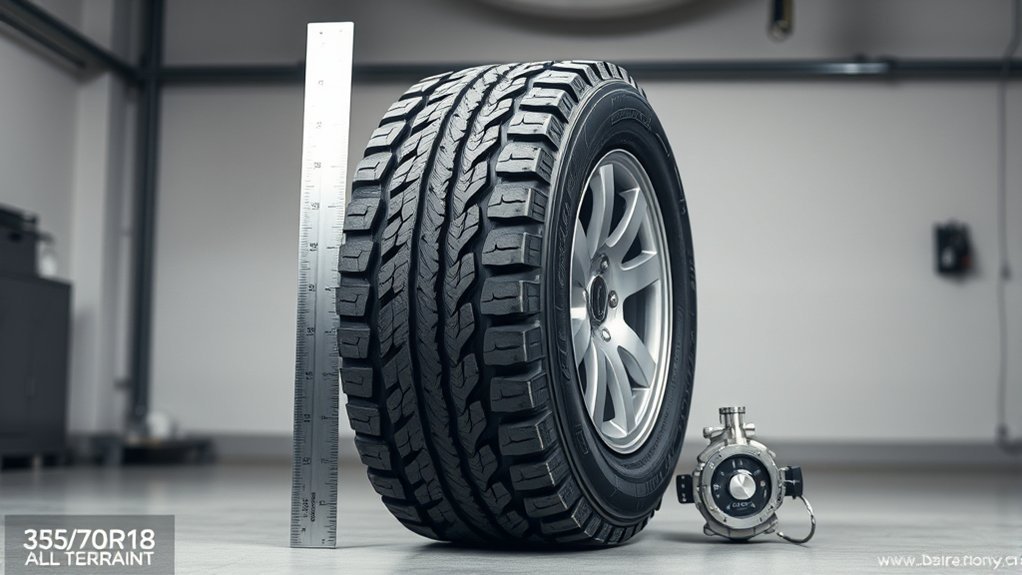
A 305/70R18 tire measures about 12 inches wide, with a sidewall height of roughly 8.4 inches and an overall diameter near 34.8 inches. You can read 305 tire sizes by converting 305 mm to inches, then applying the 70% aspect ratio to get the sidewall. That gives you a clear, practical metric for fitment and clearance. The 18-inch wheel rim requirement means you need compatible wheels, especially on trucks and SUVs where space, load, and performance matter. You’ll want these dimensions when checking suspension, fender clearance, and speedometer effects. Precise sizing helps you choose with confidence and avoid unnecessary constraint. When you understand a 305/70R18 tire in inches, you gain control over fit and function, not guesswork. Use the numbers to verify compatibility before you buy, mount, or upgrade. Additionally, selecting the right tire can significantly impact ride comfort and fuel economy, enhancing your overall driving experience.
How Tall Is a 305/70R18 Tire?
Now that you know a 305/70R18 tire is about 12 inches wide, the next question is height: this size stands about 34.8 inches tall overall. For you, that means the 305/70R18 has an overall diameter of 885 mm, so you can judge clearance, gearing, and ride height with confidence. The 70 aspect ratio gives you a sidewall height of roughly 8.4 inches, which supports load and articulation on trucks, SUVs, and other larger rigs.
A 305/70R18 stands about 34.8 inches tall, giving you 885 mm of overall diameter and confident fitment.
An important consideration is the overall diameter when selecting tires, as it affects vehicle performance and handling.
- Measure tire-to-fender space before you buy.
- Check suspension travel so the tire won’t bind.
- Compare overall diameter with your current setup.
- Confirm rim fitment to keep your build free and functional.
If you want clean fitment, this height matters more than guesswork. It shapes stance, performance, and the freedom to move over rough terrain without dragging or rubbing.
How Wide Is a 305/70R18 Tire?
A 305/70R18 tire is about 12 inches wide because the 305 mm section width converts to roughly 12.0 inches. You can use that width to compare fitment, clearance, and wheel compatibility on 18-inch rims. This 305 tire width is a key dimension when you’re checking truck and SUV applications, especially when considering all-season tire options for year-round performance.
305 Tire Width Explained
The 305/70R18 tire measures about 12 inches wide, since 305 mm converts to roughly 12.0 inches. That tire width gives you a broad contact patch, which supports stability on trucks and SUVs. You can use it to match fitment, clearance, and performance needs without guessing.
- 305 mm = about 12 in
- 70% aspect ratio = about 8.4 in sidewall
- Radial construction = modern, efficient design
- 34.8 in diameter = larger-vehicle fit
When you check tire width, you protect your vehicle’s balance and your own freedom on the road. Precise sizing helps you avoid rubbing, misalignment, and wasted effort.
305/70R18 Width In Inches
305/70R18 tires are about 12 inches wide because the 305 mm section width converts to roughly 12.0 inches. You can verify the width of the tire by dividing 305 by 25.4, then comparing fitment specs before you buy or lift.
| Spec | Value |
|---|---|
| Section width | 12.0 in |
| Aspect ratio | 70% |
| Sidewall height | 8.4 in |
| Overall diameter | 34.8 in |
This size gives you a broad footprint for trucks and SUVs, improving off-road traction while keeping on-road stability. If you’re upgrading for more freedom, confirm clearance, wheel width, and suspension space. Precise measurements keep your setup controlled, safe, and fully compatible with your vehicle’s limits.
How Aspect Ratio Changes Tire Size
When you look at tire size, the aspect ratio is the sidewall height as a percentage of the tire’s width. A higher ratio gives you a taller sidewall, while a lower ratio gives you a shorter one that changes ride feel and handling. Because sidewall height affects overall diameter, changing the aspect ratio also changes the tire’s total height and fitment. Choosing the right tire can significantly impact hydroplaning resistance and overall driving performance, especially in wet conditions.
Aspect Ratio Basics
Aspect ratio tells you how tall the sidewall is compared with the tire’s width, so it directly affects overall tire size. With aspect ratio, you’re choosing a balance between grip, comfort, and control.
- A 305/70R18 uses a 70% aspect ratio.
- Multiply 305 mm by 0.70 to estimate sidewall height.
- Lower aspect ratios shorten the sidewall and sharpen handling.
- Higher aspect ratios raise the sidewall and improve ride quality.
When you compare tires, aspect ratio helps you keep fitment accurate and performance aligned with your goals. If you want a more aggressive, responsive setup, a lower number can free you up; if you want more compliance, a higher number gives you that option.
Sidewall Height Impact
A higher aspect ratio gives you a taller sidewall, and in a 305/70R18 tire that sidewall is about 8.4 inches high. This sidewall height comes from 70% of the 305 mm tread width, so you can read the ratio as a direct control on tire profile. When you choose a higher ratio, you gain more cushioning, more compliance over rough pavement, and a freer, less harsh ride. You also allow more flex during cornering, which can reduce sharp response but improve traction on uneven surfaces. If you drop the ratio, you shorten the sidewall height and tighten handling. For your setup, that means you should judge aspect ratio as a performance lever, not just a number.
Overall Diameter Changes
Because the aspect ratio controls sidewall height, it also changes the tire’s overall diameter. When you run a 305 tire at a 70 aspect ratio, you get about 8.4 inches of sidewall height from each side. Add that to the 18-inch wheel, and your overall diameter lands near 34.8 inches. If you drop the aspect ratio, you reduce sidewall height and shrink the overall diameter. That change can affect clearance, gearing, and speedometer accuracy.
- Higher aspect ratio = taller tire
- Lower aspect ratio = shorter tire
- Match diameter for fitment freedom
- Check clearance before you upgrade
Common 305 Tire Size Equivalents
Common 305 tire sizes often cross-reference to 12.50-inch and 33-inch off-road equivalents, such as 12.50R18 and 33×12.50R18, depending on the tire’s construction and intended use. When you compare common equivalents, you’re translating 305 mm of section width into about 12 inches, so the match isn’t exact, but it’s close enough for fitment planning. A 305/70R18 also uses radial construction, and the R helps you identify a standard modern tire layout. You should also track the sidewall and diameter because a 70% aspect ratio gives you roughly 8.4 inches of sidewall height and about 34.8 inches of overall diameter. Those numbers matter when you’re checking clearance, gearing, and wheel compatibility. If you want freedom from guesswork, use the size designation to confirm width, height, and construction before you choose a replacement or equivalent. Additionally, consider the tread life warranty to ensure long-lasting performance.
Best Uses for 305 Tires
When you need a tire that balances width, traction, and stability, 305 tires fit well on trucks and SUVs, especially lifted setups. Their actual width is about 12 inches, so you get a broad footprint without losing control. You’ll notice the best uses for 305 tires in demanding roles where grip and clearance matter.
- Off-road trails: the wide tread bites into dirt, rock, and mud.
- Lifted trucks: the size fills wheel wells and matches aggressive stance goals.
- Rough weather: extra contact patch helps on wet or uneven pavement.
- Ground clearance needs: a typical 34.8-inch diameter helps you clear obstacles.
A 305/70R18 also brings an 8.4-inch sidewall, which flexes for terrain and absorbs impacts. If you want capability that feels free, this size gives you a strong, stable base for exploration and hard use. Additionally, all-terrain tires like those mentioned in the guide offer enhanced performance in diverse conditions.
How to Pick the Right 305 Tire
Choose the proper aspect ratio, since it directly controls sidewall height and overall tire diameter. Match the tire’s rim diameter to your wheel size so the bead seats correctly and the tire mounts safely. Check vehicle clearance against the tire’s full dimensions to confirm it won’t rub suspension, bodywork, or fenders. Additionally, consider the tire’s load ratings to ensure compatibility with your vehicle’s requirements.
Choose Proper Aspect Ratio
A tire’s aspect ratio tells you how tall the sidewall is relative to its width, so a 305/70R18 has a sidewall height of about 8.4 inches on a 305 mm tire. Your aspect ratio shapes feel: lower numbers sharpen response, higher numbers soften impact and add flex.
- Choose 50–55 for crisp cornering on smooth roads.
- Choose 60–70 for comfort and better rough-surface compliance.
- Check diameter math, because it affects fitment and speedometer accuracy.
- Keep suspension behavior in mind; the right height helps everything work cleanly.
You’re not locked into one compromise—pick the aspect ratio that matches how you drive, where you drive, and how much freedom you want from harsh ride quality.
Match Rim Diameter
Match the rim diameter to the tire size exactly, because a 305 tire such as a 305/70R18 is built for an 18-inch wheel. When you match rim diameter correctly, you keep the bead seating, tread profile, and handling within spec. A 305 tire measures about 12 inches wide, so it suits trucks and SUVs that need broader footing. The 70 aspect ratio means the sidewall stands at 70% of width, helping define the overall 34.8-inch diameter. Don’t improvise with a different wheel size; the tire code already tells you what fits. To stay free from fitment errors, check your owner’s manual or ask a tire professional before you buy. Correct match rim diameter selection protects performance and keeps your setup precise.
Check Vehicle Clearance
Before you buy a 305 tire, check wheel-well clearance against the tire’s overall diameter, not just its width. A 305 tire is about 12 inches wide, but a 305/70R18 measures roughly 34.8 inches tall, and that height drives fitment. To check vehicle clearance, measure from ground to wheel well, then compare that space to the tire’s diameter.
- Confirm static clearance at ride height.
- Inspect steering lock and fender contact points.
- Account for suspension lift or leveling kits.
- Verify enough room for compression and articulation.
If you’re upgrading for freedom on pavement or trail, don’t guess. Your setup must clear under load, during turns, and over bumps. Precision keeps you rolling without rub, trim, or failure.
Frequently Asked Questions
Is a 305 Tire a 35 in Inches?
Yes, you can usually call a 305 tire a 35-inch tire, but that’s an approximate overall diameter, not the exact width. Your Tire Specifications matter: a 305 mm width equals about 12 inches, while a 305/70R18 measures roughly 34.8 inches tall. You should verify your exact model, because manufacturer differences can shift the final diameter slightly. That precision keeps your setup free, functional, and compatible.
Is a 305 Tire Equal to a 33?
Not quite—you’re closer to a 35 than a 33. A 305 tire measures about 12 inches wide, and its overall diameter on a 305/70R18 is roughly 34.8 inches. You may call it a 33 in casual off-road talk, but Tire Compatibility depends on actual diameter, wheel size, and sidewall profile. Don’t let labels box you in; measure the setup, then choose the fit that frees your build.
Is a 305 Tire Bigger Than a 285?
Yes, a 305 tire is bigger than a 285. In this Tire Comparison, you’re looking at about 12 inches of width for a 305 versus 11.2 inches for a 285, plus a taller overall diameter. That means you get more footprint, more clearance demands, and a more aggressive stance. If you value capability and visual presence, the 305 gives you more tire, but it may change handling and efficiency.
Will a 305 Fit on a 9 Inch Rim?
Yes, a 305 can fit on a 9-inch rim if you stay within the tire maker’s Rim Compatibility range. You’ll usually see 9 to 11 inches listed, so a 9-inch rim gives the tire proper bead seating and sidewall support. You should verify load, pressure, and clearance specs before mounting. If you follow the manufacturer’s guidance, you’ll run a safer, cleaner setup with solid performance.
Conclusion
In the end, you can think of a 305 tire as about 12.0 inches wide, since 305 millimeters converts to roughly 12.0 inches. That simple number helps you compare fitment fast, but the full size still depends on aspect ratio and wheel diameter. For example, a 305/70R18 can stand about 34.8 inches tall. If you’re checking clearance, gearing, or stance, you’ll want both width and overall diameter—not just the tread width.

Related Articles
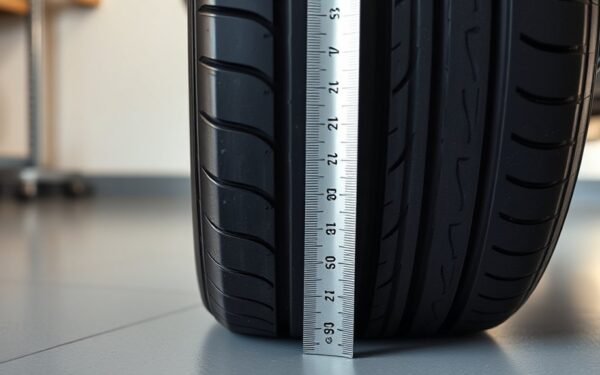
What Is the Overall Diameter of a Tire? Full Measurement Guide
What is the overall diameter of a tire, and why does it affect fitment, clearance, and speedometer accuracy more than you might think?
Read More
What Does R17 Mean on a Tire? Load, Speed & Rating Guide
Puzzled by R17 on a tire? Discover what it means, plus load and speed ratings, before you choose the wrong fit.
Read More
What Does OWL Mean on a Tire? Load, Speed & Rating Guide
Keen to know what OWL means on a tire and whether it affects load or speed ratings?
Read More