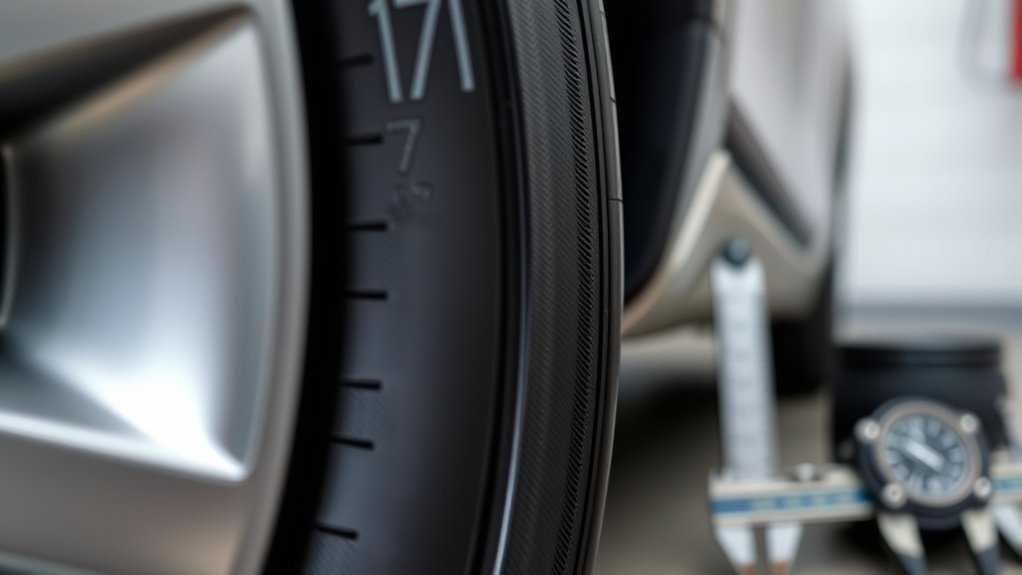
R17 on a tire means the tire uses radial construction and fits a 17-inch wheel rim. In a full tire size like 225/60R17, the 225 is the tire width in millimeters, the 60 is the sidewall height as a percentage of that width, and R17 tells you the construction type and wheel diameter. You still need to check the load index, speed rating, tire type, DOT date code, and your vehicle’s door-jamb placard before buying a replacement.
Quick Answer
R17 means the tire is a radial tire made for a 17-inch wheel. The “R” describes the tire’s construction, and “17” is the wheel diameter in inches. It does not tell you the full size, load capacity, speed rating, tire age, or whether the tire is correct for your vehicle.
Key Takeaways
- R17 means radial construction and a 17-inch wheel diameter.
- In 225/60R17, 225 is width, 60 is aspect ratio, R is radial construction, and 17 is wheel diameter.
- The numbers and letters after the size, such as 94V, are the load index and speed rating.
- A tire must match your vehicle’s size, load rating, speed rating, tire type, and recommended inflation pressure.
- The best source for the correct tire size is the owner’s manual or the Tire and Loading Information Label on the driver’s door area.
What Does R17 Mean on a Tire?
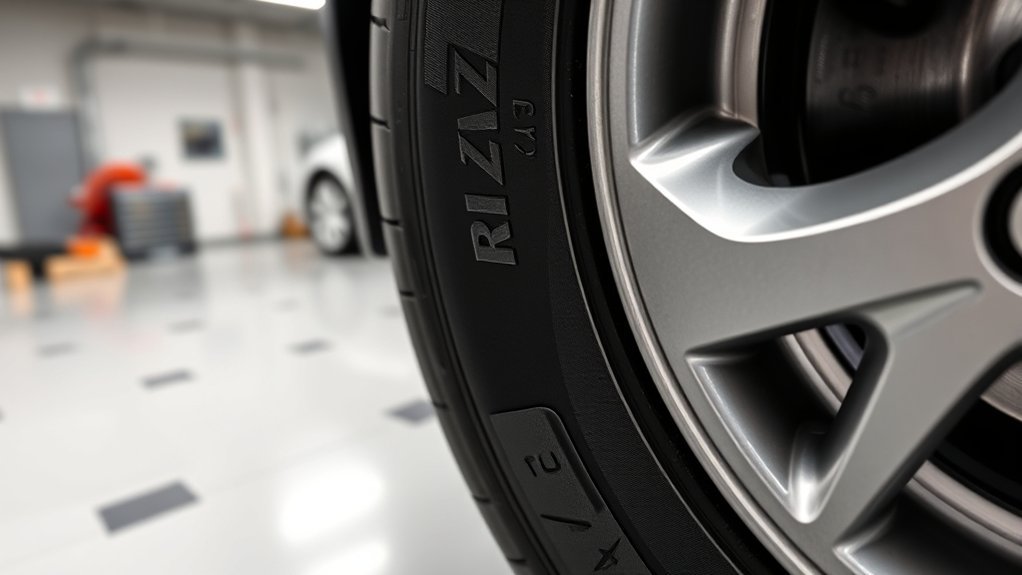
The R17 marking tells you two things. The R means the tire uses radial construction, which is the common construction type for modern passenger vehicles. The 17 means the tire is designed to fit a 17-inch wheel diameter. Michelin’s tire-marking guide explains the same example: R means radial construction, and 17 means wheel diameter measured in inches.
That 17-inch diameter must match the wheel. A tire made for a 17-inch wheel should not be mounted on a 16-inch or 18-inch wheel. The bead area of the tire and the rim diameter are designed to work as a matched fit. The wrong diameter can create an unsafe mounting situation, poor handling, air loss, or tire failure.
Warning: Do not buy a tire just because it says R17. You must also match the full size, load index, speed rating, tire type, and vehicle manufacturer’s specifications.
If you are comparing replacement tires, R17 is only one part of the code. A full tire size such as 225/60R17 99H gives you width, sidewall ratio, construction, wheel diameter, load capacity, and speed rating. Selecting the right tire can also affect your vehicle’s performance in rain and snow, because tread design, rubber compound, and seasonal rating matter as much as the rim size.
How Tire Size Numbers Work
You can read a tire size like 225/60R17 from left to right. The first number is section width, the second number is aspect ratio, the letter shows construction, and the final number is the wheel diameter. Tire Rack explains that the three-digit number identifies section width in millimeters, while the two-digit aspect ratio is the sidewall height as a percentage of that width.
| Code part | Example | Meaning |
|---|---|---|
| Width | 225 | Approximate tire section width in millimeters. |
| Aspect ratio | 60 | Sidewall height equals 60% of the tire width. |
| Construction | R | Radial construction. |
| Wheel diameter | 17 | Fits a 17-inch wheel rim. |
Tire Size Breakdown
In 225/60R17, the tire is about 225 millimeters wide. The sidewall height is 60% of that width, which affects ride comfort, steering response, and wheel-well clearance. The R shows radial construction, and the 17 confirms the tire fits a 17-inch wheel.
A lower aspect ratio usually means a shorter sidewall. That can give a sharper steering feel on a vehicle designed for it, but it may also reduce ride comfort on rough roads. A higher aspect ratio usually adds more sidewall cushion, but it can feel less sharp in quick steering inputs.
Load and Speed Ratings
The tire size is often followed by a service description, such as 94V, 99H, or 91S. The number is the load index, and the letter is the speed rating. Michelin explains that the load rating shows the maximum weight a single tire can carry when properly inflated, while the speed rating shows the maximum speed at which the tire can carry that load under specified conditions.
For example, a tire marked 225/60R17 99H means the tire size is 225/60R17, the load index is 99, and the speed rating is H. You should meet or exceed the vehicle manufacturer’s required load index and speed rating. Do not downgrade these ratings just to save money.
Note: The maximum pressure printed on the tire sidewall is not the recommended pressure for your vehicle. Use the pressure on the driver’s door placard or in the owner’s manual.
What Tire Load Index Numbers Mean
The tire load index tells you how much weight each tire can carry when it is properly inflated. A higher load index means greater carrying capacity, but it does not mean you can exceed your vehicle’s gross weight limits. Your vehicle’s suspension, brakes, wheels, and axle ratings still matter.
[Products Worth Considering]

Accurately measure tire tread depth with a calibrated gauge marked from 0 to 1 inch in 1/32 inch increments. The color-coded bar helps you quickly identify tread condition ranges, supporting safe driving for trucks, motorcycles, automobiles, and passenger vehicles.

Monitor tire tread wear with a smart, color-coded depth gauge that shows clear condition ranges at a glance. The bar is range marked for fast, easy readings, helping you maintain safer traction and performance. Each gauge is portable with a pocket clip, and the set includes 20 units for daily use and sharing.

The SAFELIFE dial tire tread depth gauge measures tread depth in 1/32 inch increments with clear, easy-to-read 2-inch dial face. Color zones using a traffic light system help you quickly judge whether tread is low, marginal, or ample for safer driving. Built with a durable zinc cast body and a metal detect probe for precise, comfortable use across cars, motorcycles, trucks, and buses.
Load Index Basics
A load index is a number that corresponds to a maximum load in a standardized table. For example, a load index of 94 is commonly listed as 1,477 pounds per tire when the tire is inflated correctly. That does not mean you should load every tire to its maximum. It means the tire has that rated capacity under proper conditions.
Passenger tires, light truck tires, and trailer tires can use different load systems, so always read the complete sidewall. Some LT tires also show load range letters or dual load indexes for single-wheel and dual-wheel use.
Matching Load Capacity
Matching load capacity starts with one rule: the replacement tire’s load index should meet or exceed your vehicle manufacturer’s requirement. If your original tire uses a 99 load index, do not replace it with a 94 load index unless the vehicle manufacturer specifically approves that size and rating.
Under-rated tires can run hotter, wear faster, handle poorly, and become more likely to fail under heavy loads. This matters even more if you tow, carry tools, drive with a full cabin, or use an SUV or pickup for cargo.
How Tire Speed Ratings Work
Tire speed ratings use letters to show the maximum speed a tire can sustain under specified test conditions while carrying its rated load. Common examples include S, T, H, V, W, and Y. An H-rated tire is commonly associated with up to 130 mph, while a V-rated tire is commonly associated with up to 149 mph.
A higher speed rating is not automatically “better” for every driver. Higher-rated tires may use different construction and compounds, but ride comfort, tread life, wet traction, winter grip, and cost can vary widely by tire model. Your safest choice is the rating listed on your placard, owner’s manual, or the tire manufacturer’s fitment guide.
NHTSA reported 511 motor vehicle traffic fatalities in tire-related crashes in 2024, which is why tire size, condition, inflation, and load rating should be treated as safety checks, not just shopping details.
When you understand speed ratings, you can select tires that support safe performance without guessing, especially since tire selection impacts handling and comfort.
P, LT, and ST Tire Types Explained
The letters before or after a tire size can tell you what job the tire is designed to do. Tire Rack lists common service-type markings such as P for passenger vehicles, LT for light trucks, C for commercial vans, and ST for special trailer service.
| Marking | What it usually means | Main caution |
|---|---|---|
| P | Passenger vehicle tire. | Do not use below the required load rating. |
| LT | Light truck tire for heavier loads or towing use. | Match load range, load index, and inflation requirements. |
| ST | Special trailer tire. | Use on trailers only, not passenger vehicles. |
| T | Temporary spare tire. | Follow the spare tire’s speed and distance limits. |
| XL, HL, Reinforced | Higher load version of a tire size. | Replace with an equivalent or approved specification. |
When you match the tire type to the job, you protect performance, safety, and tire life. If your SUV came with P-metric tires, do not assume LT tires are automatically better. If your truck came with LT tires, do not assume a passenger tire is strong enough. Choosing the right tire type helps ensure optimal traction and performance during diverse driving conditions.
[Products Worth Considering]

Add style while helping protect your tire valve stems with handmade crystal rhinestone caps and a durable plastic insert. These caps resist corrosion and help keep out rain, snow, and muddy water, extending tire life. Textured non-slip design makes them easy to grip for quick install and removal when checking tire pressure.

Measure tyre tread depth precisely with a digital gauge that reads in both MM and inches, helping you monitor safe driving conditions. The large LCD screen is easy to operate, and the compact tool fits for cars, trucks, and motorcycles. It provides high accuracy with a 0-25.4mm range and includes a 1-year warranty for added peace of mind.

Measure tire tread depth quickly and accurately with this LUMITECO dial gauge that reads in 1/32" increments up to 14/32". The color-coded green/yellow/red zones make it easy to judge tire wear and know when replacement is needed. A rugged, compact design with a protective pouch helps keep the gauge ready for use on cars, trucks, motorcycles, and more.
How to Read Tire Age and Safety Marks
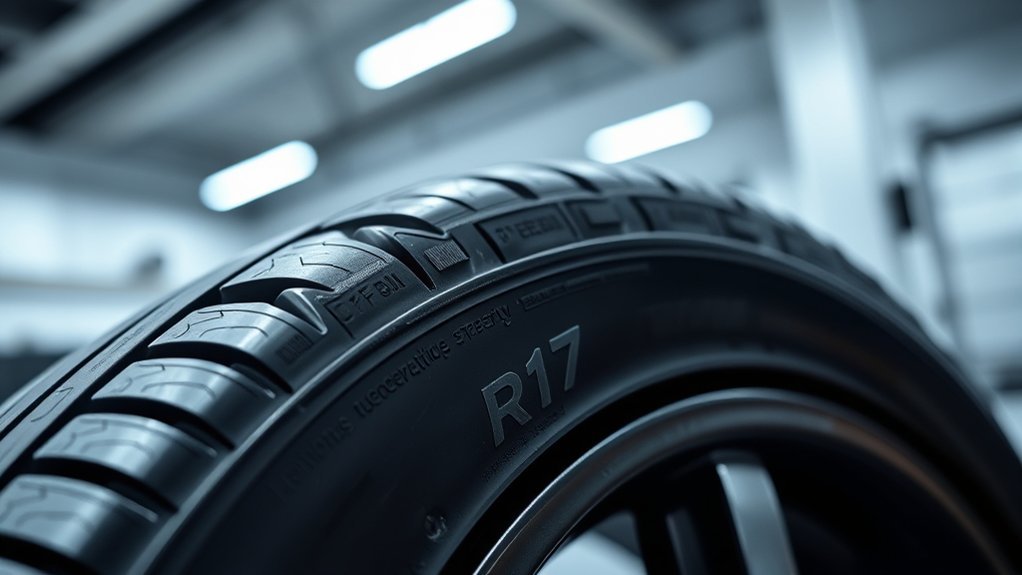
On a tire sidewall, the R17 code is only part of the story. You should also read the DOT Tire Identification Number, often called the TIN. Under 49 CFR Part 574, the tire date code uses four numerical symbols: the first two identify the week of manufacture, and the last two identify the year.
For example, a tire date code ending in 2319 means the tire was made in the 23rd week of 2019. A tire ending in 0426 was made in the fourth week of 2026. The full TIN may appear on only one side of the tire, so check both sidewalls if you cannot find it.
Tire age matters because rubber changes over time. NHTSA says some vehicle and tire manufacturers recommend replacing tires that are six to 10 years old, regardless of treadwear. You should also inspect for cracks, bulges, cuts, uneven wear, vibration, air loss, and tread depth.
Other useful safety marks include 3PMSF, the Three-Peak Mountain Snowflake symbol, and M+S. A 3PMSF mark means the tire has met standardized winter-performance testing requirements. M+S means mud and snow based on manufacturer criteria, but it does not require the same standardized winter testing. In severe winter conditions, selecting the right tire type, such as dedicated winter tires, can make a major difference.
Pro Tip: Check all four tires and the spare. A spare can age even if it has never been used, and its pressure requirement may be different from the regular tires.
How to Choose the Right Replacement Tire
When you replace a tire, start with your vehicle’s Tire and Loading Information Label on the driver’s door edge, doorjamb, or B-pillar. NHTSA also recommends checking the owner’s manual. These sources show the correct tire size and recommended cold tire pressure for your vehicle.
| Check | Why it matters |
|---|---|
| Full size | Confirms width, aspect ratio, construction, and wheel diameter. |
| Rim diameter | R17 must go on a 17-inch wheel, not another diameter. |
| Load index | Verifies safe weight capacity for your vehicle and cargo. |
| Speed rating | Keeps the tire within the vehicle’s required performance range. |
| DOT date code | Helps you avoid buying an old tire without realizing it. |
| Tread and season rating | Matches the tire to rain, snow, highway, or off-road use. |
You should also check tread depth. NHTSA says tires are not safe and should be replaced when tread is worn down to 2/32 of an inch. Built-in treadwear indicators can help you spot when the tread has reached the replacement point.
Finally, consider the tire’s tread pattern if you drive in mud, snow, gravel, heavy rain, or off-road conditions. Size gets the tire mounted correctly, but tread design and compound determine how well it performs in the conditions you face.
[Products Worth Considering]
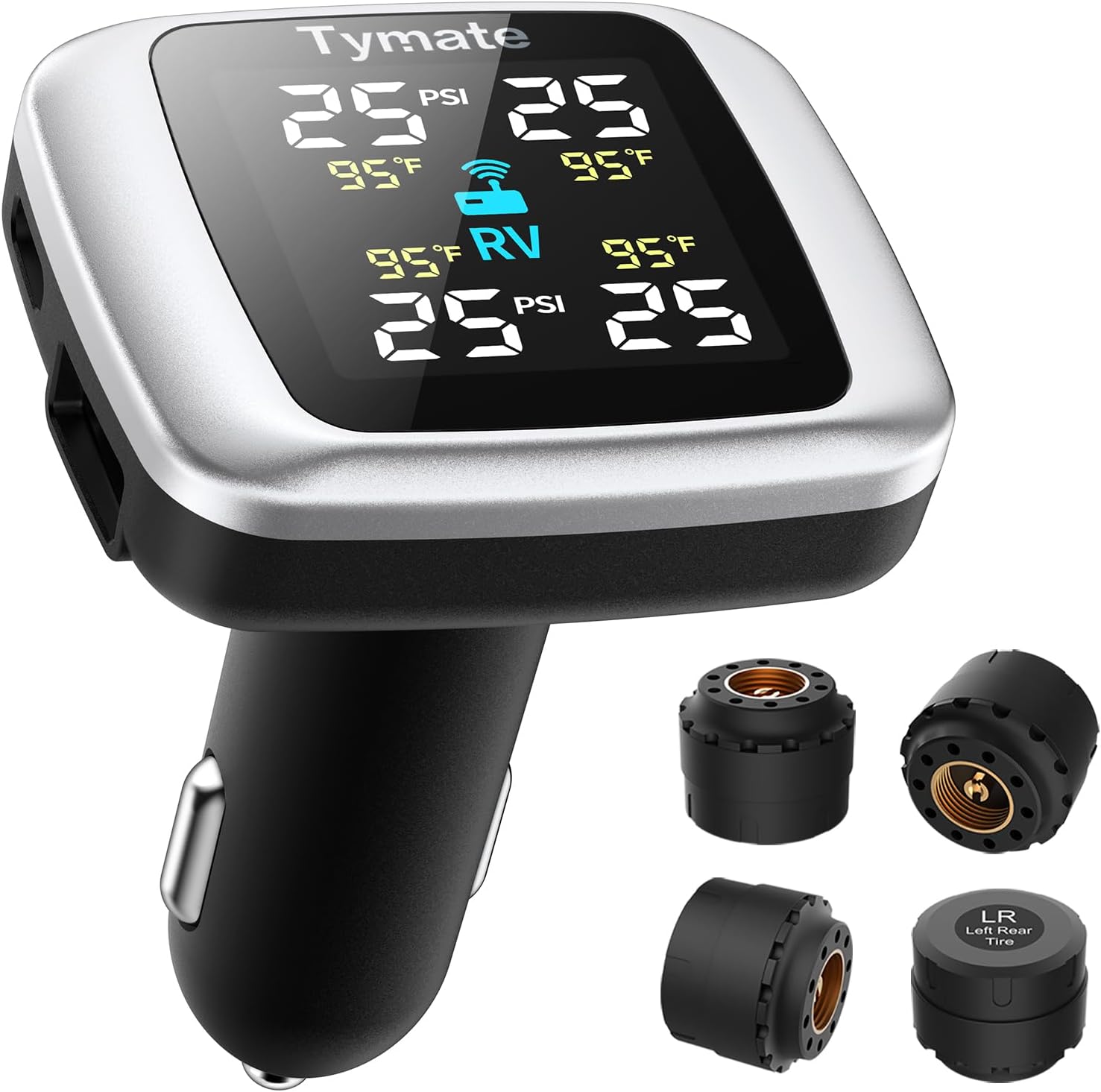
Tymate TM7 is a wireless tire pressure monitoring system that delivers real-time pressure and temperature readings for safer driving. It includes four external sensors, a bright color LCD display with adjustable backlight, and six alarm modes for high/low pressure, fast leakage, high temperature, and sensor signal or battery issues. The system covers a wide 0–144 PSI range and plugs into your vehicle’s cigarette lighter socket for quick DIY setup.

The 22800 wheel stud installer makes replacing wheel studs quick and secure, saving time and effort during tire service. It uses a ratchet or impact wrench to pull new studs firmly into place, helping when existing studs are too long. Compatible with most automotive wheels and light-duty truck wheel studs, it’s designed for easy, tool-assisted installation.
A concentrated tire and tube mounting compound designed to help simplify mounting rubber tires and tubes on passenger, semi truck, construction, and OTR applications. Its ultra-thick formula packs beads effectively and includes rust inhibitors to help protect against corrosion during use.
Frequently Asked Questions
Which tyre is better, R16 or R17?
Neither size is automatically better. R17 can give a sharper feel on vehicles designed for a 17-inch wheel and lower-profile tire. R16 can give a softer ride and may cost less. The right choice is the size, load rating, and speed rating approved by your vehicle manufacturer.
What does 225/50 R17 mean?
225/50 R17 means the tire is about 225 millimeters wide, the sidewall height is 50% of that width, the tire uses radial construction, and it fits a 17-inch wheel. You still need the load index and speed rating after the size to confirm whether it matches your vehicle.
What does 17 mean on a tire?
The 17 means the tire fits a 17-inch wheel rim. It is the wheel diameter, not the tire width and not the sidewall height. A 17-inch tire must be mounted on a 17-inch wheel.
Are 16 or 17 tires better?
A 16-inch tire often has a taller sidewall, which can improve ride comfort on rough roads. A 17-inch tire may support sharper response if the vehicle is designed for it. Tire model, tread, compound, load rating, and inflation pressure matter more than rim size alone.
Can any R17 tire fit my car?
No. R17 only confirms radial construction and 17-inch wheel fitment. Your car also needs the correct width, aspect ratio, load index, speed rating, tire type, and clearance. Always compare the full tire size to the door placard or owner’s manual.
Can I replace just one R17 tire?
Sometimes, but it depends on tread depth, drivetrain type, tire model, and manufacturer guidance. All-wheel-drive vehicles often need closely matched tread depth across all tires. If one tire is damaged, ask a tire professional whether one tire, two tires, or all four should be replaced.
Conclusion
When you see R17 on a tire, read it as one part of a larger code. The R means radial construction, and the 17 means the tire fits a 17-inch wheel. Before you buy, check the full tire size, load index, speed rating, tire type, DOT date code, tread condition, and your vehicle’s door placard. The right tire is not just the one that fits the rim. It is the one that matches your vehicle’s safety requirements and the way you drive.
Sources
- NHTSA TireWise — backs tire placard guidance, tire pressure, tire aging, tread depth, and tire-related crash safety context.
- Michelin Tire Markings Explained — backs R17 meaning, tire width, aspect ratio, load rating, speed rating, DOT date code, and 3PMSF/M+S explanations.
- Tire Rack Sidewall Guide — backs tire size order, service type markings, R construction, wheel diameter, load index, and speed rating.
- 49 CFR Part 574, Tire Identification and Recordkeeping — backs DOT/TIN date-code requirements for tire identification.