
Quick Answer
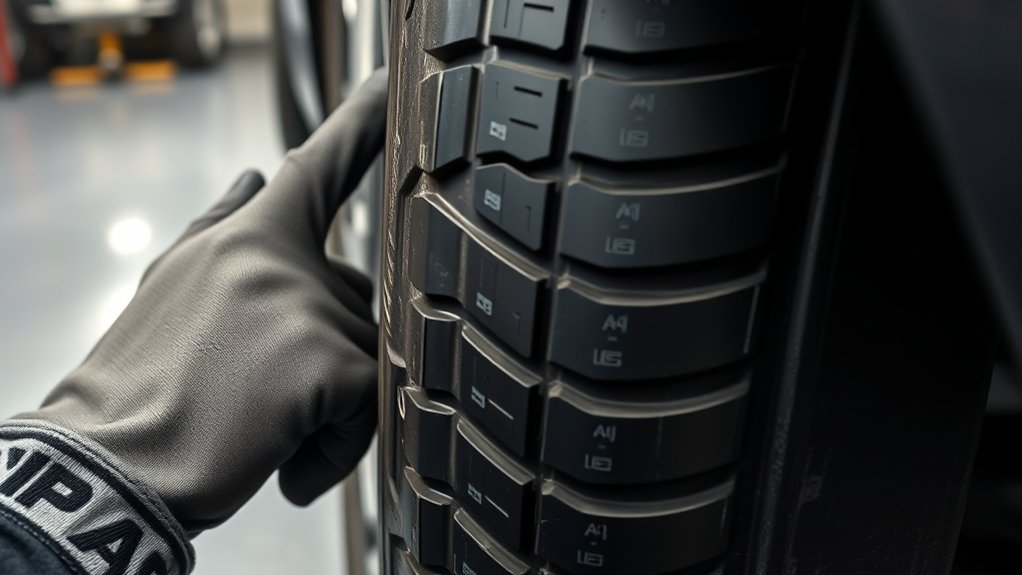
OWL on a tire means the sidewall has outlined white lettering. It is mainly a style option. It does not raise the tire’s load index, change the speed rating, or prove the tire fits your vehicle. Always match the size, load index, speed rating, and tire type listed on your vehicle placard or owner’s manual.
Key Takeaways
- OWL means outlined white lettering on the tire sidewall.
- OWL is a visual style, not a performance, load, speed, or winter-traction rating.
- BSW means black sidewall, while RWL usually means raised white letters.
- The load index and speed symbol are separate markings that must match your vehicle’s requirements.
- The DOT date code helps you check tire age, but condition, use, storage, and manufacturer guidance also matter.
What Does OWL Mean on a Tire?
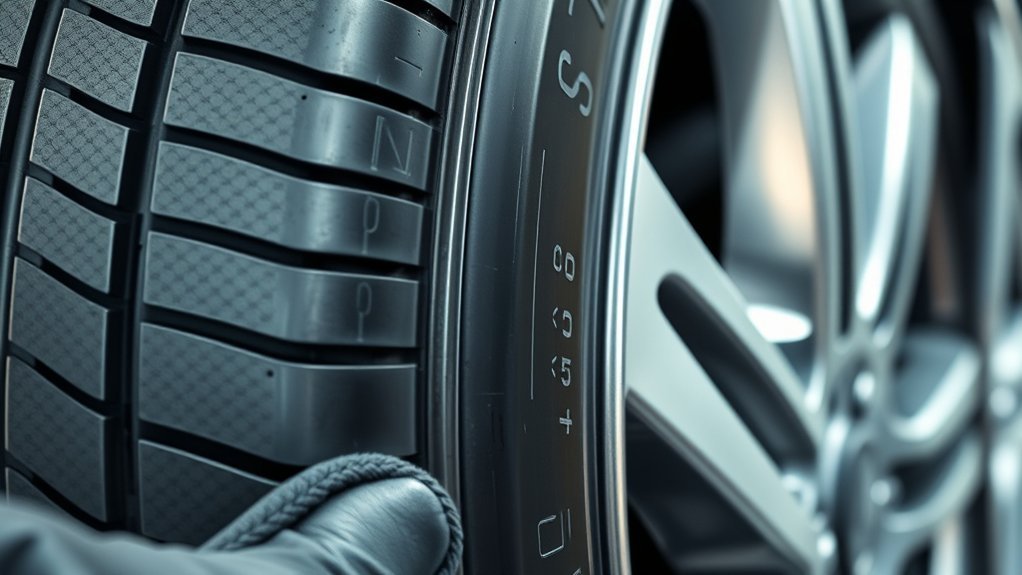
OWL means Outlined White Letters. On tire listings, it tells you that the sidewall lettering is finished in white instead of blending into the black rubber. You often see this style on light-truck tires, all-terrain tires, muscle-car tires, classic restorations, and some performance designs.
The key point is simple: OWL is about appearance. It does not tell you the tire’s size, load index, speed rating, treadwear grade, or weather rating. Two versions of the same tire model may have the same construction and service description while one is OWL and the other is BSW, or black sidewall.
Warning: Do not buy a tire just because it says OWL. First match the tire size, load index, speed rating, and tire type listed on your vehicle’s Tire and Loading Information Label or owner’s manual.
For safe fitment, start with the vehicle information label, then compare the full tire code. The National Highway Traffic Safety Administration advises drivers to use the owner’s manual or Tire and Loading Information Label to find the correct tire size for the vehicle.
OWL vs. BSW, RWL, and Other Sidewall Styles
Sidewall style codes can look technical, but most of them only describe appearance. The table below shows the common terms you may see when comparing tires.
| Code | Meaning | What It Tells You |
| OWL | Outlined White Letters | The sidewall has white outlined lettering for a bolder look. |
| BSW | Black Sidewall | The sidewall is plain black with no white lettering. |
| RWL | Raised White Letters | The lettering is raised and white. Some brands use RWL and OWL differently, so check the product page. |
| ORWL | Outlined Raised White Letters | The tire may have raised lettering with a white outlined finish. |
| WSW | White Sidewall | The tire has a white stripe or whitewall area, not just white letters. |
If style matters, confirm whether the tire is white-lettered on one side or both sides. Some tires can be mounted with the white letters facing inward or outward, but directional and asymmetric tires must be mounted according to their sidewall markings.
[Products Worth Considering]

This 3-piece wheel and tire brush set makes it easy to clean light, medium, and heavy dirt from wheels, rims, tires, and exterior surfaces. It includes both soft and stiff bristle options for gentle scrubbing and tough grime removal, helping lift brake dust and road buildup. The long-handle design supports comfortable cleaning across cars, trucks, SUVs, RVs, motorcycles, and more, with simple care instructions to restore brush shape.

This wheel brush kit delivers pro-level cleaning at home, lifting dirt, grime, and brake dust to help restore wheel appearance. It includes multiple brush styles and applicator pads for tackling different wheel surfaces, with gentle, metal-free bristles designed to reduce scratching risk. The flat and double-ended brushes are built for comfort and reach, making wheel care easier for cars, trucks, and RVs.

This professional wheel and rim brush kit makes it easy to lift brake dust, grime, and dirt from wheels and tires without scratching finishes. The brushes feature soft, metal-free wool heads and a flexible 360-degree rim brush design for reaching hard-to-clean areas. Includes multiple brush types plus accessories for thorough car, motorcycle, and general vehicle detailing.
How to Read Tire Size, Load Index, and Speed Rating
A tire code such as P225/60R16 97T gives you more important fitment information than OWL. In that example, P means passenger tire, 225 is the section width in millimeters, 60 is the aspect ratio, R means radial construction, 16 is the wheel diameter in inches, 97 is the load index, and T is the speed symbol.
The load index is a numerical code tied to the maximum load the tire can carry. The speed symbol is the speed rating. USTMA’s tire care guide explains that these markings are part of the tire’s service description, and that the load index should not be used by itself to decide whether a replacement tire is acceptable for load capacity.
When replacing tires, the U.S. Tire Manufacturers Association says replacement tires should be the same size, load index, and speed rating designation recommended by the vehicle or tire manufacturer. They should not have a smaller size or lower load-carrying capacity than originally specified.
The sidewall tells you what the tire can do, but the vehicle placard tells you what your vehicle needs.
Load Index Basics
The load index appears near the speed symbol. A higher load index usually means the tire can carry more weight, but you still need to match the vehicle manufacturer’s requirement. Do not simply choose a higher-load tire and assume it is better. A higher load range may ride firmer, may need different inflation pressure, and may not be ideal for your wheels or vehicle use.
- SL: Standard Load, common on many passenger tires.
- XL: Extra Load, built to carry more load at higher inflation pressure than a standard-load version in the same size.
- LT load range: Used on many light-truck tires and tied to load and inflation limits.
Speed Rating Basics
The speed symbol shows the maximum sustained speed the tire is designed to handle under proper load, inflation, and operating conditions. Common examples include S, T, H, V, and W. Never use the speed rating as permission to exceed posted limits or drive beyond road conditions.
If you use winter tires with a lower speed rating than the original tire, follow the tire manufacturer’s and vehicle manufacturer’s guidance and keep vehicle speed within the replacement tire’s rating.
DOT Date Code and Tire Age
The DOT Tire Identification Number, often called the DOT TIN, helps identify a tire and its manufacture date. Since 2000, the last four digits show the week and year the tire was made. For example, 0309 means the tire was made in the third week of 2009.
Check both sidewalls if you cannot find the full DOT date code right away. On some tires, the complete code may be molded on only one side. A newer tire with damage, bulges, cracks, repeated pressure loss, or poor repairs can still be unsafe, while an older tire should be judged by age, condition, storage, use, and manufacturer guidance.
Note: Tire age is not judged by the date code alone. NHTSA says some vehicle and tire manufacturers recommend replacement at six to 10 years, while USTMA advises following the tire or vehicle manufacturer’s service-life guidance and having tires inspected regularly.
Common Sidewall Markings Besides OWL
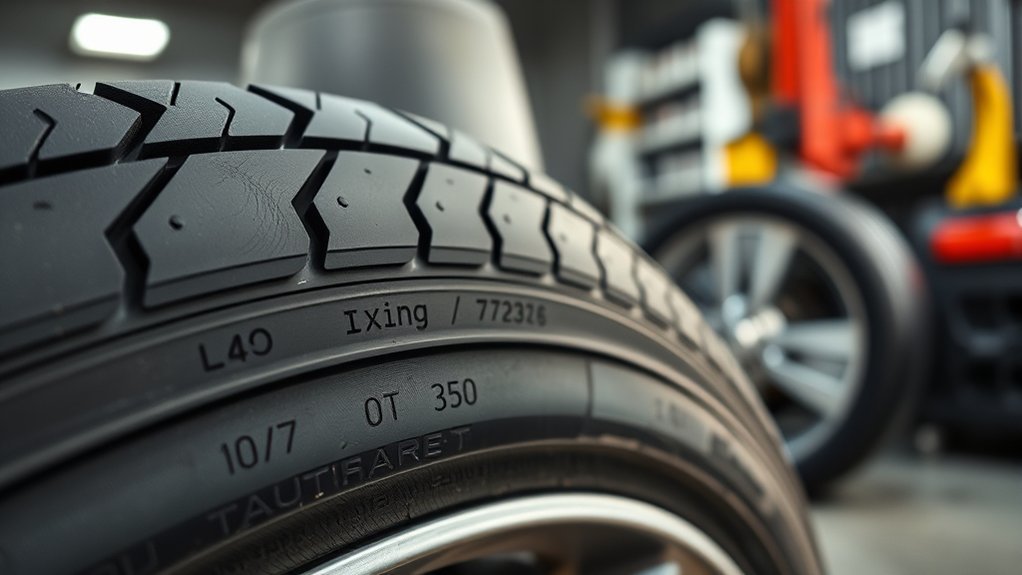
Besides OWL, your tire sidewall may show markings that affect fit, safety, and seasonal use. These markings matter more than the white-letter style.
- DOT: Tire Identification Number used for compliance, recalls, and manufacture date.
- M+S or M&S: Mud and snow marking. This is not the same as the severe-snow three-peak mountain snowflake symbol.
- 3PMSF: Three-peak mountain snowflake symbol, used on tires that meet severe-snow service requirements.
- XL: Extra Load tire, built for higher load at higher inflation pressure than a standard-load version.
- LT: Light-truck tire type, often used on pickups, vans, and SUVs with higher load needs.
- UTQG: Treadwear, traction, and temperature grades found on many passenger tires sold in the United States.
- TWI: Treadwear indicator location marking. The tire is worn out when tread is level with the wear bars.
- Max load / max pressure: Tire limit markings. These are not the same as the vehicle’s recommended cold inflation pressure.
NHTSA recommends checking tire pressure at least once a month when tires are cold, and it explains that the correct cold inflation pressure comes from the vehicle placard or owner’s manual, not the maximum pressure molded on the tire sidewall.
When OWL Tires Make Sense
OWL tires make sense when you want a tire that fits the vehicle properly and also gives you a specific look. They are a good match for some trucks, SUVs, classic muscle cars, off-road builds, and restorations where white lettering fits the vehicle’s style.
They do not make sense if the sidewall style distracts you from the real fitment checks. A plain black sidewall tire with the correct size, load index, speed rating, and seasonal rating is safer than a white-letter tire that does not match your vehicle’s requirements.
- Choose OWL if you want a bold factory-style or classic look.
- Choose BSW if you prefer a cleaner, more subtle sidewall.
- Choose based on fitment first, appearance second.
Pro Tip: If you want the white letters facing outward, tell the installer before mounting. Also ask whether the tire is directional or asymmetric, because those markings can limit which side faces out.
[Products Worth Considering]

Measure tire tread depth quickly and accurately with this LUMITECO dial gauge that reads in 1/32" increments up to 14/32". The color-coded green/yellow/red zones make it easy to judge tire wear and know when replacement is needed. A rugged, compact design with a protective pouch helps keep the gauge ready for use on cars, trucks, motorcycles, and more.

Clean wheels and rims with soft feathered bristles that safely remove dirt and road grime while helping restore original luster. The short non-slip handle makes it easy to scrub in tight wheel wells, and the brush is suitable for vehicles and hard-to-reach areas. It can also be soaked and rubbed to help restore bristles to their shape after use.
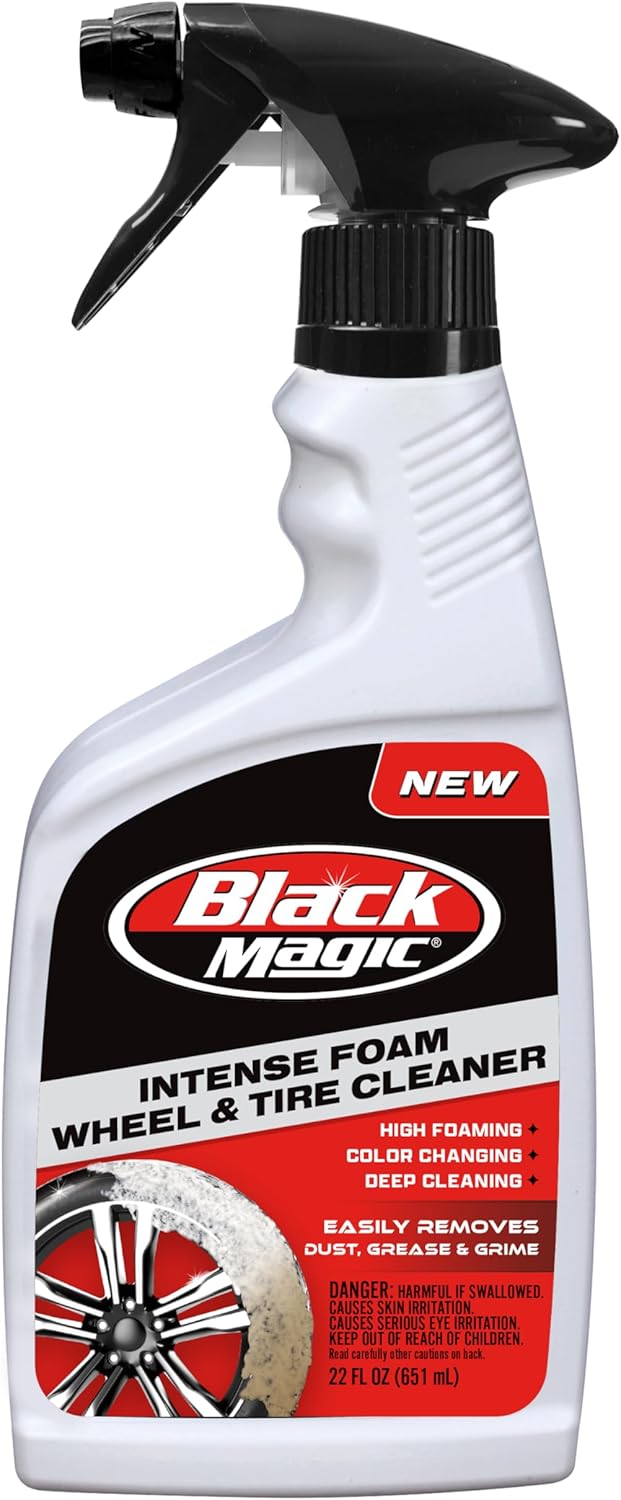
Black Magic Intense Foam Wheel & Tire Cleaner uses a high-foaming action to lift away dirt, grime, and brake dust without scrubbing. The color-changing formula helps show contaminants being dissolved as foam turns from white to brown. Safe for all wheel types and even wheel wells, it leaves a like-new, slick finish with a fresh cherry scent.
How to Choose the Right OWL Tire
Use this order when shopping for an OWL tire:
- Check the vehicle placard: Find the required size, load rating, and cold inflation pressure on the driver-side door label or in the owner’s manual.
- Match the full tire size: Do not rely on wheel diameter alone. Match width, aspect ratio, construction, and rim size.
- Match or exceed the required load index only when appropriate: Never go below the original load-carrying capacity.
- Match the speed rating: Use the rating recommended by the vehicle or tire manufacturer unless a qualified tire professional confirms a safe alternative.
- Confirm the sidewall style: Look for OWL, RWL, ORWL, or BSW in the product listing.
- Check the DOT date code: Avoid old stock unless you understand the age, storage history, warranty, and manufacturer guidance.
- Inspect before installation: Do not install tires with cracks, bulges, sidewall damage, exposed cords, or signs of improper storage.
[Products Worth Considering]

A concentrated tire and tube mounting compound designed to help simplify mounting rubber tires and tubes on passenger, semi truck, construction, and OTR applications. Its ultra-thick formula packs beads effectively and includes rust inhibitors to help protect against corrosion during use.

The SAFELIFE dial tire tread depth gauge measures tread depth in 1/32 inch increments with clear, easy-to-read 2-inch dial face. Color zones using a traffic light system help you quickly judge whether tread is low, marginal, or ample for safer driving. Built with a durable zinc cast body and a metal detect probe for precise, comfortable use across cars, motorcycles, trucks, and buses.

This professional wheel and rim cleaning brush set lifts brake dust, grime, and dirt with soft, scratch-free microfiber and synthetic wool fibers. The rim brush bends up to 360 degrees for easy access to hard-to-reach areas around spokes, lips, and faces. Ideal for thorough cleaning of car, truck, motorcycle, bicycle, RV, and more wheel and tire surfaces.
How to Clean and Maintain OWL Lettering
White lettering can collect brake dust, road film, mud, and curb marks. Clean it gently so you do not damage the sidewall.
- Use water, a mild tire cleaner, and a soft or medium-bristle tire brush.
- Avoid harsh solvents, petroleum-based products, and aggressive abrasives.
- Rinse well so cleaner does not dry on the rubber.
- Keep tires properly inflated to reduce sidewall flex and uneven wear.
- Inspect the white letters and sidewall after curb contact or off-road use.
If a tire repeatedly loses pressure, has deep cracks, has a bulge, or shows vibration or noise changes while driving, have it inspected by a qualified tire service professional.
Frequently Asked Questions
What do OWL tires mean?
OWL tires have outlined white lettering on the sidewall. The marking describes the tire’s appearance, not its load rating, speed rating, treadwear grade, or winter traction. Always read the full tire code before buying.
Is OWL the same as a whitewall tire?
No. OWL usually means white outlined letters. A whitewall tire has a white stripe or larger white sidewall area. Both are visual styles, but they create different looks.
Do OWL tires perform differently than BSW tires?
Not because of the OWL marking itself. If the tire model, size, load index, speed rating, tread compound, and construction are the same, the OWL and BSW versions should perform the same. The difference is the sidewall finish.
Can I mount OWL tires with the white letters facing inward?
Sometimes. Many white-letter tires can be mounted with the white letters facing in or out, but not all tires allow that choice. Directional and asymmetric tires must be mounted according to the sidewall markings, so ask the installer before mounting.
Should I get a 10-ply or 12-ply tire?
Choose based on the load index, load range, vehicle placard, owner’s manual, and real hauling or towing needs. “10-ply” and “12-ply” are legacy ply-rating terms, not always the actual number of plies in the tire. Do not move to a stiffer, higher-load tire unless your vehicle, wheels, and inflation requirements support it.
What is the quietest and smoothest riding tire?
A premium touring tire is usually the best starting point for a quiet, smooth ride, but the right choice depends on your vehicle, wheel size, climate, and road conditions. Taller sidewalls, correct inflation, proper alignment, and even tread wear can all improve ride comfort.
What are nubs on a tire?
Tire nubs are small leftover rubber protrusions from the molding process. They are common on new tires and do not act as a load, speed, traction, or safety rating. Do not use them to judge tire condition. Use tread depth, age, pressure, damage inspection, and professional advice instead.
Conclusion
When you see OWL on a tire, read it as a sidewall-style code for outlined white lettering. It can make a truck, SUV, classic car, or performance build look sharper, but it does not change the tire’s safety ratings. Before you choose a tire, match the size, load index, speed rating, tire type, and pressure guidance from your vehicle placard or owner’s manual. Then use the DOT date code and a physical inspection to judge whether the tire is fresh, sound, and right for the job.
Sources
- NHTSA TireWise – tire size, placard, pressure, tread, aging, and tire-safety guidance.
- USTMA Replacing Tires – replacement tire size, load index, and speed rating guidance.
- USTMA Tire Care & Safety – tire age, DOT TIN, inspection, pressure, and storage guidance.
- USTMA Tire Care and Safety Guide – sidewall markings, load index, speed symbol, DOT date code, pressure, and service-life details.
