
What Does BSW Mean on a Tire? Load, Speed & Rating Guide
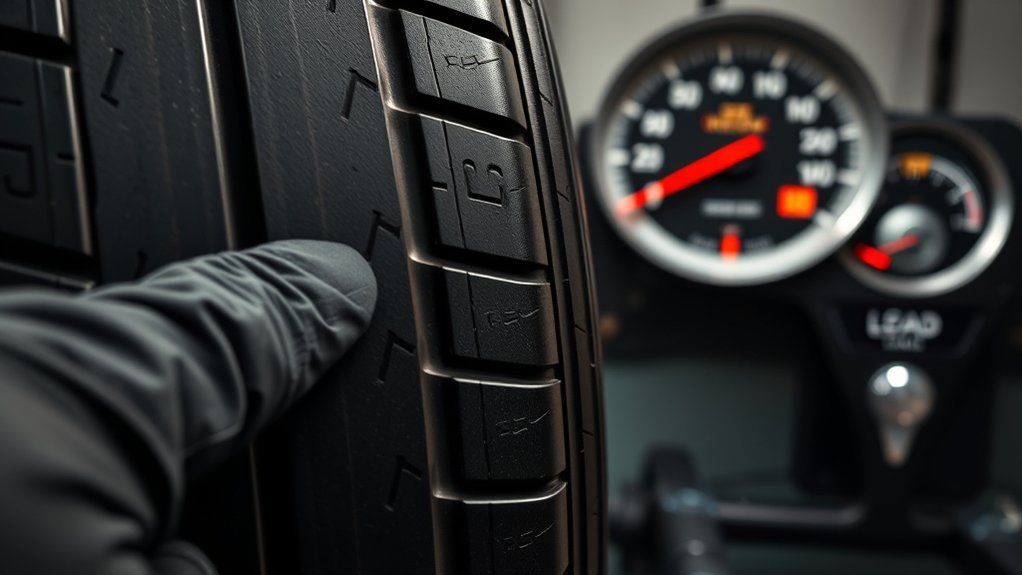
BSW on a tire means Black Side Wall. It describes the tire’s sidewall appearance: plain black rubber with no white stripe, white letters, or outlined white lettering. BSW is mostly a visual choice, but the other markings on the same sidewall still matter for safety. Before buying or installing any tire, check the size, load index, speed rating, DOT date code, and your vehicle’s tire placard or owner’s manual.
Quick Answer
BSW means Black Side Wall. It tells you the tire has a plain black sidewall instead of white lettering or a white stripe. BSW does not make a tire safer, faster, stronger, or weaker by itself. For safety and fitment, check the tire size, load index, speed rating, DOT date code, and vehicle placard.
Key Takeaways
- BSW stands for Black Side Wall, meaning the tire has a plain black sidewall with no white lettering.
- BSW is mainly cosmetic; it does not change the tire’s load capacity, speed rating, tread compound, or basic safety rating.
- The load index shows how much weight each tire can carry, but vehicle payload is limited by the vehicle placard, axle ratings, and manufacturer specifications.
- The speed rating shows the maximum certified speed under specified conditions, not a recommended driving speed.
- Replace tires when tread reaches 2/32 inch, when damage appears, or when age and manufacturer guidance say replacement is due.
At a Glance
| Time Required | 3–5 minutes to read the sidewall and compare it with your vehicle placard |
| Difficulty | Easy |
| Tools Needed | Owner’s manual or tire placard, tire pressure gauge, tread depth gauge or penny |
| Cost | Free for a visual check; low cost for a gauge |
What BSW Means on a Tire
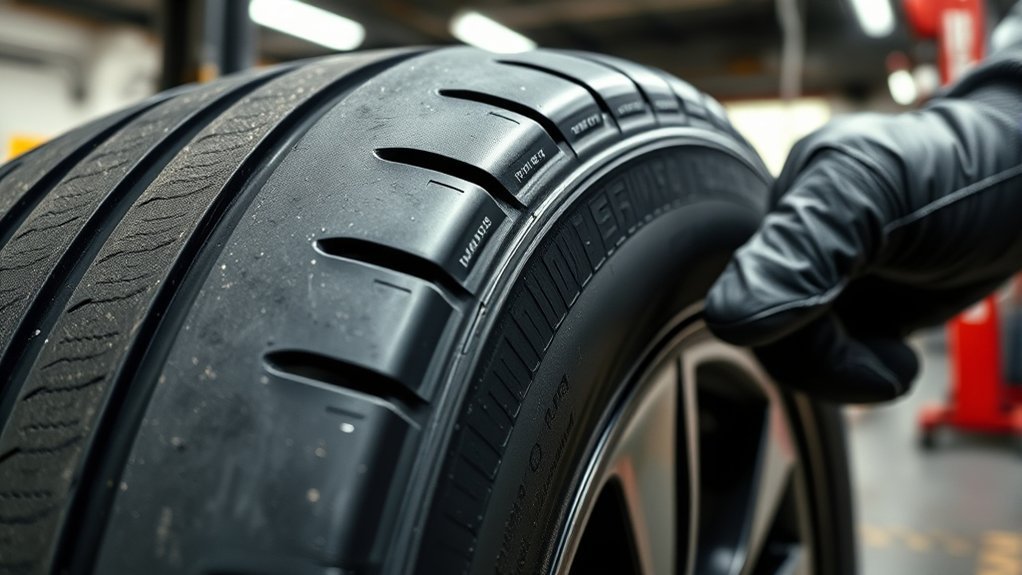
BSW stands for Black Side Wall. It means the sidewall has a uniform black finish instead of a whitewall stripe, raised white letters, or outlined white letters. You may also see similar wording such as BW or blackwall in tire listings.
That plain finish gives the tire a clean, understated look. It is common on passenger cars, SUVs, crossovers, light trucks, and many all-season tires. A BSW sidewall may hide light cosmetic scuffs or discoloration better than white lettering, but it does not make the tire structurally stronger.
The important point is this: BSW is not a performance rating. A BSW tire can be excellent, average, or unsuitable depending on its size, tread design, load index, speed symbol, construction, age, and condition.
Note: Do not choose a tire based on BSW alone. Use your vehicle’s tire placard, owner’s manual, and the tire manufacturer’s specs to confirm the correct size, load index, speed rating, and inflation pressure.
[Products Worth Considering]

EVOULTES heavy duty tire inflator with an integrated gauge delivers accurate pressure readings from 10–120 PSI, helping you inflate, deflate, and check tires in one tool. The 16.5-inch extended dual-head air chuck with swivel base reaches hard-to-access dual wheel valves on trucks and RVs. A brass trigger core and side-mounted air release valve make operation smooth, with standard 1/4" NPT threading and quick-connect compatibility for easy setup.

Adam’s Pro Tire Hex Grip applicators are molded foam sponges designed for precise, even tire dressing application. The ergonomic grip helps you spread product without overapplying, reducing sling that can splash onto paint and helping keep your hands clean during wheel and trim detailing. They’re durable, washable, and reusable for repeated detailing sessions.

The JACO FlowPro Tire Inflator measures, inflates, and airs down tires up to 100 PSI with battery-free operation and ±2% accuracy after calibration. It features a glowing pressure dial for night visibility, a heavy-duty steel build with a hybrid hose, and a precision push-to-inflate thumb trigger. The patented Lightning Air Chuck locks on for a secure seal, and the kit includes quick-connect hardware for easy inline use with your air compressor.
BSW vs OWL and RWL Tires
BSW, OWL, and RWL describe how the sidewall looks. They do not replace the tire size, load index, speed rating, DOT code, or tread information.
| Marking | Meaning | What It Changes |
|---|---|---|
| BSW | Black Side Wall | Appearance only: plain black sidewall |
| OWL | Outline White Lettering | Appearance only: white outline around the lettering |
| RWL | Raised White Lettering | Appearance only: raised white letters on the sidewall |
| WSW | White Side Wall | Appearance only: white sidewall stripe or section |
If two tires are the same brand, model, size, load index, speed rating, and construction, the BSW version and the OWL/RWL version should perform the same. The difference is the sidewall finish, not the core tire capability.
How to Check Tire Size and Fitment
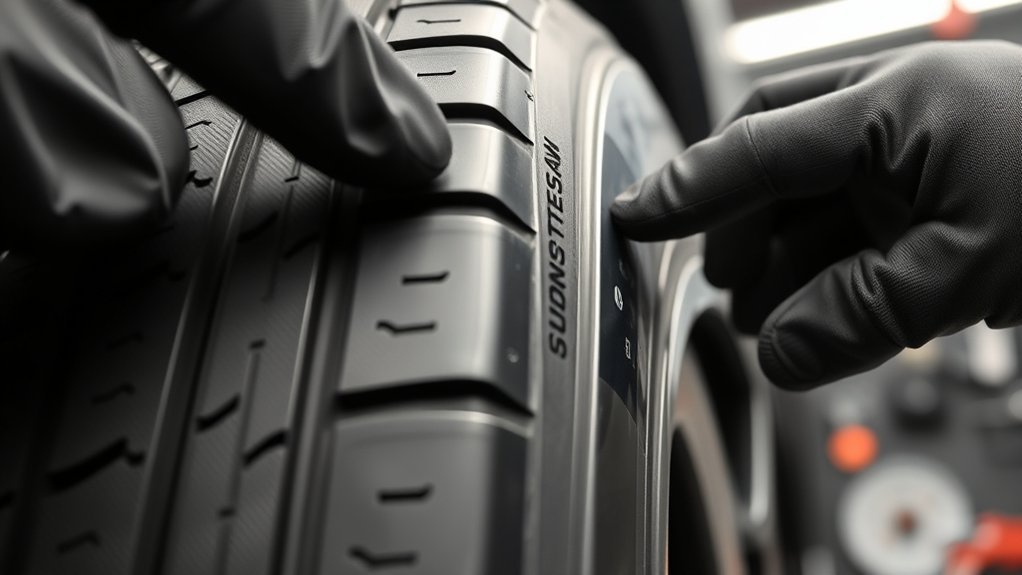
To check tire size and fitment, start with the size code on the sidewall. A common example is P215/65R15 95H. Each part has a job:
| Code Part | Meaning | Why It Matters |
|---|---|---|
| P | Passenger tire type | Tells you the tire category; LT, ST, and T have different uses. |
| 215 | Section width in millimeters | Affects clearance, handling, and fitment. |
| 65 | Aspect ratio | Sidewall height as a percentage of tire width. |
| R | Radial construction | Most modern passenger and light-truck tires are radial. |
| 15 | Wheel diameter in inches | Must match the wheel diameter exactly. |
| 95 | Load index | Shows the tire’s certified load capacity. |
| H | Speed rating | Shows the maximum certified speed under specified conditions. |
Compare the full size code with your vehicle’s Tire and Loading Information Label, usually on the driver-side doorjamb, and your owner’s manual. Match the wheel diameter exactly, confirm the tire clears the suspension and bodywork, and choose a load index and speed rating that meet or exceed the vehicle manufacturer’s requirement.
Warning: Do not use the maximum pressure printed on the tire sidewall as your normal inflation target. Use the cold tire pressure listed on the vehicle placard or in the owner’s manual.
How to Read Tire Load Ratings
The load index is the number after the tire size. It tells you how much weight one tire can carry when properly inflated and used under its rated conditions. The Tire Industry Association explains that the service description includes the load index and speed symbol, and the load index maps to a load chart rather than a simple pound value printed in the code.
| Load Index | Approx. Capacity Per Tire | Common Use |
|---|---|---|
| 91 | 1,356 lb / 615 kg | Many passenger cars |
| 95 | 1,521 lb / 690 kg | Passenger cars and small SUVs |
| 97 | 1,609 lb / 730 kg | Cars, crossovers, and some SUVs |
| 100 | 1,764 lb / 800 kg | Larger passenger vehicles and SUVs |
For replacement tires, choose the same or higher load index than the original equipment requirement unless your vehicle manufacturer says otherwise. Do not estimate safe vehicle payload by multiplying one tire’s load capacity by four. Your vehicle’s payload is also limited by GVWR, GAWR, suspension, wheels, inflation pressure, and the vehicle manufacturer’s rating.
Standard Load tires are designed for normal passenger-vehicle use. Extra Load tires can carry more load at higher inflation pressure when the tire and vehicle are designed for it. Light-truck tires may also use load ranges such as C, D, E, or F. A higher load range is not automatically better for everyday driving because it may ride firmer and still must match the vehicle’s requirements.
Tire Speed Ratings Explained
The speed rating is the letter after the load index. It shows the maximum speed a tire is certified to carry a load under specified test conditions. It is not a suggestion to drive that fast, and it does not override posted speed limits, road conditions, temperature, tire pressure, or vehicle limits.
Speed Rating Letters
| Letter | Maximum Speed Rating | Typical Use |
|---|---|---|
| S | 112 mph | Some cars, light trucks, and older applications |
| T | 118 mph | Many passenger cars and touring tires |
| H | 130 mph | Touring and performance-oriented passenger tires |
| V | 149 mph | Performance cars and higher-speed touring tires |
| W | 168 mph | High-performance applications |
| Y | 186 mph | High-performance and ultra-high-performance applications |
Maximum Safe Speed
A speed rating assumes the tire is properly inflated, not overloaded, in good condition, and used under controlled conditions. Heat, low pressure, heavy cargo, road damage, and old rubber reduce the safety margin. Using a lower speed rating than your vehicle requires can affect handling and heat resistance.
Choosing the Right Rating
For replacement tires, match or exceed the speed rating listed by the vehicle manufacturer. For example, if your vehicle requires a 95H tire, do not install a lower-rated 95T tire unless the owner’s manual or tire professional confirms it is acceptable for that use. The highest speed rating is not always the best choice, either; ride comfort, tread life, winter performance, noise, and cost can change by tire model.
Pro Tip: When comparing two BSW tires, compare the complete service description, such as 95H or 100V. The black sidewall tells you the look; the service description tells you the tire’s load and speed capability.
How to Read a Tire DOT Code
A tire’s DOT code, also called the Tire Identification Number or TIN, helps identify the tire for manufacturing, registration, and recall purposes. Under current federal rules, new tires use standardized TIN information, and the date code is the final four numbers.
| DOT/TIN Part | Meaning | What to Do |
|---|---|---|
| DOT | Department of Transportation marking | Verify the code is present on tires sold for U.S. road use. |
| Plant/manufacturer code | Identifies manufacturing information | Useful for tire registration and recalls. |
| Final four digits | Week and year of manufacture | Use them to check tire age. |
| Example: 1524 | 15th week of 2024 | Log the date and compare it with age guidance. |
| Three-digit date code | Older pre-2000-style tire date code | Treat the tire as too old for normal service. |
The full DOT/TIN may appear on only one side of the tire, so check both sidewalls if you do not see the final four-digit date code. Also check the spare tire, because spares age even when they are rarely used.
[Products Worth Considering]

Blackline Blackout is a water-based trim and tire dressing that restores rubber, vinyl, and plastic with a rich satin, blackout look. Its no-sling formula dries quickly and helps prevent messy transfer onto paint. The coating repels water and offers UV protection to help prevent fading, cracking, and discoloration for a clean, long-lasting finish.

This compact capsule-style tire repair kit helps you quickly fix punctures and plug flats with minimal effort. The rugged stainless steel shell protects the contents for reliable roadside use, while the simple plug assembly makes repairs fast and tool-free. Suitable for motorcycles, cars, ATVs, UTVs, and even mountain bikes.
Check Tire Pressure and Condition
Sidewall markings help you buy the right tire, but maintenance keeps it safe. NHTSA recommends checking tire pressure at least once a month when tires are cold, including the spare. Cold means the vehicle has not been driven for at least three hours.
Check the following items during the same inspection:
- Tread depth across all main grooves
- Uneven wear on one shoulder or across the tread
- Cracks, cuts, bulges, exposed cords, or punctures
- Vibration, pulling, new road noise, or repeated pressure loss
- Valve stem damage and missing valve caps
A tire can have a clean black sidewall and still be unsafe if it is underinflated, overloaded, damaged, too old, or worn to the treadwear indicators.
When to Replace Your BSW Tires
Replace BSW tires the same way you would replace any other tire: by condition, tread depth, age, and manufacturer guidance. The black sidewall finish does not change the replacement rules.
- Tread depth: Replace tires when tread reaches 2/32 inch. At that depth, wet traction and water evacuation are reduced.
- Age: Have tires professionally inspected after about five years of service, and follow your tire and vehicle manufacturer’s maximum age guidance. Michelin recommends replacement after 10 years from the date of manufacture, including spare tires.
- Damage: Replace tires with bulges, exposed cords, sidewall cracking, severe cuts, or unrepaired punctures in unsafe areas.
- Uneven wear: Fix alignment, inflation, suspension, or rotation issues before the next set wears the same way.
- Performance changes: New vibration, repeated pressure loss, poor steering response, or unusual noise deserves a professional inspection.
Warning: Do not keep driving on a tire with a sidewall bulge, exposed cords, deep cracks, or rapid pressure loss. Use the spare only as directed by your owner’s manual and have the tire inspected or replaced.
Frequently Asked Questions
What does BSW mean on a tire?
BSW means Black Side Wall. It tells you the tire has a plain black sidewall instead of white lettering or a whitewall stripe. It is an appearance code, not a load, speed, traction, or safety rating.
Does BSW affect tire performance?
No. BSW by itself does not change handling, braking, load capacity, speed rating, tread life, or wet traction. Performance depends on the tire model, tread design, rubber compound, construction, load index, speed rating, inflation, and condition.
Should I get a 10-ply or 12-ply tire?
Choose the load range your vehicle or trailer requires. A 10-ply-rated tire usually refers to Load Range E, while a 12-ply-rated tire usually refers to Load Range F. Higher load range can help with heavy hauling, but it can also ride firmer and may be unnecessary for light-duty use. Match the placard, axle ratings, wheel rating, and tire manufacturer’s load-inflation data.
Which is better, V-rated or H-rated tires?
Neither is automatically better. H-rated tires are certified up to 130 mph, while V-rated tires are certified up to 149 mph under specified conditions. Use the rating required by your vehicle manufacturer. A V-rated tire may suit a performance vehicle, while an H-rated tire may be correct for many touring vehicles.
What month is the cheapest to buy tires?
There is no guaranteed cheapest month for every tire size or retailer. Tire deals often appear around spring and fall changeover seasons, holiday weekends, Black Friday, Cyber Monday, and manufacturer rebate periods. Compare the installed price, rebate terms, road-hazard coverage, alignment needs, and tire age before buying.
What are the top 3 best tire brands?
There is no universal top three for every vehicle. Michelin, Bridgestone, Continental, Goodyear, Pirelli, BFGoodrich, Yokohama, and other major brands all make strong tires in different categories. The best choice depends on your vehicle, size, climate, budget, driving style, and independent test results for the exact tire model.
Conclusion
BSW is a simple sidewall style code: it means Black Side Wall. It tells you how the tire looks, not how much weight it can carry or how fast it is rated to run. For a safe purchase, read the full sidewall code, match the vehicle placard, confirm the load index and speed rating, check the DOT date code, and inspect tread, pressure, and condition regularly. A plain black tire can be the right choice, but only when the specifications match your vehicle.
Sources
- NHTSA TireWise — tire pressure, tread depth, tire aging, placard guidance, and safety maintenance.
- Tire Industry Association: Reading a Tire Sidewall — tire size, load index, speed symbol, DOT/TIN, and UTQG explanations.
- 49 CFR § 574.5 Tire Identification Requirements — federal TIN and date-code requirements.
- Michelin: When to Replace Tires — five-year professional inspection guidance and 10-year maximum service-life recommendation.
- BFGoodrich: How to Read a Tire Sidewall — tire width, aspect ratio, construction, load index, speed rating, DOT code, and UTQG basics.

Related Articles
What Is a Demo Tire? Should You Buy One?
Usually near-new, a demo tire can save money—or hide surprises, so would you know what to inspect before buying one?
Read More
Tire Warranties: What to Look For Before You Buy
Fierce tire warranties can save money or cost more than expected—discover the hidden exclusions, mileage promises, and claim rules before you buy.
Read More
Why Are Tires So Expensive? Cost Breakdown
Premium tires cost far more than rubber alone, and this breakdown reveals the hidden materials, engineering, and brand factors driving prices.
Read More