
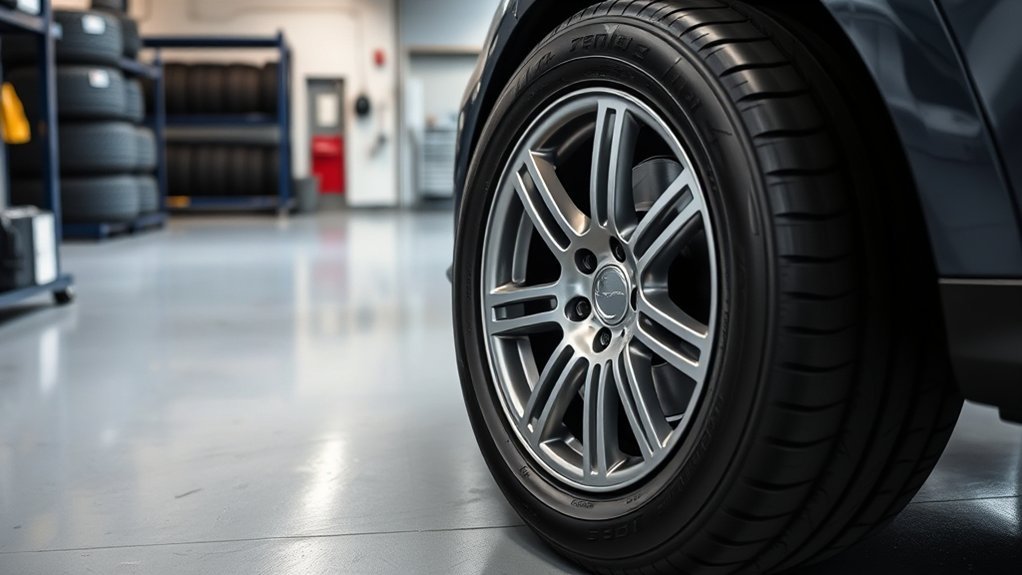
A BSW tire is a tire with a Black Sidewall, sometimes written as Black Side Wall. The label describes the tire’s sidewall appearance, not its tread pattern, load capacity, speed rating, or wet-road grip. In simple terms, BSW means the visible side of the tire is plain black instead of whitewall, outlined white letter, or raised white letter styling.
Quick Answer
BSW means Black Sidewall. A BSW tire has a plain black sidewall with no white band or white lettering. It is mainly an appearance code. To choose the right tire, match your vehicle’s size, load index, speed rating, load range, DOT date, and tread type—not the BSW label alone.
Key Takeaways
- BSW means Black Sidewall, a plain black sidewall with no white stripe or white lettering.
- BSW is a style designation, not a performance, safety, load, or speed rating.
- A tire marked BSW can be all-season, summer, winter, touring, performance, highway, or all-terrain depending on the actual tire model.
- Always match the tire size, load index, speed rating, and load range shown on your vehicle placard or owner’s manual.
- Check the DOT/TIN date code, tread depth, sidewall condition, and UTQG grades before buying or installing any tire.
What Is a BSW Tire?
A BSW tire is a tire with a plain black sidewall. You may see the abbreviation in online tire listings, size charts, store inventory pages, or sidewall descriptions. It usually appears near the tire size and service description, such as 255/45R19 104Y XL BSW.
The important point is that BSW only describes the sidewall finish. It does not tell you whether the tire is good in rain, snow, heat, towing, cornering, or off-road use. Those qualities come from the tire’s tread design, rubber compound, construction, load rating, speed rating, and intended category.
Note: If two tires are the same model, size, compound, load index, speed rating, and tread design, a BSW version and a white-letter version should perform the same. The visible sidewall style is the main difference.
BSW Tires vs. Whitewall, OWL, and RWL Styles
BSW is one of several tire sidewall appearance codes. The right choice depends on the look you want, but the safe choice still depends on the tire’s technical specs.
| Sidewall code | Meaning | Best for |
| BSW, BW, BLK | Black sidewall | Clean factory look, modern vehicles, easy upkeep |
| OWL or OWL/RWL | Outlined white letters | Trucks, SUVs, retro looks, raised-letter styling |
| RWL | Raised white letters | Classic muscle cars, show builds, off-road styling |
| WW or WSW | Whitewall or white sidewall | Vintage cars, luxury classics, restored vehicles |
BSW tires tend to hide everyday brake dust and road grime better than whitewall or white-letter tires. Whitewall and white-letter tires can look distinctive, but they usually need more cleaning to stay bright.
[Products Worth Considering]

This 3-piece wheel and tire brush set makes it easy to clean light, medium, and heavy dirt from wheels, rims, tires, and exterior surfaces. It includes both soft and stiff bristle options for gentle scrubbing and tough grime removal, helping lift brake dust and road buildup. The long-handle design supports comfortable cleaning across cars, trucks, SUVs, RVs, motorcycles, and more, with simple care instructions to restore brush shape.

Protect tire valves from water, dust, and sand to help prevent leaks and support safe driving. These universal stem caps install quickly by hand and feature durable aluminum alloy construction with an inner sealing ring for better air retention. Compatible with cars, SUVs, trucks, motorcycles, and bicycles for everyday convenience.

Accurately measure tire tread depth with a calibrated gauge marked from 0 to 1 inch in 1/32 inch increments. The color-coded bar helps you quickly identify tread condition ranges, supporting safe driving for trucks, motorcycles, automobiles, and passenger vehicles.
How to Read a BSW Tire Listing
A tire listing may look like this: 255/45R19 104Y XL BSW. The BSW part is easy, but the numbers before it matter more for fit and safety.
| Code part | What it tells you |
| 255 | Section width in millimeters |
| 45 | Aspect ratio, or sidewall height as a percentage of width |
| R | Radial construction |
| 19 | Wheel diameter in inches |
| 104Y | Load index and speed rating, also called the service description |
| XL | Extra Load construction for higher load capacity at the required pressure |
| BSW | Black sidewall appearance |
For a deeper explanation of tire sidewall markings, see the guides from Tire Industry Association, Continental Tire, and Michelin.
BSW Tire Sizes, Load Ratings, and Speed Codes
BSW tire sizing follows the same rules as any other tire. The sidewall style does not change the size or rating system. Start with the tire size shown on your vehicle placard, usually found on the driver-side door jamb, fuel door, glove box, or in the owner’s manual.
After size, check the load index and speed rating. The load index tells you how much weight one tire can support when properly inflated. The speed rating is a lab-tested performance rating under specified conditions. For example, a T rating commonly corresponds to up to 118 mph, while an H rating corresponds to up to 130 mph, but that does not mean you should exceed posted speed limits or ignore tire condition.
Warning: Never choose a tire only because it says BSW. A wrong size, too-low load index, wrong load range, or lower-than-required speed rating can affect handling, braking, durability, and safety.
How to Choose the Right BSW Tire
Use BSW as the final appearance preference, not the first buying filter. The safest approach is to narrow your options by fitment and performance needs first.
- Match the factory size. Use the tire placard or owner’s manual before copying a random online listing.
- Match or exceed the required load index. This is especially important for SUVs, trucks, vans, EVs, towing, and heavy cargo.
- Match the speed rating recommended by the vehicle maker. Do not downgrade unless a tire professional confirms it is appropriate for your use.
- Choose the right tire category. All-season, all-weather, summer, winter, touring, performance, highway, and all-terrain tires are built for different conditions.
- Check the DOT/TIN date code. For tires made in 2000 or later, the last four digits show the week and year of manufacture. For example, 3524 means the 35th week of 2024.
- Compare UTQG grades when available. The NHTSA TireWise program explains treadwear, traction, and temperature grades for many passenger tires.
- Inspect condition. Look for uneven wear, cracks, bulges, punctures, repairs, vibration, and pressure loss before trusting any tire.
Pro Tip: If you are choosing between two similar BSW tires, compare wet traction, treadwear warranty, road-noise reviews, winter rating, load range, and recent DOT date before comparing price.
[Products Worth Considering]

Measure tire tread depth quickly and accurately with this LUMITECO dial gauge that reads in 1/32" increments up to 14/32". The color-coded green/yellow/red zones make it easy to judge tire wear and know when replacement is needed. A rugged, compact design with a protective pouch helps keep the gauge ready for use on cars, trucks, motorcycles, and more.

Monitor tire tread wear with a smart, color-coded depth gauge that shows clear condition ranges at a glance. The bar is range marked for fast, easy readings, helping you maintain safer traction and performance. Each gauge is portable with a pocket clip, and the set includes 20 units for daily use and sharing.
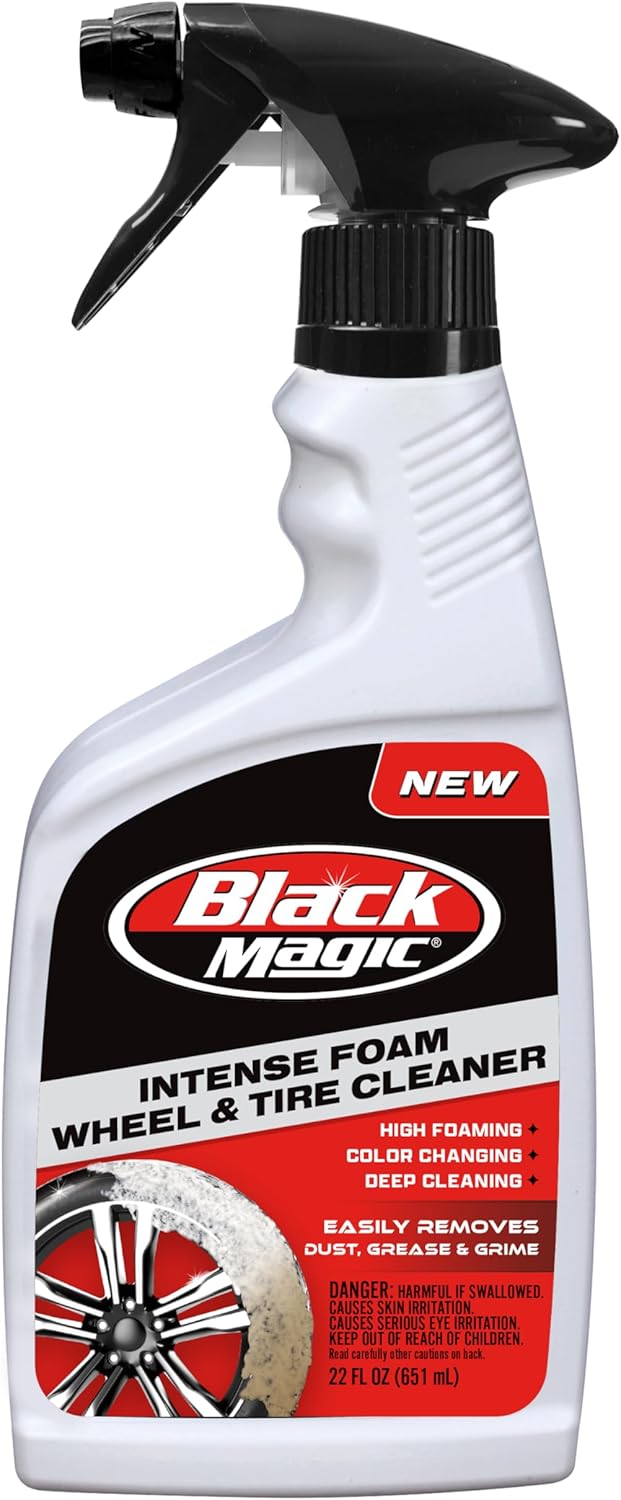
Black Magic Intense Foam Wheel & Tire Cleaner uses a high-foaming action to lift away dirt, grime, and brake dust without scrubbing. The color-changing formula helps show contaminants being dissolved as foam turns from white to brown. Safe for all wheel types and even wheel wells, it leaves a like-new, slick finish with a fresh cherry scent.
Best BSW Tires by Vehicle Type
The best BSW tire depends on your vehicle and driving conditions. Many passenger cars, SUVs, crossovers, EVs, light trucks, and performance vehicles use BSW tires because the plain black sidewall is common across modern tire lines.
| Vehicle type | What to prioritize |
| Sedans and compact cars | Comfort, wet braking, tread life, fuel efficiency, correct OEM size |
| SUVs and crossovers | Load index, road noise, wet grip, ride comfort, all-season or all-weather capability |
| Light trucks and towing vehicles | Load range, sidewall durability, heat resistance, highway stability, correct inflation pressure |
| Performance cars | Speed rating, steering response, wet/dry grip, heat resistance, proper staggered fitment if used |
| EVs and hybrids | Load capacity, low rolling resistance, noise control, torque wear, correct XL or HL rating when required |
| Winter driving | Three-peak mountain snowflake rating, cold-weather compound, snow and ice braking |
Brands such as Michelin, Bridgestone, Goodyear, Continental, Pirelli, Falken, Hankook, Yokohama, Toyo, and others sell many tires in BSW versions. Instead of choosing by brand name alone, compare the exact tire model in your size and match it to your driving conditions.
[Products Worth Considering]
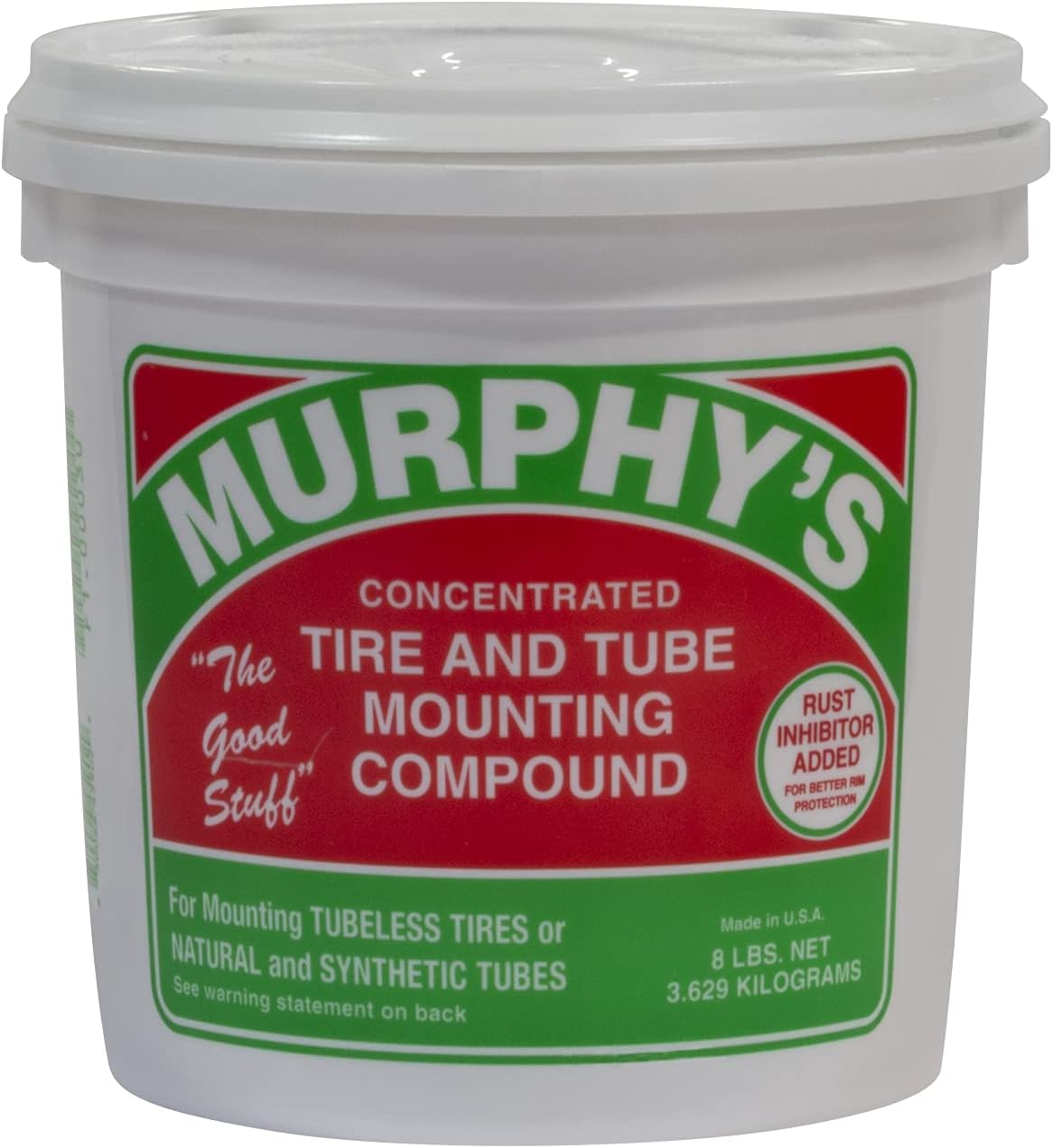
A concentrated tire and tube mounting compound designed to help simplify mounting rubber tires and tubes on passenger, semi truck, construction, and OTR applications. Its ultra-thick formula packs beads effectively and includes rust inhibitors to help protect against corrosion during use.

The SAFELIFE dial tire tread depth gauge measures tread depth in 1/32 inch increments with clear, easy-to-read 2-inch dial face. Color zones using a traffic light system help you quickly judge whether tread is low, marginal, or ample for safer driving. Built with a durable zinc cast body and a metal detect probe for precise, comfortable use across cars, motorcycles, trucks, and buses.

Clean wheels and rims with soft feathered bristles that safely remove dirt and road grime while helping restore original luster. The short non-slip handle makes it easy to scrub in tight wheel wells, and the brush is suitable for vehicles and hard-to-reach areas. It can also be soaked and rubbed to help restore bristles to their shape after use.
UTQG, DOT Date, and Tire Age
For many passenger tires, the Uniform Tire Quality Grading system compares treadwear, traction, and temperature resistance. Under 49 CFR §575.104, UTQG information is meant to help consumers compare passenger tires. It is useful, but it is not a complete buying guide. It does not replace real-world reviews, winter ratings, load ratings, or vehicle-specific fitment rules.
The DOT/TIN code helps you identify when a tire was made. U.S. tire identification rules are covered under 49 CFR Part 574. For modern tires, the final four digits show the week and year of manufacture. Michelin recommends a professional inspection after five years of service and replacement at ten years from the manufacture date, while the U.S. Tire Manufacturers Association notes that tire service life depends on storage, use, maintenance, load, heat, inflation, and other conditions.
BSW tells you how the sidewall looks. UTQG, DOT/TIN, size, load index, speed rating, tread depth, and tire condition tell you much more about whether the tire is right for your vehicle.
Common BSW Tire Buying Mistakes
- Buying by sidewall style first. BSW is only the appearance. Fitment and performance come first.
- Ignoring the load index. A tire can fit the wheel but still be wrong for the vehicle’s weight.
- Downgrading speed rating without guidance. This can affect handling expectations and manufacturer recommendations.
- Confusing ply rating with actual ply count. Modern “10-ply” and “12-ply” language usually refers to load range strength, not literal layers of fabric.
- Skipping the DOT date code. A tire can be unused but still older than you expect.
- Comparing UTQG across unrelated categories too literally. A touring tire, winter tire, and ultra-high-performance tire are built for different jobs.
BSW Tire Care and Maintenance
BSW tires are easy to keep looking clean because the sidewall is black, but they still need normal tire care. Check inflation pressure at least monthly and before long trips. Inspect tread depth, sidewall cracks, bulges, nails, cuts, and uneven wear. Rotate tires on the schedule recommended by your vehicle or tire manufacturer, and have alignment checked if you notice pulling, vibration, cupping, or rapid edge wear.
A mild tire cleaner, soft brush, and water are usually enough for a black sidewall. Avoid harsh petroleum-based products unless the tire manufacturer says they are safe, because aggressive chemicals can damage rubber over time.
Frequently Asked Questions
What does BSW mean on tire size?
BSW means Black Sidewall. In a listing such as 255/45R19 104Y XL BSW, the size and service rating are the important fitment details, while BSW only tells you the tire has a plain black sidewall.
Does BSW affect tire performance?
No. BSW itself does not improve grip, braking, towing ability, fuel economy, or tread life. Performance depends on the tire model, tread pattern, compound, construction, size, load index, speed rating, inflation pressure, and condition.
What is the difference between OWL and BSW tires?
OWL tires have outlined white letters on the sidewall, while BSW tires have a plain black sidewall. If both tires are the same model and size with the same ratings, the difference is mainly appearance.
Should I get a 10-ply or 12-ply tire?
Choose by the load range and load index your vehicle actually needs. A higher ply rating can help with heavy hauling, towing, or commercial use, but it may also ride firmer, weigh more, and cost more. For normal daily driving, follow the vehicle placard and ask a tire professional before changing load range.
Are BSW tires cheaper than white-letter or whitewall tires?
Sometimes, but not always. BSW is common, so many sizes have more BSW options. Price still depends more on brand, tire category, size, warranty, speed rating, load range, and availability than on sidewall color alone.
What are the top 3 best tire brands?
There is no single top three for every driver. Michelin, Bridgestone, Goodyear, Continental, Pirelli, Falken, Hankook, Yokohama, Toyo, and other major brands all make strong tires in certain categories. Compare the exact tire model, not just the logo on the sidewall.
Can I flip a white-letter tire around to make it look like a BSW tire?
Some non-directional tires with white lettering on one side can be mounted with the black side facing out, but not all tires should be flipped. Directional, asymmetric, or inside/outside-marked tires must be mounted according to the sidewall instructions. Ask your installer before changing orientation.
Conclusion
A BSW tire is simply a tire with a plain black sidewall. It gives you a clean, factory-style look and usually needs less cosmetic upkeep than whitewall or white-letter designs. Still, BSW is not the spec that keeps your vehicle safe. For the right tire, match the size, load index, speed rating, load range, DOT date, tread category, and condition to your vehicle and driving needs.
Sources
- NHTSA TireWise — UTQG treadwear, traction, and temperature rating guidance.
- 49 CFR §575.104 — Uniform Tire Quality Grading standards.
- 49 CFR Part 574 — tire identification and recordkeeping requirements.
- Tire Industry Association: Reading a Tire Sidewall — load index, speed symbol, and DOT/TIN date-code explanation.
- Continental Tire: How to Read Your Tire Sidewall — tire size, load index, speed rating, and DOT serial number basics.
- U.S. Tire Manufacturers Association: Tire Facts — tire service life, inspection, and maintenance guidance.
