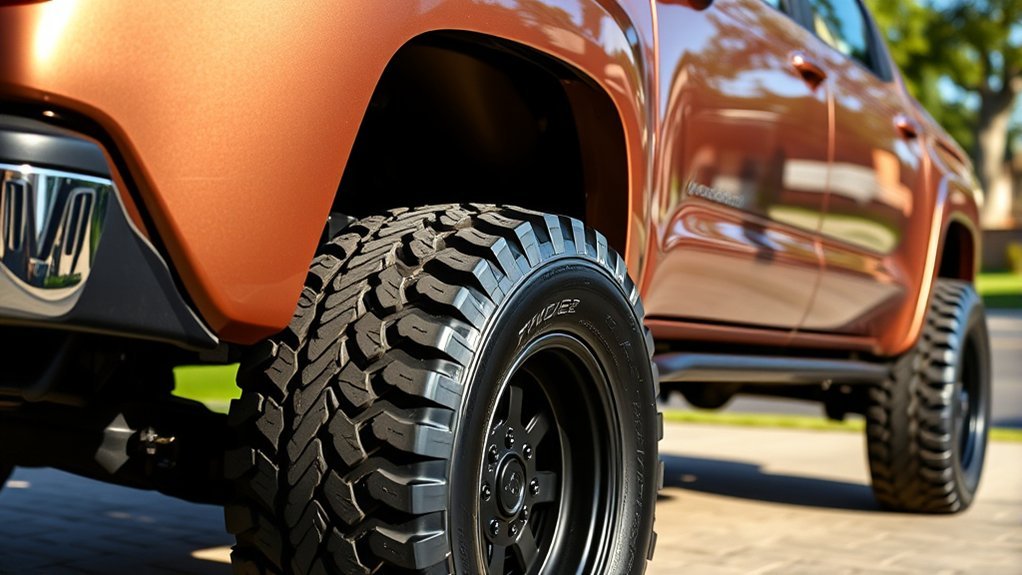
Fitting 33-inch tires on a stock Toyota Tundra is possible on many trucks, but the right answer depends on your Tundra’s generation, factory wheel size, tire width, wheel offset, mud flaps, alignment, and the exact tire model. A narrow 33-inch tire can be a simple upgrade; a wide 33×12.50 can rub quickly on stock suspension.
Quick Answer
Yes, many stock Toyota Tundras can fit a 33-inch tire, especially narrower sizes such as 275/70R18 or 285/70R17 on factory-offset wheels. However, wider 33-inch tires, aggressive wheel offsets, and 285/70R18-style setups are more likely to rub and may need trimming, alignment adjustment, or a leveling kit.
Key Takeaways
- A “33-inch tire” is not one fixed size. A 275/70R18 is much easier to fit than a wide 33×12.50.
- Most rubbing happens at the front fender liner, mud flap, bumper edge, body mount area, or upper control arm.
- Wheel offset matters as much as tire diameter. A more aggressive offset can move the tire into the fender liner or bumper area.
- Use your door placard and owner’s manual as the starting point for tire pressure, load rating, and speed rating.
- After installing larger tires, check clearance at full steering lock, recheck lug torque, and get an alignment if suspension or wheel specs changed.
At a Glance
| Time Required | 30–60 minutes to measure and inspect; longer if test-fitting wheels and tires |
| Difficulty | Moderate; simple measuring is easy, but final fitment should be checked carefully |
| Tools Needed | Tape measure, tire-pressure gauge, flashlight, floor jack, jack stands, torque wrench, and a safe test-drive route |
| Cost | Measuring is free; tires commonly cost $900–$1,800+ per set; leveling kits, alignment, and trimming add more |
Can You Fit 33-Inch Tires on a Stock Tundra?
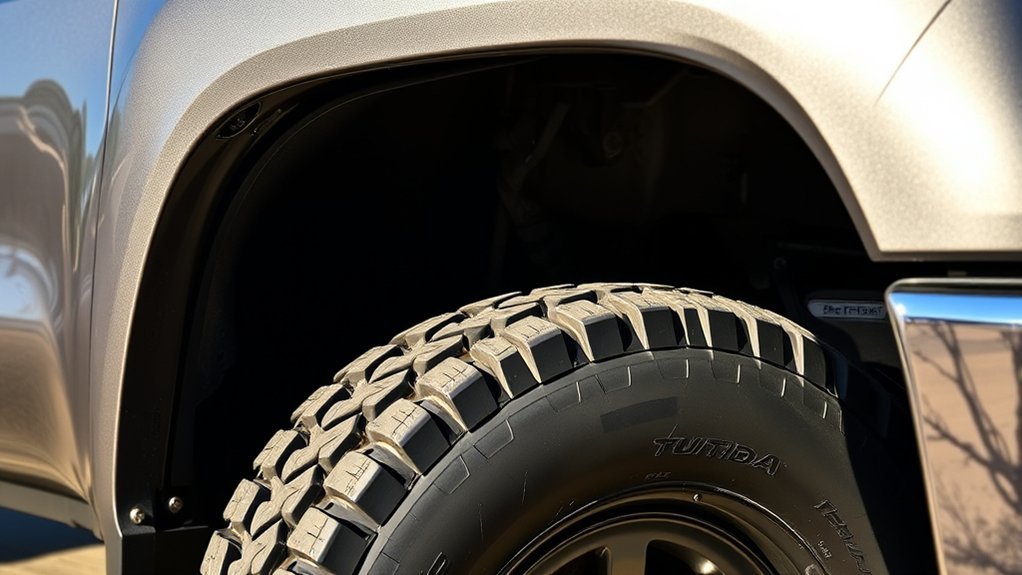
In many cases, yes. A stock Toyota Tundra can often handle a mild 33-inch tire, but “33-inch” needs to be defined carefully. For example, a 275/70R18 is about 33.2 inches nominally, while a 285/70R18 is closer to 33.7 inches nominally. Those two sizes may sound similar, but the taller and wider tire is more likely to rub.
The safest stock-suspension choices are usually narrower 33-inch or “33-ish” sizes that stay close to factory wheel offset. Wider tires, negative-offset wheels, aggressive all-terrain or mud-terrain shoulder lugs, and worn suspension parts can all reduce clearance.
Warning: Never judge tire fitment by diameter alone. A 33×12.50 tire is much wider than many metric 33-inch sizes and can rub even when a narrower 33 clears.
Best 33-Inch Tire Sizes for a Stock Tundra
The table below gives practical fitment guidance. Always confirm the factory tire size on your driver-door placard and compare the exact tire manufacturer’s listed diameter and section width before buying.
| Tundra generation | Lower-risk 33-inch choices | Higher-risk choices | What to expect |
|---|---|---|---|
| 2000–2006 first generation | Usually needs more caution; smaller-than-33 upgrades are often easier | Most true 33-inch sizes | A lift, leveling kit, or trimming may be needed depending on wheel and tire setup. |
| 2007–2021 second generation | 275/70R18, 285/70R17, some 275/60R20 options | 285/70R18, 33×12.50, aggressive negative-offset wheels | Many mild 33s fit, but full-lock rubbing and mud-flap contact are common with wider tires. |
| 2022–2026 third generation | 275/70R18, 285/65R18, similar mild 33-ish sizes | 285/70R18, 295-width tires, 33×12.50 | The platform is friendly to mild upgrades, but tire width and offset still decide whether rubbing happens. |
[Products Worth Considering]

The Trivd Frol 1/2" air impact wrench delivers high performance torque up to 1500 ft-lbs with a twin hammer impact mechanism for strong, balanced blows. It features an ergonomic grip, compact lightweight design, and quick-stop control with 3 forward speeds up to 8000 RPM plus a reverse speed. Built for demanding automotive repair and tire shop work, the rear exhaust helps keep debris away from the surface.

This professional wheel and rim brush kit makes it easy to lift brake dust, grime, and dirt from wheels and tires without scratching finishes. The brushes feature soft, metal-free wool heads and a flexible 360-degree rim brush design for reaching hard-to-clean areas. Includes multiple brush types plus accessories for thorough car, motorcycle, and general vehicle detailing.

These universal tire valve stem caps help protect valve cores from dust, debris, and moisture while helping maintain stable tire pressure. The corrosion-resistant metal construction and sealed design provide reliable protection in road grime, mud, and winter conditions. Twist-on installation makes them quick to fit on cars, SUVs, trucks, and motorcycles.
Where Rubbing Issues Most Commonly Occur With 33-Inch Tires
When 33-inch tires rub on a stock Toyota Tundra, the contact usually happens in the front wheel wells. The most common areas are the front bumper edge, lower fender liner, mud flap, rear of the front wheel well, body mount area, and sometimes the upper control arm.
Rubbing is most noticeable when turning at full steering lock, reversing while turned, braking into a driveway, or driving over a dip that compresses the suspension. A tire that clears while parked can still rub while the truck is moving.
- Front fender liner: light plastic contact during turns is common with mild oversized tires.
- Mud flaps: often the first contact point on stock trucks.
- Upper control arm: more likely with wider tires on factory wheels or tires with bulky sidewalls.
- Bumper edge: more likely with negative-offset wheels that push the tire outward.
- Body mount area: a concern with wider/taller setups, especially under compression.
Benefits of Installing a Leveling Kit for Clearance
A leveling kit raises the front of the truck to reduce factory rake and create more room around the front tires. For many Tundra owners, a mild 2-inch to 3-inch level makes 33-inch tires easier to live with and can reduce front liner or mud-flap rubbing.
However, a leveling kit is not a guarantee. If the tire is too wide, the wheel offset is too aggressive, or the alignment is not dialed in, rubbing can still happen.
| Benefit | What it helps with | Important note |
|---|---|---|
| More front clearance | Reduces liner and bumper contact with mild 33s | Still check clearance at full lock and compression. |
| Improved stance | Levels the nose-up-to-rear appearance | Too much front lift can affect ride and suspension angles. |
| Better approach angle | Helps off-road clearance at the front | Ground clearance only increases by about half the tire-diameter increase at the differential. |
| More setup flexibility | Makes wider or taller tires more realistic | Alignment is strongly recommended after suspension changes. |
Pro Tip: If you want the fewest headaches on a daily-driven stock Tundra, choose a narrower 33-inch tire on a factory-offset wheel before jumping to a wide 33×12.50 setup.
[Products Worth Considering]

These aluminum alloy tire valve stem caps with an O-ring seal help protect valve stems from corrosion while adding a clean, stylish look to your vehicle. The universal fit works across cars, trucks, motorcycles, bicycles, and more, making them an easy upgrade for everyday driving and off-road use. Installation is quick, and the included four-pack keeps all your tires dressed and protected.

Upgrade your 2024-2026 Tesla Model 3 Highland with REEVAA all-weather mud flaps designed for seamless fit along the original body lines. The set of four delivers strong splash protection against mud, gravel, and road debris while using OEM-grade durable materials. Installation is non-destructive with original hole positions and snap-in clips, and the aerodynamic design helps minimize impact on efficiency.
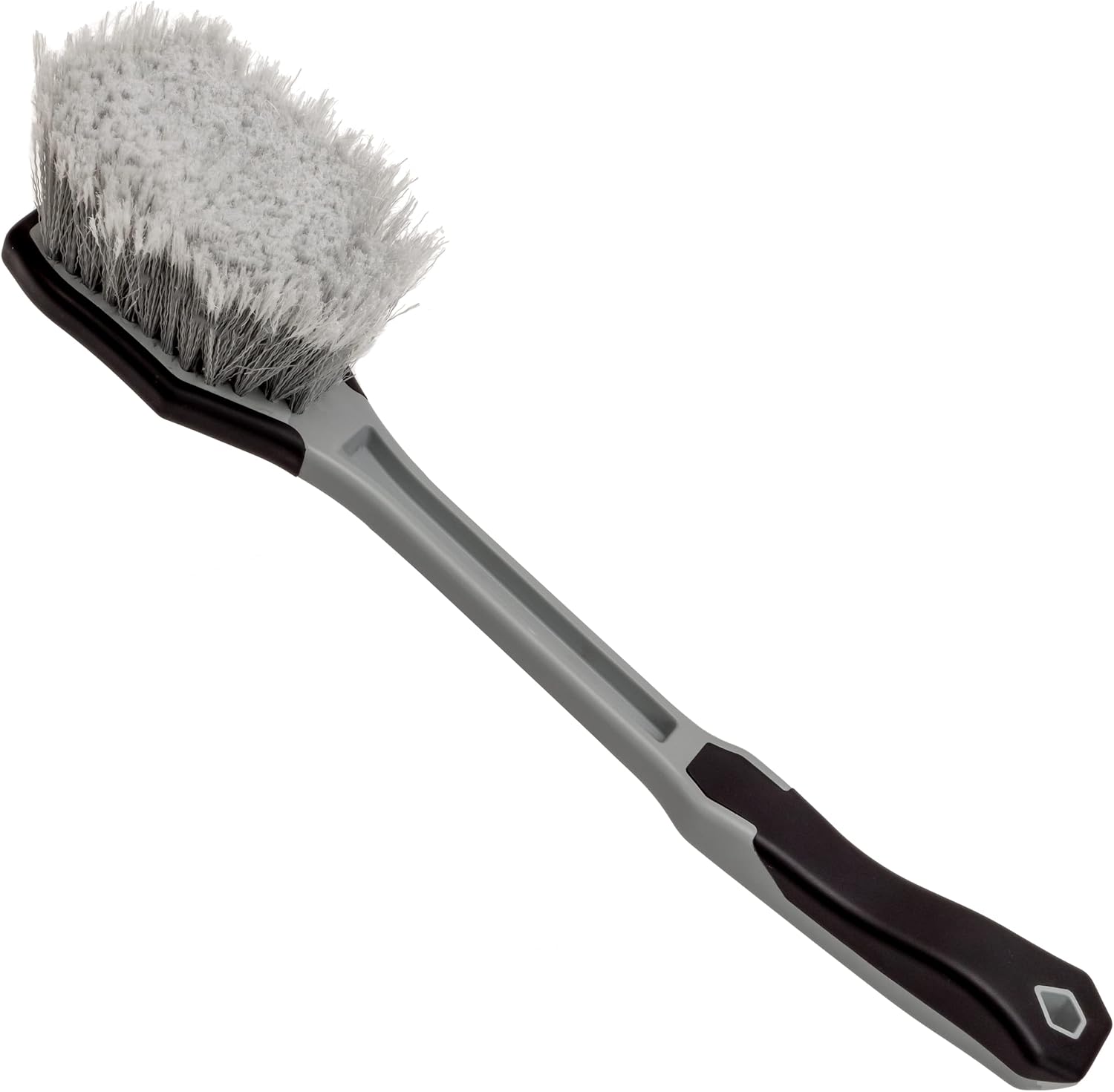
Clean grills, fenders, fender flares, bumpers, and wheel wells with a long-handled brush built for detailed car washing. The soft, triple-flagged bristles and dense scrub coverage help lift dirt gently while making coverage fast and easy. Use it with your favorite car wash soap for tires and exterior surfaces, and it also works for bike, motorcycle, boat, or RV cleaning.
What the Tundra Community Says About Tire Upgrades
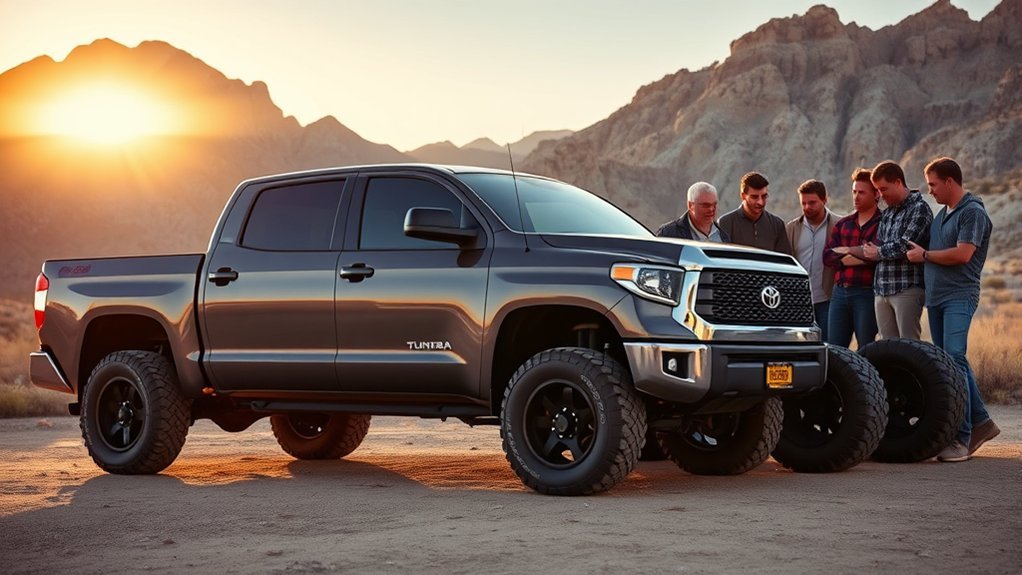
Tundra owners commonly report that mild 33-inch tires can work on stock suspension, especially when the wheel offset stays close to factory specs. The most common complaints are light rubbing at full lock, mud-flap contact, or liner contact when reversing or entering steep driveways.
Owner feedback also shows why one person’s “no rub” setup may rub on another truck. Tire brands measure differently, tread shoulders vary, alignments vary, and wheel offset can completely change the contact point. That is why the best advice is to verify the exact tire model, not just the size printed on the sidewall.
Understanding Tire Specifications for Tundra Fitment
A metric tire size such as 275/70R18 gives you several important measurements. The first number is section width in millimeters, the second is sidewall height as a percentage of the width, the “R” means radial construction, and the final number is wheel diameter in inches.
| Example: 275/70R18 | Meaning | Why it matters |
|---|---|---|
| 275 | Approximate section width in millimeters | Wider tires are more likely to hit the liner, mud flap, or upper control arm. |
| 70 | Sidewall height is 70% of tire width | Higher aspect ratios usually create taller tires. |
| R | Radial construction | Standard construction type for modern light-truck tires. |
| 18 | Wheel diameter in inches | Must match your wheel size exactly. |
Using the standard tire-size formula, a 275/70R18 is about 33.2 inches nominally: 18 inches of wheel diameter plus two sidewalls that are each 70% of 275 mm. Actual mounted diameter can vary by brand, tread design, load rating, and inflation pressure.
Why Tire Width Matters for Fitment
Tire width is often the difference between a clean stock fit and annoying rubbing. A narrow 33-inch tire may clear easily, while a wider 33-inch tire can hit the upper control arm on the inside or the fender liner and bumper on the outside.
Clearance Issues Explained
As tire width increases, the tire takes up more side-to-side space. That reduces clearance between the tire and suspension on the inside, and between the tire and fender liner on the outside. Aggressive tread shoulders can also rub even when the listed width looks acceptable.
Wheel Offset and Backspacing
Wheel offset controls where the tire sits in the wheel well. A wheel with more negative offset pushes the tire outward, which can improve upper-control-arm clearance but increase bumper, mud-flap, and fender-liner rubbing. A high positive offset keeps the tire tucked in, but wider tires may sit closer to the upper control arm.
Backspacing is another way to describe wheel position. More backspacing generally moves the wheel inward; less backspacing moves it outward. When you change wheels and tires together, compare both tire width and wheel offset before assuming the setup will fit.
Impact on Handling
Bigger, heavier tires can make steering feel slower and braking feel less sharp. Wide all-terrain or mud-terrain tires can also track grooves in the road more than factory highway tires. If the truck is used for daily commuting, towing, or long highway trips, avoid choosing the heaviest and widest tire just for appearance.
Fuel Efficiency Considerations
Moving to 33-inch tires can reduce fuel economy because larger tires are often heavier and may have more rolling resistance. Aggressive tread patterns can also add road noise. The exact MPG change depends on tire weight, tread design, driving speed, axle ratio, and how much stop-and-go driving you do.
Generation-Specific Recommendations for Tire Sizes
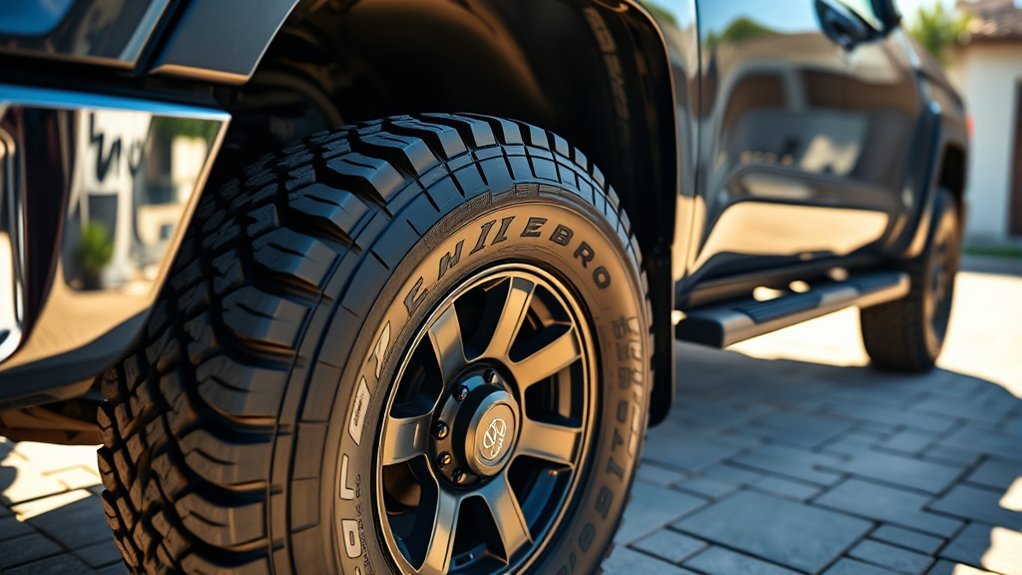
Tundra tire fitment changes by generation. Before buying, confirm your exact year, trim, wheel size, and factory tire size. The guidance below is a practical starting point, not a replacement for measuring your own truck.
First-Generation Tundra Tire Fitment
First-generation Tundras have less room for true 33-inch tires than later trucks. Some owners make 33s work with lift, trimming, or carefully selected wheels, but stock-suspension fitment is not as straightforward. If you want a simple daily-driver setup, consider staying below a true 33 unless you are prepared to modify for clearance.
Second-Generation Tire Sizes
For 2007–2021 Tundras, 33-inch tire upgrades are common. A 275/70R18 or 285/70R17 is often a practical stock-wheel choice. A 285/70R18 is taller and wider, so it is more likely to need trimming, mud-flap removal, or a leveling kit depending on the tire and wheel offset.
Third-Generation Fitment Options
For 2022–2026 Tundras, mild 33-inch sizes are also common. Many owners look at 275/70R18 or 285/65R18-style sizes for an OEM-plus setup. Wider options such as 285/70R18, 295-width tires, or 33×12.50 tires need more careful checking because rubbing can happen at the liner, bumper, or body-side areas under steering and compression.
Do You Need Aftermarket Wheels for 33-Inch Tires?
You do not always need aftermarket wheels for 33-inch tires. In fact, factory wheels can be the easiest path when you choose a narrower tire because the factory offset keeps the tire tucked close to the original position.
Aftermarket wheels help when you need more inner clearance at the upper control arm or want a wider stance. The tradeoff is that moving the tire outward can create new rubbing at the front bumper, mud flap, and fender liner. That is why wheel offset should be chosen with the tire size, not after the tire size.
- Factory wheels: best for mild 33-inch upgrades and fewer stance-related rubbing problems.
- Slightly lower offset wheels: useful for wider tires but may need trimming.
- Aggressive negative offset wheels: look wider but increase rubbing risk on stock suspension.
- Wide 33×12.50 tires: often need careful offset selection, trimming, or a leveling kit.
[Products Worth Considering]

These M14x1.5 closed-end chrome lug nuts are a one-piece replacement designed for secure fitment on compatible GM, Ford, and select Chrysler/Dodge models. Featuring a 60-degree conical seat and anti-rust chrome plating, they help resist corrosion and maintain a bright look for everyday driving. Built for long-term durability, they include OEM-style part references and are backed by 12 months of support.

This spare tire tool kit is designed for the 2004 to 2018 Ford F-150 to help you loosen and tighten wheel lug nuts and manage the spare tire and provided jack functions from underneath the vehicle. It includes the lug nut wrench and extension pieces plus a convenient storage carrying case for organized transport. The jack itself is not included.

Keep your tires properly inflated with this analog VONDIOR tire pressure gauge, designed for fast, easy readings without batteries. The swiveling, two-axis hose and large glow dial help you measure at any tire angle with instant visibility. Built with a protective rubber shield, it supports durable, low-maintenance use for cars and trucks.
Safety Considerations for 33-Inch Tire Upgrades
Bigger tires can change how your Tundra drives. They can affect speedometer accuracy, braking feel, steering response, fuel economy, and clearance under load. If you tow or haul, tire load rating matters just as much as size.
Use the NHTSA TireWise tire-safety guidance as a starting point: check the owner’s manual and Tire and Loading Information Label for the correct tire size and pressure. Replacement tires should meet or exceed the load rating and speed rating required for your truck.
Note: The tire pressure molded on the tire sidewall is the tire’s maximum pressure, not the recommended operating pressure for your Tundra. Start with the door placard and adjust only for load, tire type, and manufacturer guidance.
How to Check Clearance Before Buying 33-Inch Tires
The best way to avoid a bad tire purchase is to inspect and test-fit before committing. Use this checklist before driving at highway speed with a new setup.
- Confirm your current tire size: Check the sidewall and the driver-door placard.
- Compare exact specs: Look up the manufacturer’s listed diameter, section width, tread width, and weight for the tire you want.
- Check inner clearance: Inspect the gap between the tire and upper control arm, brake lines, and suspension components.
- Turn full lock both ways: Watch the front liner, mud flap, bumper edge, and rear of the wheel well.
- Test in reverse: Some setups rub only while backing up with the wheel turned.
- Check compression clearance: Slowly enter a driveway or ramp-like surface and listen for contact.
- Inspect the spare location: A full-size 33-inch spare may be tight depending on width and tread design.
- Recheck after driving: Look for shiny rub marks, worn plastic, or scuffed tire shoulders.
- Get an alignment: Do this after leveling kits, control-arm changes, or any major suspension work.
A tire that clears in the driveway is not automatically safe. Always check clearance while turning, reversing, braking, and compressing the suspension.
Maintaining Bigger Tires on Your Tundra
Once your 33-inch tires are installed, maintenance matters. Bigger tires are often heavier and more expensive, so proper care helps protect both safety and tread life.
- Check tire pressure cold: Use the placard as your baseline and adjust for load only when appropriate.
- Rotate on schedule: Follow Toyota’s rotation guidance or your tire manufacturer’s schedule.
- Watch for uneven wear: Cupping or edge wear can point to alignment, balance, or suspension issues.
- Re-torque lug nuts: Recheck after installation according to your wheel installer’s recommendation.
- Clean packed mud and stones: Debris can affect balance and accelerate wear.
- Recheck clearance after off-road use: Flexing, mud buildup, and liner movement can reveal new rub points.
Frequently Asked Questions
Will larger tires affect my speedometer accuracy?
Yes. Taller tires travel farther per revolution, so your speedometer will usually read slower than your actual road speed. The larger the diameter increase, the larger the error. A recalibration tool, dealer adjustment, or GPS comparison can help you verify the difference.
How do 33-inch tires impact fuel efficiency?
They can reduce fuel economy because larger tires are often heavier and may have more rolling resistance. Aggressive all-terrain and mud-terrain tires can also add drag and road noise. The exact change depends on tire weight, tread design, driving style, and vehicle setup.
Can I tow with 33-inch tires installed?
Yes, but choose tires with the proper load rating and keep them inflated according to the placard, load, and tire manufacturer’s guidance. Bigger tires can slightly change gearing, braking feel, and speedometer accuracy, so verify the setup before towing heavy loads.
What tire pressure should I use for 33-inch tires on a Tundra?
Start with the pressure listed on your driver-door Tire and Loading Information Label, not the maximum pressure printed on the tire sidewall. If you switch from P-metric to LT tires or tow heavy loads, ask the tire manufacturer or a qualified tire shop for a load-based pressure recommendation.
Is 285/70R18 a true 33-inch tire?
A 285/70R18 is closer to 33.7 inches nominally, so it is often larger than what many people mean by a mild 33-inch tire. It can fit some Tundras, but it has a higher rubbing risk than a 275/70R18.
Do I need a leveling kit for 33-inch tires?
Not always. Many mild 33-inch sizes can fit stock suspension, especially with factory wheels. A leveling kit helps when you want more front clearance, a taller tire, or a wider stance, but it does not guarantee rub-free fitment.
Which tire brands are good for Tundra fitment?
Popular Tundra tire brands include Michelin, BFGoodrich, Falken, Toyo, Nitto, Goodyear, and Cooper. Brand matters less than choosing the right size, load rating, tread type, and measured dimensions for your truck.
Conclusion
You can often fit 33-inch tires on a stock Toyota Tundra, but the cleanest setup is usually a mild, narrower 33-inch tire on factory-offset wheels. The wider and taller you go, the more likely you are to need trimming, alignment changes, aftermarket wheels, or a leveling kit. Before buying, compare the exact tire specs, check your door placard, verify load rating, and inspect clearance at full steering lock and suspension compression.
Sources
- Toyota 2026 Tundra specifications — factory tire and trim-spec context
- Toyota USA Newsroom: 2026 Toyota Tundra — current 2026 Tundra updates, towing, TRD package, and safety-system context
- NHTSA TireWise — tire size, tire-pressure, placard, and tire-maintenance safety guidance
- Tire Industry Association: Reading a Tire Sidewall — tire width, aspect ratio, construction, load index, and speed symbol explanation
- Tire Rack: Speedometer Accuracy — how tire diameter changes affect speedometer readings
- Michelin: Tire Markings Explained — tire sidewall, load rating, speed rating, and pressure-marking guidance