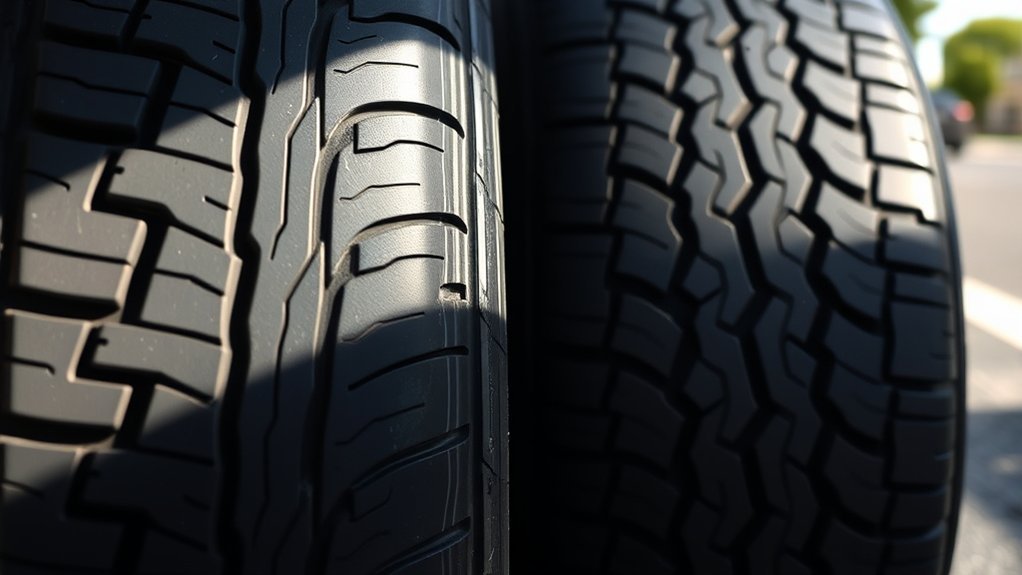
Tire noise in your Honda Accord can change a lot from one set of tires to another because the tire is not the only thing making the sound. Tread pattern, tread wear, tire pressure, tire size, rubber compound, road texture, and even wheel alignment all affect how much humming, droning, or roaring you hear inside the cabin.
Quick Answer
Honda Accord tire noise varies mostly because tread blocks, grooves, road texture, inflation pressure, and tire wear all change how the tire meets the pavement. Smooth touring tires on properly inflated, evenly worn wheels are usually quieter than aggressive, worn, underinflated, or low-profile tires on coarse pavement.
Key Takeaways
- Tread design matters: large, open tread blocks tend to create more pattern noise than continuous ribs and closely spaced tread blocks.
- Road texture matters too: coarse, worn, or grooved pavement can make even a quiet tire sound louder.
- Use the Honda Accord tire-pressure label on the driver’s doorjamb, not the maximum PSI printed on the tire sidewall.
- Uneven wear, poor alignment, imbalance, cupping, or a damaged tire can turn normal road noise into a hum, growl, thump, or vibration.
- For a quieter Accord, look for touring or grand-touring tires in the correct OEM size, load index, and speed rating, with strong wet-traction reviews.
At a Glance
| Time Required | 10–20 minutes for a basic tire-noise check; longer if you compare tire models before buying. |
| Difficulty | Easy for pressure and tread checks; professional inspection recommended for vibration, cupping, alignment, or bearing-like noise. |
| Tools Needed | Tire-pressure gauge, tread-depth gauge or penny, flashlight, and your Accord’s driver-doorjamb tire label. |
| Cost | Free for basic checks; possible costs include rotation, balancing, alignment, or replacement tires if wear or damage is found. |
What You Need to Know About Tire Noise
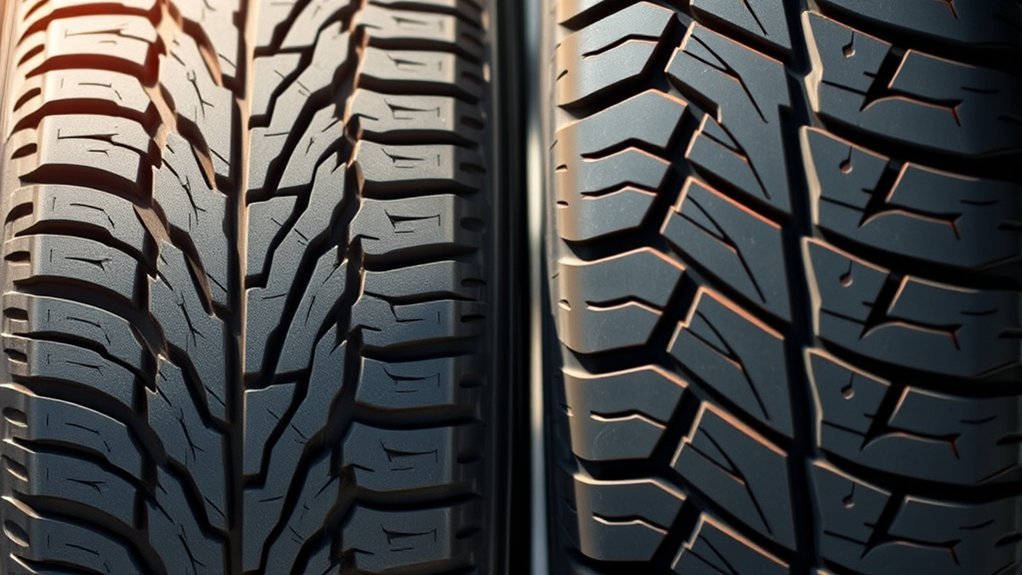
Every tire makes some noise. As the tire rolls, tread blocks hit the pavement, air moves through grooves, and vibration travels through the wheel, suspension, and body of the car. The cabin sound you hear in a Honda Accord is the result of that tire-road interaction plus the car’s insulation, tire size, road speed, and pavement condition.
The biggest everyday difference usually comes from the combination of tread design and road surface. A tire with large, open blocks may grip well in snow, mud, or loose surfaces, but those blocks can also create a stronger hum on the highway. A touring tire with continuous center ribs and smaller, staggered tread blocks is usually tuned more for comfort and lower pattern noise.
Maintenance also matters. The National Highway Traffic Safety Administration recommends regular tire checks for inflation pressure, treadwear, damage, rotation, balancing, and alignment. Those checks are not just for safety; they also help prevent uneven wear that can make a quiet tire become noisy over time.
Note: The correct pressure for your Accord is listed on the tire and loading information label on the driver’s doorjamb. The pressure molded into the tire sidewall is a maximum tire rating, not the normal pressure target for your specific car.
How Tread Patterns Influence Tire Noise
Tread patterns influence tire noise because they control how the tire contacts the pavement and how air moves through the grooves. When a tire has large, evenly spaced blocks, those blocks can strike the road in a more noticeable rhythm. That rhythm may sound like humming, droning, or a low growl as speed increases.
Quieter tires usually use features such as:
- Continuous ribs: Long tread ribs keep more rubber in steady contact with the road and can reduce blocky pattern noise.
- Variable pitch sequencing: Tread blocks are arranged in different sizes or spacing so the sound is spread across frequencies instead of forming one loud tone.
- Smaller shoulder blocks: Less aggressive shoulder designs can reduce the “roar” heard on highways.
- Narrower or better-shaped grooves: Good groove design helps manage air movement without giving up needed wet traction.
That does not mean the quietest-looking tread is always the best choice. Tire designers must balance road noise with wet braking, snow grip, handling, tread life, and rolling resistance. A mild touring tread may be quieter, while an all-terrain or winter-focused tread may be louder because it is built for grip in harsher conditions.
Pro Tip: When comparing tires for your Honda Accord, read owner reviews for your exact tire size. A tire can be quiet in one size but louder in a wider, lower-profile version.
How Tire Compound and Construction Affect Noise Levels
The tire compound, sidewall, belt package, tread depth, and internal construction all affect how much vibration reaches the cabin. A tire designed for comfort may use construction choices that soften small impacts and reduce harshness. A performance tire may use stiffer construction for sharper steering, which can also transmit more road texture into the cabin.
Softer rubber can help with comfort in some cases, but it is not a magic fix for tire noise. A soft compound with a noisy tread pattern can still hum. A quiet tread with poor inflation or uneven wear can still become loud. The best low-noise tire is usually a balanced touring or grand-touring tire that combines a comfort-focused casing, refined tread pattern, good wet traction, and the correct fitment for the Accord.
Some premium tires also use acoustic foam inside the tire cavity. For example, Michelin Acoustic Technology uses polyurethane foam to reduce interior tire-cavity noise, while Continental ContiSilent uses a foam layer bonded inside the tire to reduce selected rolling-noise components. These technologies can help, but availability depends on the exact tire model and size.
How Road Conditions Change Tire Noise
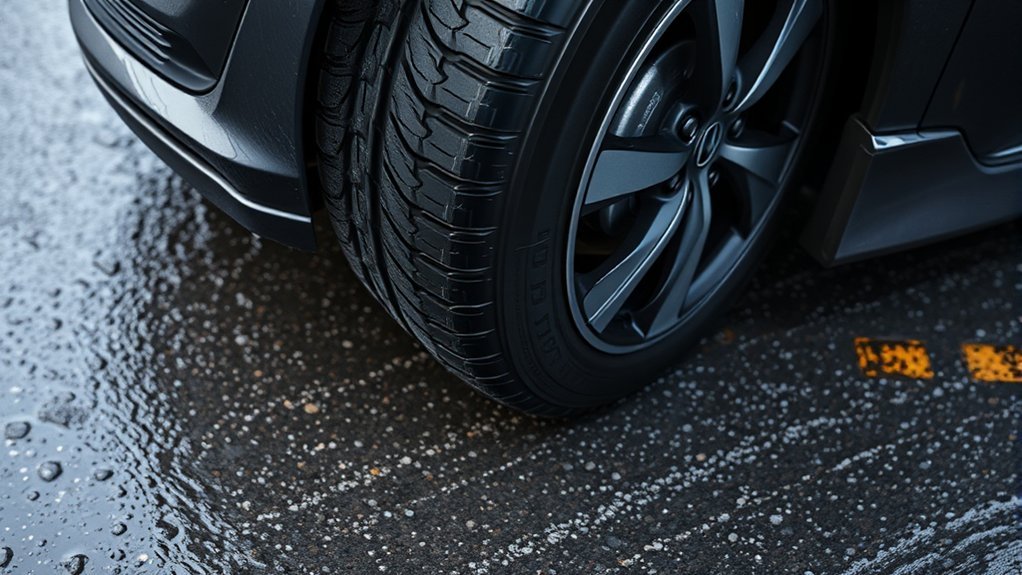
Road surface can make the same Honda Accord tires sound completely different. Smooth, well-maintained pavement usually produces less tire roar. Coarse concrete, grooved pavement, worn asphalt, bridge decks, and chip-seal surfaces often sound louder because the tire is interacting with a rougher texture.
The Federal Highway Administration notes that pavement surface texture influences tire-pavement noise, and that both asphalt and concrete can be designed as low-noise surfaces. In other words, the issue is not simply “asphalt quiet, concrete loud.” Texture, grooves, age, drainage design, and pavement finish all matter.
Weather also changes the sound. Wet pavement can add hiss or slosh as water moves through the tread grooves. Snow tires, studs, or chains can add much more sound because they use more aggressive tread features or metal contact points. If the noise only appears on one road or one surface type, the pavement is probably a major part of the sound.
A quiet tire cannot make a coarse road silent. The goal is to choose a tire that stays controlled and comfortable across the roads you drive most often.
Normal vs. Abnormal Honda Accord Tire Noise
Some tire noise is normal, especially at highway speeds. A steady light hum that changes with road surface is usually ordinary tire-road noise. But a new or uneven sound can point to a tire, wheel, suspension, or bearing problem.
Use this quick guide:
- Steady roar on rough pavement: Usually normal road texture and tire pattern noise.
- Humming that gets louder with speed: Could be tire pattern noise, uneven wear, or sometimes a wheel bearing.
- Thumping or rhythmic slap: Check for a flat spot, tire damage, separated belt, or debris stuck in the tread.
- Vibration with noise: Possible imbalance, bent wheel, uneven wear, or tire damage.
- Noise after rotation: Previously uneven rear tires may become more noticeable when moved to the front.
- Feathered or saw-tooth tread edges: Often points to alignment, rotation, or suspension issues.
Warning: Do not ignore sudden loud tire noise, shaking, pulling, visible bulges, exposed cords, rapid pressure loss, or a burning-rubber smell. Slow down safely, inspect the tires, and have the vehicle checked before continuing normal driving.
[Products Worth Considering]

Measure tire tread depth quickly and accurately with this LUMITECO dial gauge that reads in 1/32" increments up to 14/32". The color-coded green/yellow/red zones make it easy to judge tire wear and know when replacement is needed. A rugged, compact design with a protective pouch helps keep the gauge ready for use on cars, trucks, motorcycles, and more.

The SAFELIFE dial tire tread depth gauge measures tread depth in 1/32 inch increments with clear, easy-to-read 2-inch dial face. Color zones using a traffic light system help you quickly judge whether tread is low, marginal, or ample for safer driving. Built with a durable zinc cast body and a metal detect probe for precise, comfortable use across cars, motorcycles, trucks, and buses.

Monitor tire tread wear with a smart, color-coded depth gauge that shows clear condition ranges at a glance. The bar is range marked for fast, easy readings, helping you maintain safer traction and performance. Each gauge is portable with a pocket clip, and the set includes 20 units for daily use and sharing.
Maintenance Steps That Keep Honda Accord Tires Quieter
Good tire maintenance will not turn a noisy tire into a luxury tire, but it can stop avoidable noise from getting worse. Start with these checks:
- Check tire pressure cold. Honda owner information for the Accord says to use the driver’s doorjamb label or specifications page for the specified pressure. Check pressure before driving or after the car has been parked long enough for the tires to cool.
- Inspect tread wear monthly. Look for cupping, feathering, inner-edge wear, cracks, cuts, bulges, or objects stuck in the tread.
- Rotate tires on schedule. Rotation helps even out wear patterns that can create pattern noise. Follow the interval in your owner’s manual or the tire manufacturer’s guidance.
- Balance the wheels if vibration appears. Imbalance can make a tire feel and sound harsher at certain speeds.
- Check alignment if the car pulls or the tread wears unevenly. Poor alignment can create feathered tread edges that hum or roar.
- Replace damaged or badly worn tires. Noise from separated belts, bulges, or exposed cords is a safety issue, not a comfort issue.
Proper inflation also helps fuel economy. According to FuelEconomy.gov, keeping tires inflated to the proper pressure can improve gas mileage by 0.6% on average and up to 3% in some cases.
[Products Worth Considering]

Accurately measure tire tread depth with a calibrated gauge marked from 0 to 1 inch in 1/32 inch increments. The color-coded bar helps you quickly identify tread condition ranges, supporting safe driving for trucks, motorcycles, automobiles, and passenger vehicles.

Keep your tires properly inflated with this analog VONDIOR tire pressure gauge, designed for fast, easy readings without batteries. The swiveling, two-axis hose and large glow dial help you measure at any tire angle with instant visibility. Built with a protective rubber shield, it supports durable, low-maintenance use for cars and trucks.

Measure tyre tread depth precisely with a digital gauge that reads in both MM and inches, helping you monitor safe driving conditions. The large LCD screen is easy to operate, and the compact tool fits for cars, trucks, and motorcycles. It provides high accuracy with a 0-25.4mm range and includes a 1-year warranty for added peace of mind.
Tips for Selecting Quieter Tires for Your Honda Accord
When selecting quieter tires for your Honda Accord, do not shop by noise claims alone. A good tire still needs the correct size, load rating, speed rating, wet traction, and braking performance for your vehicle and climate.
Use this checklist before buying:
- Choose the correct size first. Match the tire size listed on your Accord’s driver-doorjamb label or owner information unless a qualified tire professional confirms an alternate size.
- Stay with the proper load index and speed rating. A tire that does not meet the vehicle’s requirements is not a good choice, even if reviews say it is quiet.
- Look for touring or grand-touring tires. These are often tuned for comfort, lower road noise, and long highway use.
- Compare wet traction, not just comfort. A quiet tire with weak wet braking is a poor tradeoff.
- Avoid overly aggressive tread unless you need it. Deep, open, blocky tread patterns can add highway noise.
- Consider sidewall height. Low-profile tires on larger wheels often transmit more impact noise than taller-sidewall tires.
- Read recent reviews for your exact size. Noise ratings can change by tire size, vehicle weight, and road surface.
- Ask about road-noise warranties or trial periods. Some tire retailers and manufacturers offer satisfaction guarantees, which can help if comfort is your top priority.
If your Accord became noisy right after a tire change, the new tire may simply have a louder tread design or stiffer construction than the old set. If the noise appeared gradually, uneven wear, pressure, alignment, or rotation history is more likely.
[Products Worth Considering]

Vigorder rubber cement glue delivers superior adhesion and cures quickly within about 30 seconds for seamless rubber bonding. Once cured, it helps provide a strong, durable, waterproof seal that holds up to vehicle weight, pressure, and heat. Suitable for cars, motorcycles, trucks, bicycles, and off-road tires, it’s designed for emergency patch and maintenance repairs.

ETENWOLF T300 is a calibrated digital tire pressure gauge for accurate readings from 3 to 200 PSI across light and heavy-duty vehicles. It includes thermal compensation for reliable performance in extreme cold or heat, with an auto shut-off to extend battery life and an LED for easier reading. The sturdy design supports rugged everyday use, making it ideal for pickups, RVs, and industrial applications.

AstroAI’s digital tire pressure gauge inflates and measures with high accuracy, reading within 1% and supporting four pressure units from 3 to 250 PSI. The heavy-duty brass air chuck locks securely on valve stems, while the 19.7-inch stainless braided hose and 360° rotatable dial improve comfort and control for faster single-hand operation. Battery-saver behavior and an integrated flashlight add convenience and safety for everyday roadside and garage use.
Frequently Asked Questions
What tire tread pattern is the quietest?
The quietest tread patterns usually have continuous ribs, smaller tread blocks, and variable pitch sequencing that spreads sound across different frequencies. Touring and grand-touring tires are often quieter than aggressive all-terrain, winter, or performance-focused tread designs.
Why do my tires sound different on different roads?
Road texture changes tire noise. Smooth pavement usually sounds quieter, while coarse concrete, grooved pavement, chip seal, worn asphalt, and wet roads can make the same tires sound louder. If the sound changes immediately when the road surface changes, the pavement is likely a major cause.
How do I reduce road noise in a Honda Accord?
Start with the tires: check cold tire pressure using the driver-doorjamb label, rotate tires on schedule, inspect for uneven wear, and correct alignment or balance problems. When replacing tires, choose comfort-focused touring tires in the correct Accord size, load index, and speed rating.
Can low tire pressure make tires louder?
Yes. Incorrect pressure can change the tire’s contact patch and cause uneven wear, heat buildup, harshness, or extra noise. Underinflation and overinflation can both create wear problems, so use the Accord’s recommended cold pressure rather than guessing.
Why did my Honda Accord get louder after rotating the tires?
A tire that wore unevenly on the rear may become more noticeable when moved to the front, where cabin sound and steering feedback are easier to notice. If the noise is strong, inspect for cupping, feathering, imbalance, alignment issues, or tire damage.
Are wider or low-profile Accord tires noisier?
They can be. Wider tires and shorter sidewalls often transmit more road texture and impact harshness into the cabin, especially on rough pavement. The exact noise level still depends on the tire model, tread pattern, pressure, wheel size, and road surface.
Conclusion
Tire noise in your Honda Accord is not caused by one single thing. Tread pattern, road texture, tire construction, pressure, wear, alignment, and tire size all work together. If the noise is steady and changes with pavement, it may be normal tire-road sound. If it is new, loud, uneven, or paired with vibration, treat it as a maintenance or safety clue.
For the quietest everyday ride, choose the correct-size touring or grand-touring tire, keep it properly inflated, rotate it regularly, and fix uneven wear early. That combination will do more for cabin comfort than chasing one “silent” tire claim.
Sources
- NHTSA TireWise — tire pressure, treadwear, rotation, balancing, alignment, and tire safety maintenance.
- Honda 2025 Accord Owner Information: Checking Tires — Accord tire pressure label guidance and inflation effects.
- Federal Highway Administration: Surface Texture for Asphalt and Concrete Pavements — pavement texture and tire-pavement noise guidance.
- Tire Rack: Why Do Tire Tread Patterns Make Noise? — tread pattern and road-surface interaction explanation.
- Michelin Acoustic Technology — manufacturer explanation of foam-based tire-cavity noise reduction.
- FuelEconomy.gov: Keeping Your Vehicle in Shape — proper tire inflation and fuel-economy effect.