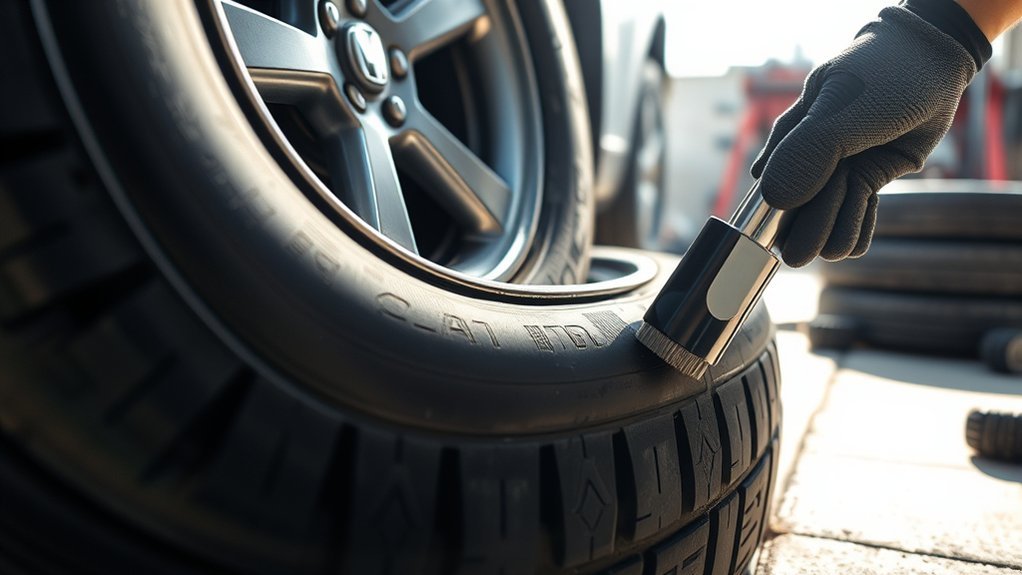
Honda Accord run-flat tires can sometimes be repaired, but the answer depends on the tire’s damage, how far you drove after pressure loss, and the tire manufacturer’s repair policy. This guide applies when your Accord is already fitted with run-flat tires, whether they came with the vehicle or were installed later. Before you approve any repair, have a qualified tire technician remove the tire from the wheel and inspect the inside.
Quick Answer
Yes, a Honda Accord run-flat tire can sometimes be repaired, but only after a qualified tire technician removes it from the wheel and inspects the inside. Repair is usually limited to a small tread-area puncture. Replace it if it has sidewall, shoulder, internal, severe underinflation, or manufacturer-prohibited damage.
Key Takeaways
- A run-flat tire is not automatically repairable just because the puncture looks small from the outside.
- Repair is usually considered only for small punctures in the main tread area, not the sidewall or shoulder.
- If you drove with little or no air pressure, the tire may have hidden internal damage.
- A plug-only repair is not a proper permanent tire repair.
- Always follow the tire manufacturer’s repair policy, not a generic online rule.
At a Glance
| Time Required | 10–20 minutes for basic checks; longer if a shop removes and inspects the tire |
| Difficulty | Easy for visual checks; professional inspection required for repair decisions |
| Tools Needed | Tire pressure gauge, flashlight, tread-depth gauge, phone camera, owner’s manual, and a tire professional for internal inspection |
| Cost | Basic checks are free; professional repair or replacement cost varies by shop, tire size, and tire brand |
Warning: Do not treat a run-flat tire as safe just because it still holds the car up. After pressure loss, the inside may be damaged even when the outside looks normal. Have the tire demounted and inspected before repair or reuse.
First, Confirm Your Accord Has Run-Flat Tires
Before you worry about run-flat repair rules, confirm what type of tire is actually on your Honda Accord. Look at the tire sidewall for wording or markings such as Run Flat, RFT, ROF, ZP, SSR, or another brand-specific run-flat label.
If you do not see a run-flat marking, your Accord may have conventional tires. In that case, standard tire repair rules may apply instead. If you are unsure, check the owner’s manual, the tire maker’s product page, or ask a tire shop to identify the tire before you drive farther.
Run-flat tires are designed to support the vehicle for a limited distance after air loss. Bridgestone explains that run-flat tires should still follow the manufacturer’s maximum distance and speed limits, and its run-flat guidance lists up to 50 miles at up to 50 mph for Bridgestone run-flat tires. Bridgestone’s run-flat tire guide also notes that run-flats need TPMS because low pressure may not be obvious from the outside.
How to Identify Issues With Run-Flat Tires
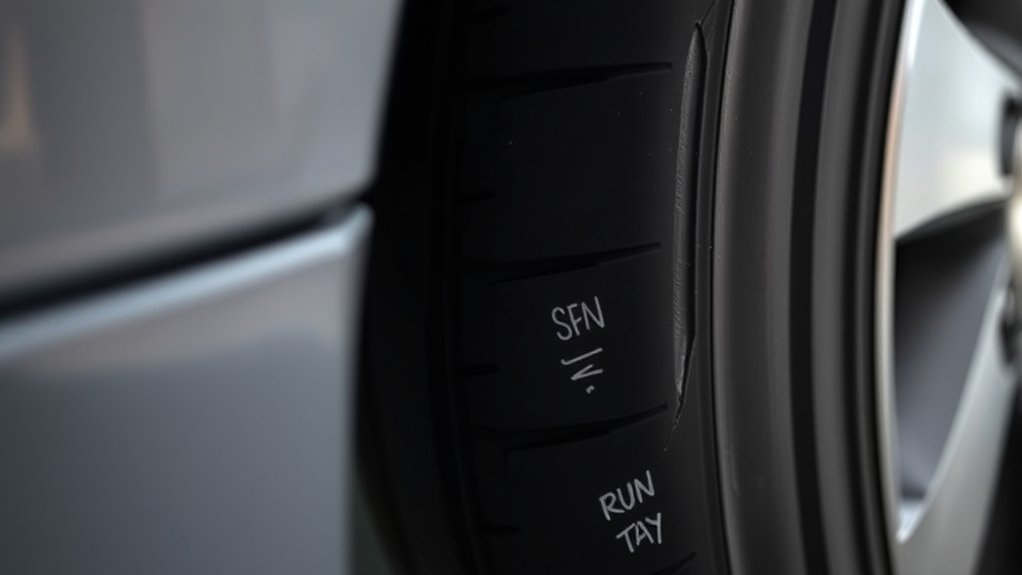
Run-flat tires can lose pressure without the dramatic sag you expect from a regular tire. That makes your Tire Pressure Monitoring System important. Under U.S. TPMS rules, the system must warn drivers about significant underinflation, and the required owner’s manual language tells drivers to stop, check tires, and inflate them properly when the low-pressure warning comes on. 49 CFR 571.138 also warns that driving on a significantly underinflated tire can cause overheating and tire failure.
If your TPMS light comes on, slow down, avoid hard braking or sharp steering, and move to a safe place. Check the tire pressure only when it is safe to do so. If one tire is far below the placard pressure, do not assume the run-flat feature makes continued driving harmless.
If you see a nail, screw, or other object in the tread, do not pull it out at the roadside unless a professional tells you to. Removing the object can make the tire lose air faster and may make it harder for a shop to locate the injury path. Take a photo, note which tire is affected, and drive only as far as the tire maker allows.
Note: TPMS is not a substitute for monthly pressure checks. Check your Accord’s tire pressure when the tires are cold and use the pressure shown on the driver-side door placard unless your tire professional gives you a safe alternate setting for a different tire size.
Types of Damage That Make Run-Flat Tire Repairs Impossible
Not every puncture can be repaired. The U.S. Tire Manufacturers Association says tire repair should be considered only when the damage is limited to the tread area and the puncture injury is no greater than 1/4 inch (6 mm) in diameter. USTMA tire repair guidance also says the tire must be removed from the wheel and inspected for all possible damage, including inner-liner damage.
[Products Worth Considering]
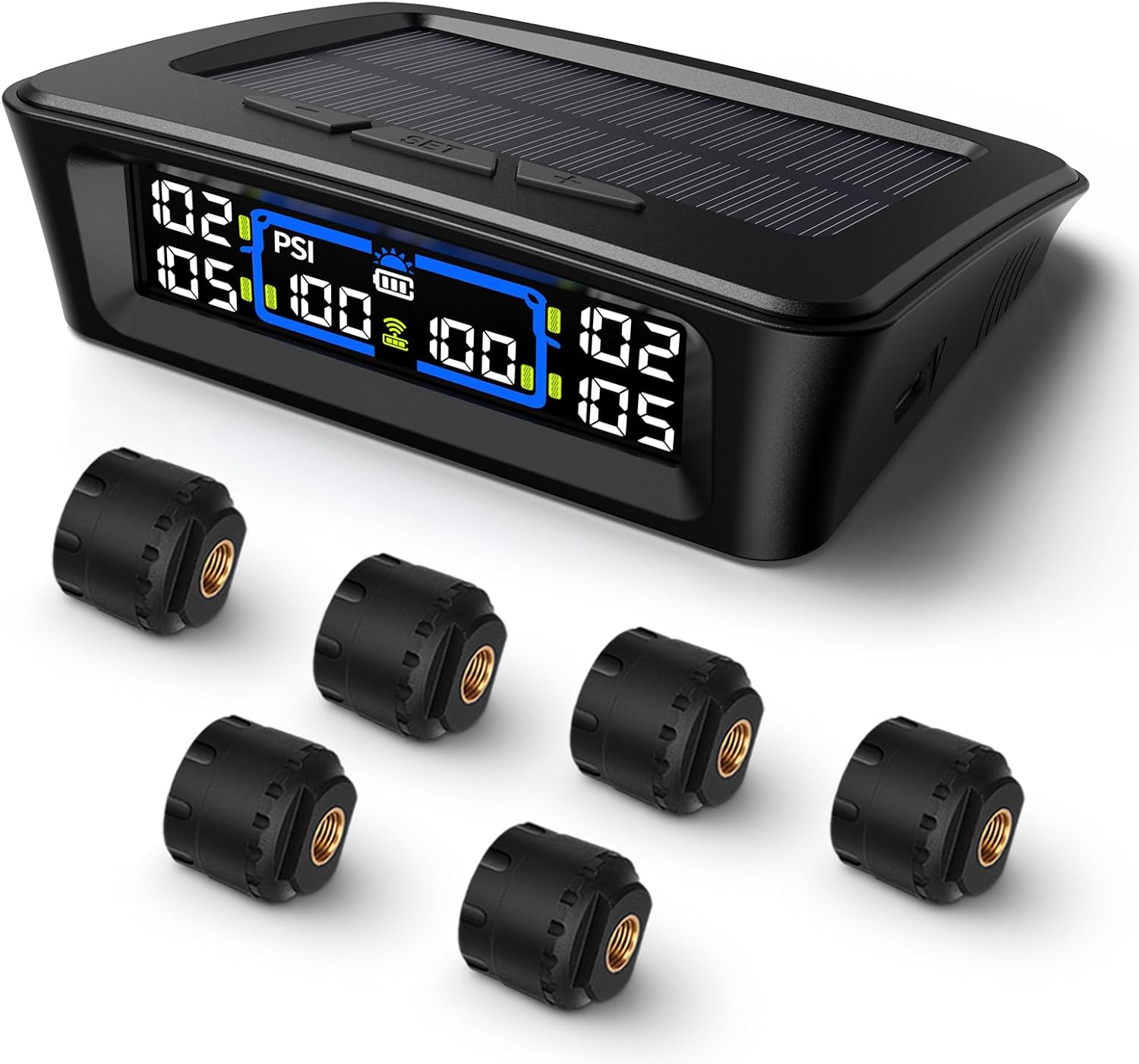
The Tymate TM12 RV TPMS delivers real-time tire pressure and temperature monitoring with a stable 433Hz display for safer long-distance driving. It supports simultaneous monitoring across vehicle and trailer zones, includes six alarm modes for pressure, temperature, leakage, battery, and signal loss, and features easy DIY installation with auto calibration. Power is supplied via USB-C charging or solar recharging, with a wide 0–144 PSI range and up to 50 ft signal coverage for RVs and towable trailers.

Keep your tires properly inflated with this analog VONDIOR tire pressure gauge, designed for fast, easy readings without batteries. The swiveling, two-axis hose and large glow dial help you measure at any tire angle with instant visibility. Built with a protective rubber shield, it supports durable, low-maintenance use for cars and trucks.
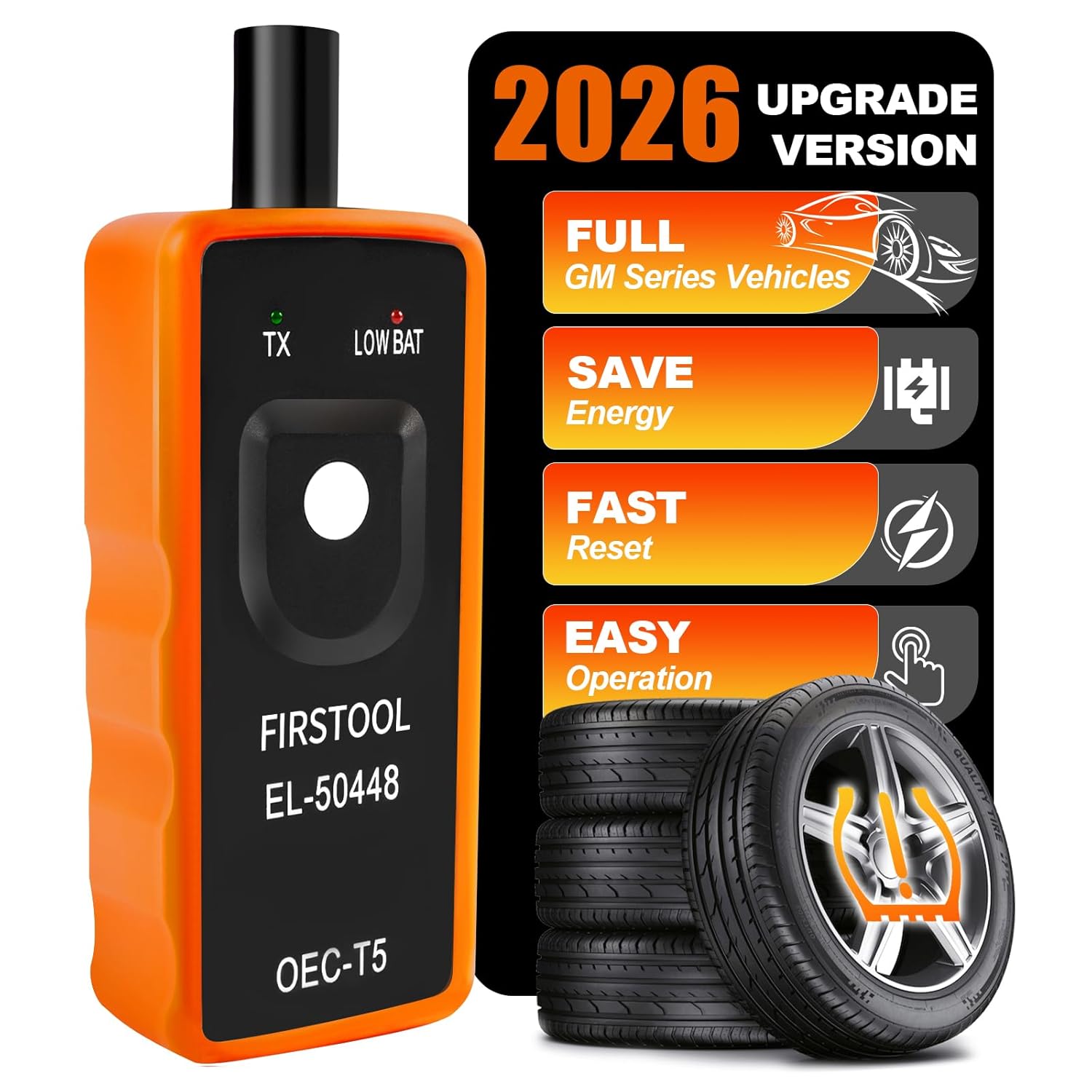
This TPMS relearn tool helps you quickly activate, match, and reset GM tire pressure sensors to keep the vehicle monitoring system working properly. It clears tire pressure alarms and dashboard warning lights after sensor replacement or tire rotation, and supports learning for common 315/433 MHz TPMS sensors. Designed for simple one-button operation, it can help you avoid unnecessary trips to repair shops.
Repair vs. Replace Decision Table
| Damage or Situation | Likely Decision | Why It Matters |
|---|---|---|
| Small puncture in the main tread area | May be repairable | A shop must still demount and inspect the tire before deciding. |
| Puncture larger than 1/4 inch (6 mm) | Replace | Industry repair guidance does not support repairing larger passenger/light-truck puncture injuries. |
| Sidewall damage | Replace | The sidewall carries load and flexes constantly, especially on a run-flat tire. |
| Shoulder or belt-edge damage | Replace | USTMA says not to repair injuries that extend into the shoulder or belt-edge area. |
| Visible cracking, bulge, crease, exposed cord, or impact break | Replace | These signs may point to structural damage, not a simple puncture. |
| Tire was driven beyond the tire maker’s zero-pressure limit | Usually replace | Heat and flex can damage the inner structure even if the outside looks fine. |
| Previous improper repair or overlapping repair area | Replace | USTMA says repairs cannot overlap and a tire with an improper existing repair should not be repaired again. |
Sidewall and Shoulder Damage
A sidewall puncture, bubble, cut, or crease is a strong replacement signal. The sidewall flexes with every rotation, and a run-flat sidewall has extra structure that helps support the car during pressure loss. If that area is damaged, a patch will not restore the tire’s original strength.
Shoulder damage is also risky because it sits near the transition from tread to sidewall. USTMA warns against repairs where the injury extends into the shoulder or belt-edge area, or where the injury extends at an angle into the shoulder area. When there is doubt, the safer choice is to take the tire out of service.
Tread Area Limitations
A tread puncture is the only type that may qualify for repair, but “tread puncture” does not mean every hole in the tread is safe to fix. The tire must be removed, inspected inside and outside, and repaired only if the injury location, size, angle, and internal condition meet the tire maker’s rules.
A proper permanent repair is not just an outside plug. USTMA says a rubber stem or plug must fill the puncture injury and a patch must seal the inner liner. A plug alone is not an acceptable permanent repair.
Pro Tip: Ask the shop whether they will remove the tire from the wheel, inspect the inner liner, and use a plug-patch or two-piece repair that seals the inner liner and fills the injury path. If the answer is no, do not treat the repair as permanent.
Impact of Driving on Flat Tires on Repairability
Driving on a flat or severely underinflated run-flat tire can quickly change the answer from “maybe repairable” to “replace it.” Run-flat tires are built to help you reach a safer location, not to keep driving normally.
Michelin says a run-flat tire that has been driven with little or no air pressure should be removed from the wheel and inspected by a qualified tire professional, even if no visible damage is present. Michelin’s run-flat service guidance explains that internal damage may not be visible from the outside but can affect safety and performance.
- Heat builds inside the tire: Low pressure makes the tire flex more, which can damage the casing.
- The sidewall carries extra load: On a run-flat tire, the reinforced sidewall supports the car during pressure loss, so it needs careful inspection afterward.
- The outside can look normal: A run-flat tire may not sag like a regular tire, which can hide damage.
- Speed and distance matter: Many run-flat systems allow limited driving, but exceeding the tire maker’s limit can make repair unsafe.
Pirelli also describes its run-flat technology as a way to drive to a suitable place for service, and its guidance says to drive within 50 miles at a maximum speed of 50 mph. Pirelli’s run-flat technology page frames this as temporary mobility, not permission to keep driving indefinitely.
Manufacturer Repair Guidelines for Run-Flat Tires
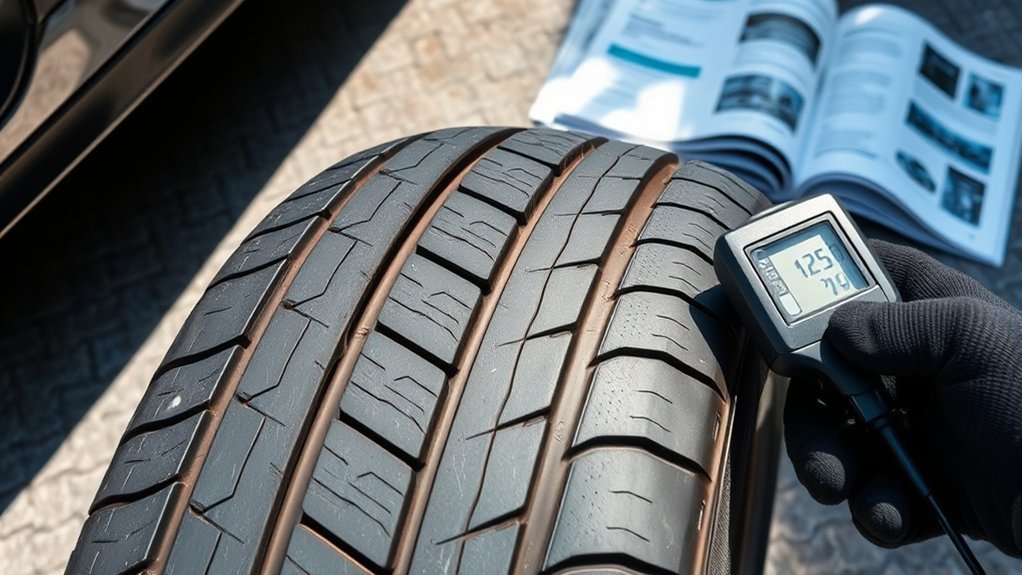
Run-flat repair rules vary by tire brand, tire model, and damage history. That is why a tire shop should check the sidewall brand and model before giving you a yes or no answer.
Do not rely on a single generic rule such as “all run-flats can be patched” or “no run-flat can ever be repaired.” USTMA says not all tires can be repaired, and some tire manufacturers may have repair limits or restrictions for run-flat tires and other specialty tires.
A technician should check:
- The tire brand, model, size, load rating, and speed rating
- Whether the tire is marked as a run-flat or extended-mobility tire
- The location and size of the puncture
- Whether the injury reaches the shoulder, sidewall, or belt edge
- Whether the tire was driven with little or no pressure
- Whether the tire has inner-liner damage, wrinkling, rubber dust, or heat damage
- Whether the tire already has a repair
- Whether the repair would conflict with the tire maker’s warranty or service policy
The Risks of Attempting DIY Repairs on Run-Flat Tires
A DIY plug kit may seem convenient, but it does not answer the most important question: what happened inside the tire after pressure loss? You cannot inspect the inner liner, casing, or sidewall reinforcement while the tire is still mounted on the wheel.
DIY fixes are especially risky on run-flat tires because the tire may have supported your Accord’s weight while underinflated. That can create internal heat and damage you cannot see from the outside.
- Plug-only repairs are incomplete: A plug alone does not seal the inner liner the way a proper repair should.
- Sealant is temporary: It may help you reach a safe place, but it is not the same as an internal inspection and permanent repair.
- Hidden damage can remain: The tire may hold air after a DIY fix but still be unsafe at speed.
- Warranty and policy issues may apply: Some tire makers restrict run-flat repairs, especially after zero-pressure operation.
If you must use an emergency inflator or sealant kit, treat it as a way to get off the road safely. Then have the tire inspected as soon as possible.
[Products Worth Considering]

The Dr.Roc spare tire tool kit helps you release, lower, or raise your spare tire with reliable extension tools and a lug nut wrench. It is made from rustproof automotive-grade steel and includes an organized carry case for convenient storage. Designed for compatibility with select GM models from the late 1990s through 2019, it uses upgraded extension components to install and remove spare tires with less hassle.

This spare tire tool kit is designed for the 2004 to 2018 Ford F-150 to help you loosen and tighten wheel lug nuts and manage the spare tire and provided jack functions from underneath the vehicle. It includes the lug nut wrench and extension pieces plus a convenient storage carrying case for organized transport. The jack itself is not included.

This AUTOWN flat tire repair kit is designed for quick, reliable puncture repairs using a plug kit and spiral probe tool to simplify installation. Built for durability and safe handling, it offers strong adhesion and flexibility to help maintain tire air tightness. With a portable storage case and a multi-vehicle approach, it’s suitable for cars, motorcycles, ATVs, tractors, lawn mowers, RVs, jeeps, and trucks.
When to Call in the Pros for Tire Problems
Call a tire professional any time your Accord has a TPMS warning, visible puncture, sidewall mark, vibration, pulling, bulge, or unknown pressure-loss event. Run-flat tires are designed for controlled temporary mobility, but they still need professional inspection after damage.
Signs of Tire Damage
Look for these warning signs before you drive farther:
- TPMS warning light: Stop and check the tires when it is safe.
- Visible puncture: A nail or screw in the tread needs inspection, even if the tire still holds air.
- Sidewall cut or bubble: Replace the tire rather than trying to repair it.
- Creasing or cracking: This can point to underinflation damage.
- Vibration or pulling: The tire, wheel, or alignment may be affected.
- Rubber smell or heat: Heat after low-pressure driving can mean internal stress.
Professional Inspection Importance
A professional inspection should include removing the tire from the wheel. The technician should inspect the outer tread, the puncture path, the inner liner, and the sidewall structure. This matters because run-flat tires can hide low-pressure damage from a quick outside glance.
If the tire passes inspection and the damage is repairable under the tire maker’s policy, the shop should use a repair method that fills the injury path and seals the inner liner. If the tire fails inspection, replace it.
Risk of DIY Repairs
DIY repair is not worth the risk when the tire has supported the car with low or no air. You cannot confirm internal condition without demounting the tire. A proper shop inspection helps protect the tire, wheel, and your safety at highway speeds.
Replacement Guidance After Run-Flat Damage
If one run-flat tire must be replaced, do not choose a replacement based only on price or size. Match the tire type, size, load index, speed rating, and original equipment requirements as closely as possible. Mixing a run-flat tire with a non-run-flat tire on the same axle can affect handling, ride feel, and emergency behavior.
Michelin notes that replacing all four run-flat tires at the same time may be recommended in some cases to maintain consistent handling and vehicle performance. When fewer tires are replaced, tread depth and overall tire condition should be checked carefully.
If you want to switch from run-flat tires to conventional tires, get professional guidance first. Some vehicles with factory run-flats may not carry a spare tire, jack, or lug wrench. You may need a spare, inflator kit, roadside assistance plan, or a different emergency setup before making the switch.
[Products Worth Considering]

The TYAMATE TM8 solar-powered wireless TPMS delivers real-time tire pressure and temperature monitoring with six alarm modes for safer driving. A vibrant color LCD display shows readings clearly while windshield mounting keeps it hands-free and easy to read. With a wide 0–87 PSI range, strong 433.92 MHz signal transmission, and quick sensor pairing, it’s ideal for RV, sedan, SUV, MPV, and truck use.
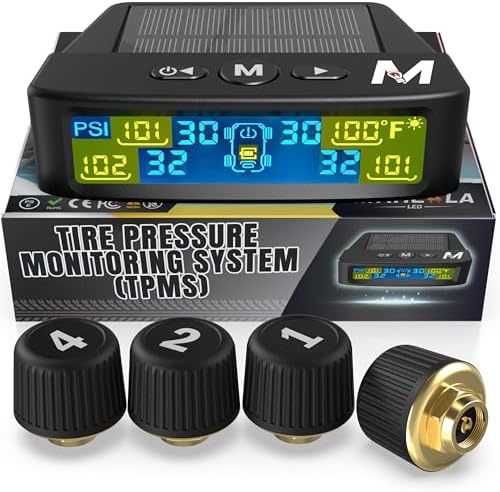
Marcala’s TPMS set of four sensors helps you monitor tire pressure and temperature in real time while driving, with updates every second. The bright color LCD uses auto-dimming for easy viewing, powered by dual solar and USB charging, and offers six alarm modes. Built for trailers, RVs, campers, trucks, and towing setups, the sensors support monitoring 1-4 wheels up to 98 PSI with IP67 waterproof protection.

The SAFELIFE dial tire tread depth gauge measures tread depth in 1/32 inch increments with clear, easy-to-read 2-inch dial face. Color zones using a traffic light system help you quickly judge whether tread is low, marginal, or ample for safer driving. Built with a durable zinc cast body and a metal detect probe for precise, comfortable use across cars, motorcycles, trucks, and buses.
Frequently Asked Questions
Can I switch to regular tires after using run-flats?
Yes, switching may be possible, but do it with a tire professional’s guidance. Confirm your Accord has a safe emergency plan, because many vehicles fitted with run-flats may not have a spare tire, jack, or lug wrench. Also make sure all replacement tires match the required size, load rating, and speed rating.
How long can I drive on a flat run-flat tire?
Follow the limit from your tire manufacturer and owner’s manual. Many run-flat tire makers describe temporary mobility around 50 miles at up to 50 mph, but limits vary by tire, load, speed, road condition, and damage. Drive only far enough to reach a safe service location.
Are run-flat tires more expensive than regular tires?
They often cost more than comparable conventional tires, and not every shop stocks or services them. The total cost depends on tire size, brand, availability, and whether one tire or multiple tires need replacement. Compare the tire’s safety benefits, ride feel, service access, and emergency backup plan before deciding.
Do run-flat tires affect fuel efficiency?
They can affect fuel economy, ride comfort, and rolling resistance because of their reinforced construction, but there is no single percentage that applies to every Accord and every run-flat tire. Proper inflation, alignment, rotation, and correct tire selection matter more than a generic estimate.
What are the benefits of run-flat tires over regular tires?
Run-flat tires can help you stay in control and reach a safer location after pressure loss. They may reduce the need to stop immediately on the shoulder. The tradeoffs can include higher cost, firmer ride, limited repair options, and the need for a working TPMS.
Can a sidewall puncture on a run-flat tire be repaired?
No. A sidewall puncture, cut, bubble, or crease usually means the tire should be replaced. The sidewall flexes constantly and supports the vehicle during run-flat operation, so a repair cannot reliably restore the tire’s original structure.
Is a plug kit safe for Honda Accord run-flat tires?
A plug kit should not be treated as a permanent repair. A proper repair requires the tire to be removed from the wheel, inspected inside, and repaired with a method that fills the injury and seals the inner liner. A plug-only fix can leave hidden damage or air leakage unaddressed.
Conclusion
A Honda Accord run-flat tire may be repairable only when the damage is small, limited to the main tread area, and approved by the tire manufacturer after professional inspection. If the tire has sidewall damage, shoulder damage, internal damage, a large puncture, an improper previous repair, or a history of being driven too far with low pressure, replacement is the safer choice.
When in doubt, do not guess. Use the run-flat feature only to reach a safe service location, then let a qualified tire technician inspect the tire from the inside before you decide between repair and replacement.
Sources
- U.S. Tire Manufacturers Association: Tire Repair Basics — repair-area limits, 1/4-inch puncture guidance, demounting, inspection, and plug-patch requirements.
- Michelin USA: Run-Flat Tires — run-flat construction, pressure-loss inspection, replacement guidance, and switching considerations.
- Bridgestone: What Are Run Flat Tires? — run-flat speed/distance limits, TPMS need, and run-flat system basics.
- Pirelli: Run Flat Technology — temporary mobility guidance and run-flat driving limits.
- 49 CFR 571.138: Tire Pressure Monitoring Systems — TPMS requirements and required owner’s manual safety language.