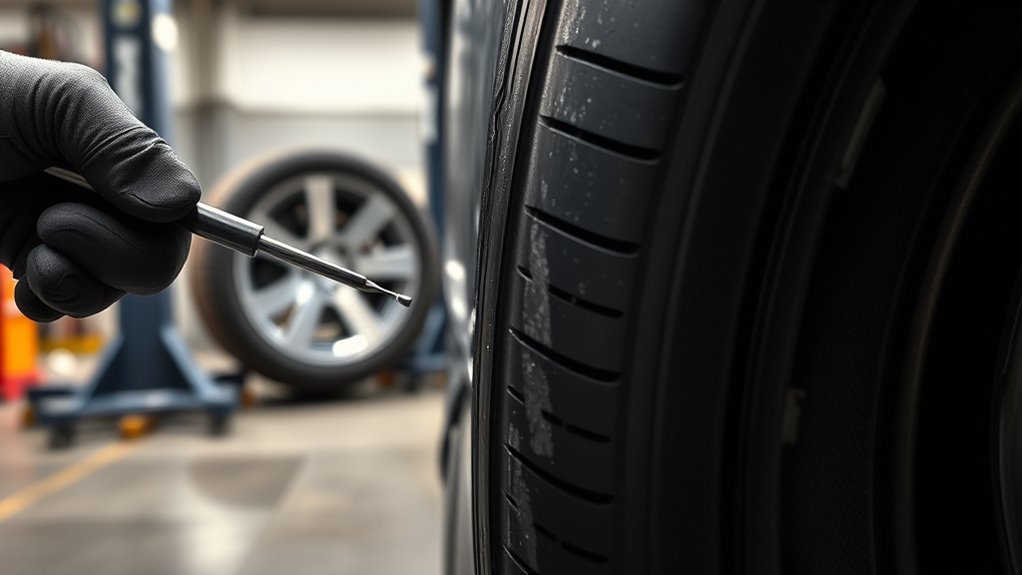
You can sometimes repair a run-flat tire, but only under narrow conditions. The puncture must be in the repairable tread area, the tire must not show signs of heat or low-pressure damage, and the tire maker, vehicle maker, and repair shop must all allow the repair. If the tire was driven at zero or very low pressure, has sidewall or shoulder damage, is too worn or too old, or carries a “Do Not Repair” instruction, replacement is the safer choice.
Quick Answer
A run-flat tire may be repairable only if the puncture is small, located in the tread, and the tire was not damaged by driving underinflated. A technician must demount and inspect it first. Sidewall damage, heat damage, previous run-flat operation beyond limits, or manufacturer “Do Not Repair” rules mean replacement.
Key Takeaways
- A run-flat repair is never a driveway job; the tire must be removed from the wheel and inspected inside.
- Tread-area punctures may be repairable, but sidewall, shoulder, bead, or belt-edge damage means replace the tire.
- Driving on a deflated run-flat can create hidden heat damage that a plug or patch cannot fix.
- The tire maker’s service rules, the vehicle owner’s manual, and the shop’s inspection all matter.
- When the inspection is uncertain, replacement is the safest option.
At a Glance
| Time Required | 5–10 minutes for your initial checks; 30–60 minutes for a shop inspection and repair decision. |
| Difficulty | Driver check: easy. Repair decision: professional only. |
| Tools Needed | Tire-pressure gauge, vehicle owner’s manual, DOT date code check, and a qualified tire shop with run-flat service equipment. |
| Cost | Typical repair: about $25–$50 if accepted. Replacement: often $150–$400+ per tire, depending on size, brand, speed rating, and vehicle fitment. |
When Can a Run-Flat Tire Actually Be Repaired?
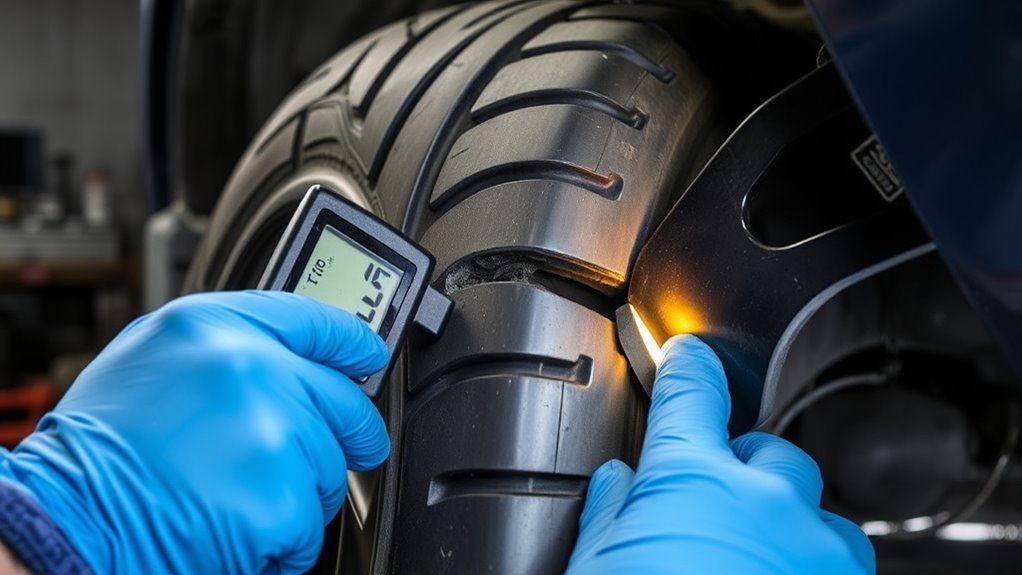
A run-flat tire can only be considered for repair after a full professional inspection. The basic rule is simple: small tread puncture, no low-pressure damage, manufacturer allows repair. If any part of that test fails, replace the tire.
The puncture must be in the central tread area, not the shoulder, sidewall, bead, or edge of the tread. The tire must also have enough remaining tread depth, no bulges, no exposed cords, no internal liner damage, and no previous repair that makes another repair unsafe.
The driving history matters just as much as the hole. Run-flat tires are built to give you temporary mobility after pressure loss, but that does not mean the tire remains repairable afterward. Many run-flats are designed for limited travel only, often up to about 50 miles at up to about 50 mph, but the exact limit comes from your tire and vehicle instructions. Once a run-flat has been driven underinflated, the shop has to assume hidden damage may exist until the inside is inspected.
Warning: Do not keep driving just because the tire is a run-flat. Slow down, avoid hard braking and sharp turns, follow the speed and distance limits in your owner’s manual, and go directly to a safe stop or tire shop.
How Are Run-Flat Tires Built Differently?
Most passenger-car run-flat tires use self-supporting reinforced sidewalls. Those sidewalls help carry the vehicle for a short distance after air pressure drops. Some other systems use an internal support ring, but the goal is the same: keep the tire from collapsing long enough for you to reach help.
That extra structure is the reason run-flats feel different from standard tires. They may ride firmer, cost more, and require shops with the right equipment and training. The same construction also makes repair decisions stricter. The outside of the tire may look normal even when the inside has heat marks, rubber dust, liner damage, or sidewall fatigue.
Run-flat technology is meant to help you avoid being stranded, not to make the tire indestructible. After a pressure-loss event, the tire has already done its emergency job. The next question is whether its structure is still safe enough to keep using.
What Do Tire Manufacturers Recommend for Repairs?
There is no single rule for every run-flat tire. Some tire makers allow a properly inspected tread-area repair on certain models. Others restrict repair after low-pressure driving or mark specific tires as non-repairable. Vehicle makers may also set their own replacement rules, especially for original-equipment tires.
Before approving repair, a qualified shop should check:
- The tire maker’s repair policy for that exact tire model.
- The vehicle owner’s manual and any original-equipment tire instructions.
- The tire sidewall for “Do Not Repair,” “Run Flat,” “RFT,” “ZP,” “SSR,” “ROF,” or similar markings.
- The DOT date code, because old or weather-cracked tires are poor repair candidates.
- The tread depth and whether the tire already has previous repairs.
Note: The tire shop is not being difficult if it refuses a run-flat repair. A shop that cannot verify the tire’s internal condition, manufacturer policy, and repair location should not repair it.
How Can You Spot Hidden Damage Inside a Run-Flat?
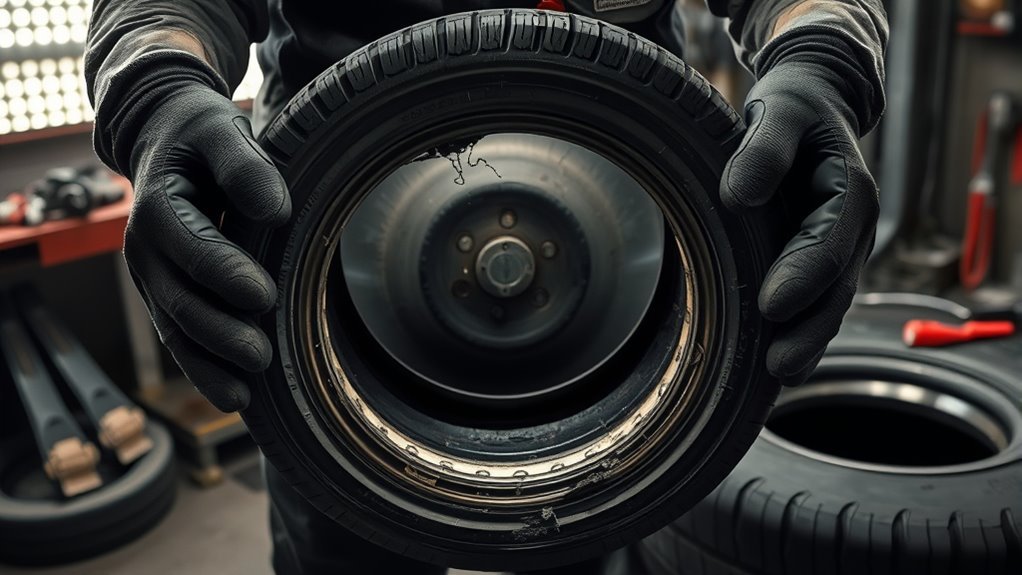
You can spot some warning signs from the outside, but you cannot confirm a run-flat tire is safe without inspecting the inside. The reinforced sidewall can hide damage that would be obvious on a standard tire.
Visual Inspection Methods
Start with a careful outside check before you drive any farther. Look for sidewall bulges, cuts, cracks, exposed cords, uneven shape, rubber scuffing, or a dark heat ring. Check the tread for the nail or screw, but do not assume the puncture is repairable just because it looks small.
Also check your tire pressure and compare it with the pressure on the vehicle placard, usually found on the driver’s door jamb. If the tire is very low, flat, or losing air quickly, stop driving and call for roadside help or go directly to a nearby tire shop within the tire maker’s run-flat limits.
Professional Assessment Tools
A proper shop inspection requires demounting the tire from the wheel. The technician should inspect the inner liner, sidewall, bead area, belt area, puncture angle, puncture size, and signs of heat damage. They should also inspect the wheel and TPMS sensor, because a severe pressure-loss event can damage more than the tire.
The technician should reject the tire if they find rubber dust, wrinkled inner liner, split liner, exposed cords, bead damage, sidewall separation, shoulder damage, belt-edge injury, multiple unsafe punctures, or any evidence the tire was run beyond its limit.
Why Does Driving Flat Ruin a Run-Flat’s Structure?
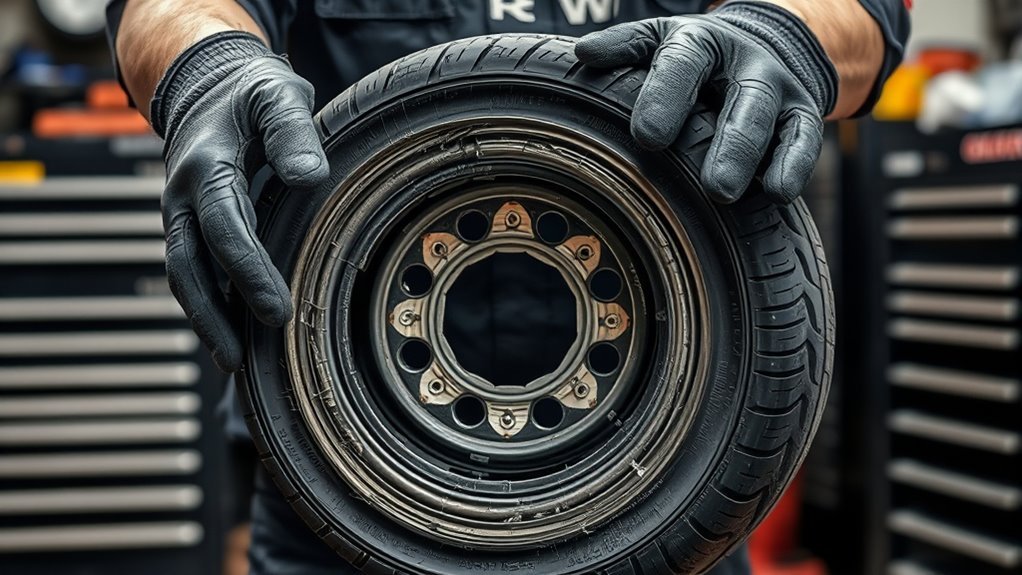
A run-flat tire can support the vehicle for a limited time without normal air pressure, but that support creates stress. With little or no air cushion, the sidewall flexes more, the tire runs hotter, and internal rubber and reinforcement materials can weaken.
This damage may not show on the outside. The tire may still hold air after a puncture repair, yet the sidewall or inner liner may be weakened. That is why a simple plug from the outside is not enough for a run-flat tire. The shop has to inspect the inside before deciding whether repair is safe.
A run-flat tire’s emergency mobility is temporary. Once it has been driven underinflated, the repair decision depends on internal inspection—not how normal the tire looks from the outside.
Which Repair Method Should You Choose: Patch, Plug, or Replace?
If the tire qualifies, the accepted repair should be a proper internal repair, usually a combination patch-plug installed after the tire is removed from the wheel. A plug-only repair from the outside is not a good permanent repair for a run-flat tire because it does not let the technician inspect internal damage.
| Method | When It May Apply | Best Use |
|---|---|---|
| Combination patch-plug | Small qualifying tread puncture, no internal damage, manufacturer allows repair. | Only possible permanent repair option. |
| Plug-only repair | Emergency sealing only; does not inspect the tire interior. | Avoid as a permanent run-flat repair. |
| Replacement | Sidewall damage, shoulder damage, driven-flat damage, old tire, unsafe wear, or repair not permitted. | Safest choice when inspection is uncertain. |
[Products Worth Considering]
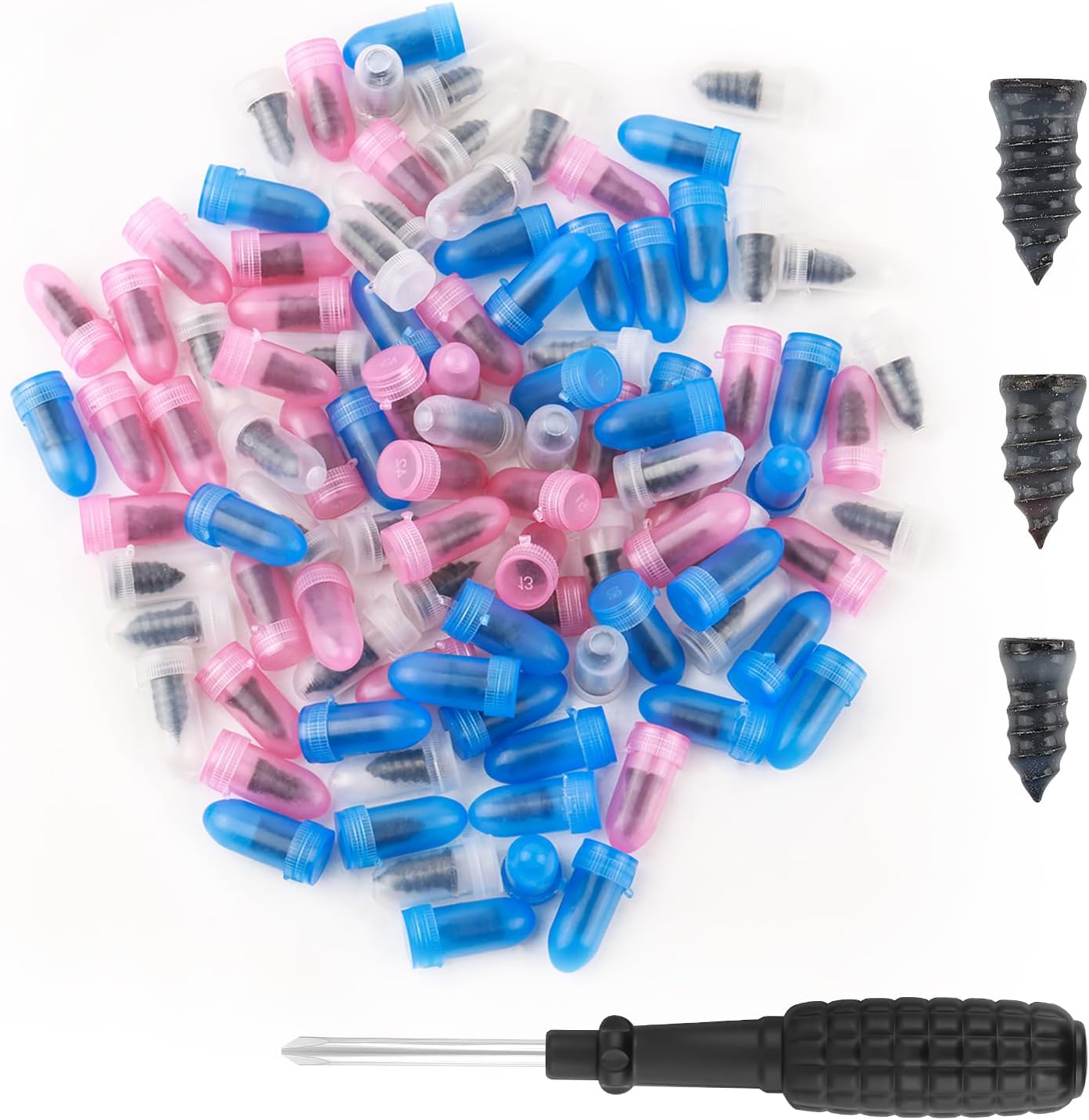
This 100-piece tire repair screw plug kit provides a fast, self-service solution for punctures on the road. Choose the correct plug size, insert it into the break, and screw it in to help seal the puncture and temporarily restore tire pressure. Thickened threads and rubber-wrapped plugs improve bite and sealing while remaining compact and easy to carry.
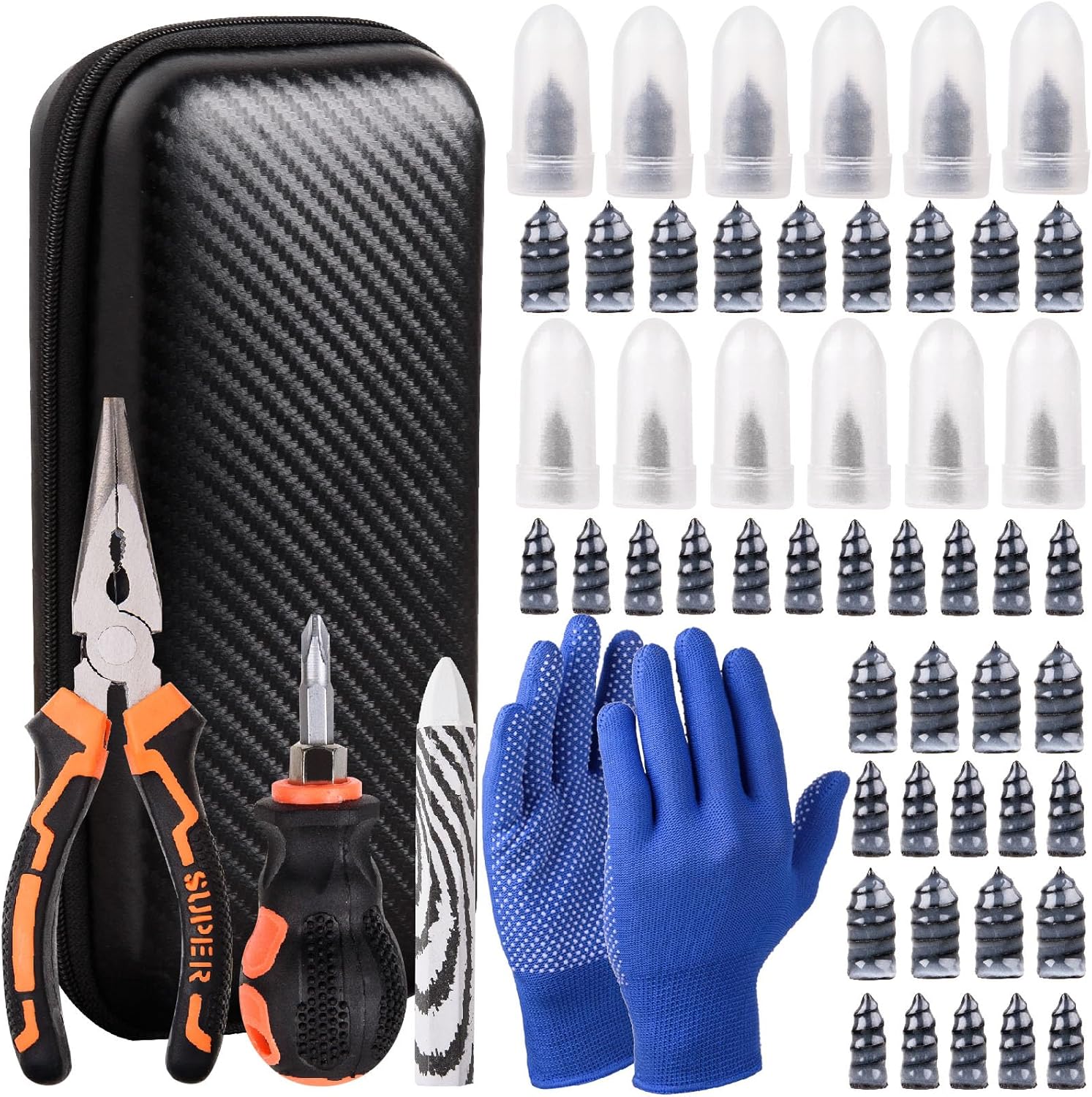
This tire sidewall puncture repair kit fixes flats fast without removing the tire, helping you get back on the road in minutes. It includes self-tapping repair nails, essential tools, gloves, and a portable storage bag for convenient roadside use. Designed for tubeless tires, it helps create a tight, leak-resistant seal for cars, motorcycles, trucks, SUVs, and ATVs.

Replace worn or malfunctioning GM TPMS sensors with this 433MHz pre-programmed sensor set designed for compatibility with many Chevrolet, Buick, GMC, and Cadillac models. It includes guidance for proper OBDII relearning/pairing after installation and supports reliable long-term operation with a high-performance CR2032 battery. Quality tested for durability and performance to help restore accurate tire pressure monitoring.
Repairability Checklist Before You Approve the Job
Use this checklist before paying for a run-flat repair:
- Puncture location: Is it in the central tread area, away from the shoulder and sidewall?
- Puncture size: Is it small enough for the tire maker’s repair limits?
- Driving history: Was the tire driven flat, at very low pressure, or beyond the run-flat limit?
- Inside inspection: Did the technician demount the tire and inspect the inner liner?
- Manufacturer policy: Does the tire maker allow repair on this exact model?
- Vehicle requirements: Does the owner’s manual allow repair, or does it require replacement?
- Tire age: Does the DOT code show the tire is still serviceable?
- Tread depth: Is there enough tread left to justify repair?
- Previous repairs: Are there old repairs too close to the new injury?
- Wheel and TPMS: Did the shop check the rim and tire-pressure sensor?
Pro Tip: Ask the shop to show you the puncture location from inside the tire. A trustworthy shop can explain why the tire passes or fails repair rules.
Is a Repaired Run-Flat as Safe as a New One?
A repaired run-flat tire is not the same as a new tire. Even when a repair is allowed and properly installed, the tire has still been punctured and serviced. That does not automatically make it unsafe, but it does mean you should monitor it closely.
Structural Integrity Concerns
The biggest concern is hidden structural damage. If the run-flat was driven underinflated, heat and flexing may have damaged the sidewall, inner liner, or belt package. A patch can seal a puncture, but it cannot restore damaged structure.
Manufacturer Safety Standards
Manufacturer guidance controls the decision. If the tire maker or vehicle maker says the tire should not be repaired, replace it. If the sidewall says “Do Not Repair,” treat that as final. The cost of a new tire is small compared with the risk of a tire failure at highway speed.
Performance Reliability Doubts
After a repair, watch for pressure loss, vibration, pulling, bulging, or new noise. Stop driving and return to the shop if anything changes. A repaired run-flat should also be matched correctly with the other tires on the vehicle. On all-wheel-drive vehicles, mismatched tread depth can create drivetrain problems, so ask whether you need one tire, a pair, or a full set.
What Should You Do When the TPMS Warning Comes On?
Your tire-pressure monitoring system is a warning, not permission to keep driving normally. Federal TPMS rules are designed to warn drivers of significant underinflation, and the required owner’s-manual language says to stop, check the tires, and inflate them properly as soon as possible.
- Slow down safely. Avoid hard braking, sharp steering, and high speed.
- Find a safe place to stop. Do not stop in an active traffic lane if you can avoid it.
- Check the tire visually. Look for a nail, cut, bulge, or sidewall damage.
- Check pressure if it is safe. Use a tire-pressure gauge and compare with the door-jamb placard.
- Follow the owner’s manual. Do not exceed the run-flat speed or distance limit.
- Go to a qualified shop. Ask for a demount inspection before any repair decision.
How Much Does Run-Flat Repair Cost vs. Full Replacement?
A run-flat tire repair often costs about $25–$50 if the shop accepts the job. Replacement usually costs about $150–$400+ per tire, depending on size, brand, load rating, speed rating, and whether the tire is original equipment for a luxury or performance vehicle.
Repair can look cheaper at first, but it only makes sense when the tire clearly qualifies. If the tire was driven flat, has sidewall damage, is old, has low tread, or is not repairable under manufacturer rules, replacement is the better value because it removes uncertainty.
Also budget for related items. The shop may need to replace a valve stem, service a TPMS sensor, rebalance the wheel, or replace more than one tire to keep tread depth matched across the axle or drivetrain.
[Products Worth Considering]

Replace your worn or missing TPMS sensors with pre-programmed, direct-fit sensors for compatible Ford, Lincoln, and select Mazda models. Each sensor comes ready to activate with a scan tool, helping restore accurate tire pressure monitoring and trouble-free installation. Built with a long-life CR2032 battery and tested before factory release, this set provides dependable performance with a one-year warranty.

ATQYZLM’s screw-in tire plug kit provides quick self-service emergency puncture repair for tubeless tires without removing the tire. Choose a suitable plug nail, align it to the puncture, and tighten with the included screwdriver for minute-level roadside use. The rubber and metal plugs help form a durable airtight seal to reduce air loss and water seepage for reliable short-term travel.

AUTOWN’s 68-piece tire repair kit helps you fix punctures and plug flats quickly and effectively. It includes a T-handle and spiral probe tool for easy insertion, while the steel patch and plug materials are designed for strong adhesion and long-lasting airtight performance. The compact case makes it convenient for roadside repairs across a wide range of vehicles.
How Can You Find a Shop Qualified for Run-Flat Repairs?
Choose a shop that handles run-flat tires regularly. Run-flats can be harder to mount and demount because of their stiff sidewalls, and the repair decision requires more than sealing a hole.
Ask these questions before approving the work:
- Do you demount the tire and inspect the inside before deciding?
- Do you follow the tire maker’s run-flat repair policy?
- Will you reject the tire if it shows heat damage, liner damage, sidewall damage, or bead damage?
- Do you use a combination patch-plug for qualifying punctures?
- Can you check the wheel and TPMS sensor at the same time?
- Will the repair be documented on the invoice?
A qualified shop should welcome these questions. If the shop offers to plug the tire from the outside without removing it, choose another shop.
[Products Worth Considering]

ZEHXI’s 60 pack screw-in tire plug kit uses high-grade rubber plugs with sealing threads to help repair minor punctures quickly without removing the tire. The set includes two plug sizes, so you can match different puncture openings and keep repairs organized in a transparent case. A handy screwdriver is included for fast installation, helping drivers get more mileage from existing tires while being ready for flat-tire emergencies.

The Tymate TM12 RV TPMS delivers real-time tire pressure and temperature monitoring with a stable 433Hz display for safer long-distance driving. It supports simultaneous monitoring across vehicle and trailer zones, includes six alarm modes for pressure, temperature, leakage, battery, and signal loss, and features easy DIY installation with auto calibration. Power is supplied via USB-C charging or solar recharging, with a wide 0–144 PSI range and up to 50 ft signal coverage for RVs and towable trailers.

Vigorder rubber cement glue delivers superior adhesion and cures quickly within about 30 seconds for seamless rubber bonding. Once cured, it helps provide a strong, durable, waterproof seal that holds up to vehicle weight, pressure, and heat. Suitable for cars, motorcycles, trucks, bicycles, and off-road tires, it’s designed for emergency patch and maintenance repairs.
Frequently Asked Questions
Can I repair a run-flat tire myself at home?
No. A run-flat tire must be removed from the wheel and inspected inside before any repair decision. A home plug kit cannot show hidden heat damage, liner damage, sidewall damage, or bead damage.
Does repairing a run-flat tire void the warranty?
It can. Warranty rules vary by tire maker, tire model, and repair method. Some warranties exclude repaired tires or tires driven underinflated. Check the tire warranty and ask the shop to document the inspection and repair method.
How long does a run-flat repair last?
If the tire truly qualifies and the repair is done correctly, it may last for the remaining usable tread life. You should still monitor pressure, vibration, bulges, and handling changes. Replace the tire immediately if problems return.
Can I mix repaired and new run-flat tires?
Sometimes, but it depends on tread depth, axle position, vehicle type, and drivetrain. All-wheel-drive vehicles are more sensitive to mismatched tire diameter. Ask the shop whether one tire, a pair, or a full set is required.
Are repaired run-flats legal for highway driving?
A properly repaired tire may be used on the road when the repair meets local rules, tire-industry practice, and manufacturer instructions. The bigger issue is safety: do not drive on a repaired run-flat if the shop could not confirm the tire’s internal condition.
Can a sidewall puncture in a run-flat tire be repaired?
No. Sidewall punctures, shoulder damage, bead damage, and belt-edge injuries are not safe repair areas. Replace the tire.
Can I drive on a run-flat after the TPMS light comes on?
Only within the tire and vehicle maker’s emergency limits. Slow down, avoid harsh driving, and go directly to a safe place or tire shop. Do not treat the run-flat feature as normal driving time.
Conclusion
A run-flat tire can be repaired only when the damage is small, in the tread, internally clean, and allowed by the tire and vehicle maker. If the tire was driven underinflated, has sidewall or shoulder damage, shows heat damage, or fails inspection, replacement is the safer call. Do not guess from the outside. Have the tire demounted, inspected, and documented by a qualified shop.
Sources
- 49 CFR § 571.138 — Tire Pressure Monitoring Systems — backs up TPMS purpose, warning threshold, and owner-manual warning language.
- NHTSA FMVSS No. 138 Final Regulatory Impact Analysis — backs up the federal TPMS rule context and 25% underinflation warning threshold.
- Good Housekeeping — Spare Tire and Run-Flat Tire Safety — includes current consumer guidance and a Bridgestone Americas source quote on limited emergency mobility.
- Run-flat tire reference — supports general descriptions of self-supporting run-flat design and typical limited-distance operation.