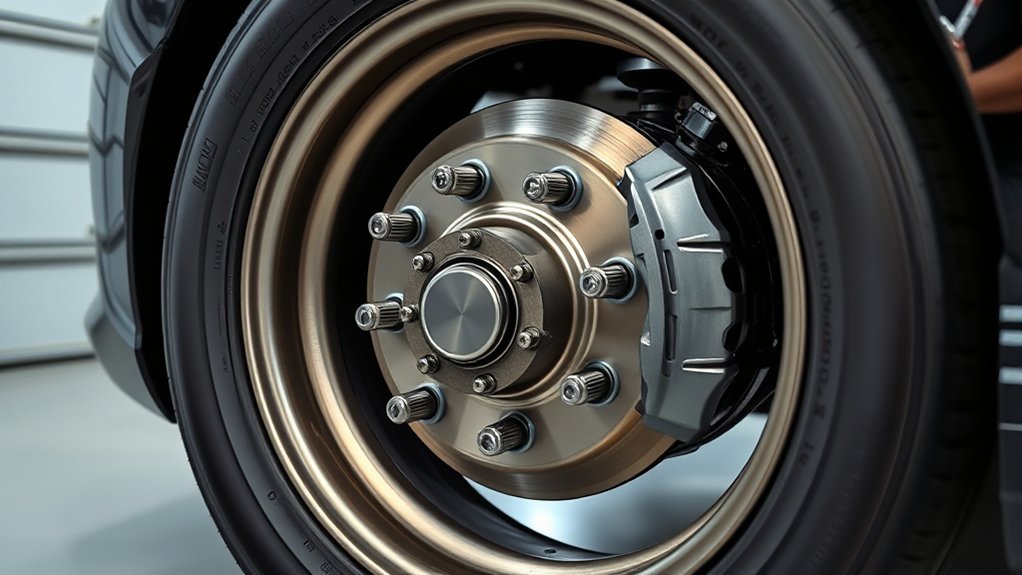
Your tire does not stay on the car because of one single part. The tire seals to the wheel rim, and the wheel assembly fastens to the vehicle hub. The secure system includes the tire bead, rim, hub, wheel studs or wheel bolts, lug nuts, air pressure, and correct torque.
Quick Answer
On most cars, the tire is held to the wheel by its bead seating tightly against the rim and by air pressure inside the tire. The wheel assembly is held to the car by the hub, wheel studs or wheel bolts, and lug nuts tightened to the manufacturer’s torque specification.
Key Takeaways
- The tire itself is held on the wheel by the tire bead, rim bead seat, and air pressure.
- The wheel assembly is held on the car by the hub, wheel studs or wheel bolts, and lug nuts.
- Correct lug nut torque is critical; always use the vehicle manufacturer’s torque specification.
- The tire and wheel must match in diameter, width, load rating, and approved fitment.
- Vibration, wobble, air loss, missing lug nuts, or damaged studs are safety warnings, not minor annoyances.
What Holds a Tire on a Car?
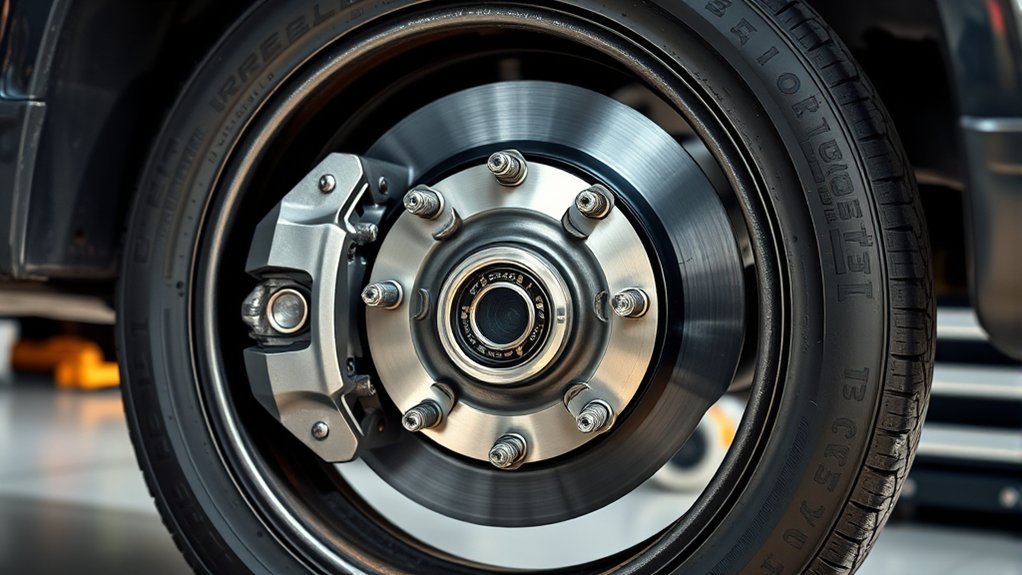
The simple answer is that two connections work together. First, the tire mounts to the wheel rim. Second, the wheel mounts to the vehicle hub. When people ask what holds a tire on a car, they are usually asking about both systems at once.
The tire bead is the reinforced inner edge of the tire. It sits against the rim’s bead seat and helps form the air seal. Continental explains that the tire bead is the part of the tire that sits securely on the wheel groove and helps keep the tire in place with air pressure: Continental tire components.
The wheel assembly then attaches to the vehicle hub. Many vehicles use wheel studs and lug nuts. Some vehicles use wheel bolts instead. The exact number of fasteners depends on the vehicle, so it is safer to say “wheel fasteners” instead of assuming every car uses five lug nuts.
Note: In everyday speech, people often say “tire” when they mean the whole wheel-and-tire assembly. Technically, the tire is the rubber part, the wheel is the metal part, and the hub is the vehicle part the wheel mounts to.
Parts That Keep the Tire and Wheel Secure
| Part | What It Does | Why It Matters |
|---|---|---|
| Tire bead | Seats against the rim to help seal the tire. | A damaged or poorly seated bead can cause air loss. |
| Rim / wheel | Supports the tire shape and provides the bead seat. | Wrong size or damage can make the assembly unsafe. |
| Hub | Centers and supports the wheel assembly on the vehicle. | A dirty or damaged hub face can prevent proper seating. |
| Wheel studs or wheel bolts | Provide the threaded fastening points. | Bent, stretched, stripped, or broken fasteners must be replaced. |
| Lug nuts | Clamp the wheel against the hub when tightened correctly. | Too loose or too tight can both create safety problems. |
| Valve stem | Lets air enter and stay inside the tire. | A leaking valve stem can look like a tire or bead problem. |
[Products Worth Considering]

Malco tire mounting and demounting lubricant is a ready-to-use tire lube formulated to reduce friction during tire installation for passenger cars, light trucks, farm tires, and heavy-duty equipment. It provides rust-inhibiting protection to help reduce corrosion on rims and wheels, and helps support proper tire bead seating during inflation to reduce air leakage. The silicone-free, soap-free formula is whitewall safe to help prevent discoloration on whitewall tires and sensitive sidewall markings.

The Trivd Frol 1/2" air impact wrench delivers high performance torque up to 1500 ft-lbs with a twin hammer impact mechanism for strong, balanced blows. It features an ergonomic grip, compact lightweight design, and quick-stop control with 3 forward speeds up to 8000 RPM plus a reverse speed. Built for demanding automotive repair and tire shop work, the rear exhaust helps keep debris away from the surface.

Upgrade your wheels with MIKKUPPA M12x1.5 mag seat lug nuts built for secure, corrosion-resistant performance. These closed-end chrome lug nuts are a direct replacement for select Toyota models, including Camry, Corolla, RAV4, Sienna, Avalon, Highlander, Matrix, Venza, and Prius. Triple-chromium plating and cold-forged, heat-treated steel help deliver strength for daily driving and replacement needs.
How the Rim Supports the Tire
The rim is the outer section of the wheel where the tire sits. It supports the tire’s shape, gives the tire bead a place to seat, and helps create the sealed cavity that holds air pressure. A rim must match the tire’s approved diameter and width.
This fit is not optional. OSHA’s rim-wheel servicing rules say the size and type of both the tire and wheel must be checked for compatibility before assembly: OSHA rim wheel servicing standard. Tire Rack also explains that tire bead diameters and profiles must match the wheel’s bead-seat dimensions and contours: matching wheel diameters and bead seat contours.
- Match the rim diameter to the tire size marked on the sidewall.
- Confirm rim width before mounting a tire.
- Use wheels with the correct load rating for the vehicle.
- Inspect for bends, cracks, corrosion, and damaged bead seats.
- Do not stretch, force, or “make fit” a tire that is not approved for the wheel.
Warning: Never mount or inflate a tire on a wheel if the sizes do not match. A wrong-size tire and rim combination can fail violently during inflation or while driving. Have questionable fitment checked by a qualified tire professional.
[Products Worth Considering]

These M14x1.5 closed-end chrome lug nuts are a one-piece replacement designed for secure fitment on compatible GM, Ford, and select Chrysler/Dodge models. Featuring a 60-degree conical seat and anti-rust chrome plating, they help resist corrosion and maintain a bright look for everyday driving. Built for long-term durability, they include OEM-style part references and are backed by 12 months of support.

Upgrade your wheels with MIKKUPPA closed-end lug nuts designed for reliable fit and corrosion resistance. The one-piece, cold-forged and heat-treated steel construction helps resist rust and stripping, while the integrated finish delivers a durable black appearance. Built to OEM standards with a conical 60-degree seat, these nuts provide a secure solution for compatible Ford, Honda, Jeep, and Chevrolet models.

This car D-wheel lock nut key provides an anti-theft solution for D-shaped wheel lock bolts, helping keep your wheels secure. It features a flower-shaped internal pattern that resists micro-adjustment theft while allowing removal and mounting of compatible locking nuts. Made for reliable performance under high torque, it’s easy to use with standard socket wrench turning for quick tire maintenance and emergency repairs.
What Wheel Studs and Lug Nuts Do
Wheel studs and lug nuts do the clamping. The studs are threaded posts fixed to the hub. The wheel slides over them, and the lug nuts tighten onto the studs. On vehicles that use wheel bolts, the bolt passes through the wheel and threads into the hub.
The key word is clamping. Lug nuts do not simply “sit there.” When tightened to the correct specification, they create the force that holds the wheel firmly against the hub face. Tire Rack notes that wheel-attaching hardware must be tightened to the recommended torque specification for the vehicle make, model, and year, usually found in the owner’s manual: proper wheel torque guidance.
- Start lug nuts or wheel bolts by hand to reduce the risk of cross-threading.
- Tighten in a star or crisscross pattern so the wheel seats evenly.
- Use a torque wrench for final tightening.
- Follow the torque value in the owner’s manual or service information.
- Replace damaged studs, bolts, or lug nuts instead of reusing them.
Pro Tip: An impact wrench can be useful for removal or initial snugging in a shop, but final tightening should be checked with a torque wrench set to the vehicle’s exact specification.
[Products Worth Considering]

The 22800 wheel stud installer makes replacing wheel studs quick and secure, saving time and effort during tire service. It uses a ratchet or impact wrench to pull new studs firmly into place, helping when existing studs are too long. Compatible with most automotive wheels and light-duty truck wheel studs, it’s designed for easy, tool-assisted installation.

Measure tire tread depth quickly and accurately with this LUMITECO dial gauge that reads in 1/32" increments up to 14/32". The color-coded green/yellow/red zones make it easy to judge tire wear and know when replacement is needed. A rugged, compact design with a protective pouch helps keep the gauge ready for use on cars, trucks, motorcycles, and more.

This professional wheel and rim cleaning brush set lifts brake dust, grime, and dirt with soft, scratch-free microfiber and synthetic wool fibers. The rim brush bends up to 360 degrees for easy access to hard-to-reach areas around spokes, lips, and faces. Ideal for thorough cleaning of car, truck, motorcycle, bicycle, RV, and more wheel and tire surfaces.
How the Tire Seals to the Rim
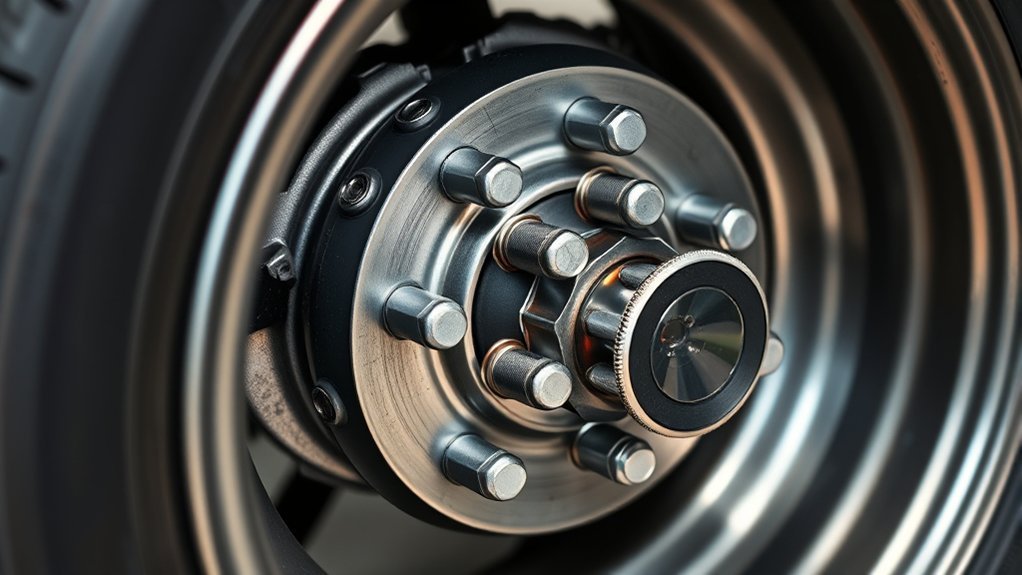
The tire seals to the rim at the bead. The bead is reinforced with strong cords and steel wire. When the tire is mounted correctly, each bead seats tightly against the rim’s bead seat. Air pressure then presses the tire outward and helps keep the bead sealed.
Modern wheels also include bead-seat shapes and safety humps that help reduce bead movement during cornering, impacts, and pressure changes. The drop center of the wheel gives the tire technician room to mount and remove the tire without damaging the bead.
If the bead does not seat evenly, the tire can leak air, vibrate, or fail to run true. Common causes include corrosion on the bead seat, a bent rim, wrong tire size, tire damage, old rubber, or poor installation technique.
Why Alignment and Rotation Matter
Alignment and rotation do not physically fasten the tire to the car, but they help the tire and wheel assembly stay safe, stable, and predictable. Poor alignment can make the vehicle pull, wear tires unevenly, and reduce handling control. Rotation helps spread wear across all tire positions.
NHTSA’s tire safety guidance recommends checking tire pressure, rotating tires, checking tread, and staying aware of recalls: NHTSA TireWise. USTMA also lists pressure, tread, rotation, and alignment as key tire-care essentials: USTMA Tire Care Essentials.
| Service | Why It Helps | General Timing |
|---|---|---|
| Tire pressure check | Supports load, handling, tire life, and the bead seal. | Monthly and before long trips. |
| Tire rotation | Helps reduce uneven tread wear. | Follow the owner’s manual; often about 5,000–8,000 miles if recommended. |
| Wheel alignment | Improves tracking, steering feel, and tire wear. | Check after impacts, suspension work, uneven wear, or pulling. |
| Lug nut inspection | Confirms the wheel is still seated and fastened correctly. | After wheel service and whenever vibration or looseness appears. |
Warning Signs Your Tire or Wheel Is Not Secure
A tire or wheel problem can become dangerous quickly. Stop driving and inspect the vehicle safely if you notice any of these signs:
- Steering wheel vibration that suddenly appears or gets worse.
- A wobbling wheel or thumping sound while driving.
- One or more missing lug nuts.
- Visible cracked, stripped, or broken wheel studs.
- Air loss after a tire was recently mounted.
- A tire bead that does not look evenly seated around the rim.
- A bent, cracked, or heavily corroded wheel.
- The vehicle pulling after hitting a pothole or curb.
Warning: Do not keep driving with a wheel that feels loose, a missing lug nut, a broken stud, or rapid tire pressure loss. Pull over safely and have the wheel and tire inspected before continuing.
Frequently Asked Questions
What parts hold the wheel to the car?
The wheel is held to the car by the hub, wheel studs or wheel bolts, and lug nuts. The lug nuts or bolts create clamping force that presses the wheel against the hub. The exact hardware design depends on the vehicle.
What holds the tire to the rim?
The tire bead holds the tire against the rim’s bead seat. Air pressure inside the tire pushes the bead outward and helps maintain the seal. The rim must be the correct size and in good condition for that seal to work safely.
Is the rim the same thing as the wheel?
Not exactly. People often use the words interchangeably, but the rim is the outer part of the wheel where the tire seats. The full wheel includes the rim, center section, bolt holes, and mounting surface.
Can I drive with one missing lug nut?
You should treat a missing lug nut as a safety problem. One missing fastener increases stress on the remaining fasteners and can allow the wheel to loosen. Have the wheel inspected, replace the missing hardware, and verify torque before driving normally.
How tight should lug nuts be?
Lug nuts should be tightened to the torque specification for your exact vehicle. The correct value is usually in the owner’s manual or service information. Do not guess, and do not rely on “as tight as possible.” Over-tightening and under-tightening can both cause problems.
What makes a tire lose air at the rim?
Air can leak at the rim because of corrosion, dirt on the bead seat, a bent wheel, bead damage, wrong fitment, an old tire, or a leaking valve stem. A tire shop can dunk-test or pressure-test the assembly to locate the leak.
Conclusion
What holds your tire on your car is a system, not one part. The tire bead and air pressure hold the tire to the rim. The hub, wheel studs or wheel bolts, and lug nuts hold the wheel assembly to the vehicle. The rim must fit the tire, the hardware must be sound, and the lug nuts or bolts must be torqued correctly. Keep pressure, tread, rotation, alignment, and wheel hardware checks in your maintenance routine, and treat looseness, vibration, missing hardware, or air loss as a safety warning.
Sources
- NHTSA TireWise — tire safety, tire care, pressure, rotation, tread, and recalls.
- OSHA 1910.177 Rim Wheel Servicing Standard — tire and wheel compatibility, bead areas, and rim-wheel servicing safety.
- Continental Tire Components — tire bead function and tire construction basics.
- Tire Rack Wheel Lug Nut and Bolt Torque Guidance — vehicle-specific torque, tools, and tightening patterns.
- Tire Rack Matching Wheel Diameters and Bead Seat Contours — tire bead diameter and wheel bead-seat compatibility.
- USTMA Tire Care Essentials — pressure, tread, rotation, and alignment maintenance guidance.