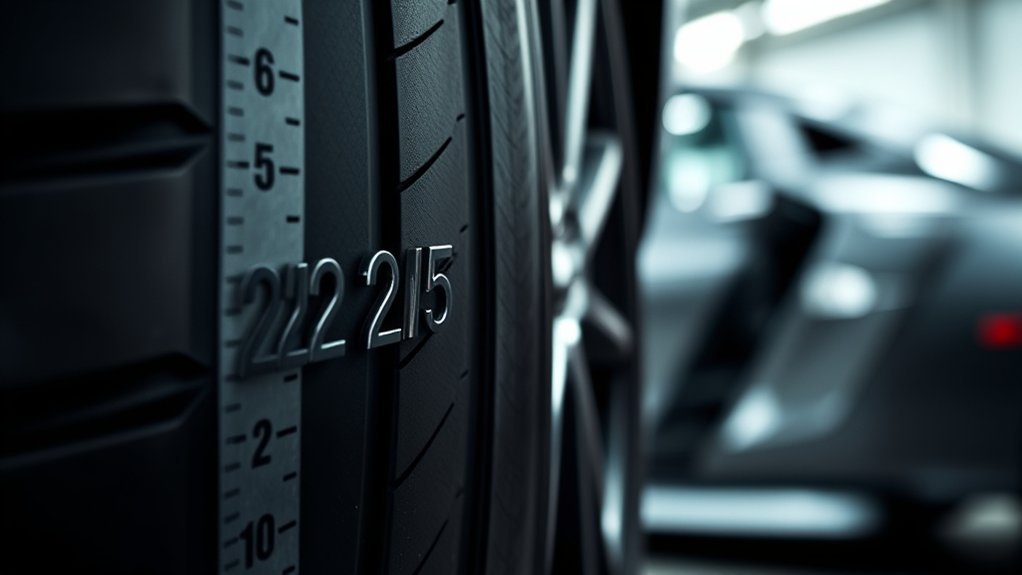
A 225 tire means the tire has a nominal section width of 225 millimeters, measured from sidewall to sidewall. That number helps you understand tire width, but it does not tell you the full fitment by itself. You still need the complete sidewall code, the vehicle tire placard, load index, speed rating, rim size, and clearance before you install a tire.
Quick Answer
The 225 on a tire means the tire is 225 millimeters wide from sidewall to sidewall. In a size like 225/60R16, 225 is width, 60 is sidewall height as a percentage of width, R means radial, and 16 is the wheel diameter in inches.
Key Takeaways
- 225 means the tire’s nominal section width is 225 millimeters.
- 225 is not the tire height, tread width, load index, or wheel diameter.
- The full tire size also includes aspect ratio, construction type, and rim diameter.
- Load index and speed rating must meet or exceed your vehicle’s requirement.
- Always check the owner’s manual or Tire and Loading Information Label before changing tire size.
At a Glance
| Time Required | 1–3 minutes to read a tire sidewall |
| Difficulty | Easy |
| Tools Needed | Tire sidewall, owner’s manual, and driver-side tire placard |
| Cost | $0 to read the code; installation costs vary if you replace tires |
How To Read The 225 Tire Size Code?
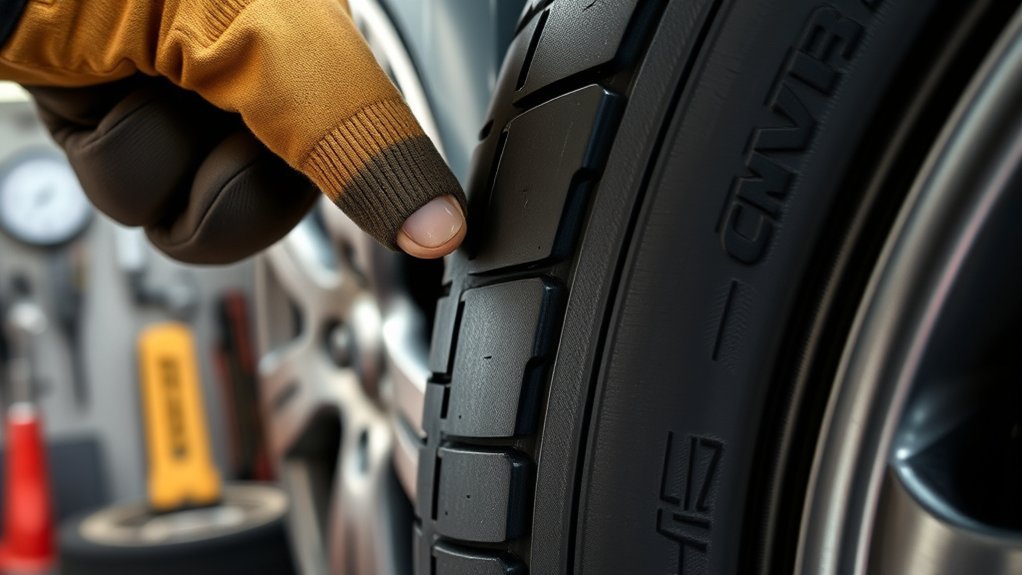
The “225” in a tire size code tells you the tire’s nominal section width in millimeters. It is the first three-digit number in common metric tire sizes, such as 225/60R16 or P225/50R17. Tire Rack explains that this three-digit number identifies the tire’s section width in millimeters, measured across the tire’s cross section.
Read the rest of the code before you judge fitment. The next number is the aspect ratio, which tells you the sidewall height as a percentage of the tire width. The letter R means radial construction. The final number in the size code is the wheel diameter in inches.
| Code Part | Example | Meaning |
|---|---|---|
| Width | 225 | Nominal section width in millimeters |
| Aspect Ratio | 60 | Sidewall height is 60% of 225 mm |
| Construction | R | Radial tire construction |
| Rim Diameter | 16 | Fits a 16-inch wheel |
| Service Description | 94V | Load index and speed rating |
A 225 width can change road feel, steering response, and available tire choices. It can also affect UTQG rating comparisons, but UTQG is only one part of tire selection. Use the full sidewall code and vehicle requirements before choosing a tire.
Pro Tip: If two tires both start with 225, they can still be very different sizes. A 225/45R17 has a shorter sidewall than a 225/65R17, so the overall diameter, ride comfort, and fitment can change.
What Does 225 Mean On A Tire?
A 225 tire means the tire is 225 millimeters wide from sidewall to sidewall. More precisely, it is the tire’s nominal section width, not the tread width you see touching the road. Actual tread width varies by tire model, wheel width, and manufacturer design.
In a size like P225/60R16, the 225 is only one part of the code. The rest of the code tells you the sidewall height, construction type, wheel diameter, load capacity, and speed capability.
| Mark | Meaning | Effect |
|---|---|---|
| 225 | Width in millimeters | Changes footprint and fitment |
| 60 | Aspect ratio | Sets sidewall height |
| R | Construction type | Radial build |
| 16 | Rim diameter | Fits a 16-inch wheel |
| 94V | Load index and speed rating | Shows rated load and speed capability |
You may notice a different steering feel, ride firmness, or fuel-economy result when moving to or from a 225 tire. Those changes depend on the full tire size, tire model, tread design, pressure, wheel width, and vehicle setup. Selecting a tire with reliable traction matters, but traction is not based on width alone.
How 225 Tire Size Affects Fit And Load
Once you know 225 means a 225-millimeter tire width, you can judge how it affects fit and load on your vehicle. A 225 tire may give you a wider footprint than a narrower size, but it must still match the wheel, suspension, fender clearance, and vehicle load requirement.
Check the aspect ratio because it changes sidewall height. For example, a 225/45R17 and a 225/65R17 have the same nominal width, but the 225/65R17 has a much taller sidewall. That can change ride height, speedometer readings, ABS behavior, and rubbing risk.
For load, compare the tire’s load index with your vehicle’s required rating. A load index is a numerical code tied to how much weight the tire can carry when properly inflated. Federal tire rules also require tires to be marked with maximum load rating and inflation information on the sidewall. Choosing a tire with a proper load index helps your vehicle operate safely under normal loading.
Warning: Do not install a tire only because the width says 225. Check the owner’s manual or driver-side Tire and Loading Information Label, then match the full size, load index, speed rating, wheel diameter, rim width, and clearance.
[Products Worth Considering]

The 22800 wheel stud installer makes replacing wheel studs quick and secure, saving time and effort during tire service. It uses a ratchet or impact wrench to pull new studs firmly into place, helping when existing studs are too long. Compatible with most automotive wheels and light-duty truck wheel studs, it’s designed for easy, tool-assisted installation.

Keep your tires properly inflated with this analog VONDIOR tire pressure gauge, designed for fast, easy readings without batteries. The swiveling, two-axis hose and large glow dial help you measure at any tire angle with instant visibility. Built with a protective rubber shield, it supports durable, low-maintenance use for cars and trucks.
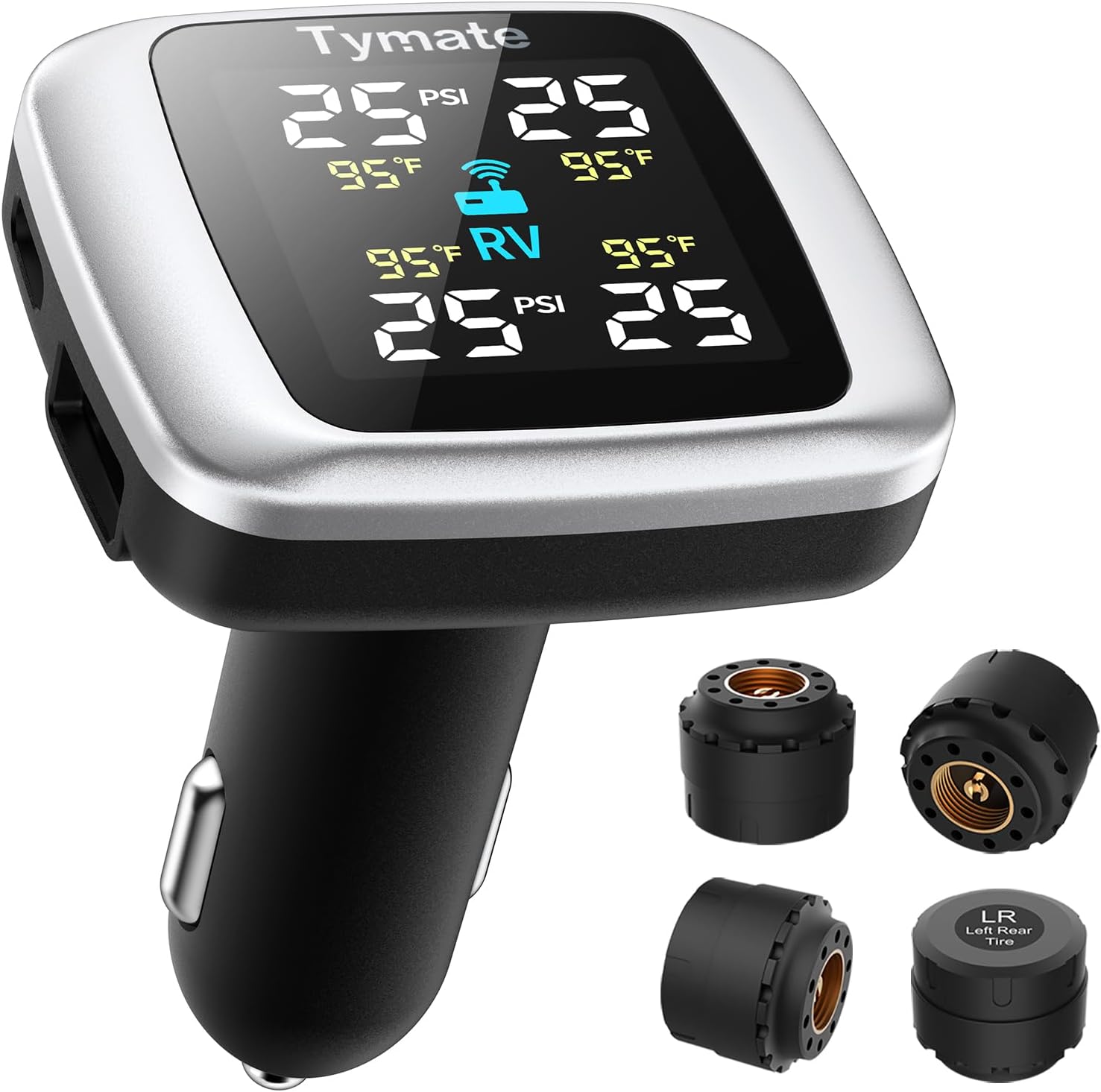
Tymate TM7 is a wireless tire pressure monitoring system that delivers real-time pressure and temperature readings for safer driving. It includes four external sensors, a bright color LCD display with adjustable backlight, and six alarm modes for high/low pressure, fast leakage, high temperature, and sensor signal or battery issues. The system covers a wide 0–144 PSI range and plugs into your vehicle’s cigarette lighter socket for quick DIY setup.
What Load Index And Speed Rating Mean
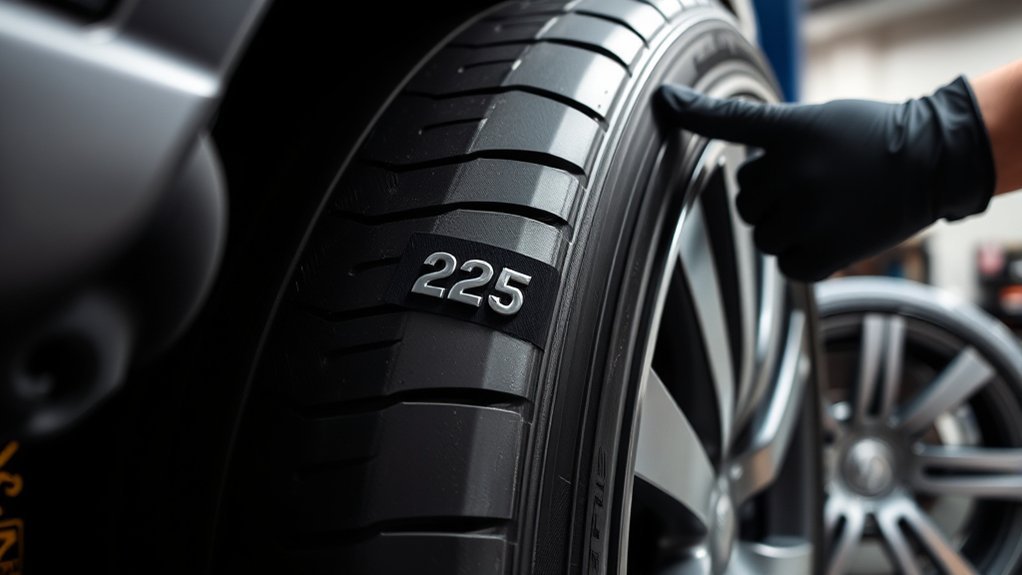
When you read a tire sidewall, the load index tells you the tire’s rated load capacity, while the speed rating tells you the maximum speed capability under rated conditions. Together, these two markings are often called the service description. In a code like 225/60R16 94V, 94 is the load index and V is the speed rating.
Do not treat these ratings as optional. Your replacement tire should usually match or exceed the vehicle’s required load index and speed rating unless the vehicle manufacturer or tire professional gives different guidance for a specific approved setup. This is especially important for SUVs, EVs, trucks, towing, heavy cargo, and high-speed highway use.
Tire width tells you size, but load index and speed rating tell you whether that tire can safely support the vehicle’s weight and performance needs.
Load index values commonly seen on passenger cars and light trucks run from 70 to 126, but heavier-duty tires can use other ratings. Always use the specific chart for your tire type and region. Understanding tire specifications helps you choose a tire that fits your vehicle instead of guessing from width alone.
How To Match A 225 Tire To Your Vehicle
Use this checklist before switching to a 225 tire or replacing one 225 tire size with another:
- Check the vehicle placard: Look at the driver-side doorjamb Tire and Loading Information Label for the original tire size and recommended cold tire pressure.
- Read the full current size: Write down the complete sidewall code, such as 225/60R16 94V.
- Match wheel diameter: A 225/60R16 tire fits a 16-inch wheel, not a 17-inch or 18-inch wheel.
- Confirm rim width: The wheel must fall within the tire manufacturer’s approved rim-width range.
- Compare overall diameter: Large diameter changes can affect clearance, speedometer accuracy, ABS, traction control, and gearing feel.
- Check load index: The replacement tire should meet or exceed the required load rating.
- Check speed rating: Match or exceed the vehicle’s required speed rating unless an approved alternate is specified.
- Inspect clearance: Make sure the tire does not rub the fender liner, strut, suspension, brake parts, or bodywork during turns and bumps.
- Use the same size on the same axle: Mismatched sizes can affect handling and stability. Some AWD vehicles require closely matched tire circumference on all four wheels.
Note: Your vehicle manufacturer’s recommended tire pressure is based on the vehicle placard, not the maximum pressure printed on the tire sidewall.
[Products Worth Considering]

This manual duck head tire changer kit makes tire installation and removal simpler by letting you embed the duck head into the tire with applied pressure. The integrated design and durable steel construction help reduce friction and improve efficiency and safety during use. Suitable for 16–21 inch wheels, it’s convenient for cars, trucks, SUVs, and ATV tires, with 24-hour after-sales support.

The SAFELIFE dial tire tread depth gauge measures tread depth in 1/32 inch increments with clear, easy-to-read 2-inch dial face. Color zones using a traffic light system help you quickly judge whether tread is low, marginal, or ample for safer driving. Built with a durable zinc cast body and a metal detect probe for precise, comfortable use across cars, motorcycles, trucks, and buses.

This 3-piece wheel and tire brush set makes it easy to clean light, medium, and heavy dirt from wheels, rims, tires, and exterior surfaces. It includes both soft and stiff bristle options for gentle scrubbing and tough grime removal, helping lift brake dust and road buildup. The long-handle design supports comfortable cleaning across cars, trucks, SUVs, RVs, motorcycles, and more, with simple care instructions to restore brush shape.
Does 225 Mean Width Or Height?
225 means width, not height. Tire height comes from the aspect ratio. In a size like 225/60R16, the sidewall height is 60% of 225 mm.
Here is the simple calculation:
- Width: 225 mm
- Aspect ratio: 60%
- Sidewall height: 225 × 0.60 = 135 mm
That sidewall height affects ride comfort, steering response, and overall tire diameter. A lower aspect ratio usually feels sharper but firmer. A higher aspect ratio usually gives more sidewall cushioning but can feel less direct.
Can You Replace 225 With 215, 235, 245, Or 255?
You can sometimes replace a 225 tire with a nearby width such as 215, 235, or 245, but only when the full replacement size is approved for your wheel and vehicle. Width alone is not enough. You must compare overall diameter, load index, speed rating, rim-width range, and clearance.
| Width | Difference From 225 | What To Check |
|---|---|---|
| 215 | 10 mm narrower | Load rating, wheel fit, traction needs, and diameter |
| 225 | Original comparison width | Full size, load index, speed rating, and placard match |
| 235 | 10 mm wider | Rubbing risk, wheel width, fuel economy, and diameter |
| 245 | 20 mm wider | Clearance, steering feel, wheel width, and load rating |
| 255 | 30 mm wider | Higher rubbing risk, approved wheel width, and vehicle compatibility |
A wider tire can feel more planted when it is properly matched, but it can also add weight, increase rolling resistance, reduce clearance, and change steering feel. A narrower tire may improve snow cutting, ride comfort, or efficiency in some setups. The right choice depends on your vehicle and driving conditions.
[Products Worth Considering]

Measure tire tread depth quickly and accurately with this LUMITECO dial gauge that reads in 1/32" increments up to 14/32". The color-coded green/yellow/red zones make it easy to judge tire wear and know when replacement is needed. A rugged, compact design with a protective pouch helps keep the gauge ready for use on cars, trucks, motorcycles, and more.
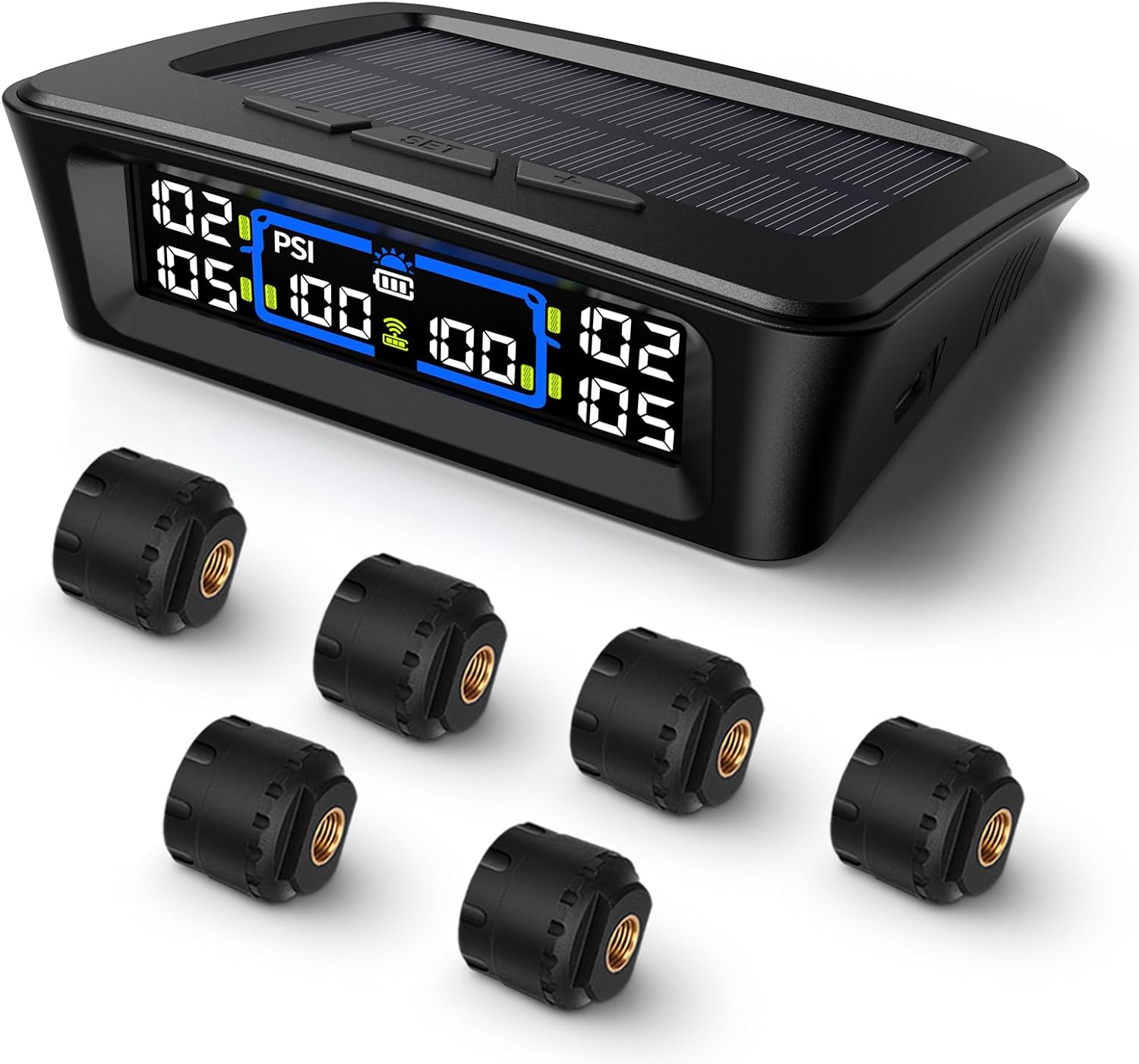
The Tymate TM12 RV TPMS delivers real-time tire pressure and temperature monitoring with a stable 433Hz display for safer long-distance driving. It supports simultaneous monitoring across vehicle and trailer zones, includes six alarm modes for pressure, temperature, leakage, battery, and signal loss, and features easy DIY installation with auto calibration. Power is supplied via USB-C charging or solar recharging, with a wide 0–144 PSI range and up to 50 ft signal coverage for RVs and towable trailers.

This wheel brush kit delivers pro-level cleaning at home, lifting dirt, grime, and brake dust to help restore wheel appearance. It includes multiple brush styles and applicator pads for tackling different wheel surfaces, with gentle, metal-free bristles designed to reduce scratching risk. The flat and double-ended brushes are built for comfort and reach, making wheel care easier for cars, trucks, and RVs.
How To Read The Full Tire Sidewall Code
A tire sidewall code breaks down into a few key parts, and each one tells you something specific about fit and performance. Start with the tire size, such as 225/60R16. The first three digits show width in millimeters. The aspect ratio shows sidewall height as a percentage of that width. The R means radial construction. The final number gives the rim diameter in inches.
After the size, you may see a service description, such as 94V. The number is the load index, and the letter is the speed rating. You may also see other markings, including DOT tire identification, UTQG grades, M+S, XL, LT, rotation arrows, outside/inside markings, and maximum pressure.
Remember to match tire specifications carefully. If your vehicle placard says P225/60R16 97H, do not assume any 225/60R16 will work. The load index, speed rating, tire type, and inflation requirement still matter.
Common Mistakes When Reading 225 Tires
- Thinking 225 is tire height: It is width. Height comes from the aspect ratio.
- Thinking 225 is tread width: It is section width. Tread width can vary by model.
- Ignoring the second number: 225/45 and 225/65 are not the same overall size.
- Ignoring load index: A tire that fits the wheel may still be under-rated for the vehicle.
- Using maximum sidewall pressure as the normal pressure: Use the vehicle placard pressure for normal driving unless your vehicle or tire professional specifies otherwise.
- Mixing tire sizes without guidance: This can affect handling, braking, AWD systems, and stability control.
Frequently Asked Questions
Can I use 225 tires instead of 235?
You can sometimes use 225 tires instead of 235, but only if the full tire size is approved for your vehicle and wheel. Check overall diameter, load index, speed rating, rim width, and clearance. A 225 tire is 10 mm narrower than a 235, so handling, traction, ride comfort, and speedometer accuracy can change depending on the aspect ratio.
Which tire is wider, 225 or 245?
A 245 tire is wider than a 225 tire by 20 millimeters. That extra width can change grip, steering feel, road noise, fuel economy, and clearance. Before switching, confirm that your wheel width, suspension, fenders, load rating, and overall diameter can support the wider tire.
Is a 215 or 225 tire better?
Neither size is automatically better. A 225 tire is 10 mm wider and may feel more stable when properly matched. A 215 tire may feel lighter, quieter, or more efficient in some cases. The better choice is the size listed on your vehicle placard or an approved alternate with the correct load index, speed rating, and diameter.
What is the difference between a 255 and a 225 tire?
A 255 tire is 30 mm wider than a 225 tire. It may offer a wider footprint if the wheel and vehicle are designed for it, but it can also create rubbing, heavier steering, higher cost, more road noise, and lower fuel economy. Always check wheel width, clearance, load index, and overall diameter before switching.
Does 225 mean the tire tread is 225 mm wide?
No. The 225 number refers to nominal section width, which is measured from sidewall to sidewall. Tread width is the width of the tread face that contacts the road, and it can vary between tire models even when both tires have the same 225 size marking.
Are all 225 tires the same height?
No. Tire height depends on the aspect ratio. A 225/40 tire has a much shorter sidewall than a 225/70 tire. That means two tires can share the same 225 width but have different ride comfort, overall diameter, and fitment.
Can I put a 225 tire on any 16-inch rim?
No. A 225 tire with a 16-inch rim diameter must still match the wheel’s approved width range. For example, 225/60R16 fits a 16-inch wheel, but the wheel width also needs to be within the tire manufacturer’s approved range.
Conclusion
When you see 225 on a tire, it means the tire’s nominal section width is 225 millimeters. It does not tell you the full tire height, rim fit, load rating, or speed rating by itself. To choose safely, read the complete sidewall code, then compare it with your owner’s manual, Tire and Loading Information Label, wheel size, load index, speed rating, and clearance. That full check helps you pick a tire that fits correctly and performs as intended.
Sources
- NHTSA TireWise: Tires — supports tire safety, placard guidance, maintenance, and tire-size replacement guidance.
- 49 CFR § 571.110 — supports Tire and Loading Information Label requirements, tire size designation, cold inflation pressure, load index, and speed rating references.
- 49 CFR § 571.139 — supports sidewall marking requirements, size designation, maximum inflation pressure, maximum load rating, and radial marking.
- Tire Rack: How Do I Read My Tire Size On My Sidewall? — supports section width, aspect ratio, radial construction, rim diameter, load index, and speed rating explanations.
- Tire Rack: What Is Load Index? — supports common passenger and light-truck load index ranges and load capacity examples.