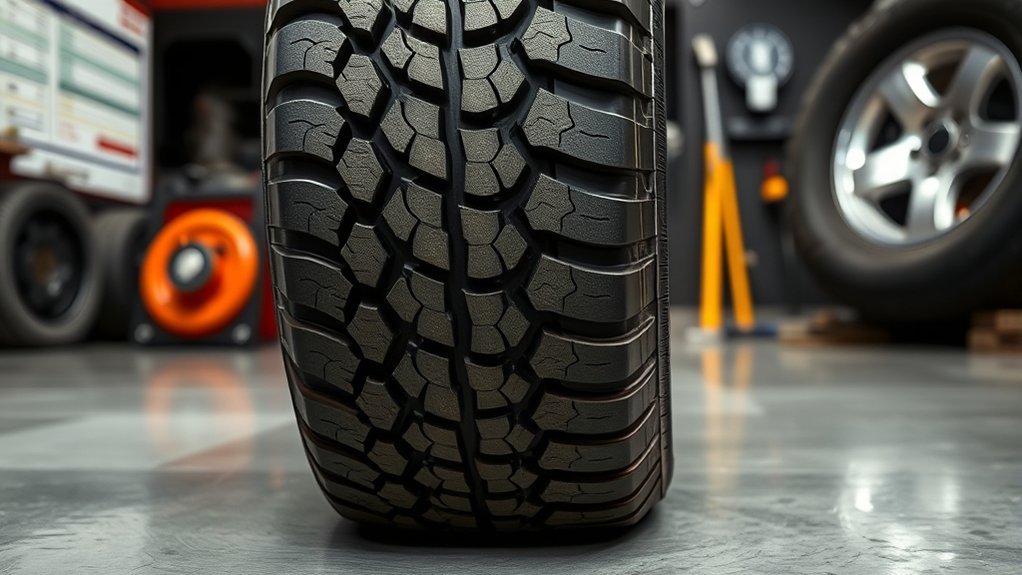
10 PR on a tire means 10-ply rating, not 10 actual layers. It tells you the tire is built to a higher strength class than a lower ply-rated tire, but it does not give one universal weight limit. To know whether a 10 PR tire is safe for your vehicle, trailer, or load, you still need to check the tire’s load index, maximum load marking, maximum pressure, size, speed rating, and the vehicle or trailer placard.
Quick Answer
A 10 PR tire is a 10-ply-rated tire. On many LT and ST tires, 10 PR lines up with Load Range E. Treat it as a strength category, then confirm the exact safe load from the sidewall load index, maximum load, maximum pressure, and your vehicle or trailer placard.
Key Takeaways
- 10 PR means 10-ply rating, which describes strength, not the actual number of tire plies.
- Modern radial tires can meet a 10-ply rating with fewer physical layers because casing materials are stronger than older bias-ply designs.
- For many LT and ST tires, 10 PR corresponds to Load Range E, but the exact capacity still depends on tire size and load index.
- The load index and maximum load marking tell you the tire’s real rated capacity; the vehicle placard tells you the correct normal cold pressure.
- Before towing or hauling, match the tire size, load index, speed rating, wheel rating, axle rating, and intended use.
What 10 PR Means on a Tire
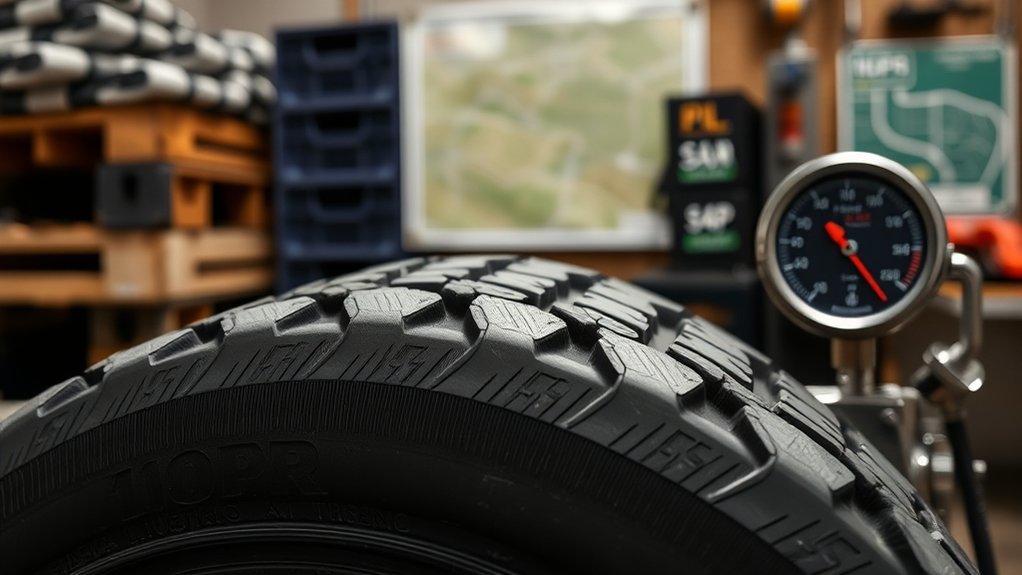
A 10 PR tire uses ply rating to describe strength. The marking means the tire has a strength level comparable to an older 10-ply bias tire, not that the tire contains 10 physical plies. Most modern radial tires use stronger materials and fewer layers to reach the same load-carrying class.
You should read 10 PR as a load-capacity clue, then check the rest of the sidewall. On many LT and ST tires, 10 PR appears with Load Range E. According to Tire Rack’s load range and ply rating guide, Load Range E is commonly listed as 10-ply-rated for LT and ST tire categories, but the tire’s exact capacity still comes from its load index and maximum load marking.
If you are comparing P-metric and LT-metric tire sizing, do not use PR alone. A stronger tire can still be wrong if the size, speed rating, wheel pressure limit, clearance, or vehicle placard does not match your setup.
How 10 PR Relates to Load Capacity
A 10 PR marking tells you the tire is built for heavier service than a lower ply-rated tire, but it does not equal one fixed pound rating. One 10 PR tire can carry less than another 10 PR tire because the two tires may have different sizes, load indexes, construction types, or single and dual load ratings.
Use this order when you decode the tire:
| What to check | Why it matters |
|---|---|
| 10 PR / Load Range E | Shows the tire’s strength category |
| Load index | Gives the exact maximum load rating for that tire |
| Single / dual rating | Applies different capacities on dually setups |
| Maximum load and pressure | Shows the sidewall limits tied to the tire’s rated load |
| Vehicle or trailer placard | Shows the correct original size, load rating, and cold pressure for that application |
This matters most when you haul tools, tow trailers, or replace passenger tires with LT tires. The tire must meet or exceed the required load capacity, but it also must fit the wheel and stay within the vehicle maker’s axle, suspension, and pressure limits.
Tire load ratings only help when the tire is properly matched and properly inflated. NHTSA reports that 511 people died in tire-related crashes in 2024.
Load Range and Pressure Explained
Load range is the letter-based load class on many LT and trailer tires. Higher letters usually identify stronger construction and higher load capacity at the correct pressure. In many common LT sizes up to 295 mm wide, Load Range E equals a 10-ply rating and is commonly associated with a maximum load pressure of 80 psi. Wider LT sizes and some commercial van tires can use different pressure rules, so the sidewall is still the final reference.
Do not inflate every 10 PR tire to the sidewall maximum for normal driving. The sidewall maximum pressure is the tire’s upper limit for its rated load. Your everyday cold inflation pressure should come from the vehicle’s Tire and Loading Information Label or owner’s manual unless the vehicle maker gives a different loaded-use instruction. NHTSA tire guidance says proper tire inflation pressure is listed on the driver-side Tire and Loading Information Label or in the owner’s manual.
Warning: Do not use the sidewall maximum pressure as your everyday pressure just because the tire says 10 PR or Load Range E. Too little pressure can reduce load capacity and create heat. Too much pressure can hurt ride quality, handling, and tread wear. Start with the vehicle or trailer placard.
[Products Worth Considering]

The 22800 wheel stud installer makes replacing wheel studs quick and secure, saving time and effort during tire service. It uses a ratchet or impact wrench to pull new studs firmly into place, helping when existing studs are too long. Compatible with most automotive wheels and light-duty truck wheel studs, it’s designed for easy, tool-assisted installation.
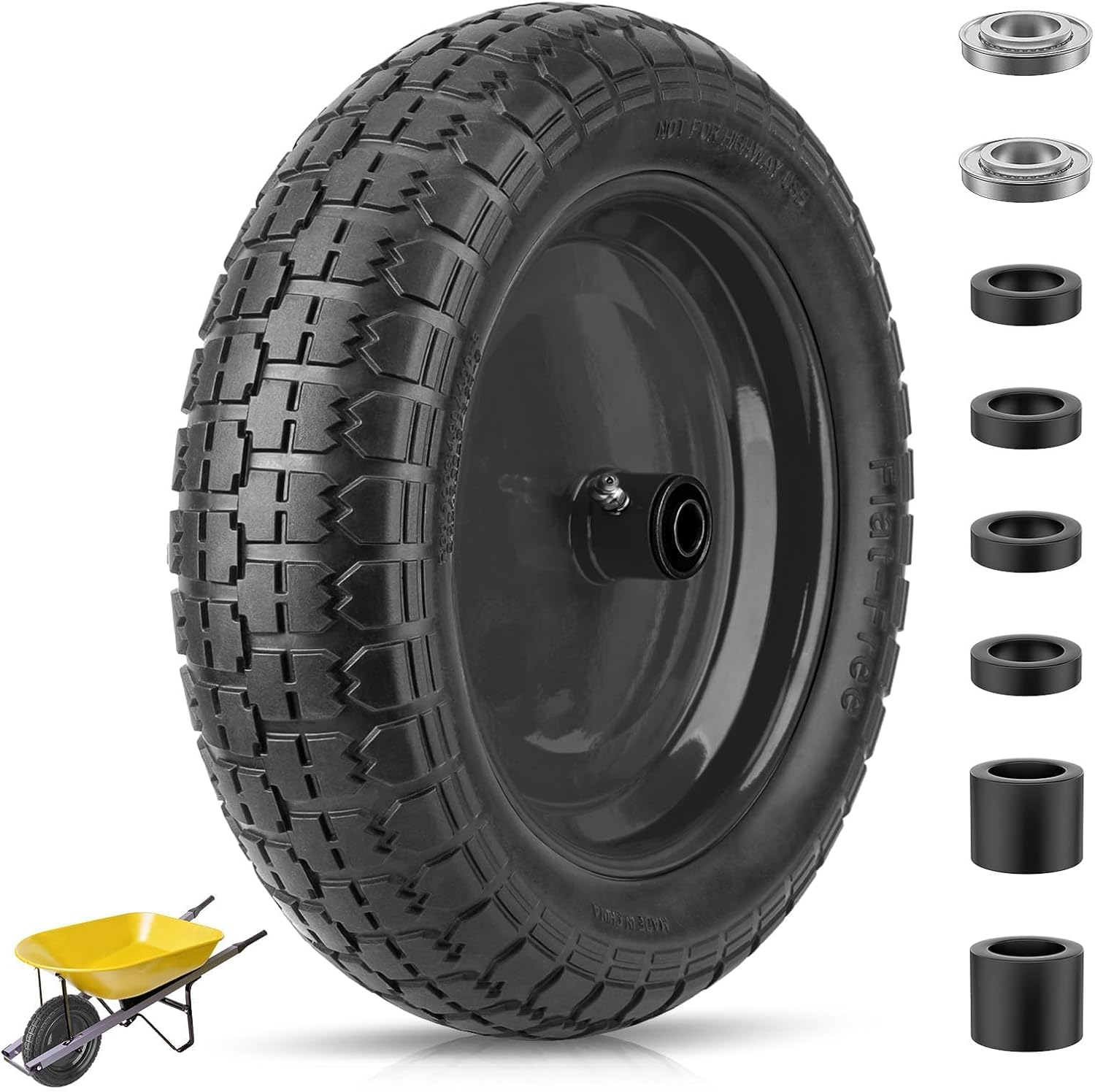
This flat-free TICONN wheelbarrow tire features durable polyurethane foam construction that never needs inflation, helping prevent punctures and reducing maintenance on rough outdoor terrain. With a 300 lb max load capacity and stable steel rim design, it supports safer transport for yard work and hauling tasks. An adapter kit with ball bearings and nylon spacers is included for easier fit and customization across common wheelbarrow and cart axle setups.

Keep your tires properly inflated with this analog VONDIOR tire pressure gauge, designed for fast, easy readings without batteries. The swiveling, two-axis hose and large glow dial help you measure at any tire angle with instant visibility. Built with a protective rubber shield, it supports durable, low-maintenance use for cars and trucks.
Load Range Letters
Load range letters help you compare tire strength. On many LT tires, C equals 6-ply-rated, D equals 8-ply-rated, and E equals 10-ply-rated. That does not mean the tire has that many fabric layers. It means the tire meets that strength class.
Use the letter with the load index. The load index gives the actual maximum load number, while the load range tells you the general service class. A correct replacement tire should have a load index equal to or greater than the original equipment tire unless the vehicle maker or a qualified tire professional specifies otherwise.
Maximum Inflation Pressure
Maximum inflation pressure is the highest pressure the tire is designed to hold for its rated load. It is not always the correct everyday pressure for your truck, SUV, or trailer. For normal vehicle use, check pressure when the tires are cold and follow the vehicle placard.
Under-inflation reduces load capacity, creates extra heat, hurts handling, and raises the risk of tire damage. Over-inflation can also reduce ride comfort and change tread wear. If you tow or carry heavy payloads, confirm the correct pressure from the vehicle manual, trailer placard, tire load table, or a qualified tire dealer.
Ply Rating Meaning
A tire’s ply rating tells you how much load it is designed to carry compared with older tire construction. A 10 PR tire is stronger than a 6 PR or 8 PR tire in the same general category, but tread pattern, tire size, rubber compound, sidewall design, and speed rating still matter.
That is why a 10 PR tire may be a good fit for work trucks, trailers, vans, and off-road use, yet still be a poor match for a light daily driver. Extra casing stiffness can support load, but it can also make the ride firmer and add tire weight.
Where to Find 10 PR on the Sidewall
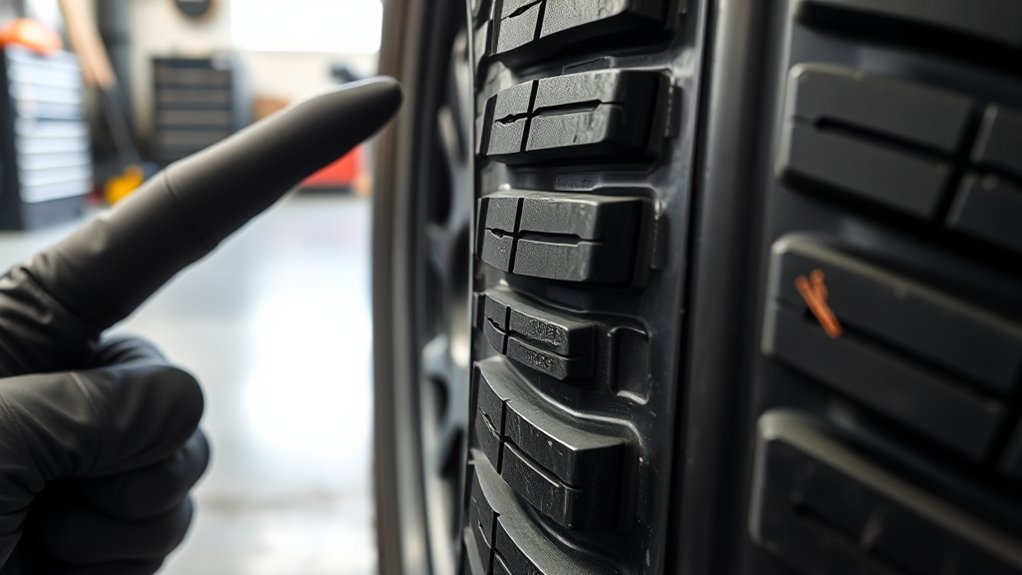
You’ll usually find the 10 PR marking on the tire sidewall near the size, load range, load index, speed rating, and maximum load/pressure text. Some tires show it as “10 PR,” while others use “10 Ply Rated,” “Load Range E,” or “LRE.”
Read the full sidewall string before you buy. A typical LT tire may show a size such as LT245/75R16, followed by a load range letter, load index, and speed symbol. Trailer tires may use ST before the size. Commercial van tires may show a C at the end of the size and list single/dual capacities separately.
| Marking | What it tells you |
|---|---|
| 10 PR | 10-ply strength rating |
| Load Range E / LRE | Common 10-ply-rated LT or ST category |
| Load index | Exact load number for that tire |
| Speed symbol | Maximum rated speed under specified conditions |
| Max load / max pressure | Sidewall limits for that tire |
Pro Tip: Take a photo of your current tire sidewall and your vehicle placard before shopping. Compare size, load index, speed rating, and pressure side by side so you do not choose a tire based on 10 PR alone.
How to Decode a 10 PR Sidewall Example
Here is a common way a 10 PR LT tire may be marked:
LT245/75R16 120/116S Load Range E
| Part of the marking | Meaning |
|---|---|
| LT | Light truck tire category |
| 245/75R16 | Tire size: width, aspect ratio, radial construction, and wheel diameter |
| 120/116 | Load indexes for single and dual-wheel use |
| S | Speed symbol |
| Load Range E | Common 10-ply-rated load range |
In that example, the load index is more useful than the “10 PR” idea because it points to the tire’s actual maximum load rating. If the sidewall also lists separate single and dual maximum loads, use the correct one for your axle setup.
Note: On dually trucks, the dual rating is usually lower than the single rating. Use the dual number when the tire is installed as part of a dual-wheel pair.
Check the Speed Rating, Too
You should check the speed symbol because load strength and speed capability are different ratings. A tire can be strong enough for heavy cargo but still unsuitable for sustained high-speed driving if its speed symbol is too low for your vehicle and use.
The speed rating appears as a letter near the load index, such as Q, S, T, H, or V. A higher speed symbol generally means a higher tested speed capability, but the rating is a limit under specified conditions, not a target speed.
Speed Symbol Basics
Speed symbols show the maximum speed category a tire can sustain under specified test conditions while carrying its rated load. Always compare the tire’s speed symbol with your vehicle requirement, driving conditions, and load.
If you exceed the speed rating, heat builds faster inside the casing. That heat can damage the tread, belts, or sidewall. Heavy loads, low pressure, hot weather, and long highway trips all make the rating more important.
Match Speed To Use
Choose the speed rating around how the vehicle is actually used. A work truck, tow vehicle, trailer, and daily commuter do not all need the same tire. The safest choice is one that matches the original equipment requirement or a properly approved replacement specification.
- Read the full sidewall before you buy.
- Match load index and speed rating to the vehicle placard.
- Verify single and dual ratings on dually trucks and trailers.
- Check wheel pressure limits before running high-pressure LT tires.
- Ask a qualified tire dealer if you change tire category or size.
Higher Ratings, Better Reserve
A higher ply rating can add load reserve, but it does not replace the speed rating, size requirement, or pressure requirement. With 10 PR, you get a stronger load class, but the tire still needs the right speed symbol and load index for your actual driving.
| Spec | Meaning |
|---|---|
| 10 PR | Higher ply-rating strength class |
| Load range | Broad load category |
| Load index | Exact rated load number |
| Speed rating | Maximum rated speed under specified conditions |
Choose tires that balance strength, speed, pressure, and fitment. Looking at only one number can lead to a mismatched tire.
Passenger, LT, and Trailer Tires
Passenger, LT, and trailer tires use load markings differently, so you need to match the tire type to the vehicle and duty cycle. Passenger tires usually prioritize ride comfort and everyday handling. LT tires are built for trucks, vans, towing, and heavier service. ST trailer tires are built for trailer load and stability, not steering or driving traction.
Match tire type to duty cycle. A 10 PR marking helps with load strength, but the tire category still has to fit the job.
- Choose passenger or XL tires for normal commuting when the vehicle placard calls for them.
- Choose LT tires when your truck, van, or SUV needs higher load capacity for work or towing.
- Choose ST tires only for trailers, not passenger vehicles.
- Use the correct single or dual load rating for dually applications.
- Keep pressure at the correct cold setting to preserve load capacity and control.
[Products Worth Considering]
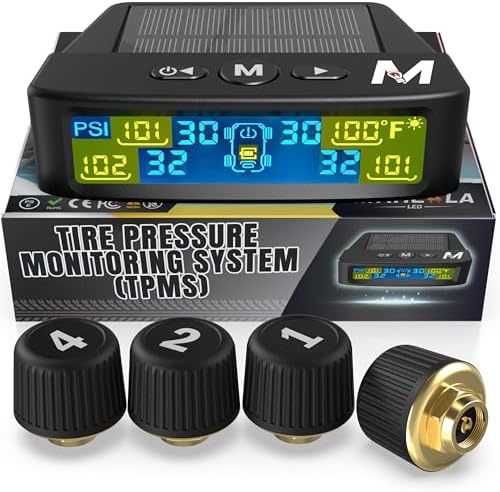
Marcala’s TPMS set of four sensors helps you monitor tire pressure and temperature in real time while driving, with updates every second. The bright color LCD uses auto-dimming for easy viewing, powered by dual solar and USB charging, and offers six alarm modes. Built for trailers, RVs, campers, trucks, and towing setups, the sensors support monitoring 1-4 wheels up to 98 PSI with IP67 waterproof protection.

The Topeak SmartGauge D2 delivers precise digital tire pressure readings for bikes, motorcycles, and sports equipment up to 250 psi (17 bar). Its rotating SmartHead works with both Presta and Schrader valves, so you can check pressure quickly without adapters. The LCD display makes it easy to read results in psi, bar, or kg/cm² with an included CR2032 battery for immediate use.

Check tire pressure with the Milton S-925 pencil gauge built for trucks, RVs, and bicycles. It features a single-head chuck with a built-in deflator valve, and it displays readings in both PSI and kPa for convenient use. The gauge is designed for accurate, repeatable pressure checks within its working range.
How to Match 10 PR to Your Vehicle
When you choose a 10 PR tire, start with the vehicle placard or owner’s manual. Confirm the original tire size, load index, speed rating, and cold inflation pressure. Then compare the replacement tire’s sidewall to make sure it meets or exceeds the required load rating without exceeding the wheel, suspension, or axle limits.
Use this checklist before buying:
- Confirm the exact tire size, including LT, ST, P, XL, or C markings.
- Match or exceed the original load index unless the vehicle maker says otherwise.
- Match the required speed rating for your vehicle and use.
- Confirm the wheel can handle the tire’s required pressure.
- Check Gross Axle Weight Rating (GAWR), payload, trailer weight, and tongue weight if towing.
- Use all four matching tires on vehicles where the maker requires matching size and construction.
- Confirm trailer tires separately, because trailer placards and ST tire load rules are not the same as passenger-vehicle tire rules.
If you drive mostly unloaded, a 10 PR tire may feel firmer than a lower-rated tire. If you tow, haul, or drive rough jobsites, the added casing strength may be worth the tradeoff.
[Products Worth Considering]

Secure your vehicle during transport with this 4-pack of heavy-duty tire tie down straps designed for trailers and hauling. The ratchet system with flat hooks and D-rings helps you tension the straps quickly, while the wheel-friendly design protects tires. With high break strength and corrosion-resistant hardware, these straps provide reliable, confidence-inspiring tie-down security for cars, trucks, and UTVs.
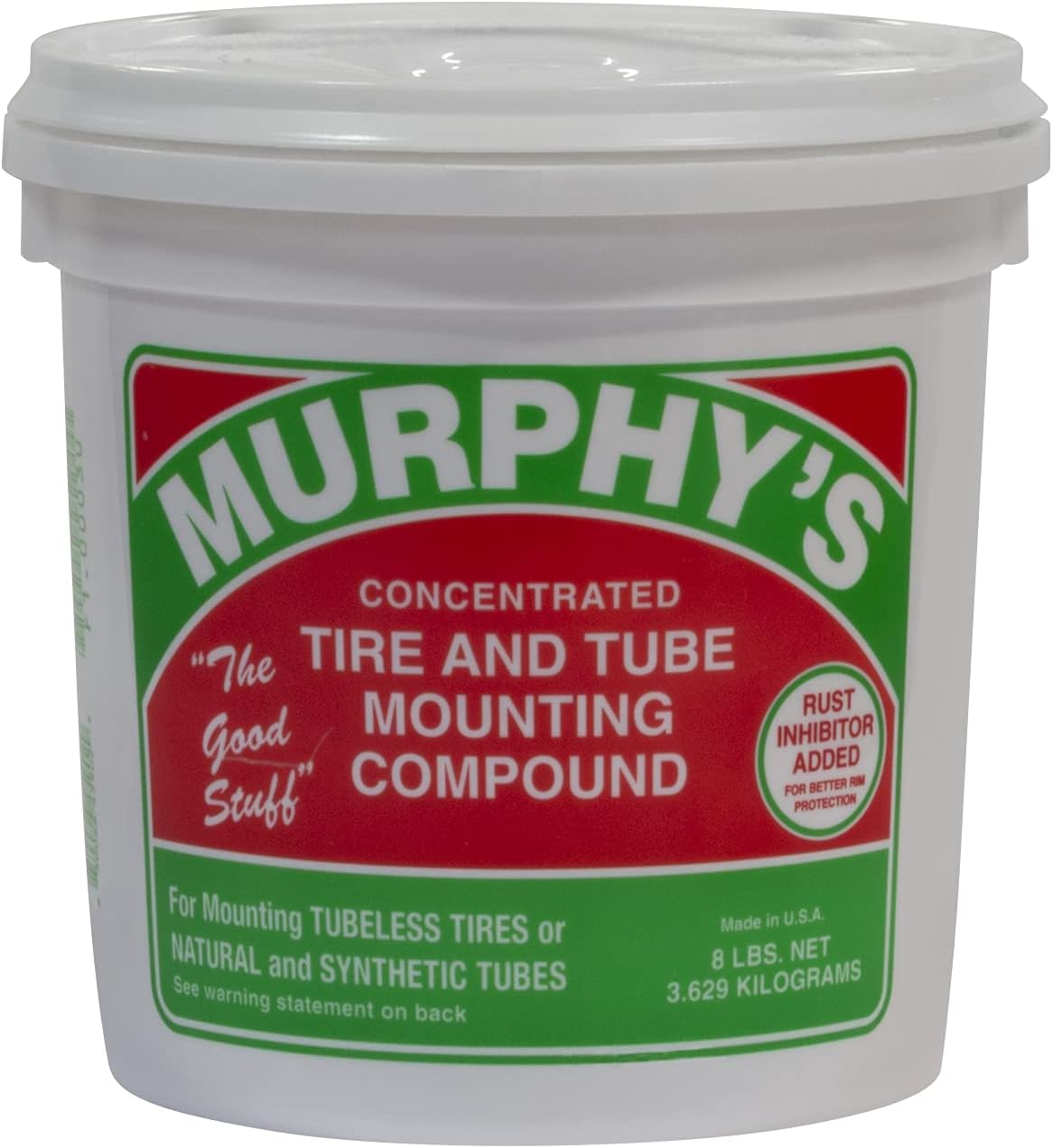
A concentrated tire and tube mounting compound designed to help simplify mounting rubber tires and tubes on passenger, semi truck, construction, and OTR applications. Its ultra-thick formula packs beads effectively and includes rust inhibitors to help protect against corrosion during use.

This 62-inch extra-long car wash brush kit makes it easy to clean hard-to-reach areas on cars, trucks, SUVs, and RV roofs with lightweight, sturdy poles. It includes soft, non-scratch microfiber and bristles with protective bumpers to help prevent scratches while cleaning effectively. A rubber squeegee helps remove water stains quickly, plus a wheel/tire brush and absorbent towels for complete exterior detailing.
Common Mistakes to Avoid With 10 PR Tires
A 10 PR tire can be the right upgrade, but it can also create problems if you treat the marking as the only spec that matters. Avoid these common mistakes:
- Inflating to the sidewall maximum for daily driving. The sidewall maximum is tied to the tire’s rated load, not always your normal unloaded pressure.
- Ignoring the load index. The load index gives the actual capacity. PR only gives the strength class.
- Mixing tire categories without checking fitment. Switching from P-metric to LT can change ride feel, braking feel, weight, and pressure needs.
- Forgetting the wheel rating. A tire may allow higher pressure than your wheel is rated to handle.
- Using ST trailer tires on a passenger vehicle. ST tires are designed for trailers, not steering, braking, and ride comfort on passenger vehicles.
- Assuming a higher ply rating is always better. More strength can add stiffness, weight, and cost you may not need.
Frequently Asked Questions
What’s better, 10-ply or 12-ply?
A 12-ply-rated tire is not automatically better. It can be better when your vehicle, trailer, wheel, and load require the higher rating. It can also ride harsher, weigh more, and cost more than you need. Choose 12 PR only when the load index, pressure requirement, and fitment match your actual use. For many pickups and trailers, a properly matched 10 PR or Load Range E tire is enough.
What load range is a 10-ply tire?
A 10-ply-rated LT or ST tire is commonly Load Range E. In many LT sizes up to 295 mm wide, Load Range E is associated with a maximum load pressure of 80 psi, while some wider LT sizes and commercial tires use different pressure rules. Always verify the load range, load index, maximum load, and maximum pressure on the actual tire sidewall.
Is 10 PR the same as 10 ply?
10 PR means 10-ply rating, but it usually does not mean the tire contains 10 physical plies. It is a strength rating from older tire terminology. Modern tires can meet that rating with fewer casing layers because their materials are stronger. Use 10 PR to identify the service class, then use the load index for the actual weight capacity.
Is 6 ply or 10 ply better?
10 ply is better for heavier loads, towing, trailers, and rougher work if your vehicle requires that rating. A 6-ply-rated tire can be better for lighter vehicles that prioritize ride comfort, lower weight, and easier steering. The best choice is the tire that matches your vehicle placard, load needs, and driving conditions.
Can I use 10 PR tires instead of passenger tires?
You can only use 10 PR tires instead of passenger tires when the size, load index, speed rating, wheel pressure limit, vehicle clearance, and intended use all work together. Do not upgrade from P-metric to LT tires based on strength alone. The stiffer casing can change ride quality, braking feel, fuel economy, and handling.
Does 10 PR mean I should inflate to 80 PSI?
No. Many Load Range E LT tires list 80 psi as a maximum load pressure, but that is not automatically your everyday inflation pressure. Use the vehicle placard or owner’s manual for normal cold pressure. Use tire load tables, trailer placards, or professional guidance when towing or carrying heavy loads.
Conclusion
When you see 10 PR on a tire, read it as a 10-ply strength rating, not a literal ply count or a fixed weight number. It often points to Load Range E on LT and ST tires, but the exact safe load comes from the tire’s load index, maximum load marking, inflation pressure, and application. Check the sidewall, match the vehicle or trailer placard, and confirm the wheel and axle limits before you tow, haul, or replace tires.
Sources
- Tire Rack: What Are Load Ranges / Ply Ratings? — verifies that ply rating is an equivalent strength rating, not the actual number of plies, and supports Load Range E / 10-ply-rated context.
- Tire Rack: What Is Load Index? — verifies that load index identifies maximum load-carrying capacity and explains single/dual load indexes on LT tires.
- NHTSA TireWise — verifies tire placard guidance, cold inflation pressure checks, and tire safety context.