
Toyota Hilux Tire Ply Construction: What It Means
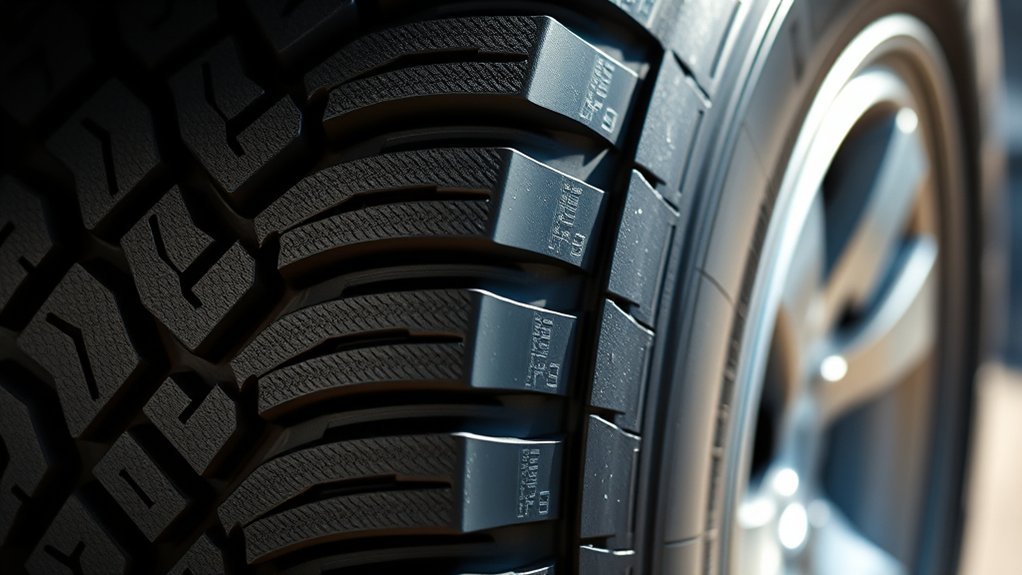
Tire ply construction affects how your Toyota Hilux carries weight, resists damage, handles rough roads, and rides when empty. The safest choice is not simply the “highest ply” tire you can buy. It is the tire that matches your Hilux tire placard, wheel size, load index, speed rating, payload, towing use, terrain, and driving pressure.
Quick Answer
Tire ply construction in a Toyota Hilux refers to the internal rubber, textile, and steel layers that support the tire. Modern “ply rating” is usually an equivalent strength rating, not the exact number of physical plies. For safe Hilux use, match the tire size, load index, speed rating, and pressure shown on the vehicle placard.
Key Takeaways
- A higher ply rating can support heavier loads, but only when the tire size, load index, inflation pressure, and wheel rating are also correct.
- Load Range E means a 10-ply equivalent rating on many LT tires; it does not mean the tire has ten physical casing plies.
- Do not assume every Hilux needs Load Range E. Some Hilux fitments use load index or commercial “C” markings instead of North American LT load-range letters.
- For towing, payload, and off-road driving, follow the Hilux tire placard, owner’s manual, tire sidewall, and tire maker’s load/inflation data.
At a Glance
| Time Required | 10–20 minutes to check the placard, sidewall markings, and load rating before buying tires |
| Difficulty | Easy for standard replacement; moderate if changing tire size, load range, or off-road setup |
| Tools Needed | Tire placard, owner’s manual, tire pressure gauge, tread depth gauge, and the tire manufacturer’s load/inflation data |
| Cost | Free to inspect; tire replacement cost depends on size, brand, terrain type, load rating, and local availability |
What Is Tire Ply Construction in the Toyota Hilux?
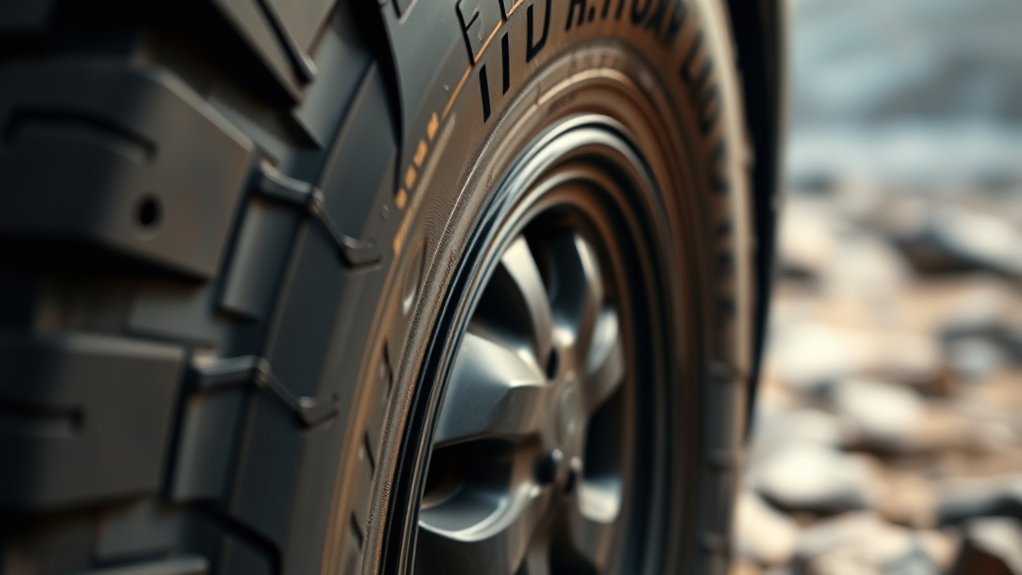
Tire ply construction is the internal structure that gives a tire its strength and shape. In a modern radial tire, this usually includes an airtight inner liner, textile carcass cords, steel belts under the tread, bead wires that hold the tire to the rim, sidewall rubber, and the tread compound. Michelin explains that modern tires use natural and synthetic rubber, steel belts, fabric cords such as polyester, rayon, or nylon, bead wire, and chemical compounds to create the final tire structure. Michelin
For a Toyota Hilux, ply construction matters because the vehicle is often used for cargo, towing, gravel roads, work sites, and off-road travel. A stronger tire can help resist casing damage and carry heavier loads, but it can also ride firmer. That is why the right choice depends on the tire placard and the way you actually use the truck.
Note: “Ply rating” is not the same as the physical number of plies in a modern tire. It is an equivalent strength rating based on older bias-ply construction.
How Do Tire Ply Ratings, Load Range, and Load Index Work?
The tire sidewall may show a load index, a load range, a ply rating, or a commercial tire marking such as “C,” depending on the tire type and market. These markings all help describe how much weight the tire can carry when correctly inflated, but they are not identical systems.
| Marking | What It Means | Hilux Relevance |
|---|---|---|
| Load Index | A number that corresponds to the maximum load one tire can carry at its rated pressure. | Never fit a lower load index than Toyota specifies for your model, axle load, and market. |
| Load Range | A letter used mostly on LT and trailer tires to show load capacity class. | Useful when choosing LT tires for towing, hauling, or off-road use. |
| Ply Rating | An equivalent-strength rating. For many LT tires, Load Range C = 6-ply, D = 8-ply, E = 10-ply, and F = 12-ply equivalent. | Helpful shorthand, but the actual tire size and load index still matter. |
| Commercial “C” Marking | A commercial/van tire marking used in some markets, often paired with a load index. | Some Hilux tire options may use this system rather than a Load Range E label. |
Tire Rack notes that modern ply rating does not indicate the actual number of plies used in the tire; it indicates equivalent strength compared with older tire construction. It also lists Load Range E as a 10-ply rating for many LT tires. Tire Rack
Decoding Toyota Hilux Tire Markings
Start with the tire placard on the vehicle and the owner’s manual. Then compare those requirements with the sidewall markings on the tire you want to buy. NHTSA says vehicle tire placards and certification labels provide the recommended tire size, recommended inflation pressure, vehicle capacity weight, and front/rear gross axle weight ratings. NHTSA tire safety brochure
Depending on market and trim, current Toyota HiLux examples include sizes such as 265/65R17 and 265/60R18. Toyota Australia’s current HiLux specification table lists 17-inch and 18-inch wheel options with those tire sizes across different variants, while also warning that specifications can change and should be confirmed with the dealer. Toyota Australia HiLux specifications
- 265 — tire width in millimeters.
- 65 or 60 — aspect ratio, meaning sidewall height as a percentage of tire width.
- R — radial construction.
- 17 or 18 — wheel diameter in inches.
- Load index — the number after the size that shows weight capacity.
- Speed rating — the letter after the load index that shows the tire’s certified speed category.
- LT, C, XL, or Load Range letters — extra tire-type/load information depending on the tire standard.
Warning: Do not install tires with a lower load index, lower speed rating, unsuitable rim rating, or lower inflation/load capacity than Toyota specifies. Also do not exceed the Hilux GVM, GCM, axle limits, tow-ball download limits, tire sidewall limits, or wheel limits.
Why Load Range Matters for Heavy-Duty Hilux Use
The Hilux is often used as a work ute, tow vehicle, touring 4×4, or off-road truck. Load range matters because tires generate heat and flex when carrying weight. If the tire is overloaded, underinflated, damaged, or mismatched to the vehicle, the risk of tire failure increases.
For towing and payload, the tire is only one part of the limit. Toyota advises drivers to consider towing capacity, gross vehicle mass, gross combined mass, kerb weight, front and rear axle limits, occupants, luggage, accessories, and tow-ball download weight before towing or loading the vehicle. Toyota Australia HiLux specifications
[Products Worth Considering]

AstroAI’s heavy-duty digital tire pressure gauge delivers quick, accurate readings with 0.1 increments and a secure valve-stem seal. It features a green backlit LCD and built-in flashlight for easy use in low light, plus an ergonomic non-slip stainless-steel design. The wide 0–230 PSI range works across common vehicle tires, with unit selection and an auto shut-off to save battery.

AstroAI’s calibrated digital tire pressure gauge delivers precise readings across a 0–150 PSI range, with high clarity from a backlit LCD. Built for everyday road use, it features one-button operation, an anti-slip ergonomic grip, and support for multiple pressure units plus auto shutoff. Powered by AAA batteries, it’s an all-weather essential for checking tire health and TPMS warnings.

Measure tire tread depth quickly and accurately with this LUMITECO dial gauge that reads in 1/32" increments up to 14/32". The color-coded green/yellow/red zones make it easy to judge tire wear and know when replacement is needed. A rugged, compact design with a protective pouch helps keep the gauge ready for use on cars, trucks, motorcycles, and more.
Load Capacity and Safety
A higher load range can carry more weight at the correct pressure, but it does not give the vehicle more legal payload. The vehicle’s own ratings still control the safe maximum load. Use the tire placard, owner’s manual, tire sidewall, and a load/inflation table from the tire maker when setting up a loaded Hilux.
Ride Comfort and Handling
Higher-rated LT tires often have stronger sidewalls and heavier construction. That can improve stability with a loaded tray or trailer, but it may also make the ride firmer when the Hilux is empty. Overinflating a stiff tire can reduce comfort, increase center tread wear, and reduce the contact patch on some surfaces.
Tread Wear Resistance
Durable construction helps, but tread life also depends on alignment, rotation, pressure, load, road surface, driving style, and tread compound. A heavy-duty tire used at the wrong pressure can wear faster than a lighter tire used correctly.
NHTSA’s basic tire safety guidance focuses on four habits: maintain proper tire pressure, observe tire and vehicle load limits, avoid road hazards, and inspect tires for cuts, slashes, and irregularities.
What Materials Are Used in Toyota Hilux Tires?
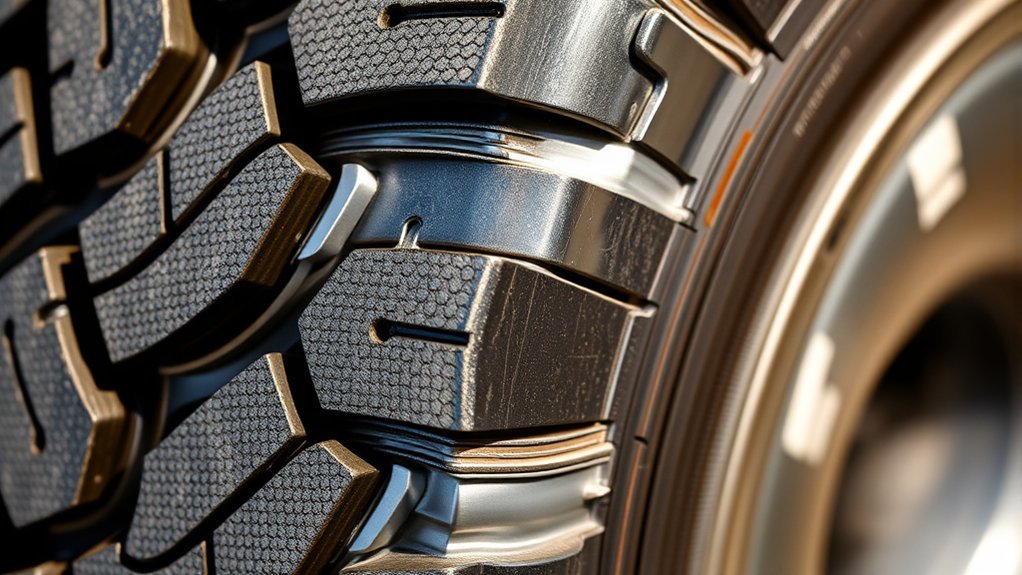
Hilux tires are not made by Toyota in one single construction. The exact materials depend on the tire brand, model, size, and terrain category. Still, most modern radial tires share the same basic building blocks: rubber compounds, textile cords, steel belts, bead wires, sidewall rubber, and tread rubber.
Common Tire Materials
- Inner liner: an airtight synthetic rubber layer that helps hold air.
- Carcass ply: textile cords bonded into rubber to support the tire body.
- Steel belts: reinforcement under the tread to improve shape control and puncture resistance in the tread area.
- Beads: steel wires that clamp the tire to the wheel rim.
- Tread compound: rubber blend designed for wear, grip, heat resistance, and traction.
Ply Construction Techniques
Most modern Hilux replacement tires are radial tires. In radial construction, internal cords run across the tire from bead to bead, while belts under the tread help stabilize the contact patch. This design separates sidewall flex from tread stability better than older bias-ply designs.
| Tire Part | Common Material | Purpose |
|---|---|---|
| Inner Liner | Synthetic rubber | Helps retain air |
| Carcass Ply | Polyester, nylon, rayon, or similar textile cords | Supports the tire body and air pressure |
| Belts | Steel cords bonded in rubber | Stabilizes tread and improves strength under the tread |
| Bead | Steel bead wire | Locks the tire to the wheel rim |
| Tread | Natural and synthetic rubber compounds | Provides grip, wear resistance, and heat resistance |
Rubber Composition Variations
Tire compound changes how the Hilux feels on wet roads, gravel, sand, mud, and hot highways. Softer compounds may grip better but wear faster. Harder compounds may last longer but give up some wet or cold-weather grip. All-terrain, mud-terrain, and highway-terrain tires use different tread designs and compounds for different jobs.
How Do Ply Ratings Affect Off-Road Capability?
For off-road Hilux use, ply rating is mainly about casing strength and sidewall support. A stronger LT all-terrain or mud-terrain tire can better resist cuts, bruising, and impacts from rocks, ruts, and sharp gravel. That is useful for touring, farm work, mining roads, construction sites, and remote travel.
The trade-off is comfort and flexibility. A very stiff tire may ride harder and may not bag out as easily on sand when pressure is reduced. If you air down off-road, reduce speed, avoid sharp steering inputs, and reinflate before highway driving. Never drive on public roads at low off-road pressures.
Pro Tip: Check tire pressure when the tires are cold. NHTSA defines a cold tire as one that has not been driven on for at least three hours.
How to Choose Tires Based on Load Capacity
Use this process before buying new Hilux tires:
- Find the placard: Check the driver’s door area, fuel flap, glove box area, or owner’s manual depending on market. Record the original tire size, pressure, load rating, and speed rating.
- Read your current tire: Note the size, load index, speed rating, LT/C/XL marking, and maximum load/pressure.
- Know your real use: Daily driving, towing, tray load, canopy, bull bar, drawers, roof load, tools, camping gear, and passengers all change the load.
- Check vehicle limits: Confirm GVM, GCM, front/rear axle limits, tow-ball download, and legal towing limits.
- Match or exceed the required load index: Never go lower than the vehicle requirement. Going higher can be acceptable, but ride and pressure must be managed correctly.
- Choose the terrain type: Highway-terrain for road comfort, all-terrain for mixed use, mud-terrain for difficult off-road work, and LT construction for heavier-duty service where appropriate.
- Confirm wheel compatibility: The rim must support the tire size, load, and inflation pressure.
- Set correct pressure: Use placard pressure for normal use and tire-maker load/inflation guidance for heavy loads, not the sidewall maximum as a daily default.
[Products Worth Considering]

The SAFELIFE dial tire tread depth gauge measures tread depth in 1/32 inch increments with clear, easy-to-read 2-inch dial face. Color zones using a traffic light system help you quickly judge whether tread is low, marginal, or ample for safer driving. Built with a durable zinc cast body and a metal detect probe for precise, comfortable use across cars, motorcycles, trucks, and buses.

ETENWOLF’s calibrated digital tire pressure gauges deliver accurate readings across a wide pressure range, from below 12 PSI to above 140 PSI. The built-in thermal compensation helps maintain performance in extreme cold and hot conditions, while the LED light improves visibility for quick checks. Includes replaceable AAA batteries for long-lasting use and convenience for everyday tire monitoring.
Common Misconceptions About Tire Ply Ratings
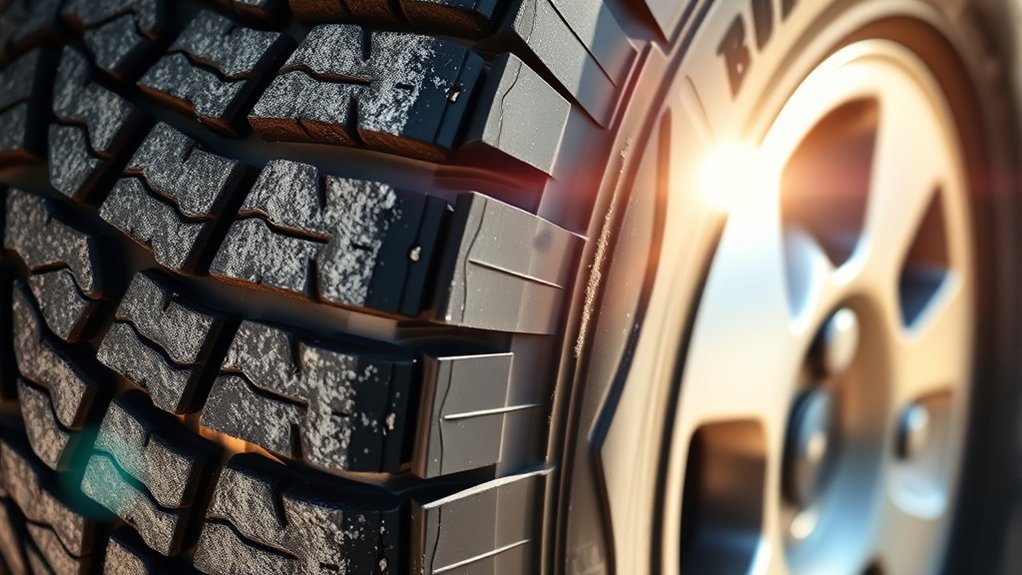
Misconception 1: A 10-ply tire has ten physical plies
Modern tires usually do not work that way. “10-ply” is an equivalent-strength rating. The tire may use fewer physical plies plus stronger textile cords, steel belts, and modern rubber compounds.
Misconception 2: Load Range E is always best for a Hilux
Not always. Load Range E may be a strong choice for towing, heavy tray loads, and rugged touring, but it can ride firmer and may be unnecessary for light daily driving. Always compare the required load index, tire type, and pressure needs.
Misconception 3: Maximum sidewall pressure is the correct daily pressure
The sidewall maximum is not the normal recommended pressure for every vehicle. Vehicle manufacturers set recommended cold inflation pressure based on the vehicle design load and tire size. Use the Hilux placard or manual as the starting point.
Misconception 4: Tire ply rating alone decides puncture resistance
Puncture resistance also depends on tread depth, sidewall design, rubber compound, belt package, terrain, speed, pressure, and driving style. A strong tire can still fail if overloaded, underinflated, or driven hard over sharp rocks.
Maintenance Tips to Prolong Tire Life
Good maintenance does more for tire life than simply buying the strongest tire available.
- Check cold pressure monthly: Also check before long highway trips, towing, or heavy loads.
- Rotate tires regularly: Follow your owner’s manual or tire shop guidance, especially if the Hilux carries uneven loads.
- Inspect tread and sidewalls: Look for cuts, bulges, cracks, nails, uneven wear, and exposed cords.
- Watch tread depth: Replace tires before they become unsafe for wet roads, gravel, or off-road use.
- Balance and align: Do this after new tires, suspension work, hard impacts, or uneven wear.
- Reinflate after off-road driving: Low off-road pressure is not safe for highway speed.
Which Brands Offer the Best Tires for the Hilux?
The best tire brand for a Hilux depends on the exact size, load index, speed rating, terrain, climate, budget, and availability in your country. Start by filtering for the correct specification, then compare tire category and warranty.
- Highway-terrain tires: Best for road comfort, low noise, fuel economy, and long-distance sealed-road driving.
- All-terrain tires: Best for mixed road, gravel, farm, camping, and moderate off-road use.
- Mud-terrain tires: Best for deep mud, rocks, ruts, and harsh off-road work, but usually noisier and less comfortable on-road.
- LT construction options: Worth considering for heavy loads, towing, sharp gravel, remote touring, and frequent work-site use.
Major tire makers such as Michelin, Bridgestone, Goodyear, BFGoodrich, Yokohama, Cooper, Toyo, Dunlop, Continental, and Falken offer tires that may suit different Hilux setups. The right shortlist is the one that matches your placard, load rating, terrain, and real driving needs.
[Products Worth Considering]

Product Overview: The Venom Power Swampthing A/T Xtreme Dirt are 285/55R22 124/121S E 10 Ply Rated All Terrain Tires Manufactured For Light Trucks

Product Overview: The Atlander Roverclaw R/T are 33X12.50R20 114Q E 10 Ply Rated Rugged Terrain Tires Manufactured For Light Trucks

Wide grooves allow for the quick drainage of mud, water, and snow to maintain consistent surface contact.
Frequently Asked Questions
What is better for a Toyota Hilux: 10-ply or 14-ply tires?
Neither is automatically better. A 10-ply equivalent tire, often Load Range E on LT tires, is already a heavy-duty option for many pickup and 4×4 uses. A 14-ply equivalent tire is usually for heavier commercial or trailer applications and may ride too harshly if the Hilux does not need it. Match the load index, tire size, wheel rating, and vehicle limits first.
Which is better: 4-ply or 8-ply tires?
For a working or off-road Hilux, an 8-ply equivalent tire will usually carry more load and resist damage better than a 4-ply equivalent tire. For light-duty road use, the correct load index and pressure matter more than chasing the highest ply number.
Does every Toyota Hilux need Load Range E tires?
No. Some Hilux setups benefit from Load Range E or similar heavy-duty construction, especially for towing, payload, and rough terrain. Others may use commercial “C,” XL, or load-index-based tires depending on market and trim. Follow the tire placard and owner’s manual first.
Can I fit a higher load rating than Toyota recommends?
Usually, fitting a tire with an equal or higher load index is acceptable if the size, speed rating, wheel compatibility, and pressure requirements are correct. However, a higher-rated tire may ride harder and should not be used to exceed Toyota’s GVM, GCM, axle limits, or towing limits.
What tire pressure should I use with higher-ply Hilux tires?
Start with the Hilux tire placard for normal road use. For heavy loads or towing, use the tire manufacturer’s load/inflation table and stay within the tire and wheel maximums. Do not use the sidewall maximum as your everyday pressure unless the load/inflation data and vehicle setup require it.
Do higher-ply tires last longer?
Not always. Higher-ply or LT tires can be tougher, but tread life depends on compound, alignment, pressure, rotation, road surface, driving style, and load. A correctly matched and maintained tire usually lasts longer than an overbuilt tire run at the wrong pressure.
Conclusion
Choosing Toyota Hilux tires is less about chasing the biggest ply number and more about matching the complete tire specification to the truck. Check the placard, confirm tire size, load index, speed rating, load range or commercial marking, and use the right pressure for your load. A well-matched tire will carry weight safely, protect the casing on rough roads, maintain better handling, and give your Hilux the durability it needs without unnecessary ride harshness.
Sources
- Toyota Australia HiLux Specifications — current Hilux tire size examples, towing, GVM, GCM, and specification cautions.
- NHTSA TireWise — tire safety, buying, maintenance, labeling, and tire-related safety guidance.
- NHTSA Tire Safety Brochure — tire pressure, load limits, placards, and basic maintenance guidance.
- Tire Rack: Load Ranges and Ply Ratings — load range, ply rating, and modern equivalent-strength explanation.
- Michelin: How Tires Are Made — tire materials and construction basics.
- Toyo Tires Commercial Dimensions and Load Limits — ply rating and load range definitions.

Related Articles
Best High-Performance Tires for Toyota Hilux
You rely on your Hilux for work, adventure, and everyday driving, so choosing high-performance tires matters more than you might think. The right tires…
Read More
Best Premium Off-Road Tires for Toyota Hilux
You rely on your Hilux to handle rough trails, heavy loads and unpredictable weather, so choosing the right premium off-road tires matters. The right…
Read More
Best Premium Winter Tires for Toyota Hilux
Choosing the right premium winter tires for your Toyota Hilux matters because you rely on strong traction and load capacity when roads turn icy…
Read More