The 2026 Ford F-150 has more factory tire sizes than almost any other vehicle on the road, from a 30.5-inch all-season on the base XL to the 37-inch tires of the Raptor 37 package. Ford’s own 2026 technical specifications list the sizes by trim and drivetrain, and they are summarized below, along with the overall diameter of each, which matters if you are thinking about switching sizes.
Quick Answer
Common 2026 F-150 sizes are 245/70R17 (XL and XLT 4×2), 265/70R17 (XL 4×4), 265/60R18 (STX and Lariat 4×2), 275/65R18 (STX, XLT and Lariat 4×4), 275/60R20 (King Ranch and Platinum) and 275/70R18 (Tremor). Raptor uses LT315/70R17. Your door-jamb placard shows the exact size for your truck.
Key Takeaways
- Tire size depends on trim, drivetrain (4×2 or 4×4) and optional packages, so two F-150s of the same trim can differ.
- Factory sizes range from about 30.5 inches to 37 inches in diameter, so they are not all interchangeable.
- 4×4 trims generally get all-terrain tires; most 4×2 trims get all-season tires.
- Sizes marked C (such as 265/70R17C) are light-truck tires with a different load range than the passenger sizes.
2026 F-150 standard tire sizes
| Trim / drivetrain | Tire size | Type | Wheel | Overall diameter |
|---|---|---|---|---|
| XL 4×2, XLT 4×2 | 245/70R17 | All-season | 17-inch | 30.5 in |
| XL 4×4 | 265/70R17 | All-terrain | 17-inch | 31.6 in |
| STX, Lariat 4×2 | 265/60R18 | All-season | 18-inch | 30.5 in |
| STX, XLT, Lariat 4×4 | 275/65R18 | All-terrain | 18-inch | 32.1 in |
| Tremor | 275/70R18 | All-terrain | 18-inch | 33.2 in |
| King Ranch, Platinum 4×2 | 275/60R20 | All-season | 20-inch | 33.0 in |
| King Ranch, Platinum 4×4 | 275/60R20 | All-terrain | 20-inch | 33.0 in |
| Raptor | LT315/70R17 | All-terrain | 17-inch | 34.4 in |
Products Worth Considering

This spare tire tool kit is designed for the 2004 to 2018 Ford F-150 to help you loosen and tighten wheel lug nuts and manage the spare tire and provided jack functions from underneath the vehicle. It includes the lug nut wrench and extension pieces plus a convenient storage carrying case for organized transport. The jack itself is not included.

Adam’s Pro Tire Hex Grip applicators are molded foam sponges designed for precise, even tire dressing application. The ergonomic grip helps you spread product without overapplying, reducing sling that can splash onto paint and helping keep your hands clean during wheel and trim detailing. They’re durable, washable, and reusable for repeated detailing sessions.

These aluminum alloy tire valve stem caps with an O-ring seal help protect valve stems from corrosion while adding a clean, stylish look to your vehicle. The universal fit works across cars, trucks, motorcycles, bicycles, and more, making them an easy upgrade for everyday driving and off-road use. Installation is quick, and the included four-pack keeps all your tires dressed and protected.
2026 F-150 optional tire sizes
| Available on | Tire size | Type | Overall diameter |
|---|---|---|---|
| XL Fleet, FX4 Package | 265/70R17C | All-terrain | 31.6 in |
| XLT 4×2 | 265/60R18 | All-season | 30.5 in |
| XLT 4×4 | 265/70R18C | All-terrain | 32.6 in |
| STX, Lariat 4×2 | 275/60R20 | All-season | 33.0 in |
| STX, Lariat 4×4 | 275/60R20 | All-terrain | 33.0 in |
| STX Lobo Package, King Ranch, Platinum | 275/50R22 | All-season | 32.8 in |
| Raptor 37 Package | 37×12.5R17 | All-terrain | 37 in (nominal) |
The tables follow Ford’s 2026 F-150 technical specifications (March 2026). Package content can change during a model year, so the placard on your truck takes priority.
Why the diameters matter
On many vehicles every factory size has about the same diameter. The F-150 is different: a 245/70R17 is roughly 30.5 inches tall, while a 275/65R18 is about 32.1 inches and the Tremor’s 275/70R18 is about 33.2 inches. Putting a much taller tire on a truck that left the factory with a short one changes speedometer readings and effective gearing, and it may need the speedometer recalibrated. It can also cause rubbing on trucks without the suspension and clearance of the trims that came with larger tires.
Switching within a similar diameter is far less involved. For example, 245/70R17 and 265/60R18 are almost exactly the same height, and 275/60R20 and 275/50R22 are within about half an inch of each other. Use our tire size calculator to check any pairing.
Passenger (P-metric) vs light-truck (LT and C) tires
Most F-150 trims leave the factory on passenger-rated tires, which ride more quietly and comfortably. The optional 265/70R17C and 265/70R18C tires and the Raptor’s LT315/70R17 are light-truck tires with stiffer construction, built for heavier loads and rough terrain. If you tow or haul near the truck’s limits, or drive on rocky trails, LT tires can make sense, but they need the correct inflation pressures for their load range. P-metric vs LT tires explains the trade-offs.
Products Worth Considering
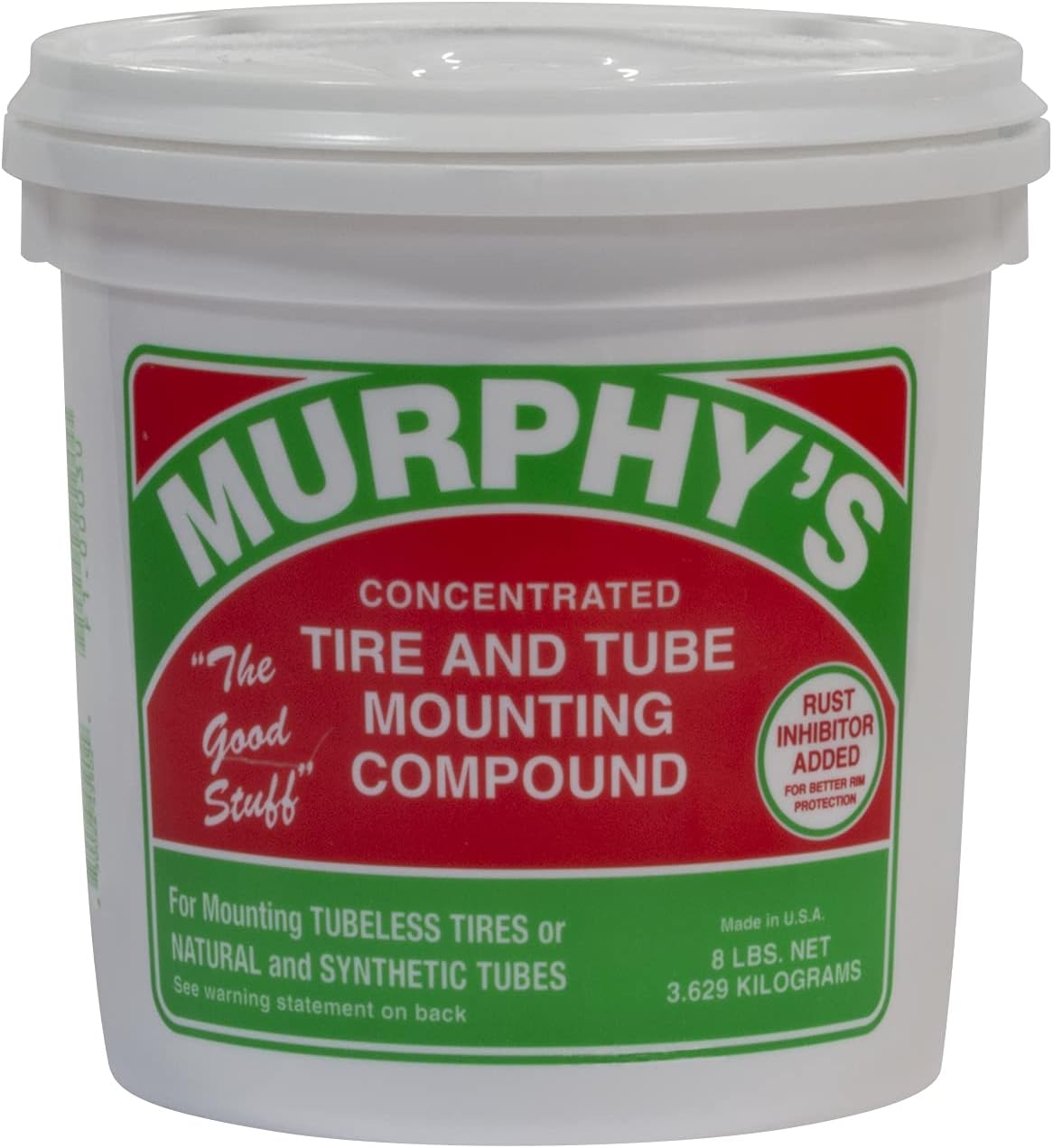
A concentrated tire and tube mounting compound designed to help simplify mounting rubber tires and tubes on passenger, semi truck, construction, and OTR applications. Its ultra-thick formula packs beads effectively and includes rust inhibitors to help protect against corrosion during use.

This professional wheel and rim brush kit makes it easy to lift brake dust, grime, and dirt from wheels and tires without scratching finishes. The brushes feature soft, metal-free wool heads and a flexible 360-degree rim brush design for reaching hard-to-clean areas. Includes multiple brush types plus accessories for thorough car, motorcycle, and general vehicle detailing.

This 3-piece wheel brush set makes it easy to clean wheels and tires with soft, scratch-free brushes designed for lifting brake dust and grime. The flexible rim brush bends up to 360 degrees to reach hard-to-access areas for a thorough clean, while the comfortable grip helps control during detailing. A dedicated detailing brush supports gentle cleaning for sensitive surfaces, including interior use.
Can you change the tire size on a Ford F-150?
Yes, within limits. Most tire shops aim to keep a replacement within about 3% of the original overall diameter so the speedometer, ABS and stability control keep working as designed. Switching to another factory size for your model, such as the wheel and tire package from a different trim, is the simplest route because the vehicle was engineered with it. Use our tire size calculator to compare diameters, and read plus sizing rules and safe limits before going further.
Whatever size you choose, keep the load index and speed rating at or above what the door-jamb placard lists. If those codes are new to you, see what tire load index means and tire speed ratings explained.
Where to confirm your exact size
The tire and loading information placard on the driver-side door jamb lists the original size and the recommended cold inflation pressure for your specific vehicle. The size is also molded on the tire sidewall, and how to read a tire code explains each part. If the tires on your vehicle are not the factory size, a previous owner may have changed them, so go by the placard rather than the tires currently fitted.
Frequently Asked Questions
What size tires come on a 2026 F-150 XLT?
A 2026 XLT 4×2 comes standard with 245/70R17 tires, with 265/60R18 optional. An XLT 4×4 comes standard with 275/65R18 all-terrain tires, with 265/70R18C optional.
What size tires does the 2026 F-150 Tremor use?
The Tremor uses 275/70R18 all-terrain tires on 18-inch wheels, about 33.2 inches tall.
What is the biggest factory tire on a 2026 F-150?
The Raptor 37 package uses 37×12.5R17 all-terrain tires. The standard Raptor uses LT315/70R17.
Can I put 20-inch wheels on an F-150 that came with 17s?
Often yes, using 275/60R20 or a size with similar diameter to your original, but check the overall diameter difference, load index and clearance first. A large jump in diameter may require speedometer recalibration.
Sources
Products Worth Considering

This 9-piece detailing brush set helps you clean interior and exterior vehicle areas with versatile sizes and ergonomic handling. Stiff bristle brushes tackle heavy grime on tires, carpets, and floors, while smaller brushes are suitable for tight engine and cabin gaps. Designed for thorough car care across wheels, vents, seats, and hard-to-reach detailing spots.

This professional wheel and rim cleaning brush set lifts brake dust, grime, and dirt with soft, scratch-free microfiber and synthetic wool fibers. The rim brush bends up to 360 degrees for easy access to hard-to-reach areas around spokes, lips, and faces. Ideal for thorough cleaning of car, truck, motorcycle, bicycle, RV, and more wheel and tire surfaces.

The JACO FlowPro Tire Inflator measures, inflates, and airs down tires up to 100 PSI with battery-free operation and ±2% accuracy after calibration. It features a glowing pressure dial for night visibility, a heavy-duty steel build with a hybrid hose, and a precision push-to-inflate thumb trigger. The patented Lightning Air Chuck locks on for a secure seal, and the kit includes quick-connect hardware for easy inline use with your air compressor.