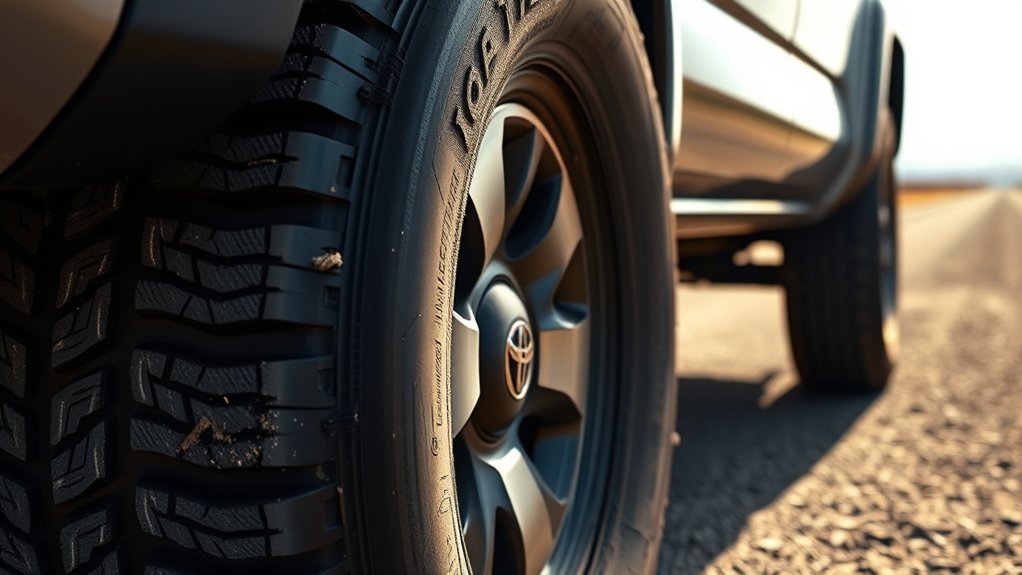
Choosing tires for your Toyota Tacoma is not just about picking a popular brand. For long highway drives, the best tire is the one that matches your Tacoma’s original size, load rating, speed rating, driving conditions, and comfort goals. If most of your miles are on pavement, a highway-focused all-season tire will usually ride quieter and use less fuel than an aggressive all-terrain tire.
Quick Answer
For mostly highway Tacoma driving, start with an OEM-size highway all-season tire. The Michelin Primacy LTX prioritizes low rolling resistance and quiet comfort, while the Michelin Defender LTX M/S 2 is a stronger long-wear upgrade. Match the door-placard PSI, load rating, speed rating, and tire size before buying.
Key Takeaways
- For highway comfort and fuel economy, choose a highway all-season tire before an aggressive all-terrain tire.
- Do not assume every Toyota Tacoma uses 30 psi. Use the cold PSI listed on your driver-door tire placard or owner’s manual.
- A treadwear warranty is useful for comparison, but it does not guarantee how long a tire will last on your truck.
- Upsizing to a larger tire can affect clearance, speedometer accuracy, MPG, braking, and ride quality.
At a Glance
| Time Required | 10–20 minutes to check your placard, tire size, tread depth, and replacement options |
| Difficulty | Easy for research and pressure checks; professional help recommended for mounting, balancing, and upsizing |
| Tools Needed | Tire pressure gauge, tread depth gauge or penny, driver-door placard, and owner’s manual |
| Cost | Pressure and tread checks are usually free to low-cost; tire prices vary widely by size, rating, and brand |
Optimal Tire Choices for Comfort and Fuel Efficiency on Long Highway Drives
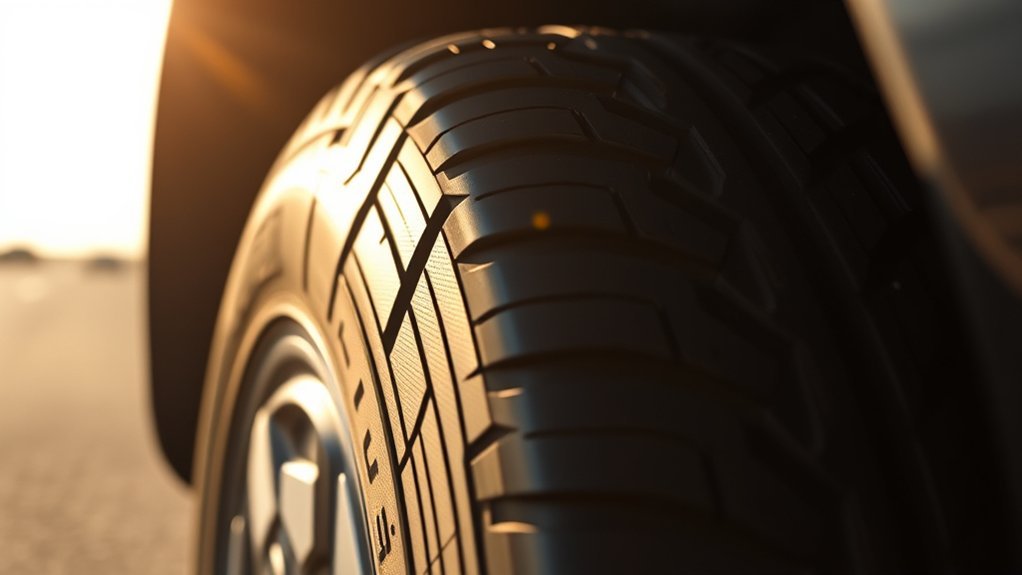
For a Tacoma that spends most of its time on highways, the best tire choice is usually a highway all-season tire in the original size. It will normally be quieter, lighter, and more fuel-friendly than a heavy all-terrain tire with large tread blocks.
The Michelin Primacy LTX is a strong highway-focused choice because Michelin describes it as an all-season light-truck/SUV tire built for fuel efficiency, low rolling resistance, and a quiet, comfortable ride. It is a good fit for Tacoma owners who want smooth pavement manners and do not need aggressive off-road traction.
The Michelin Defender LTX M/S 2 is the better upgrade if you care more about tread life, wet traction, and long-distance durability than squeezing out every possible MPG. It is still a road-focused all-season tire, but it is built more for longevity and everyday truck use.
Note: “M+S” or all-season does not always mean a tire is ideal for severe winter roads. If you often drive through snow, ice, or mountain passes, consider a tire with the Three-Peak Mountain Snowflake symbol or a dedicated winter tire.
[Products Worth Considering]

Milton S-921 pencil tire pressure gauge helps you maintain optimal tire pressure for passenger cars with accurate readings in PSI and kPa. It features a built-in deflator valve for convenient pressure adjustments, plus a single chuck head and nylon indicator bar for easy use on the go. Built from durable plated brass and designed for reliable performance, it’s a practical road trip and cold-weather maintenance tool.

Keep your tires properly inflated with this analog VONDIOR tire pressure gauge, designed for fast, easy readings without batteries. The swiveling, two-axis hose and large glow dial help you measure at any tire angle with instant visibility. Built with a protective rubber shield, it supports durable, low-maintenance use for cars and trucks.

Measure tire tread depth quickly and accurately with this LUMITECO dial gauge that reads in 1/32" increments up to 14/32". The color-coded green/yellow/red zones make it easy to judge tire wear and know when replacement is needed. A rugged, compact design with a protective pouch helps keep the gauge ready for use on cars, trucks, motorcycles, and more.
Essential Features for Long-Distance Highway Tire Performance
Choosing the right tires for long-distance highway driving is about more than tread style. Your Tacoma needs a tire that supports the truck’s weight, matches the wheel size, handles heat well at highway speeds, and stays stable in rain.
Here are the key features to compare before buying:
| Feature | Why It Matters | Best Highway Recommendation |
|---|---|---|
| Tire Size | Keeps speedometer, gearing feel, clearance, and ride quality close to factory setup. | Start with the tire size printed on the Tacoma’s driver-door placard. |
| Load Index | The tire must safely support the truck, passengers, cargo, and towing tongue weight. | Match or exceed the original load rating; ask a tire professional before changing rating class. |
| Rolling Resistance | Lower rolling resistance can help fuel economy and reduce road-trip fatigue. | Choose highway all-season tires such as Michelin Primacy LTX for pavement-focused use. |
| Wet Traction | Rain performance matters for braking, hydroplaning resistance, and stability. | Look for strong wet-braking reviews, full-depth grooves, and regular tread-depth checks. |
| Treadwear Warranty | A limited warranty helps compare expected service life but does not guarantee real-world mileage. | Use it as one factor alongside driving style, rotation habits, alignment, and road conditions. |
FuelEconomy.gov says properly inflated tires can improve gas mileage by 0.6% on average and up to 3% in some cases, while underinflation can reduce mileage by about 0.2% for every 1 psi drop across all four tires.
[Products Worth Considering]

The SAFELIFE dial tire tread depth gauge measures tread depth in 1/32 inch increments with clear, easy-to-read 2-inch dial face. Color zones using a traffic light system help you quickly judge whether tread is low, marginal, or ample for safer driving. Built with a durable zinc cast body and a metal detect probe for precise, comfortable use across cars, motorcycles, trucks, and buses.

These aluminum alloy tire valve stem caps with an O-ring seal help protect valve stems from corrosion while adding a clean, stylish look to your vehicle. The universal fit works across cars, trucks, motorcycles, bicycles, and more, making them an easy upgrade for everyday driving and off-road use. Installation is quick, and the included four-pack keeps all your tires dressed and protected.

Monitor tire tread wear with a smart, color-coded depth gauge that shows clear condition ranges at a glance. The bar is range marked for fast, easy readings, helping you maintain safer traction and performance. Each gauge is portable with a pocket clip, and the set includes 20 units for daily use and sharing.
Which Tire Brands Offer the Best Performance for Highway Driving?
For this Tacoma highway-driving use case, Michelin is the strongest brand to start with because both the Primacy LTX and Defender LTX M/S 2 directly target road comfort, light-truck/SUV fitments, and long-distance usability. BFGoodrich is worth comparing if you want one tire that can handle highway use plus regular gravel, snow, or trail driving.
| Tire | Best For | Trade-Off |
|---|---|---|
| Michelin Primacy LTX | Quiet highway ride, low rolling resistance, and fuel-conscious daily driving. | Not the best pick for frequent trails, deep snow, or drivers who want aggressive off-road grip. |
| Michelin Defender LTX M/S 2 | Long tread life, comfort, wet traction, and all-season truck use. | May be heavier than a lighter efficiency-focused tire in some sizes. |
| BFGoodrich All-Terrain T/A KO3 | Drivers who split time between highways, gravel, dirt roads, and snowy conditions. | More aggressive all-terrain tires can add weight, road noise, and rolling resistance compared with highway tires. |
If your Tacoma is a commuter, road-trip truck, or family travel vehicle, choose the Primacy LTX or Defender LTX M/S 2 first. If your Tacoma regularly sees campsites, rutted roads, job sites, or winter mountain routes, compare the BFGoodrich All-Terrain T/A KO3 because it is an all-terrain, all-weather tire with a 3PMSF rating and a 50,000-mile limited treadwear warranty.
[Products Worth Considering]

Accurately measure tire tread depth with a calibrated gauge marked from 0 to 1 inch in 1/32 inch increments. The color-coded bar helps you quickly identify tread condition ranges, supporting safe driving for trucks, motorcycles, automobiles, and passenger vehicles.

The Kurgo Seasonal Tire Tote helps protect your car interior, clothes, and garage from tire grime, brake dust, and residue during seasonal tire changes. Its universal design fits most passenger tires between 22" and 31" in diameter, making storage and transport simpler with less mess. Built for rugged, repeated use, it’s machine washable for easy care and comes with a lifetime warranty.

Measure tyre tread depth precisely with a digital gauge that reads in both MM and inches, helping you monitor safe driving conditions. The large LCD screen is easy to operate, and the compact tool fits for cars, trucks, and motorcycles. It provides high accuracy with a 0-25.4mm range and includes a 1-year warranty for added peace of mind.
Use the Right Tire Pressure for Your Tacoma, Not a Generic Number
The correct Tacoma tire pressure is the cold PSI printed on your driver-door tire and loading placard or listed in your Toyota owner’s manual. Do not use the maximum PSI printed on the tire sidewall as your normal target. That sidewall number is the tire’s maximum pressure under its rated load, not the vehicle-specific recommendation.
This matters because Toyota Tacoma tire pressure can vary by model year, trim, wheel size, tire size, and load. Some Tacomas may use 30 psi, while other current configurations use a different cold pressure. The safest answer is always the placard on your truck.
Warning: Never inflate, mount, or upsize tires based only on a forum post or a generic chart. Use your Tacoma’s placard and manual, and have a qualified tire shop verify load rating, speed rating, wheel width, and clearance before changing tire size.
For current Tacoma reference, Toyota’s official owner resources include a Tacoma tire inflation pressure section. For general safety, the National Highway Traffic Safety Administration recommends checking tires when they are cold and using the pressure listed on the vehicle placard or certification label.
How to Maintain Tire Health for Long Highway Journeys
Maintaining tire health is just as important as choosing the right tire. A good highway tire can still wear quickly, ride poorly, or lose fuel efficiency if pressure, rotation, alignment, and tread depth are ignored.
- Check cold tire pressure monthly and before long trips. Measure before driving or after the truck has been parked long enough for the tires to cool.
- Use the Tacoma’s door placard PSI. Adjust all four tires to the truck’s recommended cold pressure, not the sidewall maximum.
- Rotate on schedule. Toyota maintenance guidance commonly uses 5,000-mile or 6-month service intervals, and Tacoma maintenance charts include tire rotation at 5,000-mile intervals.
- Inspect tread depth. Replace tires before they become unsafe. A tire at 2/32 inch is at the wear-bar limit, and wet highway traction can decline before that point.
- Watch for uneven wear. Feathering, cupping, shoulder wear, or one tire wearing faster than the others can point to alignment, balance, suspension, or pressure problems.
- Check the spare. A flat spare ruins a road trip just as quickly as a flat main tire.
Pro Tip: Check pressure and tread depth on the same day each month. It takes only a few minutes, and it helps you catch slow leaks, uneven wear, and alignment issues before a long highway drive.
Thinking of Upgrading Your Tacoma? Here’s What You Should Know!
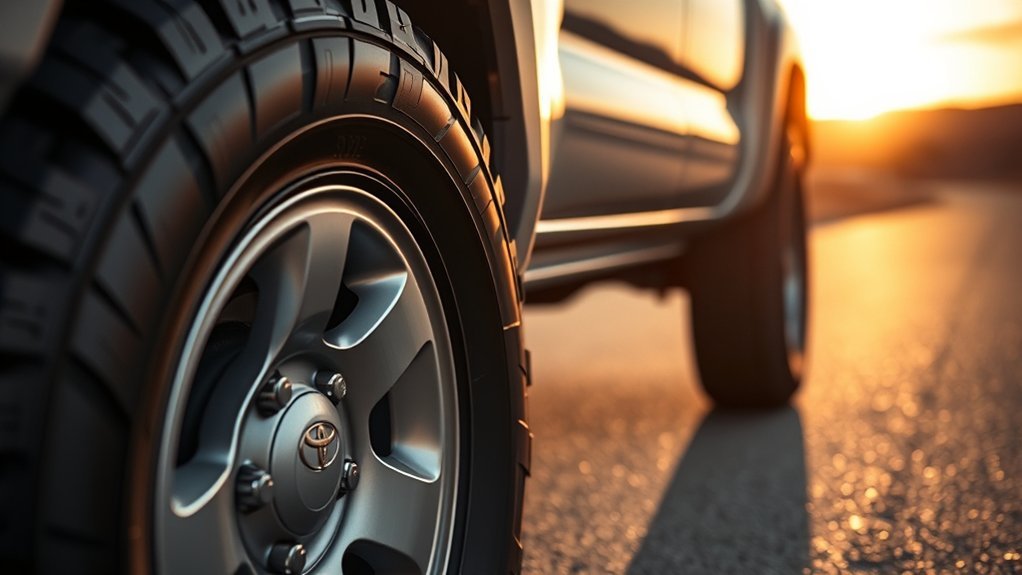
Upgrading your Toyota Tacoma tires can improve highway comfort, wet traction, tread life, or off-road confidence, but bigger is not always better. A larger or heavier tire can reduce MPG, slow acceleration, change braking feel, and make the truck ride firmer.
Before switching sizes, check these points:
- Original tire size: Confirm the size on the driver-door placard, not just the size currently mounted on the truck.
- Overall diameter: A taller tire can change speedometer accuracy and transmission shift feel.
- Load and speed rating: Match or exceed the original tire rating unless a qualified tire professional confirms the change is safe.
- Clearance: Check full steering lock, suspension compression, mud flaps, fender liners, and spare tire storage.
- Weight: LT-rated and all-terrain tires are often heavier than passenger/light-truck highway tires, which can affect fuel economy and ride.
- Driving conditions: If you drive almost all highway miles, aggressive all-terrain tread may be unnecessary.
A size such as 275/70R17 may work for some Tacoma setups, but it should not be treated as a universal no-modification upgrade. If your goal is fuel efficiency and comfort, staying close to the stock size is usually the safer choice.
Frequently Asked Questions
What are the best tires for driving a Toyota Tacoma many highway miles?
For many highway miles, choose a highway all-season tire in the original Tacoma size. The Michelin Primacy LTX is a good fuel-conscious comfort pick, while the Michelin Defender LTX M/S 2 is better for long tread life and all-season truck use.
Is the Michelin Primacy LTX an all-terrain tire?
No. The Michelin Primacy LTX is a highway-focused all-season light-truck/SUV tire. If you want an all-terrain tire for regular gravel, dirt, or snow, compare options such as the BFGoodrich All-Terrain T/A KO3.
What PSI should Toyota Tacoma tires be for highway driving?
Use the cold tire pressure listed on your driver-door placard or owner’s manual. Do not assume 30 psi is correct for every Tacoma, and do not use the tire sidewall maximum as your daily driving target.
Are all-terrain tires bad for Tacoma highway MPG?
Not always, but all-terrain tires are often heavier and more aggressive than highway tires. That can add rolling resistance and road noise. If your Tacoma rarely leaves pavement, a highway all-season tire is usually the better MPG and comfort choice.
How often should Tacoma tires be rotated?
Follow your owner’s manual and maintenance guide. A practical Tacoma interval is every 5,000 miles or 6 months, especially if you tow, haul, drive dirt roads, or notice uneven tread wear.
Conclusion
For long highway drives in a Toyota Tacoma, the best tire is usually an OEM-size highway all-season tire with the right load rating, speed rating, and cold PSI. The Michelin Primacy LTX is the fuel-conscious comfort pick, while the Michelin Defender LTX M/S 2 is the stronger long-wear road-trip choice. Choose the BFGoodrich KO3 only if you truly need all-terrain strength.
Before you buy, check your door placard, compare the tire’s warranty and wet-road performance, and think carefully before upsizing. The right tire will keep your Tacoma quieter, safer, more efficient, and easier to live with on long highway miles.
Sources
- Toyota 2026 Tacoma official specifications — Tacoma trim, powertrain, and MPG reference.
- Toyota Tacoma tire inflation pressure owner resource — model-specific tire pressure reference.
- NHTSA TireWise tire safety guide — cold tire pressure, placard PSI, tread, and tire safety guidance.
- FuelEconomy.gov gas mileage maintenance tips — tire inflation and fuel economy effects.
- Michelin Primacy LTX — tire category, fuel-efficiency positioning, and warranty information.
- Michelin Defender LTX M/S 2 — tire category, comfort, durability, and warranty information.