Disclosure: As an Amazon Associate, we earn from qualifying purchases. If you click a link on this page and make a purchase, we may receive a small commission at no extra cost to you.
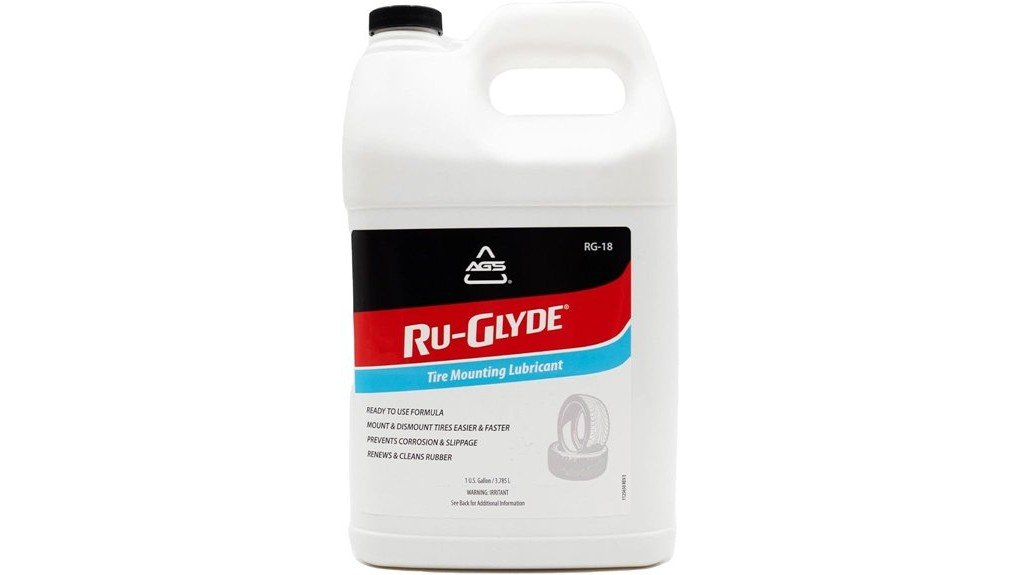
Mounting a tire without the right bead lubricant can mean extra force, scratched wheels, pinched tubes, or a bead that refuses to seat cleanly. AGS Ru-Glyde Tire Mounting and Rubber Lubricant, model RG-18, gives you a ready-to-use liquid for reducing friction during mounting and demounting. Its 1-gallon format works best for tire shops, fleet maintenance, and frequent home use, but the jug does not include an applicator. This review explains where Ru-Glyde performs well, how to use it correctly, and when a paste or smaller product may suit you better.
Quick Verdict
Rating: 8.5/10
Best For: Tire shops, fleet technicians, and DIY users who mount several tires and want a ready-to-use liquid.
Bottom Line: Ru-Glyde RG-18 reduces bead friction, dries without greasy residue, and includes a rust inhibitor for wheel protection. Its main tradeoffs are the large container and the need to supply your own brush, rag, or sprayer.
| Specification | Detail |
|---|---|
| Brand | AGS, American Grease Stick Company |
| Model | RG-18 |
| Product type | Tire mounting and rubber lubricant |
| Container size | 1 gallon, 3.78 liters |
| Formula | Ready-to-use, water-based liquid |
| Color and odor | Clear to slightly amber, with a mild odor |
| Wheel compatibility | Steel and alloy wheels, including TPMS-equipped applications listed by AGS |
| Tire applications | Passenger, light truck, ATV, garden, agricultural, commercial, OTR, low-profile, and run-flat tires |
| Rust protection | Contains a rust inhibitor |
| Flammability | Non-flammable |
| Applicator included | No |
| Listed shelf life | 3 years sealed, 12 months after opening |
| Safety note | Follow the product label and current Safety Data Sheet before use |
Key Takeaways
- Ru-Glyde RG-18 is a premixed, water-based tire mounting lubricant in a 1-gallon plastic jug.
- It lowers friction at the bead and rim, which can reduce mounting force and bead damage when you use it correctly.
- The formula contains a rust inhibitor and dries without a greasy residue that could encourage bead slip.
- AGS lists it for steel, alloy, and TPMS-equipped wheels, plus tire types ranging from passenger tires to run-flats and OTR applications.
- You need your own soft brush, rag, or suitable sprayer because the gallon jug does not include an applicator.
What Is Ru-Glyde Tire Mounting Lubricant?
Ru-Glyde RG-18 is a liquid tire mounting and rubber lubricant made by AGS. You use it on the tire bead and wheel contact area before mounting or demounting. The water-based formula reduces friction so the bead can move over the rim with less force.
The 1-gallon jug comes premixed, so you do not need to measure water or prepare a batch. AGS positions it for professional tire service and a wide range of tires, including passenger, light truck, agricultural, commercial, low-profile, and run-flat designs. The large container also makes more sense for repeated jobs than for a single emergency repair.
Who Should Buy It?
Best For
- Tire shops that need a ready-to-use liquid for frequent mounting and demounting.
- Fleet or farm maintenance teams working with several tire sizes.
- Experienced DIY users with a tire changer and proper mounting tools.
Skip If
- You only need enough lubricant for one or two small jobs.
- You want a paste that clings more heavily to stiff or vertical bead surfaces.
- You do not have the correct tire-changing equipment or training for the tire type.
Before You Buy: Ru-Glyde is a lubricant, not a substitute for tire-changing tools, bead-seating procedures, or manufacturer instructions. The gallon jug also ships without an applicator, so plan to use a clean soft brush, rag, or compatible sprayer.
[Products Worth Considering]

The Calvana Ultra-Durable Angled Tire Lube Bucket Kit provides reliable lubrication for faster, smoother tire changes. It includes an angled universal lube bottle and premium cotton swabs to help lubricate tire beads during removal and mounting. Built for rugged use with a reinforced handle and durable fiber design, it’s a direct replacement for Coats 8106259 to reduce downtime and compatibility concerns.
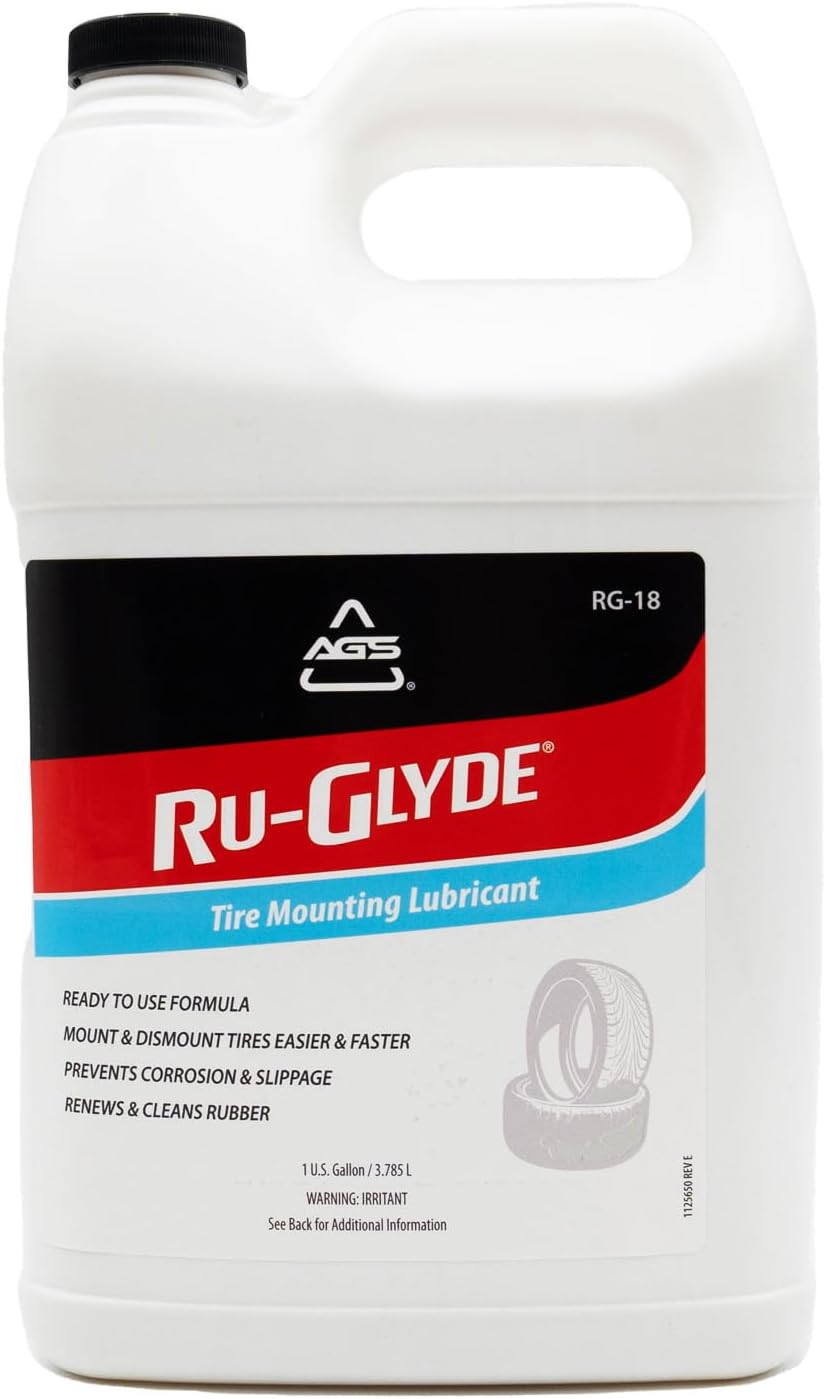
Ru-Glyde tire mounting lubricant from AGS seats tire beads smoothly on the first try with a thick, stay-put formula. It is ready to use with no mixing or dilution, helps prevent rim rust, and dries completely without causing bead slip residue. The water-based formula also conditions aged rubber, making it useful for sidewalls, gaskets, and door seals while remaining safe for tire, wheel, and technicians.

Malco tire mounting and demounting lubricant is a ready-to-use tire lube formulated to reduce friction during tire installation for passenger cars, light trucks, farm tires, and heavy-duty equipment. It provides rust-inhibiting protection to help reduce corrosion on rims and wheels, and helps support proper tire bead seating during inflation to reduce air leakage. The silicone-free, soap-free formula is whitewall safe to help prevent discoloration on whitewall tires and sensitive sidewall markings.
Formula, Lubrication, and Bead Protection
The main benefit is controlled friction reduction. A light coat helps the bead slide over the rim instead of catching and stretching under excessive force. This matters most with stiff beads, low-profile tires, and jobs where repeated prying could mark the wheel or damage the bead area.
Ru-Glyde is thin enough to spread with a brush, rag, or sprayer, but AGS describes it as a stay-put liquid that coats the bead evenly. Because it is already mixed, you also avoid inconsistent batches caused by adding too much or too little water to a concentrate.
The formula dries quickly and leaves no greasy residue. AGS and NAPA also state that it will not cause the tire to slip on the rim after mounting and balancing when used as directed.
Wheel, TPMS, and Tire Compatibility
AGS lists Ru-Glyde for steel and alloy wheels, including TPMS-equipped applications. The formula is non-staining and contains a rust inhibitor, which gives you an advantage over improvised soaps or petroleum-based products that may leave unwanted residue or affect rubber.
The current product information covers passenger and light-truck tires, ATV and garden tires, heavy-duty and commercial work, agricultural tires, OTR tires, low-profile tires, and run-flats. Compatibility does not remove the need for correct tools. Run-flat and large commercial tires may require specialized equipment, trained handling, and tire-maker procedures.
How to Use Ru-Glyde on Tires
Start by inspecting and cleaning the rim and bead area. Remove dirt, corrosion flakes, old lubricant, and debris that could interfere with seating. Check the tire and wheel for damage before applying any lubricant.
| Step | Action | Why It Matters |
|---|---|---|
| 1 | Clean and inspect the bead and rim. | Debris or corrosion can stop the bead from seating evenly. |
| 2 | Apply a thin, even coat to the required contact areas. | Even coverage reduces drag without creating puddles. |
| 3 | Mount the tire with the correct machine and technique. | Proper tools limit bead and wheel damage. |
| 4 | Seat and inflate according to tire and equipment instructions. | Correct pressure and restraint procedures are essential for safety. |
| 5 | Wipe away excess and allow the film to dry. | A clean finish keeps the wheel and work area tidy. |
Pro Tip: Pour a small working amount into a labeled applicator container instead of repeatedly dipping a dirty brush into the gallon jug. This helps control application and reduces contamination.
How It Performs in Real Use
For Passenger and Light-Truck Service
For routine shop work, the premixed formula saves a preparation step and spreads quickly. A thin coat can help the bead move into place with less resistance, which is useful when you are handling several tires in one session.
For Low-Profile and Run-Flat Tires
Stiffer beads create more drag and place greater demands on tools and technique. Ru-Glyde can reduce that friction, but it cannot compensate for an unsuitable changer or poor bead positioning. Follow the tire and equipment maker’s instructions throughout the job.
For Agricultural, OTR, and Garden Tires
The gallon size fits maintenance settings where tire sizes vary and small bottles run out quickly. For tube-type tires, controlled lubrication can also help reduce pinching during installation, but careful tube placement remains essential.
For Occasional DIY Work
The ready-to-use formula is convenient, but one gallon may be more product than you need. A smaller bottle or mounting paste may be easier to store if you rarely change tires. The listed 12-month shelf life after opening also matters for low-volume users.
Safety, Cleanup, and Storage
Ru-Glyde is water-based and listed as non-flammable, but you should still treat it as a shop chemical. Read the current product label and Safety Data Sheet, use the specified personal protective equipment, and keep it away from children and food-contact areas. NAPA lists the product as not food-grade.
Wipe spills promptly and keep the container closed when not in use. Store it according to the label, away from conditions that could damage the jug or contaminate the contents. AGS currently lists a shelf life of three years when sealed and 12 months after opening.
Ru-Glyde is also marketed for conditioning some rubber surfaces. Treat that as cosmetic maintenance, not structural repair. Replace tires, seals, or other rubber parts that are cracked, separated, badly weathered, or otherwise unsafe.
Pros and Cons
Pros
- Ready-to-use formula requires no dilution or mixing.
- Reduces friction during tire mounting and demounting.
- Contains a rust inhibitor for steel and alloy wheel protection.
- Dries quickly without a greasy film that could attract dirt.
- Supports a wide range of passenger, commercial, farm, and specialty tire applications.
Cons
- The gallon jug may be excessive for occasional tire work.
- No brush, rag, sprayer, or other applicator is included.
- A liquid may not cling as heavily as paste on some stiff or vertical surfaces.
Is It Worth the Price?
Ru-Glyde RG-18 offers strong value for a shop or maintenance team that mounts tires regularly. The gallon size, premixed formula, and broad application range reduce the need to keep several small bottles or prepare diluted batches.
Occasional users may get less value because the product has a listed 12-month shelf life after opening and requires separate application tools. It is worth considering when you need convenient, repeatable bead lubrication, but a smaller container can be a smarter buy for infrequent use.
[Products Worth Considering]
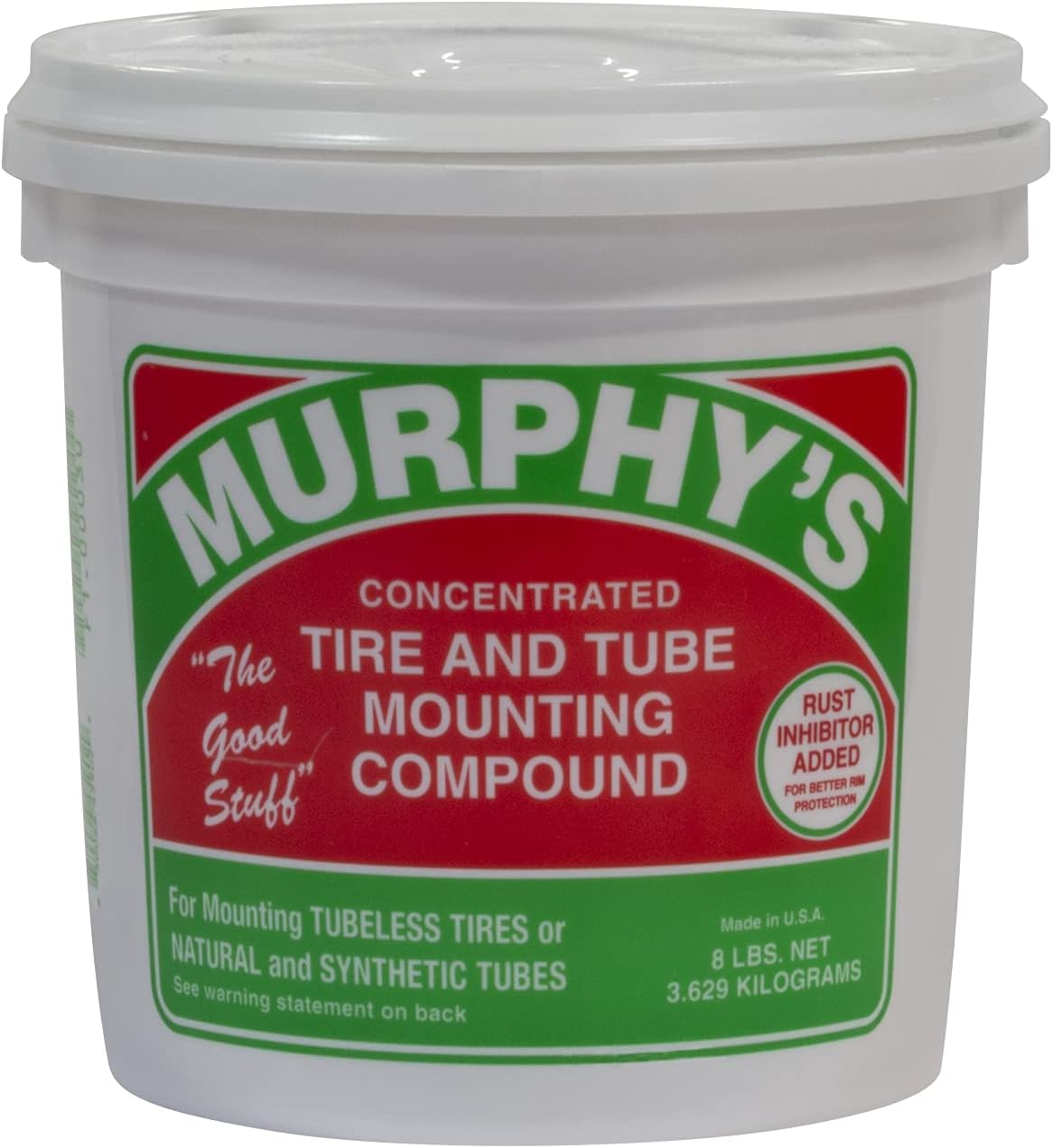
A concentrated tire and tube mounting compound designed to help simplify mounting rubber tires and tubes on passenger, semi truck, construction, and OTR applications. Its ultra-thick formula packs beads effectively and includes rust inhibitors to help protect against corrosion during use.

Clean wheels and rims with soft feathered bristles that safely remove dirt and road grime while helping restore original luster. The short non-slip handle makes it easy to scrub in tight wheel wells, and the brush is suitable for vehicles and hard-to-reach areas. It can also be soaked and rubbed to help restore bristles to their shape after use.

This metal-free wheel and tire cleaning brush uses dense, fluffy synthetic wool to safely clean rims, spokes, fenders, and engine areas without worrying about damaging surfaces. Its flexible, comfortable design helps you reach detailed areas while maintaining durability, and the extra absorbent fibers work well with wheel spray cleaners for faster cleanup. Reusable and washable performance helps prevent grime and build-up for cleaner vehicles and easier maintenance at home.
How It Compares to Alternatives
AGS Ru-Glyde Tire Mounting Paste comes in an 8-pound pail and clings more heavily, which may help with stiff beads or surfaces where liquid tends to run. The Ru-Glyde 26-ounce concentrate takes less storage space and may suit users who prefer to prepare product as needed according to its label.
The RG-18 liquid makes the most sense when you want a full gallon that is ready to apply without mixing. Choose paste when maximum cling matters more, or consider a smaller format when storage space and low usage are your main concerns.
[Products Worth Considering]

P&S Dressed Tire Finish is a premium, water-based tire dressing that delivers a deep, rich high-gloss look without the greasy residue. Its polymer blend is designed to mimic the durability and shine of traditional solvent-based dressings while staying non-hazardous and eco-friendly. Apply with a brush or spray bottle for even coverage and a professional, factory-fresh finish.

The 22800 wheel stud installer makes replacing wheel studs quick and secure, saving time and effort during tire service. It uses a ratchet or impact wrench to pull new studs firmly into place, helping when existing studs are too long. Compatible with most automotive wheels and light-duty truck wheel studs, it’s designed for easy, tool-assisted installation.

This 3-piece wheel and tire brush set makes it easy to clean light, medium, and heavy dirt from wheels, rims, tires, and exterior surfaces. It includes both soft and stiff bristle options for gentle scrubbing and tough grime removal, helping lift brake dust and road buildup. The long-handle design supports comfortable cleaning across cars, trucks, SUVs, RVs, motorcycles, and more, with simple care instructions to restore brush shape.
Frequently Asked Questions
Does Ru-Glyde RG-18 need to be mixed with water?
No. RG-18 is a ready-to-use liquid, so you can transfer a small amount to a clean applicator and use it without dilution. Follow the label for application and storage directions.
Is Ru-Glyde safe for alloy wheels and TPMS sensors?
AGS lists the liquid for alloy wheels and TPMS-equipped applications. Apply only where required, avoid flooding the sensor area, and follow the wheel, tire, and TPMS service instructions.
Can you use Ru-Glyde on run-flat, agricultural, and OTR tires?
Yes, those applications appear in current Ru-Glyde product information. Large, stiff, and run-flat tires still require suitable equipment, correct restraint procedures, and trained handling.
What is the best way to apply Ru-Glyde?
Use a clean soft brush, rag, or compatible sprayer to apply a thin, even film to the contact areas specified by your tire-changing procedure. The gallon jug does not include an applicator.
Will Ru-Glyde make the tire slip on the rim?
AGS and NAPA state that the formula dries quickly and will not cause bead slip after mounting and balancing when used as directed. Avoid overapplication, wipe away excess, and allow the product to dry.
Can Ru-Glyde repair cracked or weathered tire rubber?
No. It may improve the appearance of some rubber surfaces, but it cannot repair cracks, separation, exposed cords, or structural aging. Have questionable tires inspected and replace unsafe parts.
How long does an opened gallon of Ru-Glyde last?
AGS currently lists a shelf life of three years sealed and 12 months after opening. Keep the jug closed, prevent contamination, and follow the storage instructions on the current label.
How many tire installations will one gallon cover?
AGS does not publish a fixed installation count because tire size and application amount vary. Applying a thin, controlled coat helps reduce waste and makes the gallon last longer.
The Bottom Line
AGS Ru-Glyde RG-18 is a strong choice for shops, fleets, farms, and experienced DIY users who need a ready-to-use gallon of tire bead lubricant. Its key strengths are broad tire compatibility, clean drying, and rust-inhibiting wheel protection, while its main limitations are the large container and missing applicator. Skip it if you only have one small job or need a thicker paste for maximum cling.