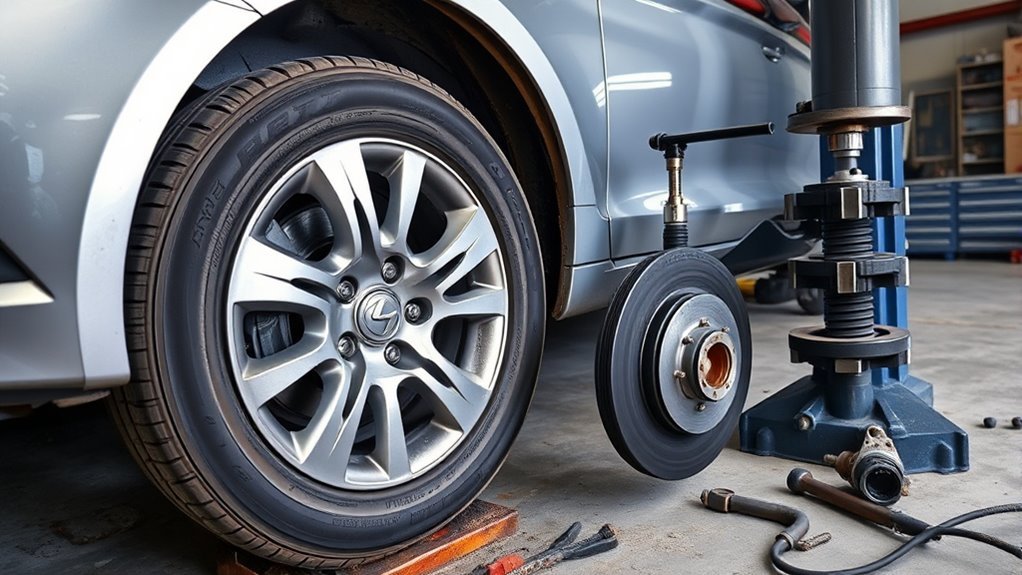
If your Hyundai Sonata has uneven tire wear, do not assume the tires are the only problem. Uneven tread can point to improper tire pressure, missed rotations, wheel misalignment, out-of-balance wheels, worn suspension parts, hard braking, aggressive cornering, or pothole damage. The right fix starts with reading the wear pattern, checking pressure and tread depth, and getting a professional inspection when the wear is severe, sudden, or keeps coming back.
Quick Answer
Uneven tire wear on a Hyundai Sonata is usually caused by incorrect tire pressure, missed rotations, wheel alignment problems, out-of-balance tires, worn suspension parts, or harsh driving conditions. Start by checking cold tire pressure, tread depth, and the wear pattern. Rotate tires on schedule, and get an alignment or suspension inspection if the car pulls, vibrates, or keeps wearing tires unevenly.
Key Takeaways
- Hyundai guidance says Sonata tires should be rotated every 12,000 km (7,500 miles), or sooner if irregular wear develops.
- One-sided wear often points to alignment or worn parts, center wear can point to overinflation, both-shoulder wear can point to underinflation, and cupping often points to balance or suspension issues.
- Check tire pressure when the tires are cold, using the pressure on the driver-door placard or owner’s manual—not the maximum pressure printed on the tire sidewall.
- If you see cords, bulges, sidewall damage, severe vibration, or tread at 2/32 inch, have the tire inspected or replaced before normal driving.
At a Glance
| Time Required | 10–15 minutes for a home tire check; 45–90 minutes for a professional alignment or tire inspection. |
| Difficulty | Easy for pressure and tread checks; professional level for alignment, suspension, and camber correction. |
| Tools Needed | Tire pressure gauge, tread-depth gauge or penny, flashlight, notepad or phone camera, and a printed alignment report from the shop if service is needed. |
| Cost | Home inspection is usually free if you already own a gauge; shop costs vary by tire condition, alignment needs, tire balancing, and any suspension repairs. |
What You Need to Know About Uneven Tire Wear in Your Hyundai Sonata
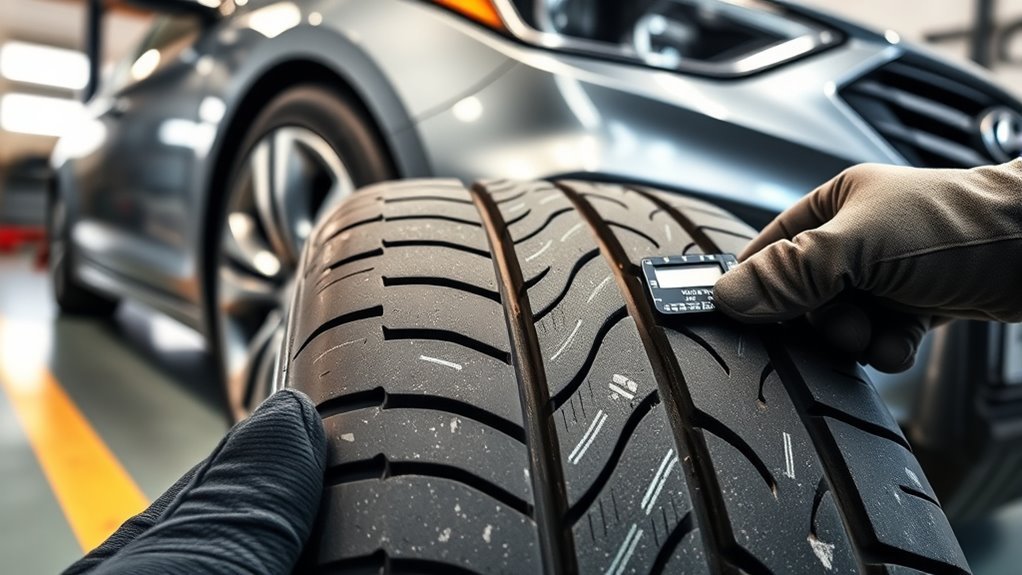
Uneven tire wear means the tread is not wearing evenly across the tire or from one tire position to another. On a Hyundai Sonata, that can show up as inner-edge wear, outer-edge wear, center wear, cupping, feathering, patchy wear, or one tire wearing much faster than the others.
The most important point is this: uneven wear is a symptom, not a diagnosis. Hyundai’s tire-rotation guidance notes that abnormal wear is usually caused by incorrect tire pressure, improper wheel alignment, out-of-balance wheels, severe braking, or severe cornering. That means the fix may be as simple as adjusting cold tire pressure, or it may require alignment, balancing, suspension repair, or tire replacement.
For routine maintenance, Hyundai recommends rotating Sonata tires every 12,000 km (7,500 miles), or sooner if irregular wear develops. During rotation, the tires should also be checked for uneven wear, damage, balance problems, bumps, bulges, visible fabric, or exposed cord.
Warning: Do not keep driving normally on a tire with visible cord or fabric, a sidewall bulge, deep cuts, sudden air loss, severe vibration, or tread worn to the wear bars. Use a safe temporary option and have the tire inspected or replaced.
Common Tire Wear Patterns and What They Mean
Reading the tread pattern helps you avoid replacing tires without fixing the real cause. Use this table as a starting point, then confirm the problem with a qualified tire or alignment technician.
| Wear Pattern | Likely Cause | What to Do |
| Inner or outer edge wear on one side of the tread | Camber or toe alignment out of specification, bent parts, worn bushings, or impact damage | Get a four-wheel alignment check and ask for before-and-after measurements. |
| Both shoulders worn faster than the center | Underinflation, heavy loading, hard cornering, or prolonged low-pressure driving | Set cold pressure to the door-jamb placard and inspect for tire damage. |
| Center tread worn faster than shoulders | Overinflation or pressure set without following the vehicle placard | Adjust pressure cold and recheck monthly. |
| Feathered tread ribs that feel sharp one way and smooth the other | Toe misalignment or steering/suspension wear | Schedule alignment and steering/suspension inspection. |
| Cupping, scalloping, or dips around the tread | Out-of-balance wheel, worn shocks/struts, loose parts, or tire/wheel runout | Have the tire, wheel balance, bearings, and suspension checked. Alignment alone may not restore a cupped tire. |
| One tire wearing much faster than the others | Position-specific alignment issue, tire damage, brake drag, suspension damage, or missed rotation | Compare all four tires, check service records, and get a professional inspection. |
A tire can tell you what the car is doing wrong: pressure problems, alignment angles, balance issues, and worn suspension parts often leave different marks on the tread.
Identifying Symptoms of Misalignment and Tire Issues
Have you noticed your Hyundai Sonata pulling to one side, drifting on a straight road, or needing the steering wheel held off-center? Those are common signs that the alignment or steering system needs attention. Uneven wear can also appear before the car feels obviously wrong, so visual checks matter.
Look for these symptoms:
- Pulling left or right on a flat, straight road
- Off-center steering wheel while driving straight
- Steering that feels loose, twitchy, or unstable
- Vibration through the steering wheel, seat, or floor
- Road noise that gets louder as speed increases
- One tire edge wearing faster than the rest of the tread
- Cupped or scalloped tread that feels wavy when you run your hand over it
- TPMS warning, repeated pressure loss, or one tire sitting visibly lower
Vibration is important because it is not always an alignment problem. It can also come from an out-of-balance wheel, tire separation, bent wheel, damaged tire, worn wheel bearing, or suspension issue. If the vibration is severe or appears suddenly after hitting a pothole or curb, have the vehicle inspected before continuing normal highway driving.
Causes of Tire Wear: Geometry and Driving Conditions
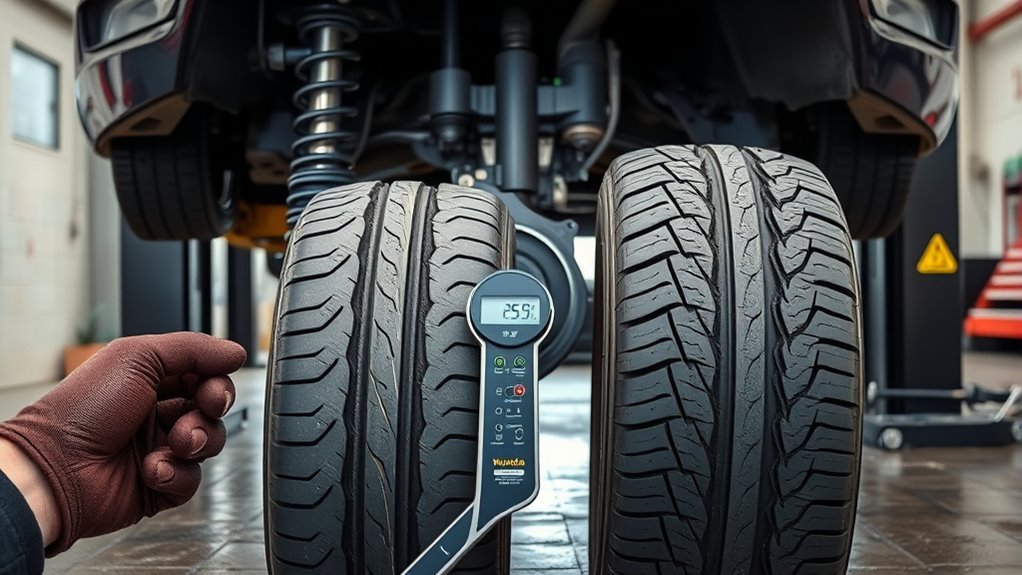
Your Sonata’s tire wear is affected by both vehicle geometry and daily driving conditions. Camber, caster, and toe control how the tire meets the road. When these angles are out of specification, the tire may scrub across the pavement instead of rolling cleanly.
Toe is a common tire-wear angle because even a small toe problem can drag the tread sideways. This often creates feathering or rapid shoulder wear. Camber describes the inward or outward tilt of the wheel. Too much positive or negative camber can wear one shoulder faster. Caster affects steering feel and straight-line stability, and a caster difference from side to side can contribute to pulling.
Road impacts also matter. A hard pothole hit, curb strike, road debris impact, or bent wheel can change alignment or damage suspension parts. Worn shocks, struts, bushings, ball joints, tie rods, and wheel bearings can also let the tire bounce or move in ways that create cupping and patchy wear.
Tire pressure is just as important. The National Highway Traffic Safety Administration says the correct pressure is the vehicle manufacturer’s recommended cold tire pressure, usually found on the driver-side door label or in the owner’s manual. The number molded into the tire sidewall is not the normal operating pressure for your Sonata.
Note: TPMS is helpful, but it is not a substitute for regular tire checks. The U.S. Tire Manufacturers Association recommends monthly inspections for inflation pressure, tread wear, and tire damage, even on vehicles with TPMS.
How to Check Your Sonata Tires at Home
You can catch many tire-wear problems before they become expensive. Park on level ground, let the tires cool, and follow these steps.
- Check pressure when the tires are cold. Use a tire pressure gauge before driving or after the car has been parked for at least three hours. Set pressure to the driver-door placard or owner’s manual specification.
- Measure tread depth. Use a tread-depth gauge if you have one. A penny test can show whether tread is near the 2/32-inch minimum, but a gauge gives a clearer reading.
- Compare inner, center, and outer tread. Write down which part is lowest. This helps identify pressure, alignment, or suspension patterns.
- Check all four tires, not just the worst one. Uneven wear across positions can reveal missed rotations or a problem on one corner of the vehicle.
- Inspect sidewalls and tread blocks. Look for bulges, cuts, exposed cord, nails, screws, cracks, or tread separation.
- Listen and feel during the next drive. Note pulling, steering-wheel angle, vibration, humming, thumping, or new road noise.
- Take photos. Photograph the tire, tread pattern, odometer, and any alignment printout. This helps if you later talk with a dealer, tire shop, or Hyundai Customer Care.
Pro Tip: Ask the alignment shop for a printed before-and-after report. The report should show camber, caster, and toe for each wheel, plus whether each value is inside the manufacturer’s specification.
[Products Worth Considering]

The Ziopetru adjustable magnetic wheel alignment tool helps you check and restore camber and caster positioning after removing and reinstalling undercarriage components. With a clear leveling/bubble measurement system and an easy zeroing adjustment knob, it supports precise horizontal angle checking. The strong magnetic base mounts to metal surfaces for convenient use at home on cars, motorcycles, trucks, vans, and SUVs.

Measure tire tread depth quickly and accurately with this LUMITECO dial gauge that reads in 1/32" increments up to 14/32". The color-coded green/yellow/red zones make it easy to judge tire wear and know when replacement is needed. A rugged, compact design with a protective pouch helps keep the gauge ready for use on cars, trucks, motorcycles, and more.

Monitor tire tread wear with a smart, color-coded depth gauge that shows clear condition ranges at a glance. The bar is range marked for fast, easy readings, helping you maintain safer traction and performance. Each gauge is portable with a pocket clip, and the set includes 20 units for daily use and sharing.
Solutions to Fix Uneven Tire Wear: Alignments and Adjustments
Fixing uneven tire wear means correcting the cause first. If the tread is already badly worn, an alignment may stop the next set of tires from wearing the same way, but it cannot put rubber back on the old tire.
Use this order of diagnosis:
- Correct tire pressure. Inflate all tires to the Sonata’s cold pressure specification. Recheck after temperature swings and before long trips.
- Rotate on schedule. Follow the Hyundai rotation interval of 7,500 miles or sooner if irregular wear develops. If the tire has directional tread or staggered sizes, follow the correct pattern for that tire setup.
- Balance the tires. If vibration appears at certain speeds, balance should be checked along with wheel and tire condition.
- Get a four-wheel alignment. Alignment should be checked after a pothole or curb hit, when installing new tires, when the car pulls or the steering wheel is off-center, or when wear returns quickly.
- Inspect suspension and steering parts. Worn shocks, struts, bushings, tie rods, ball joints, or wheel bearings can ruin tires even after an alignment.
- Replace unsafe tires. If tread is too low, cords are visible, sidewalls are damaged, or cupping is severe, replacement may be safer than trying to reuse the tire.
If your alignment report shows camber or caster outside specification, do not jump straight to aftermarket parts. On some Sonata setups, certain angles may be preset at the factory, and an out-of-spec reading can mean a bent or worn component must be repaired. Aftermarket camber bolts or camber kits should be considered only after a qualified technician confirms the need, rules out damaged parts, and explains any warranty or tire-warranty effects.
[Products Worth Considering]

The SAFELIFE dial tire tread depth gauge measures tread depth in 1/32 inch increments with clear, easy-to-read 2-inch dial face. Color zones using a traffic light system help you quickly judge whether tread is low, marginal, or ample for safer driving. Built with a durable zinc cast body and a metal detect probe for precise, comfortable use across cars, motorcycles, trucks, and buses.

Accurately measure tire tread depth with a calibrated gauge marked from 0 to 1 inch in 1/32 inch increments. The color-coded bar helps you quickly identify tread condition ranges, supporting safe driving for trucks, motorcycles, automobiles, and passenger vehicles.

Steelman white tire marking crayons provide high-contrast, semi-permanent marks for repairing and inspecting tires and equipment. They write on wet or dry, smooth or coarse surfaces including rubber, metal, glass, and wood, making them ideal for puncture location and damage outlining. The lead- and zinc-free crayons resist weather and fading yet wipe away when you no longer need the marks.
Why You Should Get Your Tires Checked Regularly
Regular tire checks protect safety, ride quality, fuel economy, and tire life. Hyundai’s tire-maintenance guidance notes that overinflation or underinflation can reduce tire life and affect handling and stopping ability. That is especially important in wet weather, when low tread and poor tire contact reduce grip.
A practical Sonata tire-care schedule looks like this:
- Monthly: Check cold tire pressure, tread depth, uneven wear, sidewall damage, and visible punctures.
- Every 7,500 miles: Rotate tires, unless your owner’s manual or tire type requires a different pattern.
- After a hard impact: Inspect tires and wheels, then get alignment checked if the car pulls, vibrates, or the steering wheel is off-center.
- When buying new tires: Ask whether alignment and balancing are recommended so the new tires do not inherit the old wear problem.
- When wear returns quickly: Have the suspension and steering inspected, not just the alignment.
When to Replace Instead of Rotate or Align
Rotation and alignment help prevent future wear, but they do not make an unsafe tire safe. Replace or professionally inspect the tire if you find:
- Tread at or below 2/32 inch
- Treadwear bars flush with the tread surface
- Visible fabric, steel cord, or belt material
- Sidewall bulges, bubbles, cracking, or deep cuts
- Repeated air loss or punctures that cannot be safely repaired
- Severe cupping with vibration, noise, or poor traction
- Uneven wear so deep that one section is near bald while the rest looks usable
The 2/32-inch tread depth threshold is a legal minimum in the U.S., not a comfort target. If you drive often in heavy rain, replacing tires before they reach the legal minimum can improve safety margin.
[Products Worth Considering]

Keep your tires properly inflated with this analog VONDIOR tire pressure gauge, designed for fast, easy readings without batteries. The swiveling, two-axis hose and large glow dial help you measure at any tire angle with instant visibility. Built with a protective rubber shield, it supports durable, low-maintenance use for cars and trucks.

Get precise tire readings with the ETENWOLF T300 Plus digital gauge, calibrated to ANSI B40.7 Grade 2A for reliable accuracy. It measures across a wide 3–200 PSI range and includes thermal compensation for dependable performance from extreme cold to heat. The bright LED display, LED illumination, and replaceable AAA batteries make it easy to check pressures quickly, even in low light.

Vigorder rubber cement glue delivers superior adhesion and cures quickly within about 30 seconds for seamless rubber bonding. Once cured, it helps provide a strong, durable, waterproof seal that holds up to vehicle weight, pressure, and heat. Suitable for cars, motorcycles, trucks, bicycles, and off-road tires, it’s designed for emergency patch and maintenance repairs.
Engaging With the Hyundai Community for Support and Insights
Hyundai forums and owner groups can be useful when you want to compare symptoms, tire brands, mileage, and alignment results with other Sonata owners. They can help you spot patterns, but they should not replace a hands-on inspection.
When asking for help, include useful details: model year, trim, tire size, tire brand, mileage on the tires, rotation history, pressure readings, photos of the wear pattern, and the alignment printout. This makes the discussion more helpful and reduces guesswork.
If the uneven wear is persistent, document every tire rotation, pressure check, alignment, balance, and suspension repair. Keep invoices and photos. If you contact a Hyundai dealer, tire manufacturer, or Hyundai Customer Care, clear records make the conversation much stronger.
Frequently Asked Questions
What is the most common cause of uneven tire wear on a Hyundai Sonata?
The most common causes are incorrect tire pressure, missed rotations, wheel alignment problems, out-of-balance wheels, and worn suspension or steering parts. The wear pattern matters: one-sided wear often suggests alignment, center wear often suggests overinflation, both-shoulder wear often suggests underinflation, and cupping often suggests balance or suspension trouble.
How often should I rotate Hyundai Sonata tires?
Hyundai’s owner-manual guidance says to rotate Sonata tires every 12,000 km (7,500 miles), or sooner if irregular wear develops. During rotation, the tires should also be checked for uneven wear, damage, and balance problems.
Will an alignment fix uneven tire wear?
An alignment can stop new uneven wear if misalignment is the cause, but it cannot restore tread that has already worn away. If the tire is cupped, bald on one edge, damaged, or too low on tread, it may still need replacement even after the alignment is corrected.
Should I buy a camber kit for Sonata tire wear?
Only consider a camber kit after a professional alignment report confirms camber is out of specification and the technician has ruled out bent, worn, or damaged suspension parts. Aftermarket alignment parts are not a first-step fix for normal tire wear.
What tire pressure should I use?
Use the cold tire pressure listed on the driver-side door placard or in the owner’s manual for your exact Sonata, tire size, and load condition. Do not use the maximum pressure printed on the tire sidewall as your normal setting.
When is uneven tire wear unsafe?
Uneven wear becomes unsafe when tread is near or below 2/32 inch, cords or fabric are visible, the tire has bulges or deep sidewall cuts, the vehicle vibrates severely, or one section of tread is much lower than the rest. In those cases, get the tire inspected before normal driving.
Conclusion
Uneven tire wear on a Hyundai Sonata is easiest to fix when you treat it as evidence. Check pressure cold, read the tread pattern, rotate on Hyundai’s recommended schedule, and get a professional alignment or suspension inspection when the car pulls, vibrates, or keeps wearing tires unevenly. If the tread is already too low or damaged, replace the tire first and fix the underlying cause before it ruins the next set.
Sources
- Hyundai Owner’s Manual — Tire Rotation — rotation interval, abnormal wear causes, and tire damage checks.
- MyHyundai Vehicle Tire Safety and Maintenance — tire pressure, tire life, handling, stopping ability, and tread checks.
- NHTSA TireWise — cold tire pressure, manufacturer placard guidance, TPMS, and tire safety.
- U.S. Tire Manufacturers Association Tire Care & Safety — monthly tire inspection guidance and professional inspection recommendations.
- Michelin Irregular Tire Wear 101 — tire wear patterns, likely causes, and corrective actions.
- Bridgestone Tire Cupping Guide — cupping causes, repair limits, and when replacement may be needed.