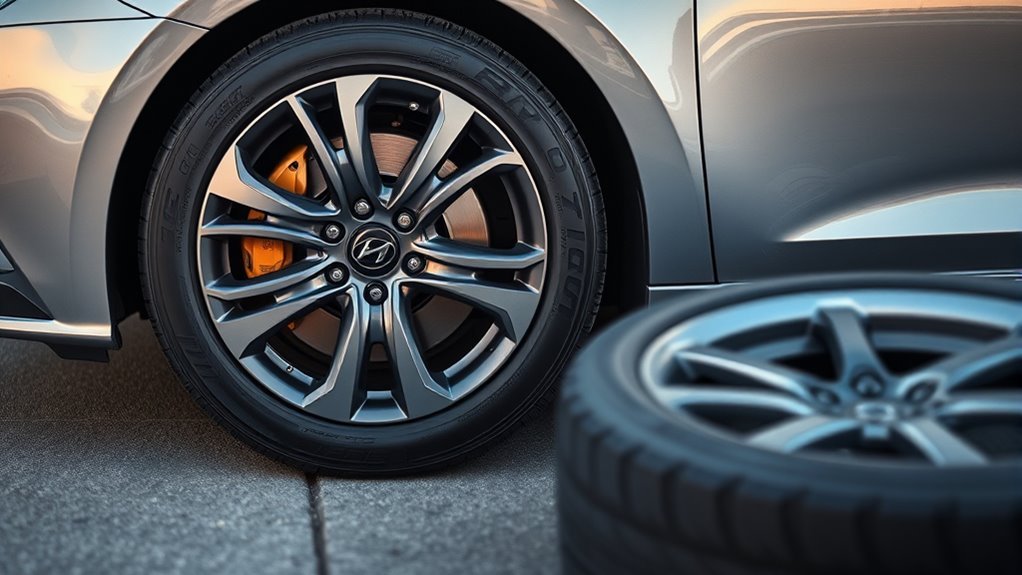
The 2020 Hyundai Sonata uses different tire sizes depending on trim, so the safest starting point is always the Tire and Loading Information Label on the driver’s door jamb. For U.S. gasoline models, Hyundai’s official 2020 Sonata specifications list P205/65R16 for SE, P215/55R17 for SEL, and P235/45R18 for SEL Plus and Limited. Use those sizes, or a properly verified equivalent, to protect ride quality, speedometer accuracy, TPMS behavior, braking, and handling.
Quick Answer
The main OEM tire sizes for the U.S. 2020 Hyundai Sonata gasoline lineup are P205/65R16 on SE, P215/55R17 on SEL, and P235/45R18 on SEL Plus and Limited. Always confirm your exact size, load rating, speed rating, and cold PSI on the driver-door placard before buying tires.
Key Takeaways
- Use the tire size printed on your Sonata’s driver-door placard as the final authority.
- For 2020 gasoline trims, the factory sizes are 205/65R16, 215/55R17, and 235/45R18, depending on trim.
- Do not copy 2021 Sonata N Line 19-inch fitment onto a 2020 Sonata unless a qualified tire shop verifies wheels, clearance, load rating, and speed rating.
- Replace tires at 2/32 inch tread at the latest, sooner for poor wet/snow grip, damage, uneven wear, or age-related cracking.
- Check tire pressure cold at least monthly; TPMS is a warning system, not a replacement for a gauge.
At a Glance
| Time Required | 10–20 minutes to confirm tire size, pressure, load rating, speed rating, and tread condition |
| Difficulty | Easy for OEM replacement; moderate if changing wheel or tire size |
| Tools Needed | Driver-door placard, owner’s manual, tire-pressure gauge, tread-depth gauge or penny, and tire size calculator for non-OEM fitment |
| Cost | Varies by tire size, brand, season type, installation, balancing, valve stems, TPMS service, and disposal fees |
2020 Sonata OEM Tire Sizes by Trim
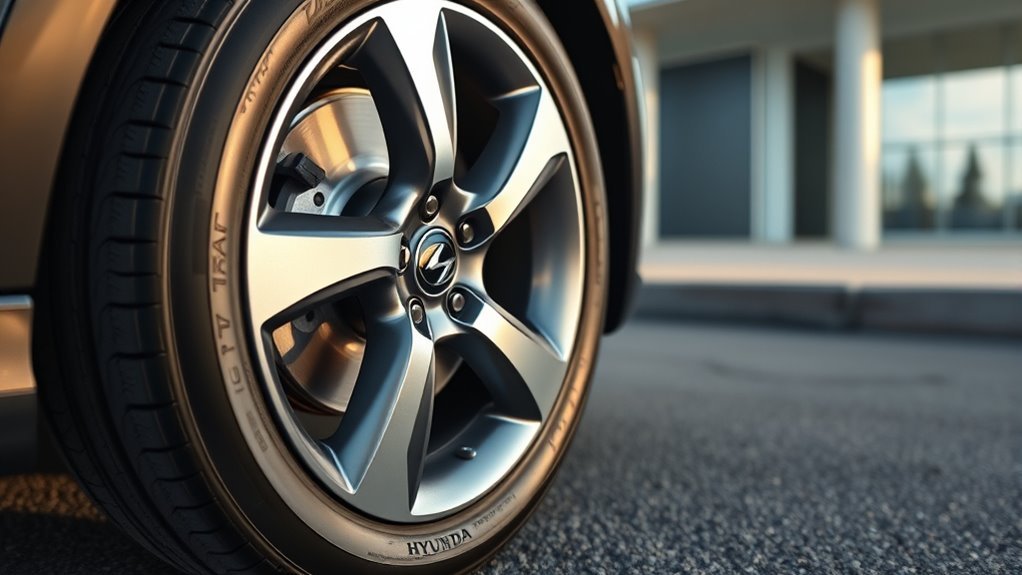
For U.S. gasoline versions of the 2020 Hyundai Sonata, the factory wheel and tire sizes are straightforward. Match your trim first, then confirm the same size on the driver-door placard because wheels may have been changed by a previous owner.
| 2020 Sonata Trim | Factory Wheel Size | OEM Tire Size |
|---|---|---|
| SE | 16 x 6.5J aluminum alloy | P205/65R16 |
| SEL | 17 x 7.0J aluminum alloy | P215/55R17 |
| SEL Plus | 18 x 7.5J aluminum alloy | P235/45R18 |
| Limited | 18 x 7.5J aluminum alloy | P235/45R18 |
Note: The 2021 Sonata N Line used different performance-oriented equipment, including 19-inch wheels. Do not assume those tires fit a 2020 Sonata. For the 2020 gasoline trims covered here, Hyundai’s factory guide lists 16-, 17-, and 18-inch wheel packages.
The factory size matters because Hyundai selected each tire diameter, sidewall height, load capacity, and speed capability to work with the Sonata’s suspension, steering, brake calibration, ABS, stability control, and TPMS. A small change may be fine when properly verified, but a random size swap can create rubbing, inaccurate speedometer readings, reduced ride quality, or warning lights.
How to Read a 2020 Sonata Tire Code
A tire code such as P215/55R17 94V tells you the tire’s type, width, sidewall height, construction, wheel diameter, load index, and speed rating. The first part is the tire size; the final number and letter are the service description.
- P means passenger-car tire.
- 215 is the section width in millimeters.
- 55 is the aspect ratio, meaning the sidewall height is 55% of the tire width.
- R means radial construction.
- 17 is the wheel diameter in inches.
- 94 is the load index. Your replacement tire should meet or exceed the load rating required on your placard or original tire.
- V is the speed rating. Speed ratings are lab-tested capability ratings, not permission to drive at that speed.
Warning: Never install a tire with a lower load index than your Sonata requires. If you choose a lower speed rating for winter tires, confirm it is allowed for your use case and obey the tire maker’s limitations.
The safest replacement is the same size, same or higher load index, and same or higher speed rating shown on your current approved tire or door placard. If the sidewall code differs from the placard, ask a qualified tire shop to verify whether the wheels were changed and whether the current setup is safe.
Compatible Replacement Sizes for the 2020 Sonata: Fitment Rules
The simplest and safest replacement is the exact OEM size for your trim. If you want a different tire or wheel size, treat it as a fitment change, not a casual substitution. A good tire shop should check the following before installation:
- Overall diameter: keep the new tire close to the factory diameter to protect speedometer accuracy, ABS, stability control, and shift behavior.
- Load index: match or exceed the required load rating.
- Speed rating: match or exceed the original rating unless a tire professional confirms a seasonal exception.
- Wheel width: make sure the tire is approved for the wheel’s width range.
- Offset and clearance: confirm strut, fender, brake, and full-steering-lock clearance.
- TPMS: confirm the sensors are compatible and functioning after installation.
- Inflation pressure: use the vehicle placard or professional load-inflation guidance, not the maximum PSI molded on the tire sidewall.
Pro Tip: If you are buying tires online, enter the trim and current tire size, then compare the result against the driver-door label before checkout. The placard wins over any search tool.
[Products Worth Considering]

The SAFELIFE dial tire tread depth gauge measures tread depth in 1/32 inch increments with clear, easy-to-read 2-inch dial face. Color zones using a traffic light system help you quickly judge whether tread is low, marginal, or ample for safer driving. Built with a durable zinc cast body and a metal detect probe for precise, comfortable use across cars, motorcycles, trucks, and buses.

Measure tire tread depth quickly and accurately with this LUMITECO dial gauge that reads in 1/32" increments up to 14/32". The color-coded green/yellow/red zones make it easy to judge tire wear and know when replacement is needed. A rugged, compact design with a protective pouch helps keep the gauge ready for use on cars, trucks, motorcycles, and more.

Monitor tire tread wear with a smart, color-coded depth gauge that shows clear condition ranges at a glance. The bar is range marked for fast, easy readings, helping you maintain safer traction and performance. Each gauge is portable with a pocket clip, and the set includes 20 units for daily use and sharing.
Best Tire Types for the 2020 Sonata by Driving Need

After you confirm size and service rating, choose the tire type based on your climate and driving style. The right category matters more than chasing the most expensive tire.
| Driving Need | Best Tire Type | Why It Fits |
|---|---|---|
| Daily commuting in mild climates | Touring all-season | Balanced ride comfort, tread life, wet grip, and road noise. |
| Frequent rain | All-season with strong wet-traction ratings | Better water evacuation and braking confidence on wet pavement. |
| Snow, ice, or regular freezing weather | Dedicated winter tire | Winter compounds and siping stay more effective in cold, snowy conditions. |
| Sharper steering in warm weather | Performance all-season or summer tire | Improves response and grip, but may reduce ride comfort or cold-weather performance. |
| Maximum comfort and economy | OEM-size touring all-season | Keeps the Sonata closest to its original ride, efficiency, and handling balance. |
[Products Worth Considering]

Replace your worn or missing TPMS sensors with pre-programmed, direct-fit sensors for compatible Ford, Lincoln, and select Mazda models. Each sensor comes ready to activate with a scan tool, helping restore accurate tire pressure monitoring and trouble-free installation. Built with a long-life CR2032 battery and tested before factory release, this set provides dependable performance with a one-year warranty.

Accurately measure tire tread depth with a calibrated gauge marked from 0 to 1 inch in 1/32 inch increments. The color-coded bar helps you quickly identify tread condition ranges, supporting safe driving for trucks, motorcycles, automobiles, and passenger vehicles.

The Trivd Frol 1/2" air impact wrench delivers high performance torque up to 1500 ft-lbs with a twin hammer impact mechanism for strong, balanced blows. It features an ergonomic grip, compact lightweight design, and quick-stop control with 3 forward speeds up to 8000 RPM plus a reverse speed. Built for demanding automotive repair and tire shop work, the rear exhaust helps keep debris away from the surface.
Recommended Tires and Brands for the 2020 Sonata
Choose tire models by size, service rating, climate, budget, and warranty terms. Reputable brands for Sonata-sized touring and performance tires include Michelin, Continental, Bridgestone, Goodyear, Hankook, Kumho, Pirelli, Yokohama, and similar major manufacturers. The best choice is the tire that matches your size and use case, not simply the most aggressive tread pattern.
[Products Worth Considering]

The TYAMATE TM8 solar-powered wireless TPMS delivers real-time tire pressure and temperature monitoring with six alarm modes for safer driving. A vibrant color LCD display shows readings clearly while windshield mounting keeps it hands-free and easy to read. With a wide 0–87 PSI range, strong 433.92 MHz signal transmission, and quick sensor pairing, it’s ideal for RV, sedan, SUV, MPV, and truck use.

Black Magic Tire Wet delivers a deep wet-look shine that makes tires appear dark, rich, and freshly detailed. Its long-lasting formula helps resist rain, dust, and road grime for weeks of glossy protection, not days. Apply by spraying onto clean, dry tires—no buffing or wiping required—with a low-sling design to reduce splatter on paint and wheels.

Keep your tires properly inflated with this analog VONDIOR tire pressure gauge, designed for fast, easy readings without batteries. The swiveling, two-axis hose and large glow dial help you measure at any tire angle with instant visibility. Built with a protective rubber shield, it supports durable, low-maintenance use for cars and trucks.
Trim-Specific Tire Picks
- SE — P205/65R16: prioritize comfort-focused touring all-season tires, low road noise, wet braking, and treadwear warranty.
- SEL — P215/55R17: choose touring all-season tires for daily driving or grand-touring all-seasons if you want a slightly more responsive feel.
- SEL Plus and Limited — P235/45R18: look for grand-touring all-season or performance all-season tires with strong wet traction and stable highway manners.
- Snow-belt drivers: consider a separate winter tire set in the correct approved size rather than relying on worn all-season tires.
Brand and Rating Matches
When comparing brands, check the details that affect real ownership: wet traction, ride comfort, noise, treadwear warranty, road-hazard coverage, rolling resistance, load index, speed rating, and availability in your exact size. A lower-priced tire can be a good buy if it meets the required ratings and has credible wet-braking performance. A premium tire is worth considering if you drive high mileage, want quieter highway manners, or need better rain and winter confidence.
Note: Tire model availability changes often. Before buying, verify that the exact size is in stock and that the load index and speed rating meet or exceed the vehicle requirement.
When Should You Replace Your 2020 Sonata’s Tires?
Replace your Sonata’s tires when tread depth reaches 2/32 inch, when wear bars are flush with the tread, or when the tire has damage such as bulges, deep cuts, exposed cords, cracking, or repeated pressure loss. For wet roads, long highway trips, or winter driving, it is smart to plan replacement earlier instead of waiting for the legal minimum.
Tread depth is only one part of tire safety. Age, pressure loss, cracking, puncture history, uneven wear, and vibration can make a tire unsafe before it is fully worn out.
Also check the tire’s DOT date code. The last four digits show the week and year the tire was made. For example, 2321 means the tire was manufactured in the 23rd week of 2021. Some vehicle and tire manufacturers recommend replacing tires after six to 10 years even if tread remains, so have older tires inspected by a tire professional.
Inflation, Rotation, and Maintenance Tips for 2020 Sonata Tires
Correct tire pressure helps the Sonata handle, brake, ride, and wear the way Hyundai intended. Check pressure when the tires are cold, meaning the car has been parked for at least three hours. Use the PSI on the driver-door placard, not the maximum pressure printed on the tire sidewall.
- Check pressure monthly: include all four tires and the spare if equipped.
- Do not rely only on TPMS: TPMS warns after pressure has dropped significantly, so it is not a substitute for a gauge.
- Rotate regularly: follow the owner’s manual; if no interval is available, many tire-safety sources recommend about every 5,000–8,000 miles.
- Inspect tread monthly: look for low tread, shoulder wear, center wear, cupping, embedded objects, cracking, or bulges.
- Check alignment: if the car pulls, the steering wheel is off-center, or one tire wears faster than the others, get alignment and suspension checked.
Warning: A tire with a bulge, exposed cord, deep sidewall cut, or repeated pressure loss should be inspected immediately. Do not keep driving on a visibly damaged tire.
Buying & Installation Checklist: Load Index, Speed Rating, Shop Tips
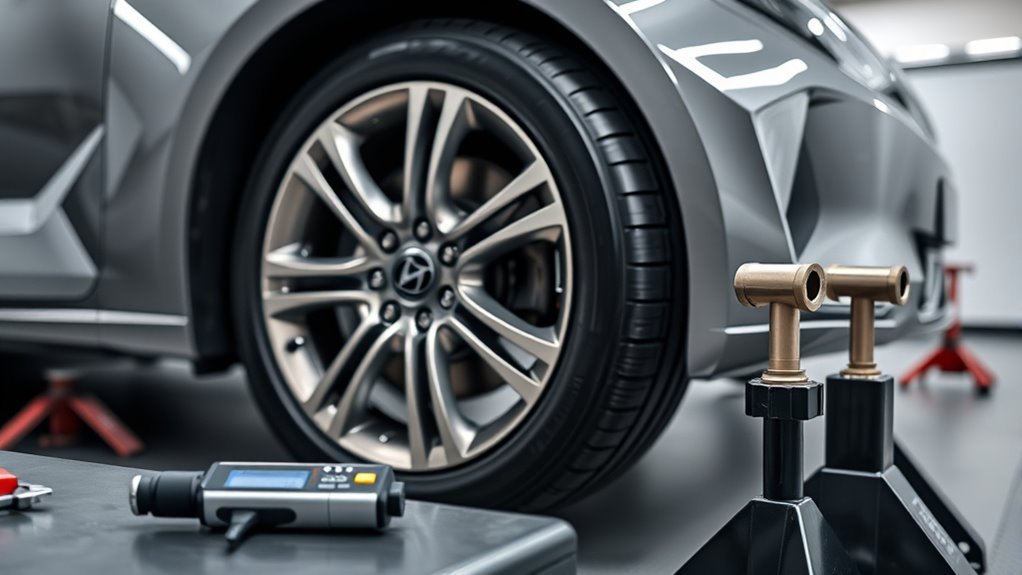
Before you approve a tire purchase, confirm the tire size, load index, speed rating, date code, and installed price. A good quote should separate the tire cost from mounting, balancing, valve stems or TPMS service, disposal fees, taxes, and road-hazard coverage.
- Match the OEM size or a professionally verified equivalent.
- Match or exceed the required load index.
- Match or exceed the original speed rating unless a tire professional confirms a seasonal exception.
- Ask for the DOT date code so you do not buy old stock without knowing it.
- Confirm whether the quote includes balancing and new valve stems or TPMS service kits.
- Ask the installer to torque lug nuts to Hyundai specification.
- Ask for a road-force balance if the car has vibration after installation.
- Keep the receipt and warranty paperwork for treadwear or road-hazard claims.
Pro Tip: After installation, recheck cold tire pressure the next morning. Shop pressure can be off because tires may be warm during service.
Frequently Asked Questions
What tires come on a 2020 Hyundai Sonata?
For U.S. gasoline trims, the 2020 Sonata came with P205/65R16 on SE, P215/55R17 on SEL, and P235/45R18 on SEL Plus and Limited. Always verify your exact tire size on the driver-door placard because wheels may have been changed.
What is my OEM tire size?
Your OEM tire size depends on trim. SE is P205/65R16, SEL is P215/55R17, and SEL Plus/Limited are P235/45R18 for the U.S. gasoline lineup. The final authority is the Tire and Loading Information Label on your driver’s door jamb.
Can I put 19-inch tires on a 2020 Sonata?
Not as a direct assumption. Hyundai’s 2020 gasoline Sonata guide lists 16-, 17-, and 18-inch factory packages. A 19-inch setup may require different wheels and careful verification of tire diameter, width, offset, load rating, speed rating, brake clearance, fender clearance, and TPMS compatibility.
Should I replace all four tires at the same time?
Replacing all four is best when tread depths differ greatly, tires are aged, or you are changing tire model/type. If replacing only two, ask the tire shop where to place the new pair and make sure the remaining tires are safe, evenly worn, and similar in performance.
How often should I rotate 2020 Sonata tires?
Follow the owner’s manual first. If you do not have a specific interval available, a practical rotation interval is about every 5,000–8,000 miles, or sooner if uneven wear appears.
What is the best oil for a Hyundai Sonata?
This tire guide is not a full oil-service guide, but the safest answer is to use the viscosity and quality standard listed in the owner’s manual for your exact engine and market. Many modern Hyundai Smartstream engines specify full-synthetic 0W-20 meeting Hyundai’s listed API/ILSAC requirements, but always verify before service.
Conclusion
The best tire choice for a 2020 Hyundai Sonata starts with the factory size for your trim: P205/65R16 for SE, P215/55R17 for SEL, and P235/45R18 for SEL Plus and Limited on U.S. gasoline models. From there, match or exceed the required load index and speed rating, choose a tire type suited to your weather, and maintain cold pressure, rotation, tread depth, and alignment. When in doubt, trust the driver-door placard and have a qualified tire shop verify any non-OEM setup before installation.
Sources
- Hyundai Motor America 2020 Sonata Product Guide — factory 2020 Sonata wheel and tire sizes by gasoline trim.
- NHTSA TireWise — tire size label, tire pressure, tread depth, TPMS, tire age, and maintenance guidance.
- U.S. Tire Manufacturers Association Tire Care Essentials — pressure checks, tread depth, rotation, and alignment guidance.
- USTMA Tire Care and Safety Guide — sidewall markings, load/speed information, rotation, tread wear, and tire inspection guidance.
- Hyundai 2021 SONATA N Line Release — confirms N Line is separate from the 2020 gasoline trim fitment covered here.
- Hyundai USA Manuals & Warranties — owner’s manual lookup for vehicle-specific maintenance and fluid requirements.