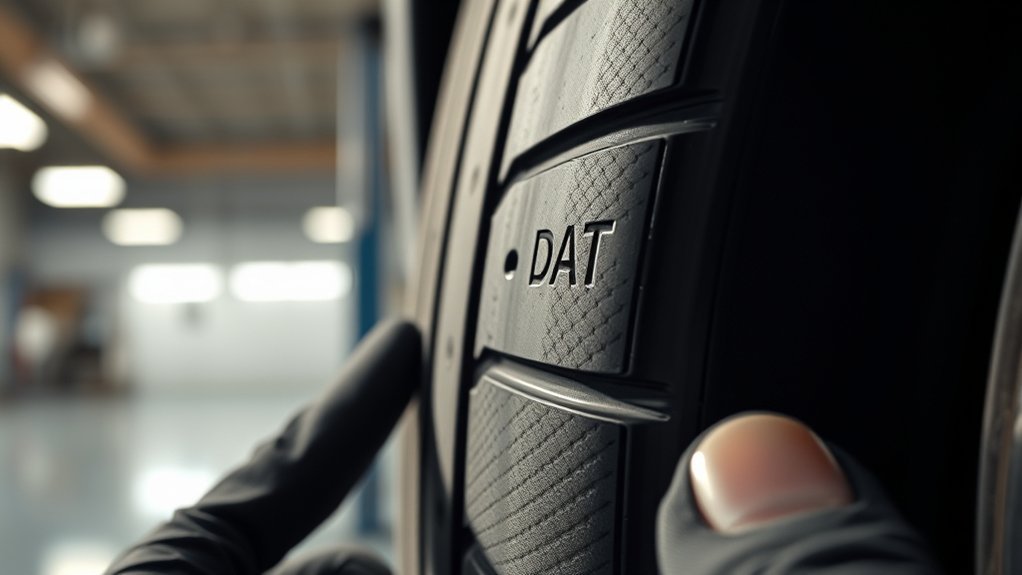
You can tell when a tire was made by reading the DOT Tire Identification Number, often called the TIN, on the tire sidewall. The key part is the date code at the end. On modern tires, the last four numbers show the production week and year, so you can quickly judge tire age before buying, mounting, or driving on a tire.
Quick Answer
Find the DOT/TIN code on the tire sidewall and read the final four digits. The first two digits show the week of manufacture, and the last two show the year. For example, 1023 means the tire was made in the 10th week of 2023.
Key Takeaways
- The tire date code is at the end of the DOT Tire Identification Number on the sidewall.
- On modern tires, the last four digits use a week-year format: WWYY.
- 1023 means the tire was made in the 10th week of 2023; 2714 means the 27th week of 2014.
- The full date code may appear on only one sidewall, so check both sides of the tire.
- A genuine three-digit date code points to a pre-2000 tire, which is far beyond normal road-use age.
- Age is only one safety factor. Also check tread depth, cracking, pressure, damage, recalls, and your vehicle or tire manufacturer’s replacement guidance.
At a Glance
| Time Required | 1–3 minutes per tire |
| Difficulty | Easy |
| Tools Needed | Flashlight, clean cloth, and phone camera if the code is hard to see |
| Cost | Free |
Find the DOT Number on Your Tire
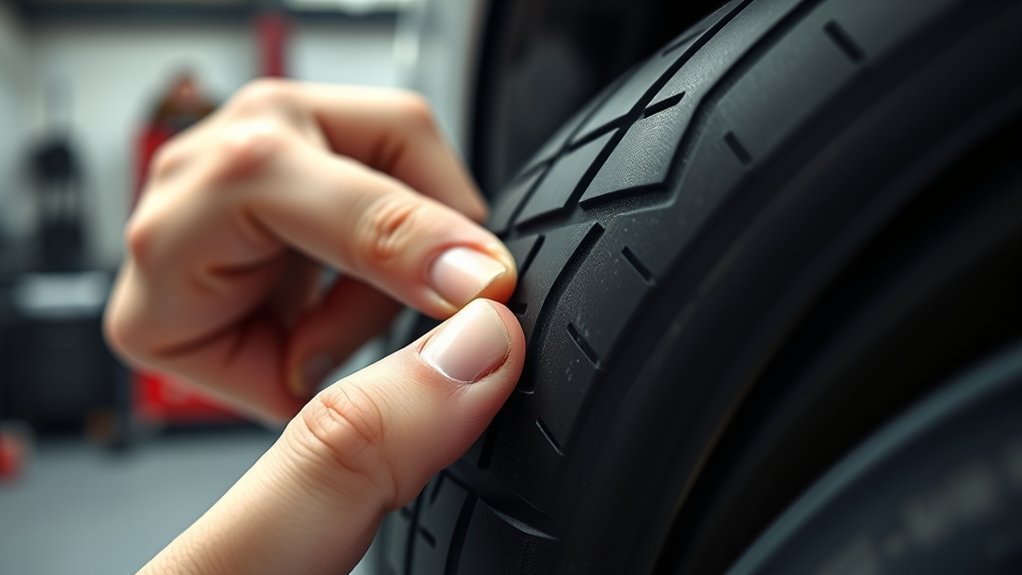
Start by looking for the letters DOT molded into the tire sidewall. The code that follows is the tire’s identification number. In the United States, current new tires use a 13-symbol Tire Identification Number under 49 CFR § 574.5, although older tires may show older formats.
The date code is the final group in the TIN. On modern tires, it is four numbers long. The first two numbers show the week of the year, and the final two numbers show the year of manufacture.
Pro Tip: If you see DOT letters but not a four-digit date code, check the other side of the tire. The full TIN may appear on only one sidewall, especially when one side shows only a partial DOT code.
Wipe away dust, mud, or tire dressing so you can read the molded characters clearly. A flashlight helps if the code is on the inner sidewall or near the rim. If you still cannot find the complete code, ask a tire shop to inspect it before you buy or drive on the tire.
[Products Worth Considering]

The Tymate TM12 RV TPMS delivers real-time tire pressure and temperature monitoring with a stable 433Hz display for safer long-distance driving. It supports simultaneous monitoring across vehicle and trailer zones, includes six alarm modes for pressure, temperature, leakage, battery, and signal loss, and features easy DIY installation with auto calibration. Power is supplied via USB-C charging or solar recharging, with a wide 0–144 PSI range and up to 50 ft signal coverage for RVs and towable trailers.

Measure tire tread depth quickly and accurately with this LUMITECO dial gauge that reads in 1/32" increments up to 14/32". The color-coded green/yellow/red zones make it easy to judge tire wear and know when replacement is needed. A rugged, compact design with a protective pouch helps keep the gauge ready for use on cars, trucks, motorcycles, and more.

The SAFELIFE dial tire tread depth gauge measures tread depth in 1/32 inch increments with clear, easy-to-read 2-inch dial face. Color zones using a traffic light system help you quickly judge whether tread is low, marginal, or ample for safer driving. Built with a durable zinc cast body and a metal detect probe for precise, comfortable use across cars, motorcycles, trucks, and buses.
What a DOT Tire Date Code Means
A DOT tire date code tells you when the tire was manufactured. For tires made in 2000 or later, read the last four digits as WWYY:
- WW = week of the year
- YY = last two digits of the year
For example, a tire code ending in 1023 means the tire was made in the 10th week of 2023. A code ending in 2714 means the tire was made in the 27th week of 2014. The official federal date-code rule uses the first full calendar week of the year as week 01 and identifies the year with the final two digits.
| Example date code | Meaning | Plain-English reading |
|---|---|---|
| 1023 | Week 10, year 2023 | Made in early March 2023 |
| 0109 | Week 01, year 2009 | Made in the first full week of 2009 |
| 2714 | Week 27, year 2014 | Made around mid-2014 |
How to Read Tire Date Codes
Use this simple process to read a tire date code without guessing:
- Find the DOT/TIN code. Look on the sidewall for the letters DOT. Check both sidewalls if the first side does not show the complete code.
- Go to the final group. On modern tires, the date code is the last four numbers in the tire identification number.
- Split the four digits in half. The first two digits are the week. The last two digits are the year.
- Compare it with today’s date. That tells you the tire’s age from its manufacture date.
- Check condition, not age alone. Look for cracking, bulges, cuts, uneven wear, low tread, and signs of impact damage.
Note: Tire age starts from the manufacturing date, not the day you bought the tire. A tire can sit in storage before sale, so always check the date code when buying new or used tires.
The NHTSA Tire Buyers’ FAQ recommends checking the date when buying tires and knowing your vehicle manufacturer’s recommended replacement timeframe. That matters because age, tread depth, pressure, load, heat, storage, and driving conditions all affect how safe a tire is.
[Products Worth Considering]

Monitor tire tread wear with a smart, color-coded depth gauge that shows clear condition ranges at a glance. The bar is range marked for fast, easy readings, helping you maintain safer traction and performance. Each gauge is portable with a pocket clip, and the set includes 20 units for daily use and sharing.
Chemical Guys ShineLogic Tire Shine delivers a deep wet black, high-shine finish for rubber tires with a sleek look. It’s designed for durable, one-step application with minimal drips, streaks, or runs, and it helps produce effortless, long-lasting shine. Choose aerosol or trigger spray for easy use on cars, trucks, motorcycles, RVs, and more.

Black Magic Tire Wet delivers a deep wet-look shine that makes tires appear dark, rich, and freshly detailed. Its long-lasting formula helps resist rain, dust, and road grime for weeks of glossy protection, not days. Apply by spraying onto clean, dry tires—no buffing or wiping required—with a low-sling design to reduce splatter on paint and wheels.
Spot Pre-2000 Tire Date Codes
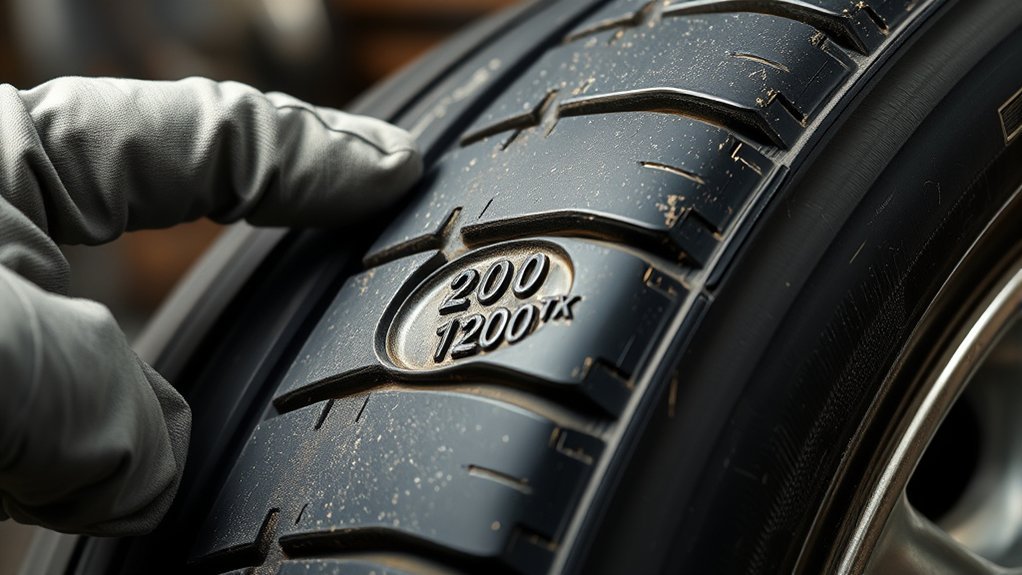
If the date code has only three digits, you are likely looking at a tire made before 2000. In that older system, the first two digits show the production week, and the final digit shows the year within the decade.
For example, 229 means the tire was made in the 22nd week of a year ending in 9. That could mean 1999, 1989, or another earlier decade, depending on the tire. Some 1990s tires also used a small triangle mark after the date code to help identify the decade.
Warning: A genuine three-digit tire date code means the tire is now more than 25 years old. Do not treat good-looking tread as proof that it is safe for normal road use. Have it replaced before driving.
[Products Worth Considering]

Accurately measure tire tread depth with a calibrated gauge marked from 0 to 1 inch in 1/32 inch increments. The color-coded bar helps you quickly identify tread condition ranges, supporting safe driving for trucks, motorcycles, automobiles, and passenger vehicles.

The Big Rig Defense Tire Thumper is a truck tire pressure checker that lets you quickly check multiple tires by giving them a firm whack. Listen for a reassuring thump and feel the stick bounce when a tire is fully inflated, helping you get back on the road safely. It features a comfortable, glove-friendly handle and a secure wrist strap for confident use on busy routes.

The Trivd Frol 1/2" air impact wrench delivers high performance torque up to 1500 ft-lbs with a twin hammer impact mechanism for strong, balanced blows. It features an ergonomic grip, compact lightweight design, and quick-stop control with 3 forward speeds up to 8000 RPM plus a reverse speed. Built for demanding automotive repair and tire shop work, the rear exhaust helps keep debris away from the surface.
Why Tire Age Matters for Safety
Tire age matters because rubber compounds, internal materials, and bonding can degrade over time. A tire can look usable from the outside and still be weakened by age, heat, sunlight, ozone, storage conditions, underinflation, or long periods of sitting.
Check the DOT date code, but do not stop there. Tire age, tread depth, pressure, cracking, damage, and manufacturer guidance all matter.
As a general rule, have tires inspected by a trained tire professional once they have been in service for about five years. Michelin recommends replacing tires ten years after the manufacture date as a precaution, even if tread remains, and that guidance includes spare tires. Continental also advises that tires more than ten years old should be removed from service and replaced.
Some vehicle or tire manufacturers may recommend a shorter service period, so check your owner’s manual and tire warranty information. If the tire is cracked, bulging, punctured in an unsafe area, worn to the treadwear bars, repeatedly losing pressure, or damaged from impact, replace it sooner no matter what the date code says.
What to Check Besides the Date Code
The DOT date code is only one part of a tire safety check. Before a long trip, before buying used tires, or before mounting old spares, check these items too:
- Tread depth: Replace tires that are at or below the legal minimum, and consider earlier replacement for wet or winter driving.
- Sidewall cracks: Fine weather-checking can signal age; deep cracks are a stronger warning sign.
- Bulges or bubbles: These can point to internal damage and should be inspected immediately.
- Uneven wear: Feathering, cupping, or one-sided wear can point to alignment, suspension, rotation, or inflation problems.
- Cold tire pressure: Use the pressure on the vehicle placard or owner’s manual, not the maximum pressure molded on the tire sidewall.
- Recalls: Use the full TIN to check tire recalls through NHTSA TireWise.
Frequently Asked Questions
How do you tell tire age from the DOT number?
Find the DOT Tire Identification Number on the sidewall and read the final four digits. The first two digits show the production week, and the last two digits show the production year. For example, 1023 means the tire was made in the 10th week of 2023.
How do you read a 3-digit DOT tire date code?
A three-digit date code is an older pre-2000 format. The first two digits show the week, and the final digit shows the year within the decade. Because any genuine three-digit tire date code is now very old, the tire should be replaced rather than used for normal driving.
What if I can only find DOT letters but no date code?
Check the other sidewall. Many tires show a partial DOT/TIN on one side and the complete code with the date on the other side. If the tire is mounted and the full code is on the inner sidewall, use a flashlight or ask a tire shop to inspect it safely.
Is a 6-year-old tire unsafe?
Not automatically, but it deserves a careful inspection. Many tire makers recommend professional inspections after about five years of service and replacement by ten years from the manufacture date. Always follow the shorter limit if your vehicle or tire manufacturer gives one.
Do spare tires have date codes too?
Yes. Spare tires also have DOT/TIN markings, and they age even if they are rarely used. Check the spare’s date code, pressure, sidewall condition, and tread before relying on it in an emergency.
Can a tire be too old even if the tread looks good?
Yes. Tread depth does not show everything happening inside the tire. Age, heat, storage, cracking, underinflation, load, and internal damage can all affect safety. If the tire is old or questionable, have it inspected by a tire professional.
Conclusion
Reading a tire date code is simple once you know where to look. Find the DOT/TIN on the sidewall, read the final four digits, and split them into week and year. A code like 1023 means week 10 of 2023. If you see a three-digit date code, treat the tire as pre-2000 and replace it before driving.
The date code gives you a clear manufacturing timestamp, but it is not the whole safety story. Check tread depth, pressure, cracking, damage, recalls, and the guidance from your tire and vehicle manufacturer. When in doubt, have the tire inspected before you trust it on the road.
Sources
- 49 CFR § 574.5 — Tire identification requirements — supports current TIN structure and date-code format.
- NHTSA Tire Buyers’ FAQ — supports checking the last four digits and looking on both sidewalls.
- NHTSA TireWise — supports tire safety, maintenance, labeling, aging, and recall guidance.
- Michelin: When to Replace Tires — supports inspection after five years and replacement by ten years from manufacture date.
- Continental: Replacing Tires — supports DOT age checking, pre-2000 code context, and ten-year replacement guidance.