
How to Read a Toyota Hilux Tire Size Like a Pro
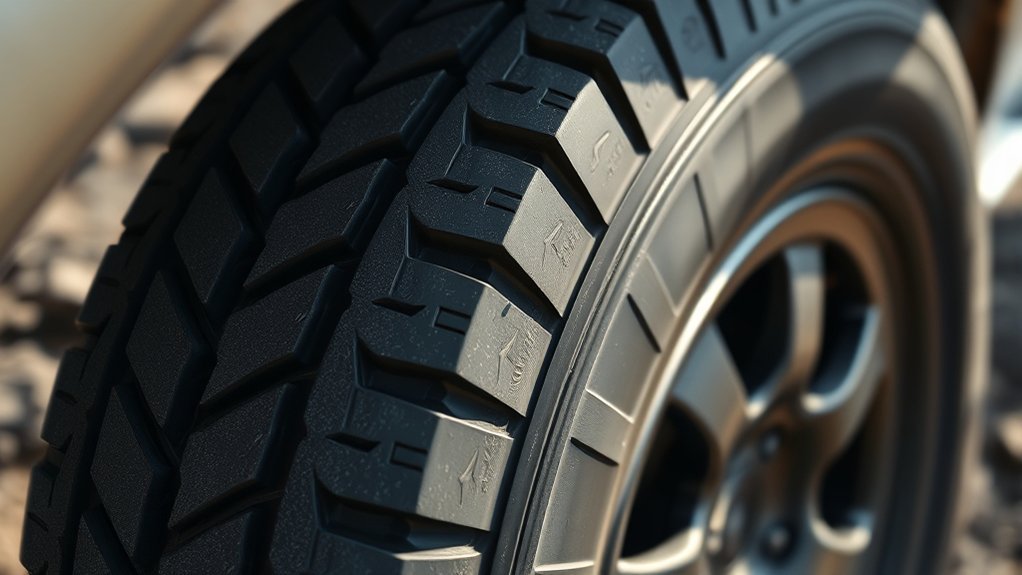
Reading a Toyota Hilux tire size is easier once you know what each number and letter means. The safest place to start is the tire placard on the driver-side door frame or B-pillar, then you can compare that information with the tire sidewall and your owner’s manual before buying replacements.
Quick Answer
To read a Toyota Hilux tire size, check the door placard first, then match the tire sidewall. In 265/65R17 112S, 265 is width in millimeters, 65 is the aspect ratio, R means radial, 17 is wheel diameter in inches, 112 is load index, and S is speed rating.
Key Takeaways
- Use the Hilux tire placard and owner’s manual as the final authority, especially if a previous owner changed the wheels or tires.
- A size such as 265/65R17 tells you tire width, sidewall height ratio, construction type, and wheel diameter.
- The load index and speed rating must meet or exceed Toyota’s recommended specification for your exact Hilux.
- Hilux tire sizes vary by year, country, trim, body style, drivetrain, and wheel package, so do not rely on a generic online size list alone.
At a Glance
| Time Required | 5–10 minutes |
| Difficulty | Easy |
| Tools Needed | Torch or phone light, owner’s manual, tire pressure gauge |
| Cost | Free to check; tire replacement cost depends on size, brand, load rating, and tire type |
How to Identify Your Tire Size on a Toyota Hilux and Why It Matters
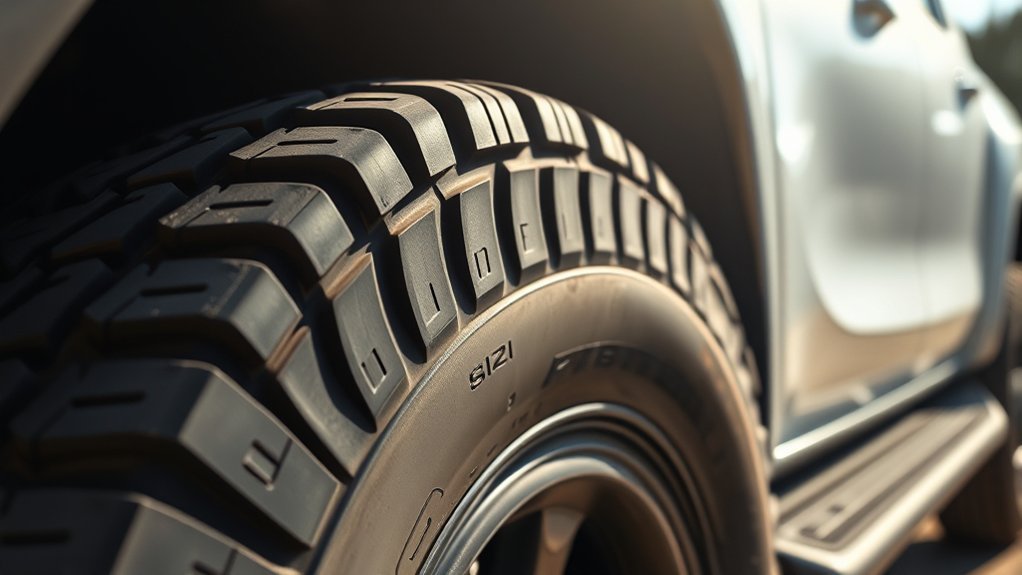
Start with the tire placard, usually found on the driver-side door edge, door post, or B-pillar. That placard lists the manufacturer-recommended tire size and cold tire pressure for your vehicle. The National Highway Traffic Safety Administration also recommends checking the owner’s manual or Tire and Loading Information Label to confirm the correct tire size.
Then check the tire sidewall. You should see a code similar to 265/65R17 112S, 265/60R18, or another size depending on your Hilux model. Do not assume the tire currently fitted is correct. A previous owner may have installed aftermarket wheels, a different tire size, or tires with the wrong load rating.
- Find the tire placard. Look on the driver-side door frame, door edge, or B-pillar.
- Read the sidewall code. Write down the size, load index, and speed rating.
- Compare all four tires. Make sure the sizes and ratings match the correct axle requirements.
- Check the spare. Some Hilux models use a full-size spare, while others may differ by market or equipment package.
- Confirm before buying. Use the owner’s manual, Toyota dealer, or a qualified tire professional if anything does not match.
Warning: Do not choose replacement tires with a lower load index or speed rating than Toyota specifies for your Hilux. Underrated tires can overheat, wear faster, reduce stability, and become unsafe under load or while towing.
How to Decode a Toyota Hilux Tire Size Example
Here is how to read a common Hilux-style size: 265/65R17 112S.
| Code | Meaning | What it means on a Hilux |
|---|---|---|
| 265 | Section width in millimeters | The tire is about 265 mm wide from sidewall to sidewall. |
| 65 | Aspect ratio | The sidewall height is 65% of the tire width, or about 172 mm. |
| R | Radial construction | The tire uses radial construction, the common modern construction for passenger and light-truck tires. |
| 17 | Wheel diameter in inches | The tire fits a 17-inch wheel only. |
| 112 | Load index | Load index 112 equals 1,120 kg per tire at the correct pressure. |
| S | Speed rating | S is rated up to 180 km/h under specified test conditions. |
For current examples, Toyota UK lists 265/65R17 and 265/60R18 on its Hilux technical specifications, while Toyota Australia’s May 2026 HiLux specification sheet also shows these sizes across different grades. Always check your exact vehicle because Hilux tire sizes vary by country, trim, body style, drivetrain, and wheel package.
Note: The “MAX PRESS” printed on a tire sidewall is not the recommended daily tire pressure for your Hilux. Use the cold pressure shown on the tire placard or owner’s manual.
Why Tire Type Matters for Your Vehicle
The first letters, or sometimes the lack of a letter, help explain the tire’s intended use. You may see markings such as P for passenger, LT for light truck, C for commercial/light commercial use, XL or Reinforced for extra load capacity, or no prefix on some metric tires.
For a Toyota Hilux, tire type matters because the vehicle may be used for daily driving, towing, carrying tools, farm work, highway trips, or off-road travel. A tire that fits the wheel is not automatically the right tire. It also needs the correct load capacity, speed rating, construction, pressure range, and legal compliance for your market.
Pro Tip: If your Hilux often carries heavy loads, tows, or travels on gravel and rough tracks, ask for tires that match Toyota’s load rating and your real use case, not just the cheapest tire in the same size.
Understanding Tire Width and Aspect Ratio
Width and aspect ratio affect the way your Hilux rides, steers, brakes, and clears the wheel arches. A wider tire can increase the contact patch, but grip also depends on tread pattern, rubber compound, tire pressure, load, and surface conditions. A taller sidewall can improve impact comfort on rough roads, while a shorter sidewall may feel sharper on pavement but less forgiving over potholes and rocks.
Tire Width Importance
The width number is measured in millimeters. In 265/65R17, the tire is about 265 mm wide. Wider is not always better. A tire that is too wide can rub the guards, increase steering effort, reduce fuel economy, or change the way the vehicle behaves in mud, sand, rain, and ruts.
| Tire Width Choice | Possible Benefit | Possible Trade-Off |
|---|---|---|
| Factory width | Best match for Toyota’s steering, braking, clearance, and speedometer calibration | May not offer the look or off-road footprint some owners want |
| Slightly wider | Can improve stance and traction in some conditions | May add weight, rolling resistance, rubbing, or fuel use |
| Too wide for the vehicle | Usually chosen for appearance only | Can reduce safety, legality, clearance, and handling predictability |
Aspect Ratio Impact
The aspect ratio is the sidewall height as a percentage of the tire width. In 265/65R17, the sidewall height is 65% of 265 mm. In 265/60R18, the tire uses the same width but a lower sidewall percentage and a larger 18-inch wheel.
- Higher aspect ratio: More sidewall height, usually better bump absorption and rim protection.
- Lower aspect ratio: Shorter sidewall, often sharper response on pavement but less cushioning.
- Overall diameter: Changing width, aspect ratio, or wheel size can affect speedometer accuracy, gearing feel, and clearance.
- Load and pressure: The size alone is not enough; load rating and pressure still matter.
How Construction Type Affects Tire Performance
The construction letter tells you how the tire is built. Most modern Hilux tires use radial construction, shown by the letter R. Radial tires are common because they balance ride comfort, heat control, tread life, and handling for road and mixed-use driving.
Construction Material Differences
Radial tires use plies arranged differently from older bias-ply designs. For normal Hilux road use, towing, and mixed driving, radial tires are the expected choice unless a specialist application calls for something else.
- Radial construction (R): Common on modern passenger, SUV, and light-truck tires.
- Bias-ply construction: Older or specialist construction that may appear in some off-road, agricultural, or trailer applications.
- Load range or ply rating: Separate from construction type; it helps indicate strength and load-carrying capability.
- Tread type: Highway terrain, all-terrain, mud-terrain, and commercial patterns can behave very differently even in the same size.
Impact on Flexibility
Radial construction generally allows the sidewall and tread area to work efficiently together. That helps with road contact, heat control, comfort, and predictable handling. However, construction is only one part of tire performance. Tread design, compound, load rating, inflation pressure, and vehicle load are just as important.
Performance in Various Conditions
A Hilux used mostly on highways does not need the same tire as a Hilux used on sharp gravel, mud, construction sites, or corrugated tracks. Match the tire to your driving conditions:
- Highway terrain: Quietest and most efficient for sealed roads.
- All-terrain: Good compromise for road, gravel, towing, and light off-road use.
- Mud-terrain: Strong off-road traction but usually noisier, heavier, and less refined on pavement.
- Commercial or reinforced tires: Useful where load carrying and durability are priorities, if they match the Hilux placard requirements.
What Load Index and Speed Ratings Mean for You?
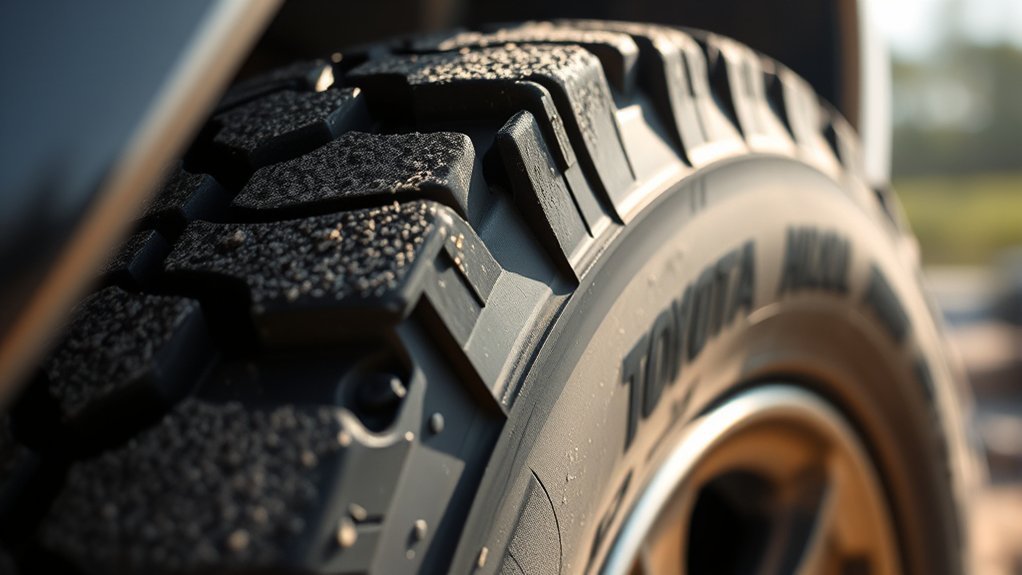
The load index and speed rating usually appear immediately after the tire size. In 265/65R17 112S, 112 is the load index and S is the speed rating. According to Michelin’s load and speed rating chart, load index 112 equals 1,120 kg per tire, and speed rating S equals 180 km/h.
That does not mean your Hilux can carry four times the tire load rating as payload. The vehicle’s own gross vehicle mass, axle limits, towball download, accessory weight, and legal limits still apply. Tires must support the vehicle safely, but they do not raise Toyota’s official load limits.
Warning: Never use load index alone to decide how much weight your Hilux can carry. Check the vehicle placard, owner’s manual, gross vehicle mass, axle ratings, and towing limits before loading or towing.
When replacing tires, choose a tire that meets or exceeds the load index and speed rating recommended for your exact Hilux. A higher rating can be acceptable, but it may change ride feel, price, weight, or comfort. A lower rating can be unsafe and may affect roadworthiness or insurance.
Where to Find More Information and Support
If you are unsure about your Toyota Hilux tire size, use reliable sources in this order:
- Tire placard: The best quick reference for the tire size and cold tire pressure approved for your vehicle.
- Owner’s manual: The most detailed source for tire pressure, spare tire notes, towing, loading, and rotation guidance.
- Tire sidewall: Useful for checking what is currently installed, but not proof that the current tire is correct.
- Toyota dealer: Helpful when the vehicle has factory options, regional differences, or accessories.
- Qualified tire shop: Important for aftermarket wheels, plus-sizing, load-carrying work, or off-road setups.
Official Toyota specification examples show why confirmation matters. The Toyota UK Hilux technical specifications list 265/65R17 and 265/60R18 depending on grade, while the Toyota Australia May 2026 HiLux specification sheet shows different sizes across 4×2 and 4×4 grades.
Common Toyota Hilux Tire Size Mistakes to Avoid
- Buying by rim size only: A 17-inch tire must also match width, aspect ratio, load index, and speed rating.
- Copying another Hilux online: That vehicle may be a different year, market, trim, lift height, or wheel offset.
- Ignoring load rating: This is especially risky for towing, trade vehicles, canopies, drawers, tools, camping gear, and bull bars.
- Using sidewall max pressure: The recommended cold pressure comes from the Hilux placard or owner’s manual.
- Fitting oversized tires without checks: Larger tires can rub, affect braking, change speedometer readings, and create legal or insurance issues.
When to Inspect or Replace Hilux Tires
Reading the tire size is only part of tire safety. Also inspect pressure, tread, age, and damage. NHTSA recommends checking tire pressure at least monthly and before long trips, using the correct cold pressure from the vehicle placard or owner’s manual.
- Pressure: Check when tires are cold, including the spare.
- Tread: Replace tires that are worn to the legal limit or treadwear indicators.
- Sidewalls: Look for bulges, cracks, cuts, exposed cords, or impact damage.
- Uneven wear: Feathering, cupping, or shoulder wear can point to alignment, suspension, or inflation problems.
- Age: Check the date code and replace aging or cracked tires even if tread looks acceptable.
Frequently Asked Questions
What size are stock Hilux tires?
Stock Toyota Hilux tire sizes vary by model year, country, trim, drivetrain, cab style, and wheel package. Current Toyota examples include 265/65R17 and 265/60R18, but older and regional Hilux models may use other sizes. Check the tire placard and owner’s manual for your exact vehicle.
What does 315/80R22.5 mean?
315/80R22.5 means the tire is 315 mm wide, the sidewall height is 80% of the width, R means radial construction, and 22.5 means it fits a 22.5-inch wheel. This is a commercial-style size and is not a typical Toyota Hilux tire size.
Where is the Toyota Hilux tire size placard?
It is usually on the driver-side door frame, door edge, or B-pillar. Depending on market and model year, related tire information may also appear in the owner’s manual. Use the placard before relying on the tires currently fitted to the vehicle.
Can I fit bigger tires on a Toyota Hilux?
Sometimes, but you must check wheel clearance, suspension travel, steering lock, speedometer accuracy, load rating, speed rating, braking performance, local road rules, and insurance requirements. For non-standard sizes, consult a qualified tire professional or Toyota dealer before fitting.
Do I need LT, C, or reinforced tires for a Hilux?
It depends on the exact Hilux specification and how you use it. Some owners benefit from light-truck, commercial, or reinforced tires for towing, carrying loads, or rough-road durability. The key rule is to match or exceed Toyota’s required size, load index, and speed rating.
Conclusion
Understanding your Toyota Hilux tire size helps you buy safer, better-matched replacement tires. Start with the tire placard and owner’s manual, then decode the sidewall for width, aspect ratio, construction, rim diameter, load index, and speed rating. If you plan to tow, carry heavy loads, fit aftermarket wheels, or change tire size, get professional advice before you buy.
Sources
- NHTSA TireWise — supports tire placard, pressure, and maintenance guidance.
- NHTSA Tire Safety Brochure — supports tire size, pressure, tread, and overload safety guidance.
- Toyota UK Hilux Technical Specifications — supports current Hilux tire-size examples.
- Toyota Australia HiLux Specification Sheet, May 2026 — supports market and grade variation in Hilux tire sizes.
- Michelin Tire Markings Explained — supports sidewall code, load rating, speed rating, and pressure-marking explanations.
- Michelin Tyre Load and Speed Ratings — supports load index and speed rating chart examples.

Related Articles

Best High-Performance Tires for Toyota Hilux
You rely on your Hilux for work, adventure, and everyday driving, so choosing high-performance tires matters more than you might think. The right tires…
Read More
Best Premium Off-Road Tires for Toyota Hilux
You rely on your Hilux to handle rough trails, heavy loads and unpredictable weather, so choosing the right premium off-road tires matters. The right…
Read More
Best Premium Winter Tires for Toyota Hilux
Choosing the right premium winter tires for your Toyota Hilux matters because you rely on strong traction and load capacity when roads turn icy…
Read More