How to Clean Toyota Hilux Tires Without Damaging Them
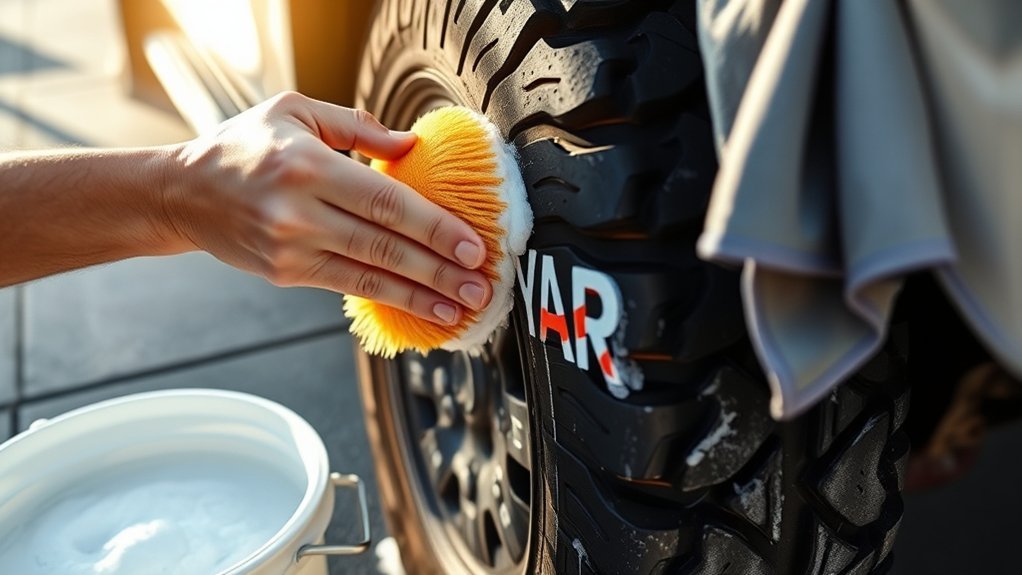
Cleaning Toyota Hilux tires safely starts with a simple rule: clean the rubber without stripping it, scratching the wheel finish, or leaving slippery residue behind. Use water first, choose a tire-safe cleaner, scrub the sidewalls with a soft brush, rinse fully, dry with microfiber, and inspect the tire before you drive again.
Quick Answer
To clean Toyota Hilux tires without damage, work on cool tires in the shade, pre-rinse dirt and grit, apply a tire-safe cleaner or mild car shampoo, scrub the sidewalls with a soft brush, rinse until no residue remains, dry with microfiber, then inspect tread, sidewalls, and pressure.
Key Takeaways
- Start with a strong water rinse so sand, mud, and brake dust do not grind into the tire or wheel finish.
- Use a tire-safe cleaner, pH-balanced wheel and tire cleaner, or mild car shampoo. Avoid harsh solvents and strong household degreasers as your default cleaner.
- Scrub the sidewalls with a soft or medium-soft tire brush, not a wire brush or stiff abrasive brush.
- Rinse completely because cleaner residue can attract dirt, stain rubber, or dull nearby wheel finishes.
- Apply tire dressing only to the sidewall. Never put tire shine, oil, or WD-40 on the tread or brake parts.
At a Glance
| Time Required | 15 to 30 minutes for all four tires |
| Difficulty | Easy |
| Tools Needed | Hose or pressure nozzle, bucket, tire-safe cleaner, soft tire brush, microfiber towels, tire pressure gauge, optional water-based tire dressing |
| Cost | Usually $10 to $35 if you already have basic washing supplies |
Warning: Do not apply tire shine, WD-40, oil, silicone spray, or any slick product to the tire tread, brake rotors, brake pads, pedals, or floor mats. If you find bulges, exposed cords, deep cracks, or a puncture while cleaning, have the tire inspected before driving.
Step-By-Step Guide to Rinse and Clean Tires
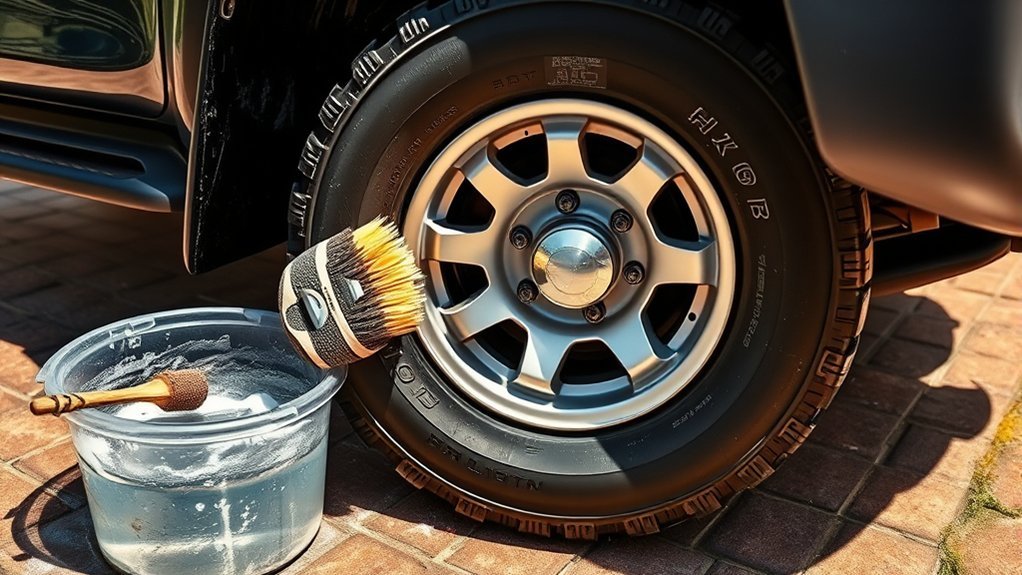
Clean one tire at a time so the cleaner does not dry on the rubber or wheel. Park your Hilux on a flat surface, set the parking brake, and let the tires cool first. Hot rubber can make cleaners dry too fast and leave streaks.
- Pre-rinse with water. Use a strong stream of water to loosen mud, sand, salt, and gravel dust. Start at the top of the tire and work down.
- Apply tire-safe cleaner. Spray the sidewall evenly. If you are using a concentrate, dilute it exactly as the label says.
- Let it dwell briefly. Give the cleaner 30 to 60 seconds to break down grime, but do not let it dry.
- Scrub the sidewall. Use a soft or medium-soft tire brush. Scrub raised lettering, shoulder lugs, and sidewall grooves where mud sits.
- Rinse thoroughly. Keep rinsing until the water runs clear and no foam or cleaner residue remains.
- Dry with microfiber. Wipe the tire and wheel face to reduce water spots and to see any cuts, cracks, nails, or bulges.
- Inspect before dressing. Check the tread, sidewall, valve stem, and wheel area before applying any finishing product.
Pro Tip: If your Hilux has dried clay or trail mud on the tires, soak the mud with water first and give it a few minutes to soften. Scrubbing dry grit into the sidewall can scuff the rubber and nearby wheel finish.
[Products Worth Considering]

Adam’s Pro Tire Hex Grip applicators are molded foam sponges designed for precise, even tire dressing application. The ergonomic grip helps you spread product without overapplying, reducing sling that can splash onto paint and helping keep your hands clean during wheel and trim detailing. They’re durable, washable, and reusable for repeated detailing sessions.

This oesee 8-piece wheel care kit helps you clean, scrub, and dry wheels safely with purpose-built brushes and towels. The scratch-free microfiber wheel brush lifts brake dust and grime, while the stiff pro-grip tire brush removes tire browning and embedded dirt. A twist loop microfiber drying towel and an applicator help achieve a streak-free finish and cleaner, more even product application.

This wheel brush kit delivers pro-level cleaning at home, lifting dirt, grime, and brake dust to help restore wheel appearance. It includes multiple brush styles and applicator pads for tackling different wheel surfaces, with gentle, metal-free bristles designed to reduce scratching risk. The flat and double-ended brushes are built for comfort and reach, making wheel care easier for cars, trucks, and RVs.
Essential Gear for Effective Tire Cleaning
You do not need a large detailing kit to clean Hilux tires well. The safest setup is simple, gentle, and easy to rinse away.
- Hose or pressure nozzle: Use enough water pressure to remove loose grit before contact washing.
- Tire-safe cleaner: Choose a product labeled for tires or wheels and tires. A mild car shampoo also works for routine dirt.
- Soft tire brush: A flagged-tip or soft-bristled brush cleans raised letters and sidewall texture without gouging rubber.
- Separate wheel tools: Use a different brush or mitt for wheels so brake dust does not spread to paint.
- Microfiber towels: Use them for drying, not for heavy scrubbing through grit.
- Tire pressure gauge: Cleaning day is a good time to check pressure when the tires are cold.
- Optional water-based tire dressing: Use it only on clean, dry sidewalls.
For safer cleaner choices, the EPA Safer Choice program lists products made with ingredients that are safer for human health and the environment, including car care products.
How to Choose the Best Tire Cleaner for Your Hilux
The best tire cleaner for a Toyota Hilux depends on what you are removing. Road dust needs less strength than dried clay, farm mud, brake dust, or old tire dressing. Start gentle, then step up only when needed.
Types of Tire Cleaners
- Mild car shampoo: Best for weekly or light cleaning. It is gentle and easy to rinse.
- Dedicated tire cleaner: Best for brown sidewall film, old dressing, and heavier road grime.
- Wheel and tire cleaner: Useful when the label says it is safe for your wheel finish. This matters if your Hilux has painted, machined, chrome, or aftermarket wheels.
- Strong degreaser: Use only with care, proper dilution, and a small-area test. Do not make harsh degreasers your routine tire cleaner.
Safety and Compatibility
Before using a new cleaner, test it on a small, low-visibility area of the tire and wheel. Rinse and dry the spot, then check for staining, dullness, or residue. Also read the label for warnings about aluminum, chrome, painted wheels, matte finishes, and brake parts.
Avoid bleach, gasoline, kerosene, acetone, lacquer thinner, and strong petroleum solvents. These are not normal tire-cleaning products and can harm rubber, coatings, skin, and nearby surfaces.
Effectiveness in Stain Removal
If the sidewall still looks brown after one pass, do not keep adding stronger chemicals right away. Rinse, repeat one gentle cleaning cycle, and use brush agitation. Many stains are old tire dressing, road film, or embedded dust that needs time and light scrubbing, not a harsher product.
Note: A tire does not need to look glossy to be clean. A natural black or satin finish is safer and more practical for a pickup used on roads, gravel, mud, and work sites.
Rinsing and Drying Tips for a Spotless Finish
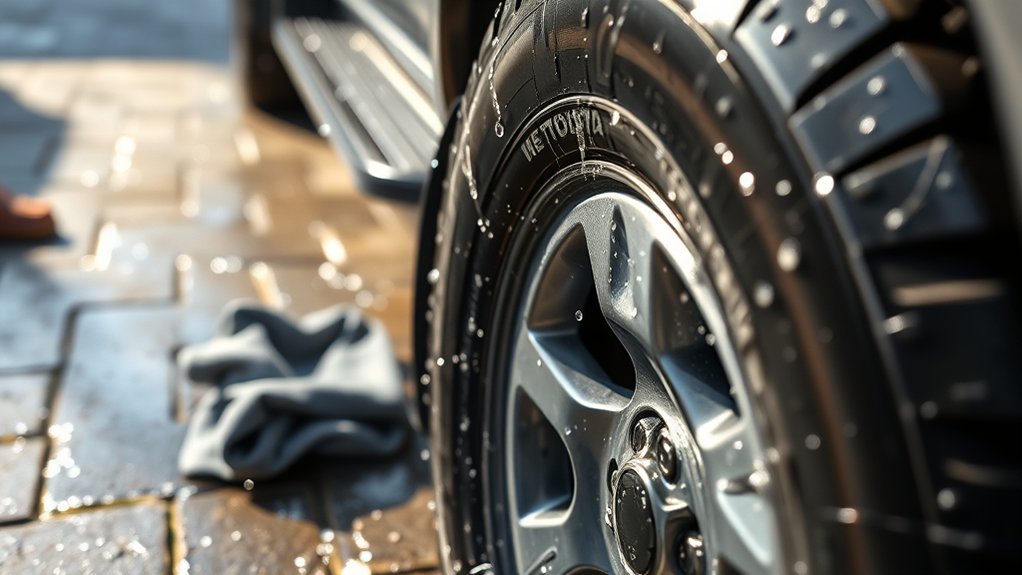
A clean finish depends on rinsing more than most people think. Cleaner residue can leave streaks, attract new dirt, and dull the look of the sidewall. Rinse from the tire shoulder down to the lower sidewall, then rinse the wheel face and lug nut area.
Dry the tire and wheel with microfiber after rinsing. Drying helps prevent water spots on wheels and lets you see the sidewall clearly. If you plan to use tire dressing, the sidewall must be fully dry first. Dressing applied to wet rubber can streak, sling, or dry unevenly.
Tire Dressing the Safe Way
Tire dressing is optional. If you like a darker finish, choose a water-based or polymer-based dressing and apply a thin coat to the sidewall only. Wipe away extra product after a few minutes so it does not sling onto paint, wheels, or fender liners.
- Apply dressing with a foam applicator instead of spraying near the brake area.
- Keep dressing off the tread blocks and tire shoulder that contacts the road.
- Use less product on all-terrain tires with chunky sidewall lugs because excess dressing can hide in grooves.
- Let the dressing dry before driving.
Hilux Off-Road, Mud, and Worksite Cleaning Tips
Hilux tires often deal with mud, gravel, construction dust, and farm tracks. These need a slightly different approach than normal street dirt.
- For dried mud: Soak first, rinse, then scrub. Do not scrape with a screwdriver or metal tool.
- For clay: Use repeated water rinses. Clay can pack into sidewall lugs and around the bead area.
- For gravel roads: Check for stones trapped in tread grooves while you clean.
- For winter salt: Rinse tires, wheels, wheel wells, and lower body panels as soon as practical.
- For worksite grime: Avoid aggressive solvents unless the cleaner label says it is safe for tires and wheels.
[Products Worth Considering]

Blackline Blackout is a water-based trim and tire dressing that restores rubber, vinyl, and plastic with a rich satin, blackout look. Its no-sling formula dries quickly and helps prevent messy transfer onto paint. The coating repels water and offers UV protection to help prevent fading, cracking, and discoloration for a clean, long-lasting finish.

Cristal Products Untouchable Tire Shine Spray delivers a deep, wet-look gloss that enhances your vehicle’s tires. It’s quick-drying and spreads smoothly for consistent, streak-free coverage, while forming a protective coating against UV rays, road grime, and weather. Suitable for all tire types, it helps restore dull, faded tires to a showroom-quality finish.
Tips for Keeping Your Tires Clean Between Washes
Small habits keep Hilux tires easier to clean and safer to inspect. Once a month, check tire pressure when the tires are cold. The National Highway Traffic Safety Administration recommends regular tire pressure and tread checks, and Michelin also advises checking all tires, including the spare, monthly or before a long trip.
- Rinse heavy mud before it dries hard on the sidewall.
- Wipe fresh road film with a damp microfiber towel between full washes.
- Keep a tire pressure gauge in the vehicle.
- Check tread depth while the tire is clean enough to see the grooves.
- Look for nails, cuts, bulges, cracks, exposed cords, and uneven wear.
- Follow the pressure listed on your vehicle placard or owner’s manual, not the maximum pressure molded on the tire sidewall.
Clean tires are easier to inspect. Use each wash as a quick safety check, not just a cosmetic job.
Common Mistakes to Avoid When Cleaning Tires
The wrong method can leave the tire looking worse or create a safety issue. Avoid these common mistakes when cleaning Toyota Hilux tires.
Using Harsh Chemicals
- Do not use gasoline, kerosene, lacquer thinner, acetone, or brake cleaner as tire cleaners.
- Do not use bleach on tires or wheels.
- Do not let any cleaner dry on the rubber.
- Do not assume a household cleaner is safe for tire rubber or wheel finishes.
Ignoring Tire and Wheel Type
All-terrain tires, highway tires, raised white-letter tires, and aftermarket wheels can react differently to cleaners and brushes. A brush that feels fine on a rugged all-terrain sidewall may be too stiff for a delicate wheel finish. Match the cleaner and brush to both the tire and the wheel.
Skipping Proper Rinsing
Leaving cleaner behind is one of the fastest ways to get streaks, browning, or a dull finish. Rinse the tire, wheel, lug area, and lower sidewall until all foam and residue are gone.
Putting Shine on the Tread
This is a safety mistake. Tire shine belongs on the outer sidewall only. The tread must stay clean, dry, and free from oily products so the tire can grip the road properly.
Using One Dirty Brush for Everything
Brake dust and grit can scratch paint and wheel coatings. Use separate tools for tires, wheels, and painted body panels. Rinse brushes often as you work.
Frequently Asked Questions
Can I wash my Toyota Hilux tires with Dawn dish soap?
A small amount of diluted dish soap may clean light dirt in a pinch, but it should not be your routine tire cleaner. Dish soap is made to cut grease, and repeated use can strip protective products from rubber and nearby wheel finishes. A mild car shampoo or tire-safe cleaner is the better default.
Is WD-40 good for cleaning tires?
No. WD-40 is not a tire cleaner or tire dressing. It can leave an oily film that attracts dirt, and it should never be used on tire tread or near brake parts. Use a tire-safe cleaner and rinse it away fully.
Can I use a pressure washer on Hilux tires?
Yes, but use care. Keep the nozzle moving, use a wide spray pattern, and avoid blasting one spot at close range. Do not force water directly into valve stems, wheel bearings, brake parts, or damaged sidewall areas.
How often should I clean Toyota Hilux tires?
For normal road use, clean them during your regular vehicle wash. After mud, road salt, beach driving, or worksite grime, rinse them as soon as practical. Heavy buildup can hide cuts, nails, cracks, and uneven wear.
Should I clean the tire tread too?
You can rinse the tread and remove stones or packed mud, but do not apply shine or oily products to it. If you scrub the tread, rinse well and let it dry before driving.
Conclusion
Cleaning Toyota Hilux tires safely is not about using the strongest cleaner. It is about rinsing away grit, using a tire-safe product, scrubbing with the right brush, rinsing fully, and keeping slippery products off the tread and brakes. Once the tires are clean, take a minute to check pressure, tread, sidewalls, and valve stems. That simple habit helps your Hilux look better and stay safer on the road, trail, or worksite.
Sources
- NHTSA TireWise: Tires — tire pressure, tread, rotation, tire aging, and tire safety guidance.
- Michelin: How to Check Tire Pressure — monthly tire pressure checks, cold tire checks, and using the vehicle placard or owner’s manual.
- Bridgestone: How to Check Tire Pressure — tire pressure gauge use, cold PSI, and monthly pressure-check habits.
- EPA Safer Choice — safer ingredient guidance for cleaning and car care products.
- Toyota Owners Manuals and Warranties — official Toyota manual lookup for model-specific maintenance and care information where available.

Related Articles

Best High-Performance Tires for Toyota Hilux
You rely on your Hilux for work, adventure, and everyday driving, so choosing high-performance tires matters more than you might think. The right tires…
Read More
Best Premium Off-Road Tires for Toyota Hilux
You rely on your Hilux to handle rough trails, heavy loads and unpredictable weather, so choosing the right premium off-road tires matters. The right…
Read More
Best Premium Winter Tires for Toyota Hilux
Choosing the right premium winter tires for your Toyota Hilux matters because you rely on strong traction and load capacity when roads turn icy…
Read More