Last updated: June 2026
A bicycle inner tube that almost fits can still leave you with pinches, leaks, or a valve you can’t inflate. The safest inner tube match comes from three checks: tire size, tube width range, and valve fit. You’ll learn how to read the markings, measure when markings are gone, and choose a tube that fits before you install it.
Quick Answer: Match Tube Diameter, Width, and Valve
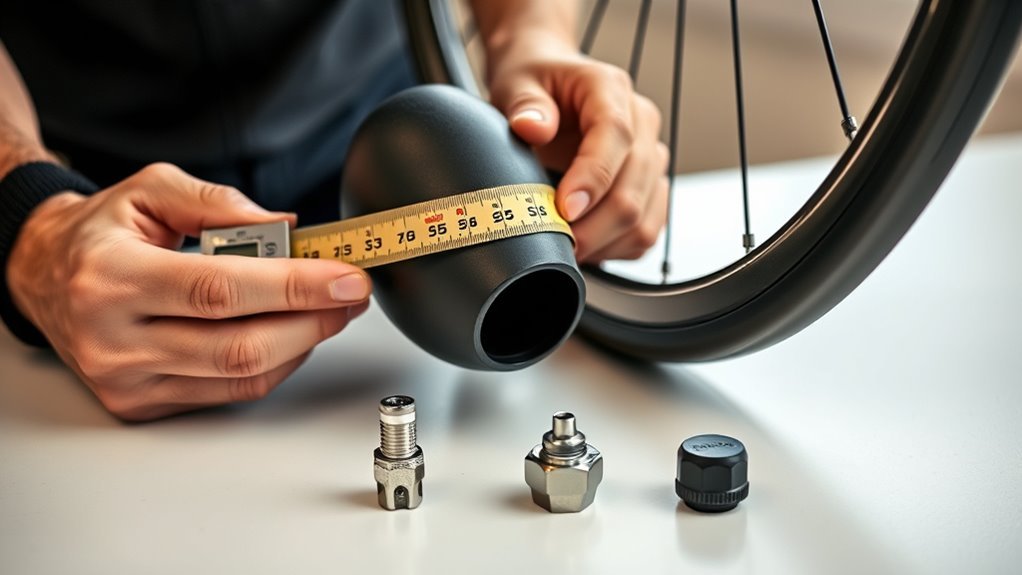
Match an inner tube by checking three things: the tire’s bead-seat diameter, the tire width, and the valve type. Use the ISO/European Tyre and Rim Technical Organisation (ETRTO) code when you can, such as 25-622 or 622×25, because it gives the tire width and bead-seat diameter in millimeters. Pick a tube with the same diameter and a width range that includes your tire width. Then choose a Presta, Schrader, or Dunlop valve that fits your rim hole and pump.
Key Takeaways
- Match the tube diameter to the tire’s ISO/ETRTO bead-seat diameter.
- Choose a tube width range that includes your tire’s marked width.
- Match the valve type to your rim hole and pump before you ride.
- Measure the rim and tire if the sidewall markings have worn off.
- Inflate slowly and check the bead to avoid pinching the tube.
[Products Worth Considering]

FANSPRO’s 2-pack 26-inch bicycle inner tubes are built for reliable performance on road and mountain bikes. They fit tire widths from 2.125 to 2.40 inches and use a 48mm Schrader valve for convenient inflation. The set includes two durable tire levers to help you remove and install tubes quickly after a flat.

Two-pack 26" bicycle inner tubes for tires sized 1.75 to 2.125, built with a 35mm AV Schrader valve for easy compatibility. The thicker inner wall and premium butyl rubber help absorb bumps and vibrations while improving durability and air retention. Includes two upgraded tire levers for simpler installation and reduced risk of breakage.

Ultraverse 700c inner tubes are built for 700x28C to 32C tires and feature a 48mm Presta valve for accurate, secure inflation. The high-elasticity butyl rubber construction helps seal air tightly, resist pressure loss, and absorb road vibrations for a smoother ride. A reinforced valve base and thick walls add durability and puncture resistance for reliable everyday performance on road, gravel, and city routes.
What Tools Do You Need to Check Inner Tube Fit?
Estimated time: 5 to 10 minutes.
You don’t need many tools to check tube fit. You need a clear view of the tire sidewall, the old tube or tube box if you still have it, and a pump that fits your valve.
- Use calipers when the rim is exposed — they give the most accurate bead-seat diameter reading directly from the rim bed.
- Use a flexible tape measure to check tire width when the tire is still mounted on the rim.
- Use a valve adapter if your pump does not match the valve type, but note that adapters are not reliable for sustained high-pressure road tire inflation.
How to Read Tire Size Markings and ISO/ETRTO Codes
Read the tire sidewall first. You may see markings such as 700×25c, 26×2.1, 25-622, or 622×25. The ISO/ETRTO number gives the clearest match because it uses millimeters instead of loose inch or French labels.
The first number in the standard 25-622 ETRTO format shows tire width in millimeters. The second number shows bead-seat diameter (BSD), which must match the rim and tube diameter. Some manufacturers reverse the order as 622×25 — this is a shorthand, not the formal ETRTO notation — so look for the larger of the two numbers to identify the BSD before you buy.
- Find the ISO/ETRTO code on the tire sidewall.
- Match the bead-seat diameter to the tube diameter.
- Confirm the tire width falls inside the tube’s printed width range.
For example, a 700×25c road tire usually matches a 25-622 ISO size. A tube marked 700×23/28c or 18/25-622 may fit, depending on its listed width range.
⚠️ Critical: “26 Inch” Refers to Four Different Tube Sizes
The “26 inch” label appears on tires and tubes with at least four distinct bead-seat diameters. Buying by the inch label alone is one of the most common inner tube mistakes. Always confirm the BSD in millimeters before purchasing.
| Marketing Label | BSD | Typical Bike Type |
|---|---|---|
| 26 × 1.75–2.35 | 559 mm | Modern mountain bike |
| 26 × 1⅜ (road) | 571 mm | Older road and sport bikes |
| 26 × 1⅜ (cruiser) | 590 mm | Cruiser and European city bikes |
| 26 × 1 (S-6) | 597 mm | Some older and folding bikes |
29er and 700c Use the Same Tube Diameter
Both 29-inch mountain bike tires and 700c road and gravel tires share a 622 mm bead-seat diameter, so their inner tubes are interchangeable by diameter — only the width range differs. Also note: 27-inch vintage road tires use a 630 mm BSD and are not compatible with 700c or 29-inch tubes despite the similar marketing names.
See the full bike tire size chart for all common BSD values →
[Products Worth Considering]

Replace worn tubes with this FANSPRO 2-pack of 26-inch butyl inner tubes designed for road and mountain bikes. Sized for tire widths from 1.75 to 2.125 inches, these tubes feature a 48mm Schrader valve for reliable everyday use. The set includes two tire levers to make flat repairs and tube installation faster and easier.

This heavy-duty bicycle rim liner provides complete tube protection by shielding the inner tube from rim spoke holes and sharp metal burrs that can cause flats. Made from premium, wear-resistant PVC, it lays flat with optimized 18 mm width and 0.50 mm thickness for edge-to-edge coverage. Installation is quick with flexible stretch placement and a secure, non-slip fit.

This 2-pack set of 26-inch bicycle inner tubes fits tire widths from 1.75 to 2.125 and comes with a 48mm AV Schrader valve for reliable inflation. Butyl rubber construction provides strong sealing, durability, and comfort by absorbing bumps and vibrations on uneven roads. Upgraded tire levers and included installation support make swaps easier, with valves that help the tubes hold air well.
Choose the Right Valve Type and Stem Length
Valve choice affects inflation ease, rim fit, and pump compatibility. Schrader valves fit wider rim holes and work with many standard pumps. Presta valves use a narrower rim hole and often appear on road, gravel, and performance wheels.
Dunlop, also called Woods, still appears on some city and utility bikes. Match the valve type to your rim hole first. Then choose a stem that reaches far enough through the rim for easy pump access.
| Valve Type | Rim Hole Diameter | Best Fit |
|---|---|---|
| Schrader | ~8 mm | Wider rim holes and common pumps |
| Presta | ~6.5 mm | Narrower rim holes and high-pressure tires |
| Woods/Dunlop | ~8 mm | Some city, utility, and older bikes |
Deep-section rims need longer valve stems. Shallow rims can use shorter stems, but the valve still needs enough exposed length for your pump head.
Note: A Presta valve can fit some Schrader-drilled rims with the right grommet, but a Schrader valve usually won’t fit a Presta-drilled rim.
Learn more about Presta vs Schrader valves →
[Products Worth Considering]

This Hycline 2-pack mountain bike tire set delivers durable, puncture-resistant performance with a high-grip, aggressive tread designed for traction on hard surfaces and confident handling through mud and soil. Includes matching inner tubes and tire levers for easier everyday maintenance and quicker installation after folding storage. Built for a range of riding conditions with reinforced rubber and nylon cord for wear-resistant reliability.

This heavy duty 20-inch bike inner tube is designed for a perfect fit across 20x1.75, 1.95, 2.10, and 2.125 tires with a Schrader valve. The tube features 20% thicker construction for improved puncture resistance and longer-lasting performance. Butyl material helps with shock absorption, and included tire levers make installation and removal easier and safer.
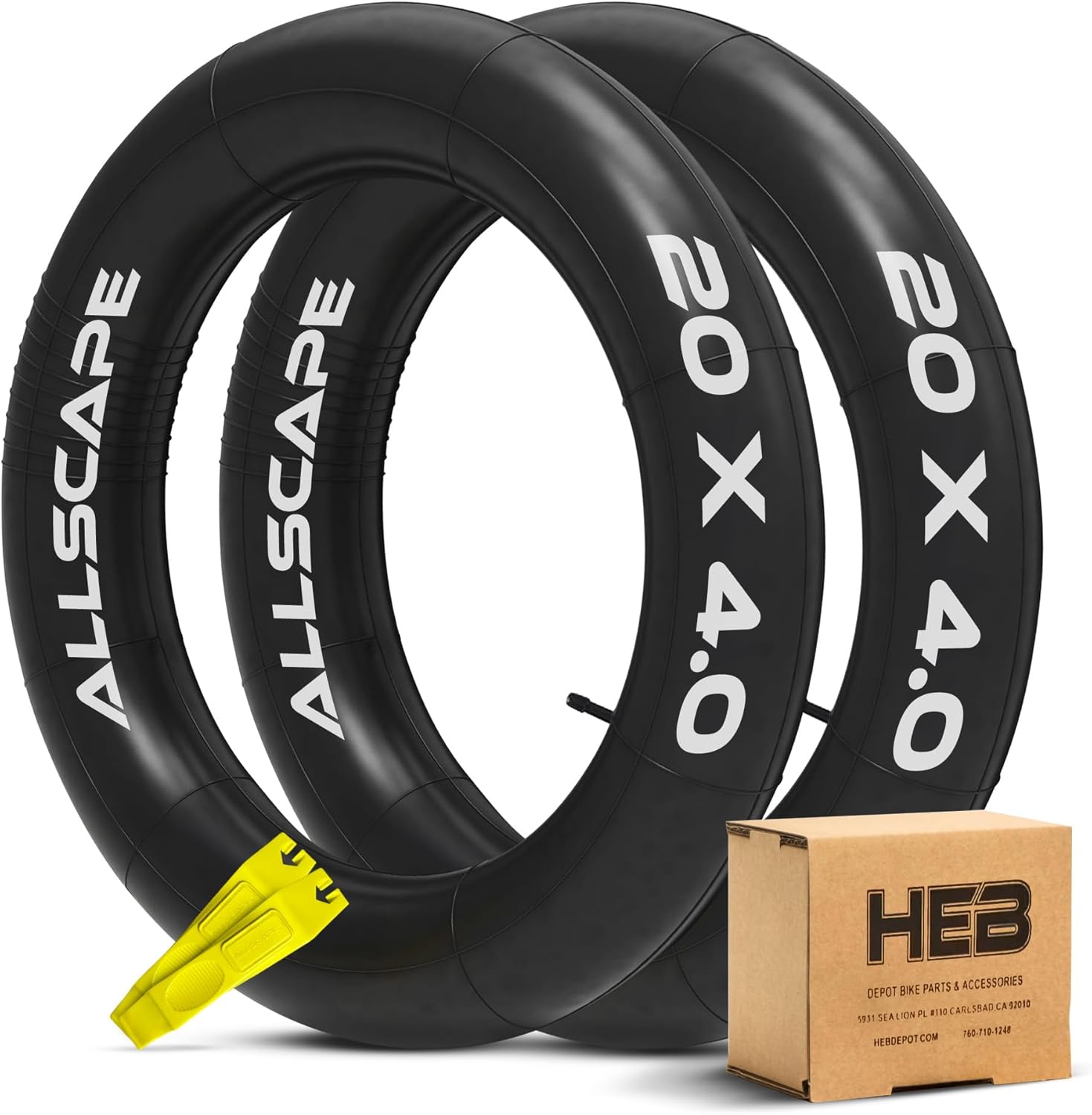
HEB heavy duty inner tubes deliver reliable puncture resistance for fat tire electric bikes and mountain bikes running 20x4 or 26x4 tires. Built for rugged backcountry trails, they help prevent flats from rocks and thorns while providing stability and traction. Choose a single tube or multi-packs for better value and keep your ride running smoothly in all seasons.
How to Measure Your Rim or Tire When Markings Are Missing
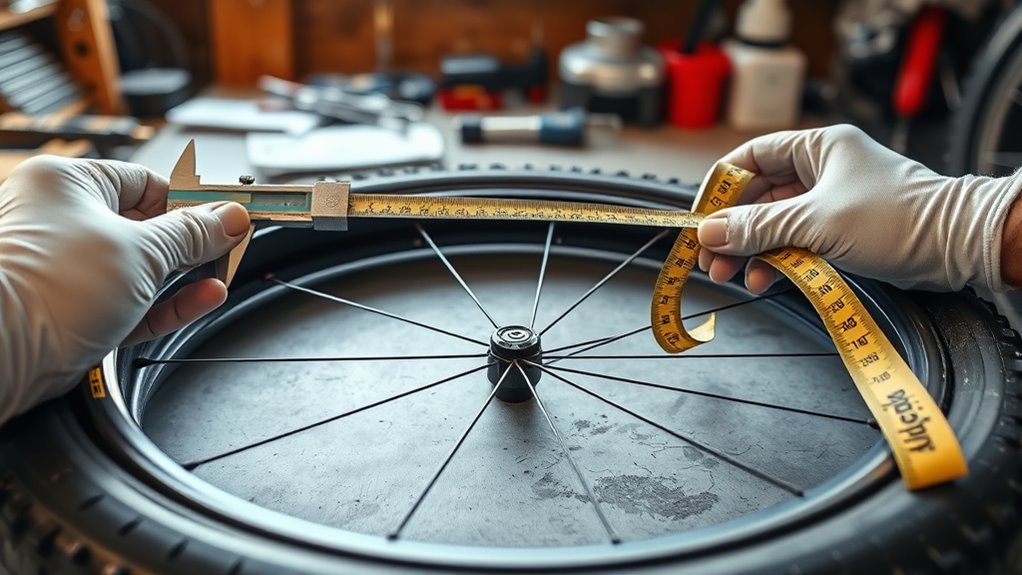
If the tire markings have worn off, measure the wheel before you buy a tube. The most accurate method is to use calipers to measure the rim’s bead-seat diameter directly when the tire is removed.
- Remove the tire if needed, then use calipers to measure the rim bead seat in millimeters — this gives the most reliable BSD and is the preferred method for inner tube sizing.
- Measure tire width across the widest point when the tire sits on the rim.
- Check the rim sidewall or spoke bed for a stamped size marking — many rims carry an ISO designation that confirms the BSD without requiring measurement.
Note: Do not estimate BSD by wrapping a tape around the outside of the tire and dividing by π. This calculation gives the tire’s outer diameter, which includes tread height and is significantly larger than the bead-seat diameter used in ISO/ETRTO sizing. Using this figure will lead you to the wrong tube.
Cross-check your numbers with an ISO/ETRTO size chart before choosing a tube. Accurate rim measurements help you avoid a tube that bunches, stretches too far, or fits the valve hole poorly.
How to Confirm Inner Tube Fit Before Installing
Use this quick check before you mount the tube. It helps you catch the most common size and valve mistakes while the tube still sits in your hand.
- Read the tire sidewall and write down the ISO/ETRTO size.
- Compare the tube label with the tire’s bead-seat diameter.
- Check that the tube width range includes your tire width.
- Match the valve type to the rim hole and your pump.
- Confirm the valve stem reaches past the rim far enough for inflation.
- Add a small amount of air — typically 2–5 PSI — enough to remove wrinkles and give the tube its round shape while leaving it very soft. An over-inflated tube at this stage is the leading cause of installation pinches.
- Seat the tube evenly inside the tire before full inflation. Look for the thin molded line on the tire sidewall to sit consistently above the rim all the way around both sides. An uneven line means the tube or bead is not correctly seated — deflate and re-seat before continuing.
Quick-Fit Checklist and Common Mistakes (Troubleshooting)
Most tube problems start with a size mismatch, a pinched tube, or the wrong valve. Check the tire and rim size, valve type, and tube width range before final inflation. These simple checks prevent many flats and pump problems.
- Don’t assume two inch-labeled tires share the same ISO diameter.
- Don’t force a valve through a rim hole that does not fit.
- Don’t use a tube width range that excludes your tire width.
- Don’t fully inflate until you check both tire beads for even seating.
Warning: Stop inflating if the tire bead lifts off the rim or the tube bulges under the bead.
If the tube loses air after installation, remove one tire bead and inspect the tube. Look for pinch marks, thorn holes, sharp rim tape edges, or cuts in the tire casing. Re-seat the bead, inflate slowly, and check that the valve stands straight.
Learn how to fix a flat bike tire →
Frequently Asked Questions
What Size Inner Tube Do I Need for My Bike?
Find the ISO/ETRTO code on your tire sidewall — for example, 25-622 or 37-559. The second number is the bead-seat diameter, which must match your tube exactly. The first number is tire width; choose a tube whose printed width range includes your tire width. If the sidewall markings have worn off, remove the tire and measure the rim’s bead seat directly with calipers.
Are All 26-Inch Inner Tubes the Same?
No. The “26 inch” label covers at least four different bead-seat diameters: 559 mm (modern MTB), 571 mm (older road bikes), 590 mm (cruiser and European city bikes), and 597 mm (some older and folding bikes). A tube bought by the inch label alone may not fit your rim. Always confirm the BSD in millimeters before purchasing.
Can I Use a 29-Inch Inner Tube in a 700c Tire?
Yes. Both 29-inch mountain bike tires and 700c road and gravel tires share a 622 mm bead-seat diameter, so their inner tubes are interchangeable by diameter. The difference is width range: 29-inch tubes typically cover wider widths (roughly 47–60 mm or 1.9–2.4 inches), while 700c tubes cover narrower widths (roughly 23–40 mm). Choose based on your tire’s width, not just the diameter label.
What Does 700×28/32c Mean?
700×28/32c usually means the tube fits 700c tires in the 28 mm to 32 mm width range. For most 700c road and gravel tires, the matching ISO bead-seat diameter is 622 mm.
Can I Use a 1.75 Tube in a 1.5 Tire?
Yes, you can often use it if the tube’s printed width range includes 1.5 inches. If the tube starts at 1.75 inches, it may bunch inside the tire and raise the chance of a pinch during installation.
Can I Use a Smaller Inner Tube Than My Tire?
A slightly smaller tube can fit if the tube’s width range includes your tire size. A tube that stretches too far may become thin, lose durability, and fail sooner.
What Happens If You Use the Wrong Size Inner Tube?
A tube that is too narrow will over-stretch and may blow out at the seams. A tube that is too wide will bunch inside the tire, creating double layers that pinch between the bead and rim — often causing a flat within the first few miles. A tube with the wrong diameter may not seat on the rim bead at all, making the tire impossible to inflate safely.
How Do I Know If My Rim Needs a Presta or Schrader Valve?
Check the valve hole in the rim and compare it with the old tube. A wider hole (approximately 8 mm) usually fits Schrader, while a narrower hole (approximately 6.5 mm) usually fits Presta. Your pump must also match the valve, or you’ll need an adapter.
Does Valve Stem Length Matter for Bike Tubes?
Yes, stem length matters because the valve must extend past the rim far enough for your pump to grip it. Deep rims need longer stems, while shallow rims can use shorter ones.
Conclusion
The right inner tube fits when its diameter, width range, and valve all match your tire and rim. Start with the ISO/ETRTO code on the tire sidewall, confirm the BSD in millimeters rather than trusting inch labels alone, and verify the valve type and stem length before you install. If the markings have worn off, measure the rim bead seat directly with calipers rather than estimating from outer tire circumference. A careful match gives you a smoother ride and fewer roadside fixes.
For your next step, check our bike tire size chart to confirm your ISO size by wheel type, or read our guide on how to fix a flat bike tire so you’re prepared when you need it most. For an independent reference on all tire sizing standards, Sheldon Brown’s tire sizing guide is the most comprehensive free resource available.