
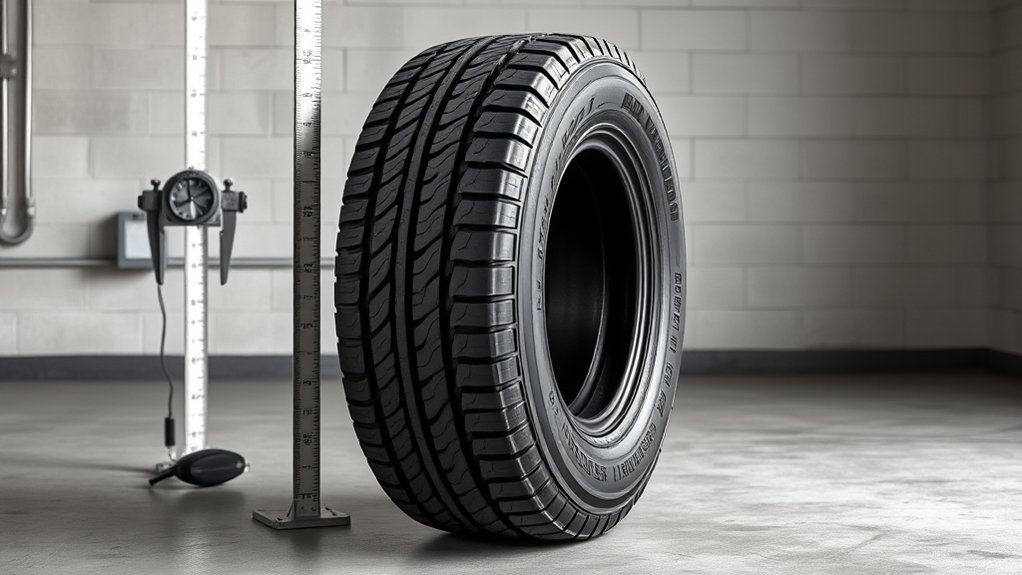
A 275/55R20 tire is about 31.9 inches tall overall, about 10.8 inches wide, and has a sidewall height of about 6.0 inches. It is not a true 33-inch tire, but it is close enough to the 32-inch range that fitment, clearance, gearing, and speedometer readings still matter.
Quick Answer
A 275/55R20 tire measures about 31.9 inches tall, 10.8 inches wide, and has a 5.95-inch sidewall. Its circumference is about 100.25 inches, which works out to roughly 632 revolutions per mile. It is shorter than a true 33-inch tire.
Key Takeaways
- A 275/55R20 tire is about 31.9 inches tall, so it is closer to 32 inches than 33 inches.
- The section width is 275 mm, or about 10.8 inches.
- The sidewall height is 151.25 mm, or about 5.95 inches.
- The circumference is about 100.25 inches, with roughly 632 revolutions per mile.
- A 275/60R20 is taller at about 33.0 inches, so it can affect clearance, gearing, and speedometer accuracy more.
At a Glance
| Time Required | 2 minutes |
| Difficulty | Easy |
| Tools Needed | Tire size code, calculator, or tape measure for real-world checks |
| Cost | $0 |
What Is a 275/55R20 Tire?
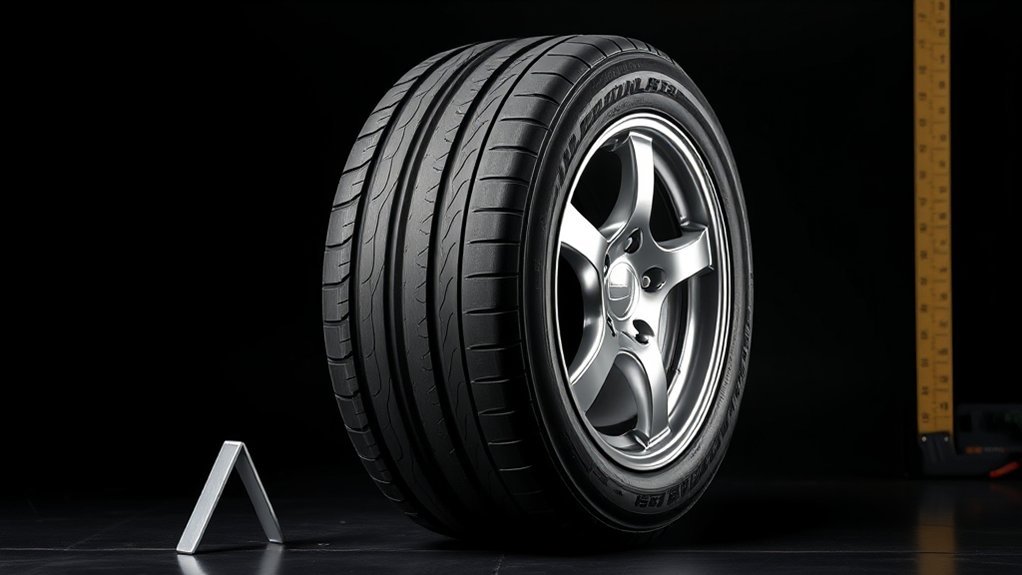
A 275/55R20 is a metric tire size. Each part of the code tells you one important measurement:
- 275 means the tire’s nominal section width is 275 millimeters.
- 55 means the sidewall height is 55% of the tire’s width.
- R means radial construction.
- 20 means the tire fits a 20-inch wheel.
That sidewall format is standard tire-size language. Michelin explains that the first number is the nominal section width in millimeters and the second number is the aspect ratio. Bridgestone also notes that the rim diameter number tells you the wheel diameter the tire can be mounted on.
Note: The calculated size is a close reference, not a guarantee that every tire will measure exactly the same. Actual mounted dimensions can vary slightly by tire brand, tread design, rim width, inflation pressure, load, and tread wear.
How Tall Is a 275/55R20 Tire?
A 275/55R20 tire is about 31.91 inches tall. Most people round that to 31.9 inches or simply call it a 32-inch tire. The height comes from two sidewalls plus the 20-inch wheel diameter.
| Metric | 275/55R20 Value |
|---|---|
| Overall diameter | 31.91 in |
| Section width | 10.83 in |
| Sidewall height | 5.95 in |
| Wheel diameter | 20 in |
| Circumference | 100.25 in |
| Revolutions per mile | About 632 |
How Wide Is a 275/55R20 Tire?
A 275/55R20 tire is about 10.83 inches wide. That comes from converting 275 millimeters to inches:
275 ÷ 25.4 = 10.83 inches
This is the tire’s nominal section width, meaning the sidewall-to-sidewall width when the tire is measured under standard conditions. It is not always the same as tread width. Tread width can vary by tire model, even when the sidewall size is the same.
How to Calculate 275/55R20 Tire Dimensions?
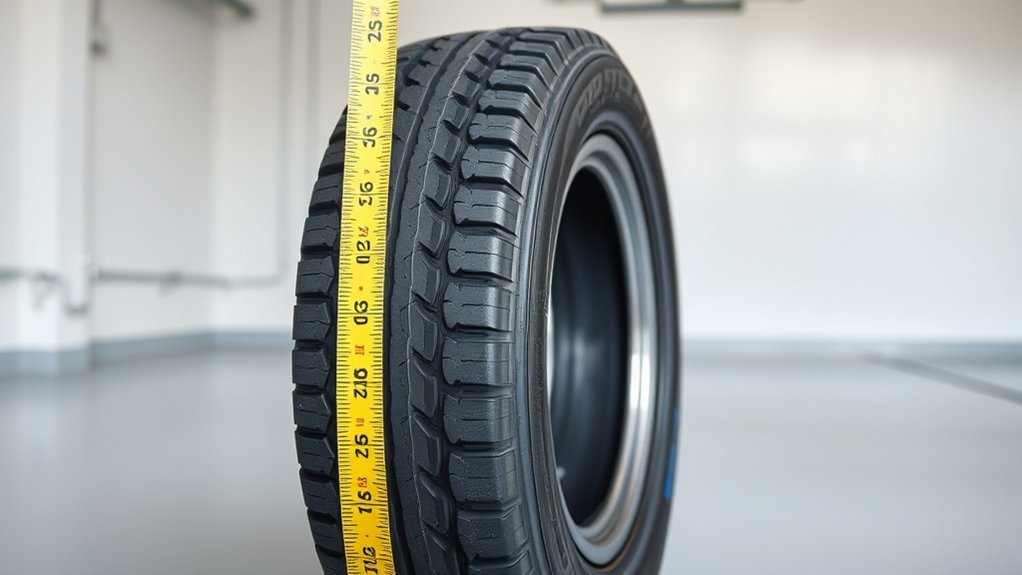
You can calculate the size from the three numbers in 275/55R20: width, aspect ratio, and wheel diameter.
Size Number Breakdown
- Width: 275 mm
- Aspect ratio: 55%
- Wheel diameter: 20 inches
- Construction: R means radial
Formula for Height
Use this formula:
Overall diameter = wheel diameter + 2 × sidewall height
First calculate the sidewall height:
275 × 0.55 = 151.25 mm
Then convert millimeters to inches:
151.25 ÷ 25.4 = 5.95 inches
Now add two sidewalls to the 20-inch wheel:
20 + 5.95 + 5.95 = 31.91 inches
Diameter and Circumference
Once you know the diameter, you can estimate circumference:
31.91 × π = 100.25 inches
Then calculate revolutions per mile:
63,360 inches per mile ÷ 100.25 inches = about 632 revolutions per mile
A 275/55R20 tire is about 31.9 inches tall, not 33 inches. For a true 33-inch diameter in the same width and wheel size, 275/60R20 is much closer.
How Does 275/55R20 Compare to 275/60R20?
The 275/55R20 and 275/60R20 share the same 275 mm nominal width, but the 275/60R20 has a taller sidewall. That makes the 275/60R20 about 1.08 inches taller overall.
| Size | Diameter | Sidewall | Circumference | Revs/Mile |
|---|---|---|---|---|
| 275/55R20 | 31.91 in | 5.95 in | 100.25 in | 632 |
| 275/60R20 | 32.99 in | 6.50 in | 103.65 in | 611 |
The 275/60R20 is about 3.39% taller. If your vehicle was calibrated for 275/55R20 tires and you switch to 275/60R20, your actual speed may be higher than the speedometer shows. For example, when the speedometer reads 60 mph, the vehicle may be traveling about 62 mph.
Warning: Before changing tire size, check your owner’s manual or the Tire and Loading Information Label on the vehicle. NHTSA recommends using the original tire size or another size recommended by the vehicle manufacturer. If you are unsure, confirm fitment with a qualified tire dealer.
[Products Worth Considering]

This metal-free wheel and tire cleaning brush uses dense, fluffy synthetic wool to safely clean rims, spokes, fenders, and engine areas without worrying about damaging surfaces. Its flexible, comfortable design helps you reach detailed areas while maintaining durability, and the extra absorbent fibers work well with wheel spray cleaners for faster cleanup. Reusable and washable performance helps prevent grime and build-up for cleaner vehicles and easier maintenance at home.

Protect your spare wheel with a waterproof, dustproof tire cover made to resist sun and harsh weather. The elastic band design makes it easy to install and remove without tools, while reinforced stitching helps it keep its shape. Available in multiple sizes, it fits common RV, trailer, Jeep, SUV, and truck spare tires.

ETENWOLF T300 is a calibrated digital tire pressure gauge for accurate readings from 3 to 200 PSI across light and heavy-duty vehicles. It includes thermal compensation for reliable performance in extreme cold or heat, with an auto shut-off to extend battery life and an LED for easier reading. The sturdy design supports rugged everyday use, making it ideal for pickups, RVs, and industrial applications.
How Do 275/55R20 Tires Affect Performance?
A 275/55R20 tire gives trucks and SUVs a wide footprint and a moderate sidewall. That can support stable highway driving, good ride comfort, and predictable steering when the tire is correctly matched to the vehicle.
Compared with a shorter sidewall, the 55-series sidewall can absorb bumps better. Compared with a taller 60-series sidewall, it keeps the overall diameter lower and closer to stock on vehicles designed for this size.
Changing tire diameter can affect:
- Speedometer and odometer readings, because the tire travels a different distance per revolution.
- Effective gearing, because taller tires reduce engine rpm at a given road speed.
- Clearance, especially near the fender liner, suspension, and mud flaps.
- Ride and steering feel, depending on sidewall height, tread design, tire weight, and inflation pressure.
- Load capacity and safety, because the replacement tire must meet the vehicle’s required load and speed ratings.
[Products Worth Considering]

Upgrade your 2024-2026 Tesla Model 3 Highland with REEVAA all-weather mud flaps designed for seamless fit along the original body lines. The set of four delivers strong splash protection against mud, gravel, and road debris while using OEM-grade durable materials. Installation is non-destructive with original hole positions and snap-in clips, and the aerodynamic design helps minimize impact on efficiency.

The Big Rig Defense Tire Thumper is a truck tire pressure checker that lets you quickly check multiple tires by giving them a firm whack. Listen for a reassuring thump and feel the stick bounce when a tire is fully inflated, helping you get back on the road safely. It features a comfortable, glove-friendly handle and a secure wrist strap for confident use on busy routes.

Measure tire tread depth quickly and accurately with this LUMITECO dial gauge that reads in 1/32" increments up to 14/32". The color-coded green/yellow/red zones make it easy to judge tire wear and know when replacement is needed. A rugged, compact design with a protective pouch helps keep the gauge ready for use on cars, trucks, motorcycles, and more.
Is a 275/55R20 Tire the Same as 33 Inches?
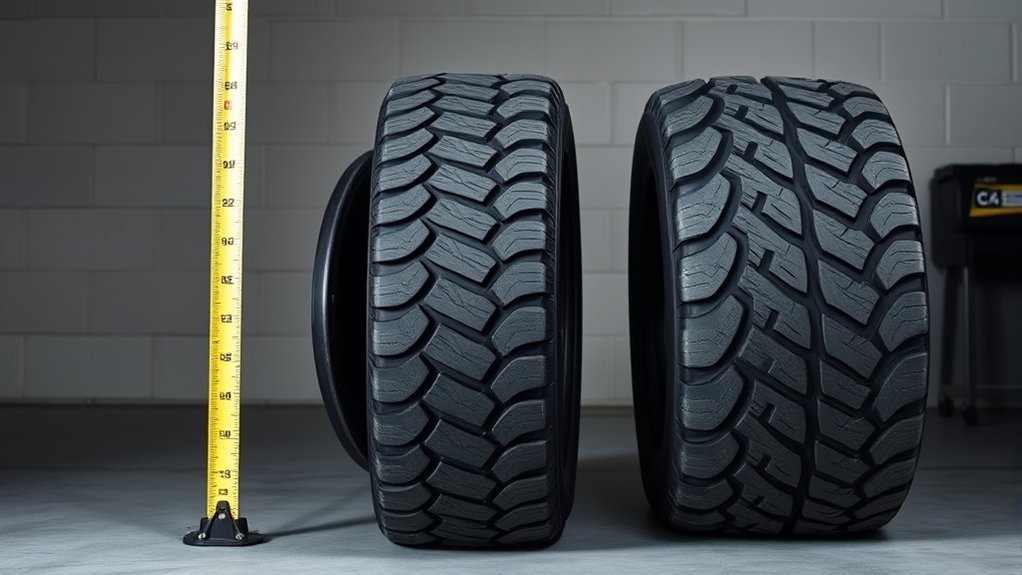
No, a 275/55R20 tire is not the same as a 33-inch tire. It measures about 31.91 inches tall, so it is about 1.09 inches shorter than 33 inches.
A 275/60R20 is much closer to 33 inches because its taller 60% sidewall creates an overall diameter of about 32.99 inches. That small-looking aspect-ratio change makes a noticeable difference in overall height.
Common 20-Inch Tire Size Comparisons
Here is how 275/55R20 compares with nearby sizes people often search for:
| Tire Size | Approx. Height | Approx. Width | Sidewall | Best Use for Comparison |
|---|---|---|---|---|
| 275/55R20 | 31.9 in | 10.8 in | 6.0 in | Baseline size |
| 275/60R20 | 33.0 in | 10.8 in | 6.5 in | Closer to true 33-inch height |
| 285/55R20 | 32.3 in | 11.2 in | 6.2 in | Slightly wider and taller |
| 275/50R20 | 30.8 in | 10.8 in | 5.4 in | Shorter sidewall and lower overall height |
Pro Tip: If you are checking whether a tire will fit, compare more than height. Check width, wheel width range, load index, speed rating, offset, suspension clearance, fender clearance, and the spare tire size.
[Products Worth Considering]

This digital tire pressure gauge with built-in inflator helps you accurately check and adjust tire pressure for safer driving and better fuel efficiency. It supports multiple units (PSI, KPA, BAR, KG/CM²) and reads within 1% for reliable results. The 3-in-1 design inflates, deflates, and measures, with a quick-connect air chuck and compatible hose setup for cars, trucks, SUVs, RVs, and motorcycles.

AZUNO’s digital tire inflator delivers stable, accurate pressure readings with a bright LCD and a 0.1 resolution display for confident inflation. It supports one-handed operation for inflating and quick deflating, and it’s built with rugged steel and brass components for reliable shop or garage use. With multi-unit pressure display and compatibility across cars, SUVs, motorcycles, and trucks, it’s a convenient accessory for everyday tire maintenance.

AUTOWN’s 68-piece tire repair kit helps you fix punctures and plug flats quickly and effectively. It includes a T-handle and spiral probe tool for easy insertion, while the steel patch and plug materials are designed for strong adhesion and long-lasting airtight performance. The compact case makes it convenient for roadside repairs across a wide range of vehicles.
Frequently Asked Questions
Is a 275/55R20 a 33-inch tire?
No. A 275/55R20 tire is about 31.9 inches tall, so it is roughly 1.1 inches shorter than a true 33-inch tire. A 275/60R20 is much closer to 33 inches.
How big is a 285/55R20 tire in inches?
A 285/55R20 tire is about 32.3 inches tall, 11.2 inches wide, and has a sidewall height of about 6.2 inches. It is wider and slightly taller than a 275/55R20, but it is still not a true 33-inch tire.
What is the height difference between 275/55R20 and 275/60R20?
The 275/60R20 is about 1.08 inches taller overall than the 275/55R20. The 275/55R20 is about 31.91 inches tall, while the 275/60R20 is about 32.99 inches tall.
How tall are 275/50R20 tires?
A 275/50R20 tire is about 30.8 inches tall, 10.8 inches wide, and has a sidewall height of about 5.4 inches. It is shorter than a 275/55R20 and usually turns more revolutions per mile.
Will a 275/55R20 tire fit on any 20-inch wheel?
No. The tire needs a compatible wheel width, proper load rating, correct speed rating, and enough vehicle clearance. Always check the vehicle placard, owner’s manual, and tire manufacturer specifications before buying.
Conclusion
A 275/55R20 tire is about 31.9 inches tall, 10.8 inches wide, and has a 6.0-inch sidewall. It is a practical truck and SUV size, but it is not the same as a 33-inch tire. If you are comparing sizes, use the actual diameter, circumference, and revolutions per mile instead of relying on rounded labels. And before switching sizes, confirm the tire is approved for your vehicle, wheel, load rating, and clearance.
Sources
- Michelin — Tire Markings Explained — supports the meaning of section width, aspect ratio, radial construction, and wheel diameter.
- Bridgestone Americas — How to Read & Determine Tire Size — supports width, aspect ratio, construction, rim diameter, load index, and speed rating guidance.
- NHTSA TireWise — Tire Safety Ratings and Awareness — supports using the owner’s manual or Tire and Loading Information Label for correct tire size and safety guidance.

