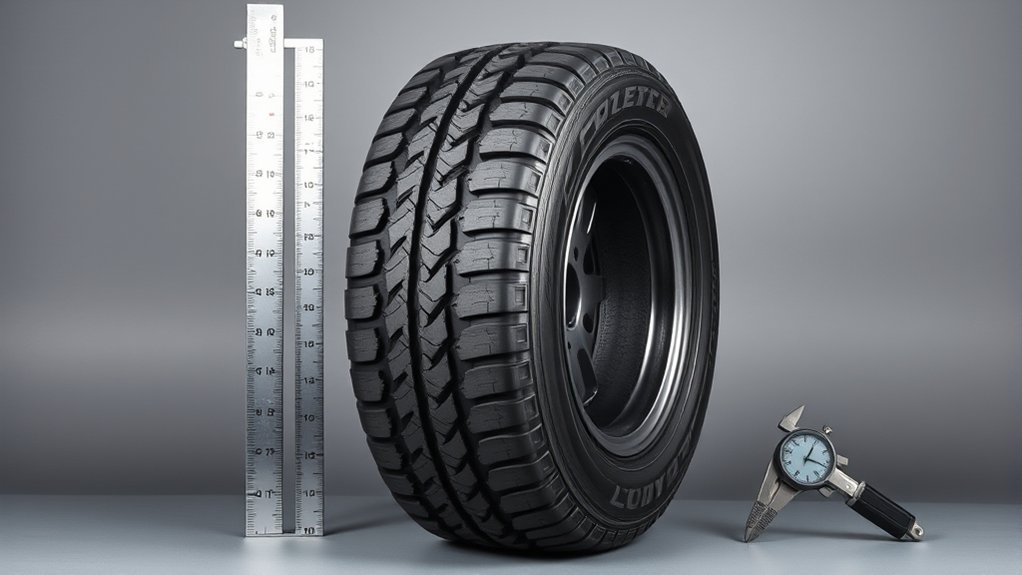
A 265/65R18 tire is about 31.6 inches tall, 10.4 inches wide, and made for an 18-inch wheel. Its sidewall is about 6.8 inches, or roughly 172 mm, and its circumference is about 99.1 inches. This size is common on SUVs and light trucks because it gives you a useful mix of ride comfort, ground clearance, and stable highway manners.
Quick Answer
A 265/65R18 tire measures about 31.6 inches in overall diameter, 10.4 inches in section width, and 6.8 inches in sidewall height. It fits an 18-inch wheel and has a circumference of about 99.1 inches, though exact mounted dimensions can vary slightly by tire model.
Key Takeaways
- A 265/65R18 tire is about 31.6 inches tall overall.
- The section width is 265 mm, or about 10.4 inches.
- The sidewall height is about 6.8 inches, or about 172 mm.
- It fits an 18-inch wheel, but rim width, offset, load rating, and clearance still matter.
- Compared with 265/70R18, it is about 1.04 inches shorter overall and lowers ground clearance by about 0.52 inch.
How Tall Is a 265/65R18 Tire?
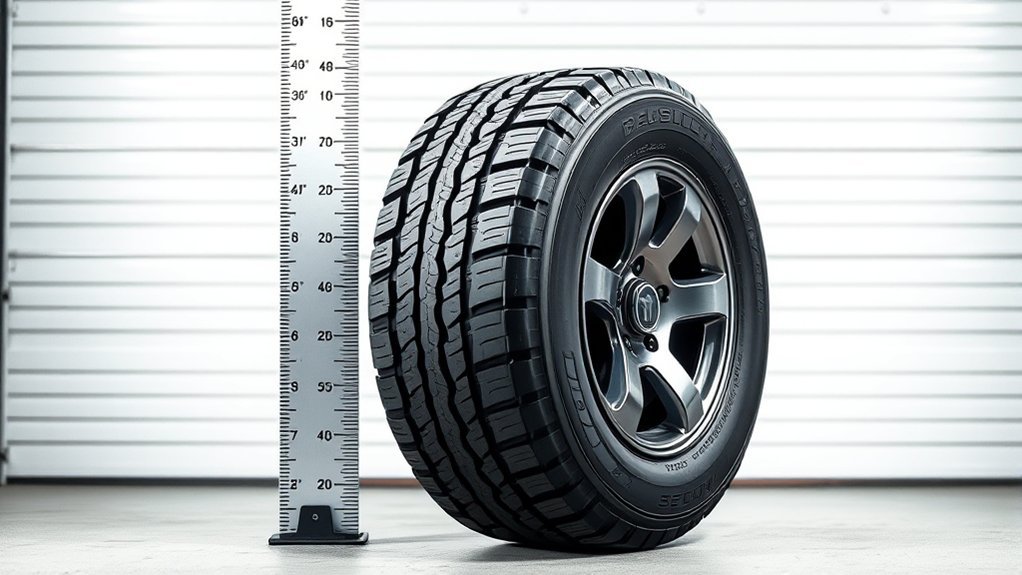
A 265/65R18 tire is about 31.6 inches tall from tread to tread. That number is the tire’s approximate overall diameter. It helps you compare ride height, ground clearance, gearing, and speedometer changes when you move from one tire size to another.
The tire code also tells you the wheel size. The “R18” means the tire uses radial construction and fits an 18-inch wheel. It will not mount correctly on a 17-inch or 20-inch rim. For size-code basics, Bridgestone explains that the first number is width, the second number is aspect ratio, and the rim diameter is listed in inches.
| Spec | 265/65R18 Approx. Value |
| Overall diameter | 31.6 in |
| Section width | 265 mm / 10.4 in |
| Sidewall height | 172 mm / 6.8 in |
| Wheel diameter | 18 in |
| Circumference | 99.1 in |
| Revolutions per mile | About 639 |
These values match common published tire-size calculator data for 265/65R18 dimensions. Still, actual mounted height can vary slightly by brand, tread depth, load rating, tire pressure, and measuring method.
265/65R18 Tire Width and Sidewall Size
The section width is 265 mm, which equals about 10.4 inches. Section width measures the tire from sidewall to sidewall, not just the tread that touches the road. That width affects wheel-well clearance, steering clearance, and how the tire sits on the rim.
The sidewall height is about 6.8 inches. You get that number by multiplying 265 mm by the 65% aspect ratio. The exact metric result is 172.25 mm, or about 6.78 inches. This sidewall gives the tire enough cushion for rough pavement and gravel while keeping the steering more controlled than a taller 70-series tire.
How to Calculate 265/65R18 Size
You can calculate this tire size with a simple formula. The first number, 265, is the tire width in millimeters. The second number, 65, means the sidewall height is 65% of that width. The final number, 18, is the wheel diameter in inches.
- Sidewall height: 265 mm × 0.65 = 172.25 mm.
- Convert to inches: 172.25 mm ÷ 25.4 = 6.78 inches.
- Overall diameter: 18 inches + 6.78 inches + 6.78 inches = 31.56 inches.
- Circumference: 31.56 inches × 3.1416 = about 99.16 inches.
That is why most size charts round a 265/65R18 to 31.6 inches tall, 10.4 inches wide, and 6.8 inches of sidewall.
Pro Tip: Compare your new tire size with the tire size on your vehicle placard, not only with online charts. A size that looks close on paper can still rub if your wheel offset, suspension, fender liner, or mud flap clearance is tight.
265/65R18 Specs in Simple Terms
In plain English, a 265/65R18 tire is a 31.6-inch-tall radial tire with a 10.4-inch section width and an 18-inch wheel opening. The 65 aspect ratio gives it a medium-tall sidewall, so it can absorb bumps better than many lower-profile tires.
The size code does not tell you everything you need to know before buying. It does not identify the tire’s load index, speed rating, tread type, load range, or whether the tire is Standard Load, Extra Load, or Light Truck rated. Bridgestone notes that load index and speed rating appear after the rim size and must be checked separately for proper replacement tire selection.
How 265/65R18 Compares to 265/70R18
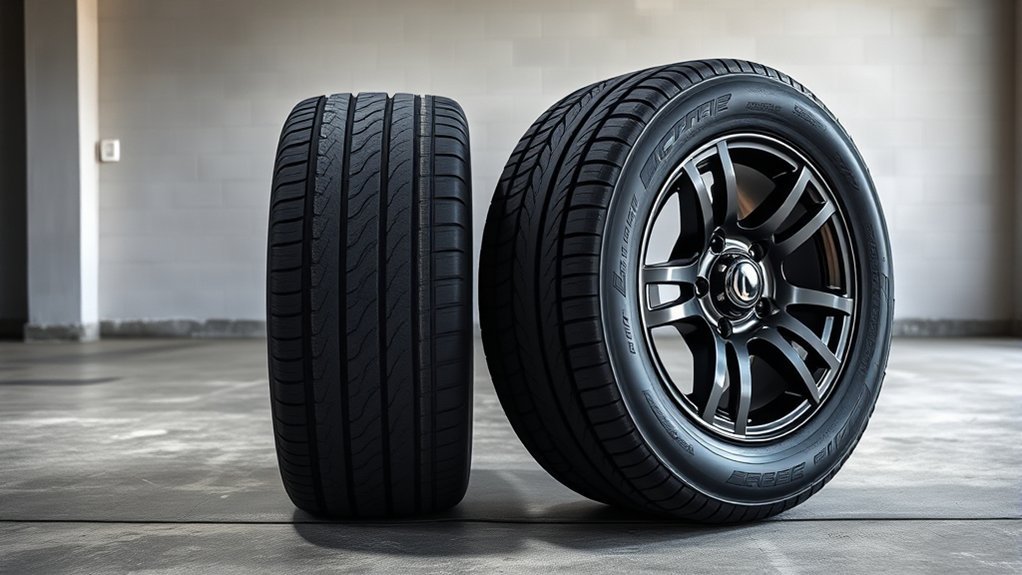
A 265/70R18 uses the same 265 mm section width and the same 18-inch wheel diameter, but it has a taller sidewall. The 70-series sidewall is about 7.3 inches tall, while the 265/65R18 sidewall is about 6.8 inches tall.
| Metric | 265/65R18 | 265/70R18 | Difference |
| Overall diameter | 31.56 in | 32.61 in | 265/70R18 is about 1.04 in taller |
| Sidewall height | 6.78 in | 7.30 in | 265/70R18 adds about 0.52 in of sidewall |
| Ground-clearance change | Baseline | About +0.52 in | Clearance changes by radius, not full diameter |
The 265/65R18 gives you slightly quicker steering response and a smaller speedometer change if it is closer to your original tire size. The 265/70R18 gives you more sidewall and a little more ground clearance, but it may need extra clearance around the fenders, liners, control arms, and mud flaps.
[Products Worth Considering]

Keep your tires properly inflated with this analog VONDIOR tire pressure gauge, designed for fast, easy readings without batteries. The swiveling, two-axis hose and large glow dial help you measure at any tire angle with instant visibility. Built with a protective rubber shield, it supports durable, low-maintenance use for cars and trucks.

The 22800 wheel stud installer makes replacing wheel studs quick and secure, saving time and effort during tire service. It uses a ratchet or impact wrench to pull new studs firmly into place, helping when existing studs are too long. Compatible with most automotive wheels and light-duty truck wheel studs, it’s designed for easy, tool-assisted installation.

Measure tire tread depth quickly and accurately with this LUMITECO dial gauge that reads in 1/32" increments up to 14/32". The color-coded green/yellow/red zones make it easy to judge tire wear and know when replacement is needed. A rugged, compact design with a protective pouch helps keep the gauge ready for use on cars, trucks, motorcycles, and more.
Ground Clearance Changes With 265/65R18
A 265/65R18 tire can raise or lower your vehicle only when it differs from your current tire size. If your current tire is smaller, the 31.6-inch diameter may add ground clearance. If your current tire is taller, switching to 265/65R18 may reduce clearance.
The key point is that ground clearance changes by radius, not full diameter. For example, if you move from a 30.6-inch tire to a 31.6-inch tire, the tire is 1 inch taller overall, but the axle and underbody rise by about 0.5 inch.
| Metric | Value | What It Affects |
| Overall diameter | 31.6 in | Ride height, wheel-well clearance, gearing |
| Radius | 15.8 in | Actual ground-clearance change |
| Sidewall height | 6.8 in | Impact absorption and ride feel |
Speedometer and Odometer Effects
Changing tire diameter changes how far your vehicle travels with each tire revolution. Tire Rack explains that speedometers measure speed from tire revolutions, so changing outside diameter affects speedometer accuracy.
If 265/65R18 is taller than your stock tire, your actual road speed can be slightly faster than the dashboard reading. If it is shorter than your stock tire, your actual road speed can be slightly slower. The same change can also affect odometer readings, shift timing, and driver-assist calibration on some vehicles.
Note: A small size change may be fine on some vehicles, but always compare against the factory tire size listed on the driver’s door placard or in the owner’s manual before buying.
Will 265/65R18 Fit My Vehicle?
A 265/65R18 tire fits only if your vehicle can accept the tire’s 31.6-inch diameter, 10.4-inch section width, and 18-inch wheel requirement. Rim diameter is only one part of fitment. You also need enough clearance around the suspension, fender liner, bumper, mud flaps, brake components, and steering path.
NHTSA recommends buying tires in the original size or another size recommended by the vehicle manufacturer. It also tells drivers to check the owner’s manual or Tire and Loading Information Label when choosing replacement tires.
Warning: Do not choose 265/65R18 by size alone. Match the tire’s load index, speed rating, load range, and inflation requirements to your vehicle. If the tire rubs at full steering lock or under suspension compression, it is not a safe fit.
[Products Worth Considering]

The SAFELIFE dial tire tread depth gauge measures tread depth in 1/32 inch increments with clear, easy-to-read 2-inch dial face. Color zones using a traffic light system help you quickly judge whether tread is low, marginal, or ample for safer driving. Built with a durable zinc cast body and a metal detect probe for precise, comfortable use across cars, motorcycles, trucks, and buses.

Upgrade your 2024-2026 Tesla Model 3 Highland with REEVAA all-weather mud flaps designed for seamless fit along the original body lines. The set of four delivers strong splash protection against mud, gravel, and road debris while using OEM-grade durable materials. Installation is non-destructive with original hole positions and snap-in clips, and the aerodynamic design helps minimize impact on efficiency.

Monitor tire tread wear with a smart, color-coded depth gauge that shows clear condition ranges at a glance. The bar is range marked for fast, easy readings, helping you maintain safer traction and performance. Each gauge is portable with a pocket clip, and the set includes 20 units for daily use and sharing.
Fitment Checklist
- Wheel diameter: Confirm you have 18-inch wheels.
- Rim width: Many 265/65R18 tires are listed for about 7.5- to 9.5-inch wheels, but you should verify the specific tire model’s approved rim range.
- Offset and backspacing: Wheel offset can move the tire closer to the fender or suspension.
- Steering clearance: Turn the wheel fully left and right and check for contact points.
- Suspension clearance: Check control arms, struts, sway-bar links, and inner liners.
- Load and speed rating: Match or exceed the vehicle’s original equipment requirement.
- Spare tire space: A taller tire may not fit in the factory spare location.
- TPMS and calibration: Some vehicles may need recalibration after a meaningful size change.
Ride Comfort and Handling
With an overall diameter of about 31.6 inches and a sidewall height near 6.8 inches, a 265/65R18 tire gives you a practical balance of comfort and control. The sidewall has enough height to absorb potholes, gravel, and broken pavement, but it is not so tall that the tire feels overly soft on the highway.
Compared with a taller 70-series tire in the same width, the 265/65R18 usually feels a little more controlled during lane changes and cornering. Compared with a lower-profile tire, it usually gives you more cushion. The final ride feel still depends on the tire model, tread pattern, load rating, tire pressure, vehicle weight, and suspension setup.
Fuel Economy and Rolling Resistance
A 265/65R18 tire can affect fuel economy, but size alone does not tell the full story. Rolling resistance depends on tire pressure, tread compound, tread design, tire weight, load, alignment, and road surface. A lighter tire that stays close to the factory size may help preserve efficiency, while a heavier aggressive all-terrain tire can reduce it.
FuelEconomy.gov says proper tire inflation can improve gas mileage by 0.6% on average and up to 3% in some cases. It also says underinflated tires can lower gas mileage by about 0.2% for every 1 psi drop in the average pressure of all tires.
Fuel Economy Impact
If 265/65R18 matches your factory tire size, fuel economy should stay close to what the vehicle was designed to deliver. If it is larger, heavier, or more aggressive than stock, acceleration may feel slower and fuel use may increase. If it is smaller or lighter than your previous tire, it may feel more responsive, but that does not guarantee better real-world mileage.
Rolling Resistance Factors
Rolling resistance increases when the tire flexes more than it should. Underinflation, heavy loads, aggressive tread blocks, and poor alignment can all increase drag. Proper inflation helps the tread sit correctly on the road, reduces excess heat, and supports better tire life.
Size and Efficiency
The 31.6-inch diameter gives the 265/65R18 stable highway manners, but it also changes gearing if your vehicle originally used a much smaller tire. A larger rolling diameter can reduce engine rpm at cruising speed, but the extra weight and rolling resistance can cancel that gain. That is why the best efficiency choice is usually the tire size and load rating recommended by your vehicle manufacturer.
Best Uses for 265/65R18 Tires
265/65R18 tires work best on SUVs and light trucks that are designed for this size or can safely accept it. The size suits daily driving, highway travel, towing within the vehicle’s rating, gravel roads, and light trail use when paired with the right tire type.
[Products Worth Considering]

This metal-free wheel and tire cleaning brush uses dense, fluffy synthetic wool to safely clean rims, spokes, fenders, and engine areas without worrying about damaging surfaces. Its flexible, comfortable design helps you reach detailed areas while maintaining durability, and the extra absorbent fibers work well with wheel spray cleaners for faster cleanup. Reusable and washable performance helps prevent grime and build-up for cleaner vehicles and easier maintenance at home.

Upgrade your ride with a 2-pack set of 26x1.95 folding mountain bike tires built for dependable traction on mud, rocks, and trail surfaces. A reinforced puncture-resistant layer helps protect against sharp debris, while included butyl inner tubes provide strong sealing and shock absorption. Ready for fast swaps with included tire levers and universal sizing for most bikes.

This manual duck head tire changer kit makes tire installation and removal simpler by letting you embed the duck head into the tire with applied pressure. The integrated design and durable steel construction help reduce friction and improve efficiency and safety during use. Suitable for 16–21 inch wheels, it’s convenient for cars, trucks, SUVs, and ATV tires, with 24-hour after-sales support.
On-Road Driving
For paved-road driving, this size offers stable tracking, decent ride comfort, and a broad contact patch. Highway-terrain and touring all-season tires in this size usually focus on low noise, wet grip, long tread life, and predictable handling.
- Daily commuting
- Highway trips
- Family SUVs
- Light trucks used mostly on pavement
- Towing or hauling when the tire’s load rating matches the vehicle
Light Off-Road Use
For occasional dirt roads, gravel, grass, and mild trails, 265/65R18 gives you enough sidewall to absorb small impacts. Choose an all-terrain tread if you need more bite on loose surfaces. Choose a highway or touring tread if most of your driving happens on pavement.
| Driving Need | Best Tire Type |
| Quiet highway driving | Touring or highway all-season |
| Mixed pavement and gravel | Mild all-terrain |
| Snow and cold-weather driving | Dedicated winter tire or all-weather tire, depending on climate |
| Rough trails and mud | More aggressive all-terrain or mud-terrain, if the vehicle has clearance |
How to Check Tire Pressure and Wear
Start with tire pressure. NHTSA recommends checking all tires, including the spare, at least once a month when the tires are cold. Cold means the vehicle has not been driven for at least three hours. Use the pressure listed on the driver’s door placard or in the owner’s manual, not the maximum pressure molded into the tire sidewall.
The right cold tire pressure supports load capacity, tread life, handling, braking, and fuel economy.
- Check pressure before driving or after the vehicle has been parked for at least three hours.
- Set each tire to the vehicle placard pressure.
- Inspect tread depth across the inner, center, and outer tread areas.
- Look for uneven wear, cupping, cracks, bulges, punctures, or exposed cords.
- Rotate, balance, and align tires based on your owner’s manual or tire-shop recommendation.
NHTSA says tires are not safe and should be replaced when tread wears down to 2/32 of an inch. It also recommends checking tread when you check pressure. If the tread is uneven, the vehicle may need an alignment, rotation, suspension inspection, or pressure correction.
Frequently Asked Questions
Which tire is taller, a 65 or 70?
A 70-series tire is taller than a 65-series tire when the width and wheel diameter are the same. For example, a 265/70R18 has a sidewall of about 7.3 inches, while a 265/65R18 has a sidewall of about 6.8 inches.
Is a 33-inch tire the same as a 265?
No. A 33-inch tire refers to overall diameter, while 265 refers to section width in millimeters. A 265/65R18 is about 31.6 inches tall, so it is shorter than a true 33-inch tire. You need the full tire code to compare size correctly.
Is 265 or 275 taller?
A 275 tire is not automatically taller. Width alone does not decide height. If both tires use the same aspect ratio and wheel diameter, such as 265/65R18 versus 275/65R18, the 275 will be slightly taller because 65% of 275 mm is more than 65% of 265 mm.
Is a 31-inch tire the same as a 265?
No. A 31-inch tire describes overall diameter, while 265 describes tire width in millimeters. A 265/65R18 is close to 31 inches, but it is actually about 31.6 inches tall. Always compare the full size code, not one number.
What rim width fits a 265/65R18 tire?
Many 265/65R18 tires are commonly listed for wheels around 7.5 to 9.5 inches wide, but you should verify the approved rim-width range for the exact tire model. Tire construction, load rating, and manufacturer specifications can vary.
Will 265/65R18 tires affect my speedometer?
They can if they are taller or shorter than your factory tire size. A taller tire travels farther per revolution, which can make your actual speed slightly higher than the speedometer reading. A shorter tire does the opposite.
Conclusion
A 265/65R18 tire is about 31.6 inches tall, 10.4 inches wide, and has a 6.8-inch sidewall. Its circumference is about 99.1 inches, and it fits an 18-inch wheel. Those numbers make it a practical size for many SUVs and light trucks, especially when you want a balance of comfort, clearance, and road stability.
Before you buy, compare it with your factory tire size and confirm rim width, load rating, speed rating, clearance, and tire pressure requirements. If you are switching from 265/70R18, expect the 265/65R18 to be about 1.04 inches shorter overall and to lower ground clearance by about 0.52 inch.
Sources
- Bridgestone Americas: How to Read & Determine Tire Size — backs up tire-code meaning, aspect ratio, rim diameter, load index, and speed rating guidance.
- TireSize.com: 265/65R18 Tires — backs up 265/65R18 diameter, width, circumference, revolutions per mile, and common rim-width range.
- NHTSA TireWise: Tire Safety Ratings and Awareness — backs up tire pressure, tread depth, replacement-size, rotation, alignment, and monthly inspection guidance.
- FuelEconomy.gov: Keeping Your Vehicle in Shape — backs up tire pressure and fuel-economy guidance.
- Tire Rack: How Do I Check Speedometer Accuracy? — backs up speedometer effects from tire diameter changes.