
Yes, you can use tire sealant on some TPMS-equipped tires, but you should treat it as an emergency option, not a normal repair. The safest answer depends on your vehicle manual, the sealant label, and the type of TPMS your vehicle uses. A product marked “TPMS safe” lowers the risk, but it can still leave residue that a tire shop must clean before the tire is inspected and repaired.
Quick Answer
You can use TPMS-safe tire sealant in an emergency if your vehicle manual and the product label allow it. Do not use it as a permanent repair. Afterward, drive only as directed, tell the tire technician sealant was used, and have the tire removed, inspected, cleaned, and repaired properly.
Key Takeaways
- Sealant risk mainly applies to direct TPMS, where a pressure sensor sits inside the tire.
- Use only a sealant labeled safe for TPMS, and only when the tire damage fits the product instructions.
- Do not use sealant for sidewall damage, shoulder damage, blowouts, large punctures, or tires driven flat.
- Sealant can leave residue on the sensor, valve, wheel, and inner liner, so professional cleanup matters.
- A proper puncture repair usually requires removing the tire from the wheel, inspecting the inside, and using a patch-plug repair.
At a Glance
| Best Use | Temporary emergency help for a small tread puncture when no safer option is available. |
| Risk Level | Low to moderate with TPMS-safe products and proper cleanup; higher with unknown or non-compatible sealants. |
| Tools Needed | TPMS-safe sealant or emergency inflator kit, tire pressure gauge, and access to professional tire service afterward. |
| Permanent Repair? | No. Sealant is temporary. A qualified technician should inspect and repair or replace the tire. |
Understanding TPMS: What You Need to Know
A Tire Pressure Monitoring System, or TPMS, warns you when one or more tires are significantly underinflated. In the United States, FMVSS No. 138 requires covered vehicles to warn drivers when tire pressure drops to a defined low-pressure threshold, including 25% below the vehicle maker’s recommended cold inflation pressure in many cases.
Not every TPMS works the same way. A direct TPMS uses pressure sensors mounted inside each wheel, often near the valve stem. An indirect TPMS estimates low pressure through wheel-speed data and other vehicle sensors. Tire sealant is mainly a concern for direct TPMS because the liquid goes inside the tire, where the sensor, valve, and wheel surface sit.
Many U.S. passenger cars, light trucks, and vans from model year 2008 and newer came with TPMS. Still, TPMS is not a substitute for regular tire care. NHTSA recommends checking all tires, including the spare, at least once a month when the tires are cold.
Note: Check the tire pressure listed on your driver-side door placard or owner’s manual. The maximum PSI printed on the tire sidewall is not the normal recommended pressure for your vehicle.
Can You Use Tire Sealant With TPMS?
You can use tire sealant with TPMS only when three things are true: the sealant is labeled safe for TPMS, your owner’s manual does not warn against it, and the tire damage fits the product instructions. Even then, it is a short-term mobility fix.
Some emergency products are designed to be sensor-safe. For example, Fix-a-Flat says its product is tire sensor safe, but it also says a qualified tire repair professional should clean the TPMS device with water after the tire is repaired. That cleanup step matters because sealant residue can remain inside the tire.
The practical rule is simple: use sealant only to get out of a roadside emergency, then arrange professional tire service as soon as possible. Do not keep driving for days or weeks as if the tire were fully repaired.
The Risks of Using Tire Sealants
Using tire sealant in a TPMS-equipped tire can create several problems. The biggest risks are inaccurate readings, messy repairs, sensor contamination, valve blockage, and missed tire damage. These risks rise when the product is not marked TPMS-safe or when the tire is not cleaned after use.
| Risk Factor | Why It Matters |
|---|---|
| Sealant residue near the sensor | Residue can interfere with sensor ports, valve parts, or future service. |
| Wrong or non-compatible product | A sealant not designed for TPMS can increase the chance of sensor or valve problems. |
| Hidden tire damage | Sealant can mask a puncture, but it cannot confirm the tire is safe inside. |
| Messy cleanup | A tire shop may need extra time to clean the wheel, sensor, valve, and inner liner. |
| Possible warranty concerns | Some tire, wheel, vehicle, or sensor warranties may limit coverage if unapproved chemicals are used. |
Warning: Do not use sealant for sidewall damage, shoulder damage, a blowout, a large puncture, visible cords, wheel damage, or a tire that was driven flat. In those cases, install the spare, call roadside assistance, or have the tire towed for inspection.
How Sealants Can Affect TPMS Sensors
A direct TPMS sensor needs open air flow inside the tire to read pressure correctly. Sealant can coat the inside of the tire and may reach the sensor body, pressure port, valve core, or wheel surface. If residue blocks air movement or dries around small openings, the system may give inaccurate readings or trigger a warning light.
That does not mean every TPMS-safe sealant instantly ruins every sensor. Several modern emergency sealants are designed to be water-cleanable and sensor-safe when used as directed. The problem is what happens next. If a technician repairs the tire without removing the residue, the sensor and valve area can continue to have problems.
Sensor damage can also happen during tire service, not just from chemicals. Schrader recommends careful valve and sensor handling during mounting and demounting because valve-mounted TPMS sensors can be damaged by the tire sidewall or tire machine if the process is wrong.
When Tire Sealant May Be Acceptable
Tire sealant may make sense when you have a small tread puncture, the tire still holds some air, the product is marked safe for TPMS, and you need to reach a safer location. It is most useful when you do not have a usable spare tire or cannot safely change a tire at the roadside.
Before using it, read the sealant instructions. Check the maximum puncture size, speed limit, driving distance, temperature range, and whether the product works with your tire type. Some sealants are made for passenger tires only, while others may not be suitable for motorcycles, heavy-duty tires, foam-filled tires, or certain specialty tires.
TPMS can warn you about low pressure, but it cannot tell you whether the inside of a sealed tire is safe. A technician still needs to inspect the tire from the inside.
What to Do After Using Sealant in a TPMS Tire
If you use sealant, take a few simple steps to reduce the chance of TPMS trouble and tire damage:
- Follow the product label exactly. Do not exceed the listed speed, distance, or inflation instructions.
- Check pressure with a gauge. Do not rely only on the dashboard reading after adding sealant.
- Drive only to a safe repair location. Sealant is a temporary mobility aid, not a finished repair.
- Tell the tire shop sealant was used. This helps the technician prepare for cleanup and sensor inspection.
- Ask for the TPMS sensor and valve area to be checked. The sensor may need cleaning, a service kit, relearn, or replacement if it is damaged.
- Confirm the tire can be repaired. A safe repair depends on puncture size, location, inside-tire condition, and tire manufacturer policy.
Pro Tip: Keep a photo of the sealant bottle or kit instructions. Showing the product to the tire technician helps them know whether the sealant is water-cleanable and TPMS-safe.
[Products Worth Considering]

The VEHLIVE SU-50448 II TPMS relearn tool provides a fast activation reset to restore accurate tire pressure monitoring after sensor replacement or tire rotation. It supports 315 MHz and 433 MHz GM series sensors and helps clear dashboard pressure warnings. With simple two-button operation and horn-confirmed relearning order, you can reprogram sensors conveniently at home.
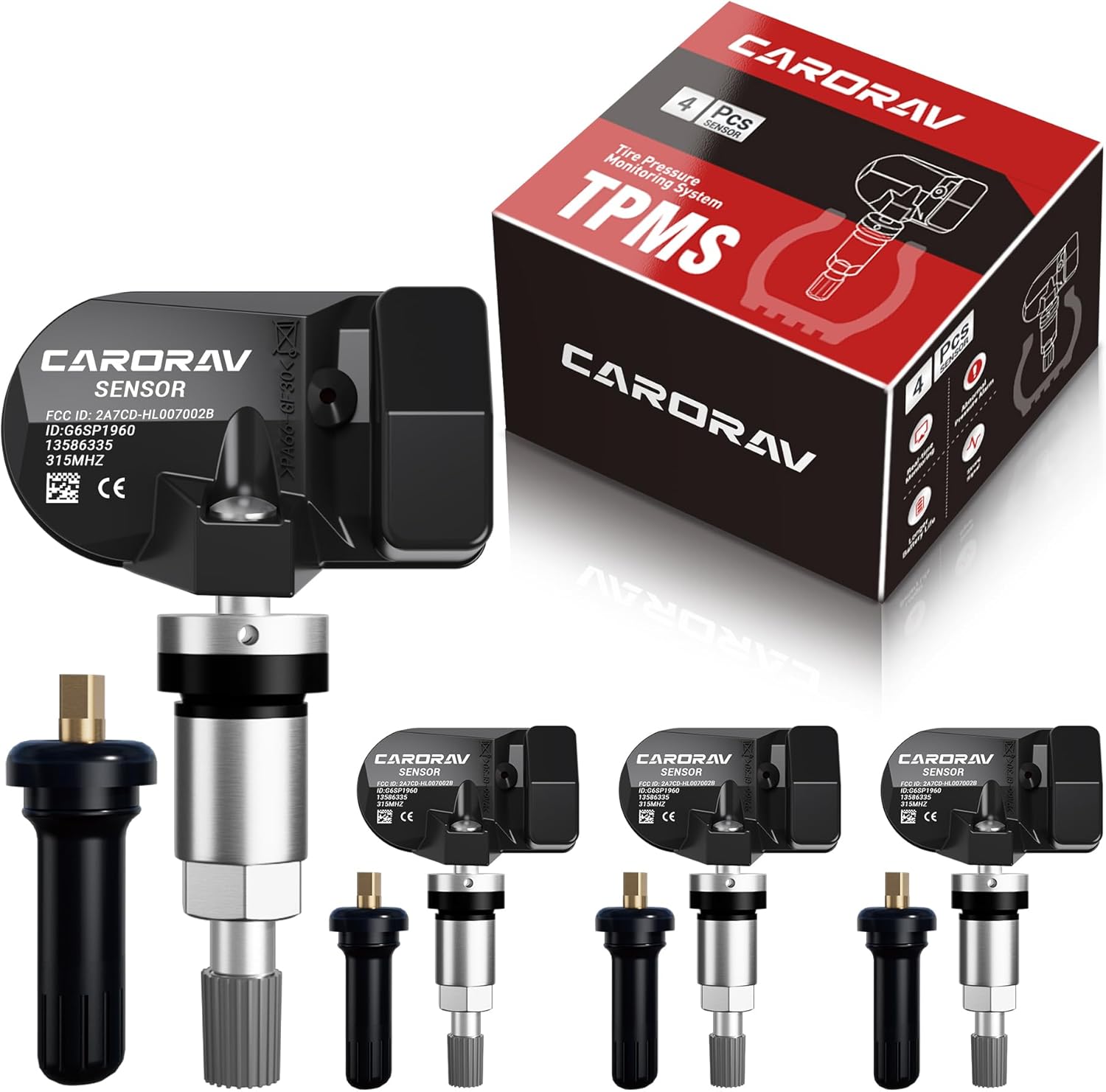
Replace worn or missing TPMS sensors with CARORAV pre-programmed GM-compatible sensors for a smoother installation experience. These 315MHz replacement sensors help monitor tire pressure in real time with long battery life, and they are designed to withstand harsh temperatures. Manual or OBDII relearn may be required to reset the system for proper recognition.
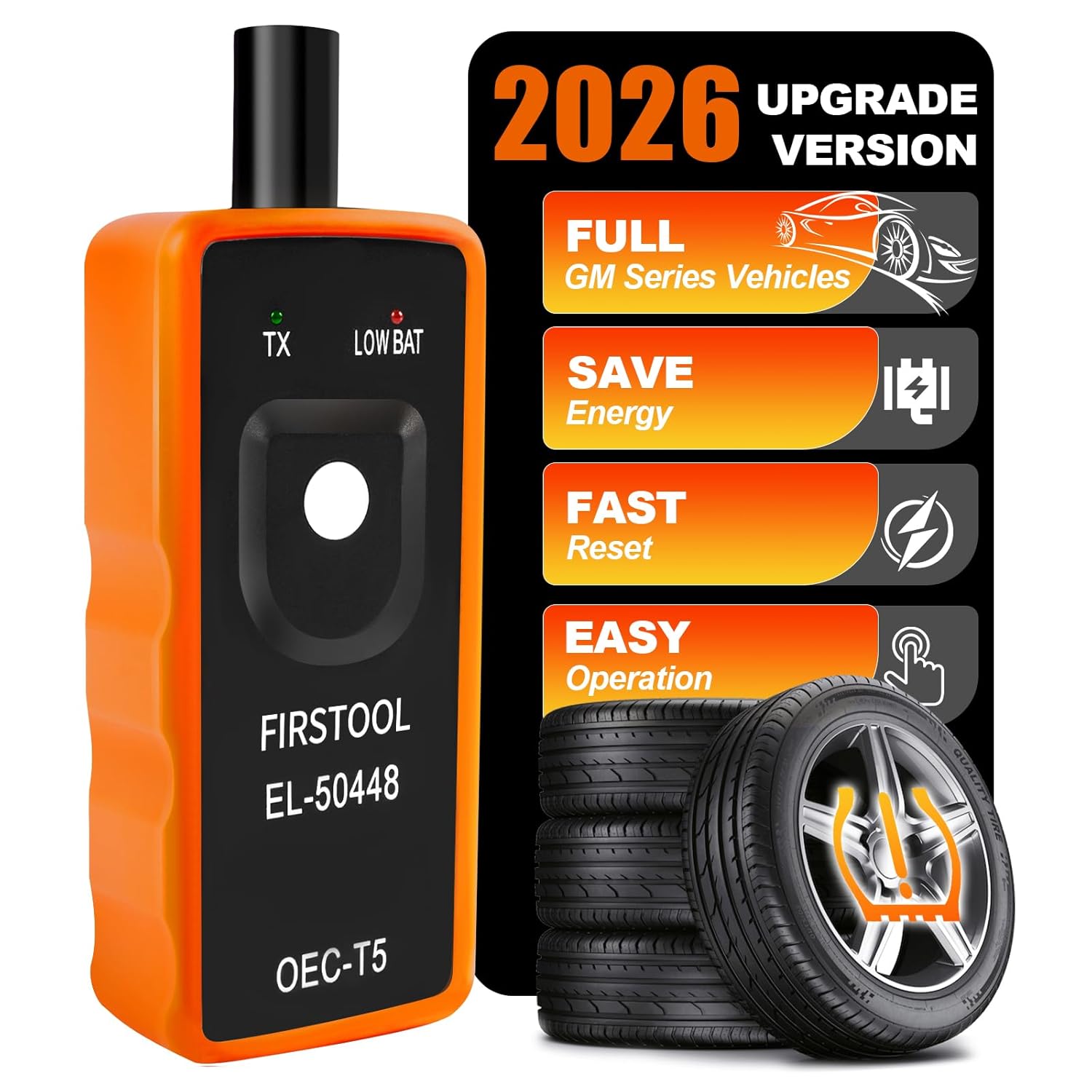
This TPMS relearn tool helps you quickly activate, match, and reset GM tire pressure sensors to keep the vehicle monitoring system working properly. It clears tire pressure alarms and dashboard warning lights after sensor replacement or tire rotation, and supports learning for common 315/433 MHz TPMS sensors. Designed for simple one-button operation, it can help you avoid unnecessary trips to repair shops.
Alternatives to Tire Sealants for Preventing Tire Leaks
Tire sealants might offer a quick solution for punctures, but they are not always the best first choice for TPMS-equipped tires. If you have a safe location and the right equipment, a spare tire, compact temporary spare, roadside assistance, or tow service can avoid putting liquid inside the tire.
For slow leaks around the bead or valve, sealant usually does not solve the real cause. A shop should inspect the valve stem, TPMS service kit, rim corrosion, bead seat, tire damage, and wheel condition. Cleaning the bead seat, replacing a leaking valve component, or remounting the tire with the correct lubricant often works better than adding liquid sealant.
Be careful with mounting products around TPMS sensors. HELLA warns that mounting paste may clog the filter surface of TPMS sensor electronics. Use only the mounting spray, soap solution, or tire service lubricant recommended by the tire equipment, sensor, and vehicle manufacturer.
| Problem | Better Option |
|---|---|
| Small tread puncture | Professional internal inspection and patch-plug repair if the tire qualifies. |
| Slow bead leak | Clean rim/bead area, inspect corrosion, and remount the tire correctly. |
| Leaking TPMS valve | Replace the proper TPMS service kit or valve component. |
| Unsafe roadside location | Call roadside assistance instead of trying a repair near traffic. |
[Products Worth Considering]

Replace worn or malfunctioning GM TPMS sensors with this 433MHz pre-programmed sensor set designed for compatibility with many Chevrolet, Buick, GMC, and Cadillac models. It includes guidance for proper OBDII relearning/pairing after installation and supports reliable long-term operation with a high-performance CR2032 battery. Quality tested for durability and performance to help restore accurate tire pressure monitoring.

Malco tire mounting and demounting lubricant is a ready-to-use tire lube formulated to reduce friction during tire installation for passenger cars, light trucks, farm tires, and heavy-duty equipment. It provides rust-inhibiting protection to help reduce corrosion on rims and wheels, and helps support proper tire bead seating during inflation to reduce air leakage. The silicone-free, soap-free formula is whitewall safe to help prevent discoloration on whitewall tires and sensitive sidewall markings.

Replace your worn or missing TPMS sensors with pre-programmed, direct-fit sensors for compatible Ford, Lincoln, and select Mazda models. Each sensor comes ready to activate with a scan tool, helping restore accurate tire pressure monitoring and trouble-free installation. Built with a long-life CR2032 battery and tested before factory release, this set provides dependable performance with a one-year warranty.
Best Practices for Maintaining Your TPMS
Good TPMS maintenance starts with normal tire care. Check tire pressure when the tires are cold, inspect tread and sidewalls, respond quickly to warning lights, and have TPMS parts inspected during tire service. This helps you catch leaks before they become roadside problems.
Regular Pressure Checks Essential
Check your tire pressure at least once a month with a reliable tire pressure gauge. Also check before long trips, after a hard pothole hit, after a curb impact, or when the TPMS warning light turns on. TPMS usually warns after pressure is already significantly low, so manual checks still matter.
Use the vehicle manufacturer’s recommended cold PSI from the door placard or owner’s manual. If the tire is warm, follow your owner’s manual guidance and recheck when cold. Documenting repeated pressure loss can help a technician find a slow puncture, bead leak, cracked wheel, or valve issue.
Proper Service During Installation
TPMS sensors can be damaged during tire mounting and demounting if the technician does not protect the sensor. Valve-mounted sensors need careful handling, correct valve position, proper lubrication of rubber snap-in valves, and the right service parts.
| Service Step | Why It Helps | Best Practice |
|---|---|---|
| Test before service | Confirms whether the TPMS worked before the tire was touched. | Ask the shop to scan or verify TPMS operation before repair. |
| Use correct lubricant | Reduces bead and valve damage without clogging the sensor. | Use approved mounting spray, soap solution, or manufacturer-approved tire lubricant. |
| Replace service parts | Old grommets, valve cores, caps, and nuts can leak after tire service. | Use the correct TPMS service kit for that sensor and wheel. |
| Relearn or reset if needed | Some vehicles need a TPMS relearn after rotation, sensor replacement, or tire service. | Follow the owner’s manual or have the shop complete the relearn procedure. |
What Professionals Recommend for Tire Problems
Professionals generally treat sealant as temporary. A safe repair starts by removing the tire from the wheel so the inside can be inspected. The U.S. Tire Manufacturers Association says repairs should be limited to the tread area, the puncture injury should be no greater than 1/4 inch, and a repair must include both a rubber stem or plug to fill the injury and a patch to seal the inner liner.
That is why an outside-only plug or a sealed tire that never gets opened is not the best long-term solution. The inside of the tire may have liner damage, sidewall damage, heat damage, or run-flat damage that you cannot see from outside.
When TPMS is involved, a technician should also inspect the sensor body, valve stem, valve core, grommet, cap, and wheel sealing surface. If the warning light flashes for 60 to 90 seconds and then stays on, NHTSA says that can indicate a TPMS malfunction, and the vehicle should be inspected.
[Products Worth Considering]

Replace worn or missing TPMS sensors with a pre-programmed 4-pack designed for compatible GM vehicles. These 315MHz sensors provide real-time tire pressure monitoring and alert you if pressure is too high, too low, or if a rapid air leak occurs. Most installations are ready with minimal relearn effort after mounting, helping improve safety and driving confidence.

Masoll Gen 2 external TPMS sensors are a DIY replacement set of 4 for select GM vehicles made after 2006, helping you shut off the TPMS warning light quickly. Simply screw the sensors onto the tire valves and sync to your car ECU using the included EL-50448 relearn tool. Dual-frequency 315/433 MHz design provides OEM-level performance with accurate readings and replaceable batteries for about two years.

This TPMS sensor training and relearn reset tool is customized for Ford, Lincoln, and Mercury vehicles to help activate tire pressure programming after sensor replacement or tire rotation. It can activate individual tire pressure sensors with one-button operation, helping prevent TPMS warning light illumination. It is not a sensor programming tool and cannot program replacement sensors—use it to trigger/activate sensors only.
User Experiences With Tire Sealants and TPMS
Drivers report mixed results with tire sealants because products, tires, sensors, and repair follow-up vary. Some drivers use a TPMS-safe emergency sealant and have no lasting issue after proper cleanup. Others end up with a messy wheel, inaccurate readings, or a sensor that needs replacement.
The difference often comes down to three details: whether the product was actually compatible, whether the tire damage was suitable for sealant, and whether the shop cleaned and inspected the TPMS parts afterward.
Potential Sensor Damage
Potential sensor damage is more likely with unknown sealants, old sealant, excessive product, or poor cleanup. The sensor may not fail immediately. Instead, you may notice a low-pressure warning that does not match the gauge reading, a missing pressure reading for one wheel, or a malfunction light after the tire is serviced.
| Symptom | Possible Cause |
|---|---|
| Dashboard pressure does not match a gauge | Sensor contamination, relearn issue, or sensor failure. |
| TPMS light flashes, then stays on | System malfunction, dead sensor battery, damaged sensor, or communication issue. |
| Slow leak continues after sealant | Bead leak, valve leak, wheel corrosion, or damage outside the tread repair area. |
| Vibration after sealant use | Uneven sealant distribution or tire/wheel imbalance. |
Sealant Effectiveness Variability
Sealant effectiveness varies by puncture size, puncture location, tire pressure, temperature, and product formula. Sealant usually works best on small tread punctures. It usually does not work well on bead leaks, cracked wheels, sidewall damage, valve leaks, or large objects in the tire.
That is why “TPMS-safe” does not mean “safe for every flat.” It only speaks to sensor compatibility under the product’s intended conditions. You still need to decide whether the tire damage itself is suitable for sealant.
Installation Best Practices
If you decide to use sealant, use it carefully. Shake the product if the label says to, attach the hose securely, add the correct amount, reinflate to the recommended pressure, and recheck with a separate gauge. Then drive only as directed so the sealant can spread inside the tire.
| Best Practice | Why It Helps |
|---|---|
| Use only TPMS-safe sealant | Reduces the chance of sensor contamination or chemical compatibility problems. |
| Check the tire damage first | Prevents using sealant on unsafe damage that needs replacement or towing. |
| Verify pressure with a gauge | Helps catch inaccurate dashboard readings or underinflation. |
| Tell the repair shop | Lets the technician clean residue and inspect the TPMS sensor correctly. |
| Do not delay repair | Reduces the risk of pressure loss, tire damage, and TPMS contamination. |
Frequently Asked Questions
Can tire sealant cause permanent damage to TPMS sensors?
Yes, it can, especially if the sealant is not TPMS-safe, is overused, dries around the sensor, or is not cleaned out during repair. Some sensor-safe products are designed to be cleaned with water, but the sensor and valve area still need inspection after use.
How do I know if my TPMS is malfunctioning?
A common warning sign is a TPMS light that flashes for about 60 to 90 seconds and then stays on. You may also see a missing wheel reading, a pressure reading that does not match your gauge, or repeated alerts after the tires are correctly inflated.
What are the symptoms of clogged or contaminated TPMS sensors?
You may notice inaccurate pressure readings, a warning light that returns after inflation, no reading from one wheel, or a malfunction warning after tire service. These signs can also come from a dead sensor battery, damaged valve stem, or relearn problem.
Can I use sealant in emergencies without affecting TPMS?
You can reduce the risk by using only a TPMS-safe sealant and following the label exactly, but no sealant is risk-free. After emergency use, have the tire removed from the wheel, cleaned, inspected, and repaired or replaced by a qualified technician.
How often should I have my TPMS checked?
Have TPMS checked during tire replacement, tire rotation if a warning appears, valve service, or any flat repair. Also get it inspected if the TPMS light flashes and stays on, if one tire reading disappears, or if a gauge does not match the dashboard reading.
Is a tire sealant repair permanent?
No. Tire sealant is temporary. A proper repair requires professional inspection from inside the tire. If the puncture is too large, outside the tread area, or the tire was damaged by low-pressure driving, the tire may need replacement.
Can tire sealant void my TPMS or tire warranty?
It can affect coverage if the sealant is not approved by the vehicle, tire, wheel, sensor, or sealant manufacturer. Check your owner’s manual and warranty terms before using sealant, especially on newer vehicles or expensive wheel-and-tire packages.
Conclusion
You can use tire sealant on some TPMS-equipped tires, but only as a temporary emergency measure. Choose a TPMS-safe product, follow the label, and avoid sealant when the tire has sidewall damage, a large puncture, blowout damage, or signs it was driven flat.
The best way to protect your TPMS is to keep tire pressure correct, respond quickly to warning lights, and have any sealed tire professionally cleaned, inspected, and repaired. When in doubt, skip the sealant and use a spare tire, roadside assistance, or a qualified tire shop.
Sources
- eCFR 49 CFR §571.138 — TPMS purpose, definition, and federal detection requirements.
- NHTSA TireWise — tire pressure checks, TPMS warnings, and monthly cold-pressure guidance.
- U.S. Tire Manufacturers Association Tire Repair Basics — puncture repair limits and proper internal repair guidance.
- Fix-a-Flat TPMS FAQ — product-specific TPMS-safe and cleanup guidance.
- REDI-Sensor Emergency Flat Tire Repair Products and TPMS — TPMS sensor location and residue cleanup concerns.
- HELLA TPMS Technical Guide — TPMS mounting, cleaning, and sensor protection guidance.