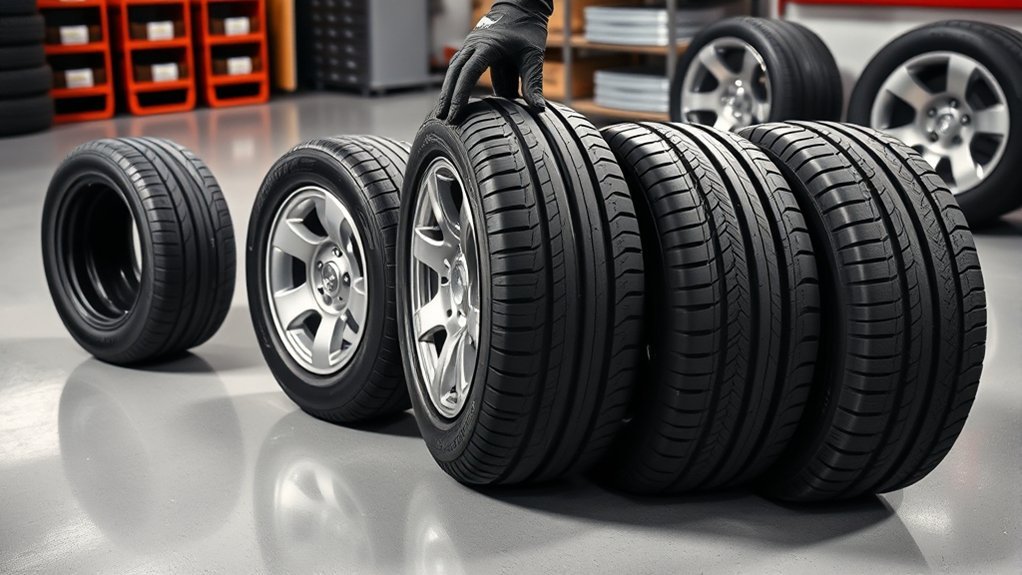
A car tire’s weight depends on the tire itself, not just the wheel diameter printed on the sidewall. A small passenger tire may feel light in one hand, while a reinforced light-truck tire can feel like a gym plate. The most useful number is the tire-only weight; a mounted tire-and-wheel assembly will be much heavier.
Quick Answer
Most passenger-car tires weigh about 15 to 25 pounds each without the wheel. Larger 20-inch SUV tires can be around 30 to 40 pounds, while light-truck and 40-inch off-road tires can be far heavier. For the exact number, check the tire maker’s spec sheet or weigh the tire alone.
Key Takeaways
- A typical passenger-car tire usually weighs about 15 to 25 pounds, but size, load rating, tread depth, and construction can push it higher.
- The Tire Industry Association reports an average of about 25 pounds for end-of-life passenger and light-truck tire equivalents, based on field studies.
- SUV, CUV, light-truck, all-terrain, and mud-terrain tires should not be lumped into one range because their weights vary widely.
- A tire’s weight is different from the mounted tire-and-wheel assembly weight; the wheel can add a lot of mass.
- Choose tires by the correct size, load index, speed rating, climate, and use first. Weight is a comparison factor, not the main safety spec.
At a Glance
| Time Required | 2 to 10 minutes if the tire specs are online; about 5 minutes if you weigh the tire yourself |
| Difficulty | Easy |
| Tools Needed | Exact tire size, tire model name, load index or load range, manufacturer spec page, and a bathroom or shipping scale if measuring at home |
| Cost | Free if you use published specs; free to low cost if you already have a scale |
What Is the Average Car Tire Weight?
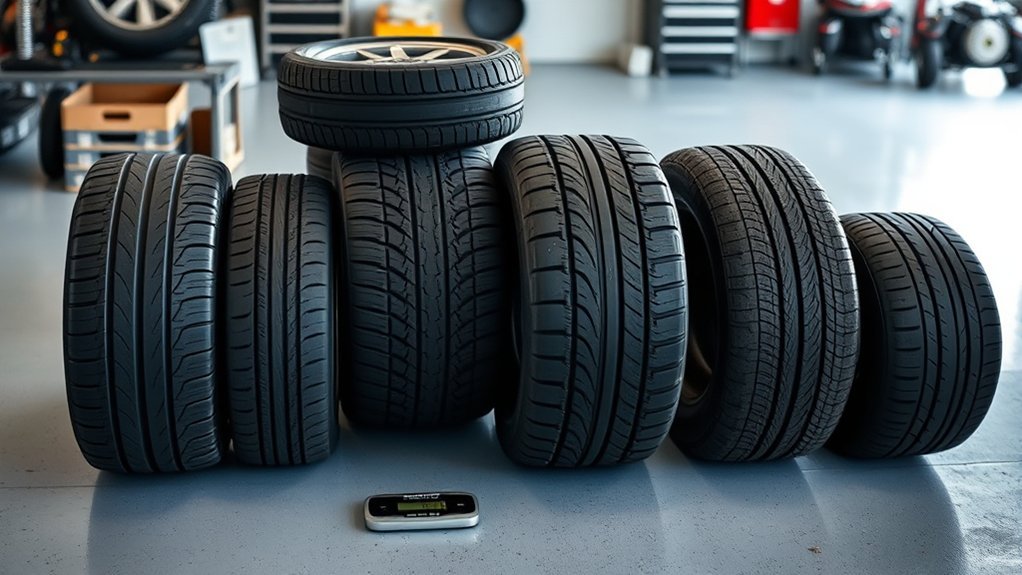
A typical passenger car tire weighs about 15 to 25 pounds. Small economy tires often sit near the lower end, while larger touring, performance, extra-load, and 20-inch passenger tires can move beyond 25 pounds.
Industry data supports the idea that modern tires have become heavier. The Tire Industry Association updated the average weight for end-of-life passenger and light-truck tire equivalents to about 25 pounds after field studies measured processed tires in several states. That is a useful recycling and planning average, but it is not a universal spec for every tire you can buy.
The exact weight comes down to tire size, load capacity, tread pattern, casing design, and materials. That is why two tires with the same wheel diameter can feel completely different when you pick them up.
Car Tire Weight by Vehicle Type and Size
Use these ranges as a practical guide, not a replacement for the manufacturer’s spec sheet. Always compare the exact tire model and size before buying.
| Tire type or size | Typical tire-only weight | What changes the number |
|---|---|---|
| Small passenger car tire | 15-22 lb | Narrow width, smaller rim diameter, standard load rating |
| Midsize or 17-inch passenger tire | 20-30 lb | Wider tread, XL load rating, run-flat construction, winter tread |
| 20-inch passenger, CUV, or SUV tire | 25-40 lb | Large diameter, wider section width, higher load index |
| SUV or crossover tire | 30-55 lb | Vehicle size, load rating, all-season vs. all-terrain tread |
| Light-truck, pickup, or LT tire | 35-80+ lb | LT construction, reinforced casing, higher load range, deeper tread |
| 40-inch off-road tire | 100-150 lb | Mud-terrain design, thick sidewalls, heavy-duty load range, aggressive tread blocks |
| Motorcycle tire | 8-30 lb | Bike type, rear vs. front tire, touring vs. sport construction |
| Golf cart, lawn, and small specialty tire | 5-15 lb | Small diameter, low load demand, simpler tread |
Note: Tire weight is separate from wheel weight. A mounted tire-and-wheel assembly includes the tire, wheel, valve stem, balancing weights, and sometimes a tire-pressure sensor.
[Products Worth Considering]

Secure your vehicle during transport with this 4-pack of heavy-duty tire tie down straps designed for trailers and hauling. The ratchet system with flat hooks and D-rings helps you tension the straps quickly, while the wheel-friendly design protects tires. With high break strength and corrosion-resistant hardware, these straps provide reliable, confidence-inspiring tie-down security for cars, trucks, and UTVs.
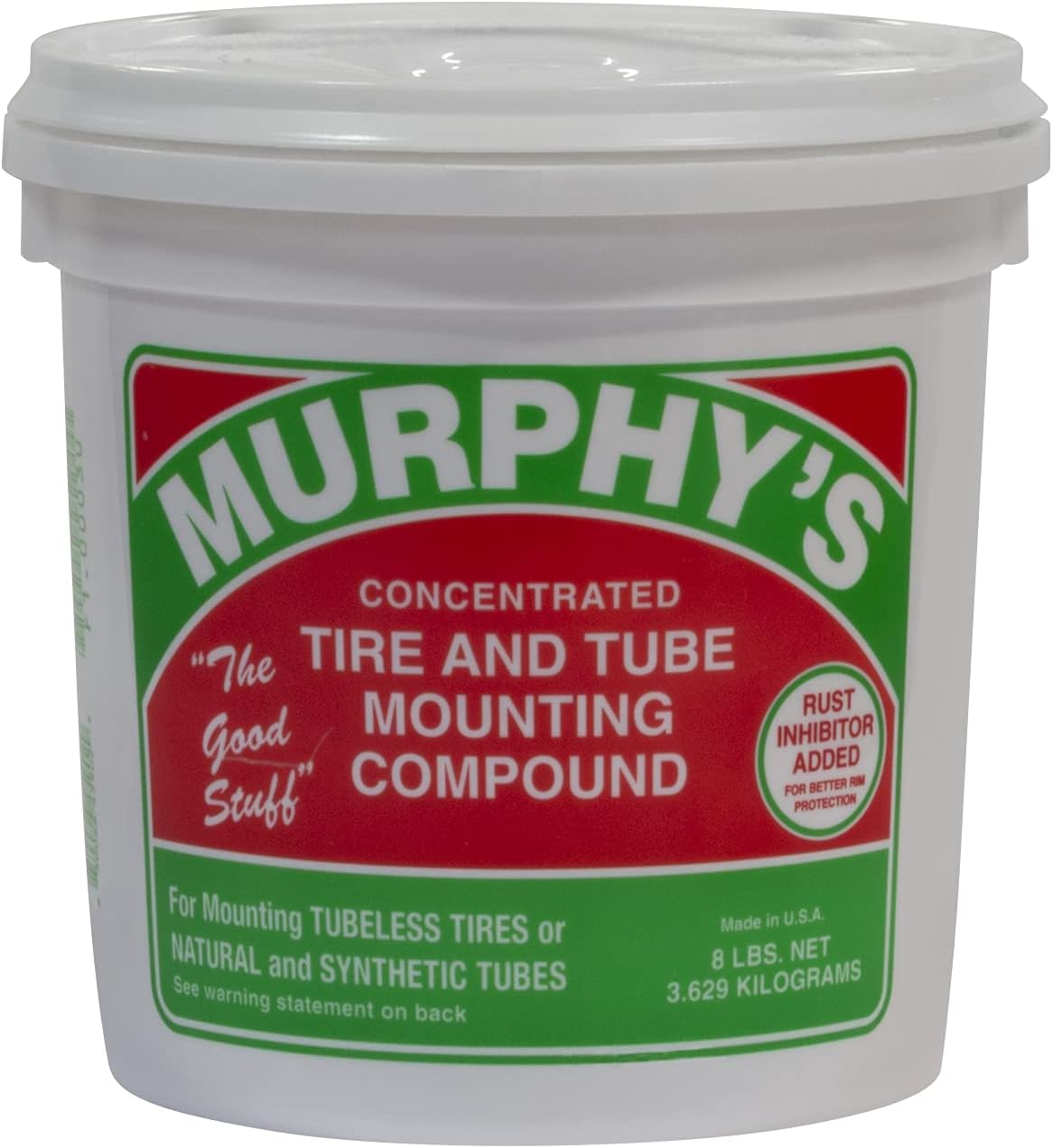
A concentrated tire and tube mounting compound designed to help simplify mounting rubber tires and tubes on passenger, semi truck, construction, and OTR applications. Its ultra-thick formula packs beads effectively and includes rust inhibitors to help protect against corrosion during use.

This ALL-TOP auto-stop tire deflator valve kit lets you air down off-road tires quickly without watching pressure, automatically stopping when your preset PSI is reached. Each valve is individually calibrated for reliable performance with an acceptable +/- 2 PSI tolerance. The adjustable deflator range covers 10 to 30 PSI and includes four valves plus valve caps and a zipper pouch for easy setup on trucks, SUVs, RVs, UTVs, and powersports.
What Factors Affect Car Tire Weight?
Car tire weight is driven mostly by size, width, load capacity, construction, and tread design. A bigger tire uses more rubber, steel, fabric, and reinforcement, so it usually weighs more.
- Tire size: A larger rim diameter, taller sidewall, or wider section width adds material.
- Load index or load range: Tires built to carry heavier loads need stronger casing, beads, and sidewalls.
- Construction type: LT, run-flat, EV-ready, winter, and off-road tires often use extra reinforcement or denser tread compounds.
- Tread depth and pattern: Deep all-terrain and mud-terrain tread blocks add weight compared with a highway touring tread.
- Materials: Steel belts, polyester plies, nylon overlays, natural rubber, synthetic rubber, and silica compounds all affect total mass.
- Purpose: A tire built for fuel efficiency may be lighter or lower in rolling resistance, while a tire built for towing, rocks, or mud may be heavier for strength.
Do not judge tire quality by weight alone. A heavier tire may be stronger for towing or off-road use, but it may also feel slower, harsher, or less efficient on a daily commuter. A lighter tire may help response and efficiency, but only if it still matches your vehicle’s required size, load index, and speed rating.
How to Find a Tire’s Exact Weight Specs
The fastest way to find a tire’s weight is to look up the exact tire model and size in the manufacturer’s published specs. The sidewall tells you the size, load rating, and speed rating, but the tire’s exact weight usually appears on the product specification page or technical data sheet.
- Read the full tire size: For example, a size such as 225/55R17 tells you width, aspect ratio, construction, and wheel diameter.
- Record the full model name: Do not compare only by size. A highway tire, winter tire, and all-terrain tire in the same size can weigh different amounts.
- Check the load index or load range: Extra-load and LT-rated tires usually weigh more than standard-load versions.
- Search the manufacturer’s spec page: Look for a table that lists tire weight, max load, max pressure, tread depth, section width, and overall diameter.
- Separate tire weight from shipping weight: Shipping weight may include packaging and may not equal the tire-only spec.
- Weigh it yourself if needed: Use a bathroom scale or shipping scale with the tire off the wheel. If the tire is mounted, you are measuring the assembly, not the tire alone.
NHTSA recommends using the owner’s manual or the Tire and Loading Information Label on the driver-side door edge or post to confirm the correct tire size for your vehicle. You can read more in NHTSA TireWise.
Pro Tip: If two tires are the same size but one is much heavier, compare their load rating, tread depth, run-flat status, and intended use before assuming one is better.
[Products Worth Considering]
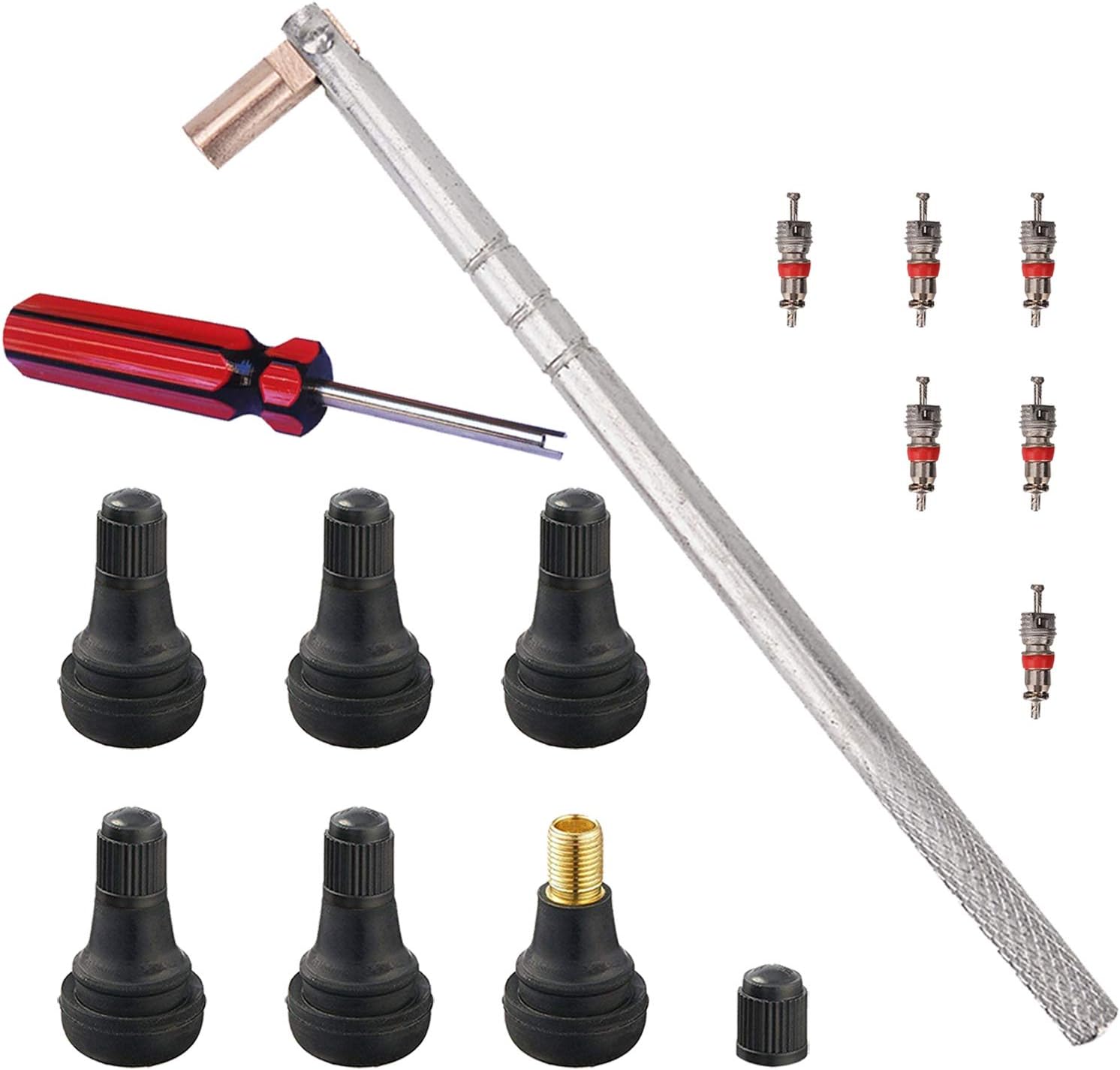
This FEBRYTOLD tire valve stem tool set makes it easy to remove and install standard 0.453 inch snap-in valve stems for tubeless tires. It includes valve stem cores and a single-head valve core remover/installer tool to help you complete repairs quickly. Designed to help avoid scratching wheels and damaging valve stems during service.

These universal tire valve stem caps help protect valve cores from dust, debris, and moisture while helping maintain stable tire pressure. The corrosion-resistant metal construction and sealed design provide reliable protection in road grime, mud, and winter conditions. Twist-on installation makes them quick to fit on cars, SUVs, trucks, and motorcycles.

Measure tyre tread depth precisely with a digital gauge that reads in both MM and inches, helping you monitor safe driving conditions. The large LCD screen is easy to operate, and the compact tool fits for cars, trucks, and motorcycles. It provides high accuracy with a 0-25.4mm range and includes a 1-year warranty for added peace of mind.
How Tire Weight Affects Performance
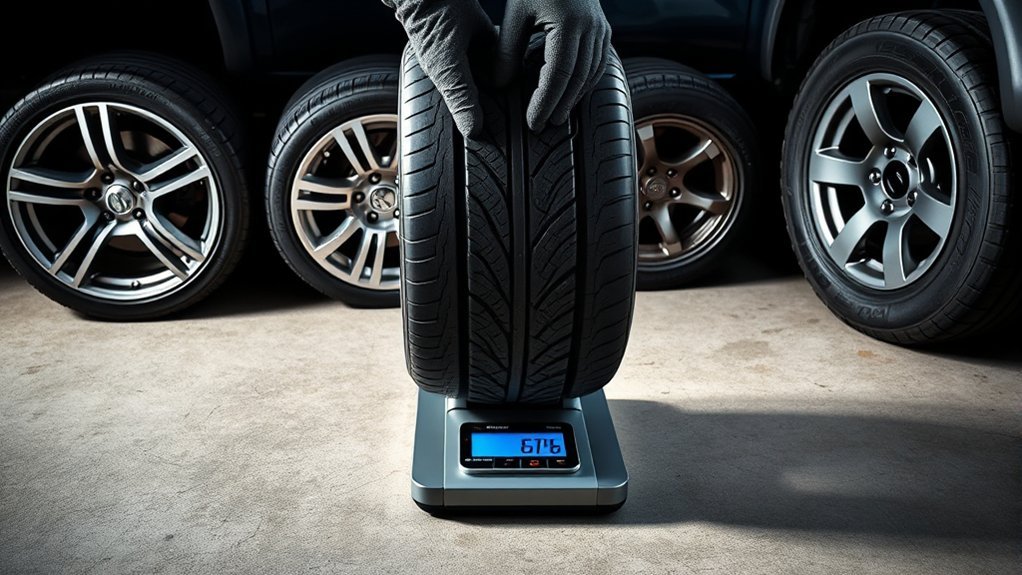
Tire weight can affect how a vehicle feels because the tire is both rotating mass and unsprung mass. More mass can make acceleration feel slower, make steering response feel heavier, and ask more from the suspension over bumps. The effect depends on the vehicle, tire size, wheel weight, road surface, and driving style.
Fuel economy is more directly tied to rolling resistance than tire weight alone. NHTSA explains that tires with low rolling resistance reduce energy loss and can improve fuel economy. NHTSA estimates that a 10% reduction in tire rolling resistance can improve vehicle fuel economy by about 1% to 2%.
That does not mean every extra 10 pounds of tire weight automatically costs 1% to 2% in fuel economy. Weight matters, but rolling resistance, tire pressure, tread design, compound, alignment, and driving conditions matter too.
A lighter tire is only an upgrade when it still matches the vehicle’s required size, load capacity, speed rating, road conditions, and driving purpose.
Tire Weight and Safety: What Not to Compromise
Never choose a tire only because it is lighter. The correct tire must fit the vehicle and carry the load safely. The federal tire fuel-efficiency consumer information rule focuses on helping consumers compare replacement passenger tires for fuel efficiency, safety, and durability, but fitment and load requirements still come first.
Warning: Do not install a tire with the wrong size, insufficient load rating, mismatched rim diameter, or improper inflation. Tire mounting should be handled by trained tire professionals, especially for high-pressure, LT, or off-road tires.
UTQG ratings can also help you compare some passenger tires. The NHTSA Consumer Guide to Uniform Tire Quality Grading explains treadwear, traction, and temperature grades. These grades are useful for comparison, but they do not tell you the tire’s weight and they do not guarantee exact real-world mileage.
Tire Weight vs. Wheel Weight
When people ask how heavy a tire is, they often mean the full assembly they lift into the trunk. That is not the same as tire-only weight.
- Tire-only weight: The rubber tire by itself.
- Wheel-only weight: The metal wheel or rim without the tire.
- Mounted assembly weight: Tire + wheel + valve stem + balancing weights + tire-pressure sensor.
If you are comparing replacement tires, use tire-only weight. If you are estimating shipping, lifting, storage, suspension changes, or total unsprung mass, use mounted assembly weight.
[Products Worth Considering]

This metal-free wheel and tire cleaning brush uses dense, fluffy synthetic wool to safely clean rims, spokes, fenders, and engine areas without worrying about damaging surfaces. Its flexible, comfortable design helps you reach detailed areas while maintaining durability, and the extra absorbent fibers work well with wheel spray cleaners for faster cleanup. Reusable and washable performance helps prevent grime and build-up for cleaner vehicles and easier maintenance at home.

Keep your tires properly inflated with this analog VONDIOR tire pressure gauge, designed for fast, easy readings without batteries. The swiveling, two-axis hose and large glow dial help you measure at any tire angle with instant visibility. Built with a protective rubber shield, it supports durable, low-maintenance use for cars and trucks.

The Chemical Guys Gerbil Wheel & Rim Brush is designed to safely clean wheels, rims, exhaust tips, tires, and engine bay components without scratching delicate finishes. Its soft natural bristles help lift brake dust, grime, and buildup while conforming to tight spaces and intricate contours. A comfort grip handle delivers control for extended detailing sessions.
When Heavier Tires Make Sense
Heavier tires are not always bad. They can make sense when the extra material supports the job the tire is meant to do.
- Towing and hauling: A higher load range may be necessary for trucks that carry weight.
- Off-road driving: Reinforced sidewalls and deeper tread can protect against rocks, roots, and punctures.
- Winter use: Some winter tires weigh more because of tread depth, sipes, and cold-weather compounds.
- Run-flat needs: Run-flat tires use reinforced sidewalls that can add weight.
- Heavy EVs and SUVs: Some tires are designed for higher vehicle weight and torque demands.
For example, the BFGoodrich Mud-Terrain T/A KM3 is built for serious off-road use with reinforced features and aggressive tread. That kind of design is naturally different from a light highway touring tire.
Frequently Asked Questions
How much does a 20-inch car tire weigh?
A 20-inch passenger or CUV tire commonly weighs about 25 to 40 pounds, depending on width, load rating, tread design, and construction. Light-truck or aggressive all-terrain versions in 20-inch sizes can weigh more.
How much does a 17-inch tire weigh?
A typical 17-inch passenger-car tire often weighs about 20 to 30 pounds. SUV, XL, run-flat, winter, or light-truck versions in a 17-inch wheel diameter can weigh more because they use extra material and reinforcement.
How many tires equal 1 ton?
Using the Tire Industry Association’s 25-pound average for end-of-life passenger and light-truck tires, about 80 tires equal one U.S. ton of 2,000 pounds. The real count changes with tire size and category.
How heavy is a 40-inch tire?
A 40-inch off-road tire commonly weighs around 100 to 150 pounds, with exact weight depending on width, load range, tread depth, and whether it is built for mud, rock crawling, or heavy-duty truck use.
How much does a tire weigh with a rim?
A mounted tire-and-wheel assembly can weigh much more than the tire alone. The wheel adds weight based on diameter, width, material, and design, so always separate tire-only weight from total assembly weight when comparing products.
Where can I find a tire’s exact weight?
Look up the exact tire model and size on the manufacturer’s specification page or technical data sheet. If you already have the tire, weigh the tire by itself on a reliable scale; do not rely only on the DOT date code.
Do heavier tires mean better quality?
Not always. Extra weight can come from stronger casing, deeper tread, reinforced sidewalls, or higher load capacity, but quality depends on whether the tire matches your vehicle, climate, load, speed rating, and driving needs.
Does tire weight affect gas mileage?
Tire weight can affect efficiency because it adds rotating and unsprung mass, but rolling resistance is usually the more direct tire-related fuel-economy factor. NHTSA estimates that a 10 percent reduction in rolling resistance can improve fuel economy by about 1 to 2 percent.
Conclusion
A typical passenger car tire weighs about 15 to 25 pounds, but that number can climb quickly with larger sizes, reinforced construction, deeper tread, and higher load ratings. The smartest move is not to guess from wheel diameter alone. Match the tire to your vehicle first, then compare exact tire-only weights from the manufacturer’s specs. That keeps your vehicle safe, balanced, efficient, and ready for the road.
Sources
- Tire Industry Association — average end-of-life passenger and light-truck tire weight update.
- NHTSA TireWise — tire buying, maintenance, labeling, fuel efficiency, and rolling-resistance guidance.
- 49 CFR § 575.106 — tire fuel-efficiency consumer information program.
- NHTSA Consumer Guide to Uniform Tire Quality Grading — treadwear, traction, and temperature grade explanations.
- BFGoodrich Mud-Terrain T/A KM3 — manufacturer example of heavy-duty off-road tire design and safety notes.