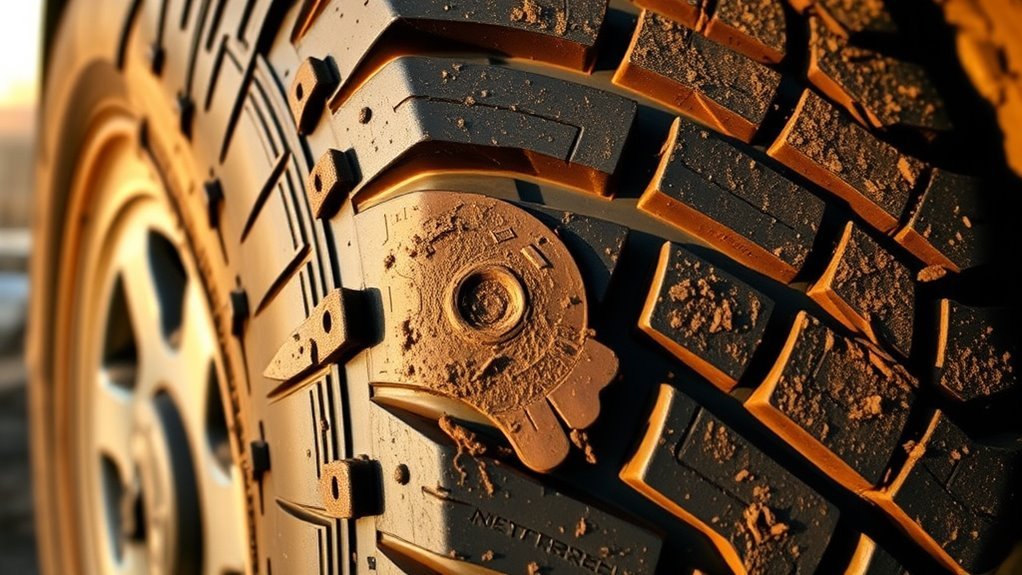
A tire patch on a Toyota 4Runner can be a safe, long-term repair, but only when the puncture is small, located in the repairable tread area, and fixed with a proper combination patch-plug from inside the tire. The answer is not just “how many years?” It depends on the tire’s tread depth, age, pressure history, repair quality, and how hard you use the 4Runner on pavement, gravel, towing trips, or trails.
Quick Answer
A properly repaired 4Runner tire can often last for the remaining usable life of the tire, but there is no safe universal 7-to-10-year promise. The repair must be a professional patch-plug repair, the puncture must be no larger than 1/4 inch in the tread area, and the tire must keep passing pressure, tread, age, and damage checks.
Key Takeaways
- A safe permanent repair uses a rubber stem to fill the puncture and an inside patch to seal the inner liner.
- Punctures in the sidewall, shoulder, belt edge, or outside the approved tread repair area should not be patched.
- A repairable puncture is generally 1/4 inch (6 mm) or smaller and must be inspected from inside the tire.
- A plug-only roadside repair is temporary. Have the tire dismounted and inspected as soon as possible.
- Replace the tire if it loses air repeatedly, bulges, vibrates, has exposed cords, is worn to 2/32 inch, or is too old for safe service.
At a Glance
| Time Required | Usually 30–60 minutes at a tire shop, depending on wait time, inspection, remounting, and balancing. |
| Difficulty | Professional repair recommended. A roadside plug can get you out of trouble, but it is not the final repair. |
| Tools Needed | Tire machine, spreader, inspection light, buffer, repair unit, rubber stem, patch, vulcanizing cement, and wheel balancer. |
| Cost | Varies by shop and tire condition. A repair is normally cheaper than replacement only when the tire is actually repairable. |
What Makes a 4Runner Tire Patch Legit
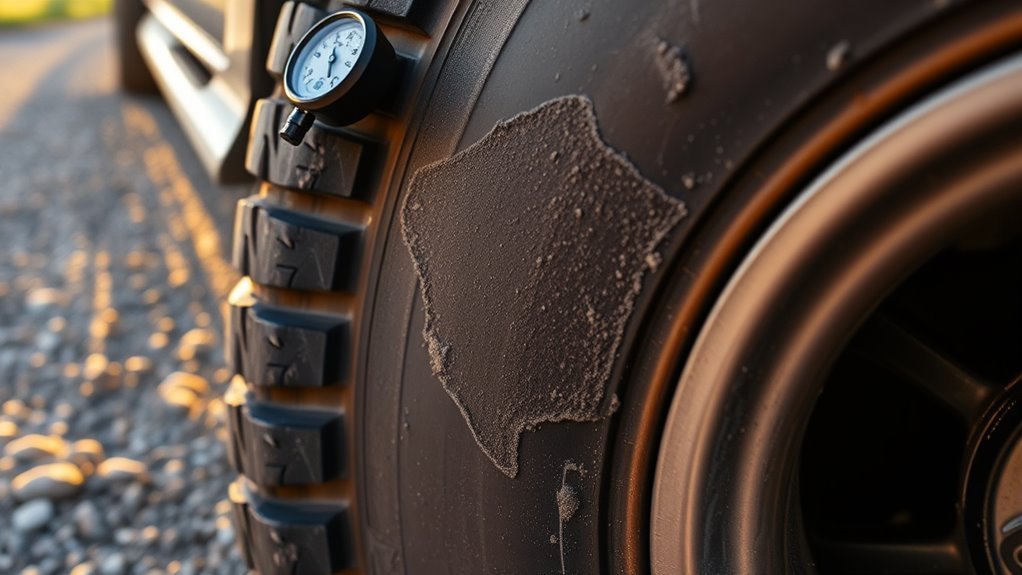
A legitimate 4Runner tire repair is not just a sticky patch pressed onto rubber. According to the U.S. Tire Manufacturers Association, repair should be considered only when the damage is limited to the tread area and the puncture is no larger than 1/4 inch (6 mm). The tire must also be removed from the wheel so the inside can be inspected.
The best repair for a normal tread puncture is a combination repair: a rubber stem fills the puncture channel, and an inside patch seals the inner liner. The Tire Industry Association explains that a plug alone or a patch alone is not an acceptable permanent repair because one does not fully seal the inner liner and the other does not fill the injury path.
Warning: Do not patch a 4Runner tire if the puncture is in the sidewall, shoulder, belt edge, or any area outside the approved tread repair zone. Replace the tire instead.
How Long Do 4Runner Tire Patches Last?
A properly installed patch-plug can last as long as the remaining usable life of the tire. That means the repair should not be the weak point if the puncture was repairable, the tire was inspected from the inside, and the repair was installed correctly. However, the tire itself still ages, wears, flexes, heats up, and takes impacts.
For a 4Runner, the honest answer is this: a repaired tire can stay in service until normal replacement time, but only while it holds pressure, has safe tread depth, shows no bulges or cracks, and has not aged beyond the tire maker’s recommendation. Michelin recommends professional inspection after five years of service and replacement at ten years from the date of manufacture as a precaution, even if tread remains.
Tire safety is not a small detail. NHTSA reported 511 traffic fatalities in tire-related crashes in 2024, which is why pressure checks, tread checks, and proper repair standards matter.
Patch Longevity Factors
Your patch’s life depends on the whole tire, not just the repair material. These factors matter most:
- Repair quality: The tire should be removed from the rim, inspected internally, filled with a rubber stem, patched on the inner liner, remounted, and balanced.
- Puncture location: Center tread punctures are the best candidates. Shoulder and sidewall injuries are not safe repair candidates.
- Puncture size: A puncture larger than 1/4 inch (6 mm) is generally outside standard passenger and light-truck repair limits.
- Tire condition: Old rubber, cracking, exposed cords, belt damage, and tread at 2/32 inch mean replacement, not repair.
- 4Runner use: Off-road driving, airing down, towing, heavy cargo, and repeated rock impacts add stress that can expose a weak repair faster.
Replacement Indicators
Replace the tire, or at least stop driving and have it inspected immediately, if you notice any of these signs:
- Pressure drops again after the repair.
- A bubble, bulge, or raised area appears near the repair or on the sidewall.
- The 4Runner develops vibration, pulling, or thumping that was not there before.
- The puncture is close to the shoulder or sidewall.
- The tire was driven flat or badly underinflated.
- The tread is at the wear bars or 2/32 inch.
- The repair overlaps another repair or the tire already has an improper plug-only repair.
Repairable or Not Repairable: Quick Check
| Damage Type | Best Choice |
| Small nail or screw in the center tread, 1/4 inch or smaller | Professional patch-plug repair if the inside of the tire passes inspection. |
| Plug installed from the outside only | Temporary only. Have the tire dismounted, inspected, and properly repaired or replaced. |
| Sidewall puncture, shoulder damage, or belt-edge injury | Replace the tire. These areas flex heavily and are not safe repair zones. |
| Bulge, exposed cords, repeated pressure loss, or driven-flat damage | Replace the tire or have it removed from service until inspected by a trained technician. |
| Tread worn to 2/32 inch or wear bars | Replace the tire. A worn-out tire should not be repaired. |
[Products Worth Considering]
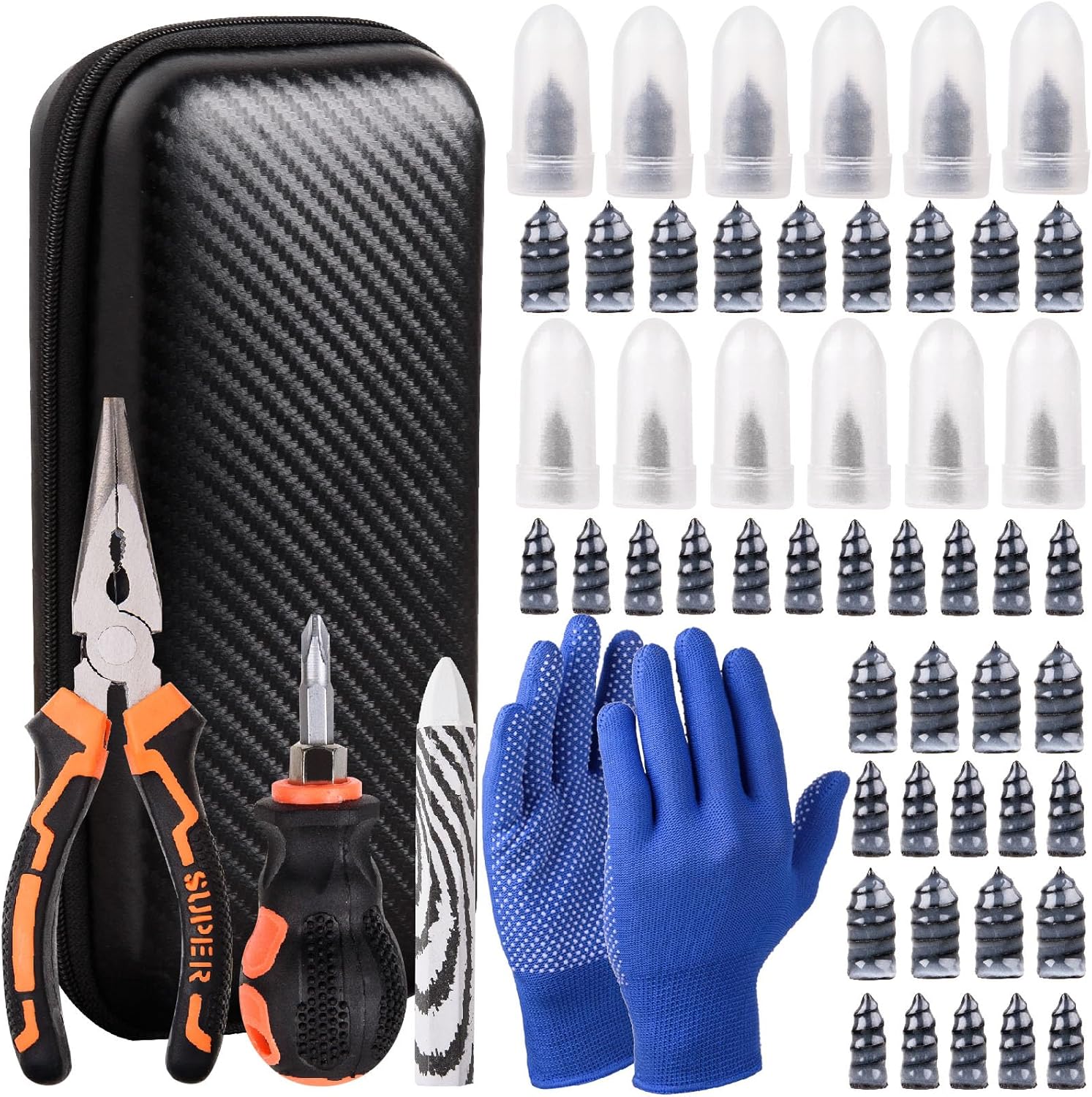
This tire sidewall puncture repair kit fixes flats fast without removing the tire, helping you get back on the road in minutes. It includes self-tapping repair nails, essential tools, gloves, and a portable storage bag for convenient roadside use. Designed for tubeless tires, it helps create a tight, leak-resistant seal for cars, motorcycles, trucks, SUVs, and ATVs.

TP-M13W combination repair unit kit includes wrapped stems with matching patches for fast, reliable tire repairs. It’s suitable for both radial and bias ply tires and is designed for chemical or heat vulcanization. Gray vulcanizing gum with blue backing helps create a strong bond, with the stem portion wrapped for added effectiveness.

This self-service tire repair nail kit includes 60 pieces (30 small + 30 large) to help seal punctures quickly without needing an auto shop visit. The nails are designed to fit different hole sizes and provide a tight connection with sealing glue to help prevent air and water intrusion. Suitable for cars, motorcycles, trucks, and other vehicles, it’s an easy, efficient way to patch roadside tire damage.
Why 4Runner Tire Patches Fail Faster Off-Road
A patch-plug that is fine for commuting can face a harder life on a 4Runner that sees gravel, ruts, washboard roads, rocks, sand, or towing. Off-road use creates more heat, flex, sidewall movement, impact load, and tread cuts. If you air down for trails, the tire also flexes more than it does at normal street pressure.
That does not mean a properly repaired tire automatically fails off-road. It means you should treat the repaired tire as a tire that needs closer inspection. Before a trail day or long highway trip, check cold pressure, inspect the repair area, look at both sidewalls, and confirm the tire has not developed a slow leak.
Pro Tip: If you have one patched tire and one full-size spare in better condition, ask a tire technician whether rotating the repaired tire to a lower-stress position makes sense for your tire type, tread depth, and 4WD setup.
Warning Signs Your 4Runner Tire Patch Is Failing
A proper repair should hold air steadily. If you keep adding air, the repair may be leaking, the puncture may not have been repaired correctly, or there may be another leak at the valve stem, bead, wheel, or a second puncture.
Air Pressure Loss
Check pressure when the tires are cold. If the repaired tire loses pressure faster than the other three tires, have it inspected. A small weekly loss can turn into a dangerous underinflation problem, especially on the highway or while carrying camping gear, passengers, or towing weight.
Do not rely only on the tire pressure warning light. Use a gauge and compare all four tires against the pressure on your 4Runner’s door placard or owner’s manual.
Visible Bulging
A bulge is a stop-now warning. It can mean internal cord or belt damage, air trapped between tire layers, or casing failure. Do not take a bulging tire off-road, tow with it, or drive highway speeds on it. Install the spare or get roadside assistance.
Warning: A bulge, bubble, exposed cord, or repeated pressure loss after a repair is not a “watch it for a while” issue. Stop using the tire until a qualified technician inspects it.
When to Patch, Plug, or Replace Your 4Runner Tire
Patch-plug the tire when the puncture is small, straight enough to repair, located in the approved tread area, and the tire passes internal inspection. Use a plug only as a temporary roadside measure to get safely to a tire shop. Replace the tire when the puncture is in the sidewall or shoulder, when the tire was driven flat, when repairs would overlap, when the tread is worn out, or when the tire shows structural damage.
Speed rating is another reason to ask questions. Some tire manufacturers have specific policies on whether a repaired speed-rated tire keeps its original speed rating. Goodyear’s passenger and light-truck tire repair bulletin, for example, says manufacturer policy should be consulted for speed-rated tires and notes limits for maintaining the speed rating on H-and-above Goodyear tires.
[Products Worth Considering]

This chemical vulcanizing cement cures rubber at room temperature, creating a strong bond for reliable tire patch and plug repairs. The fast-drying formula helps reduce vulcanization time, while the built-in brush makes application quick and even. Suitable for car, motorcycle, and bicycle tires, it supports repairs for tubeless tires, outer tires, and inner tubes.

Vigorder rubber cement glue delivers superior adhesion and cures quickly within about 30 seconds for seamless rubber bonding. Once cured, it helps provide a strong, durable, waterproof seal that holds up to vehicle weight, pressure, and heat. Suitable for cars, motorcycles, trucks, bicycles, and off-road tires, it’s designed for emergency patch and maintenance repairs.

This 60-piece tire repair nail kit provides a fast, do-it-yourself way to seal punctures on tubeless car, motorcycle, and SUV tires without removing the tire. Simply align, twist clockwise, and finish in seconds for a reliable sealing effect that helps prevent water intrusion. The kit includes tire glue and durable rubber-and-steel repair nails for strong adhesion and long-lasting repairs.
What to Ask the Tire Shop
Before approving the repair, ask the shop these questions:
- Will the tire be removed from the wheel and inspected inside?
- Is the puncture inside the approved tread repair area?
- Is the injury 1/4 inch (6 mm) or smaller?
- Will the repair use both a rubber stem and an inside patch?
- Is there any sidewall, shoulder, belt, bead, or run-flat damage?
- Does this repair affect the tire’s speed rating or warranty?
- Will the wheel be balanced after remounting?
If the answer to the first or fourth question is “no,” choose another shop or replace the tire.
Where to Get 4Runner Tires Patched Right

Choose a tire shop that follows USTMA-style repair procedures, removes the tire from the wheel, inspects the inside, and uses a proper combination repair. A quick outside plug in a parking lot may help in an emergency, but it should not be treated as the permanent fix for your 4Runner.
Look for a shop that is willing to explain why the tire is repairable or why it needs replacement. A good technician will not patch a sidewall puncture just because you ask, and they should not repair a tire that has internal damage, unsafe tread, or overlapping repairs.
[Products Worth Considering]

This chemical vulcanizing cement promotes rubber vulcanization at room temperature, helping create durable tire repairs without heat. The included brush makes application easy, and the quick-drying formula with accelerators helps the repair cure faster for reliable patch or plug sealing. It’s suitable for cars, motorcycles, and bikes, supporting repairs for both inner tubes and outer tires.

The SAFELIFE dial tire tread depth gauge measures tread depth in 1/32 inch increments with clear, easy-to-read 2-inch dial face. Color zones using a traffic light system help you quickly judge whether tread is low, marginal, or ample for safer driving. Built with a durable zinc cast body and a metal detect probe for precise, comfortable use across cars, motorcycles, trucks, and buses.

Measure tire tread depth quickly and accurately with this LUMITECO dial gauge that reads in 1/32" increments up to 14/32". The color-coded green/yellow/red zones make it easy to judge tire wear and know when replacement is needed. A rugged, compact design with a protective pouch helps keep the gauge ready for use on cars, trucks, motorcycles, and more.
How to Make a Patched 4Runner Tire Last Longer
- Check cold tire pressure at least monthly and before long trips.
- Inspect the repair area after the first few drives, then during regular maintenance.
- Rotate tires on schedule so the repaired tire wears evenly with the set.
- Avoid overloading the 4Runner beyond the vehicle’s load limits.
- Do not ignore vibration, thumping, pulling, or a tire that needs air again.
- Inspect more often after rock trails, deep potholes, towing, or long hot highway drives.
- Replace the tire when tread, age, or damage says replacement is due, even if the repair still holds air.
Note: A patch-plug repair does not reset the tire’s age. Check the DOT date code on the sidewall and follow the tire maker’s age and inspection guidance.
Frequently Asked Questions
Can you drive 400 miles on a patched 4Runner tire?
Yes, if the tire was professionally repaired with a proper patch-plug, the puncture was in the approved tread area, the tire holds pressure, and there are no bulges, cracks, vibrations, or tread problems. Check pressure before the trip and again during fuel stops.
Is a patch safer than a plug?
A patch alone is not the best answer, and a plug alone is not a permanent repair. The safest standard repair is a combination patch-plug installed from inside the tire after the tire is removed from the wheel and inspected.
Can a 4Runner tire be patched after off-road damage?
Sometimes, but only if the injury is a small tread puncture in the approved repair area and the inside of the tire is undamaged. Cuts, sidewall punctures, shoulder injuries, exposed cords, and impact bulges usually mean replacement.
How many times can the same tire be patched?
It depends on the tire manufacturer’s policy and the location of the injuries, but repairs should never overlap. If the tire already has an improper repair, internal damage, or multiple close punctures, replacement is the safer choice.
Can I keep a plug-only repair if it is not leaking?
Treat it as temporary. A plug installed from outside the tire does not let a technician inspect the inside for hidden damage and does not meet the same standard as a proper patch-plug repair.
Conclusion
A 4Runner tire patch can last for the remaining usable life of the tire when the repair is done correctly and the tire itself stays safe. The key is not a magic number of years or miles. The key is repair quality, puncture location, tire condition, and regular inspection.
Use this rule: patch-plug a small tread puncture after internal inspection, use a plug only as a temporary emergency fix, and replace the tire for sidewall damage, shoulder damage, bulges, repeated air loss, unsafe tread, old rubber, or hidden internal damage. That approach keeps your 4Runner ready for pavement, trails, and the long drive home.
Sources
- U.S. Tire Manufacturers Association — Tire Repair Basics — repairable puncture size, tread-area limits, internal inspection, and patch-plug guidance.
- Tire Industry Association — Tire Repair — why plug-only and patch-only repairs are not proper permanent repairs.
- Michelin USA — Can My Tire Be Repaired? — repairable tire criteria, sidewall guidance, and patch-plug explanation.
- Michelin USA — When to Replace Tires — tire age, tread depth, sidewall damage, and replacement signs.
- NHTSA TireWise — tire safety, maintenance, inflation, and tire-related crash data.
- Goodyear Product Service Bulletin PSB #2022-11 — proper puncture repair procedure and speed-rated tire repair caveats.