

A spare tire is meant to get you out of trouble, not take over as your regular tire. How far you can drive depends on the spare type, the warning label on the tire, your vehicle owner’s manual, and whether the spare is properly inflated and undamaged. The safest move is to slow down, drive only as far as needed, and get the flat tire repaired or replaced as soon as possible.
Quick Answer
Most compact “donut” spares should be driven no faster than 50 mph and only for about 50 miles or less. A true matching full-size spare can usually be driven like a normal tire if it is roadworthy, while run-flat tires commonly allow about 50 miles at up to 50 mph after pressure loss.
Key Takeaways
- Check the tire sidewall, spare-tire label, driver’s doorjamb placard, and owner’s manual before assuming any speed or mileage limit.
- Compact temporary spares typically need about 60 psi cold inflation pressure and are usually limited to 50 mph.
- A spare can change braking, steering, traction control, ABS behavior, and drivetrain load, especially on AWD or 4WD vehicles.
- Avoid highways, hard braking, sharp turns, cruise control, heavy loads, and towing while driving on a temporary spare.
- Replace or repair the damaged tire quickly; the spare is only a short-term emergency solution.
Quick Answer: How Far and How Fast You Can Drive on a Spare Tire

For most drivers, the practical rule is simple: use the spare only long enough to reach a safe repair option. A compact temporary spare, often called a donut spare, is usually limited to about 50 miles at no more than 50 mph. Tire Rack notes that temporary/compact spares are smaller, narrower, and shallower than regular tires and should be maintained at about 60 psi cold inflation pressure.
A full-size spare is different. If it is the same size, type, load rating, speed rating, and condition as your other tires, it may be driven much like a normal tire. But many “full-size” spares are still temporary, non-matching, older, or not part of the regular tire rotation. In those cases, treat the tire as a temporary backup and follow your owner’s manual.
Run-flat tires are not spare tires, but they serve a similar emergency purpose. Many run-flat tires allow limited driving after pressure loss, commonly about 50 miles at up to 50 mph, though the exact limit depends on the tire and vehicle manufacturer.
Warning: Never use a spare as a permanent replacement. Driving too fast or too far on a temporary spare can increase heat, reduce control, damage drivetrain parts, and raise the risk of tire failure.
Spare Tire Types and What Each Means for Distance and Speed
The spare you have determines how cautious you need to be. Not all spares are built the same, and the safest limit is always the one printed on the tire, listed on the vehicle label, or stated in the owner’s manual.
| Spare Type | Typical Use Limit | What It Means |
|---|---|---|
| Compact temporary “donut” spare | About 50 miles, up to 50 mph | Emergency-only tire with less tread, less grip, and different handling. |
| Full-size matching spare | Can usually be driven like a normal tire if roadworthy | Still inspect pressure, age, tread, and rating before relying on it. |
| Full-size temporary or non-matching spare | Follow the label and owner’s manual | May look normal but still have restrictions if it does not match the other tires. |
| Run-flat tire after pressure loss | Often about 50 miles at up to 50 mph | Designed for controlled mobility, not continued normal driving. |
Compact spares are the most restrictive because they have a smaller contact patch, reduced tread depth, and lighter construction than regular tires. That can reduce traction, increase braking distance, and make the vehicle feel less stable in turns. On AWD, 4WD, or limited-slip vehicles, the different tire diameter can also make the drivetrain work harder.
A full-size spare gives you more flexibility only if it truly matches your vehicle’s tires and is in good condition. If the spare is old, underinflated, cracked, mismatched, or marked “temporary use only,” do not treat it like a normal tire.
[Products Worth Considering]

Monitor tire tread wear with a smart, color-coded depth gauge that shows clear condition ranges at a glance. The bar is range marked for fast, easy readings, helping you maintain safer traction and performance. Each gauge is portable with a pocket clip, and the set includes 20 units for daily use and sharing.

The Dr.Roc spare tire tool kit helps you release, lower, or raise your spare tire with reliable extension tools and a lug nut wrench. It is made from rustproof automotive-grade steel and includes an organized carry case for convenient storage. Designed for compatibility with select GM models from the late 1990s through 2019, it uses upgraded extension components to install and remove spare tires with less hassle.

This spare tire tool kit is designed for the 2004 to 2018 Ford F-150 to help you loosen and tighten wheel lug nuts and manage the spare tire and provided jack functions from underneath the vehicle. It includes the lug nut wrench and extension pieces plus a convenient storage carrying case for organized transport. The jack itself is not included.
Exact Distance Limits by Spare Type: Donut, Full-Size Spare, and Run-Flat
There is no single distance limit that applies to every spare tire. Use the table below as a practical guide, then confirm the exact limit for your vehicle.
- Donut spare: Plan for 50 miles or less. The goal is to reach a tire shop, home, or a safe place for repair.
- Full-size matching spare: If it matches the other tires and is safe, it can often be used normally, but you should still repair or replace the damaged tire promptly.
- Full-size temporary spare: Follow the warning label. Some are not intended for long-distance or high-speed use even though they look close to normal size.
- Run-flat tire: Many allow about 50 miles after pressure loss, often at speeds up to 50 mph, but the exact limit varies by brand and model.
Note: If you cannot identify the spare type, assume the lower limit: drive under 50 mph, keep the trip short, and go directly to a repair shop.
You should not plan a 100-, 120-, or 400-mile trip on a compact spare. Even when the tire survives, the mismatch can stress steering, suspension, alignment, wheel bearings, and drivetrain components. AAA also advises that donut-type spares should not be driven over 50 mph or more than 50 miles.
[Products Worth Considering]

The SAFELIFE dial tire tread depth gauge measures tread depth in 1/32 inch increments with clear, easy-to-read 2-inch dial face. Color zones using a traffic light system help you quickly judge whether tread is low, marginal, or ample for safer driving. Built with a durable zinc cast body and a metal detect probe for precise, comfortable use across cars, motorcycles, trucks, and buses.

This ecocstm ratchet wrench is designed to make emergency and routine tire changes faster with a 360° rotating head and quick forward/reverse switching. The extended handle provides extra leverage to reduce effort and hand fatigue, while the adapter helps fit many scissor jacks on cars, SUVs, trucks, and vans. Built for reliable performance with durable construction, it’s a practical travel essential for on-the-road preparedness.
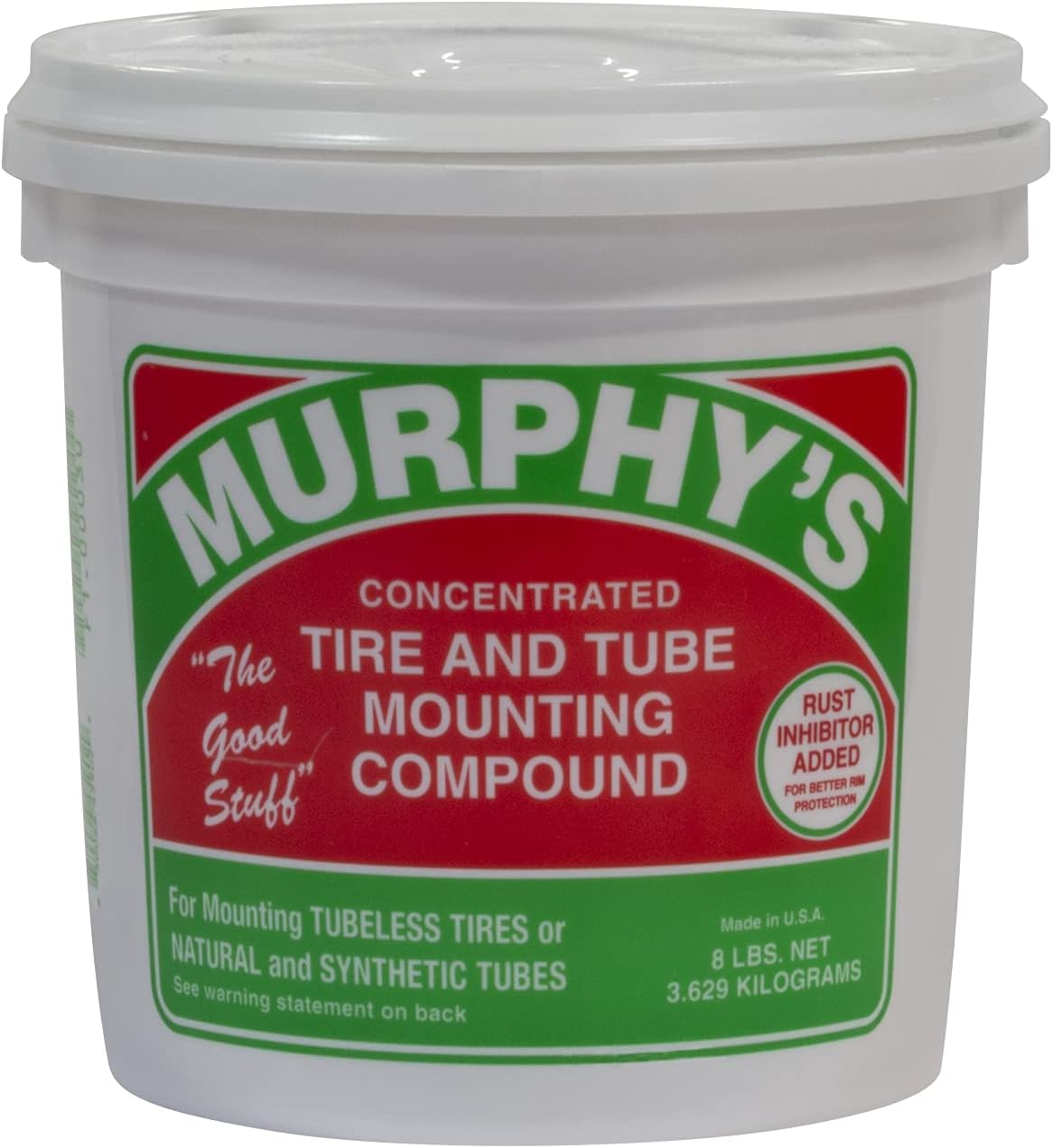
A concentrated tire and tube mounting compound designed to help simplify mounting rubber tires and tubes on passenger, semi truck, construction, and OTR applications. Its ultra-thick formula packs beads effectively and includes rust inhibitors to help protect against corrosion during use.
Safe Speed Limits for Spare Tires and Why Higher Speeds Are Risky

Spare tires are not built for sustained high-speed driving. With a temporary spare, keep your speed at or below the label limit, which is commonly 50 mph. Higher speeds create more heat and reduce the margin for safe braking, steering, and emergency maneuvers.
| Spare Type | Typical Maximum Speed |
|---|---|
| Temporary “donut” spare | About 50 mph |
| Full-size matching spare | Normal driving may be possible if it matches and is roadworthy |
| Full-size temporary spare | Follow the tire label and owner’s manual |
| Run-flat after pressure loss | Often about 50 mph, but varies by tire |
| When uncertain | Stay under 50 mph and keep the trip short |
Driving faster than recommended can cause the spare to overheat, wear rapidly, or fail. It can also make the vehicle pull, wander, or respond differently during lane changes. Avoid cruise control while on a temporary spare because you need to stay alert to vibration, pulling, warning lights, and changing road conditions.
Think of a temporary spare as a bridge to safety, not a tire that gives you permission to finish your road trip.
How to Drive Safely on a Spare Tire: Handling, Braking, and Trip Planning
Once the spare is installed, your vehicle may not handle the way it did before the flat. Expect reduced grip, longer stopping distance, slower steering response, and more sensitivity to potholes or sharp turns. Drive smoothly and plan a route that keeps stress low.
At a Glance
| Time Required | Drive only long enough to reach repair or a safe stopping point |
| Difficulty | Easy, but requires slower and more cautious driving |
| Tools Needed | Tire pressure gauge, jack, lug wrench, owner’s manual, and torque wrench if available |
| Cost | Usually free to drive on the spare, but tire repair or replacement may be needed immediately |
Adjusted Braking Distance
A compact spare reduces traction and can change brake balance. Leave more space than usual between your vehicle and the one ahead. Brake earlier, brake gently, and avoid sudden stops whenever possible.
- Maintain at least double your normal following distance.
- Scan farther ahead so you can slow down gradually.
- Avoid tailgating, aggressive lane changes, and stop-and-go traffic when possible.
Reduced Cornering Stability
A temporary spare is usually narrower than your regular tire, so it has less contact with the road. Take turns slower than usual, steer smoothly, and avoid quick corrections. Roundabouts, ramps, wet roads, gravel, and uneven pavement all require extra caution.
If the spare is on the front axle, steering may feel especially different. Some vehicle manufacturers recommend placing a compact spare on a non-driven wheel when possible. If your manual gives that instruction, follow it; on many front-wheel-drive vehicles, that may mean moving a good rear tire to the front and putting the compact spare on the rear.
Plan Shorter Routes
Choose the safest short route to a tire shop or secure location. The fastest route is not always the best route when you are on a spare.
- Use lower-speed roads instead of freeways when practical.
- Avoid steep grades, rough roads, construction zones, and heavy traffic.
- Do not tow, haul heavy loads, or drive long distances on a compact spare.
- Pull over safely if you feel vibration, wobbling, pulling, smoke, heat, or a burning smell.
Pro Tip: Before you start driving, enter the nearest tire shop, repair facility, or safe destination into your navigation app and choose a route with lower speed limits.
Spare Tire Inspection Checklist Before You Drive on It
Do not assume the spare is ready just because it is in the trunk. A spare can lose air, age out, crack, or become unsafe while sitting unused for years. The National Highway Traffic Safety Administration recommends checking the pressure of all tires, including the spare, at least once a month when the tires are cold.
Tire Pressure Check
Use a tire pressure gauge before driving. Compact temporary spares commonly require about 60 psi, while full-size tires usually use the pressure listed on the driver’s doorjamb placard or in the owner’s manual. Do not use the maximum pressure molded on a regular tire sidewall as your target unless the vehicle manufacturer tells you to.
- Check pressure when the tire is cold if possible.
- Inflate to the vehicle manufacturer’s recommended pressure.
- Look for air leaks around the valve stem.
- Do not drive on a visibly flat or underinflated spare.
Tread and Sidewall Inspection
Inspect the tread and sidewall before you drive. Look for cracks, cuts, bubbles, bulges, exposed cords, dry rot, punctures, or separation. NHTSA says tires are not safe and should be replaced when tread is worn down to 2/32 of an inch.
Also check the tire age. Tire aging matters even when the spare has never touched the road. NHTSA notes that some vehicle and tire manufacturers recommend replacing tires that are six to 10 years old, regardless of treadwear. Find the DOT Tire Identification Number on the sidewall; the last four digits show the week and year the tire was made.
Lug Nuts and Fitment
The spare must sit flush against the hub and use the correct wheel hardware. Tighten the lug nuts in a star pattern and use the torque specification in your owner’s manual if you have a torque wrench. If the wheel vibrates, wobbles, clicks, or does not sit evenly, stop driving and get help.
- Clear dirt, rust flakes, or debris from the wheel mounting surface if it prevents flush fitment.
- Hand-start lug nuts before tightening to avoid cross-threading.
- Tighten gradually in a star pattern.
- Recheck lug tightness after a short distance if it is safe to do so.
- Confirm the spare belongs to your vehicle and is not borrowed from a different model.
What to Do Next: Repair, Replace, or Get Roadside Help
After installing a spare, your next step is not to continue normal driving. Your next step is to solve the flat-tire problem. A tire shop can inspect the damaged tire and tell you whether it can be safely repaired or must be replaced.
A puncture in the tread area may be repairable if it is small and the tire was not driven flat for too long. Sidewall damage, shoulder damage, large cuts, exposed cords, internal damage, bubbles, or severe tread wear usually mean replacement is needed. Do not use plug-only roadside repairs as a permanent fix unless a qualified tire professional confirms the tire can be properly repaired.
Call roadside assistance if you cannot safely change the tire, the spare is flat or damaged, lug nuts are stuck, the vehicle is unstable, you are on a dangerous shoulder, or warning lights appear after the spare is installed. A tow is cheaper and safer than damaging the vehicle or losing control on an unsafe spare.
Warning: If your vehicle is AWD or 4WD, do not ignore spare-tire limits. A tire with a different diameter can strain the drivetrain. Check the owner’s manual and get the flat repaired quickly.
[Products Worth Considering]

These M14x1.5 closed-end chrome lug nuts are a one-piece replacement designed for secure fitment on compatible GM, Ford, and select Chrysler/Dodge models. Featuring a 60-degree conical seat and anti-rust chrome plating, they help resist corrosion and maintain a bright look for everyday driving. Built for long-term durability, they include OEM-style part references and are backed by 12 months of support.

Secure a full-size spare on your trailer with this powder-coated steel spare tire mount bracket. It fits most 4-, 5-, and 6-lug wheel bolt patterns and mounts to trailer tongues up to 4 in wide and 5 in tall. Built for reliable carry with a max 150 lb load rating and includes zinc-plated hardware for straightforward installation.

Steelman white tire marking crayons provide high-contrast, semi-permanent marks for repairing and inspecting tires and equipment. They write on wet or dry, smooth or coarse surfaces including rubber, metal, glass, and wood, making them ideal for puncture location and damage outlining. The lead- and zinc-free crayons resist weather and fading yet wipe away when you no longer need the marks.
Frequently Asked Questions
Can I drive 400 miles on a spare tire?
No. You should not drive 400 miles on a compact temporary spare. Most donut spares are emergency-only tires, commonly limited to about 50 miles and 50 mph. If you have a true matching full-size spare in good condition, longer driving may be possible, but you should still repair or replace the damaged tire as soon as practical.
Can I drive 120 miles on a spare tire?
You should not drive 120 miles on a compact donut spare. That is well beyond the common 50-mile emergency limit. If your spare is full-size, check whether it is a true matching road tire or a temporary full-size spare with restrictions. When in doubt, stop at the nearest repair shop instead of stretching the trip.
Can I drive on the highway with a donut spare?
It is better to avoid highways when possible. A donut spare is usually limited to 50 mph, which can be slower than highway traffic and may create a safety risk. Choose lower-speed roads if they are available and go directly to a repair location.
What happens if I drive too fast on a spare tire?
Driving too fast on a temporary spare can create excess heat, reduce traction, increase stopping distance, and raise the risk of tire failure. It can also stress suspension, steering, and drivetrain components, especially if the spare is a different diameter than the other tires.
How much air should be in a spare tire?
Many compact donut spares require about 60 psi cold inflation pressure, but you should confirm the correct pressure on the spare label, driver’s doorjamb placard, or owner’s manual. Full-size spares usually follow the vehicle manufacturer’s recommended tire pressure.
Can I reuse a donut spare after driving on it?
Usually yes, if it has not exceeded its use limits and still passes inspection. Before storing it again, check pressure, tread, sidewalls, age, and any damage. Replace it if it is cracked, worn, punctured, underinflated, or past the manufacturer’s recommended service life.
Conclusion
A spare tire is a temporary lifeline. Use it to get to safety, not to continue your normal trip. Keep speeds low, limit mileage, avoid aggressive driving, and inspect pressure, tread, sidewalls, age, and lug fitment before you go. If the spare is a donut, stay near the 50-mile and 50-mph rule unless your owner’s manual gives a stricter limit. The sooner you repair or replace the damaged tire, the safer your vehicle will be.
Sources
- Tire Rack — How Do I Use a Temporary/Compact Spare Tire? — temporary spare pressure, speed limits, handling, and driveline concerns.
- NHTSA TireWise — tire pressure checks, tread depth, tire aging, and tire safety guidance.
- AAA — How Long Can You Drive on a Spare Tire? — donut spare distance and speed guidance.
- Goodyear — Highway Auto and Light Truck Tire Replacement Limited Warranty — run-flat low-pressure operating limits.
- eCFR 49 CFR § 570.62 — Tires — federal tire inspection criteria, tread depth, tire condition, and matching guidance.

![[2026NEW] 5000A Jump Starter with Air Compressor (150PSI)](https://m.media-amazon.com/images/I/71oG4PFNsmL._AC_SL1500_.jpg)