A tire tube looks simple, but small changes in rubber, heat, and valve fit decide whether it holds air or fails early. You start with butyl or natural rubber, then tune the mix with carbon black, oils, sulfur curatives, accelerators, and antidegradants. From there, manufacturers extrude the rubber into a tube, cure it with heat and pressure, fit the valve, and test each tube for leaks, pressure loss, and size consistency.
Quick Answer
Inner tubes are made by mixing rubber with fillers, oils, sulfur, and protective additives. The compound is extruded into a tube shape, cured through vulcanization, fitted with a valve stem, then inflated and checked for leaks. Butyl rubber suits most tubes because it holds air well, while natural rubber helps when flexibility matters most.
Key Takeaways
- Most inner tubes use butyl rubber because it slows air loss better than natural rubber.
- Fillers, oils, curatives, and antidegradants help control strength, flexibility, aging, and processing.
- Extrusion creates the tube shape, while vulcanization gives the rubber its elastic strength.
- Valve fitting and trimming matter because small defects can cause air leaks.
- Quality checks include inflation, leak testing, visual inspection, and sample lifespan testing.
What’s in This Article
- Raw Materials: Butyl vs Natural Rubber and Key Additives
- Compounding for Inner Tubes: Mixes for Strength and Air Retention
- Extrusion and Forming: Making a Seamless Tube
- Vulcanization: Curing, Heat, and Pressure Effects
- Common Tube Variants: Bicycle, Motorcycle, and Specialty Differences
- Valve Fitting and Finishing (Stem, Bead Trim)
- Quality Control for Inner Tube Production: Inflation, Leak Tests, Lifespan Checks
- How Manufacturers Balance Cost, Weight, and Durability
- Sustainability in Inner Tube Production: Reclaimed Rubber, Bio-Rubber, End-of-Life
- Frequently Asked Questions
- Conclusion
Raw Materials: Butyl vs Natural Rubber and Key Additives
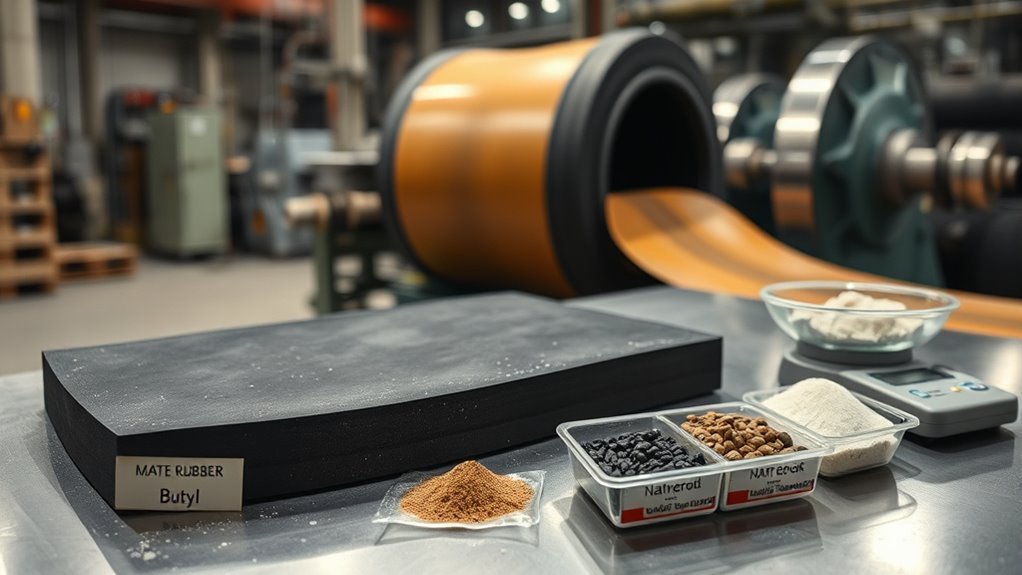
Both butyl and natural rubber can form the base of an inner tube. Manufacturers favor butyl for most everyday tubes because it slows air loss and resists ozone, ultraviolet light, and heat-related aging better than many natural rubber blends.
Natural rubber, which comes from Hevea brasiliensis, still helps in uses that need high tensile strength, flexibility, and cold-weather elasticity. You may see it in some off-road, racing, or specialty tubes where feel and stretch matter more than long-term air retention.
You judge the right material by checking permeability, tensile modulus, tear strength, and resilience under environmental stressors. You also need clear rubber sourcing records, since raw material choices can affect forests, workers, and local supply chains.
In a tube compound, carbon black or silica helps improve abrasion resistance and stiffness control. Sulfur and accelerators drive vulcanization, while antidegradants slow damage from heat, oxygen, and sunlight.
[Products Worth Considering]
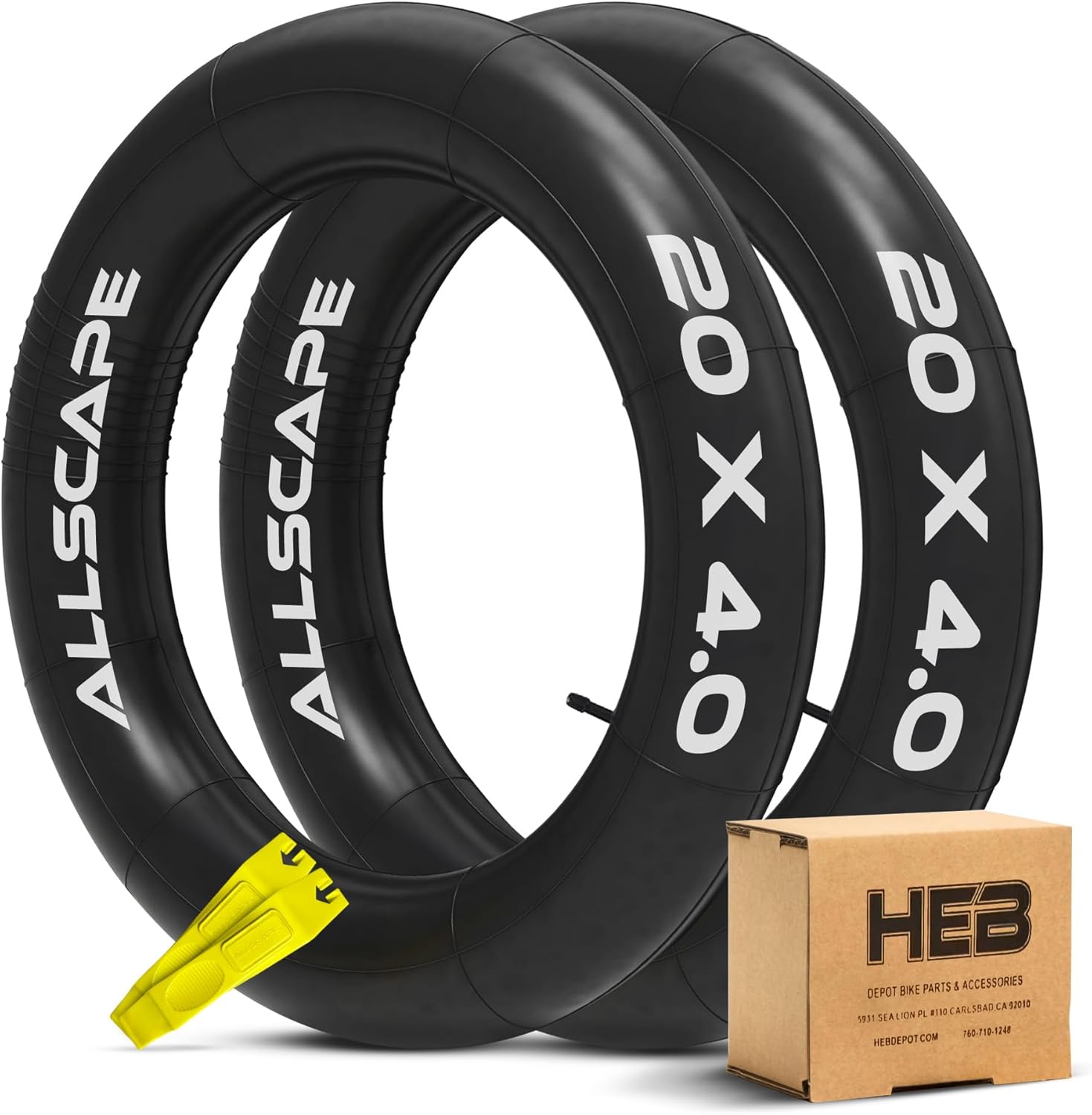
HEB heavy duty inner tubes deliver reliable puncture resistance for fat tire electric bikes and mountain bikes running 20x4 or 26x4 tires. Built for rugged backcountry trails, they help prevent flats from rocks and thorns while providing stability and traction. Choose a single tube or multi-packs for better value and keep your ride running smoothly in all seasons.

Replace worn tires quickly with this universal 4.80/4.00-8 tire and inner tube set designed for wheelbarrows and outdoor utility carts. The ribbed tread helps reduce turf damage while the natural rubber construction supports longer service life. Compatible with 15.5-inch outer diameter, 4-inch width, and 8-inch rim diameter wheels, it uses a straight TR-13 valve stem for easy installation. For best results, inflate with a manual pump and do not exceed 25 PSI.

This 2-pack bicycle inner tube set is designed for kids, road, and MTB bikes with 20-inch tires in the 1.75 to 2.125 width range, using a 32mm AV Schrader valve. Each tube includes two tire levers for easier installation and safer handling while swapping tubes. Butyl rubber delivers reliable air retention, elasticity, and comfort for everyday rides.
Compounding for Inner Tubes: Mixes for Strength and Air Retention
You’ll start with a base rubber compound, then adjust reinforcing fillers such as carbon black and silica. These fillers help you target strength, wear resistance, stiffness, and ride feel.
You’ll also control sulfur and accelerator levels for consistent vulcanization. Processing oils make the compound easier to mix and extrude, while antioxidants help slow aging during storage and use.
For better air retention, you’ll fine-tune air-impermeability additives and blend ratios. Good compounding gives the tube enough strength to resist damage while keeping it flexible enough to install and ride safely.
Compound Formulation Choices
When you formulate inner-tube compounds, you combine a butyl base with reinforcing fillers, curatives, and aging inhibitors. This mix helps balance flexibility, puncture resistance, heat stability, and air retention.
You select filler grades and loadings to tune flexibility against stiffness. Too much filler can make the tube harsh or brittle, while too little can reduce tear strength.
You also control the curative system to set cure speed and crosslink density. Those choices shape elasticity, resilience, and long-term service life.
Air Impermeability Additives
Once you set the base compound, fillers, and cure system, you focus on additives that reduce air permeability. These may include specific butyl rubber grades, halogenated butyls, and compatible sealant systems.
You choose butyl because it has low permeability. You may blend it with natural rubber when you need more flexibility, but that can change air retention and aging behavior.
Carbon black, curing agents, processing oils, and antioxidants must disperse evenly. Uneven mixing can create weak zones, poor stretch, or small leak paths in the finished tube.
Extrusion and Forming: Making a Seamless Tube
During extrusion, you push the formulated rubber compound through a calibrated die to create a continuous tube shape. The die controls wall thickness, cross-section geometry, and surface finish.
You also control extrusion speed, temperature, pressure, and screw profile. These settings help the butyl-based blend flow evenly without overheating or losing shape.
After extrusion, precision cutters trim the tube to set lengths. Gauges and optical sensors check each length for concentricity, wall uniformity, and surface defects.
Seamless extrusion helps reduce joint stress points and possible leak paths. Process records track die settings, speed, temperature, and inspection outcomes so you can trace quality issues back to their source.
Pro tip: Wall thickness control matters as much as rubber choice because thin spots can stretch faster and leak sooner.
Vulcanization: Curing, Heat, and Pressure Effects
After extrusion sets the tube’s shape, vulcanization turns soft rubber into a resilient elastic material. Heat, pressure, and sulfur-based curatives create crosslinks between polymer chains.
Manufacturers commonly cure rubber compounds within controlled heat ranges set for the exact formula. Many tube compounds cure at about 140 to 160°C, with time adjusted for thickness, equipment, and cure chemistry.
You must track cure time closely. Undercured rubber can stay weak or tacky, while overcured rubber can lose flexibility and crack sooner.
You also regulate platen or autoclave pressure and temperature uniformity. These controls protect rubber elasticity, dimensional stability, tensile strength, abrasion resistance, and durability across batches.
Common Tube Variants: Bicycle, Motorcycle, and Specialty Differences
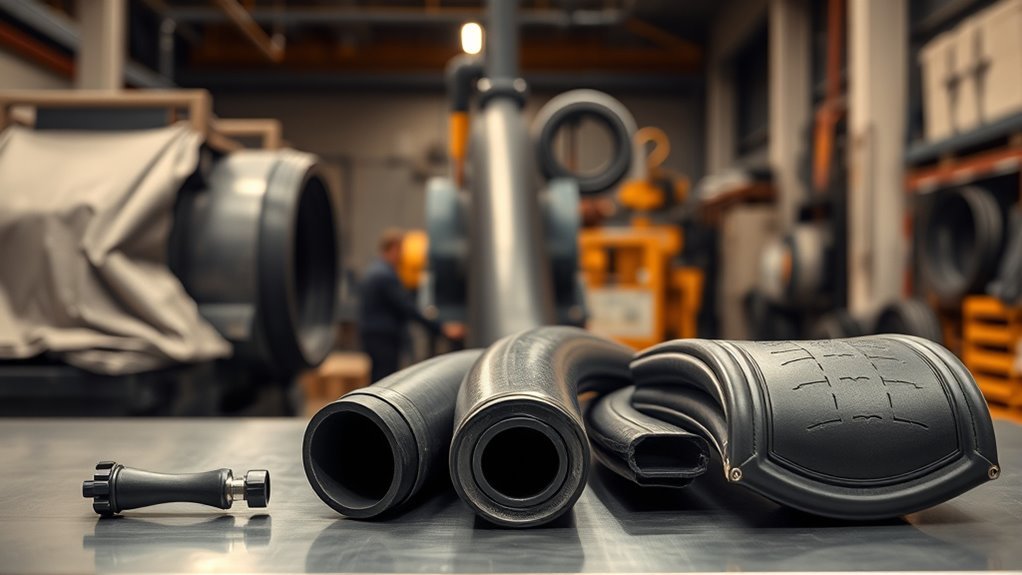
Inner tube variants differ mainly by material composition, wall thickness, valve style, and reinforcement. Each design must match the tire’s pressure, load, speed, and riding conditions.
- Bicycle tubes: Thin butyl designs help reduce weight while giving reliable air retention.
- Motorcycle tubes: Thicker reinforced designs support higher loads, heat, and dynamic stress.
- Specialty tubes: Multi-layer or puncture-resistant designs suit agriculture, off-road use, and heavy-duty service.
You should match the compound and wall geometry to the job. Choose a tube when repairability and simple maintenance matter, but remember that tubeless systems move sealing work to the tire and rim interface.
[Products Worth Considering]

Ultraverse 700c inner tubes are built for 700x28C to 32C tires and feature a 48mm Presta valve for accurate, secure inflation. The high-elasticity butyl rubber construction helps seal air tightly, resist pressure loss, and absorb road vibrations for a smoother ride. A reinforced valve base and thick walls add durability and puncture resistance for reliable everyday performance on road, gravel, and city routes.

Two-pack 26" bicycle inner tubes for tires sized 1.75 to 2.125, built with a 35mm AV Schrader valve for easy compatibility. The thicker inner wall and premium butyl rubber help absorb bumps and vibrations while improving durability and air retention. Includes two upgraded tire levers for simpler installation and reduced risk of breakage.

FANSPRO heavy-duty 20 inch bicycle inner tubes come as a 2-pack and fit tire widths from 2.125 up to 2.40. Made with a premium butyl rubber compound for strong air retention, durability, and heat resistance. Each set includes two tire levers to make flat repairs quicker and easier.
Valve Fitting and Finishing (Stem, Bead Trim)
Valve fitting gives the tube its controlled air entry point. You’ll choose a valve type, often Schrader or Presta, based on rim design and inflator compatibility.
Machines position the stem through a reinforced opening. They apply controlled pressure, adhesive, or heat-assisted bonding while operators monitor alignment for an airtight joint.
Next, you trim and smooth the tube edge so it fits the rim shape. CNC-style trimming tools and automated grinders remove extra material to a set tolerance.
You’ll use sealing techniques such as mechanical crimping, adhesive curing, or thermal welding. The best method depends on the rubber compound, valve design, and expected service load.
Warning: A poorly bonded valve can leak even when the tube wall and rubber compound meet every other quality target.
Quality Control for Inner Tube Production: Inflation, Leak Tests, Lifespan Checks
Quality control starts when you inflate each tube to its specified test pressure. Operators monitor pressure loss over a set dwell time and inspect the tube for swelling, distortion, and surface flaws.
Many factories also submerge pressurized tubes in water and watch for bubbles. This method helps find leaks near seams, valve fittings, and trimmed areas.
Automated systems can improve repeatability and detect tiny leaks that manual checks may miss. Visual inspection under calibrated lighting helps spot cracks, cuts, blisters, and uneven wall areas.
- Use automated leak detection to catch small leaks during high-volume production.
- Run thermal and mechanical cycling on sample batches to estimate service life.
- Quarantine failed tubes and review the process records before releasing the batch.
You compare all results against acceptance criteria. When failures appear, you adjust compounding, extrusion, cure settings, or valve fitting controls.
How Manufacturers Balance Cost, Weight, and Durability
Every inner tube design involves trade-offs. A thicker tube can resist punctures better, but it adds weight and may affect ride feel.
A lighter tube can improve handling and rolling feel, but it may need more careful installation and more frequent pressure checks. Material choice also matters because butyl, natural rubber, and blends age and stretch in different ways.
You get the best result by matching the tube to its real use. Commuters often need steady air retention, while off-road riders may value thicker walls and better tear resistance.
[Products Worth Considering]

Upgrade your road bike with this 2-pack of 700c inner tubes sized for 700 x 28–32c tires and a 60mm Presta valve. Built from durable butyl rubber for strong air retention and reliable performance, it helps you stay ready for rides. The set includes two tire levers to make flat repairs faster and easier.

Upgrade your ride with a 2-pack set of 26x1.95 folding mountain bike tires built for dependable traction on mud, rocks, and trail surfaces. A reinforced puncture-resistant layer helps protect against sharp debris, while included butyl inner tubes provide strong sealing and shock absorption. Ready for fast swaps with included tire levers and universal sizing for most bikes.

Upgrade your rides with FANSPRO 700c road bike inner tubes designed for common road tire sizes from 35mm through 43mm. Made with durable butyl rubber for reliable air retention and heat resistance, each pack includes two tire levers to speed up flat repairs. The 48mm Schrader valve fits most road bikes, helping you replace tubes quickly and confidently.
Sustainability in Inner Tube Production: Reclaimed Rubber, Bio-Rubber, End-of-Life
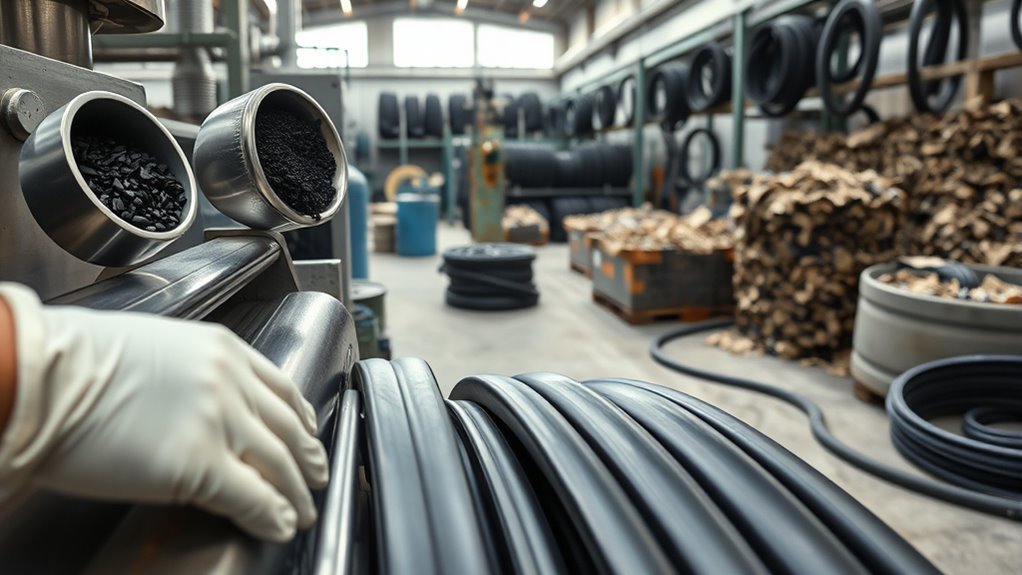
Manufacturers can reduce virgin rubber use by blending reclaimed rubber or bio-based elastomers into some inner tube compounds. These changes require careful testing because recycled and bio-based feedstocks can affect cure behavior, stretch, and fatigue life.
Reclaimed rubber often comes from devulcanized crumb streams. You must monitor crosslink density, particle size, and contamination risk to keep each batch consistent.
Bio-based alternatives, including guayule and dandelion-derived polymers, need material testing before they can replace standard rubber in demanding uses. You’ll check cure kinetics, tensile strength, fatigue resistance, and air retention before scaling the formula.
End-of-life options include mechanical grinding, cryogenic milling, and devulcanization methods. These processes can support reincorporation at controlled loadings, but the finished tube still has to meet performance and safety targets.
Better sustainability also depends on traceable sourcing, energy control, solvent recovery, repairability, and recyclability. These steps help reduce waste without asking riders to accept weak or unreliable tubes.
Frequently Asked Questions
Which Is Better Butyl or Natural Rubber Tubes?
Butyl tubes are usually better for everyday use because they hold air longer and resist environmental aging well. Natural rubber tubes can feel more flexible and may perform better in some cold or high-performance uses, but they often need more pressure checks.
Do They Still Use Rubber Trees to Make Tires?
Yes, tire and tube makers still use natural rubber from rubber trees in many applications. They also use synthetic rubber when they need more control over air retention, aging, cost, or supply stability.
What Kind of Rubber Are Inner Tubes Made Of?
Most inner tubes are made from synthetic butyl rubber because it slows air loss well. Some tubes use natural rubber or blends when flexibility, stretch, or specific ride feel matters more.
How Do Manufacturers Test Inner Tubes for Leaks?
Manufacturers inflate tubes to a set test pressure and monitor pressure loss. They may also submerge the tube in water, use automated leak detectors, and inspect the valve area for bubbles or defects.
Why Does Vulcanization Matter for Inner Tubes?
Vulcanization creates crosslinks in the rubber so the tube can stretch and recover without staying soft. Correct cure control helps the tube resist heat, wear, cracking, and pressure stress.
Conclusion
A reliable inner tube depends on the right rubber mix, controlled extrusion, precise curing, secure valve fitting, and strict leak testing. When you compare tubes, look beyond size and valve type and consider material, wall thickness, and intended use.
Choose butyl for steady everyday air retention, and consider specialty blends when flexibility or heavy-duty strength matters more. Better materials, cleaner sourcing, and smarter recycling can make future tubes more durable and less wasteful.
References
- Vulcanization — Encyclopaedia Britannica
- Natural rubber — Encyclopaedia Britannica
- Standards and Publications — ASTM International