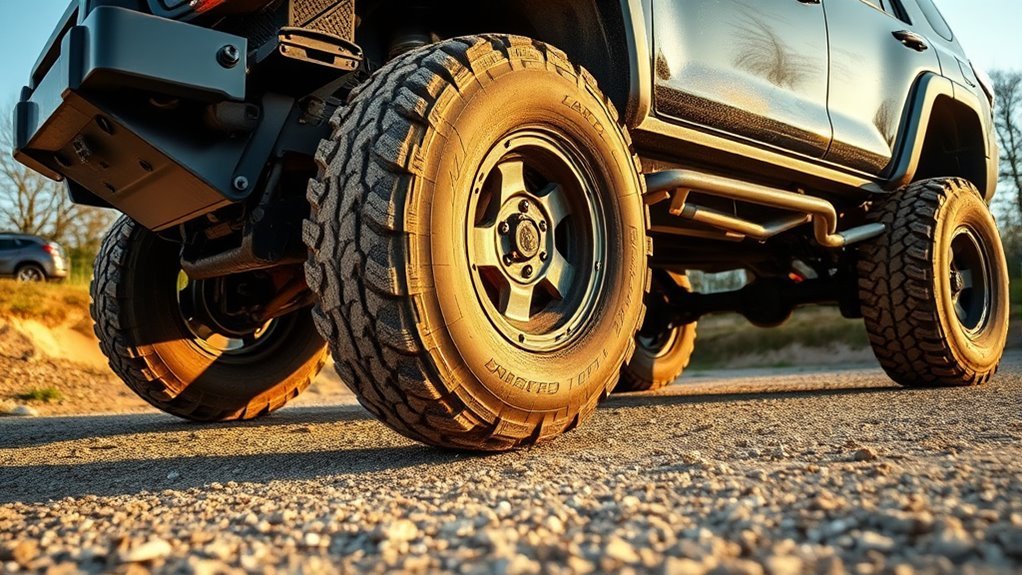
A lift kit does not automatically ruin the tires on your Toyota 4Runner. However, changing the ride height can move the front suspension away from its intended camber, caster and toe settings. If those angles are not corrected, the tires may scrub across the road instead of rolling evenly, causing shoulder wear, feathering, wandering or poor steering return.
The result depends on your 4Runner’s model year, actual lift height, suspension parts, wheel offset, tire size and condition. A modest lift may remain within the factory adjustment range, while another setup may need adjustable upper control arms or other correction parts. The only reliable answer comes from an inspection and a model-specific alignment printout.
Quick Answer
Lifting a 4Runner can cause uneven tire wear when the change pushes camber, caster or toe outside the correct range. It does not happen with every lift. Inspect the suspension, align it to the exact model-year specification, balance the wheels and verify tire clearance immediately after installation.
Key Takeaways
- A lift changes control-arm and steering-linkage angles, but the amount varies by generation and lift design.
- Toe is often the fastest alignment-related tire-wear contributor, while one-sided wear may involve camber, toe or worn parts.
- Cupping and highway vibration can come from wheel imbalance, worn dampers, runout or loose suspension components, not alignment alone.
- Aftermarket upper control arms are useful when the factory adjustment range cannot restore proper caster and camber, but they are not mandatory for every lift.
- Use the correct Toyota specification for your exact model year and obtain before-and-after alignment measurements.
Warning: Do not continue normal or highway driving if a tire rubs, the vehicle pulls sharply, steering does not return normally, a wheel feels loose or cords are visible through the tread. Have the tires, wheels, steering and suspension inspected before driving farther.
What Lifting Actually Does to Your 4Runner’s Front End
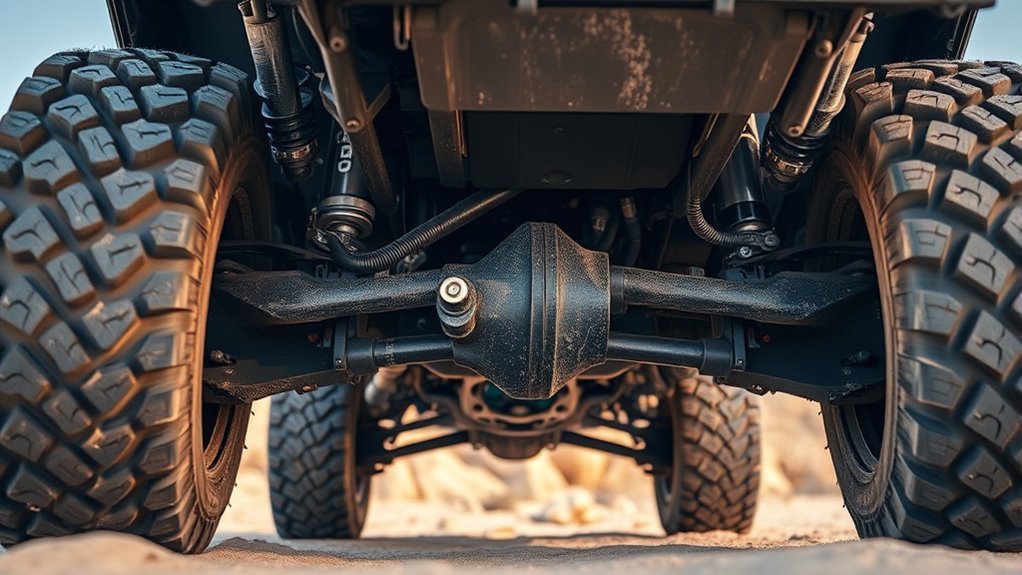
The front of a 4Runner uses control arms, steering links, ball joints and other components that move through fixed arcs. Raising the chassis changes the resting position of those parts. The wheels may then sit or point differently even when the steering wheel appears straight.
The three primary alignment angles are:
| Angle | What It Controls | Possible Symptoms When Incorrect |
| Camber | The inward or outward tilt of the wheel when viewed from the front. | Inside- or outside-shoulder wear, pulling or uneven cornering feel. |
| Caster | The fore-and-aft angle of the steering axis when viewed from the side. | Wandering, weak steering return, instability or increased tire-to-body clearance problems. |
| Toe | Whether the fronts of the tires point slightly toward or away from each other. | Feathered tread blocks, rapid wear, a crooked steering wheel or unstable tracking. |
A lift can also change tie-rod position, CV-joint angles and the available clearance around the tire. These changes do not prove that the vehicle is unsafe or will destroy its tires. They mean the completed setup must be measured instead of judged by appearance.
Model year matters. The fifth-generation 4Runner covers 2010–2024, while Toyota introduced the sixth-generation platform for 2025. Do not assume that alignment numbers, control arms or lift components designed for a fifth-generation vehicle also fit a 2025-or-newer model.
Why Camber and Caster Can Affect Tires on a Lifted 4Runner
Excessive positive or negative camber places more load on one side of the tread. Over time, that shoulder may wear faster than the rest of the tire. However, shoulder wear does not prove that camber is the only problem. Toe error, worn bushings, damaged parts and inflation problems can create a similar pattern.
Caster has a stronger effect on steering feel, straight-line tracking and steering return than on direct tread wear. A lifted 4Runner with insufficient or uneven caster may wander or pull. The tire may also sit farther back in the wheel opening, increasing the chance of rubbing when you turn.
More caster is not automatically better. The correct target is the specification and adjustment strategy approved for your exact model and suspension system. Both front sides should also be compared because a large side-to-side difference can contribute to pulling.
Note: Alignment readings can change when ride height, cargo load or suspension condition changes. Measure the vehicle on level alignment equipment with the suspension settled and the tires correctly inflated.
The Alignment Settings That Help Stop Uneven Tire Wear
No single set of camber, caster and toe numbers applies to every 4Runner. A technician should select the specification for the exact model year, drivetrain and suspension configuration. The alignment machine’s generic database should also be checked against current Toyota service information when the vehicle has been modified.
A useful alignment report should show:
- Initial camber, caster and toe readings
- The specification range selected for the vehicle
- Final readings for both front wheels
- Total front toe
- Rear thrust angle and rear measurements, where applicable
- Any measurement that could not be brought into specification
If a value remains outside specification, the technician should identify the reason. Possible causes include insufficient factory adjustment range, seized adjusters, an incorrect spring or spacer installation, unequal ride height, a bent component or worn suspension parts.
[Products Worth Considering]

Steelman white tire marking crayons provide high-contrast, semi-permanent marks for repairing and inspecting tires and equipment. They write on wet or dry, smooth or coarse surfaces including rubber, metal, glass, and wood, making them ideal for puncture location and damage outlining. The lead- and zinc-free crayons resist weather and fading yet wipe away when you no longer need the marks.

The Ziopetru adjustable magnetic wheel alignment tool helps you check and restore camber and caster positioning after removing and reinstalling undercarriage components. With a clear leveling/bubble measurement system and an easy zeroing adjustment knob, it supports precise horizontal angle checking. The strong magnetic base mounts to metal surfaces for convenient use at home on cars, motorcycles, trucks, vans, and SUVs.

Monitor tire tread wear with a smart, color-coded depth gauge that shows clear condition ranges at a glance. The bar is range marked for fast, easy readings, helping you maintain safer traction and performance. Each gauge is portable with a pocket clip, and the set includes 20 units for daily use and sharing.
Caster Angle Importance
Positive caster supports straight-line stability and helps the steering return toward center after a turn. Lifting some 4Runners can reduce available caster or make it difficult to achieve the desired reading with factory parts.
The technician should aim for a suitable value within the correct Toyota or suspension-manufacturer range while keeping the two sides appropriately balanced. The final setting must also preserve clearance between the tire, frame, body mount, fender liner and other components.
Do not diagnose caster from a vibration alone. A speed-related shake more commonly requires inspection of wheel balance, tire uniformity, wheel runout, hub mounting and suspension condition.
Camber Adjustment Necessity
Camber should remain within the correct model-specific range and reasonably balanced from side to side. A wheel that visibly leans inward or outward after a lift deserves immediate measurement, but small alignment errors may not be visible without equipment.
If the factory cams cannot correct camber, the technician should first verify that the lift was installed correctly and that the left and right ride heights are appropriate. Adjustable control arms, cam hardware or other approved correction parts may then be considered.
Camber correction cannot restore rubber that has already worn away. A severely worn shoulder may continue to produce noise or vibration even after the alignment is corrected.
Toe Setting Precision
Toe has a major effect on tread scrubbing. Too much toe-in or toe-out can create a feathered texture across the tread blocks and accelerate wear across a relatively short distance.
Toe should normally be adjusted after caster and camber because changing the other angles can alter the final toe reading. The steering wheel should be centered, and the technician should verify total toe as well as the individual left and right readings.
Do not rely on a tape measure as the final check for a road-driven modified vehicle. A professional alignment rack measures the angles more accurately and provides a record of the result.
A successful post-lift alignment is not the highest caster number or the greenest screen. It is a balanced, model-appropriate setup that tracks well, protects the tires and maintains safe clearance.
How Lift Height Changes Your Alignment Needs
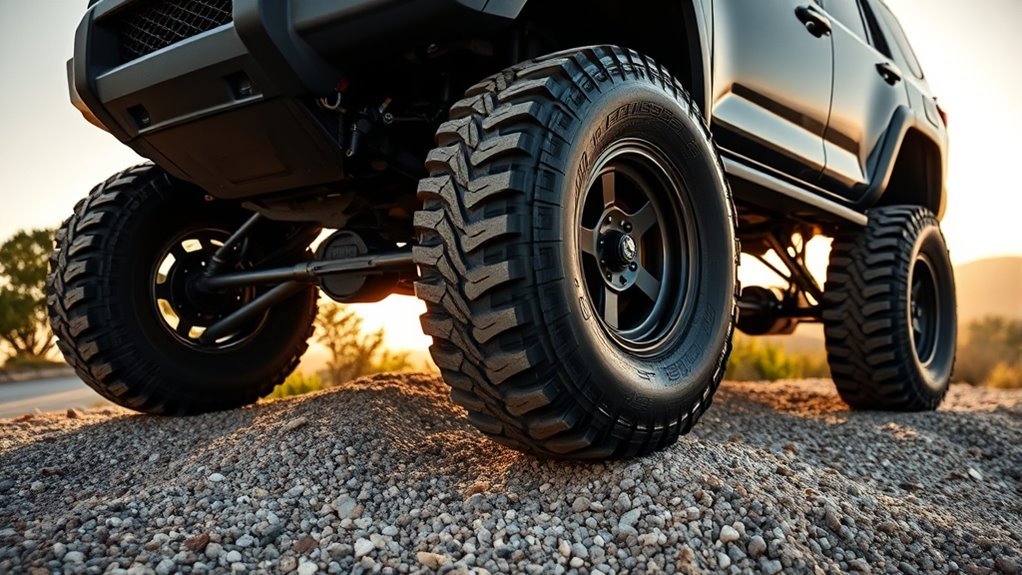
As lift height increases, the suspension normally moves farther from its original resting position. That can reduce the amount of caster or camber correction available through the factory adjusters. It can also increase CV angles and change where the tire sits in the wheel opening.
However, lift height printed on a product box is not the same as measured ride-height gain. Added bumpers, winches, cargo, spring selection and previous suspension sag can change the final result. Measure the completed vehicle rather than assuming that every kit produces its advertised height on every 4Runner.
Do You Automatically Need Aftermarket Upper Control Arms?
No. Aftermarket upper control arms are not automatically required for every lifted 4Runner. Some modest lifts can still be aligned with factory components. Other vehicles run out of useful adjustment, especially when the measured lift is greater, the tire is oversized or additional clearance is required.
For 2003–2019 applications, ICON Vehicle Dynamics states that factory arms can often retain enough adjustment below roughly 2.5 inches, while some vehicles above that level have difficulty recovering factory caster. That guidance does not automatically apply to every kit, later fifth-generation model or sixth-generation 4Runner.
An adjustable UCA may be useful when it:
- Provides enough caster or camber adjustment to reach the correct range
- Improves ball-joint or uniball operating position for the intended travel
- Moves the tire to improve clearance without creating another interference point
- Is specifically approved for the vehicle’s generation, lift and intended use
The part must be installed and maintained according to its manufacturer’s instructions. Some aftermarket joints also require inspection, lubrication or rebuilding that the original sealed component may not require.
Why Bigger Tires Demand More Precise Alignment
An oversized tire can make an existing alignment or fitment problem more noticeable. A wider tread and larger diameter may reduce clearance, alter steering feel and place the tread closer to the body mount, frame, mud flap or fender liner.
The wheel matters as much as the tire. Wheel width and offset influence where the assembly sits. Moving the tire outward can change scrub radius and steering effort, while moving it inward may reduce clearance to suspension or frame components.
A larger assembly may also be heavier, but size alone does not prove that it weighs more. Compare the actual wheel-and-tire assembly weight. Extra rotating and unsprung mass can increase the load on steering, braking and suspension components.
[Products Worth Considering]

Measure tire tread depth quickly and accurately with this LUMITECO dial gauge that reads in 1/32" increments up to 14/32". The color-coded green/yellow/red zones make it easy to judge tire wear and know when replacement is needed. A rugged, compact design with a protective pouch helps keep the gauge ready for use on cars, trucks, motorcycles, and more.

This universal wheel alignment tool helps you accurately restore tire tilt angles after tire or suspension repairs using an adjustable camber gauge. It features a powerful magnetic base that firmly attaches to brake rotors for stationary, slip-free readings, improving consistency during measurement. Built from durable PC plastic, it resists wear and corrosion and is compact enough for car, truck, RV, and motorcycle alignment tasks.

This professional wheel and rim cleaning brush set lifts brake dust, grime, and dirt with soft, scratch-free microfiber and synthetic wool fibers. The rim brush bends up to 360 degrees for easy access to hard-to-reach areas around spokes, lips, and faces. Ideal for thorough cleaning of car, truck, motorcycle, bicycle, RV, and more wheel and tire surfaces.
Check Clearance Under Real Conditions
A tire that clears while parked straight ahead may rub when the steering is turned or the suspension compresses. Check both directions at full steering lock and inspect clearance through the expected suspension travel. Look for fresh marks on the liner, frame, body mount, sway bar and control arms.
Rubbing should be corrected at the source. Do not rely on an aggressive alignment setting that moves the tire away from one contact point but causes poor handling, abnormal wear or contact elsewhere.
Balance and Runout Still Matter
Large all-terrain tires may require careful balancing. If the steering wheel shakes at a particular road speed, inspect balance, wheel mounting, tire runout, wheel damage and suspension components before changing the alignment.
Alignment controls where the wheels point. Balancing controls how smoothly each wheel-and-tire assembly rotates. A vehicle can be correctly aligned and still vibrate because a wheel is out of balance.
Use the Correct Tire Pressure
For original-size tires, begin with the cold pressure listed on the Tire and Loading Information label or in the owner’s manual. Do not use the maximum pressure molded into the tire sidewall as the normal operating target.
When tire size, construction or load range changes, the original placard pressure may not automatically produce the same load capacity or contact behavior. Ask a qualified tire professional to calculate an appropriate cold pressure using the vehicle’s axle loads and the tire manufacturer’s load-and-inflation data.
Pro Tip: Record tread depth at the inner shoulder, center and outer shoulder of each tire. Repeating the measurements every few thousand miles helps you identify a developing pattern before it becomes obvious from outside the vehicle.
Warning Signs Your Lifted 4Runner Needs Realignment or Inspection
Uneven wear is an important clue, but it does not identify the cause by itself. Use the pattern to guide a complete inspection.
| Symptom or Wear Pattern | Possible Causes to Check |
| One shoulder wears faster | Camber, toe, worn bushings, bent parts or repeated cornering loads |
| Feathered tread blocks | Excessive toe, steering-linkage wear or rear thrust-angle problems |
| Cupped or scalloped patches | Wheel imbalance, worn dampers, runout, loose bearings or suspension faults |
| Both shoulders wear | Underinflation, overloading or severe cornering use |
| Center wears faster | Excessive inflation for the load or an unsuitable pressure setup |
| Vehicle pulls or wanders | Caster or camber difference, tire pull, pressure difference, brake drag or worn parts |
| Highway-speed vibration | Balance, tire or wheel runout, wheel damage, hub mounting or suspension wear |
| Tire rubbing | Tire size, wheel offset, caster position, liner clearance or suspension travel |
Inspect the inner shoulders by turning the steering or viewing the tread from behind the tire. Inner-edge damage can remain hidden during a quick walk-around.
Post-Lift Alignment and Tire-Wear Checklist
- Confirm the application. Verify that every suspension component is approved for the exact 4Runner generation, drivetrain and trim.
- Measure final ride height. Compare left and right sides and investigate an unexpected difference before alignment.
- Inspect the installation. Check control arms, bushings, ball joints, tie rods, sway-bar links, brake hoses, ABS wiring and CV boots.
- Set tire pressure. Use the vehicle placard for original-size tires or qualified load-based guidance for changed sizes.
- Check wheel and tire condition. Look for bent wheels, irregular wear, damaged tires, poor bead seating and missing balance weights.
- Perform a professional alignment. Use the correct model-year specification and adjust toe only after caster and camber work is complete.
- Obtain the printout. Keep the before-and-after readings and ask why any value remains outside specification.
- Test clearance. Check full steering lock in both directions and inspect clearance through expected suspension movement.
- Road-test carefully. Confirm that the steering wheel is centered, the vehicle tracks predictably and no rubbing or vibration occurs.
- Follow the lift manufacturer’s recheck schedule. Reinspect fasteners, joints and alignment after the specified break-in period and after hard impacts or off-road use.
- Inspect tread regularly. Compare inner, center and outer tread depth instead of waiting for visible shoulder damage.
- Rotate as approved. Follow the Toyota owner’s manual and tire manufacturer’s rotation pattern and interval. Inspect sooner if a wear pattern appears.
[Products Worth Considering]

Malco tire mounting and demounting lubricant is a ready-to-use tire lube formulated to reduce friction during tire installation for passenger cars, light trucks, farm tires, and heavy-duty equipment. It provides rust-inhibiting protection to help reduce corrosion on rims and wheels, and helps support proper tire bead seating during inflation to reduce air leakage. The silicone-free, soap-free formula is whitewall safe to help prevent discoloration on whitewall tires and sensitive sidewall markings.

Replace or upgrade your zero-turn lawn mower tires with a universal fit flat-free tire and wheel assembly in a convenient 2-pack. Smooth tread front-caster style helps turning with reduced turf damage, while flat-free design eliminates the maintenance and downtime of air-filled flats. The included adapter kit supports 5/8-inch axles and hub lengths from 3.4 to 5 inches for compatibility across most ZTR mowers.

This 3-piece wheel brush set makes it easy to clean wheels and tires with soft, scratch-free brushes designed for lifting brake dust and grime. The flexible rim brush bends up to 360 degrees to reach hard-to-access areas for a thorough clean, while the comfortable grip helps control during detailing. A dedicated detailing brush supports gentle cleaning for sensitive surfaces, including interior use.
Frequently Asked Questions
What are the cons of lifting a 4Runner?
A lift can change alignment, steering feel, suspension travel, CV-joint angles and tire clearance. It may also raise the center of gravity and increase maintenance needs. The size of each effect depends on the lift design, actual ride-height gain, tires, wheels and installation quality.
What are the disadvantages of a lift kit?
Possible disadvantages include reduced alignment range, altered handling, faster wear when geometry is incorrect, tire rubbing, additional joint angles and more frequent inspection. A properly selected kit, professional installation and correct alignment can reduce many of these problems.
Does every lifted 4Runner need aftermarket upper control arms?
No. Factory arms may retain enough adjustment on some modest lifts. Aftermarket arms become useful when the completed vehicle cannot reach an appropriate caster or camber range, when joint travel is inadequate or when the tire needs repositioning for clearance. Use parts designed for the exact generation and lift.
How soon should a 4Runner be aligned after installing a lift?
Have it inspected and aligned immediately after installation, before routine or highway driving. Follow the suspension manufacturer’s instructions for any later torque or alignment recheck after the components settle.
Will an alignment fix cupped tires?
An alignment may correct one contributing problem, but it cannot reverse existing cupping. The shop should also inspect wheel balance, tire and wheel runout, dampers, bearings and suspension parts. A severely cupped tire may continue to vibrate or make noise after the mechanical cause is repaired.
Can tire pressure cause uneven wear after a lift?
Yes. Underinflation may wear both shoulders, while excessive pressure for the load may increase center wear. Original-size tires should normally use the vehicle’s cold-pressure placard. Changed tire sizes or load ranges may require load-based pressure guidance from a qualified tire professional.
Conclusion
Lifting a 4Runner can contribute to uneven tire wear, but the lift itself is only part of the equation. The final ride height, alignment range, tire size, wheel offset, pressure, balance and condition of the steering and suspension all influence the result.
Arrange a professional inspection and alignment immediately after the lift. Use specifications for the exact model year, keep the printout and correct any rubbing, vibration or worn-part problem instead of treating every symptom as an alignment issue. A properly planned setup can provide additional clearance while maintaining predictable handling and reasonable tire life.
Sources
- Toyota 4Runner Manuals and Warranties — current model-specific owner and maintenance documentation.
- Toyota USA Newsroom: Fifth- and Sixth-Generation 4Runner — confirms the generation and platform change beginning with model year 2025.
- NHTSA TireWise — tire-pressure, rotation, alignment and tire-inspection guidance.
- Michelin Wheel Alignment and Balancing Guide — explains alignment, balancing, vibration and irregular wear.
- ICON Vehicle Dynamics 4Runner UCA Guidance — explains when factory or aftermarket upper control arms may provide sufficient alignment range on listed applications.
- Toyota Technical Information System — factory repair information and model-specific service specifications.