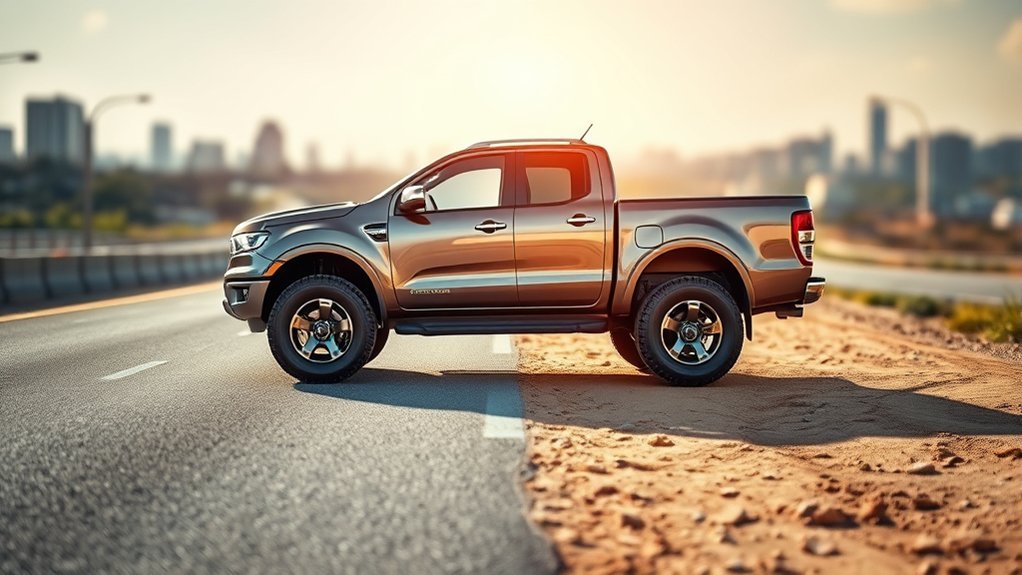
For most truck drivers who spend nearly all their time on pavement, highway tires are usually the lower-cost choice over all-terrain tires. They tend to ride quieter, roll more efficiently, and wear more evenly during daily commuting. All-terrain tires still make sense when gravel roads, job sites, snow, mud, or trail access are part of your normal week.
Quick Answer
Highway tires usually save more for truck commuting because they are built for paved-road comfort, lower rolling resistance, and even tread wear. Choose all-terrain tires only if you regularly drive on gravel, dirt, snow, job sites, or rough access roads where extra traction and tougher construction matter more than maximum MPG.
Key Takeaways
- Pick highway tires if your truck is mainly used for city streets, highways, school runs, errands, and paved-road commuting.
- Pick all-terrain tires if you frequently drive on gravel, dirt, muddy job sites, forest roads, ranch roads, or light trails.
- MPG depends on rolling resistance, tire pressure, tread design, load, and alignment, not just the tire category name.
- Do not buy by tread style alone. Match the vehicle placard for tire size and load rating, then compare treadwear, wet traction, temperature rating, warranty, and severe-snow markings if winter driving matters.
How Do Highway and All-Terrain Tires Compare in Performance?
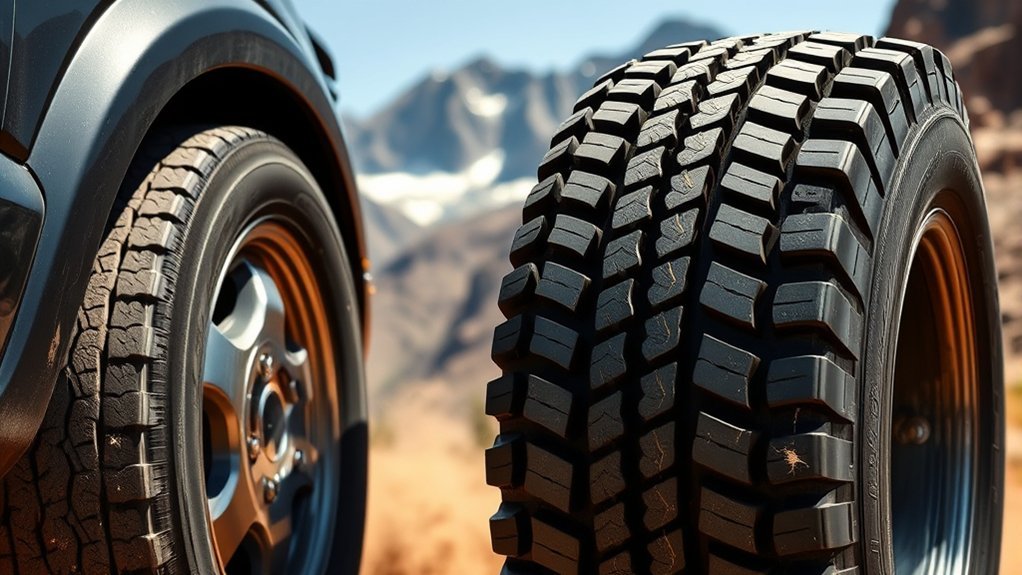
Highway tires and all-terrain tires are built around different priorities. A highway tire focuses on paved-road stability, low road noise, predictable wet-road handling, and long tread life. An all-terrain tire is built as a compromise between on-road driving and off-road capability, which is how NHTSA TireWise describes the category.
That compromise is useful if your truck sees mixed surfaces. The larger tread blocks, wider voids, and stronger shoulder areas on many all-terrain tires can help on dirt, gravel, mud, and uneven surfaces. On smooth pavement, though, those same features can add road noise, steering vibration, rolling resistance, and uneven wear if the tire is not rotated and maintained well.
| Category | Highway Tires | All-Terrain Tires |
|---|---|---|
| Best surface | Pavement, highways, city streets | Mixed pavement, gravel, dirt, job sites, light trails |
| Ride comfort | Usually smoother and quieter | Can feel firmer or louder, especially with aggressive tread |
| Fuel economy | Often better because many models target lower rolling resistance | Often lower if the tire has deeper, heavier, more open tread |
| Tread life on pavement | Usually more even for commuting | Can wear faster or cup if used mostly on pavement and not rotated |
| Off-road traction | Limited | Better on loose surfaces, ruts, dirt, gravel, and mud |
| Winter use | Depends on model and rating | Some models carry severe-snow markings, but not all do |
NHTSA estimates that a 10% reduction in tire rolling resistance can improve vehicle fuel economy by about 1% to 2%, which is why tire design matters for commuting costs.
[Products Worth Considering]

Measure tire tread depth quickly and accurately with this LUMITECO dial gauge that reads in 1/32" increments up to 14/32". The color-coded green/yellow/red zones make it easy to judge tire wear and know when replacement is needed. A rugged, compact design with a protective pouch helps keep the gauge ready for use on cars, trucks, motorcycles, and more.

Accurately measure tire tread depth with a calibrated gauge marked from 0 to 1 inch in 1/32 inch increments. The color-coded bar helps you quickly identify tread condition ranges, supporting safe driving for trucks, motorcycles, automobiles, and passenger vehicles.

The SAFELIFE dial tire tread depth gauge measures tread depth in 1/32 inch increments with clear, easy-to-read 2-inch dial face. Color zones using a traffic light system help you quickly judge whether tread is low, marginal, or ample for safer driving. Built with a durable zinc cast body and a metal detect probe for precise, comfortable use across cars, motorcycles, trucks, and buses.
Understanding Highway Tires and Their Benefits
Highway tires are purpose-built for paved roads. They are a strong match for trucks that spend most of their time on asphalt, especially if your priorities are comfort, quietness, fuel economy, and predictable handling in rain.
- Enhanced comfort: Highway tire tread patterns are usually less aggressive, so they tend to create less vibration and road noise.
- Better fuel efficiency: Many highway tires are designed with lower rolling resistance. According to NHTSA, materials, construction, and tread design influence fuel efficiency, durability, traction, handling, ride comfort, and rolling resistance.
- Longer paved-road tread life: A commuting-focused tread often wears more evenly on pavement than a chunky off-road tread, especially when you rotate the tires on schedule.
- Better daily manners: If your truck is used for commuting, errands, school pickup, towing on highways, or long interstate drives, highway tires usually feel more settled.
Pro Tip: Compare tires by total cost per mile, not just purchase price. A tire that costs more upfront can still be cheaper if it lasts longer, keeps MPG higher, and wears evenly with regular rotation.
Exploring the Advantages of All-Terrain Tires
All-terrain tires make sense when your truck does real mixed-use work. They are useful for drivers who leave pavement often enough that a smooth highway tire becomes a limitation.
Common reasons to choose all-terrain tires include:
- Gravel and dirt roads: The tread blocks and open grooves can bite into loose surfaces better than a highway tire.
- Job sites and farms: Tougher construction and stronger shoulder areas can help when you drive over rocks, packed dirt, and uneven ground.
- Weekend trails: Light trail driving, camping roads, hunting roads, and forest roads are better suited to all-terrain tread.
- Occasional snow: Some all-terrain tires carry severe-snow markings, but you must verify the exact tire. Do not assume every A/T tire is winter-rated.
- Visual stance: Many truck owners prefer the more rugged look, even though that look can come with MPG and noise trade-offs.
Here is a more balanced view of all-terrain benefits:
| Feature | Benefit | Consideration |
|---|---|---|
| Open tread pattern | Better bite on dirt, gravel, and loose ground | Can increase road noise and rolling resistance |
| Stronger shoulder and sidewall design | More confidence on rough access roads | Can ride firmer than a highway tire |
| Mixed-use capability | Useful if your truck sees pavement and off-road surfaces | Not as efficient as a pavement-focused highway tire for commuting |
| Optional severe-snow rating on some models | Can help in winter regions when the exact tire is rated for it | A/T does not automatically mean winter tire |
Note: If you drive in deep snow or icy winter conditions, compare the exact tire rating. NHTSA says winter tires are more effective than all-season tires in deep snow, and all-terrain tires are a mixed-use compromise, not a guaranteed winter solution.
Tire Cost Comparison: Which Saves More?
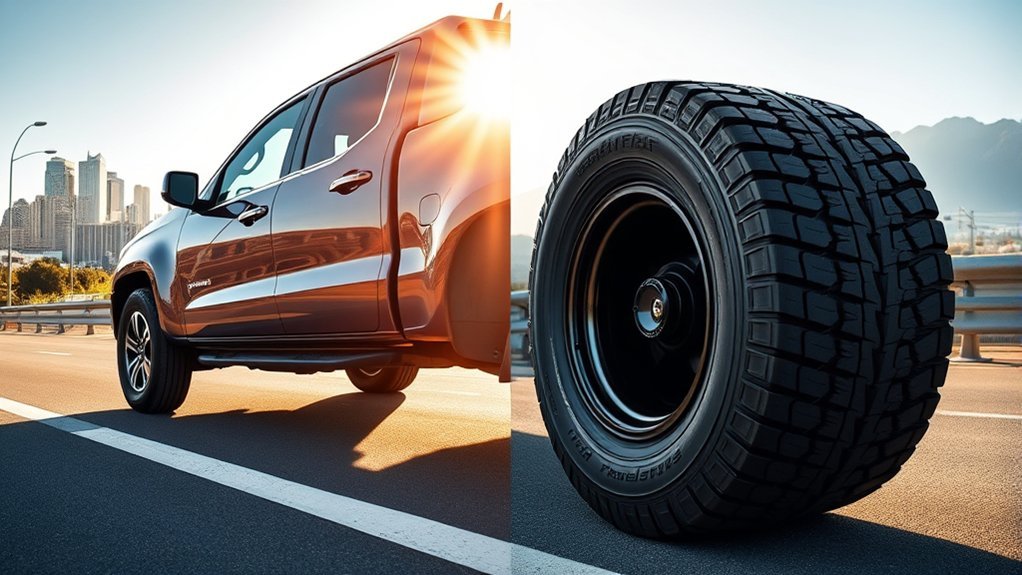
Highway tires usually save more for daily commuting because the savings stack up in several places, not just at checkout. The main cost factors are purchase price, tread life, fuel economy, road noise, alignment sensitivity, and how often you need replacements.
- Upfront price: Highway tires are often less expensive than comparable all-terrain tires in the same size and load range.
- Fuel use: Lower rolling resistance can reduce the energy needed to keep the truck moving. NHTSA says low-rolling-resistance tires reduce energy loss and improve fuel economy.
- Tread life: Paved-road tread designs often wear more evenly during commuting. Compare treadwear grades and mileage warranties before buying.
- Maintenance costs: Aggressive all-terrain tread can become noisy or uneven if alignment, pressure, or rotation is ignored.
- Replacement timing: If an all-terrain tire wears unevenly from mostly highway use, you may replace it before the tread is fully used.
Fuel economy also depends on tire pressure. FuelEconomy.gov says keeping tires inflated to the proper pressure can improve gas mileage by 0.6% on average and up to 3% in some cases. It also warns that underinflated tires can lower gas mileage by about 0.2% for every 1 psi drop in the average pressure of all tires.
Warning: Do not choose a tire only because it looks aggressive or has a lower price. Use the tire size, load rating, and inflation pressure listed on your truck’s doorjamb placard or owner’s manual. Do not use the maximum pressure printed on the tire sidewall as your normal target pressure.
[Products Worth Considering]

Monitor tire tread wear with a smart, color-coded depth gauge that shows clear condition ranges at a glance. The bar is range marked for fast, easy readings, helping you maintain safer traction and performance. Each gauge is portable with a pocket clip, and the set includes 20 units for daily use and sharing.

Add style while helping protect your tire valve stems with handmade crystal rhinestone caps and a durable plastic insert. These caps resist corrosion and help keep out rain, snow, and muddy water, extending tire life. Textured non-slip design makes them easy to grip for quick install and removal when checking tire pressure.

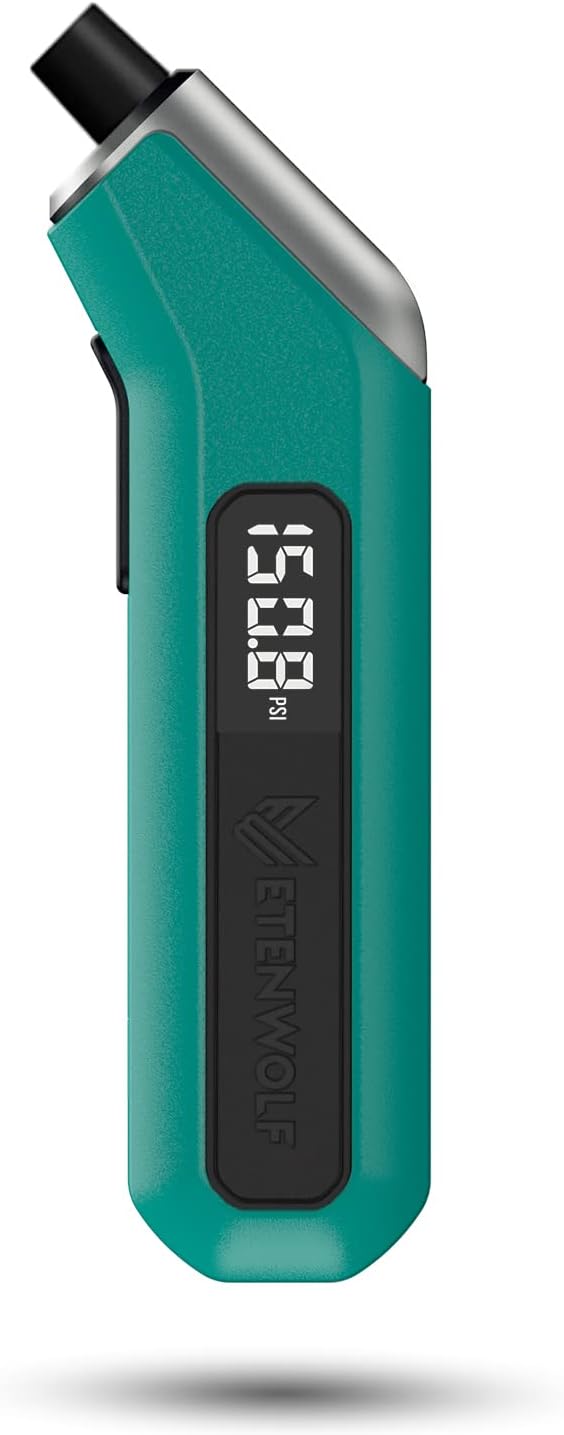
Keep your tires properly inflated with this analog VONDIOR tire pressure gauge, designed for fast, easy readings without batteries. The swiveling, two-axis hose and large glow dial help you measure at any tire angle with instant visibility. Built with a protective rubber shield, it supports durable, low-maintenance use for cars and trucks.
Which Tire Type Is Best for Your Driving Conditions?
The easiest way to choose is to look at where your truck spends at least 80% of its miles. If the answer is pavement, highway tires are usually the smarter value. If the answer includes regular unpaved roads, rough job sites, or trail access, all-terrain tires may be worth the added cost.
[Products Worth Considering]

Check tire pressure with the Milton S-925 pencil gauge built for trucks, RVs, and bicycles. It features a single-head chuck with a built-in deflator valve, and it displays readings in both PSI and kPa for convenient use. The gauge is designed for accurate, repeatable pressure checks within its working range.

The Big Rig Defense Tire Thumper is a truck tire pressure checker that lets you quickly check multiple tires by giving them a firm whack. Listen for a reassuring thump and feel the stick bounce when a tire is fully inflated, helping you get back on the road safely. It features a comfortable, glove-friendly handle and a secure wrist strap for confident use on busy routes.
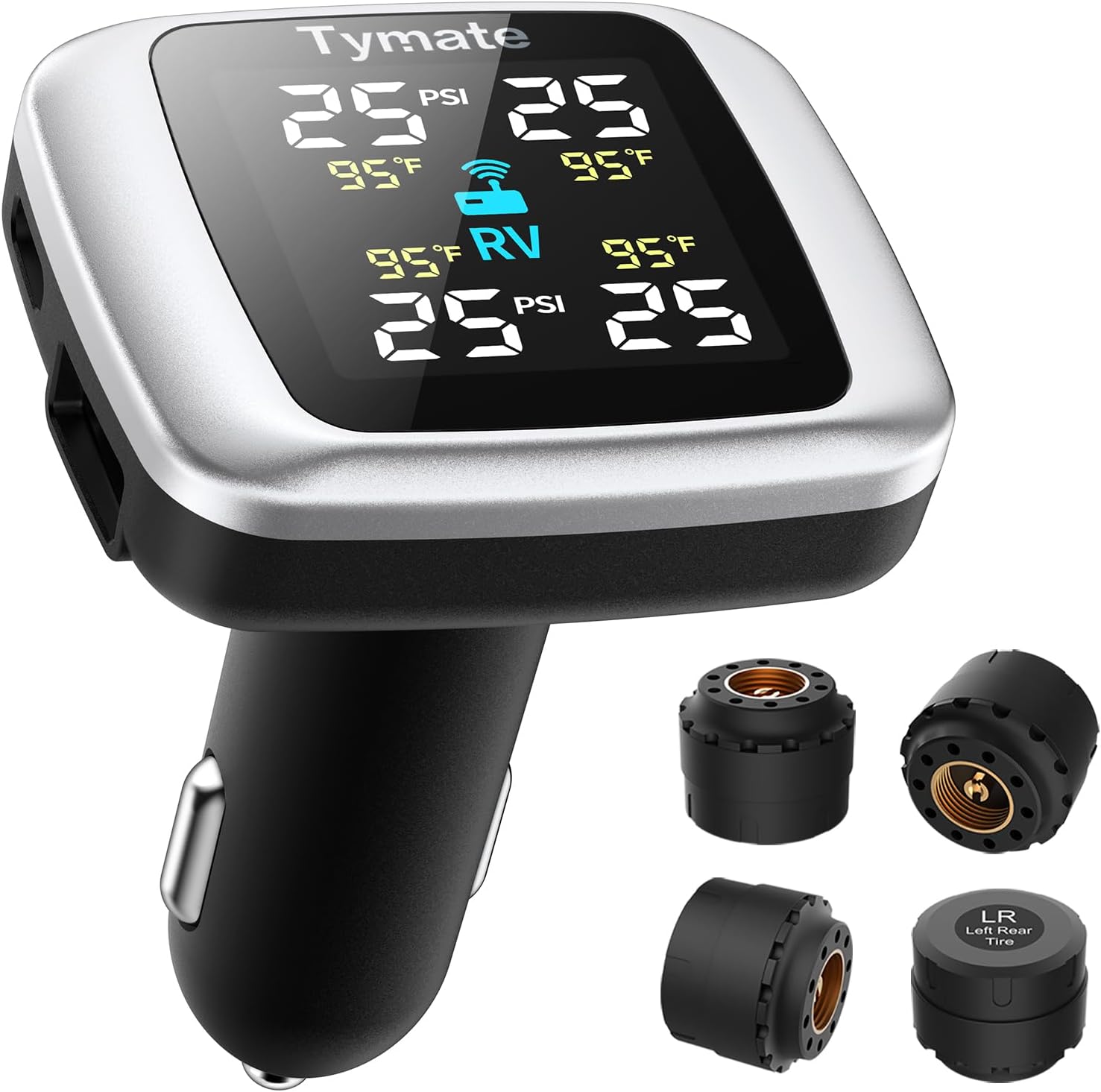
Tymate TM7 is a wireless tire pressure monitoring system that delivers real-time pressure and temperature readings for safer driving. It includes four external sensors, a bright color LCD display with adjustable backlight, and six alarm modes for high/low pressure, fast leakage, high temperature, and sensor signal or battery issues. The system covers a wide 0–144 PSI range and plugs into your vehicle’s cigarette lighter socket for quick DIY setup.
Choose Highway Tires If
- Your commute is mostly city streets, highways, or interstates.
- You want the quietest ride you can get from a truck tire.
- You care most about MPG, tread life, and smooth handling.
- You tow or haul mainly on paved roads.
- You rarely drive through mud, gravel, ruts, or rocky surfaces.
Choose All-Terrain Tires If
- You drive on gravel roads, ranch roads, forest roads, or construction sites every week.
- You need better grip on loose surfaces than a highway tire can provide.
- You want stronger shoulder protection for rough surfaces.
- You accept more road noise and possible MPG loss for added versatility.
- You choose a model with the correct severe-snow marking if winter traction is part of your reason for buying.
What to Check Before Buying Truck Tires
Before you compare highway and all-terrain tire prices, make sure every tire you consider is suitable for your truck. A tire that does not match the required size or load rating is not a good deal.
- Tire size: Match the size listed on the doorjamb placard or owner’s manual unless a qualified tire professional confirms an alternate size.
- Load index and load range: This is critical for pickups that tow, haul tools, carry payload, or use LT tires.
- Speed rating: Match the vehicle requirement and your driving needs.
- UTQG treadwear grade: NHTSA says treadwear grades indicate relative wear rate. Use them as a comparison tool, not a guaranteed mileage promise.
- Wet traction grade: NHTSA says traction grades indicate a tire’s ability to stop on wet pavement, with AA as the highest grade.
- Temperature grade: This reflects heat resistance, which matters for long highway drives, heavy loads, and hot climates.
- Warranty terms: Compare mileage warranty, road-hazard coverage, and rotation requirements.
- Severe-snow marking: If winter traction matters, verify the exact tire’s sidewall marking and manufacturer specs.
How to Make Either Tire Type Last Longer
Whether you choose highway tires or all-terrain tires, poor maintenance can erase the savings. NHTSA says tire pressure affects safety, durability, and fuel consumption. It also recommends checking tire pressure at least once a month when the tires are cold.
- Check cold tire pressure monthly: Include the spare if your truck has one.
- Rotate on schedule: NHTSA says to follow the owner’s manual, and if recommended by the manufacturer, rotate every 5,000 to 8,000 miles or sooner if uneven wear appears.
- Watch tread depth: NHTSA says tires are not safe and should be replaced when tread is worn to 2/32 of an inch.
- Fix alignment issues early: Pulling, vibration, feathered tread, or uneven wear can shorten tire life.
- Do not overload the truck: Extra weight increases stress on tires, brakes, and suspension.
- Inspect tire age: Some vehicle and tire manufacturers recommend replacement at six to 10 years regardless of treadwear.
Frequently Asked Questions
Do all-terrain tires make MPG worse?
They can, especially if the tire has deep tread blocks, a heavier construction, and higher rolling resistance. The MPG change depends on the exact tire model, size, pressure, vehicle weight, alignment, and driving style. A mild all-terrain tire may have a smaller impact than an aggressive one.
Are highway tires better for towing?
Highway tires are often better for towing on pavement because they tend to run quieter, track straighter, and wear more evenly on long highway trips. The key is not the highway label alone. You still need the correct size, load index, load range, inflation pressure, and speed rating for your truck and trailer setup.
Do all-terrain tires last longer than highway tires?
Not automatically. Some all-terrain tires have strong mileage warranties, but aggressive tread can wear unevenly if used mostly on pavement. Highway tires often last longer for commuters because their tread is designed for smooth roads. Compare treadwear grade, mileage warranty, and owner maintenance requirements before choosing.
Are all-terrain tires good in snow?
Some all-terrain tires are good in snow, but not all of them are winter-rated. If snow traction matters, look for the correct severe-snow marking on the exact tire model. For deep snow, ice, and very cold regions, a dedicated winter tire can still be the safer choice.
Are all-terrain tires louder on the highway?
Many are louder than highway tires because the larger tread blocks and wider voids create more pattern noise. Mild all-terrain tires can be fairly quiet, but aggressive A/T tires usually make more sound as speed increases or as the tread wears.
Which tire is best if I drive 90% pavement and 10% gravel?
A highway tire is usually best if the gravel is light, well-maintained, and occasional. Choose a mild all-terrain tire if that 10% includes sharp rocks, muddy access roads, job sites, steep loose surfaces, or frequent rural driving where traction is more important than maximum MPG.
Conclusion
For daily truck commuting, highway tires usually save more money because they are better matched to paved-road driving, fuel efficiency, quiet comfort, and even tread wear. All-terrain tires are worth the extra cost when your real driving includes gravel, dirt, job sites, snow, or off-road access often enough to use their added traction. The best choice is the tire that matches your weekly driving, not the most aggressive tread pattern on the rack.
Sources
- NHTSA TireWise — tire buying guidance, all-terrain tire definition, treadwear, wet traction, temperature grades, pressure, tread depth, rotation, aging, and fuel-efficiency guidance.
- FuelEconomy.gov: Keeping Your Vehicle in Shape — tire pressure and gas mileage estimates.
- U.S. Department of Energy: Driving More Efficiently — driving habits, excess weight, and fuel-saving context.