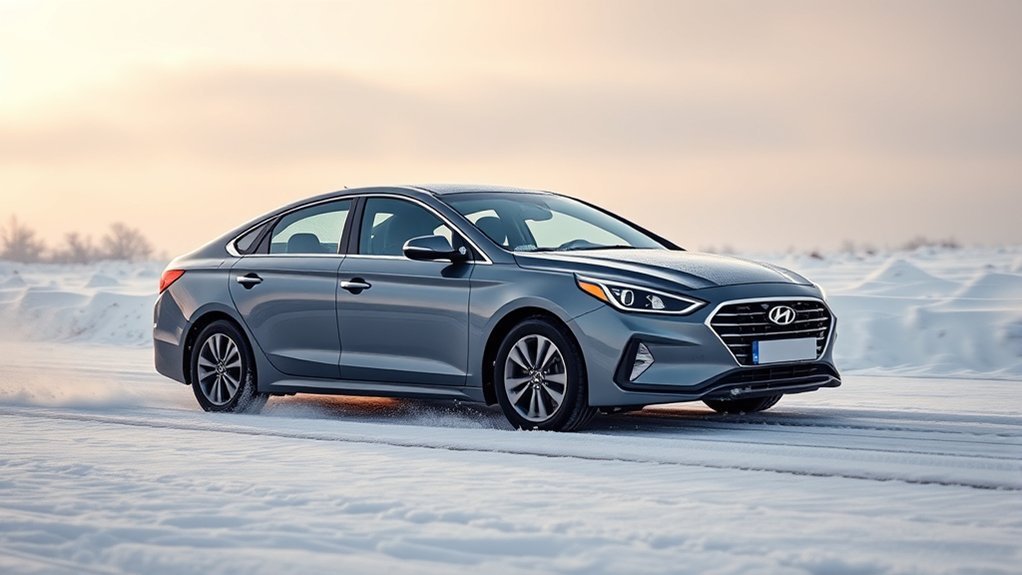
Yes, a Hyundai Sonata can drive in snow, but how safe and confident it feels depends more on the tires, tread depth, road surface, and your speed than on the car itself. On plowed roads with light to moderate snow, a Sonata on good all-season or all-weather tires can be manageable. In deep snow, packed ice, steep hills, or frequent winter storms, dedicated winter tires are the safer choice.
Quick Answer
A Hyundai Sonata is okay in light to moderate snow when the tires have healthy tread and are inflated correctly. Standard all-season tires are not ideal for ice, deep snow, or long winter commutes. For frequent snow or temperatures consistently below about 45°F, winter tires or 3PMSF-rated all-weather tires are a smarter upgrade.
Key Takeaways
- A Sonata can handle light to moderate snow, especially on plowed roads, but it is still a low sedan and can struggle in deep accumulation.
- Tires matter most: standard all-seasons are acceptable for mild winter use, 3PMSF all-weather tires are better for mixed winter driving, and dedicated winter tires are best for snow and ice.
- Check cold tire pressure using the driver-door placard or owner’s manual, not the number molded into the tire sidewall.
- For snow confidence, replace tires before the tread gets too shallow; about 5/32 inch is a safer snow-driving target than waiting until the legal minimum.
- AWD can help a Sonata accelerate in slippery conditions, but it does not replace winter tires and does not magically shorten braking distance on ice.
At a Glance
| Time Required | 10–15 minutes for a basic winter tire and safety check |
| Difficulty | Easy for inspection; professional help recommended for mounting, balancing, alignment, or tire replacement |
| Tools Needed | Tire-pressure gauge, tread-depth gauge or quarter, flashlight, ice scraper, snow brush, and winter washer fluid |
| Cost | No cost for a visual check if you already have a gauge; tire replacement and seasonal installation costs vary by size, tire model, and shop |
How Does the Hyundai Sonata Perform in Snow?
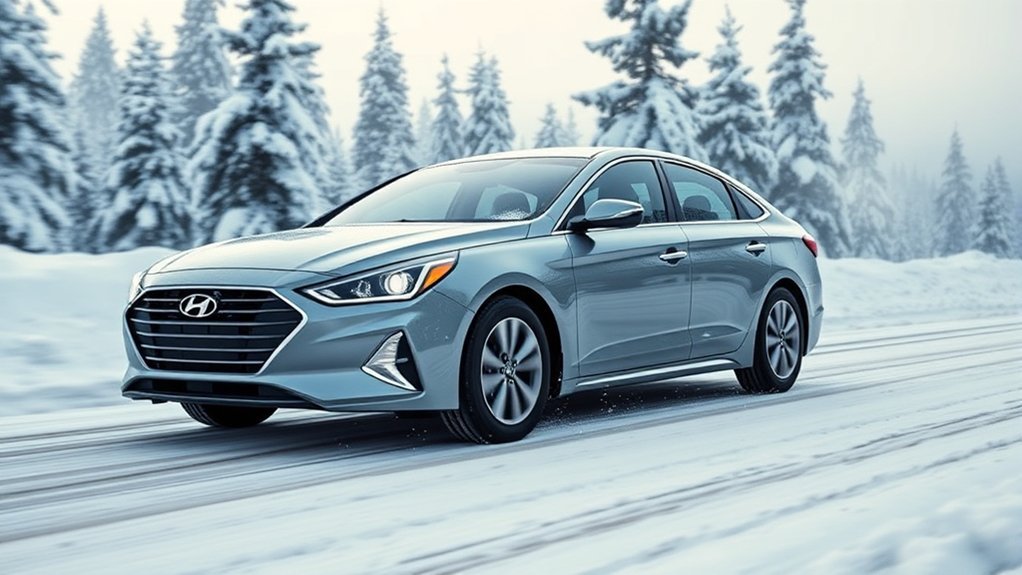
The Hyundai Sonata can be predictable in light snow because it is a front-engine sedan with stable road manners. Most Sonata trims are front-wheel drive, which puts engine weight over the drive wheels and can help with traction when pulling away from a stop. Newer model years also include available AWD on select trims, including the 2026 SEL Sport AWD listed by Hyundai News.
That said, drivetrain is only part of the story. Snow traction comes mainly from the tires. A Sonata with worn all-season tires can feel nervous even in a small storm, while the same car on quality winter tires can feel much more controlled on cold, slushy, or snow-covered roads.
Note: AWD helps a car accelerate, but it does not give every tire extra grip for braking or steering. On ice, a front-wheel-drive Sonata with proper winter tires can be safer than an AWD Sonata on worn all-seasons.
The Sonata’s main winter limitation is that it is still a sedan. If snow is deep enough to drag under the bumper or pack underneath the car, the tires may not be the only problem. Ground clearance, ruts, frozen slush, and plow berms can stop the car even when the tires still have some grip.
What Are the Limitations of All-Season Tires in Winter Conditions?
All-season tires are built as a compromise for dry roads, rain, and mild winter weather. They can handle a dusting of snow when they are new and properly inflated, but they are not the same as winter tires. Standard all-seasons usually have rubber compounds and tread patterns that are less effective on cold ice, packed snow, and slush.
Many tire makers use about 45°F as the point where winter tires begin to make more sense. Goodyear notes that summer or all-season tires may start becoming less effective as temperatures fall below 45°F. That does not mean your Sonata instantly becomes unsafe at 44°F, but it does mean cold-weather traction can fade before the first big snowstorm arrives.
The other issue is tread depth. The legal minimum is not the same as the best winter-safety margin. Tire Rack recommends replacing tires at about 5/32 inch for driving in snow, 4/32 inch for wet roads, and 2/32 inch for dry-road minimum use. If your Sonata’s tires are near 4/32 inch, do not expect strong snow grip.
Warning: No tire can make icy roads safe at normal speeds. If freezing rain, black ice, whiteout conditions, or road closures are in the forecast, the safest choice is to delay nonessential travel.
Best All-Season Tires for Your Hyundai Sonata
The best tire for your Hyundai Sonata depends on your wheel size, climate, driving style, and how often you see snow. Always confirm the correct tire size and load rating from the driver-door placard, owner’s manual, or a qualified tire installer before buying.
| Tire Type / Model | Best For | Winter Note |
|---|---|---|
| Michelin Defender2 | Long tread life, comfort, and daily commuting | Good touring all-season choice for mild winters, but not a dedicated snow tire |
| Michelin CrossClimate2 | Drivers who want one tire for rain, dry roads, and occasional snow | 3PMSF-rated all-weather tire; stronger snow choice than a basic all-season |
| Goodyear Assurance WeatherReady 2 | Year-round driving with more winter confidence | 3PMSF-rated severe-snow-service tire, but still not a full replacement for dedicated winter tires in harsh ice |
| Bridgestone WeatherPeak | Comfort-focused all-weather touring | Better suited to mixed winter weather than a regular touring all-season |
| Continental TrueContact Tour 54 | Balanced comfort, fuel efficiency, and light-snow capability | A practical mild-winter all-season, not the top pick for repeated ice storms |
If you live where roads are usually plowed quickly and snow is occasional, a premium all-season or 3PMSF all-weather tire may be enough. If you drive before plows are out, deal with steep hills, commute through lake-effect snow, or regularly see ice, dedicated winter tires are worth the extra seasonal changeover.
[Products Worth Considering]

Measure tire tread depth quickly and accurately with this LUMITECO dial gauge that reads in 1/32" increments up to 14/32". The color-coded green/yellow/red zones make it easy to judge tire wear and know when replacement is needed. A rugged, compact design with a protective pouch helps keep the gauge ready for use on cars, trucks, motorcycles, and more.

The SAFELIFE dial tire tread depth gauge measures tread depth in 1/32 inch increments with clear, easy-to-read 2-inch dial face. Color zones using a traffic light system help you quickly judge whether tread is low, marginal, or ample for safer driving. Built with a durable zinc cast body and a metal detect probe for precise, comfortable use across cars, motorcycles, trucks, and buses.

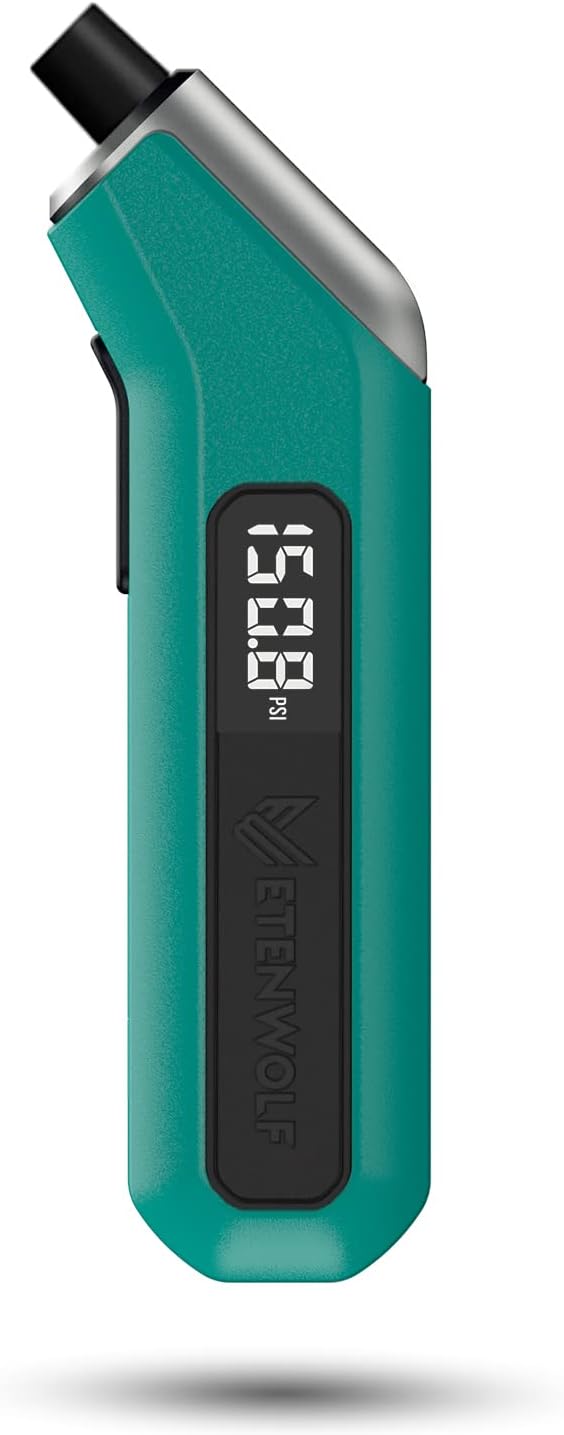
Keep your tires properly inflated with this analog VONDIOR tire pressure gauge, designed for fast, easy readings without batteries. The swiveling, two-axis hose and large glow dial help you measure at any tire angle with instant visibility. Built with a protective rubber shield, it supports durable, low-maintenance use for cars and trucks.
Maintain Your All-Season Tires for Winter Safety
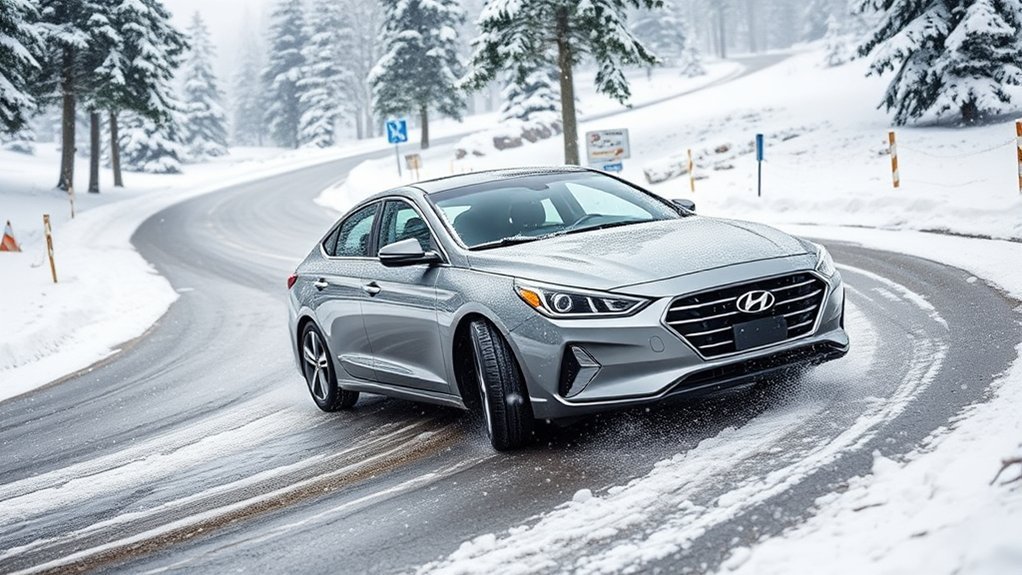
Winter tire safety starts before the road gets slippery. Cold weather lowers tire pressure, and under-inflated tires can reduce handling, wear faster, and hurt fuel economy. Hyundai’s owner guidance says to check tire pressure when the tires are cold, meaning the car has not been driven for at least three hours or has been driven less than about 1 mile. Use the recommended cold inflation pressure from the door placard or owner’s manual, not the maximum pressure printed on the tire sidewall.
1. Check Tire Pressure Cold
Check all four tires before a winter drive, especially after a sharp temperature drop. If the pressure is low, inflate to the vehicle’s recommended cold pressure. Do not bleed air out of warm tires just because the reading looks higher after driving.
2. Measure Tread Depth
Use a tread-depth gauge for the most accurate reading. For snow driving, start shopping before the tires fall below about 5/32 inch. At 4/32 inch, wet and winter traction is already reduced. At 2/32 inch, the tire is worn out and should be replaced.
3. Inspect for Damage and Age
Look for cracks, bulges, cuts, punctures, uneven wear, and exposed cords. If one tire wears much faster than the others, the Sonata may need alignment, suspension inspection, or rotation.
4. Rotate and Balance on Schedule
Follow your owner’s manual, tire warranty booklet, or installer’s recommended rotation interval. Rotation helps keep tread wear even, which matters more in winter because uneven tread can make braking and steering less predictable.
Pro Tip: If the steering wheel vibrates after driving through snow, check for packed snow or ice inside the wheels before assuming the tires are defective. Ice buildup can throw a wheel temporarily out of balance.
How to Adjust Your Driving for Snowy Conditions?
A Sonata can only use the traction the tires can find. In snow, drive like every input is amplified: brake earlier, turn more gently, and avoid sudden throttle changes.
NHTSA reported an estimated 101,390 police-reported crashes in snow or sleet conditions in 2023, which is why slower speed and extra following distance matter so much in winter.
- Reduce speed before corners, bridges, ramps, and shaded areas where ice forms first.
- Leave much more following distance than you would on dry pavement.
- Accelerate gently so the front tires do not spin.
- Brake early and smoothly; if your Sonata has ABS, press the brake firmly and let the system work.
- Avoid cruise control on snow, ice, or slush.
- Do not crowd snow plows or drive beside them.
- Use traction control normally; only consider disabling it briefly if you are stuck and need controlled wheelspin to rock the car free.
When Should You Consider Switching to Winter Tires?
Consider winter tires when temperatures consistently stay near or below about 45°F, when you regularly drive on snow or ice, or when your Sonata feels slippery on small hills and intersections. Winter tires use rubber compounds designed to stay flexible in cold weather, and their tread patterns are designed to bite into snow and channel slush.
You should strongly consider dedicated winter tires if:
- You drive before roads are plowed.
- Your area gets frequent snow, freezing rain, or black ice.
- You commute on hills, rural roads, bridges, or untreated streets.
- Your current tires are below about 5/32 inch of tread before winter.
- You need predictable braking more than year-round convenience.
- Your local law requires winter-rated tires.
Québec is a good example of a region with a legal requirement. The Gouvernement du Québec requires most Québec-registered vehicles to be winter-ready from December 1 to March 15, with listed exceptions.
[Products Worth Considering]

Monitor tire tread wear with a smart, color-coded depth gauge that shows clear condition ranges at a glance. The bar is range marked for fast, easy readings, helping you maintain safer traction and performance. Each gauge is portable with a pocket clip, and the set includes 20 units for daily use and sharing.

Accurately measure tire tread depth with a calibrated gauge marked from 0 to 1 inch in 1/32 inch increments. The color-coded bar helps you quickly identify tread condition ranges, supporting safe driving for trucks, motorcycles, automobiles, and passenger vehicles.

Milton S-921 pencil tire pressure gauge helps you maintain optimal tire pressure for passenger cars with accurate readings in PSI and kPa. It features a built-in deflator valve for convenient pressure adjustments, plus a single chuck head and nylon indicator bar for easy use on the go. Built from durable plated brass and designed for reliable performance, it’s a practical road trip and cold-weather maintenance tool.
All-Season, All-Weather, or Winter Tires: Which Fits Your Sonata?
These terms are easy to mix up, but they matter when you are choosing tires for a Hyundai Sonata.
| Tire Category | Best Use | Snow/Ice Confidence |
|---|---|---|
| Standard all-season | Dry roads, rain, mild cold, occasional light snow | Lowest of the three; depends heavily on tread depth |
| All-weather / 3PMSF | One-tire solution for drivers who see some snow but do not want seasonal swaps | Better than standard all-season, but usually not as strong as dedicated winter tires on ice |
| Dedicated winter tire | Frequent snow, icy roads, steep hills, harsh northern winters | Best choice for cold-weather braking, steering, and snow traction |
If you want the safest winter setup, use a full set of four matching winter tires. Do not install only two winter tires on one axle. Mixing tire types can make the car harder to control because the front and rear tires may grip differently.
[Products Worth Considering]
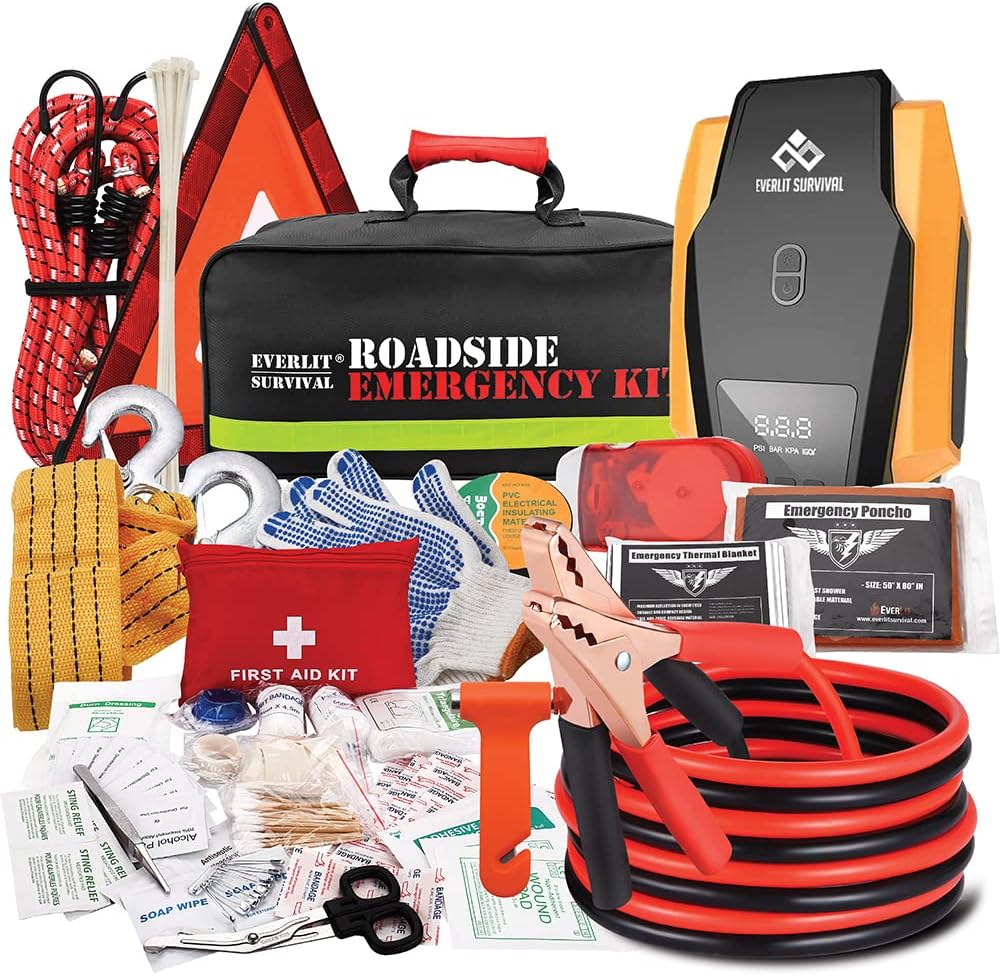
The Everlit Road Guardian emergency kit is designed for roadside breakdowns, combining essential safety gear and roadside tools in one compact bag. It includes a digital 12V auto tire inflator with preset and auto shutoff, plus 12-foot 8-gauge jumper cables to get you moving again. You also get a full 108-piece first aid kit, reflective warning tools, safety gloves, and emergency convenience items for safer travel.

This portable cordless tire inflator delivers rapid inflation up to 150 PSI with a built-in pressure gauge for accurate readings. It offers multiple preset modes for car, bike, motorcycle, and ball inflation, plus an LED light system for visibility in dark conditions. The auto shut-off helps stop pumping when your preset pressure is reached, and it supports several pressure units for convenience.

This manual duck head tire changer kit makes tire installation and removal simpler by letting you embed the duck head into the tire with applied pressure. The integrated design and durable steel construction help reduce friction and improve efficiency and safety during use. Suitable for 16–21 inch wheels, it’s convenient for cars, trucks, SUVs, and ATV tires, with 24-hour after-sales support.
Real-Life Drivers’ Experiences With Sonata in Snowy Conditions
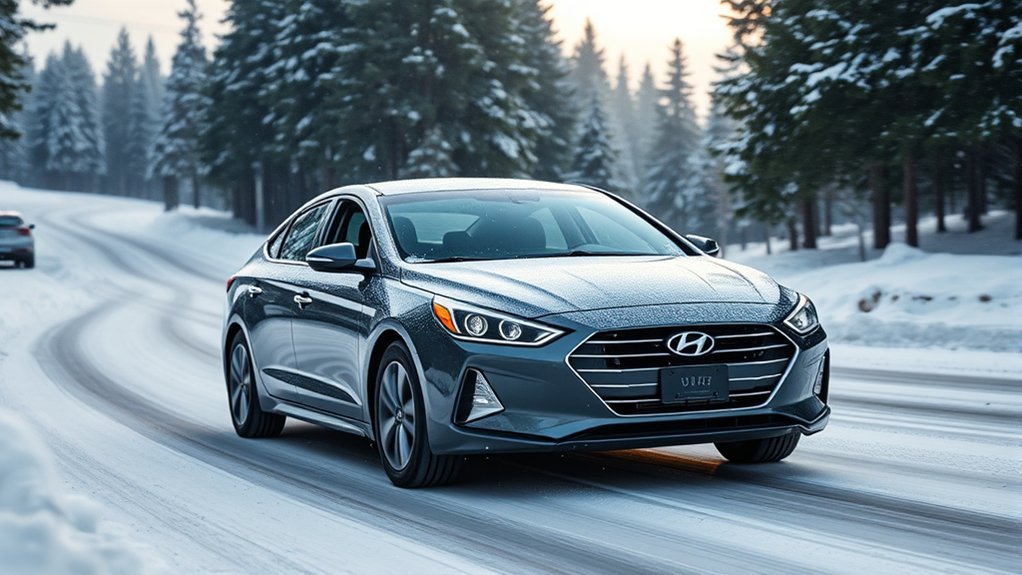
Owner experiences with the Hyundai Sonata in snow vary because the setup varies. A newer Sonata on fresh all-weather tires in a city that plows quickly can feel completely fine. An older Sonata on worn touring all-seasons in hilly, icy, or lake-effect snow can feel frustrating and slippery.
Common patterns drivers notice include:
- Light snow is manageable when the tires are newer and properly inflated.
- Heavy wet snow can pack around the wheels and make the car vibrate or pull.
- Ice exposes weak tires quickly because steering and braking need grip, not horsepower.
- Winter tires make the biggest difference during braking, cornering, and starting on hills.
- AWD trims may launch more easily, but they still need good tires to stop and turn safely.
The practical takeaway is simple: do not judge the Sonata by the badge alone. Judge it by the tires, tread depth, road conditions, and how much winter driving you actually do.
Troubleshooting: What If Your Sonata Slips or Gets Stuck?
If your Sonata starts to slide, stay calm and look where you want the car to go. Ease off the accelerator, avoid jerky steering, and brake smoothly. If the car has ABS, keep steady pressure on the brake pedal rather than pumping it.
If the car gets stuck in snow:
- Clear snow away from the tires, bumper, and underbody.
- Make sure the exhaust pipe is clear before running the engine.
- Use sand, traction mats, or kitty litter in front of the drive tires.
- Rock the car gently between reverse and drive only if it is safe and the wheels are not digging deeper.
- Stop if you smell burning, see warning lights, or the car is high-centered on packed snow.
Warning: Never sit in a snowbound car with the engine running unless the exhaust pipe is completely clear. Snow blocking the exhaust can push carbon monoxide into the cabin.
Frequently Asked Questions
Are Hyundai Sonatas good in snow?
Hyundai Sonatas are decent in light to moderate snow when the tires are in good condition and the driver slows down. They are not ideal for deep unplowed snow because they are sedans with limited ground clearance. Winter tires make a bigger difference than the car model itself.
Can I drive a Hyundai Sonata in snow with all-season tires?
Yes, but only within reason. Good all-season tires can handle light snow on plowed roads. If the tires are worn, the temperature is very cold, or the roads are icy, all-season tires can lose grip quickly. For regular winter driving, consider all-weather or dedicated winter tires.
Does a Sonata with AWD still need winter tires?
AWD helps with acceleration, but it does not replace winter tires. Braking and steering on snow or ice still depend on tire grip. If you drive in frequent snow or icy conditions, winter tires are still the better safety upgrade.
What tread depth is safe for snow?
For snow confidence, start planning replacement around 5/32 inch. At 4/32 inch, wet and winter grip is reduced. At 2/32 inch, the tire is worn out and should be replaced. A tread-depth gauge is the best way to check.
When should I put winter tires on a Sonata?
Install winter tires when daily temperatures consistently stay near or below about 45°F, or before your area’s first serious snow or ice. Do not wait until the storm is already on the way, because tire shops often get busy at that point.
Conclusion
A Hyundai Sonata can handle snow, but it is not the tires’ job alone and it is not the car’s job alone. For mild winter driving on plowed roads, fresh all-season or 3PMSF all-weather tires may be enough. For frequent snow, steep roads, ice, or long winter commutes, dedicated winter tires are the safer and more confidence-inspiring choice. Check tread depth, set cold tire pressure correctly, slow down early, and treat deep snow or ice with caution. That is what keeps a Sonata predictable when winter roads get messy.
Sources
- NHTSA Winter Weather Driving Tips — winter crash data, tire-pressure checks, following distance, emergency guidance, and winter-driving safety.
- Hyundai Owner’s Manual: Recommended Cold Tire Inflation Pressures — cold tire-pressure procedure and safety warnings about under-inflation.
- Hyundai News: 2026 Sonata Model Information — current Sonata trim and AWD availability context.
- Gouvernement du Québec Winter Tire Requirements — December 1 to March 15 winter-readiness requirement and exceptions.
- Goodyear: When to Put on Winter Tires — 45°F winter-tire timing guidance.
- Tire Rack: When Should Tires Be Replaced? — tread-depth replacement guidance for snow, wet roads, and dry roads.