
How Tires Affect Fuel Economy on a Toyota Camry: Rolling Resistance Explained
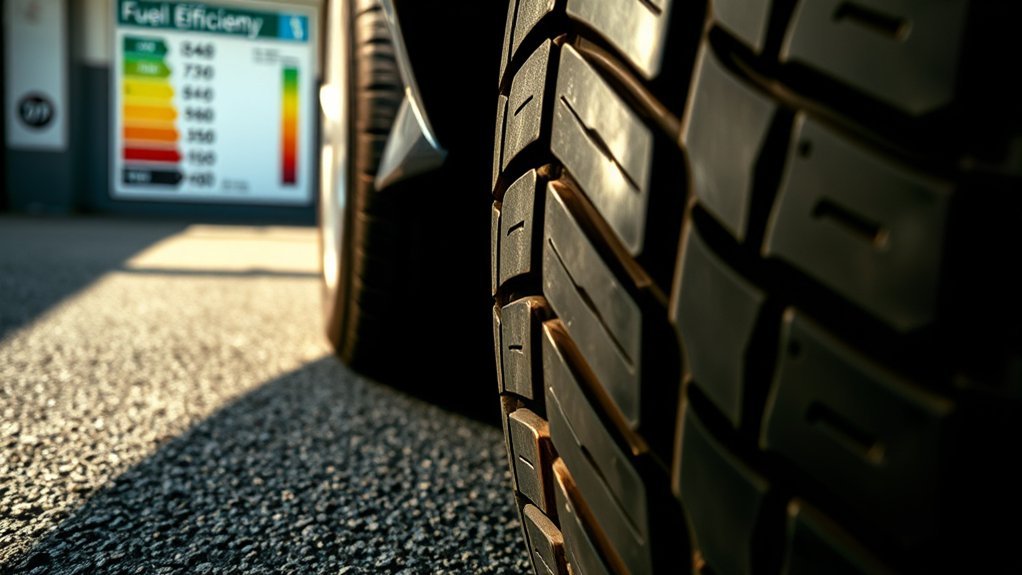
Your Toyota Camry’s tires can affect fuel economy because every tire consumes energy as it bends, grips the road, and rotates. Rolling resistance, inflation pressure, tire size, construction, tread condition, and alignment all influence that energy loss. However, the MPG difference between suitable tires is usually modest, so safety, correct fitment, wet traction, and load capacity must remain your first priorities.
Last updated: July 17, 2026 · Reviewed for current tire-safety and fuel-efficiency guidance.
Quick Answer
Tires affect Toyota Camry fuel economy mainly through rolling resistance and inflation pressure. A 10% reduction in tire rolling resistance may improve vehicle fuel economy by roughly 1% to 2%. For the best result, use the correct tire size and rating, maintain the door-placard pressure, and balance efficiency with wet traction and safety.
Key Takeaways
- Low-rolling-resistance tires can improve MPG, but the real difference depends on your Camry, driving conditions, and the tires being compared.
- Use the tire size, load rating, speed rating, and cold pressure specified for your exact model year and trim.
- Check pressure monthly with a gauge. Do not wait for the tire-pressure warning light.
- Never sacrifice wet traction, winter grip, load capacity, or braking performance for a small fuel-economy gain.
- New tires may temporarily appear to reduce MPG because they have deeper tread and different rolling characteristics than the worn tires they replace.
What Is Tire Rolling Resistance and Why Does It Matter?

Rolling resistance is the energy your Camry must use to keep its tires moving. As a tire enters the contact patch, its tread and sidewall flex. Some of the energy used for that deformation becomes heat instead of forward motion.
Tire compound, tread design, construction, inflation pressure, operating temperature, load, alignment, and dimensions can all change rolling resistance. Two tires that fit the same wheel may therefore produce different fuel-economy results.
According to NHTSA, reducing tire rolling resistance by 10% can improve vehicle fuel economy by approximately 1% to 2%.
This does not mean every tire marketed as fuel efficient will increase your dashboard MPG by the same amount. Your result also depends on speed, traffic, temperature, road surface, driving style, engine efficiency, and whether your Camry is gasoline-powered or hybrid.
[Products Worth Considering]

The JACO FlowPro Tire Inflator measures, inflates, and airs down tires up to 100 PSI with battery-free operation and ±2% accuracy after calibration. It features a glowing pressure dial for night visibility, a heavy-duty steel build with a hybrid hose, and a precision push-to-inflate thumb trigger. The patented Lightning Air Chuck locks on for a secure seal, and the kit includes quick-connect hardware for easy inline use with your air compressor.

This portable cordless tire inflator delivers up to 160 PSI with fast 17 L/min airflow to help you quickly top up tires and get back on the road. It features dual power mode, running on a 21V rechargeable battery or a 12V DC adapter for convenient roadside use. An automatic shut-off with digital pressure gauge helps prevent overinflation, and a built-in LED light improves visibility in low-light conditions.
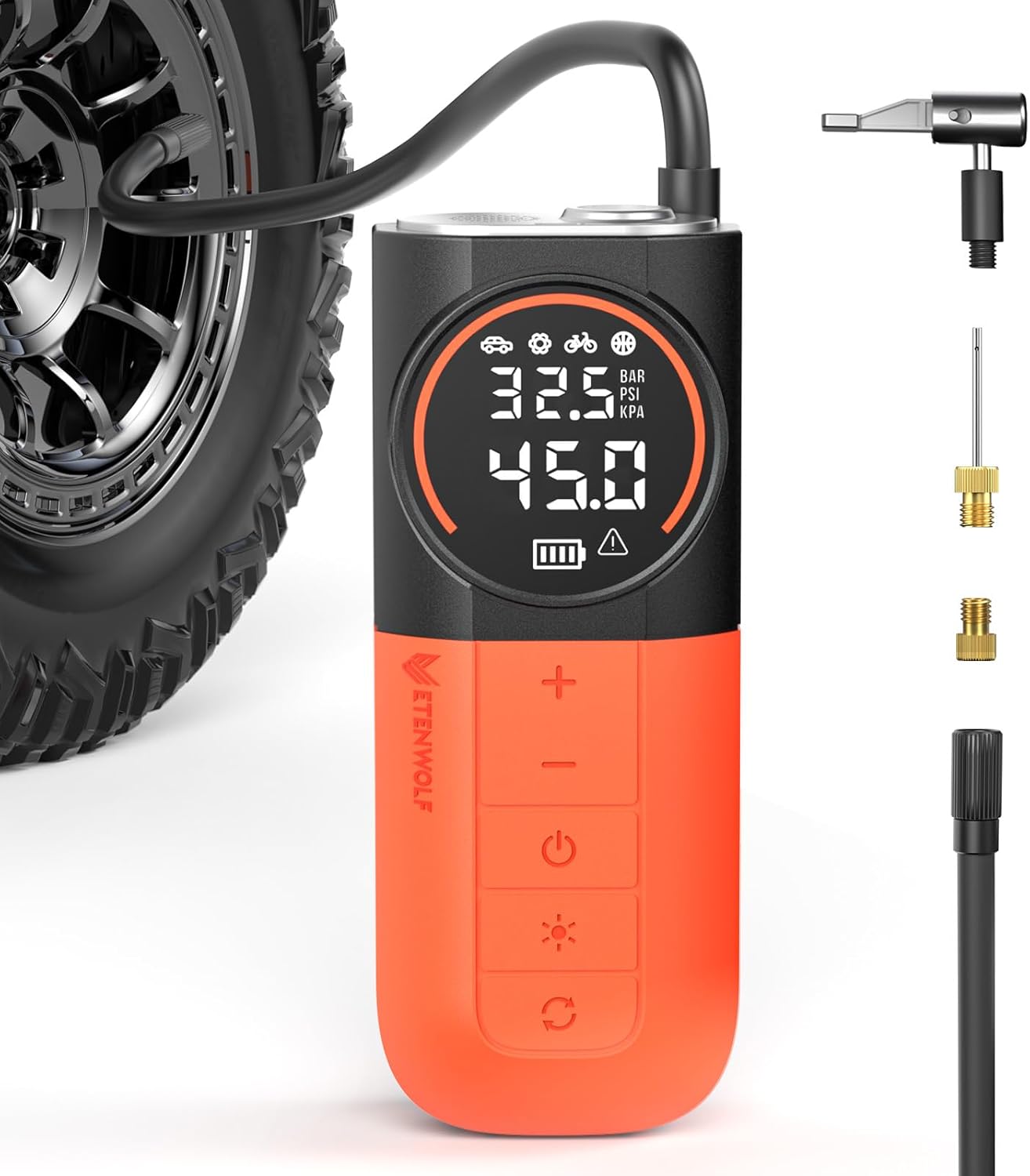
The ETENWOLF S1 cordless tire inflator delivers ultra-fast inflation with up to 160 PSI and a 20 L/min airflow for quicker tire top-offs. Its 5200mAh battery and cooling system support inflating many tires and sports balls on a single charge, while the digital pressure gauge and multi-unit display help you reach the right pressure accurately. With preset modes, pressure memory, an auto-stop feature, and an LED flashlight, it’s built for easy roadside and everyday use.
How Low-Rolling-Resistance Tires Improve Fuel Efficiency
Low-rolling-resistance tires use tread compounds, casing designs, and construction methods intended to reduce energy loss. Manufacturers may adjust the rubber formulation, tread depth, belt package, sidewall stiffness, or tire profile while still targeting acceptable traction and durability.
The National Academies’ passenger-tire research found meaningful rolling-resistance differences among replacement tires. It also concluded that, for most passenger vehicles, a 10% reduction in rolling resistance generally produces about a 1% to 2% improvement in fuel economy.
Realistic Fuel-Economy Benefits
For most Camry owners, tires will influence MPG less than driving speed, aggressive acceleration, short trips, cold weather, heavy traffic, or extended idling. A suitable low-rolling-resistance tire can still provide a measurable benefit, especially on a high-mileage vehicle or a Camry Hybrid, but it should not be treated as a guaranteed large MPG upgrade.
Your actual fuel savings depend on:
- Your current average MPG
- Annual driving distance
- Fuel price
- The rolling-resistance difference between the old and new tires
- Whether the old tires were properly inflated
- City versus highway driving
- Temperature and road conditions
A tire cannot be evaluated from marketing terms alone. Compare tires in the correct size and look for manufacturer efficiency information, reputable instrumented tests, wet-braking results, tread-life data, and owner feedback from similar vehicles.
Tire Design and Efficiency
Several design choices can reduce energy loss:
- Advanced tread compounds: Modern silica-based and other specialized compounds may reduce heat generation while maintaining useful grip.
- Optimized tread patterns: Tread-block shape, groove placement, and tread depth affect deformation, noise, water evacuation, and rolling resistance.
- Casing construction: Belts, sidewalls, bead design, and internal materials control how the tire flexes under load.
- Correct inflation: A tire operating below its specified pressure flexes more and normally creates additional heat and resistance.
Note: The U.S. Uniform Tire Quality Grading system lists treadwear, wet-traction, and temperature grades. It does not provide a direct rolling-resistance or fuel-economy grade, so UTQG markings alone cannot identify the most efficient tire.
How Tire Weight Impacts Your Camry’s Fuel Economy
A heavier tire requires more energy to accelerate because it adds both vehicle mass and rotating mass. This can matter most during repeated acceleration and stop-and-go driving. However, no reliable universal formula can tell you how much Camry MPG will change for every pound added to a tire.
Tire weight should therefore be treated as one factor, not the deciding factor. A lighter tire can still have high rolling resistance, while a slightly heavier tire may use an efficient compound and casing. Tire diameter, tread design, inflation, load rating, wheel weight, and construction can have equal or greater effects.
Do not select an undersized, under-rated, or unusually light tire to reduce weight. Your replacement must meet the specifications listed for your Camry’s model year and trim.
Why Tire Pressure and Maintenance Matter
Correct inflation is one of the easiest ways to protect fuel economy, tire life, handling, and safety. Underinflated tires flex more, generate additional heat, and may wear unevenly.
The U.S. Department of Energy reports that having all four tires 1 PSI below the proper pressure can reduce fuel economy by about 0.2%. Restoring correct pressure may improve fuel efficiency by approximately 0.6% on average and by as much as 3% when tires are significantly underinflated.
Use the Correct Camry Tire Pressure
Find the recommended cold pressure on the Tire and Loading Information label on the driver-side doorjamb. You can also check the owner’s manual for your exact model year through Toyota’s official owner-manual portal.
Warning: Do not inflate your Camry’s tires to the maximum PSI printed on the tire sidewall. That number is the tire’s maximum-pressure specification under stated conditions, not the vehicle manufacturer’s recommended operating pressure.
Check the pressure when the tires are cold, normally before driving or after the vehicle has been parked long enough for the tires to cool. Driving heats the tires and raises the measured pressure.
Do Not Rely Only on the TPMS Light
A Tire Pressure Monitoring System is a warning system, not a precision maintenance gauge. NHTSA explains that the warning normally appears only when a tire is already significantly underinflated.
Check all four tires with an accurate gauge at least once a month and before a long trip. Inspect the spare as well when your Camry has an inflatable spare tire.
Pro Tip: Keep a digital or dial pressure gauge in the glove box. Record the door-placard pressure in your phone so you do not accidentally use the maximum PSI molded into the tire.
Alignment, Rotation, and Tire Condition
Misalignment can cause uneven tread wear and force the tires to scrub against the road. Have the alignment inspected if your Camry pulls to one side, the steering wheel sits off-center, or the tread wears more heavily on one edge.
Follow the rotation pattern and service interval in your owner’s manual. Regular rotation helps distribute wear, although some wheel-and-tire configurations may have special restrictions.
Inspect for:
- Uneven or rapidly changing tread wear
- Cuts, cracks, punctures, bubbles, or bulges
- Repeated pressure loss
- Steering vibration or unusual noise
- Damage after hitting a pothole or curb
- Age-related deterioration
Have a tire professional inspect any damage or persistent pressure loss. Fuel economy should never take priority over a tire’s structural condition.
Choosing Fuel-Efficient Tires for Your Toyota Camry
The best tire depends on your Camry’s model year, trim, wheel size, climate, driving style, and priorities. A tire that fits one Camry may not fit another, even when both vehicles share the same model name.
1. Confirm Size, Load, and Speed Ratings
Start with the driver-side tire placard and owner’s manual. Match the approved tire size and use a load index and speed rating that meet Toyota’s requirements. Do not assume that a tire fits merely because its wheel diameter matches.
Changing overall tire diameter can affect speedometer readings, gearing, clearance, handling, and calculated fuel economy. Consult a qualified tire professional before using a non-original size.
2. Look for Efficiency Information
Search the manufacturer’s technical information for terms such as low rolling resistance, energy-saving compound, eco-focused touring tire, or EV and hybrid compatibility. These descriptions are useful starting points, but they are not standardized MPG guarantees.
When available, compare independent rolling-resistance or fuel-use tests conducted on the same tire size. Comparing results across different sizes, vehicles, pressures, and test methods can be misleading.
3. Compare Wet Traction and Climate Performance
A fuel-efficient tire still needs enough grip for your normal weather. Drivers in areas with heavy rain should prioritize wet braking and hydroplaning resistance. Drivers facing regular snow, ice, or freezing temperatures may need a suitable all-weather or winter tire rather than an efficiency-focused warm-weather design.
NHTSA notes that tire design also affects wet and dry traction, durability, handling, ride comfort, and temperature resistance. Review those characteristics together instead of choosing from rolling resistance alone.
4. Consider Comfort, Noise, and Tread Life
A Camry is commonly used as a commuter and family sedan, so ride comfort and noise may matter as much as a small efficiency difference. Compare tread-life warranty terms, owner feedback, road-noise testing, wet braking, and expected replacement cost.
An efficient tire that wears rapidly may not provide the best long-term value. Likewise, a long-wearing tire may feel firmer or generate more noise. Choose the balance that fits your driving.
5. Match the Original-Equipment Priorities
If you were satisfied with your Camry’s factory ride, handling, and MPG, compare replacements with the original-equipment tire’s specifications and performance category. You do not necessarily need the same brand, but staying within a similar touring or efficiency-focused category can reduce unexpected changes.
Do New Tires Reduce Toyota Camry MPG?
New tires can sometimes produce a lower indicated MPG than the worn tires they replace. This does not automatically mean the new tires are defective.
Possible reasons include:
- Deeper tread: New tread blocks flex more than shallow, worn tread.
- Different construction: The replacement may use a different casing or compound.
- Greater effective diameter: New tread slightly increases the tire’s rolling circumference compared with a worn tire.
- Improved traction: A tire designed for stronger wet or all-season grip may have more rolling resistance.
- Pressure differences: The installer may not have set the tires to the door-placard pressure.
- Weather changes: Cold temperatures, rain, wind, and seasonal fuel can change MPG at the same time as a tire replacement.
Check inflation first, then compare several full tanks under similar driving conditions. Dashboard estimates are helpful for trends, but calculating miles driven divided by fuel added provides a better long-term comparison.
[Products Worth Considering]

This portable cordless tire inflator delivers fast, efficient inflation for cars, motorcycles, bikes, and sports balls with a digital pressure gauge. Use the one-click PSI preset with auto shut-off for accurate, hands-free topping to your target pressure up to 150 PSI. It’s compact and rechargeable with a built-in emergency LED light plus valve adapters and accessories for quick, ready-to-go use.

EVOULTES heavy duty tire inflator with an integrated gauge delivers accurate pressure readings from 10–120 PSI, helping you inflate, deflate, and check tires in one tool. The 16.5-inch extended dual-head air chuck with swivel base reaches hard-to-access dual wheel valves on trucks and RVs. A brass trigger core and side-mounted air release valve make operation smooth, with standard 1/4" NPT threading and quick-connect compatibility for easy setup.
How Worn Tires Affect Fuel Efficiency and Performance
Rolling resistance often decreases as tread wears because less rubber bends in the contact patch. That can make a worn tire appear more efficient than the same tire when new. However, the small fuel-economy benefit does not justify using an unsafe tire.
Shallow tread reduces the tire’s ability to move water away from the contact patch and can weaken wet or snow traction. According to NHTSA, passenger tires should be replaced when tread reaches 2/32 inch. Drivers who regularly encounter heavy rain or snow may decide to replace tires earlier because performance can decline before the legal minimum is reached.
Replace or professionally inspect a tire regardless of tread depth when it has bulges, exposed cords, cracking, impact damage, repeated air loss, or severe irregular wear.
Practical Camry Tire-Efficiency Checklist
- Confirm the correct tire size on the driver-side placard.
- Meet or exceed Toyota’s required load index and speed rating.
- Compare rolling-resistance information only among properly fitting tires.
- Review wet braking, winter capability, tread life, noise, and comfort.
- Set pressure to the vehicle placard when the tires are cold.
- Check pressure manually at least once a month.
- Do not use the sidewall maximum PSI as your operating target.
- Inspect tread, sidewalls, and wear patterns regularly.
- Correct alignment problems and follow the proper rotation schedule.
- Measure fuel economy across several full tanks before judging a new tire.
Frequently Asked Questions
Does rolling resistance affect Toyota Camry fuel economy?
Yes. Rolling resistance is energy lost as the tires deform while moving. NHTSA and National Academies research indicate that reducing rolling resistance by 10% can improve passenger-vehicle fuel economy by roughly 1% to 2%, although the actual result varies.
Do brand-new tires lower MPG?
They can. New tires have deeper tread and may use a different compound, casing, or tread design than the worn tires they replace. Check cold pressure and compare several full tanks before deciding whether the MPG change is permanent.
What tire pressure should a Toyota Camry use?
Use the cold pressure printed on the Tire and Loading Information label on the driver-side doorjamb for your exact Camry. The correct pressure can vary by model year, trim, wheel size, and front or rear position.
Are lighter tires always more fuel efficient?
No. Lower mass may reduce the energy needed during acceleration, but compound, casing construction, tread design, dimensions, inflation, and rolling resistance also matter. Never choose a lighter tire that fails to meet Toyota’s fitment or load requirements.
Should I choose the lowest-rolling-resistance tire available?
Not automatically. First confirm correct fitment, load capacity, speed rating, and climate suitability. Then compare rolling resistance with wet traction, braking, winter grip, tread life, comfort, and noise.
Conclusion
Tires can change your Toyota Camry’s fuel economy, but the improvement from a suitable low-rolling-resistance tire is normally measured in small percentages rather than dramatic MPG gains. Correct cold pressure, proper alignment, approved fitment, and regular inspection are often the most practical starting points.
Choose a tire that meets Toyota’s size and rating requirements, performs safely in your climate, and balances rolling resistance with traction, tread life, comfort, and braking. That approach protects both fuel efficiency and the qualities that matter most when you need the tire to grip the road.
Sources
- National Highway Traffic Safety Administration: TireWise — tire pressure, tread depth, TPMS, fitment, maintenance, safety ratings, and rolling resistance.
- U.S. Department of Energy: Fleet Management Best Practices — tire-pressure and fuel-efficiency estimates.
- National Academies: Tires and Passenger Vehicle Fuel Economy — rolling-resistance research, tire-design factors, tread wear, and expected fuel-economy effects.
- Toyota Owners: Manuals and Warranties — model-year-specific tire, pressure, fitment, and maintenance instructions.

Related Articles

Toyota Camry All-Season Tires Explained: What They Can and Can’t Do
In exploring Toyota Camry all-season tires, discover their benefits and limitations—are they really the right choice for your driving needs?
Read More
Toyota Camry Tire Traction in Ice and Snow: A Practical Winter Driving Guide
Learn essential tips for maximizing tire traction on ice and snow in your Toyota Camry, ensuring your winter driving is safe and confident. Discover more now!
Read More
Do Toyota Camry Tires Need Snow Chains? When They Help and When They Don’t
How do snow chains enhance your Toyota Camry's winter driving safety, and when should you avoid using them? Discover the essential details inside!
Read More