Disclosure: As an Amazon Associate, we earn from qualifying purchases. If you click a link on this page and make a purchase, we may receive a small commission at no extra cost to you.
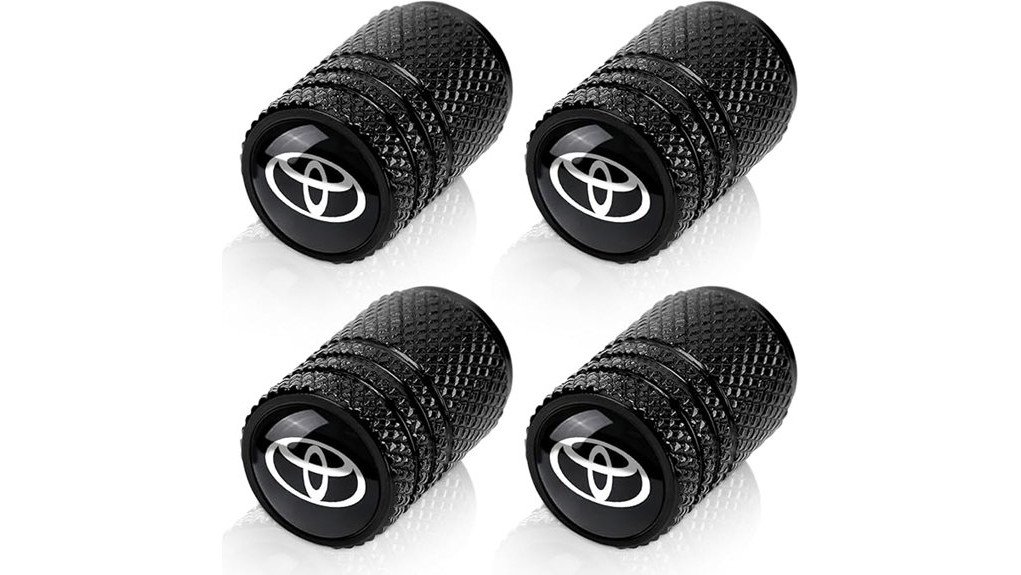
A missing or damaged valve cap leaves your tire valve exposed to water, road salt, and grit, but replacing it with a metal cap is not always a simple style decision. The BFIVEANTE tire valve stem caps give Toyota wheels a cleaner black finish and add a rubber-sealed cover over each valve. This review explains what the four-piece set does well, where fit claims need caution, and why you should check your valve-stem material before installing any aluminum cap. The set is useful for the right vehicle, but it is not a repair for a leaking valve or tire.
Quick Verdict
Rating: 7.5/10, Recommended with caveats
Best For: Toyota owners with compatible rubber valve stems who want a black metal cap with an internal sealing ring
Bottom Line: You get four tool-free aluminum caps that cover the valve core and look neater than plain plastic caps. The tradeoff is that metal caps can seize or corrode on some valve stems, especially if the cap and stem are not a suitable material match.
| Specification | Detail |
|---|---|
| Brand | BFIVEANTE |
| Product type | Tire valve stem caps |
| ASIN | B0GL82CRLR |
| Manufacturer part number | black-A01-01a0g2 |
| Material | Aluminum alloy |
| Color | Black |
| Quantity | 4 caps per package |
| Seal | Internal rubber sealing rings |
| Installation | Hand-threaded, no tools required |
| Listed fit type | Vehicle-specific fit for Toyota passenger vehicles |
| Best use | Covering compatible valve stems and adding a black metal wheel accent |
| Important limitation | Confirm stem material and TPMS requirements before fitting a metal cap |
Key Takeaways
- You receive four black aluminum alloy caps, enough for one passenger vehicle.
- Each cap has a rubber ring that helps keep moisture and debris away from the valve core and provides a secondary sealing layer.
- The caps screw on by hand, but you should stop if a cap feels cross-threaded or unusually tight.
- A valve cap cannot repair a puncture, damaged valve core, cracked stem, or wheel-seal leak.
- Metal-cap compatibility matters more than the Toyota badge. Aluminum TPMS stems may require an approved plastic sealing cap.
What Are the BFIVEANTE Tire Valve Stem Caps?
The BFIVEANTE set is a four-pack of black aluminum alloy covers for tire valve stems. The product is marketed for Toyota passenger vehicles, including shoppers considering caps for the Corolla, RAV4, and Highlander. Each cap threads over the exposed valve stem and uses an internal rubber ring to help block water, salt, dust, and other debris.
The main selling point is the mix of appearance and basic valve protection. The dark finish gives your wheels a subtle accessory look, while the sealed cap covers the valve core between pressure checks. The caps do not communicate with your tire-pressure monitoring system, change the recommended tire pressure, or replace any TPMS sensor component inside the wheel.
Who Should Buy It?
Best For
- Toyota owners who have confirmed that their valve stems accept these caps.
- Drivers replacing missing caps on conventional rubber valve stems.
- Buyers who prefer a low-key black metal accent instead of plain plastic.
Skip If
- Your vehicle has aluminum clamp-in TPMS stems and the sensor maker calls for plastic sealing caps.
- You are trying to cure ongoing pressure loss or a damaged valve.
- You drive in heavy road salt and do not want to inspect metal caps regularly.
Before You Buy: Check the visible valve stem, not only the vehicle model. Some direct-TPMS assemblies use aluminum stems that are designed for an approved plastic sealing cap. Using an unsuitable metal cap can lead to corrosion or a cap that becomes difficult to remove.
[Products Worth Considering]

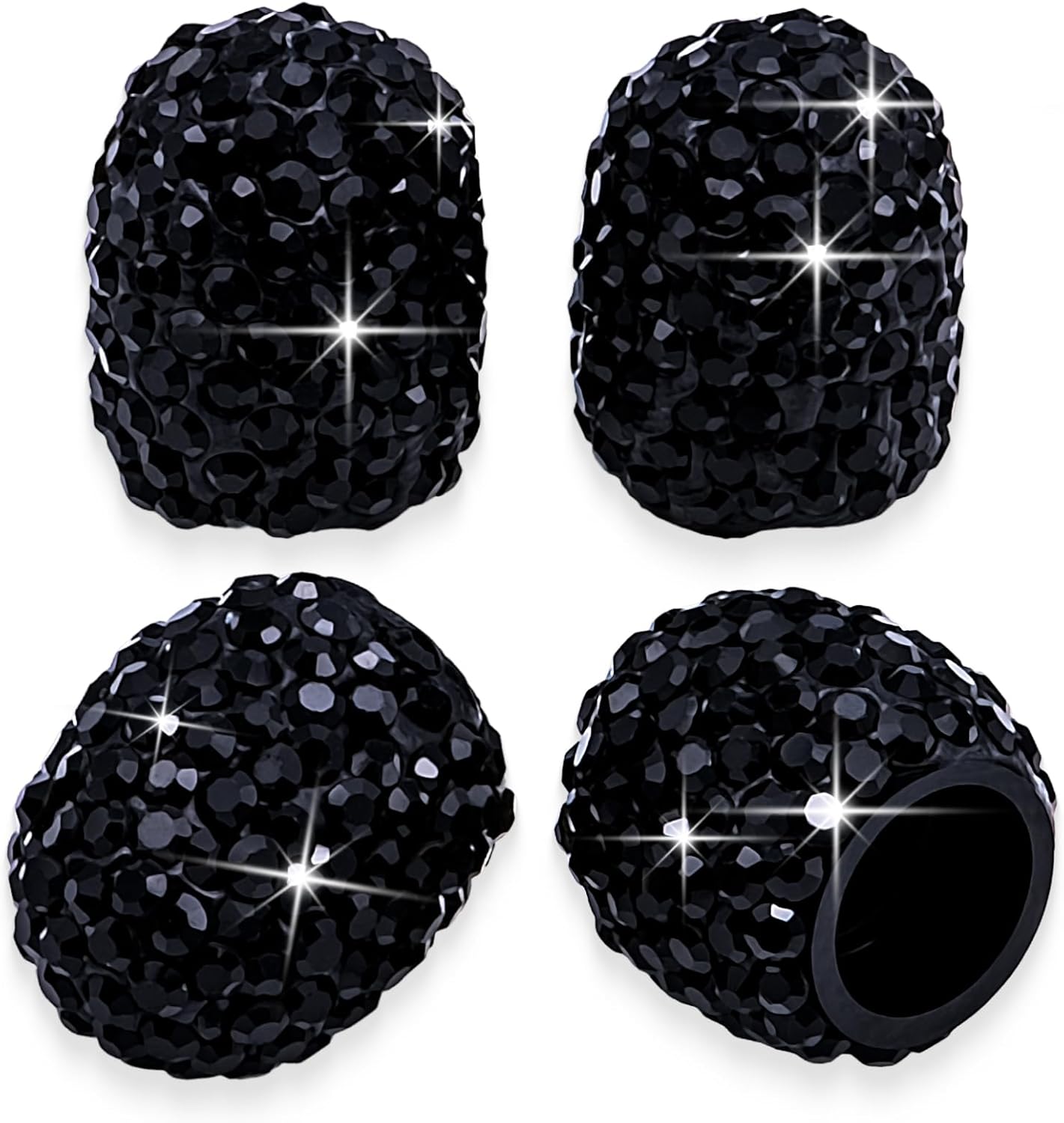
Upgrade your Toyota’s wheels with durable aluminum alloy valve stem caps that help protect valve cores from corrosion and direct exposure to road grime, clay, water, and snow. Rubber rings improve sealing to help prevent air leakage and maintain stable tire pressure for safer driving. These caps are easy to install or remove without tools and add a unique, stylish look to your car.

These universal tire valve stem caps help protect valve cores from dust, debris, and moisture while helping maintain stable tire pressure. The corrosion-resistant metal construction and sealed design provide reliable protection in road grime, mud, and winter conditions. Twist-on installation makes them quick to fit on cars, SUVs, trucks, and motorcycles.

Upgrade your wheels with zinc alloy valve stem caps featuring a plated, corrosion-resistant finish and a secure rubber O-ring seal. These caps help protect the valve stem from moisture, snow, and debris while supporting stable tire pressure and safer driving. Designed for easy installation, they replace worn caps and add a distinctive look to your vehicle.
Fitment for Toyota Corolla, RAV4, and Highlander
The listing labels the product as a vehicle-specific fit for Toyota passenger cars, but valve-cap fit is determined by the external stem threads and the valve or TPMS assembly. A Corolla, RAV4, or Highlander may use different wheel and sensor hardware depending on model year, trim, wheel package, prior repairs, and aftermarket wheels.
Before installation, compare one BFIVEANTE cap with the cap already on your vehicle. It should start smoothly by hand and cover the threaded section without wobbling. Do not force it if the threads bind. If you have metal clamp-in TPMS stems, check your owner information or ask a tire professional whether a metal accessory cap is suitable.
This caution does not mean the caps are unusable on every TPMS-equipped Toyota. Many vehicles use rubber snap-in stems, and some metal stems accept compatible sealed caps. The point is that a model-name claim cannot confirm the stem material on your specific wheels.
Materials and Build Quality
The caps use aluminum alloy rather than basic molded plastic. That gives you a firmer feel and a more polished appearance, but it also introduces maintenance that plastic caps usually avoid. The seller describes the material as corrosion-resistant, yet no exposed metal accessory is immune to road salt, moisture, alkaline cleaners, or damaged surface coating.
The internal rubber ring is the more useful functional detail. A sealing ring helps close the gap between the cap and stem, which limits the amount of dirt and moisture reaching the valve core. It can also provide a backup seal at the cap, but the spring-loaded valve core remains the component that controls normal airflow.
What the Rubber Rings Can and Cannot Do
| Function | What It Means for You |
|---|---|
| Moisture barrier | Helps keep water and road spray away from the valve core |
| Debris protection | Reduces dirt buildup around the valve opening |
| Secondary seal | May limit minor seepage past the valve core while the cap remains seated |
| Repair ability | Cannot fix a puncture, cracked stem, faulty core, bead leak, or damaged wheel |
If a tire loses pressure every few days, do not treat a new cap as the repair. Inflate the tire to the pressure shown on the vehicle placard, monitor it with an accurate gauge, and have the tire, wheel, and valve inspected. You should continue checking pressure at least monthly because every pneumatic tire loses some air over time.
How to Install and Maintain Them
- Park safely and let the tires cool. This makes pressure checks more accurate and keeps you away from moving traffic.
- Remove the old cap by hand. Wipe dirt from the threads without pressing debris into the valve opening.
- Inspect the stem. Look for cracks, corrosion, bent metal, or a loose valve. Have damaged parts serviced before adding a cosmetic cap.
- Start the BFIVEANTE cap gently. Turn it with your fingertips. Back it off and restart if you feel resistance.
- Seat it finger-tight. Do not use pliers or another gripping tool. Excess force can damage a cap, stem, or TPMS assembly.
- Recheck it after exposure. Remove and inspect the caps after winter road salt, wheel cleaner, or long wet periods.
Pro Tip: Keep one original plastic cap in your glove box. If a metal cap begins to bind, shows white oxidation, or damages its rubber ring, replace it before it seizes rather than tightening it again.
The seller recommends a small amount of grease on the threads and monthly loosening to reduce fusing. Before adding any lubricant, confirm that it is safe for the valve-stem material, rubber seal, and TPMS hardware. Apply nothing into the valve opening, and do not use lubricant as a substitute for replacing corroded or damaged components.
Compatibility and Safety
Valve caps are small automotive parts, but they sit on a pressure-retaining assembly. Michelin advises keeping good-quality caps installed to help maintain valve cleanliness and tightness, while Schrader warns that incompatible metals can cause galvanic corrosion on aluminum TPMS stems. You can review Michelin’s tire-care guidance and Schrader’s TPMS valve service bulletin for more detail.
Use the pressure listed on the driver’s-door placard or in your owner’s manual, not the maximum number printed on the tire sidewall. A cap does not reset a TPMS warning light. If the light stays on after correct inflation, or if a stem is corroded or leaking, have the system checked by a qualified tire technician.
How It Performs in Real Use
For Daily Commuting
Once fitted correctly, the caps require no tool and add almost no effort to a normal pressure check. The black finish is restrained enough for factory-style wheels, and the rubber ring keeps the cap from feeling like a purely decorative shell.
For Car Washes and Wet Weather
The sealed design helps shield the valve opening from spray and grime. You should still remove the caps occasionally because trapped moisture, harsh wheel chemicals, and damaged coating can encourage corrosion around metal threads.
For Winter Road Salt
Winter is the hardest use case. Salt and moisture can collect around the cap and stem, so rinse the area during regular washes and check that each cap still turns by hand. Plastic sealing caps are the lower-maintenance choice if your TPMS hardware manufacturer recommends them.
For Long-Term Ownership
The set can last if the finish, threads, and O-rings remain intact. Replace a cap that becomes distorted, loses its sealing ring, or no longer threads smoothly. Never force a seized cap because the repair cost of a broken TPMS stem can exceed the value of the accessory.
Pros and Cons
Pros
- Four-piece package covers one standard passenger vehicle.
- Aluminum body gives your wheels a cleaner metal finish.
- Internal rubber rings help block moisture and debris.
- Installs and removes by hand when threads are compatible.
- Small size makes the set easy to store as replacements.
Cons
- Metal caps can seize or corrode if the material pairing is unsuitable.
- Toyota model names alone do not confirm valve-stem compatibility.
- The caps cannot diagnose or repair an actual pressure leak.
Is It Worth the Price?
BFIVEANTE valve caps sit in the affordable accessory tier and can offer strong value when you want four matching metal caps with sealing rings. You get the most value if you have already confirmed a compatible rubber or approved metal stem and prefer the black finish over plain plastic.
The value drops if you need a maintenance-free cap for harsh winter conditions or have aluminum clamp-in TPMS stems that call for plastic caps. In that case, an inexpensive OEM-style sealing cap is the safer choice. You should also spend money on diagnosis rather than accessories when a tire has recurring pressure loss.
[Products Worth Considering]

Keep your vehicle valves protected with KURAMI tire valve stem caps featuring a sealing ring that helps reduce dirt exposure and air leakage. These universal caps are easy to install and remove for quick pressure checks, while replacing worn original caps across cars, bikes, motorcycles, buses, trucks, and trolleys. The included set offers plenty of replacements for everyday use.

Upgrade your vehicle’s tire valves with these durable, universal black stem caps that help protect against dust and moisture. Each cap includes a rubber sealing ring to reduce the risk of air leakage during long, rugged drives. Made from corrosion-resistant plastic with a textured grip, they fit most Schrader valve-equipped cars, SUVs, trucks, motorbikes, and bikes.

Protect tire valves from water, dust, and sand to help prevent leaks and support safe driving. These universal stem caps install quickly by hand and feature durable aluminum alloy construction with an inner sealing ring for better air retention. Compatible with cars, SUVs, trucks, motorcycles, and bicycles for everyday convenience.
How It Compares to Alternatives
OEM Toyota-style plastic caps are lighter, inexpensive, and less likely to create a dissimilar-metal problem on aluminum TPMS stems. Schrader-style approved plastic sealing caps place function ahead of appearance and are a better match when the sensor maker specifies plastic hardware.
Generic metal logo caps offer a similar decorative look, but their thread quality and sealing rings vary. The BFIVEANTE set makes the most sense when you want a simple black aluminum design, need four caps, and are willing to inspect them for corrosion.
[Products Worth Considering]

These universal tire valve stem caps help protect your valve core from dust, debris, moisture, and corrosion, supporting more stable tire pressure. The aluminum alloy design resists long-term wear, while the sealing construction helps help prevent air leakage. They twist on easily for quick installation and help safeguard driving safety across cars, SUVs, trucks, and motorcycles.

These aluminum alloy tire valve stem caps with an O-ring seal help protect valve stems from corrosion while adding a clean, stylish look to your vehicle. The universal fit works across cars, trucks, motorcycles, bicycles, and more, making them an easy upgrade for everyday driving and off-road use. Installation is quick, and the included four-pack keeps all your tires dressed and protected.

Upgrade your Toyota tire setup with these corrosion-resistant, leak-proof valve stem caps designed to help protect the valve core from water, snow, and road grime. The caps feature a snug rubber seal and durable copper alloy construction to resist rust and oxidation while maintaining stable tire pressure. Ideal for replacing worn original caps and keeping your wheels looking clean and stylish.
Frequently Asked Questions
Do these caps fit every Toyota Corolla, RAV4, and Highlander?
No model-name claim can guarantee fit on every wheel and TPMS setup. Confirm that the cap starts smoothly on your existing valve-stem threads and that the stem or sensor maker permits a metal cap.
Can BFIVEANTE caps stop a slow tire leak?
The rubber ring can provide a secondary barrier at the valve opening, but it cannot repair the source of a leak. Repeated pressure loss needs an inspection of the tire, bead, wheel, valve core, and stem.
Are replacement rubber rings included?
The verified package description lists four caps but does not specify spare O-rings. Replace the cap if its internal ring is missing, split, hardened, or no longer seats evenly.
Will the black finish fade outdoors?
Long exposure to sunlight, road salt, brake dust, and wheel cleaners can dull or mark any coated metal finish. Gentle cleaning and regular inspection may help it look better, but no fade-resistance specification is listed.
Can you use them in winter road-salt conditions?
You can use them only when the caps are compatible with your stems, but winter salt increases the need for inspection. Rinse the area, make sure the caps remain removable by hand, and switch to approved plastic sealing caps if corrosion appears.
Do the caps affect TPMS readings?
The cap sits outside the valve and does not measure pressure, so it should not change a working sensor’s reading. A seized cap, damaged stem, or active leak can still create a service problem that needs professional attention.
How tight should you install them?
Install each cap finger-tight only. Do not use pliers, and stop if the cap does not thread smoothly because forcing it can damage the threads or TPMS stem.
The Bottom Line
BFIVEANTE tire valve stem caps are worth considering when you want four black aluminum caps, have compatible stems, and understand that the rubber rings provide protection rather than a leak repair. Skip them if your aluminum TPMS stems require approved plastic caps or you do not want to monitor metal threads for corrosion. Their strongest points are the clean appearance and sealed, tool-free design, while material compatibility is the main limitation.
Ready to Buy?
Check the latest price, selected variant, and product details before you decide.