Disclosure: As an Amazon Associate, we earn from qualifying purchases. If you click a link on this page and make a purchase, we may receive a small commission at no extra cost to you.
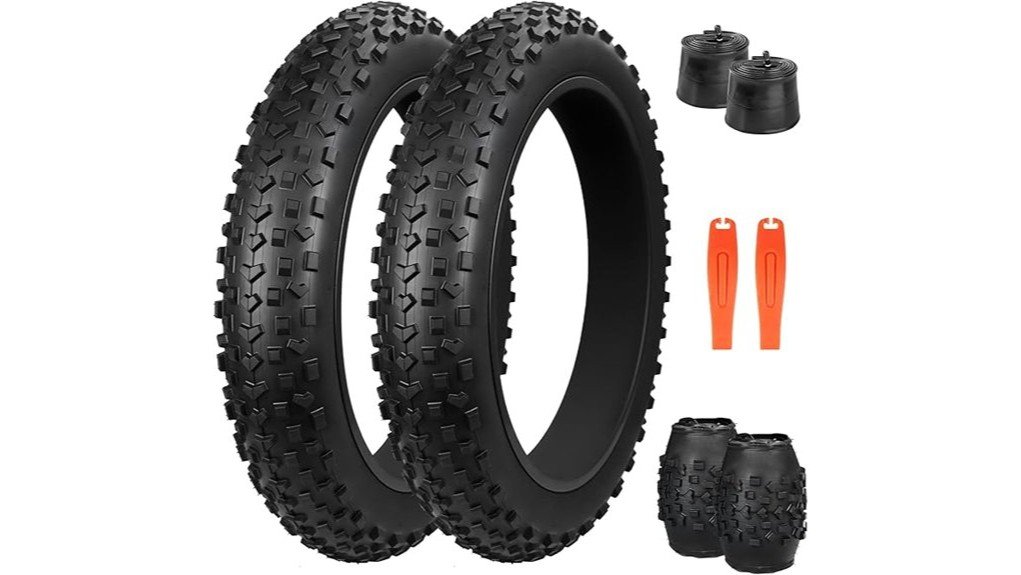
A replacement fat tire has to match more than the large size printed on its sidewall. The ZUKKA 20×4.0 Fat Tire 2-pack linked in this review is a clincher-style option for compatible e-bikes, mountain bikes, and trikes, with a listing pressure of up to 35 psi. Its broad profile, nylon-rubber construction, and textured all-terrain tread make it worth considering for mixed everyday routes. The main limitation is fit verification, because a 20×4.0 label does not guarantee clearance on every 20-inch wheel, frame, fork, fender, or motor-wheel setup.
Quick Verdict
Rating: 7.5/10, recommended with caveats
Best For: Riders replacing a compatible 20×4.0 clincher tire for commuting, recreational riding, or light mixed-terrain use.
Bottom Line: The wide casing and textured tread should provide a stable, cushioned ride on pavement and moderate unpaved surfaces. Buy only after confirming rim size, frame clearance, and tread direction. This ASIN is listed as two tires with two tire levers and no inner tubes.
Key Takeaways
- The listed tire size is 20×4.0 inches, with a clincher design for compatible fat-bike rims.
- The Amazon listing states a maximum inflation figure of 35 psi, 240 kPa, or 2.4 bar, but your safe riding pressure must also follow the tire sidewall, rim, and bike-maker limits.
- The nylon-rubber composite and wide casing are intended to support durability, traction, and vibration absorption on mixed surfaces.
- The three-dimensional tread texture is designed to increase contact area and reduce sediment buildup, but it is not a substitute for a dedicated mud or studded winter tire.
- This ASIN is listed as a two-tire pack with two tire levers. Inner tubes are not included in the verified option.
At a Glance
| Specification | Detail |
|---|---|
| Brand | ZUKKA |
| Product | 20×4.0 fat e-bike tire 2-pack |
| Amazon identifier | ASIN B0GJS7XN1C |
| Tire size | 20 x 4.0 inches |
| Tire type | Clincher |
| Listed pressure | Up to 35 psi, 240 kPa, or 2.4 bar |
| Material | Nylon and rubber composite |
| Construction | Listing describes built-in soft steel wire and foldable storage |
| Suggested compatibility | Compatible 20×4.0 mountain bikes, electric bicycles, and tricycles |
| Tread | Textured all-terrain pattern |
| Package contents | 2 tires and 2 tire levers; no inner tubes in this verified ASIN option |
| Not confirmed | Tire weight, TPI, ETRTO marking, warranty, load rating, speed rating, and exact rim-width range |
What Is the 20×4.0 Fat Tire?
The ZUKKA 20×4.0 is a replacement fat-bike tire sold as a two-pack for 20-inch wheels that accept a nominal 4.0-inch-wide clincher tire. The accessible listing information describes it for mountain bikes, electric bicycles, tricycles, and similar cycles. It uses a nylon and rubber composite, a wire-based foldable construction, and a textured tread intended for varied road conditions.
The listing confirms the ZUKKA brand and a package of two tires with two levers, but it does not expose a model number, tire weight, thread count, load rating, speed rating, warranty, or ETRTO code for this ASIN. That gives you less technical detail than some premium tire listings. Your purchase decision should therefore depend on careful fit checks and your actual riding requirements.
Before You Buy: Do not rely on “20×4.0” alone. Confirm the current tire markings, rim compatibility, fork and frame clearance, fender space, brake clearance, and motor-cable clearance. This verified option includes two tires and two tire levers, so purchase compatible inner tubes separately if your wheels use tubes.
Who Should Buy It?
Best For
- You already use a compatible 20×4.0 clincher tire and want a general-purpose replacement.
- You ride an e-bike or trike on pavement, packed dirt, gravel, and light trails.
- You value a wide, cushioned footprint more than the lowest possible rolling resistance.
Skip If
- You need a verified ETRTO size, TPI rating, e-bike speed certification, or named puncture-protection layer.
- Your bike has limited frame, fork, fender, brake, or hub-motor cable clearance.
- You mainly ride glare ice, deep mud, or technical trails that call for a specialized tread.
20×4.0 Fat Tire Specs and Fit
The tire’s 20-inch diameter and 4.0-inch nominal width place it in the compact fat-bike category. That size is common on folding e-bikes, utility e-bikes, mini-bike-style cycles, and adult trikes, but two products marked 20×4.0 can still differ in installed width, casing height, and bead shape.
Start by reading the full markings on your current tire and rim. Match the nominal tire size, then compare available space around the crown and both sidewalls. You should also check that the tread will not contact a fender, chainstay, fork leg, brake component, or hub-motor wiring when the wheel flexes or collects debris.
The listing states 35 psi, 240 kPa, or 2.4 bar. Treat that as a listed maximum, not an automatic target for every rider. Your working pressure depends on the tire sidewall, rim limit, total load, terrain, tube setup, and bike manufacturer guidance. Never exceed the lowest stated limit among those components.
Pro Tip: Before removing the old tire, photograph its sidewall markings and tread direction. That gives you a quick reference for size, rotation, pressure limits, and reinstalling the wheel in the correct orientation.
Tread, Width, and Ride Stability
A 4.0-inch tire places a broad patch of rubber on the ground when it is fitted and inflated correctly. That wide footprint can improve straight-line stability and comfort on broken pavement, packed dirt, and loose gravel. It can also make low-speed handling feel calmer on a loaded e-bike or trike.
The listing describes a three-dimensional, granular tread texture. This surface is intended to increase contact area and reduce sediment accumulation in the pattern. The design suits mixed everyday riding, although the listing provides no objective wet-braking, rolling-resistance, or mud-shedding test results.
Width also brings tradeoffs. A fat tire can feel heavier to accelerate, require more steering effort, and use more battery energy than a narrower or smoother tire. Range change depends on pressure, tire weight, motor assistance, load, speed, and surface, so a fixed percentage would be misleading.
Wet Grip and Drainage
The uneven tread and surface texture provide edges that can help maintain contact on damp pavement and packed dirt. Grooves also create routes for some water and loose material to move away from the central contact area. Those features can improve confidence compared with a worn or nearly slick tire, but they do not guarantee short stopping distances.
In rain, reduce speed, brake earlier, and avoid painted lines, metal covers, wet leaves, and sudden steering inputs. Tire pressure, tread wear, surface contamination, and braking technique all affect grip. This tire should not be presented as an ice tire, and a wide footprint alone does not make it safe on frozen surfaces.
Shock Absorption on Bumps and Rough Streets
The air volume in a 20×4.0 casing can soften impacts from cracks, gravel, and speed humps. The nylon-rubber construction and flexible sidewalls also help isolate some vibration before it reaches your frame, saddle, and hands.
That cushioning works only when pressure is appropriate and the tire is seated correctly. Too much pressure can make the ride harsh and reduce the tire’s ability to conform to uneven surfaces. Too little pressure can cause vague steering, excess heat, rim strikes, tube pinches, bead movement, or sidewall damage.
How It Performs in Real Use
For Daily Urban Riding
On cracked streets and multi-use paths, the broad casing should provide more comfort than a narrow bicycle tire. The textured tread helps on dusty pavement and occasional gravel, although it may create more drag than a street-focused fat tire.
For Gravel and Light Trails
The all-terrain pattern is a reasonable match for packed dirt, park trails, and loose gravel at moderate speeds. It is less convincing for deep mud or aggressive technical riding because the listing does not document tall mud lugs, reinforced sidewall ratings, or a dedicated puncture belt.
For Wet Commutes
The granular tread should offer more surface texture than a worn tire, but you still need conservative braking and cornering. Check tread depth regularly, because wet performance falls as the pattern wears or becomes packed with debris.
For E-Bikes and Trikes
The wide footprint can feel stable under the mass of a motor, battery, cargo rack, or trike frame. The tradeoff is higher rotating mass and rolling resistance. Confirm that the tire is suitable for your bike’s required speed and load because those ratings were not available in the accessible product details.
Installing, Inflating, and Maintaining the Tire
Inspect the tire as soon as it arrives. A foldable wire-bead tire may look flattened after packaging, but you should not install it if the bead is kinked, exposed, cracked, or unable to return to an even shape. Check the casing and tread for cuts, deformities, or shipping damage.
During installation, remove debris and sharp edges from the rim bed. Confirm the rim strip fully covers spoke holes, use the correct tube size if the setup is tubed, and add only enough air to give the tube shape before placing it inside the tire. Avoid pinching the tube between the bead and rim.
Inflate in small steps while checking the molded seating line around both sides of the rim. Stop if the bead rises unevenly, the tire develops a bulge, or the tube pushes outside the casing. After the first short ride, recheck seating, pressure, and axle security. Hub-motor wheels are heavy and have electrical cables, so professional installation is sensible if you lack the correct tools or experience.
For routine care, check pressure before rides, remove embedded glass or wire, and inspect the tread, bead, and sidewalls. Replace the tire if you see exposed cords, a damaged bead, deep cracking, a persistent bulge, or cuts that reach the casing.
Compatibility and Safety
This tire is a replacement component, not a universal upgrade. Your bike’s rim, frame, fork, brakes, motor, controller settings, and fenders must all remain compatible after installation. A tire that rubs or sits unevenly can fail quickly and may affect steering or braking.
The accessible listing does not confirm tubeless compatibility, a load rating, an e-bike speed rating, or a named certification. Use an inner tube unless the tire, rim, and manufacturer instructions clearly support another setup. Do not exceed the lowest pressure or load limit printed on the tire, rim, or bicycle.
For snow, the wide casing may provide flotation on packed surfaces, but ice requires far more grip than a general all-terrain pattern can offer. A properly sized studded tire is the safer category to compare for regular icy riding.
Pros and Cons
Pros
- Common 20×4.0 size for many compact fat-tire e-bikes and trikes.
- Wide casing can improve comfort and low-speed stability.
- Textured all-terrain tread suits pavement and moderate unpaved surfaces.
- Nylon-rubber composite is designed for wear resistance and daily use.
- Foldable construction can reduce storage and shipping bulk.
Cons
- TPI, weight, ETRTO code, load rating, speed rating, warranty, and exact rim-width range were not confirmed.
- The verified package does not include inner tubes, which adds a separate fit and purchase check.
- A general all-terrain tread is not ideal for glare ice, deep mud, or buyers seeking the lowest rolling resistance.
Is It Worth the Price?
This tire is worth considering as a value-oriented replacement when you need the listed 20×4.0 size and a mixed-surface tread. You get a broad casing, a nylon-rubber composite, a foldable wire construction, and a pressure listing up to 35 psi in a two-tire package with two installation levers.
The lower-information listing is also the main value concern. Buyers who need a documented casing weight, ETRTO size, TPI count, speed rating, load rating, or warranty may get better long-term value from a tire with complete technical data. Remember that this verified package includes two tires and two levers, not inner tubes.
How It Compares to Alternatives
If you want a documented brand and a more aggressive mixed-surface pattern, compare the Kenda Krusade 20×4.0. For mostly paved riding, the Vee Tire Zig Zag 20×4.0 uses a smoother street-oriented pattern that may feel easier and quieter on hard surfaces. For frequent ice, compare a properly sized studded 20×4 tire instead of relying on a general all-terrain tread.
This Amazon tire makes the most sense when price, the 20×4.0 format, and general-purpose use matter more than detailed technical documentation or a specialized tread.
Frequently Asked Questions
Will this tire fit every bike with 20-inch wheels?
No. Your bike must accept a 20×4.0 clincher tire, and it needs enough clearance at the frame, fork, fenders, brakes, and motor wiring. Match the complete markings on your current tire and rim before ordering.
Is 35 psi the correct pressure for every ride?
No. The listing states up to 35 psi, but your working pressure depends on load, terrain, tube setup, and the limits printed on the tire, rim, and bicycle. Never exceed the lowest component limit.
Is it compatible with a hub-motor wheel?
It can be compatible when the wheel uses the correct rim and has enough clearance. Protect the motor cable during wheel removal, reinstall axle hardware correctly, and use a qualified bike technician if you are unsure.
Does the package include inner tubes and tire levers?
This verified ASIN option is listed as two tires with two tire levers. It does not include inner tubes, so match and buy compatible tubes separately when your setup requires them.
Is the tire puncture-proof?
No bicycle tire should be treated as puncture-proof. The listing describes wear-resistant nylon-rubber construction, but it does not confirm a named puncture belt. Maintain pressure and remove embedded debris to reduce risk.
Can you use it in snow or on ice?
The wide casing may help on packed snow when conditions are mild, but the listing does not describe studs. For regular icy riding, compare a compatible studded tire and use conservative speed and braking.
Will it reduce e-bike battery range?
It may use more energy than a lighter, narrower, or smoother tire because fat tires can add rotating mass and rolling resistance. The actual change depends on pressure, speed, terrain, rider load, motor assistance, and the tire you are replacing.
The Bottom Line
The 20×4.0 Fat Tire is a practical option for riders who already have a compatible 20×4.0 clincher setup and want a wide, cushioned tire for pavement, gravel, and light trails. Skip it if you need full technical documentation, a specialized ice or mud tread, or guaranteed fit without measuring. Its main strength is versatile, stable everyday use, while its main limitation is the lack of several technical ratings and the need to buy inner tubes separately.
Ready to Buy?
Check the tire markings, wheel fit, and latest product details before you decide.