Disclosure: As an Amazon Associate, we earn from qualifying purchases. If you click a link on this page and make a purchase, we may receive a small commission at no extra cost to you.
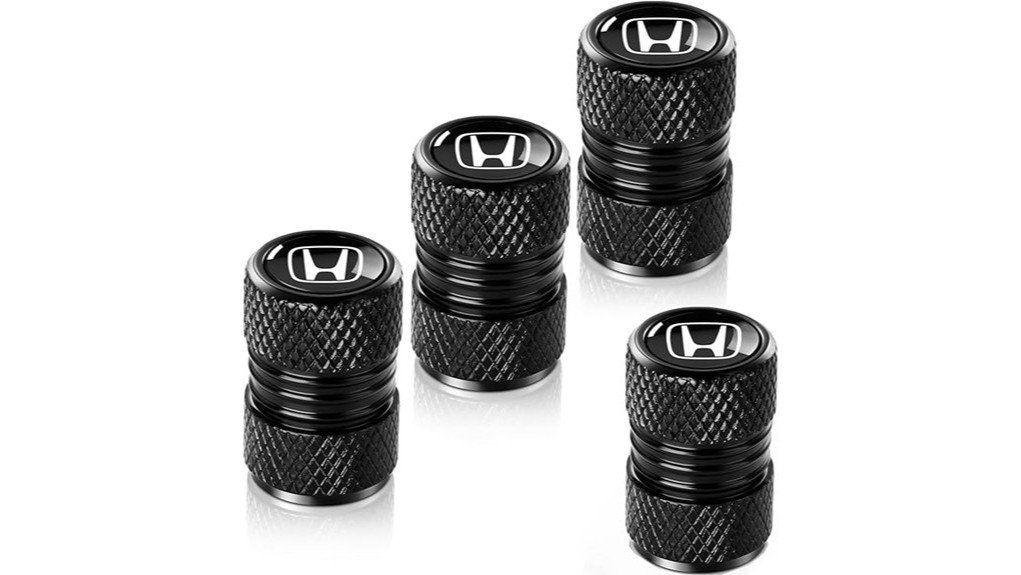
A missing valve cap leaves your tire valve exposed to water, road salt, dust, and grit, but replacing it with the wrong metal cap can create a different problem. The BFIVEANTE Honda tire valve stem caps are a four-piece black aluminum set with internal rubber rings and tool-free installation. They are listed for several Honda passenger cars, including the Accord, Civic, Fit, CR-V, and Pilot. This review explains where the caps make sense, what they can protect, and why you should confirm your valve-stem material before installing them.
Quick Verdict
Rating: Recommended with caveats, 7/10
Best For: Honda owners replacing missing caps on compatible rubber valve stems
Bottom Line: You get four compact aluminum caps, rubber sealing rings, and quick hand installation. The main tradeoff is that metal caps may corrode or seize on some aluminum TPMS stems, so fit depends on more than the Honda model name.
| Specification | Detail |
|---|---|
| Brand | BFIVEANTE |
| Manufacturer part number | black-Tire-ag7 |
| Product type | Decorative tire valve stem caps |
| Material | Aluminum |
| Seal | Internal rubber rings |
| Color | Black |
| Package quantity | 4 caps |
| Listed vehicle type | Passenger car |
| Models named in listing | Honda Accord, Civic, Fit, CR-V, and Pilot |
| Installation | Hand-threaded, no tools required |
| Important limitation | Metal-cap compatibility should be confirmed before use on aluminum TPMS stems |
Key Takeaways
- The BFIVEANTE set includes four black aluminum valve caps with internal rubber rings.
- A sealing cap helps keep moisture, dirt, and road debris away from the valve core and can provide an additional seal.
- The listing names the Honda Accord, Civic, Fit, CR-V, and Pilot, but it does not publish exact thread dimensions or model-year coverage.
- The caps install by hand, but you should start each cap straight and tighten it only until snug.
- Metal caps are not the safest default for every TPMS valve. Some aluminum stems are better served by approved plastic sealing caps.
What Are the BFIVEANTE Honda Tire Valve Stem Caps?
These BFIVEANTE caps are small threaded covers designed to replace missing or worn valve stem caps on a passenger car. The set contains four black aluminum caps, enough for one four-wheel vehicle, and each cap includes a rubber ring inside.
The product is marketed as a Honda accessory and the listing names several popular models. Its main appeal is simple: it gives you a matching four-cap set with a more finished appearance than basic black plastic dust caps. It is not a TPMS sensor, pressure monitor, leak repair, or substitute for a damaged valve core.
Who Should Buy It?
Best For
- You have a named Honda model and want a matching four-cap set.
- Your vehicle uses compatible rubber valve stems with standard threaded caps.
- You want a black metal appearance and do not mind periodic removal and inspection.
Skip If
- Your Honda has exposed aluminum clamp-in TPMS stems and the sensor maker does not approve metal caps.
- You want a maintenance-free cap that can stay untouched through road-salt seasons.
- You need confirmed model-year fit or exact thread measurements before purchase.
Before You Buy: Check whether your valve stem is rubber or exposed metal. Metal caps can corrode or seize on some aluminum TPMS stems, and forcing a stuck cap can damage the stem or sensor. When in doubt, use the cap type approved by your vehicle or TPMS manufacturer.
[Products Worth Considering]

Add style while helping protect your tire valve stems with handmade crystal rhinestone caps and a durable plastic insert. These caps resist corrosion and help keep out rain, snow, and muddy water, extending tire life. Textured non-slip design makes them easy to grip for quick install and removal when checking tire pressure.

These universal tire valve stem caps help protect valve cores from dust, debris, and moisture while helping maintain stable tire pressure. The corrosion-resistant metal construction and sealed design provide reliable protection in road grime, mud, and winter conditions. Twist-on installation makes them quick to fit on cars, SUVs, trucks, and motorcycles.

These universal tire stem valve caps help keep dust out and maintain an airtight seal with an O rubber ring to prevent air leakage. Designed to fit cars, SUVs, trucks, bikes, and other motor vehicles, they are easy to grip and install for everyday convenience. Built with durable plastic for long-lasting performance and safer driving on tough trips.
Fit and Honda Compatibility
The Amazon listing describes the caps as vehicle-specific and names the Accord, Civic, Fit, CR-V, and Pilot. It also references EX and EX-L trims. That gives you a useful starting point, but the listing does not provide a model-year chart or exact thread dimensions.
Do not assume that the emblem, model name, or trim badge alone confirms compatibility. Honda vehicles can use rubber snap-in stems or metal clamp-in TPMS stems, depending on the model, wheel, sensor, and prior service work. Inspect the stem already on your wheel and compare its cap style before ordering.
Aftermarket wheels and replacement TPMS sensors can also change the stem type. When your current cap is available, compare its thread engagement and internal clearance with the new cap before installing all four.
Materials and Build Quality
The caps use aluminum rather than plain plastic. Aluminum keeps the caps light and gives them a more substantial appearance, while the black finish helps them blend with many wheels and tires. The set also includes rubber rings that sit inside the caps.
The metal shell can handle ordinary hand installation, but metal does not make the product immune to corrosion. Moisture, salt, chemical cleaners, and contact between dissimilar metals can make a cap difficult to remove over time. The product listing itself advises periodic loosening to reduce the chance of the cap becoming stuck.
This means the build is best viewed as decorative and protective with added maintenance, not as a permanent install-and-forget upgrade.
What Do the Caps Protect?
A fitted valve cap covers the opening above the valve core. This helps keep road grit, water, salt, and other contaminants from collecting around the core and threads. A cap with an internal seal can also provide a secondary seal.
The valve core and stem still do the main work of controlling airflow and retaining pressure. A cap may slow a very small leak at the top of the stem, but it should not be used to hide a leaking core, cracked rubber stem, damaged TPMS valve, or punctured tire.
If a tire repeatedly loses pressure, remove the cap, check the pressure with an accurate gauge, and have the tire and valve inspected. Replacing the cap alone does not fix the source of an ongoing leak.
How the Rubber Rings Help
The rubber ring inside each cap compresses against the top of the valve stem when the cap is snug. That contact helps block moisture and debris and may add a secondary barrier to slow air movement past the cap.
The ring works only when it is present, clean, evenly seated, and not hardened or torn. Over-tightening does not improve the seal. It can crush the ring, make removal harder, or increase the risk of thread damage.
Pro Tip: Remove one existing cap first and inspect the stem material. Test a new cap on that wheel, turn it backward slightly until the threads align, then tighten clockwise by hand until just snug.
How to Install Them Correctly
- Park safely and let the wheels cool before handling the stems.
- Remove the old cap by hand and wipe dirt from the valve-stem threads.
- Inspect the stem for cracks, corrosion, bent metal, or signs of air leakage.
- Place the new cap squarely on the stem so it does not cross-thread.
- Turn clockwise by hand until the cap is snug. Do not use pliers.
- Repeat on the other wheels, then recheck the caps after your first drive.
If a cap feels tight after only part of a turn, stop and remove it. Forcing it can damage the threads. If your valve stem is aluminum or already shows corrosion, ask a tire professional which sealing cap is appropriate for that sensor.
How It Performs in Real Use
For Daily Driving
On a compatible stem, the cap covers the valve opening and gives each wheel a consistent black finish. Installation takes only a few seconds per wheel, and the four-piece count covers a standard passenger car without extras.
In Rain, Snow, and Road Salt
The caps help shield the valve-core area from spray and debris, but winter exposure also raises the chance of corrosion between the cap and stem. Remove and inspect the caps regularly during salty conditions rather than leaving them untouched for a full season.
With TPMS-Equipped Wheels
TPMS compatibility depends on the valve assembly, not only on the vehicle model. Rubber snap-in TPMS stems may accept ordinary threaded caps, while aluminum clamp-in stems can require approved plastic sealing caps to reduce galvanic-corrosion risk. Check the sensor or vehicle guidance before using a decorative metal cap.
For Long-Term Ownership
The black finish and rubber rings may wear over time from repeated removal, wheel cleaners, and weather. Inspect each ring when checking tire pressure, replace any cap that binds or has a damaged seal, and never use a tool to force a corroded cap loose.
Compatibility and Safety Notes
These caps are an add-on cover, not a safety device or pressure gauge. Continue checking cold tire pressure at the interval in your Honda owner information and use the pressure shown on the driver-side door placard, not the maximum number molded into the tire sidewall.
A TPMS warning light also needs proper diagnosis. A cap cannot correct low pressure, a failed sensor, a leaking valve core, or damage to the tire. If you hear leaking air, see corrosion, or cannot remove a cap by hand, stop and have the valve inspected before driving farther than necessary.
The listing claims a satisfaction guarantee, but it does not provide detailed written warranty terms on the product page. Review the current seller and Amazon return information before purchase.
Pros and Cons
Pros
- Four caps cover all four wheels on a standard passenger car.
- Aluminum construction gives a more finished look than basic plastic caps.
- Internal rubber rings help block moisture and debris.
- Tool-free hand installation is quick when the threads match.
- Black finish suits many factory and aftermarket wheels.
Cons
- Metal caps can seize on some aluminum TPMS stems.
- No exact thread dimensions or model-year fit chart are published.
- Periodic removal and inspection are needed in wet or salty conditions.
Is It Worth the Price?
This is a small accessory, so value comes from getting four matching caps, rubber sealing rings, and a metal finish in one package. It is worth considering when your current caps are missing, damaged, or mismatched and you have confirmed that metal caps suit your valve stems.
The set offers less value when your Honda uses aluminum TPMS stems that call for plastic sealing caps. In that case, an OEM-style or TPMS-approved plastic cap is the safer and usually simpler choice, even if it looks less decorative.
[Products Worth Considering]

This Dr.Roc tire valve stem puller tools set helps install or remove snap-in tubeless valve stems safely and efficiently. It includes ozone-resistant EPDM snap-in valve stems, a valve stem installer, and a valve core remover for quick core removal or installation during tire service. Designed for reliable tubeless tire repair on motorcycles, ATVs, lawn equipment, cars, and trucks.

These aluminum alloy tire valve stem caps protect the valve core from corrosion and help prevent air leakage for more stable tire pressure. The rubber ring design helps support a secure, safe seal while adding a stylish look to your Honda wheels. Easy to install by hand, these caps are ideal for everyday driving and weather exposure.

Upgrade your wheels with zinc alloy valve stem caps featuring a plated, corrosion-resistant finish and a secure rubber O-ring seal. These caps help protect the valve stem from moisture, snow, and debris while supporting stable tire pressure and safer driving. Designed for easy installation, they replace worn caps and add a distinctive look to your vehicle.
How It Compares to Alternatives
Basic plastic sealing caps are lighter, inexpensive, and less likely to create a dissimilar-metal corrosion problem on aluminum TPMS stems. TPMS-approved caps from valve and sensor manufacturers are the better comparison when protection and service compatibility matter more than appearance.
Decorative metal caps from other brands offer a similar look, but they share the same need for stem-material checks and periodic removal. The BFIVEANTE set makes the most sense when you specifically want black aluminum caps for a compatible Honda setup and accept the added maintenance.
[Products Worth Considering]

Upgrade your vehicle’s tire valves with these durable, universal black stem caps that help protect against dust and moisture. Each cap includes a rubber sealing ring to reduce the risk of air leakage during long, rugged drives. Made from corrosion-resistant plastic with a textured grip, they fit most Schrader valve-equipped cars, SUVs, trucks, motorbikes, and bikes.

Upgrade your Toyota’s wheels with durable aluminum alloy valve stem caps that help protect valve cores from corrosion and direct exposure to road grime, clay, water, and snow. Rubber rings improve sealing to help prevent air leakage and maintain stable tire pressure for safer driving. These caps are easy to install or remove without tools and add a unique, stylish look to your car.
Upgrade your tires with these aluminum valve stem caps that protect against wear while adding a clean, anodized look. The O-ring seal helps keep moisture and debris out for a more airtight fit, and the screw-in thread design makes installation quick and secure. Designed for wide vehicle compatibility, they help keep your tires looking sharp and functioning properly.
Frequently Asked Questions
Do these caps fit every Honda Accord, Civic, Fit, CR-V, and Pilot?
No complete model-year fit chart or thread measurement is published. The listing names those models, but you should compare the cap style and valve-stem material on your own vehicle before installing the full set.
Are the caps safe for TPMS sensors?
That depends on the TPMS valve stem. Some aluminum clamp-in stems should use approved plastic sealing caps because a metal cap can corrode and seize, so check the sensor or vehicle guidance first.
Do the rubber rings stop tire leaks?
They provide an added seal at the top of the stem and help keep contaminants out. They do not repair a leaking valve core, cracked stem, damaged TPMS valve, bead leak, or tire puncture.
How many caps are included?
The package contains four caps. That is enough for the four road wheels on one passenger car, but no spare cap is included.
Do you need tools to install them?
No. Start each cap straight and tighten it by hand until snug. Pliers can over-tighten the cap, damage the finish, or harm the stem if the cap later becomes stuck.
How often should you remove and inspect metal valve caps?
Check them whenever you check tire pressure and more often during road-salt season. The product listing advises loosening the caps at least monthly to reduce the chance of them becoming locked to the stem.
Is a warranty included?
The listing claims a satisfaction guarantee but does not state detailed warranty terms. Check the current Amazon return information and seller terms before ordering.
The Bottom Line
The BFIVEANTE Honda tire valve stem caps are a reasonable buy when you want four matching black aluminum caps for compatible rubber valve stems. Skip them when your vehicle or TPMS maker specifies plastic sealing caps for aluminum stems, because the product’s main strength, its metal build, is also its main compatibility limitation.
Ready to Buy?
Check the latest product details and confirm your valve-stem type before you decide.