Using nitrogen in your Toyota Tundra tires can help them hold pressure a little longer, especially when the fill is dry and the tires see big temperature swings. Still, nitrogen is not a magic upgrade. For most Tundra owners, regular air works well as long as you check the pressure monthly and follow the PSI listed on your truck’s door placard or owner’s manual.
Quick Answer
Nitrogen can be worth it for your Toyota Tundra if it comes free with tire service, you tow often, store the truck for long periods, or drive through large temperature changes. If a shop charges extra, regular air is usually the better value because proper tire pressure matters more than the gas inside.
Key Takeaways
- Nitrogen may slow pressure loss somewhat, but it does not make your Tundra tires maintenance-free.
- Correct tire pressure affects safety, tire life, handling, and fuel economy more than nitrogen itself.
- Use the Toyota Tundra door placard or owner’s manual for the correct cold PSI, not the number printed on the tire sidewall.
- You can top off a nitrogen-filled tire with regular air if needed; it only lowers the nitrogen purity.
- Nitrogen makes the most sense when it is included free, or when you tow, haul, off-road, or store the truck for long periods.
The Real Benefits of Nitrogen Tires for Your Tundra
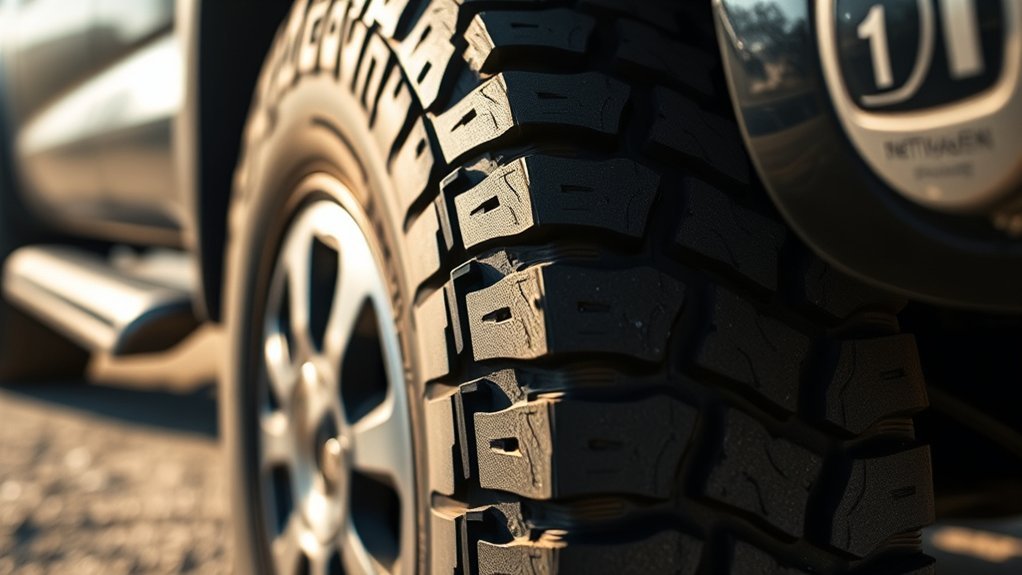
Nitrogen-filled tires can offer a few real benefits for a Toyota Tundra, but the gains are usually modest. Dry nitrogen contains less moisture than typical shop air, so it can reduce moisture inside the tire and wheel assembly. Nitrogen may also seep through tire rubber a little more slowly than oxygen-rich air, which can help pressure stay stable longer.
The biggest benefit is not extra horsepower, stronger towing power, or a dramatic jump in fuel economy. The benefit is steadier tire pressure. When your Tundra tires stay closer to the recommended cold PSI, the truck can handle, brake, wear, and roll more consistently.
According to FuelEconomy.gov, under-inflated tires can lower gas mileage by about 0.2% for every 1 psi drop in the average pressure of all tires.
That fuel-economy point is important: nitrogen does not save fuel by itself. Proper inflation saves fuel. If nitrogen helps you keep the right pressure longer, it may support better efficiency. If you never check the pressure, nitrogen will not protect your tires from slow leaks, punctures, valve-stem issues, or damage from potholes and off-road impacts.
[Products Worth Considering]

Milton S-921 pencil tire pressure gauge helps you maintain optimal tire pressure for passenger cars with accurate readings in PSI and kPa. It features a built-in deflator valve for convenient pressure adjustments, plus a single chuck head and nylon indicator bar for easy use on the go. Built from durable plated brass and designed for reliable performance, it’s a practical road trip and cold-weather maintenance tool.

These universal tire valve stem caps help protect valve cores from dust, debris, and moisture while helping maintain stable tire pressure. The corrosion-resistant metal construction and sealed design provide reliable protection in road grime, mud, and winter conditions. Twist-on installation makes them quick to fit on cars, SUVs, trucks, and motorcycles.

Keep your tires properly inflated with this analog VONDIOR tire pressure gauge, designed for fast, easy readings without batteries. The swiveling, two-axis hose and large glow dial help you measure at any tire angle with instant visibility. Built with a protective rubber shield, it supports durable, low-maintenance use for cars and trucks.
Cost vs. Benefits: Should You Choose Nitrogen Tires for Your Tundra?
For most Toyota Tundra owners, nitrogen is worth choosing only when it is free or cheap. If your tire shop includes nitrogen with a new set of tires, there is little downside. If you are quoted $5 to $30 per tire, the value depends on how you use your truck.
Choose nitrogen if:
- You tow a camper, boat, trailer, or heavy work gear often.
- You haul near your payload limit and want tire pressure to stay more consistent between checks.
- You drive through large seasonal temperature swings.
- Your Tundra sits for long periods between drives.
- Your tire shop offers free nitrogen top-offs.
Skip the extra cost if:
- You mainly use your Tundra for daily driving and errands.
- You already check tire pressure every month.
- Free air is easy to find near you.
- Your tire shop charges a high refill or conversion fee.
Regular air is already mostly nitrogen, and it works well when you maintain the correct pressure. For everyday driving, the practical difference between nitrogen and air is usually small. A good tire-pressure gauge and a monthly check will do more for your Tundra than paying for nitrogen and ignoring maintenance.
[Products Worth Considering]

AstroAI’s heavy-duty digital tire pressure gauge delivers quick, accurate readings with 0.1 increments and a secure valve-stem seal. It features a green backlit LCD and built-in flashlight for easy use in low light, plus an ergonomic non-slip stainless-steel design. The wide 0–230 PSI range works across common vehicle tires, with unit selection and an auto shut-off to save battery.

These aluminum alloy tire valve stem caps with an O-ring seal help protect valve stems from corrosion while adding a clean, stylish look to your vehicle. The universal fit works across cars, trucks, motorcycles, bicycles, and more, making them an easy upgrade for everyday driving and off-road use. Installation is quick, and the included four-pack keeps all your tires dressed and protected.

Monitor tire tread wear with a smart, color-coded depth gauge that shows clear condition ranges at a glance. The bar is range marked for fast, easy readings, helping you maintain safer traction and performance. Each gauge is portable with a pocket clip, and the set includes 20 units for daily use and sharing.
How to Check and Maintain Nitrogen-Filled Tundra Tires
Check nitrogen-filled Tundra tires the same way you check air-filled tires. Use a quality gauge, measure when the tires are cold, and follow the pressure listed on the driver-side Tire and Loading Information label or your Toyota owner’s manual. Do not use the maximum PSI printed on the tire sidewall as your normal setting.
Warning: Your TPMS light is not a replacement for regular tire checks. NHTSA recommends checking all tires at least once a month when cold, and federal TPMS rules also state that the system is not a substitute for proper tire maintenance.
Use this simple routine:
- Park the Tundra for at least three hours, or check pressure before driving far.
- Find the recommended cold PSI on the door placard or in the owner’s manual.
- Check all four tires, and check the spare if your truck has one.
- Add nitrogen if available and convenient.
- Use regular air if nitrogen is not available and the tire is low.
- Recheck pressure after major temperature changes, before towing, and after off-road trips.
Pro Tip: Never drive on a low tire just because you want to “keep it pure” with nitrogen. Topping off with regular air is safer than driving under-inflated.
Common Misconceptions About Nitrogen Tires
Nitrogen gets oversold because the real benefit sounds less exciting than the sales pitch. It may help with pressure stability, but it does not remove the need for basic tire care. Keep these myths in mind before paying extra.
- Myth: Nitrogen tires are maintenance-free. False. They can still lose pressure through punctures, valve stems, bead leaks, and normal seepage.
- Myth: Nitrogen always improves fuel economy. Not directly. Proper inflation improves fuel economy. Nitrogen only helps if it keeps your tires closer to the correct PSI.
- Myth: You cannot mix air with nitrogen. False. You can mix them safely. The only downside is lower nitrogen purity.
- Myth: Green valve caps prove the tires contain pure nitrogen. Not always. Green caps suggest nitrogen service, but they do not verify the actual gas mix.
- Myth: Nitrogen prevents all tire aging. False. Heat, sunlight, age, tread wear, load, alignment, and road damage still affect tire life.
What to Expect From Nitrogen Tires: Performance, Safety, and Maintenance Needs

With nitrogen-filled tires, you may notice fewer small pressure changes between checks. That can help if your Tundra carries heavy loads, tows often, or sits for weeks at a time. You should not expect a softer ride, stronger traction, or a major fuel-economy change just from switching gases.
Safety still comes from tire condition and correct inflation. NHTSA explains that poor tire maintenance, including not having enough air in your tires, can lead to flats, blowouts, or tread separation. It also recommends checking tread, balance, alignment, and rotation as part of tire care.
Nitrogen can be helpful in demanding use, but it does not change your Tundra’s load ratings. If you tow or haul, stay within the truck’s payload, tire load index, and trailer ratings. If your tires are LT-rated, aftermarket, oversized, or aired down for off-road driving, follow the tire manufacturer’s and Toyota’s guidance before returning to highway speeds.
[Products Worth Considering]

Accurately measure tire tread depth with a calibrated gauge marked from 0 to 1 inch in 1/32 inch increments. The color-coded bar helps you quickly identify tread condition ranges, supporting safe driving for trucks, motorcycles, automobiles, and passenger vehicles.

The SAFELIFE dial tire tread depth gauge measures tread depth in 1/32 inch increments with clear, easy-to-read 2-inch dial face. Color zones using a traffic light system help you quickly judge whether tread is low, marginal, or ample for safer driving. Built with a durable zinc cast body and a metal detect probe for precise, comfortable use across cars, motorcycles, trucks, and buses.
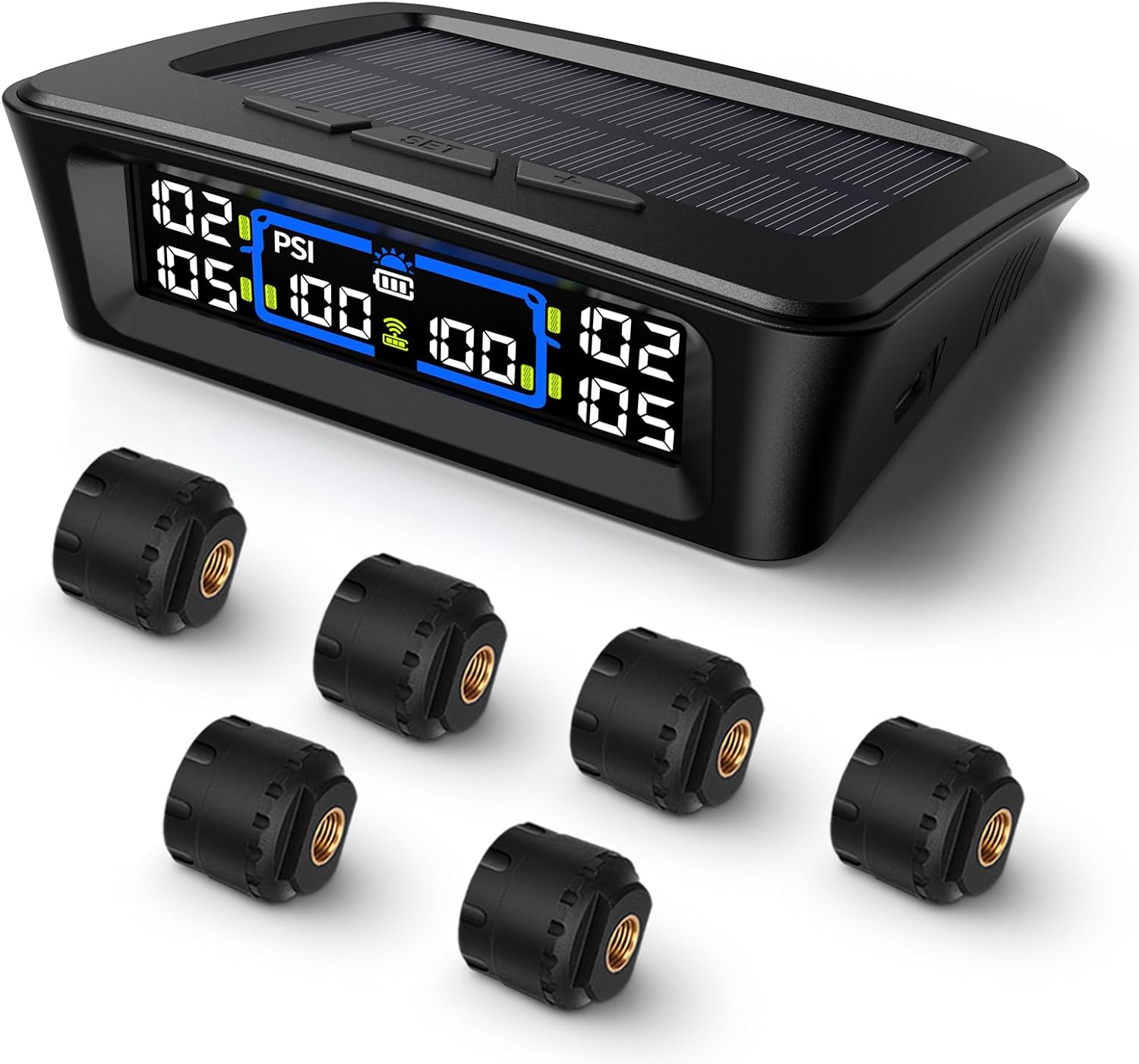
The Tymate TM12 RV TPMS delivers real-time tire pressure and temperature monitoring with a stable 433Hz display for safer long-distance driving. It supports simultaneous monitoring across vehicle and trailer zones, includes six alarm modes for pressure, temperature, leakage, battery, and signal loss, and features easy DIY installation with auto calibration. Power is supplied via USB-C charging or solar recharging, with a wide 0–144 PSI range and up to 50 ft signal coverage for RVs and towable trailers.
Maintenance Tips for Your Nitrogen Tires in Top Shape
To keep nitrogen-filled tires in top shape, treat them like regular tires with one extra preference: use nitrogen for top-offs when it is easy and affordable. The maintenance habit matters more than the label on the valve cap.
- Check pressure monthly: Measure when the tires are cold for the most accurate reading.
- Check before towing: Extra load creates more heat, so confirm pressure before long trips.
- Inspect after off-roading: Look for cuts, sidewall scuffs, bead leaks, nails, and slow pressure loss.
- Watch the tread: Replace tires when they reach unsafe tread depth or show cracking, bulges, or exposed cords.
- Rotate on schedule: Follow the Toyota manual or your tire shop’s guidance, especially if wear looks uneven.
- Do not ignore vibration: Shaking can point to balance, alignment, tire damage, or suspension wear.
- Recheck after temperature swings: Cold weather can lower tire pressure, while heat can raise it.
Note: If your Tundra’s TPMS light comes on, stop when safe and check the tires with a gauge. The light can mean one tire is significantly under-inflated, or it can point to a TPMS fault if the warning flashes and then stays on.
Frequently Asked Questions
Are there any downsides to using nitrogen in tires?
Yes. Nitrogen usually costs more than regular air, and not every gas station or tire shop offers it. You still need monthly pressure checks, and you may need to use regular air during an emergency top-off.
Do dealers actually put nitrogen in tires?
Many dealers and tire shops do offer nitrogen service, but you should ask what is included. A green valve cap or invoice line can show that nitrogen service was sold, but only a nitrogen analyzer can confirm the actual purity inside the tire.
Can I add regular air to a nitrogen-filled Tundra tire?
Yes. Mixing regular air with nitrogen is safe. It reduces the nitrogen concentration, but driving on a properly inflated tire is far safer than keeping a low tire “pure.”
Is nitrogen better for towing with a Toyota Tundra?
Nitrogen can help pressure stay more stable between checks, which is useful when towing. Still, the key is using the correct cold PSI, staying within load ratings, checking pressure before the trip, and inspecting tires during fuel stops on long drives.
How often should I check nitrogen tire pressure?
Check nitrogen-filled tires at least once a month when cold. Also check before towing, before long highway trips, after off-road driving, and when outside temperatures change sharply.
Conclusion
Nitrogen in your Toyota Tundra tires can offer small benefits, mainly better pressure stability and less moisture inside the tire. It is most useful when it comes free, when you tow or haul often, or when your truck sits for long periods. For most drivers, regular air is still practical and budget-friendly.
The best choice is simple: do not pay a premium unless the convenience makes sense for your driving habits. Whether you use nitrogen or air, check your tires monthly when cold, use the PSI listed on your Tundra’s placard or owner’s manual, and fix leaks or uneven wear early.
Sources
- NHTSA TireWise — tire-pressure checks, tire safety, tread, rotation, balance, alignment, and TPMS maintenance guidance.
- FuelEconomy.gov: Keeping Your Vehicle in Shape — fuel-economy impact of proper tire inflation and under-inflation.
- Toyota Owners Manuals and Warranties — model-year owner’s manual lookup for Toyota Tundra tire and maintenance details.
- 49 CFR 571.138: Tire Pressure Monitoring Systems — federal TPMS requirements and owner’s manual tire-pressure warning language.