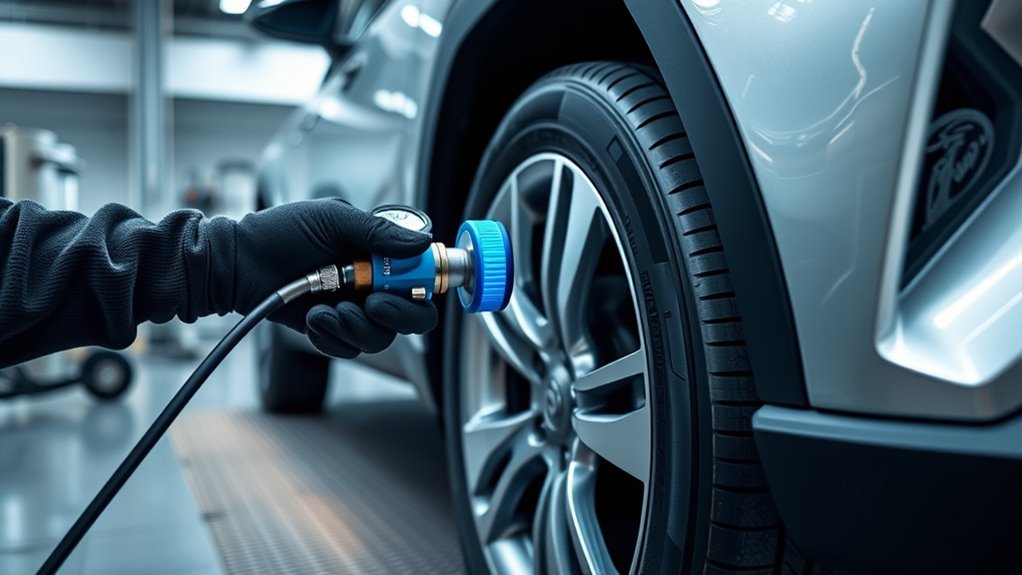
Your Toyota RAV4 does not need nitrogen-filled tires to drive safely, but nitrogen can help tire pressure stay steadier between checks. The real question is whether that small pressure benefit is worth the extra cost and limited access. This guide explains how nitrogen compares with regular air, what benefits matter most, and what you should still do to protect your tires.
Quick Answer
Nitrogen can help your Toyota RAV4 tires hold pressure a bit longer than regular air. It may reduce moisture inside the tire and help keep pressure more stable during temperature changes. Regular air still works well for everyday driving, especially if you check your tire pressure each month.
Key Takeaways
- Nitrogen can slow tire pressure loss, but it does not remove the need for regular pressure checks.
- Regular air works well for most Toyota RAV4 drivers and usually costs less.
- Proper tire pressure matters more for fuel economy and safety than the gas type inside the tire.
- Nitrogen may help more if your RAV4 sees towing, long trips, big temperature swings, or heavy loads.
Why Choose Nitrogen for Your RAV4 Tires?
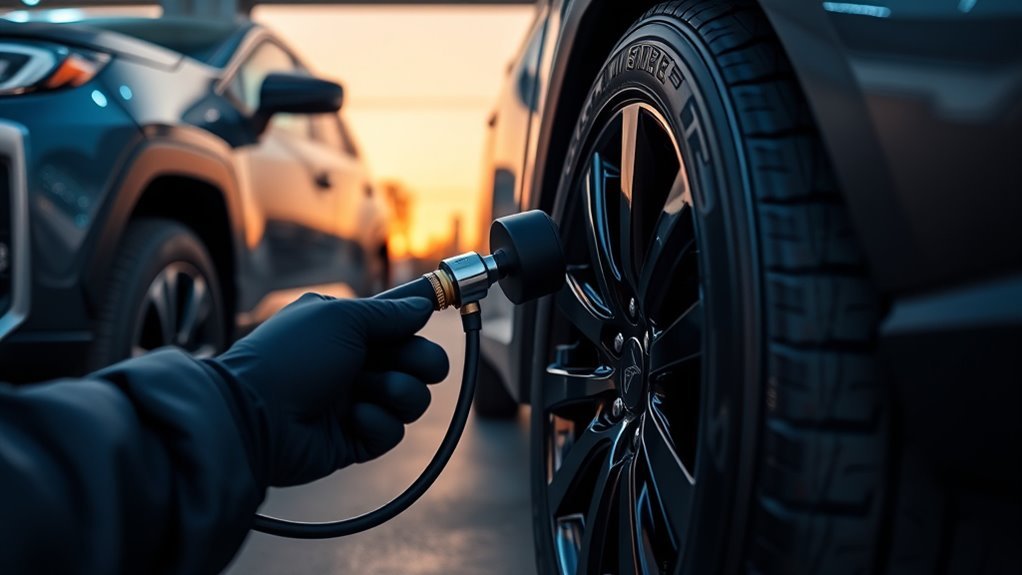
Nitrogen may appeal to you if you want your Toyota RAV4 tires to hold pressure longer between checks. Since nitrogen contains less moisture than standard compressed air, it can help reduce pressure changes caused by water vapor inside the tire.
That can support steadier handling, more even tire wear, and better day-to-day driving feel. It may also help if you drive in extreme heat or cold, tow with your RAV4, or load the vehicle often.
Still, nitrogen does not replace basic tire care. You still need to check pressure, inspect tread, rotate tires, and follow the tire pressure shown on your RAV4 door placard.
[Products Worth Considering]
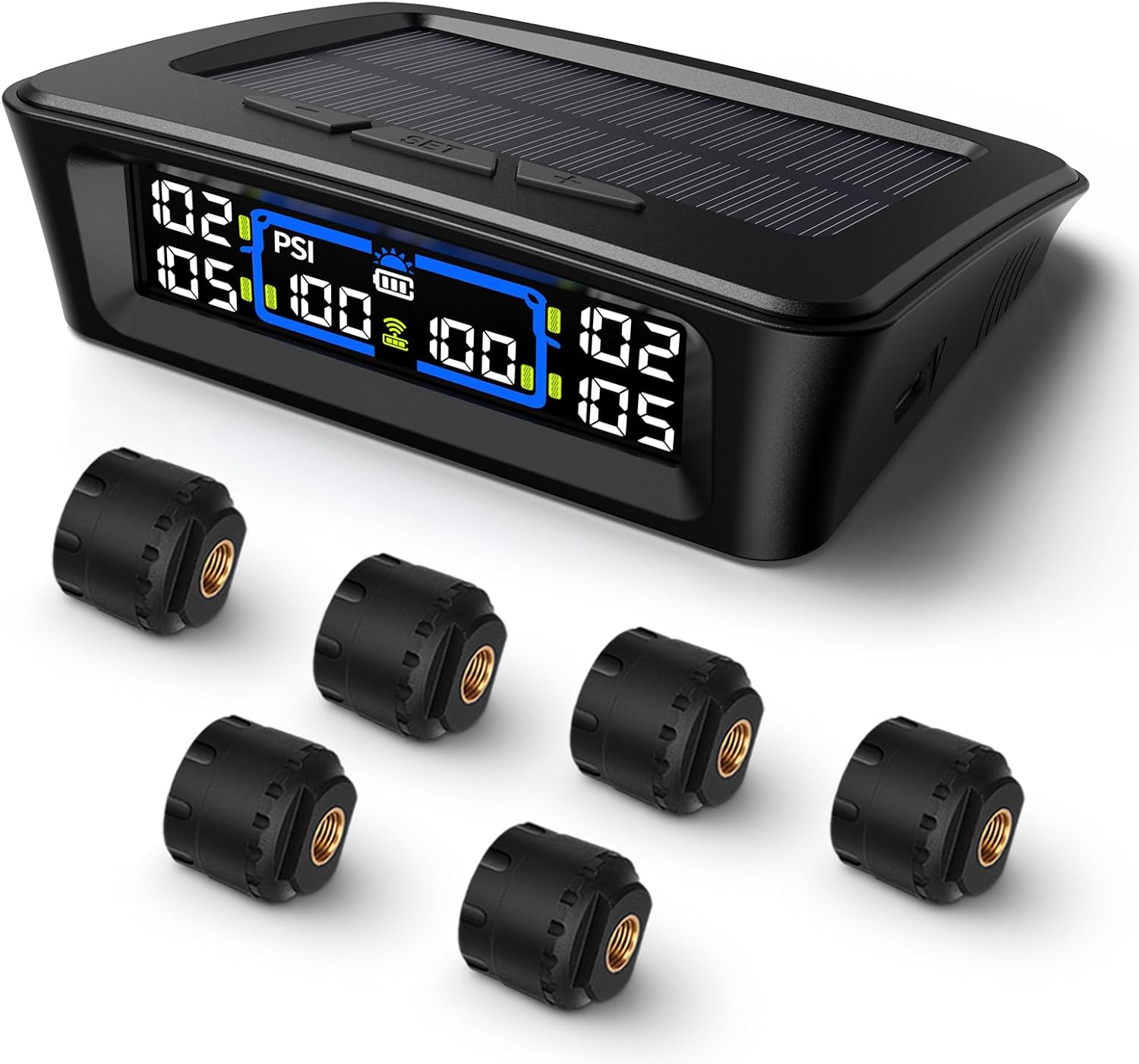
The Tymate TM12 RV TPMS delivers real-time tire pressure and temperature monitoring with a stable 433Hz display for safer long-distance driving. It supports simultaneous monitoring across vehicle and trailer zones, includes six alarm modes for pressure, temperature, leakage, battery, and signal loss, and features easy DIY installation with auto calibration. Power is supplied via USB-C charging or solar recharging, with a wide 0–144 PSI range and up to 50 ft signal coverage for RVs and towable trailers.

Keep your tires properly inflated with this analog VONDIOR tire pressure gauge, designed for fast, easy readings without batteries. The swiveling, two-axis hose and large glow dial help you measure at any tire angle with instant visibility. Built with a protective rubber shield, it supports durable, low-maintenance use for cars and trucks.

Get precise tire readings with the ETENWOLF T300 Plus digital gauge, calibrated to ANSI B40.7 Grade 2A for reliable accuracy. It measures across a wide 3–200 PSI range and includes thermal compensation for dependable performance from extreme cold to heat. The bright LED display, LED illumination, and replaceable AAA batteries make it easy to check pressures quickly, even in low light.
How Nitrogen Helps Maintain Tire Pressure?
When you fill your Toyota RAV4 tires with nitrogen, you reduce the amount of oxygen and moisture inside the tire. That can help pressure stay more stable over time. It can also make pressure changes a little more predictable during shifts in weather.
Larger Molecule Structure
Nitrogen molecules pass through tire rubber more slowly than oxygen molecules. That slower movement can help your tires hold pressure longer than tires filled with regular compressed air.
- Better pressure retention: Nitrogen can reduce gradual pressure loss through the tire wall.
- Steadier performance: More stable pressure can support better handling and ride quality.
- Lower underinflation risk: Proper pressure helps reduce excess heat, uneven wear, and poor traction.
Reduced Moisture Impact
Compressed air can contain moisture unless the service station uses a strong drying system. Moisture can expand and contract as temperatures change, which can affect tire pressure readings.
Nitrogen is usually drier than regular compressed air. That lower moisture level can help reduce pressure swings and limit internal oxidation of metal wheel parts.
How Nitrogen Affects Fuel Economy in Your RAV4?
Fuel economy depends more on correct tire pressure than on whether you use nitrogen or regular air. Underinflated tires create more rolling resistance, so your engine works harder to move the vehicle.
Nitrogen may help because it can hold pressure longer. If that keeps your tires closer to the recommended pressure, your RAV4 may use fuel more efficiently.
Proper tire pressure matters more than the gas type inside the tire.
- Slower pressure loss: Nitrogen can help reduce gradual pressure drops between checks.
- Better pressure habits: Stable pressure can reduce the chance that you drive on underinflated tires.
- Lower rolling resistance: Correct pressure helps your tires roll with less wasted energy.
The fuel savings may feel small for everyday driving. You will get the biggest benefit by checking tire pressure often and inflating to Toyota’s recommended level.
Safety Benefits of Nitrogen-Filled Tires?
Nitrogen can support tire safety by helping pressure stay more consistent. Correct pressure helps your RAV4 brake, steer, and handle as designed.
Low tire pressure can cause heat buildup, poor handling, and faster tread wear. Nitrogen may reduce that risk only if it helps you keep the tire at the right pressure.
Enhanced Pressure Stability
More stable pressure can help your tires keep better contact with the road. That can support traction, braking, and steering response.
- Reduced pressure loss: Nitrogen can slow air loss through the tire casing.
- More consistent handling: Correct pressure helps your RAV4 respond as expected.
- Better tread wear: Proper inflation helps the tire wear more evenly across the tread.
Reduced Blowout Risks
Using nitrogen may help reduce one cause of blowouts, low tire pressure. A tire that stays closer to its target pressure runs cooler and places less stress on the sidewall.
Nitrogen does not make a damaged tire safe. Cuts, old rubber, punctures, overloads, and poor alignment can still cause tire failure.
Warning: Check tire pressure right away if your tire pressure warning light turns on, even if your tires contain nitrogen.
Nitrogen vs. Regular Air: Which Is Better for Your RAV4?
Nitrogen offers a small edge in pressure stability, but regular air remains the practical choice for most RAV4 drivers. Regular air already contains mostly nitrogen, and it works well when you maintain tire pressure.
| Factor | Nitrogen | Regular Air |
|---|---|---|
| Pressure retention | May hold pressure longer | Works well with monthly checks |
| Moisture content | Usually very low | Can vary by compressor |
| Cost | Often costs more | Often free or low cost |
| Convenience | May require a tire shop | Easy to find at many stations |
Choose nitrogen if you value longer pressure stability and don’t mind paying more. Choose regular air if you want the easiest and cheapest option for normal driving.
[Products Worth Considering]
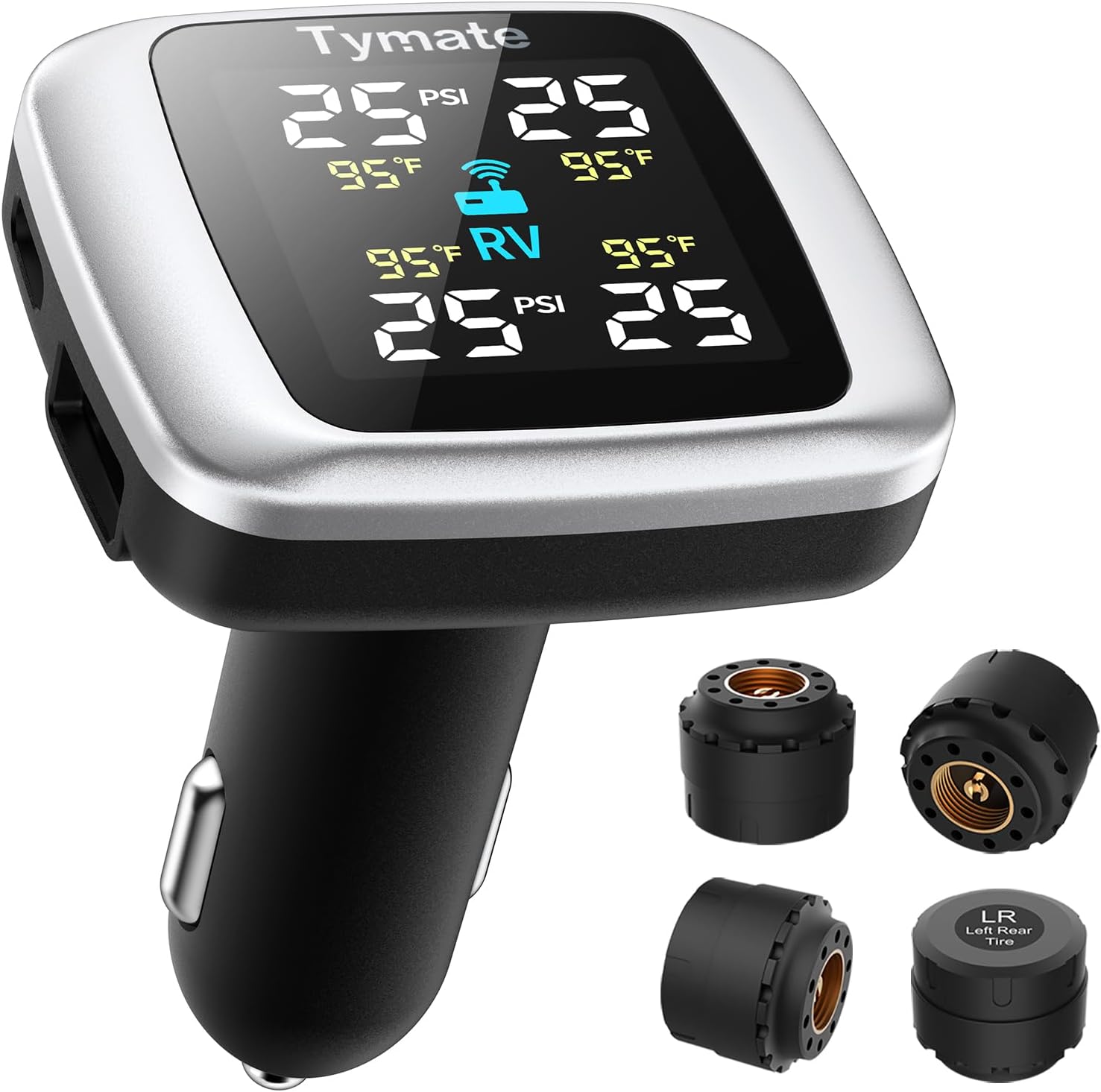
Tymate TM7 is a wireless tire pressure monitoring system that delivers real-time pressure and temperature readings for safer driving. It includes four external sensors, a bright color LCD display with adjustable backlight, and six alarm modes for high/low pressure, fast leakage, high temperature, and sensor signal or battery issues. The system covers a wide 0–144 PSI range and plugs into your vehicle’s cigarette lighter socket for quick DIY setup.

AstroAI’s heavy-duty digital tire pressure gauge delivers quick, accurate readings with 0.1 increments and a secure valve-stem seal. It features a green backlit LCD and built-in flashlight for easy use in low light, plus an ergonomic non-slip stainless-steel design. The wide 0–230 PSI range works across common vehicle tires, with unit selection and an auto shut-off to save battery.

This heavy duty dual head tire pressure gauge helps you quickly check Schrader valve tires with clear ABS bar markings for both PSI and Bar readings. The straight and 30° reverse chuck designs make it easier to reach inner and outer wheels, while the zinc alloy/brass construction supports reliable use in tough conditions. No battery is required, making it a dependable tool for cars, trucks, RVs, and more.
Cost of Nitrogen Inflation: Is It Worth It?
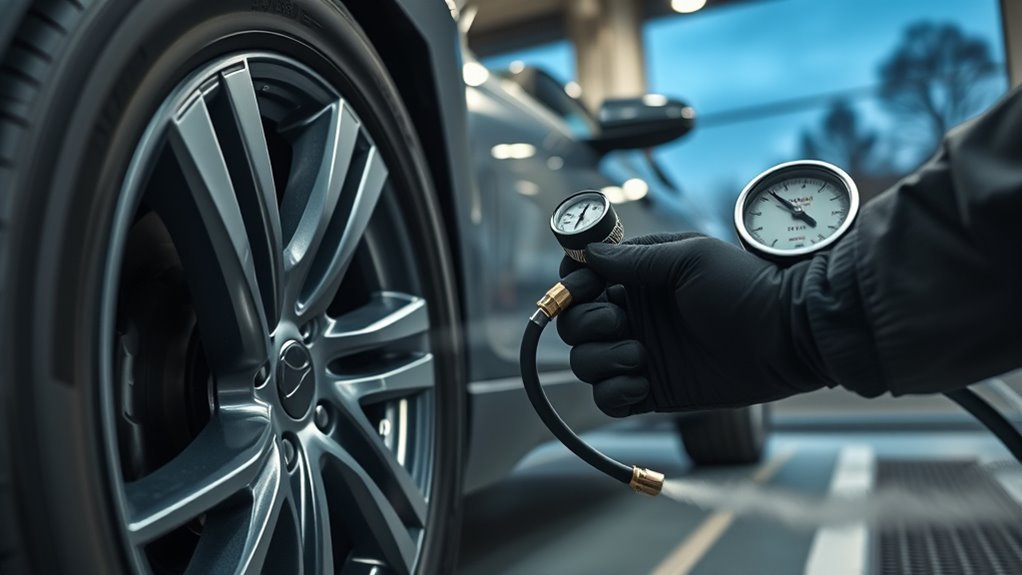
Nitrogen inflation can cost more than regular air, especially if a shop charges per tire. Some dealers include nitrogen with a vehicle purchase or tire package, while others charge a separate fee.
For many RAV4 owners, the cost may outweigh the small pressure benefit. Free or low-cost regular air can deliver the same safety and fuel economy results if you check pressure often.
Nitrogen may make more sense if you drive long distances, tow, carry heavy cargo, or deal with large temperature swings. It also helps if you prefer fewer top-offs between tire checks.
[Products Worth Considering]

Milton S-921 pencil tire pressure gauge helps you maintain optimal tire pressure for passenger cars with accurate readings in PSI and kPa. It features a built-in deflator valve for convenient pressure adjustments, plus a single chuck head and nylon indicator bar for easy use on the go. Built from durable plated brass and designed for reliable performance, it’s a practical road trip and cold-weather maintenance tool.

Monitor tire tread wear with a smart, color-coded depth gauge that shows clear condition ranges at a glance. The bar is range marked for fast, easy readings, helping you maintain safer traction and performance. Each gauge is portable with a pocket clip, and the set includes 20 units for daily use and sharing.
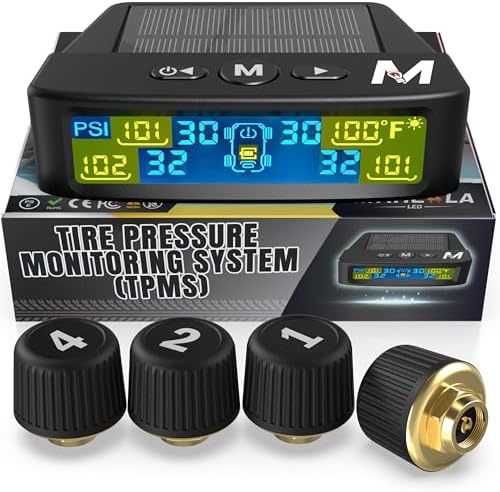
Marcala’s TPMS set of four sensors helps you monitor tire pressure and temperature in real time while driving, with updates every second. The bright color LCD uses auto-dimming for easy viewing, powered by dual solar and USB charging, and offers six alarm modes. Built for trailers, RVs, campers, trucks, and towing setups, the sensors support monitoring 1-4 wheels up to 98 PSI with IP67 waterproof protection.
Tire Maintenance: How Often to Check Nitrogen Levels?
Check your Toyota RAV4 tire pressure at least once a month, even if the tires contain nitrogen. You should also check before long trips, after sharp temperature changes, and when the tire pressure warning light turns on.
- Check cold tires: Measure pressure before driving or after the tires have cooled.
- Use the door placard: Follow the pressure listed on the driver’s door jamb, not the tire sidewall maximum.
- Inspect the tread: Look for uneven wear, cuts, bulges, nails, or sidewall damage.
Pro tip: Keep a tire pressure gauge in your RAV4 so you can check pressure before long drives.
Do Everyday Drivers Really Need Nitrogen in Their Tires?
Most everyday RAV4 drivers do not need nitrogen. Regular air can keep your tires safe, efficient, and long-lasting when you maintain the right pressure.
Nitrogen can still offer value if you want slightly steadier pressure and less moisture inside the tire. It works best as a convenience upgrade, not a required safety upgrade.
The best choice depends on your driving habits and budget. If nitrogen costs little or comes included, it can be useful. If it costs a lot, regular air plus monthly checks makes more sense.
Can You Mix Nitrogen and Regular Air in RAV4 Tires?
You can safely add regular air to a nitrogen-filled tire when the tire needs pressure. Keeping the tire properly inflated matters more than keeping the nitrogen purity high.
Adding regular air lowers the nitrogen concentration in the tire. If you want a higher nitrogen level again, a tire shop can purge and refill the tire later.
Note: Never keep driving on a low tire just because you cannot find nitrogen nearby.
Frequently Asked Questions
Are There Any Downsides to Using Nitrogen in Tires?
Yes. Nitrogen can cost more, and you may not find it as easily as regular air. It also does not remove the need for tire checks, rotations, or tread inspections.
Do Dealers Actually Put Nitrogen in Tires?
Some dealers do fill tires with nitrogen, but practices vary by dealer and service package. Ask for details before paying for it, including whether future top-offs are included.
Can I Mix Nitrogen and Regular Air in a Tire?
Yes, you can mix nitrogen and regular air in a tire. If the tire is low, add air rather than drive underinflated.
Will Nitrogen Stop My RAV4 Tire Pressure Light From Coming On?
No. Nitrogen may slow pressure loss, but your tire pressure monitoring system can still warn you when pressure drops. Check all four tires and the spare if your model includes one.
Is Nitrogen Worth It for RAV4 Hybrid or Prime Models?
Nitrogen works the same way in RAV4 Hybrid and RAV4 Prime tires as it does in gas models. It may help pressure stability, but correct inflation matters most for range, fuel economy, and tire wear.
Conclusion
Nitrogen can help your Toyota RAV4 tires hold pressure more steadily, but it is not a must-have for most drivers. Regular air remains safe, easy to find, and cost-effective when you check pressure each month. If nitrogen comes at a fair price, it can add convenience and reduce small pressure changes. Your best next step is simple: check your tire pressure cold and keep it at the level Toyota recommends.
References
- Tires — National Highway Traffic Safety Administration
- Fuel Economy — U.S. Department of Energy
- Should You Use Nitrogen in Your Car Tires? — Consumer Reports