
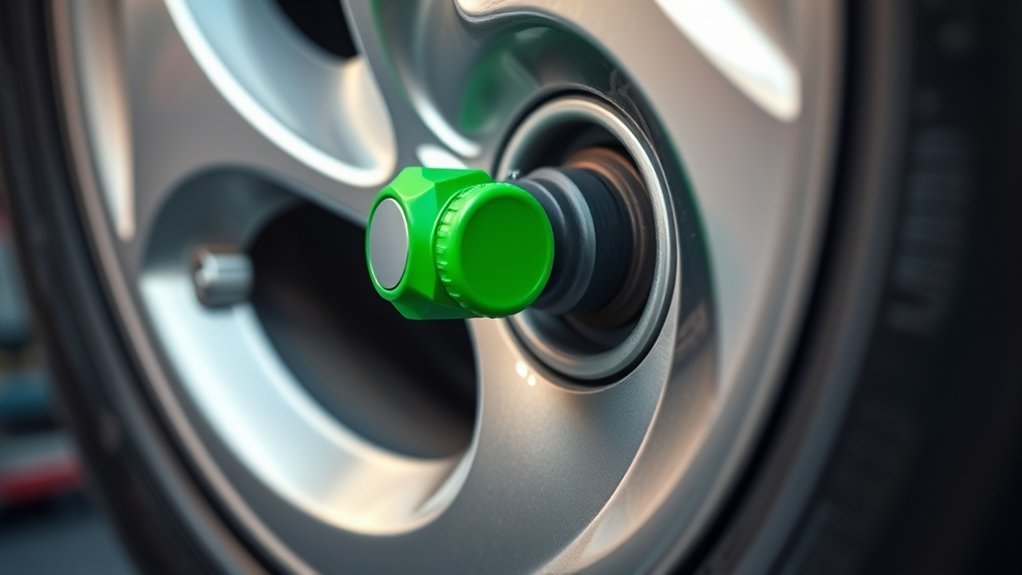
A green tire cap usually means the tire was filled with high-concentration nitrogen instead of ordinary compressed air. The cap is a common service marker, not a special valve or a guarantee of what is currently inside the tire. You can drive normally and safely add regular air whenever pressure is low.
Quick Answer
A green tire cap usually identifies a nitrogen-filled tire. You do not have to use nitrogen for every refill, and adding ordinary air will not damage the tire. Nitrogen may slow natural pressure loss slightly, but correct inflation and monthly pressure checks matter much more than the gas you use.
Key Takeaways
- Green valve-stem caps commonly mark tires filled with nitrogen.
- The cap is removable, so its color does not prove the tire still contains a high concentration of nitrogen.
- It is safe to top off a nitrogen-filled tire with regular compressed air.
- Nitrogen may reduce natural pressure loss slightly, but it does not stop leaks or seasonal pressure changes.
- Check all tires monthly while cold and use the pressure on the vehicle placard or in the owner’s manual.
What Do Green Tire Caps Mean?
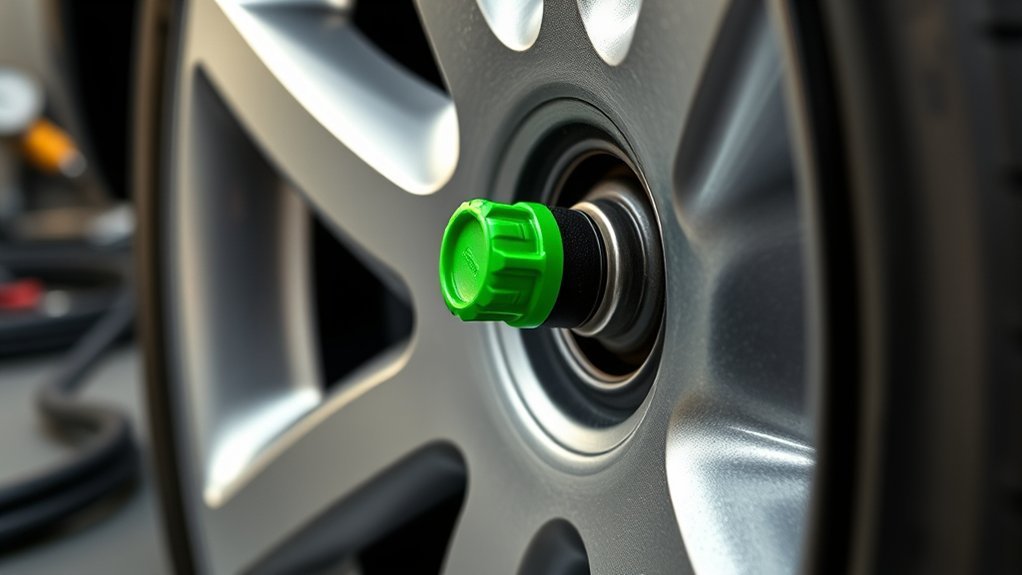
A green cap on a tire valve stem is a widely used sign that a shop filled the tire with nitrogen. It lets technicians recognize the original inflation method before checking or servicing the tire.
The cap itself does not change pressure, improve performance, or keep nitrogen inside. Its main mechanical purpose is the same as any compatible valve cap: it helps protect the valve core from dirt and moisture.
Note: Green is a common industry convention rather than proof of the current gas mixture. A previous owner or technician may have replaced the cap, and ordinary air may have been added since the original nitrogen fill.
A green valve cap is also not a recognized rating for an eco-friendly or low-rolling-resistance tire. Tire efficiency depends on the tire’s design, condition, load, and inflation—not the color of its valve cap.
Why Choose Nitrogen in Tires?
Ordinary dry air already contains about 78% nitrogen. Nitrogen tire service removes much of the oxygen, water vapor, and other gases to create a higher nitrogen concentration.
The main possible advantages are slightly slower pressure loss through the tire liner and a drier internal environment. These benefits are real but generally modest for a properly maintained passenger vehicle. Nitrogen is more valuable in applications where very small pressure differences or moisture levels matter, including racing, aircraft, mining equipment, and some heavy-duty fleets.
Pressure Retention
Nitrogen passes through a tire’s inner liner more slowly than oxygen. A nitrogen-filled tire may therefore remain closer to its target pressure for a little longer between adjustments.
This advantage applies to natural permeation through the tire material. Nitrogen cannot prevent pressure loss from a puncture, loose valve core, damaged valve stem, leaking bead, cracked wheel, or other mechanical problem.
In a 12-month Consumer Reports test of 31 tire models, air-filled tires lost an average of 3.5 psi while nitrogen-filled tires lost 2.2 psi—a difference of 1.3 psi over an entire year.
Moisture and Corrosion
Properly supplied nitrogen is dry, so it introduces less water vapor into the tire than untreated compressed air. That can make pressure behavior more predictable under demanding conditions and reduce moisture exposure inside the wheel assembly.
For normal passenger vehicles, however, this does not guarantee longer tire life, fewer repairs, cooler operation, or protection from every form of corrosion. Many professional compressed-air systems also use filters and moisture separators.
Nitrogen vs. Regular Air
| Factor | Nitrogen | Regular Air |
|---|---|---|
| Natural pressure loss | May be slightly slower | May require slightly more frequent adjustment |
| Temperature changes | Pressure still rises and falls; dry gas may be more predictable | Pressure rises and falls with temperature |
| Moisture | Normally very dry | Depends on the compressor and moisture filtration |
| Availability | Limited to equipped shops and service centers | Widely available from shops, pumps, and portable compressors |
| Cost | May be included with service or charged separately | Often free or inexpensive |
| Best fit | Specialized use or when included at no meaningful extra cost | Practical choice for most everyday drivers |
[Products Worth Considering]

Keep your tires properly inflated with this analog VONDIOR tire pressure gauge, designed for fast, easy readings without batteries. The swiveling, two-axis hose and large glow dial help you measure at any tire angle with instant visibility. Built with a protective rubber shield, it supports durable, low-maintenance use for cars and trucks.

Upgrade your Toyota tire setup with these corrosion-resistant, leak-proof valve stem caps designed to help protect the valve core from water, snow, and road grime. The caps feature a snug rubber seal and durable copper alloy construction to resist rust and oxidation while maintaining stable tire pressure. Ideal for replacing worn original caps and keeping your wheels looking clean and stylish.

These aluminum alloy tire valve stem caps protect the valve core from corrosion and help prevent air leakage for more stable tire pressure. The rubber ring design helps support a secure, safe seal while adding a stylish look to your Honda wheels. Easy to install by hand, these caps are ideal for everyday driving and weather exposure.
Air-Fill Convenience
Regular compressed air is easy to find and works safely in passenger tires designed for normal road use. This convenience matters because correcting low pressure promptly is more important than preserving a particular nitrogen concentration.
If nitrogen is not readily available, use regular air rather than driving on an underinflated tire. You can return to a nitrogen service provider later if you want the tire purged and refilled.
Mixing Air and Nitrogen
Air and nitrogen can be mixed safely. Ordinary air is already mostly nitrogen, so adding it does not create a harmful chemical reaction or damage the tire, wheel, valve stem, or tire-pressure monitoring sensor.
The added air lowers the nitrogen concentration and may reduce the small pressure-retention or moisture advantage. It does not make the tire unsafe.
Do Nitrogen Tires Hold Pressure Better?
Yes, nitrogen-filled tires can lose pressure through the tire liner a little more slowly than air-filled tires. The difference is usually small for an everyday vehicle and does not remove the need for routine maintenance.
Both types can lose pressure through valves, punctures, bead leaks, damaged wheels, and normal temperature changes. A tire that repeatedly becomes low needs an inspection rather than another routine top-off.
Pro Tip: Keep a reliable tire-pressure gauge in the vehicle. A monthly check takes only a few minutes and provides more practical protection than relying on nitrogen or the TPMS warning light alone.
Can You Mix Air and Nitrogen?
Yes. If a green-capped tire is below its recommended pressure, add regular air when nitrogen is unavailable. Maintaining the correct pressure is the safer choice.
After adding air, the tire simply contains a mixed gas blend. You do not need to drain it immediately. A tire shop can purge and refill it later if you prefer to restore a higher nitrogen concentration.
Warning: A TPMS warning, visibly low tire, or rapid pressure loss may indicate a puncture or mechanical leak. Add enough pressure to avoid severe underinflation and have the tire inspected promptly. Do not keep driving on a tire that will not hold pressure.
How Nitrogen Affects Tire Performance
Nitrogen does not directly create more traction, shorter braking distances, better cornering, longer tread life, or higher fuel economy. Those outcomes depend heavily on maintaining the vehicle manufacturer’s recommended pressure and keeping the tires in good condition.
Nitrogen may help indirectly if its slightly slower pressure loss makes a driver less likely to operate with low pressure. The same result can be achieved with regular air and consistent monthly checks.
- Handling: Correct and balanced pressure supports predictable steering and braking.
- Tread wear: Correct pressure helps prevent excessive center, shoulder, or irregular wear.
- Fuel use: Properly inflated tires reduce unnecessary rolling resistance.
- Safety: Correct pressure reduces heat buildup associated with serious underinflation.
Whether you choose air or nitrogen, follow the cold inflation pressure on the driver-side door placard or in the owner’s manual. Do not use the maximum pressure molded into the tire sidewall as the normal target.
How Much Do Nitrogen Tires Cost?
There is no standard nationwide price for nitrogen tire service. A shop may include it with a tire purchase, offer it as part of a maintenance package, charge a flat vehicle fee, or charge separately for each tire.
Before paying, ask whether the price includes purging the existing air, filling all four tires, checking the spare, and providing future top-offs. A single refill without removing much of the original air may not create a meaningfully higher nitrogen concentration.
[Products Worth Considering]
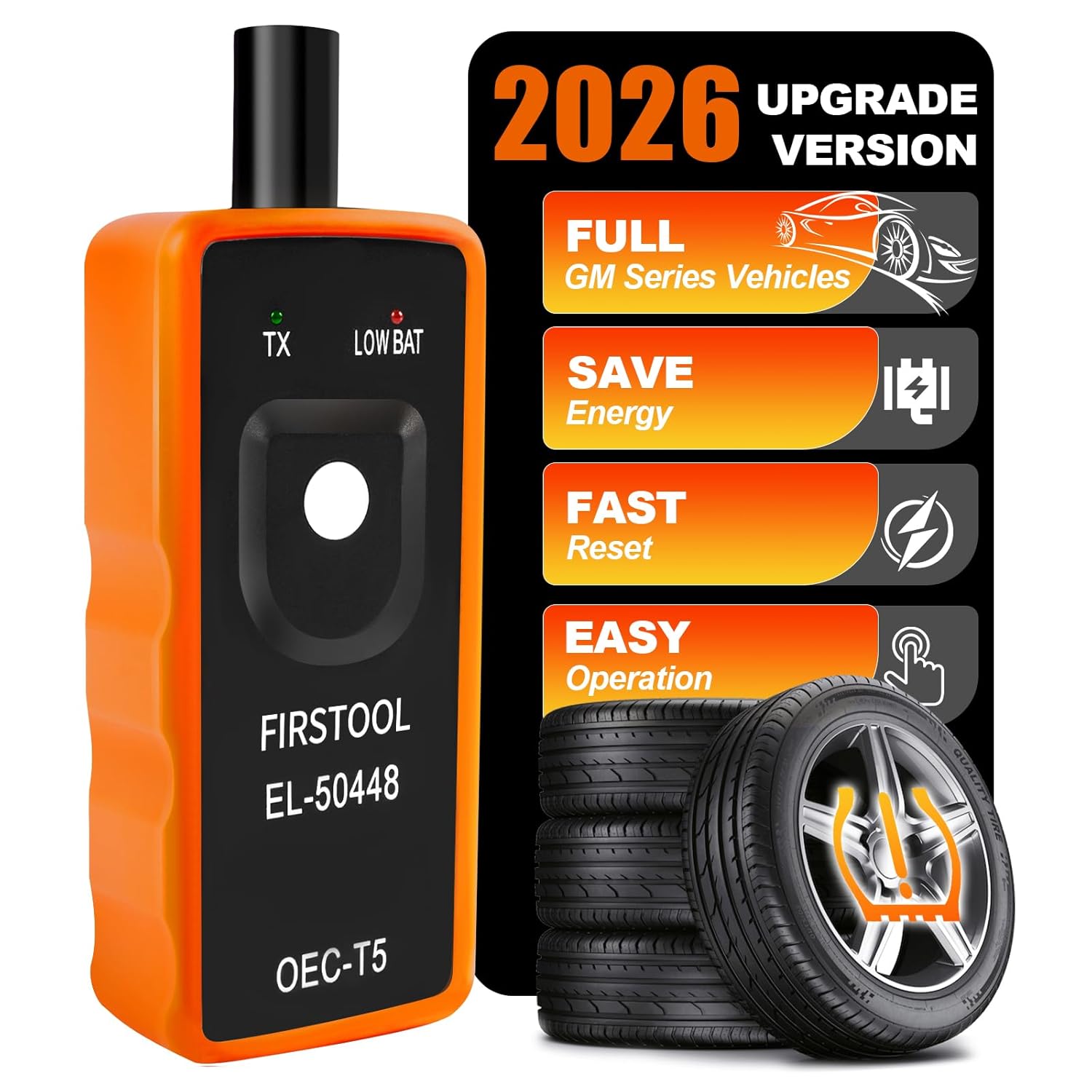
This TPMS relearn tool helps you quickly activate, match, and reset GM tire pressure sensors to keep the vehicle monitoring system working properly. It clears tire pressure alarms and dashboard warning lights after sensor replacement or tire rotation, and supports learning for common 315/433 MHz TPMS sensors. Designed for simple one-button operation, it can help you avoid unnecessary trips to repair shops.

Malco tire mounting and demounting lubricant is a ready-to-use tire lube formulated to reduce friction during tire installation for passenger cars, light trucks, farm tires, and heavy-duty equipment. It provides rust-inhibiting protection to help reduce corrosion on rims and wheels, and helps support proper tire bead seating during inflation to reduce air leakage. The silicone-free, soap-free formula is whitewall safe to help prevent discoloration on whitewall tires and sensitive sidewall markings.

Steelman white tire marking crayons provide high-contrast, semi-permanent marks for repairing and inspecting tires and equipment. They write on wet or dry, smooth or coarse surfaces including rubber, metal, glass, and wood, making them ideal for puncture location and damage outlining. The lead- and zinc-free crayons resist weather and fading yet wipe away when you no longer need the marks.
Nitrogen Fill Pricing
Compare the full service price with the practical benefit you expect. Paying a large premium is difficult to justify for most daily drivers who already check pressure monthly and have easy access to compressed air.
Nitrogen is easier to justify when it is included at little or no extra cost, when a vehicle remains stored for extended periods, or when the vehicle is used in a demanding environment where dry, predictable inflation gas has greater value.
Refill Access and Availability
Consider how easily you can obtain future top-offs. A low initial price may offer little value if the nearest participating shop is far away or has limited service hours.
Some retailers include nitrogen inflation with qualifying tire installation or maintenance plans. Eligibility and service terms can change, so check the provider’s current policy rather than assuming fills are free or available to everyone.
Where Can You Get Nitrogen for Tires?
Nitrogen inflation is available at some tire shops, dealerships, warehouse tire centers, fleet facilities, and specialty automotive service centers. Availability varies by location.
- Call the tire shop and confirm that it offers nitrogen inflation.
- Ask whether the service includes purging the existing air.
- Confirm the total price and future refill policy.
- Ask whether the spare tire will also be checked or filled.
- Keep the receipt or service record so the fill can be verified later.
A typical home air compressor supplies ordinary compressed air, not high-concentration nitrogen. Home nitrogen equipment exists, but it is rarely economical for routine passenger-car maintenance.
[Products Worth Considering]

These universal tire valve stem caps help protect your valve core from dust, debris, moisture, and corrosion, supporting more stable tire pressure. The aluminum alloy design resists long-term wear, while the sealing construction helps help prevent air leakage. They twist on easily for quick installation and help safeguard driving safety across cars, SUVs, trucks, and motorcycles.

Keep your tires performing with these valve core removal tools designed to quickly disassemble and reinstall standard valve cores. The compact, portable design makes it easy to carry for bicycle, motorcycle, car, or truck repairs. Durable stainless steel construction helps you handle routine tire maintenance with less hassle.

CKAuto valve stem caps help protect tire valve stems with a corrosion-resistant design that combines plastic inner protection with a stylish anodized aluminum exterior. They feature a rotating thread for quick installation and removal and a universal fit for most cars, trucks, SUVs, RVs, motorcycles, bicycles, and other motor vehicles. The anodized and powder-coated finish is built for durability while keeping the cap color bright.
How Often Should You Check Tire Pressure?
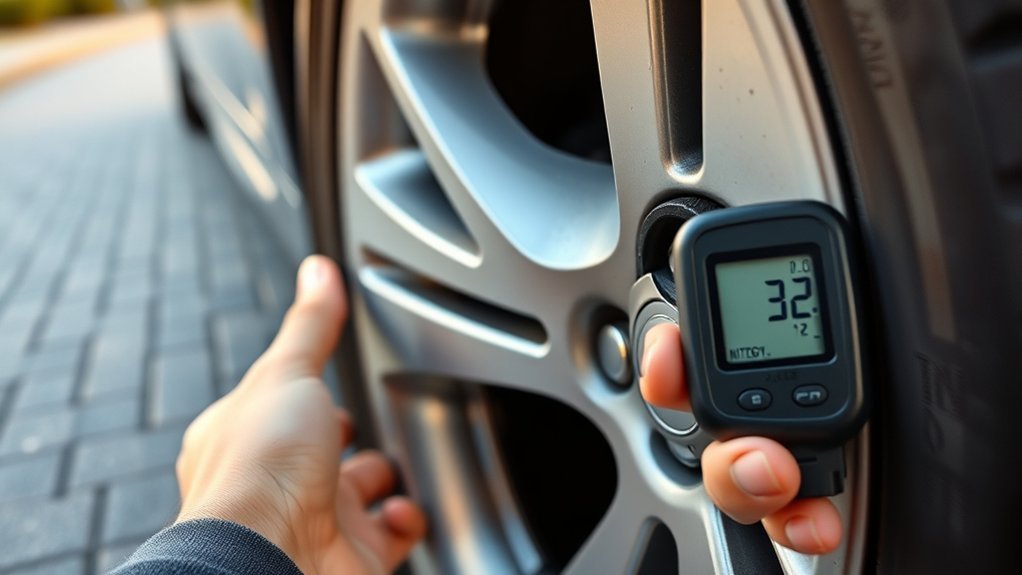
Check all tires, including the spare when accessible, at least once a month and before a long trip. Measure pressure when the tires are cold, meaning the vehicle has been parked for at least three hours or has been driven only a short distance at low speed.
| When to Check | What to Do |
|---|---|
| Every month | Measure every tire while cold and adjust to the vehicle placard. |
| Before a long trip | Check pressure, tread, visible damage, and the spare. |
| After a major temperature change | Recheck because both air- and nitrogen-filled tires change pressure with temperature. |
| When the TPMS light appears | Inspect and measure the tires promptly instead of relying on appearance. |
| After repeated pressure loss | Have the tire, valve, bead, and wheel inspected for a leak. |
Pressure commonly falls as outdoor temperatures fall and rises as temperatures increase. Nitrogen does not eliminate this basic behavior.
Is Nitrogen Worth It for Your Car?
For most everyday drivers, nitrogen is optional rather than necessary. Regular compressed air provides safe, dependable service when the tires are maintained at the correct pressure.
Nitrogen may be worth considering when:
- It is included with tire service at no meaningful extra cost.
- The vehicle is stored for long periods.
- Small changes in pressure matter in racing or another specialized application.
- Dry inflation gas is required or preferred for heavy-duty or demanding equipment.
- You have convenient access to future nitrogen top-offs.
It is probably not worth paying a substantial premium when you drive a normal passenger vehicle, check pressure monthly, and have easy access to compressed air. The maintenance habit has more effect than the gas choice.
How to Verify a Green-Capped Tire
You usually cannot confirm the current nitrogen concentration from the cap alone. To verify the service history:
- Review the tire-installation invoice or maintenance records.
- Ask the shop that installed or last serviced the tires.
- Look for a nitrogen-service sticker or note in the vehicle records.
- Ask an equipped shop to test the gas concentration if exact purity matters.
Do not release pressure simply to determine what gas is inside. Check the pressure first and add air or nitrogen as needed.
Frequently Asked Questions
Can I put air in tires with green caps?
Yes. Green caps usually indicate an original nitrogen fill, but adding ordinary compressed air is safe. Reaching the vehicle manufacturer’s recommended pressure is more important than maintaining a high nitrogen concentration.
Is it worth filling passenger-car tires with nitrogen?
Usually not if it costs substantially more than air. Nitrogen may slow natural pressure loss slightly, but monthly checks and prompt adjustments provide most of the practical benefit for an everyday vehicle.
How much does it cost to refill tires with nitrogen?
Prices vary by shop and location. Nitrogen may be included with a tire purchase, covered by a service package, charged as a flat vehicle fee, or priced per tire. Ask whether future top-offs and purging are included.
What happens if I add air to a nitrogen-filled tire?
The tire will contain a mixture of ordinary air and higher-concentration nitrogen. Nothing harmful occurs, although the small pressure-retention and dryness advantages may be reduced.
Does a green cap guarantee that the tire contains nitrogen?
No. It is a useful service marker, but caps can be replaced or moved and regular air may have been added later. Service records or a gas-concentration test provide better confirmation.
Does nitrogen improve gas mileage or tread life?
Not directly. Proper tire pressure supports fuel economy, even tread wear, and predictable handling. Nitrogen can help only indirectly if its slightly slower pressure loss keeps the tire closer to the correct pressure.
Conclusion
A green tire cap usually means the tire was originally filled with nitrogen. Nitrogen can provide slightly slower natural pressure loss and a drier internal environment, but the benefits are modest for most passenger vehicles.
You can safely add regular air whenever a tire is low. Check pressure at least monthly while the tires are cold, follow the vehicle placard rather than the tire sidewall maximum, and have repeated pressure loss inspected. Correct inflation matters far more than whether the tire contains nitrogen or ordinary air.
Sources
- National Highway Traffic Safety Administration: TireWise — monthly cold-pressure checks, placard pressure, TPMS, and tire-safety guidance.
- Bridgestone Tire FAQs — nitrogen pressure retention, moisture, mixing air and nitrogen, and monthly checks.
- Michelin: How to Check Tire Pressure — correct inflation pressure and compatibility of nitrogen with compressed air.
- Continental Tire: Nitrogen vs. Air — temperature behavior, specialized applications, and the limited everyday advantage.
- Consumer Reports: Nitrogen Tire Test — measured pressure loss in air- and nitrogen-filled tires over 12 months.
- Costco Tire Center — current nitrogen-inflation service and installation-package terms.

