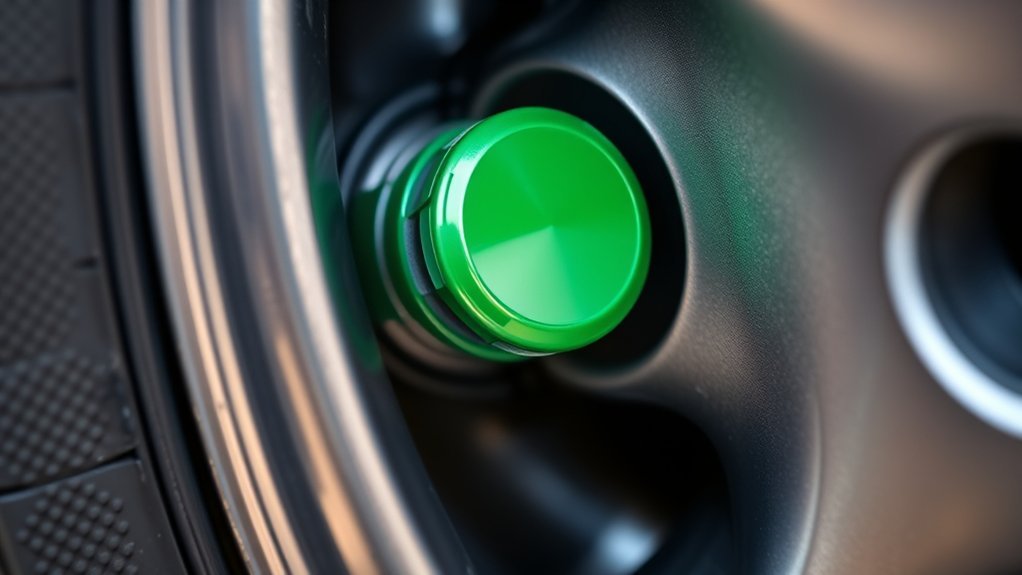
A green tire cap usually means the tire was filled with nitrogen instead of regular compressed air. Treat it as a helpful clue, not absolute proof, because valve caps can be replaced or moved. The safest move is simple: check the tire pressure cold, follow the vehicle placard, and ask the shop what was used if you want to keep the tire mostly nitrogen-filled.
Quick Answer
A green tire cap usually identifies a nitrogen-filled tire. Nitrogen can slow pressure loss compared with regular air, but it does not make tires maintenance-free. You can safely add regular air when needed. Always check pressure when tires are cold and use the pressure listed on your vehicle placard.
Key Takeaways
- A green valve cap usually means the tire was filled with nitrogen, but the cap alone does not prove what is inside.
- Nitrogen can reduce pressure loss between checks, but it does not stop normal pressure changes or leaks.
- Regular air and nitrogen can safely mix, so add air if the tire is low and nitrogen is not available.
- Use the vehicle placard or owner’s manual for tire pressure, not the maximum PSI molded on the tire sidewall.
- Nitrogen is most useful for stored vehicles, track use, fleets, or drivers who want slower pressure drift.
What Does a Nitrogen Tire Cap Mean?
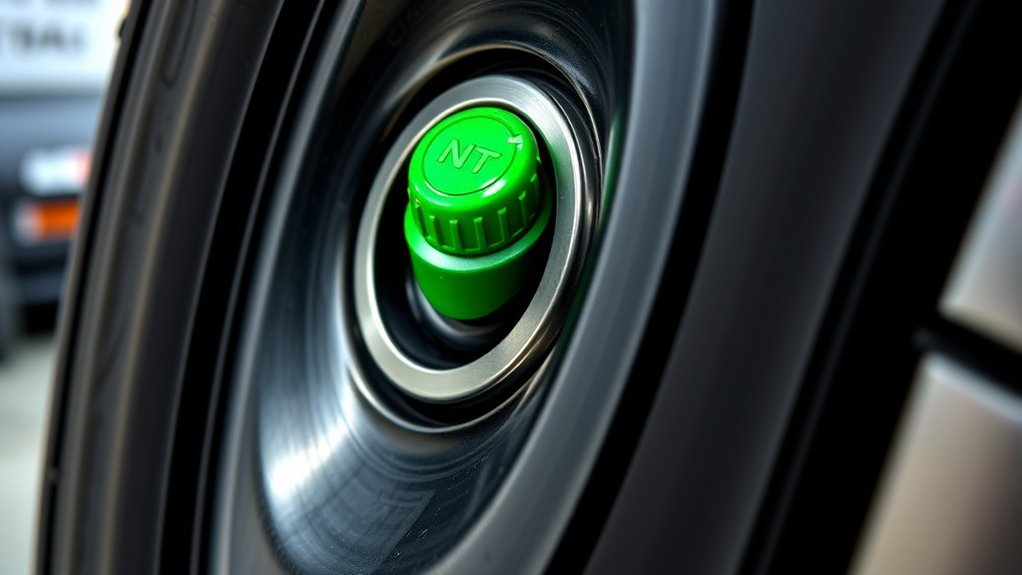
A green tire cap is a common visual marker for a tire filled with nitrogen. Tire shops use it so technicians and owners can spot nitrogen-filled tires quickly during service.
Still, the cap is only a marker. Someone can install a green cap on a tire filled with regular air, or a nitrogen-filled tire can lose its green cap. If you bought the vehicle used or you are not sure what service was done, check the service paperwork or ask a tire shop to confirm.
Note: A green cap is not a sensor, gauge, or guarantee. It only suggests the tire was marked for nitrogen service at some point.
How Nitrogen Differs From Regular Air
Regular compressed air is already mostly nitrogen. According to NASA, dry air is about 78.08% nitrogen, 20.95% oxygen, and 0.93% argon by volume. Tire-shop nitrogen is different because it is usually a much higher nitrogen concentration and contains less oxygen and moisture.
| Feature | Regular Air | Nitrogen Fill |
|---|---|---|
| Main gas | About 78% nitrogen | Usually 95% to 99% nitrogen from tire-service systems |
| Oxygen and moisture | Contains oxygen and varying moisture | Drier, with less oxygen |
| Pressure retention | Works well when checked regularly | Can slow pressure loss between checks |
| Convenience | Easy to find at most gas stations and shops | May require a tire shop or nitrogen station |
Pressure Retention Rates
The main benefit of nitrogen is slower pressure loss. In a NHTSA nitrogen inflation study, new tires filled with 95% to 99% nitrogen lost pressure at about two-thirds the rate of similar air-filled tires during a 90-day static lab test. The average loss rate was 1.39% per month for nitrogen-filled tires and 2.13% per month for air-filled tires.
Nitrogen can slow pressure loss, but it does not replace regular tire-pressure checks.
Temperature and Moisture
Nitrogen is often drier than shop air, so it may reduce moisture-related pressure variation inside the tire. That does not mean tire pressure stays fixed. Tire pressure still changes with temperature, and every tire can lose pressure through the valve, bead area, punctures, rim corrosion, or normal diffusion through the tire structure.
What Nitrogen Does Not Do
Nitrogen does not turn an old tire into a safe tire. It does not repair leaks, stop punctures, or remove the need for rotations and tread checks. It also does not create a direct fuel-economy boost by itself. Correct tire pressure is what helps rolling resistance, tire wear, handling, and fuel economy.
Why Tire Shops Use Green Caps
Tire shops use green valve caps to label tires that received nitrogen service. This helps technicians avoid confusion during rotations, seasonal tire changes, pressure checks, or refill programs.
- They identify nitrogen-filled tires at a glance.
- They remind the shop to use nitrogen if the customer paid for that service.
- They help owners remember which tires were filled with nitrogen.
- They make service records easier to match with the vehicle.
The cap color helps communication, but it should not override a pressure gauge. If the tire is low, the correct pressure matters more than keeping the gas mixture pure.
Does Nitrogen Help Tire Pressure?
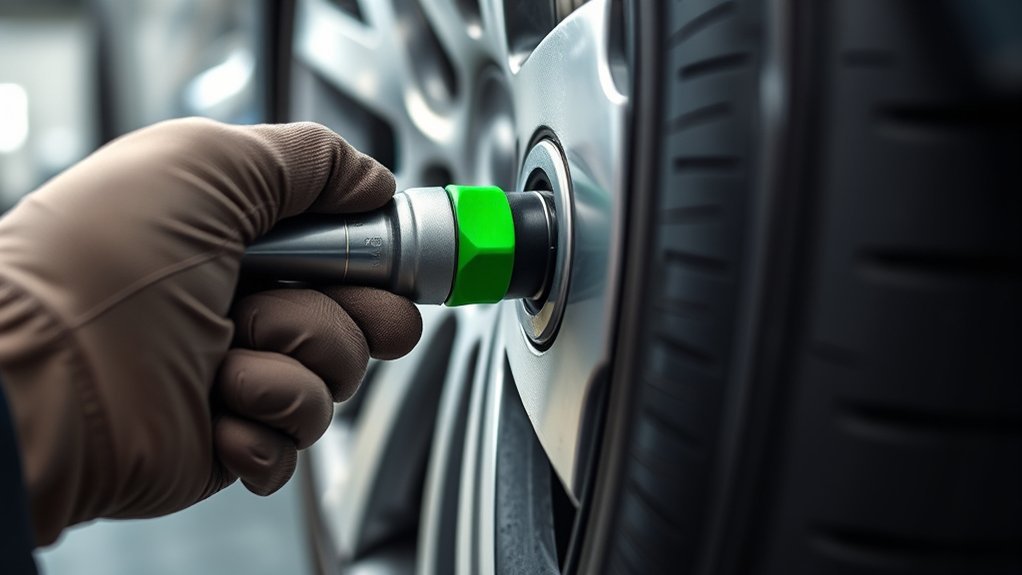
Yes, nitrogen can help a tire hold pressure longer between checks. The benefit is real, but modest for most everyday drivers. If you already check tire pressure monthly and before long trips, regular air works well.
The bigger safety issue is not whether you use nitrogen or air. It is whether the tire is inflated to the vehicle manufacturer’s recommended cold pressure. NHTSA says to check tire pressure when tires are cold and use the pressure listed in the owner’s manual or on the vehicle placard.
Warning: Do not use the maximum PSI printed on the tire sidewall as your normal target pressure. That number is the tire’s maximum pressure rating, not the vehicle’s recommended inflation pressure.
[Products Worth Considering]

Check tire pressure quickly and accurately with the Accutire MS-4021B digital gauge, featuring a large backlit LCD for easy visibility. The angled head and rubber-coated handle make it comfortable to grip, while unit switching lets you read psi, bar, kPa, or kg/cm2. An automatic shutoff helps preserve battery life, and it measures 5–150 PSI in small increments for confident tire maintenance.

Monitor tire tread wear with a smart, color-coded depth gauge that shows clear condition ranges at a glance. The bar is range marked for fast, easy readings, helping you maintain safer traction and performance. Each gauge is portable with a pocket clip, and the set includes 20 units for daily use and sharing.

Upgrade your Toyota tire setup with these corrosion-resistant, leak-proof valve stem caps designed to help protect the valve core from water, snow, and road grime. The caps feature a snug rubber seal and durable copper alloy construction to resist rust and oxidation while maintaining stable tire pressure. Ideal for replacing worn original caps and keeping your wheels looking clean and stylish.
When Nitrogen Tires Are Worth It
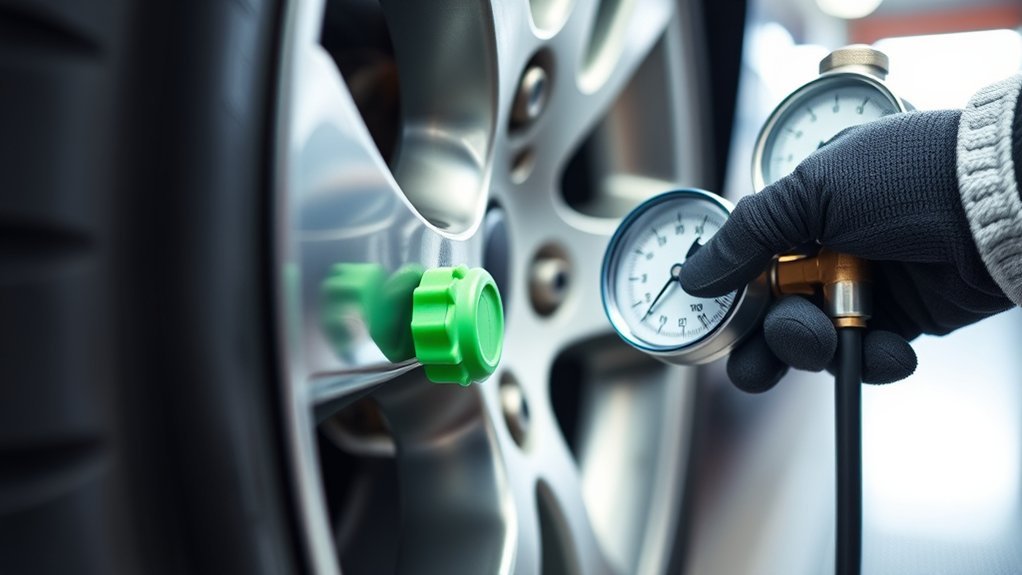
Nitrogen is most worth considering when slower pressure loss has clear value. Cooper Tire notes nitrogen may be useful for vehicles that sit unused for long periods, collectible cars, stored vehicles, and cars used on a racetrack.
Nitrogen may make sense if you:
- Store a vehicle for weeks or months at a time.
- Own a collectible or specialty vehicle that is rarely driven.
- Use the vehicle for track days or performance driving.
- Manage fleet vehicles and want more consistent pressure retention.
- Already receive free or low-cost nitrogen refills with a tire-service plan.
For a normal commuter car, nitrogen is usually optional. You will get more safety and value from checking pressure, inspecting tread, rotating tires, and fixing leaks quickly.
[Products Worth Considering]

Keep your tires properly inflated with this analog VONDIOR tire pressure gauge, designed for fast, easy readings without batteries. The swiveling, two-axis hose and large glow dial help you measure at any tire angle with instant visibility. Built with a protective rubber shield, it supports durable, low-maintenance use for cars and trucks.

These aluminum alloy tire valve stem caps protect the valve core from corrosion and help prevent air leakage for more stable tire pressure. The rubber ring design helps support a secure, safe seal while adding a stylish look to your Honda wheels. Easy to install by hand, these caps are ideal for everyday driving and weather exposure.

Steelman white tire marking crayons provide high-contrast, semi-permanent marks for repairing and inspecting tires and equipment. They write on wet or dry, smooth or coarse surfaces including rubber, metal, glass, and wood, making them ideal for puncture location and damage outlining. The lead- and zinc-free crayons resist weather and fading yet wipe away when you no longer need the marks.
Can You Mix Nitrogen and Air Safely?
Yes, you can safely mix nitrogen and regular air in a tire. Michelin says most tires can be inflated with air or nitrogen as long as you follow the vehicle manufacturer’s recommended pressure, and nitrogen and compressed air can mix when adding pressure.
Adding regular air will reduce the nitrogen concentration, so you may lose some pressure-retention benefit. That is not a safety problem. A properly inflated tire with mixed gas is safer than a low tire waiting for a nitrogen station.
Pro Tip: If a tire is low and nitrogen is not available, add regular air now. You can ask a tire shop to purge and refill with nitrogen later if you want the tire back to a higher nitrogen concentration.
How Much Nitrogen Tire Service Costs
Nitrogen tire service pricing varies by shop. Some tire retailers include nitrogen with a new tire purchase or a service plan. Others charge for the initial fill, refills, or seasonal service. Regular air is easier to find and often free or inexpensive, while nitrogen is usually less convenient and may cost more.
Before paying for nitrogen, ask three questions:
- Is the first nitrogen fill included with installation?
- Are future top-offs free, discounted, or charged per visit?
- Will the shop refill with nitrogen after rotations, repairs, or seasonal tire changes?
Avoid paying for nitrogen only because someone promises major fuel-economy gains. The practical value comes from slower pressure loss, not a direct performance upgrade.
[Products Worth Considering]

CKAuto 50 pack tire valve caps help protect your vehicle valves from dirt and corrosion while providing an airtight, leak-resistant seal. Each cap features an O-ring designed to help prevent air loss and keep out dust and debris. Universal sizing makes these caps suitable for cars, SUVs, bikes, trucks, and motorcycles, and the ridged grip design allows easy installation and removal for quick pressure checks.

AstroAI’s heavy-duty digital tire pressure gauge delivers quick, accurate readings with 0.1 increments and a secure valve-stem seal. It features a green backlit LCD and built-in flashlight for easy use in low light, plus an ergonomic non-slip stainless-steel design. The wide 0–230 PSI range works across common vehicle tires, with unit selection and an auto shut-off to save battery.
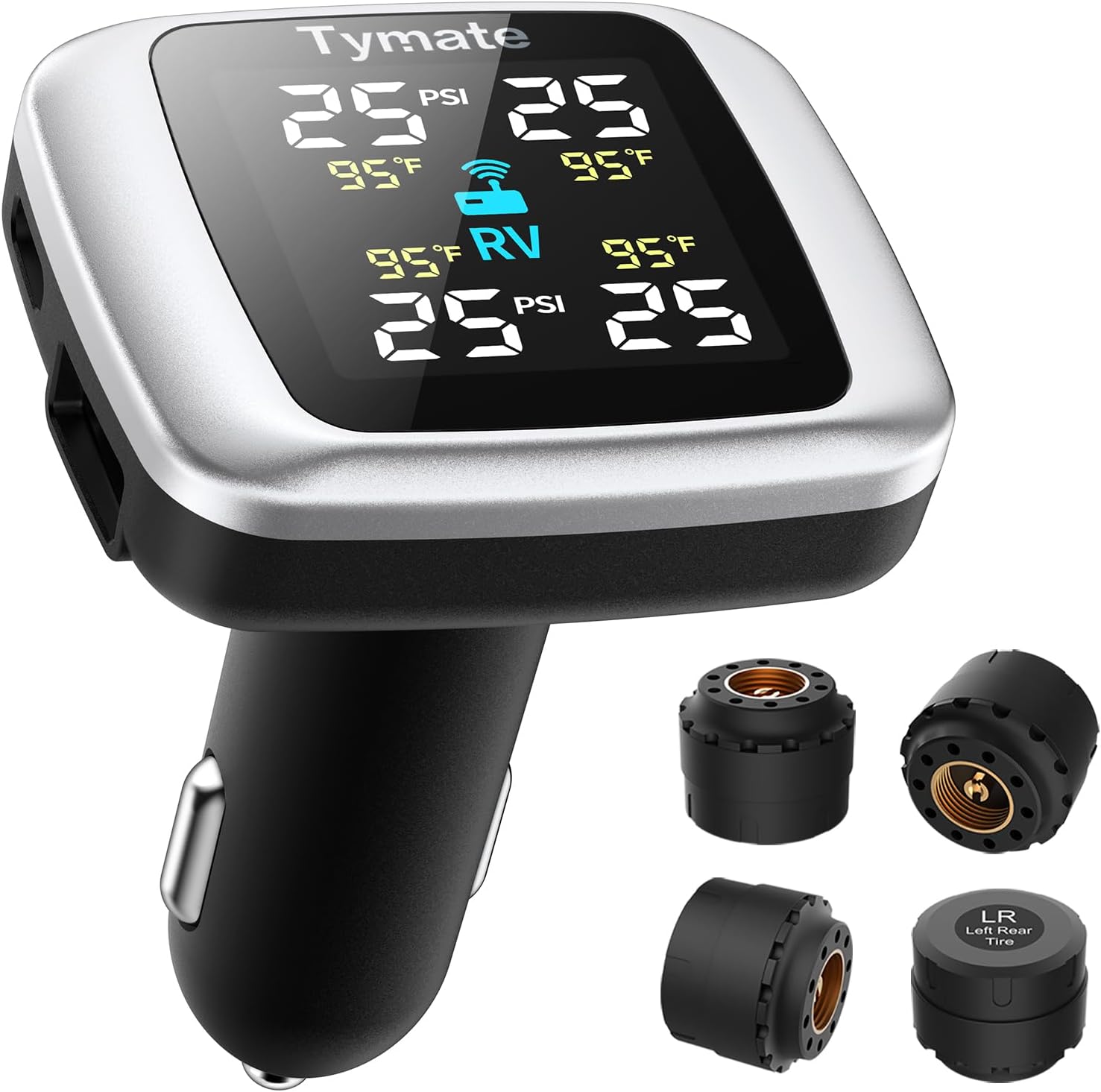
Tymate TM7 is a wireless tire pressure monitoring system that delivers real-time pressure and temperature readings for safer driving. It includes four external sensors, a bright color LCD display with adjustable backlight, and six alarm modes for high/low pressure, fast leakage, high temperature, and sensor signal or battery issues. The system covers a wide 0–144 PSI range and plugs into your vehicle’s cigarette lighter socket for quick DIY setup.
What to Check on Nitrogen-Filled Tires
Nitrogen-filled tires need the same basic maintenance as air-filled tires. Check pressure, inspect the valve cap, look for leaks, and watch tread wear.
At a Glance
| Time Required | 5 to 10 minutes |
| Difficulty | Easy |
| Tools Needed | Tire-pressure gauge, air compressor or nitrogen refill access, and the vehicle placard or owner’s manual |
| Cost | Usually free to check; refill cost depends on the shop and gas used |
How to Check Green-Cap Tires
- Check when tires are cold. Wait at least three hours after driving, or check before your first trip of the day.
- Find the correct pressure. Use the driver-door placard, fuel-door sticker, glove-box label, or owner’s manual.
- Measure each tire. Press the gauge firmly on the valve stem and record the PSI.
- Add nitrogen or air if low. Nitrogen is ideal if you want to preserve the fill, but regular air is safe when nitrogen is unavailable.
- Inspect the valve cap. Replace missing, cracked, loose, or dirty caps because valve caps help protect the valve from dust and contamination.
- Watch for repeat pressure loss. If one tire keeps dropping, have the valve stem, bead seal, tread, and wheel checked for leaks.
Maintenance Checklist
| Item | What to Inspect | Why It Matters |
|---|---|---|
| Pressure | Match the vehicle placard cold-pressure spec | Protects handling, braking, wear, and fuel economy |
| Valve cap | Tight, clean, present, and undamaged | Helps keep dirt and moisture away from the valve |
| Valve stem | No cracks, leaks, or damage | A leaking stem can cause slow pressure loss |
| Bead and rim area | No corrosion, damage, or seepage | Poor sealing can leak nitrogen or air |
| Tread and sidewall | No cuts, bulges, punctures, cracks, or uneven wear | Tire damage matters more than the inflation gas |
Nitrogen Tire Myths Most Drivers Hear
Nitrogen gets oversold, so it helps to separate useful facts from shop-counter myths.
- Myth: Nitrogen means you never check pressure. False. Monthly checks still matter.
- Myth: You cannot add regular air to a nitrogen tire. False. Air is safe to add when the tire is low.
- Myth: Green caps prove the tire contains nitrogen. False. They are only a visual marker.
- Myth: Nitrogen creates huge fuel savings. False. Any fuel benefit comes from maintaining correct tire pressure.
- Myth: Nitrogen prevents all tire aging. False. It may reduce oxygen exposure inside the tire, but age, heat, sunlight, tread wear, and damage still matter.
The best tire-maintenance habit is simple: check pressure regularly, inspect the tires often, and fix slow leaks early.
Frequently Asked Questions
Do green tire caps mean anything?
Yes. Green tire caps usually mean the tire was filled with nitrogen. They are a service marker, not a guarantee. Check the service record or ask a tire shop if you need to confirm the fill.
Can you put air in a green-cap tire?
Yes. You can put regular compressed air in a green-cap tire if the tire is low. Mixing air with nitrogen will reduce the nitrogen concentration, but it will not damage the tire.
Is it worth filling tires with nitrogen?
It can be worth it for stored vehicles, collectible cars, track use, fleet vehicles, or drivers who want slower pressure loss between checks. For normal daily driving, regular air works well when you maintain the correct pressure.
How much does nitrogen tire service cost?
The cost depends on the shop. Some retailers include nitrogen with tire installation or service plans, while others charge for fills or refills. Ask whether future top-offs are included before paying for the service.
How often should you check nitrogen-filled tires?
Check them at least once a month and before long trips. Nitrogen can slow pressure loss, but tires can still leak through punctures, valve stems, bead seals, or normal diffusion.
Will TPMS tell you if a nitrogen tire is low?
A tire pressure monitoring system can warn you when pressure is significantly low, but it does not replace manual checks. Use a gauge to confirm pressure when tires are cold.
Conclusion
A green tire cap usually means the tire was filled with nitrogen. Nitrogen can slow pressure loss and reduce moisture inside the tire, but it is not a maintenance shortcut. You can safely add regular air if the tire is low. The most important rule stays the same: check tire pressure cold, use the vehicle placard pressure, and fix leaks quickly.
Sources
- Cooper Tire: Nitrogen-inflated tires — supports green cap identification, use cases, mixing air and nitrogen, and monthly pressure checks.
- NHTSA TireWise — supports tire maintenance, pressure checks, tire damage checks, and TPMS guidance.
- NHTSA Summer Driving Tips — supports cold-pressure checks and vehicle placard pressure guidance.
- Michelin: How to Properly Inflate Your Car Tires — supports air/nitrogen mixing, monthly pressure checks, valve-cap importance, and proper inflation steps.
- NASA: The Atmosphere, Getting a Handle on Carbon Dioxide — supports dry-air composition.
- NHTSA DOT HS 811 094 nitrogen inflation study — supports nitrogen pressure-loss rates and maintenance caveats.