
What Does 115H Mean on a Tire? Load, Speed & Rating Guide
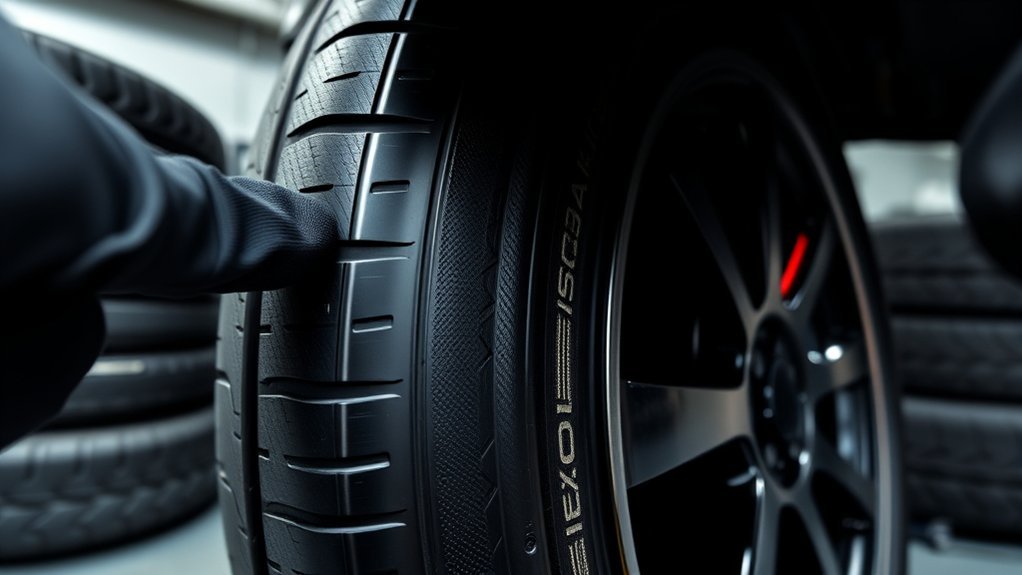
A tire marked 115H gives you two important ratings in one short code. The number 115 is the tire’s load index, which means the tire can carry up to 2,679 pounds (1,215 kg) when properly inflated. The letter H is the speed rating, which means the tire is rated for up to 130 mph (210 km/h) under proper conditions.
Quick Answer
A 115H tire has a 115 load index and an H speed rating. Load index 115 means the tire can carry up to 2,679 pounds (1,215 kg) when properly inflated. H means the tire is rated for speeds up to 130 mph (210 km/h).
Key Takeaways
- 115 is the tire’s load index, not the tire size.
- Load index 115 equals 2,679 pounds (1,215 kg) per tire when properly inflated.
- H is the speed rating, which equals 130 mph (210 km/h).
- Replacement tires should meet or exceed your vehicle’s required load index and speed rating.
- Always confirm the correct tire size, load rating, speed rating, and cold tire pressure on your door placard or in your owner’s manual.
What Does 115H Mean on a Tire?
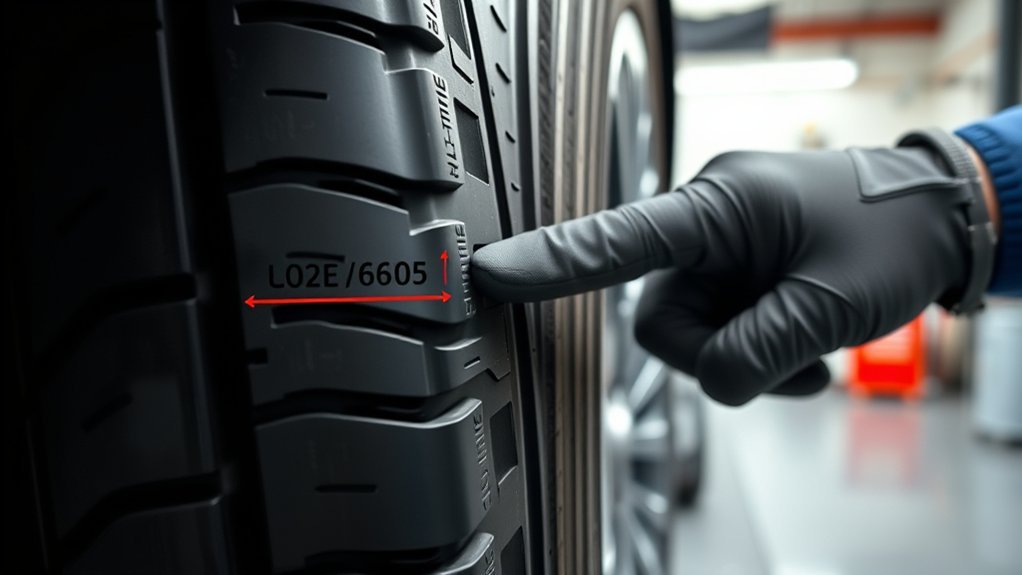
A tire code like 115H is part of the tire’s service description. It usually appears after the tire size on the sidewall, such as 235/65R17 115H. The number tells you the tire’s load capacity, and the letter tells you its speed capability.
The 115 load index means the tire can carry up to 2,679 pounds or 1,215 kilograms when inflated correctly. The H speed rating means the tire is rated up to 130 mph or 210 km/h. These ratings do not mean you should drive at that speed. They tell you the tire’s tested capability when it is undamaged, properly inflated, correctly loaded, and used in suitable conditions.
| Part of Code | Meaning |
| 115 | Load index. The tire can carry up to 2,679 lb (1,215 kg) when properly inflated. |
| H | Speed rating. The tire is rated for up to 130 mph (210 km/h) under proper conditions. |
| 115H together | The tire’s combined load and speed service description. |
[Products Worth Considering]

This manual duck head tire changer kit makes tire installation and removal simpler by letting you embed the duck head into the tire with applied pressure. The integrated design and durable steel construction help reduce friction and improve efficiency and safety during use. Suitable for 16–21 inch wheels, it’s convenient for cars, trucks, SUVs, and ATV tires, with 24-hour after-sales support.

Replace worn or missing TPMS sensors with a pre-programmed 4-pack designed for compatible GM vehicles. These 315MHz sensors provide real-time tire pressure monitoring and alert you if pressure is too high, too low, or if a rapid air leak occurs. Most installations are ready with minimal relearn effort after mounting, helping improve safety and driving confidence.

Monitor tire tread wear with a smart, color-coded depth gauge that shows clear condition ranges at a glance. The bar is range marked for fast, easy readings, helping you maintain safer traction and performance. Each gauge is portable with a pocket clip, and the set includes 20 units for daily use and sharing.
How Does Load Index 115 Work?
Load index 115 is a standardized rating that shows how much weight one tire can support. For this index, the maximum listed capacity is 2,679 pounds (1,215 kg) per tire when the tire is inflated to the correct pressure for that application.
This number matters because your tires support the vehicle, passengers, cargo, and any tongue weight from towing. If you choose a tire with too low a load index, the tire may run hotter, wear faster, handle poorly, or fail under stress.
Load Index Meaning
The load index is not the same as tire size. It is a capacity code. A higher load index usually means the tire can carry more weight, but you still need the correct size, construction, load rating, and inflation pressure for your vehicle.
For example, load index 113 is lower than 115, and load index 116 is higher than 115. That does not automatically make one tire better than another. The right choice is the one that matches your vehicle manufacturer’s specifications.
115 Capacity Explained
At load index 115, each tire is rated for 2,679 pounds. Four tires with that rating do not automatically mean your vehicle can carry four times that number as payload. Your vehicle’s gross vehicle weight rating, axle ratings, suspension, wheels, and tire pressure all still matter.
Note: Load index tells you the tire’s maximum load capacity. Load range, such as C, D, or E on many light-truck tires, refers to a different rating system tied to construction and inflation capacity. A code like 115H is a load index plus a speed rating, not a load range.
What Does H Speed Rating Mean?
An H speed rating means the tire is rated for speeds up to 130 mph (210 km/h). This rating helps describe the tire’s ability to manage heat and maintain performance at speed under controlled test conditions.
Speed rating can also affect how a tire feels. H-rated tires are often used on sedans, crossovers, SUVs, and some performance-oriented vehicles because they can support more responsive handling than many lower-rated touring tires. Still, the rating is not permission to exceed speed limits or ignore road, weather, load, or tire-condition limits.
Warning: A tire’s speed rating applies only when the tire is properly inflated, not overloaded, not damaged, and used within safe operating conditions. Underinflation, overloading, heat, road damage, or uneven wear can reduce the tire’s real-world safety margin.
Where to Find 115H on the Sidewall
You can usually find 115H molded into the tire sidewall after the tire size. It may appear in a full code such as 235/60R18 115H. The exact size will vary by tire and vehicle.
Sidewall Code Location
Look on the outer sidewall for the long size string. The load index and speed rating usually appear near the end of that string. You may also see other markings, including DOT information, maximum pressure, treadwear grades, traction grades, temperature grades, and manufacturer-specific codes.
- Find the full tire size on the sidewall.
- Look at the numbers and letter after the rim size.
- Read the load index and speed rating together, such as 115H.
- Compare the rating with your vehicle placard or owner’s manual.
Load and Speed Rating
In 115H, the load index and speed rating work together. The 115 tells you the tire’s weight capacity. The H tells you the tire’s speed capability. You should not check one and ignore the other.
If your vehicle originally came with 115H tires, a replacement should usually match or exceed both ratings unless the vehicle manufacturer or a qualified tire professional confirms another approved option.
Door Jamb Sticker Check
Your tire sidewall tells you what is installed now. Your vehicle placard tells you what the vehicle manufacturer recommends. The Tire and Loading Information Label is usually on the driver’s side door edge, door jamb, or B-pillar. Your owner’s manual may also list approved tire sizes and ratings.
- Check the tire size on the placard or owner’s manual.
- Check the required load index and speed rating.
- Check the recommended cold tire pressure.
- Buy replacement tires that meet or exceed the required ratings.
Why Tire Load Index Matters
The tire load index tells you how much weight each tire can safely carry when properly inflated. A 115 rating means the tire can carry up to 2,679 pounds.
If the load index is too low for your vehicle, the tire may flex too much under weight. That can increase heat, reduce stability, cause irregular wear, and raise the risk of tire failure. The risk becomes greater when you carry passengers, load cargo, tow, or drive in hot weather.
Correct inflation is part of the rating. A tire cannot safely carry its rated load if it is underinflated. Check your tire pressure when the tires are cold, and use the pressure listed by the vehicle manufacturer, not the maximum pressure printed on the tire sidewall.
Why Tire Speed Rating Matters
A tire’s speed rating tells you the maximum speed category the tire is designed to handle under test conditions. An H-rated tire is rated up to 130 mph (210 km/h).
The speed rating can affect steering response, braking feel, heat resistance, and stability. A lower speed rating may feel softer or less responsive, depending on the tire model and vehicle. A higher speed rating may improve response, but it can also come with trade-offs such as firmer ride quality or shorter tread life.
For daily driving, the goal is not to buy the highest possible speed rating. The goal is to use a tire that matches your vehicle’s required rating and your real driving conditions.
Can You Replace 115H With a Different Rating?
You can replace a 115H tire with a different rating only when the new tire still meets your vehicle’s requirements. In most cases, that means choosing a tire with a load index of 115 or higher and a speed rating of H or higher, unless your owner’s manual or tire professional confirms another approved option.
[Products Worth Considering]

This 62-inch extra-long car wash brush kit makes it easy to clean hard-to-reach areas on cars, trucks, SUVs, and RV roofs with lightweight, sturdy poles. It includes soft, non-scratch microfiber and bristles with protective bumpers to help prevent scratches while cleaning effectively. A rubber squeegee helps remove water stains quickly, plus a wheel/tire brush and absorbent towels for complete exterior detailing.
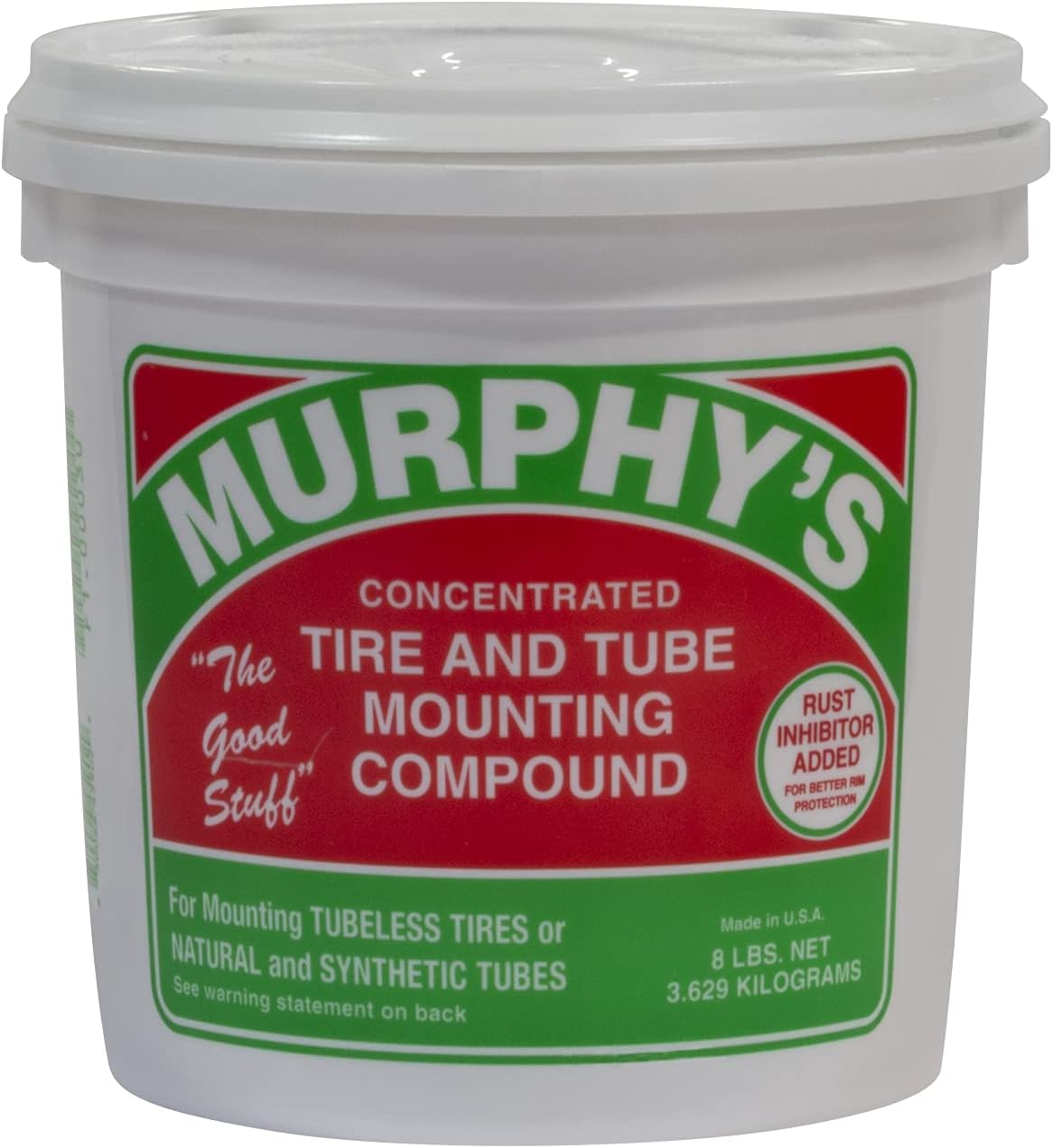
A concentrated tire and tube mounting compound designed to help simplify mounting rubber tires and tubes on passenger, semi truck, construction, and OTR applications. Its ultra-thick formula packs beads effectively and includes rust inhibitors to help protect against corrosion during use.

Steelman white tire marking crayons provide high-contrast, semi-permanent marks for repairing and inspecting tires and equipment. They write on wet or dry, smooth or coarse surfaces including rubber, metal, glass, and wood, making them ideal for puncture location and damage outlining. The lead- and zinc-free crayons resist weather and fading yet wipe away when you no longer need the marks.
Match Load Capacity
For load capacity, do not go below the required load index. If your vehicle calls for load index 115, choose 115, 116, 117, or another approved higher rating in the correct tire size. A lower index may not safely support the vehicle when loaded.
- Confirm the original tire size and rating.
- Check the vehicle placard and owner’s manual.
- Choose a replacement that meets or exceeds the required load index.
- Use the correct cold inflation pressure after installation.
Speed Rating Limits
For speed rating, staying with H or higher usually protects the handling and heat-resistance level the vehicle was designed to use. Dropping to a lower speed rating, such as T or S, may reduce the tire’s speed capability and can change the way the vehicle handles.
Some winter tire setups may use a lower speed rating if the vehicle manufacturer allows it, but that should be treated as a specific approved exception, not a general replacement rule.
When Substitutions Work
A substitution works when the new tire matches the approved size, load capacity, speed rating, wheel fitment, and tire type for your vehicle. You should also keep tires consistent across the axle and, for many all-wheel-drive vehicles, across all four positions.
Pro Tip: When comparing tires online, filter by your exact vehicle first. Then confirm the size, load index, speed rating, and tire type before looking at tread pattern, warranty, or price.
What Happens When Tire Ratings Don’t Match?
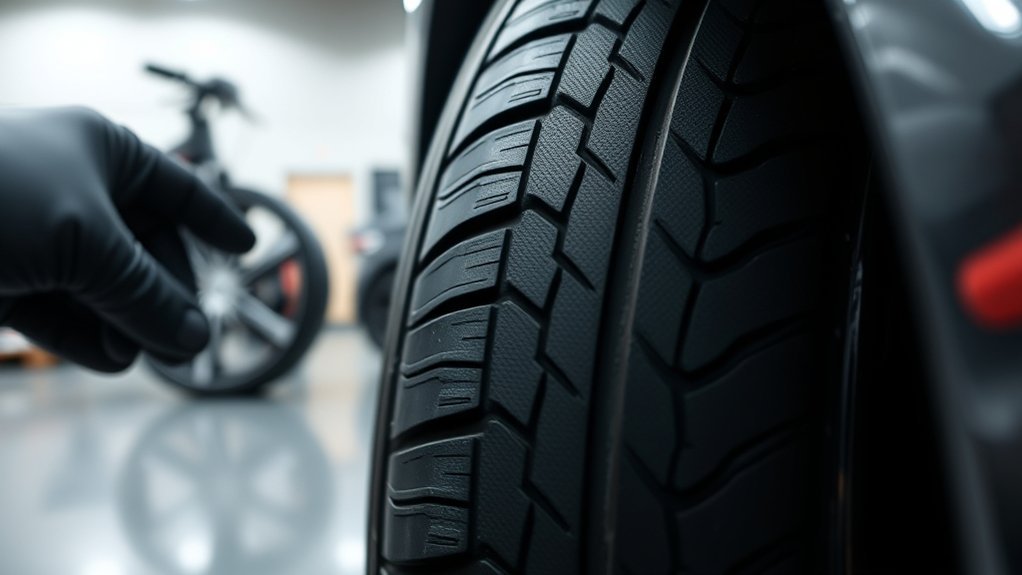
When tire ratings do not match, your vehicle may be limited by the lowest-rated tire. This can affect grip, steering response, braking balance, load capacity, and stability.
Mixing speed ratings can also make the vehicle feel less predictable because each tire may respond differently under heat, load, and cornering force. Mixing load indexes can be even more serious if one tire cannot safely carry the required weight.
For best results, keep the same tire size, load index, speed rating, and tire model across all four positions unless your vehicle was designed for a staggered setup or the manufacturer approves a different configuration.
Common Ratings Compared to 115H
The 115H rating is common on some SUVs, crossovers, vans, and heavier passenger vehicles. It carries more weight than many standard passenger-car tire ratings, while still offering an H speed rating.
| Rating | What It Means |
| 113 | 2,535 lb / 1,150 kg per tire |
| 114 | 2,601 lb / 1,180 kg per tire |
| 115 | 2,679 lb / 1,215 kg per tire |
| 116 | 2,756 lb / 1,250 kg per tire |
| H | 130 mph / 210 km/h speed rating |
| V | 149 mph / 240 km/h speed rating |
How to Choose the Right Replacement Tire
Choosing the right replacement tire starts with your vehicle, not with the tire currently installed. A previous owner or shop may have installed a different rating, so check the official vehicle information first.
- Check the vehicle placard. Look on the driver’s door edge, door jamb, or B-pillar for the Tire and Loading Information Label.
- Confirm the tire size. Match the size listed for your vehicle and wheel package.
- Match or exceed the load index. If your vehicle requires 115, do not choose a lower index unless the manufacturer approves it.
- Match or exceed the speed rating. If your vehicle requires H, use H or higher unless an approved seasonal exception applies.
- Use the correct cold tire pressure. Follow the vehicle placard or owner’s manual, not the tire’s maximum sidewall pressure.
- Keep tires consistent. Avoid mixing sizes, models, load ratings, or speed ratings unless the vehicle was designed for that setup.
If you are replacing only one or two tires, ask a tire professional whether the new tires will match the remaining tires safely. This matters more on all-wheel-drive vehicles, where tread depth differences can affect the drivetrain.
Frequently Asked Questions
Should I buy H-rated or T-rated tires?
Buy the rating your vehicle requires. H-rated tires are rated up to 130 mph, while T-rated tires are rated up to 118 mph. If your vehicle came with H-rated tires, replacing them with T-rated tires may reduce handling response and speed capability unless your owner’s manual allows it.
What does H or V mean on tires?
H and V are speed ratings. H means the tire is rated up to 130 mph or 210 km/h. V means the tire is rated up to 149 mph or 240 km/h. The number before the letter, such as 115, controls load capacity.
What does H or S mean on tires?
H and S are both tire speed ratings. H is rated up to 130 mph or 210 km/h. S is rated up to 112 mph or 180 km/h. If your vehicle requires an H-rated tire, do not switch to S unless the vehicle manufacturer or a qualified tire professional confirms it is safe and approved.
What load range is a 115S tire?
A 115S tire is not describing load range. The 115 is the load index, which equals 2,679 lb or 1,215 kg per tire. The S is the speed rating, which equals 112 mph or 180 km/h. Load range is a separate marking, often shown as a letter such as C, D, or E on light-truck tires.
Can I use a higher load index than 115?
Usually, yes, as long as the tire is the correct size and type for your vehicle. A higher load index can carry more weight, but it may also change ride feel. Always confirm wheel fitment, tire pressure requirements, and vehicle manufacturer guidance before switching.
Does 115H mean the tire is safe at 130 mph?
It means the tire has an H speed rating of 130 mph under proper conditions. It does not mean every road, load, vehicle, or tire condition is safe at that speed. Damage, underinflation, overloading, heat, worn tread, and weather can all reduce safety.
Conclusion
A 115H tire is easier to understand once you split the code into two parts. 115 is the load index, which equals 2,679 pounds (1,215 kg) per tire when properly inflated. H is the speed rating, which equals 130 mph (210 km/h).
When you replace tires, do not guess from the sidewall alone. Check your door placard or owner’s manual, then choose tires that match or exceed the required load index and speed rating. That keeps the vehicle closer to the handling, braking, and load-carrying performance it was designed to deliver.
Sources
- Tire Rack: What Is Load Index? — backs up load index meaning and load index 115 capacity.
- Tire Rack: How Do I Check a Tire’s Speed Rating? — backs up H speed rating and common speed rating values.
- NHTSA TireWise — backs up tire placard, owner’s manual, inflation, and tire-safety guidance.
[Products Worth Considering]

Upgrade your wheels with MIKKUPPA closed-end lug nuts designed for reliable fit and corrosion resistance. The one-piece, cold-forged and heat-treated steel construction helps resist rust and stripping, while the integrated finish delivers a durable black appearance. Built to OEM standards with a conical 60-degree seat, these nuts provide a secure solution for compatible Ford, Honda, Jeep, and Chevrolet models.

The 22800 wheel stud installer makes replacing wheel studs quick and secure, saving time and effort during tire service. It uses a ratchet or impact wrench to pull new studs firmly into place, helping when existing studs are too long. Compatible with most automotive wheels and light-duty truck wheel studs, it’s designed for easy, tool-assisted installation.

Measure tire tread depth quickly and accurately with this LUMITECO dial gauge that reads in 1/32" increments up to 14/32". The color-coded green/yellow/red zones make it easy to judge tire wear and know when replacement is needed. A rugged, compact design with a protective pouch helps keep the gauge ready for use on cars, trucks, motorcycles, and more.

Related Articles
Slashed Tire or Blowout? How to Tell the Difference
A slashed tire or blowout? Spot the clues fast, but one subtle sign could change everything.
Read More
How to Break a Car Window in an Emergency Safely
After an emergency, a few simple moves can break a car window safely—but one crucial choice could change everything.
Read More
How to Buy Car Insurance: Coverage Guide for Beginners
Choose the right car insurance coverage and compare smarter to avoid costly gaps—discover the key details beginners often miss.
Read More