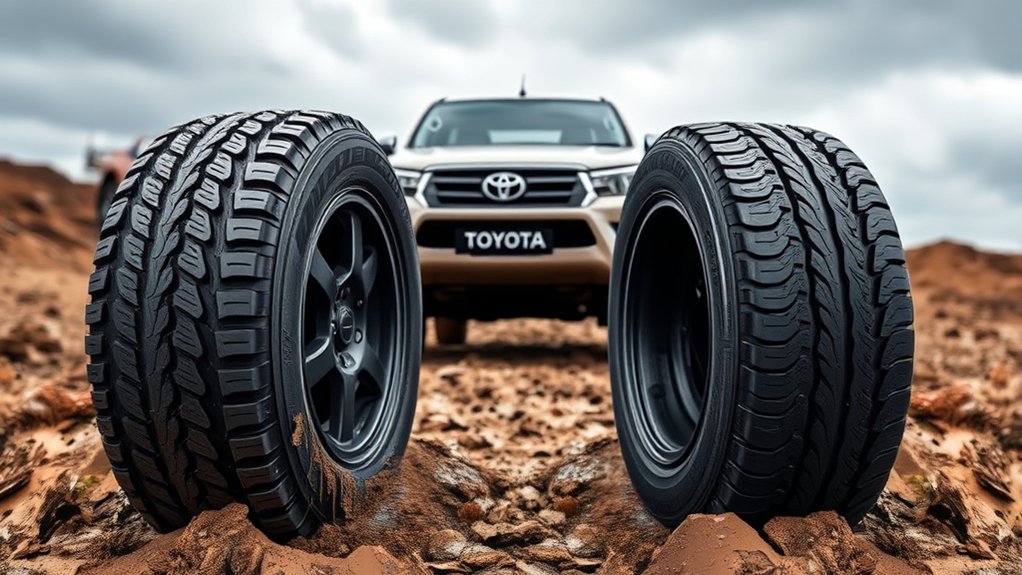
Choosing tires for your Toyota Hilux is not just about picking a tread pattern that looks tough. Your truck may carry tools, tow a trailer, run on gravel, or face wet roads and cold mornings, so the right tire needs the correct size, load rating, and weather capability.
For many Hilux drivers, the real question is whether all-weather tires are a better choice than all-season tires. The answer depends on your climate, your payload, your road conditions, and whether you need verified snow traction or mostly quiet highway comfort.
Quick Answer
All-weather tires usually make more sense for a Toyota Hilux if you drive through rain, slush, light snow, and changing temperatures. All-season tires can still suit warm climates and highway use, but choose a tire with the Three-Peak Mountain Snowflake symbol if winter traction matters.
Key Takeaways
- All-weather tires work best when you want one year-round tire with better verified snow traction than a typical all-season tire.
- All-season tires can be quieter, longer-wearing, and more efficient in mild or warm climates, but many are not built for harsh winter roads.
- For a Hilux, always match the correct tire size, load index, speed rating, and cold inflation pressure from the door placard or owner’s manual.
- If you tow, haul, or drive off-road, a 3PMSF-rated all-terrain tire may fit your use better than a road-focused all-weather tire.
- Do not rely on tire category names alone. Check the sidewall markings, tire maker specifications, and local winter-equipment rules before buying.
Understanding All-Weather vs All-Season Tires
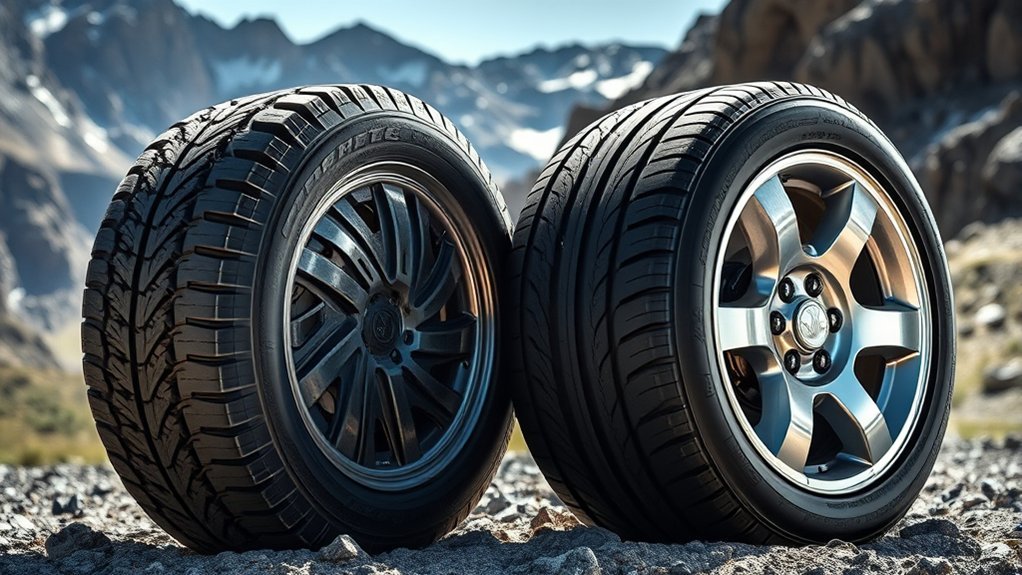
All-weather and all-season tires sound similar, but they are not the same. A typical all-season tire is designed for dry roads, wet roads, and mild cold weather. It may have some mud-and-snow capability, but it does not automatically meet a severe-snow traction standard.
An all-weather tire is built to cover a wider temperature range. Many all-weather tires carry the Three-Peak Mountain Snowflake, or 3PMSF, Alpine symbol, which shows the tire meets a defined severe-snow traction requirement. You should still confirm the symbol on the tire sidewall or product specification before buying.
The M+S marking is not the same as 3PMSF. M+S usually points to a tread design intended for mud and snow conditions, while 3PMSF points to a tested severe-snow traction requirement. For a Hilux that sees real winter roads, the 3PMSF symbol matters more than the name printed on the tire listing.
That symbol helps if your Hilux sees winter roads, mountain routes, or sudden snow. However, 3PMSF does not mean the tire is unbeatable on ice. If you regularly drive on packed ice, deep snow, or long subfreezing routes, dedicated winter tires remain the safer choice.
Warning: Never choose a Hilux tire by weather label alone. The tire must also match the correct size, load index, speed rating, rim fitment, and inflation guidance for your specific model year and trim.
Quick Comparison: All-Weather, All-Season, Winter, and All-Terrain Tires
| Tire Type | Best For | Main Trade-Off |
| All-weather | Year-round driving with rain, cold, slush, and light to moderate snow. | May wear faster or ride louder than a comfort-focused all-season tire. |
| All-season | Warm or mild climates, highway driving, commuting, and long tread life. | Often weaker in snow and freezing conditions unless it also has 3PMSF. |
| Winter | Frequent snow, ice, mountain passes, and long periods below freezing. | Not ideal for warm weather and usually requires seasonal swapping. |
| All-terrain | Gravel, dirt, job sites, farms, towing, trails, and mixed road use. | Can be heavier, louder, and less efficient than highway-focused tires. |
[Products Worth Considering]

Check tire pressure with the Milton S-925 pencil gauge built for trucks, RVs, and bicycles. It features a single-head chuck with a built-in deflator valve, and it displays readings in both PSI and kPa for convenient use. The gauge is designed for accurate, repeatable pressure checks within its working range.

Keep your tires properly inflated with this analog VONDIOR tire pressure gauge, designed for fast, easy readings without batteries. The swiveling, two-axis hose and large glow dial help you measure at any tire angle with instant visibility. Built with a protective rubber shield, it supports durable, low-maintenance use for cars and trucks.

The SAFELIFE dial tire tread depth gauge measures tread depth in 1/32 inch increments with clear, easy-to-read 2-inch dial face. Color zones using a traffic light system help you quickly judge whether tread is low, marginal, or ample for safer driving. Built with a durable zinc cast body and a metal detect probe for precise, comfortable use across cars, motorcycles, trucks, and buses.
Why All-Weather Tires Can Make Sense for a Hilux
All-weather tires are a strong fit if your Hilux sees mixed weather but you do not want to change tires twice a year. They suit drivers who face cold rain, occasional snow, wet highways, and changing shoulder-season temperatures.
The biggest advantage is traction balance. A good all-weather tire keeps more winter capability than a standard all-season tire while still working during warmer months. That makes it useful for a Hilux that handles daily driving, weekend trips, and unpredictable weather.
The 3PMSF symbol is useful because it shows the tire passed a defined severe-snow traction requirement, not just a marketing claim.
All-weather tires can also reduce the hassle of seasonal swaps. If your winters are moderate and your roads get cleared quickly, one 3PMSF-rated set may be enough. If your Hilux works in harsh winter regions, winter tires are still the better tool.
Where All-Season Tires Still Work Well
All-season tires are not automatically a bad choice. They can work well for Hilux drivers in warm, dry, or mild climates where snow is rare. They often focus on low road noise, stable highway manners, long wear, and fuel efficiency.
If you mostly drive paved roads, carry light loads, and rarely see freezing weather, a quality all-season or highway-terrain tire may feel smoother than a more aggressive all-weather or all-terrain option. The key is being honest about your weather. A mild-weather tire can become the wrong choice fast when roads turn icy or snowy.
Note: Some tire names blur the line between categories. Instead of trusting the label, check the sidewall, 3PMSF marking, load rating, speed rating, and the tire maker’s intended use.
How to Choose by Climate and Hilux Use
Your best tire choice depends on how your Hilux actually works. A city commuter, farm truck, trail rig, and towing setup may all need different tire priorities, even if they share the same model name.
- Mostly warm highways: Choose a quality all-season or highway-terrain tire if you want low noise, smoother ride quality, and long tread life.
- Rain, cold mornings, and occasional snow: Choose an all-weather tire with 3PMSF if you want one set for changing weather.
- Regular snow, ice, or mountain driving: Choose dedicated winter tires, and check local winter tire or chain rules before traveling.
- Gravel, work sites, and towing: Consider a light-truck or all-terrain tire with the right load rating. A 3PMSF-rated all-terrain tire can add winter confidence.
- Heavy accessories: If your Hilux has a canopy, drawers, bull bar, winch, rooftop tent, or constant cargo, review your actual load needs before choosing.
Try to keep all four tires the same type, size, load rating, and similar tread depth. Mixing all-season, all-weather, winter, and all-terrain tires can affect braking, traction, and stability, especially in rain or snow.
[Products Worth Considering]

These aluminum alloy tire valve stem caps with an O-ring seal help protect valve stems from corrosion while adding a clean, stylish look to your vehicle. The universal fit works across cars, trucks, motorcycles, bicycles, and more, making them an easy upgrade for everyday driving and off-road use. Installation is quick, and the included four-pack keeps all your tires dressed and protected.

This 2-pack closed-flow locking air chuck set delivers controlled airflow only when the valve stem is held in place, helping prevent leaks during inflation. Made for heavy-duty use with a 300 PSI maximum rating, it features a brass body for corrosion resistance and long service life. The 1/4" FNPT connection and quick-plug compatibility make it convenient for use with Schrader valve systems and common truck, RV, and auto air compressors.

Milton S-921 pencil tire pressure gauge helps you maintain optimal tire pressure for passenger cars with accurate readings in PSI and kPa. It features a built-in deflator valve for convenient pressure adjustments, plus a single chuck head and nylon indicator bar for easy use on the go. Built from durable plated brass and designed for reliable performance, it’s a practical road trip and cold-weather maintenance tool.
Check Hilux Tire Size, Load Rating, and Pressure First
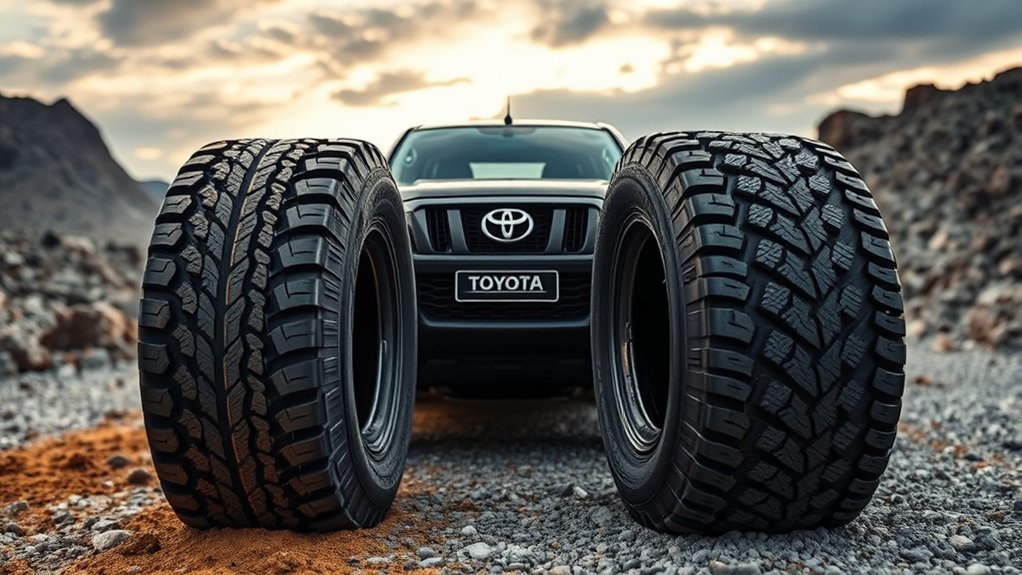
Before comparing tread patterns, check the basics for your exact Hilux. Different model years, trims, wheel sizes, and markets can use different tire sizes. Your safest starting point is the Tire and Loading Information Label on the driver’s door area or the owner’s manual, as recommended by NHTSA tire safety guidance.
- Tire size: Match the approved size for your wheel and trim unless a qualified tire shop confirms a safe alternative.
- Load index or load range: Choose a tire that can handle your Hilux, passengers, cargo, accessories, and trailer tongue weight.
- Speed rating: Do not downgrade below the rating required for your vehicle and local regulations.
- LT vs. P-metric: Some Hilux uses may need light-truck tires, especially for heavier loads, work use, or rough roads.
- Cold inflation pressure: Use the vehicle placard pressure, not the maximum pressure molded on the tire sidewall.
If you are changing tire size, load range, or wheel diameter, ask a qualified tire shop to confirm clearance, load capacity, speed rating, and inflation requirements. Upsizing can change ride quality, speedometer accuracy, gearing feel, and spare-tire fit.
[Products Worth Considering]

Monitor tire tread wear with a smart, color-coded depth gauge that shows clear condition ranges at a glance. The bar is range marked for fast, easy readings, helping you maintain safer traction and performance. Each gauge is portable with a pocket clip, and the set includes 20 units for daily use and sharing.

The Kurgo Seasonal Tire Tote helps protect your car interior, clothes, and garage from tire grime, brake dust, and residue during seasonal tire changes. Its universal design fits most passenger tires between 22" and 31" in diameter, making storage and transport simpler with less mess. Built for rugged, repeated use, it’s machine washable for easy care and comes with a lifetime warranty.

Measure tire tread depth quickly and accurately with this LUMITECO dial gauge that reads in 1/32" increments up to 14/32". The color-coded green/yellow/red zones make it easy to judge tire wear and know when replacement is needed. A rugged, compact design with a protective pouch helps keep the gauge ready for use on cars, trucks, motorcycles, and more.
Which Tire Type Should You Choose for Your Driving?
Choose all-weather tires if your Hilux spends most of its time on paved roads but still faces rain, slush, light snow, and cold mornings. Look for the 3PMSF symbol and a load rating that fits your truck.
Choose all-season tires if you live in a warm region, rarely see snow, and value quiet ride quality, tread life, and fuel economy. This choice works best for highway driving and lighter-duty use.
Choose winter tires if your Hilux regularly sees ice, deep snow, steep winter roads, or long periods below freezing. A dedicated winter tire gives better cold-weather grip than a do-it-all tire.
Choose 3PMSF-rated all-terrain tires if your Hilux needs gravel-road toughness, job-site durability, light trail ability, and winter traction. This is often the best middle ground for drivers who need both truck capability and snow confidence.
Pro Tip: If your Hilux carries heavy accessories such as a canopy, drawer system, bull bar, winch, or rooftop tent, review your actual axle loads before choosing a tire. Extra weight can change what load rating you need.
Maintenance Tips for Extending Tire Life
Good maintenance matters as much as tire category. Underinflation, poor alignment, skipped rotation, and overloaded driving can wear out even premium tires early.
- Check pressure monthly: Measure all tires, including the spare, when they are cold. NHTSA recommends checking pressure at least once a month.
- Use the placard pressure: The correct pressure is the vehicle maker’s cold inflation pressure, not the maximum pressure printed on the tire.
- Watch tread depth: Replace tires when tread reaches 2/32 inch. For winter traction, consider replacing earlier because shallow tread reduces snow and water evacuation.
- Rotate on schedule: If your owner’s manual or tire maker recommends rotation, follow that schedule. NHTSA notes that 5,000 to 8,000 miles is a common rotation range when recommended.
- Inspect for damage: Look for cuts, bulges, cracks, punctures, uneven wear, and sidewall damage after off-road trips or heavy hauling.
- Check alignment and balance: If the Hilux pulls, shakes, or wears one shoulder quickly, have a qualified shop inspect alignment, balance, and suspension parts.
Proper inflation also helps running costs. FuelEconomy.gov states that keeping tires inflated to the proper pressure can improve gas mileage by 0.6% on average and up to 3% in some cases. It also notes that underinflated tires can lower gas mileage by about 0.2% for every 1 psi drop in average tire pressure.
Common Mistakes to Avoid
- Buying by tread look only: Aggressive tread does not always mean better wet braking, snow grip, or load capacity.
- Ignoring the load rating: A Hilux used for towing or hauling needs tires that can safely carry the load.
- Mixing tire types: Avoid mixing all-weather, all-season, winter, and all-terrain tires unless a tire professional confirms it is safe.
- Assuming 3PMSF means ice-proof: The symbol helps with severe-snow confidence, but ice still requires caution and may call for dedicated winter tires.
- Skipping spare tire checks: A flat spare is useless when you need it most, especially on remote roads.
- Ignoring local winter rules: Some regions and mountain routes require winter-rated tires, chains, or other traction devices during certain conditions.
Frequently Asked Questions
Are all-weather tires better than all-season tires for a Hilux?
All-weather tires are usually better if your Hilux sees cold rain, slush, or snow because many carry the 3PMSF severe-snow symbol. All-season tires can still be better for warm climates, quiet highway use, and long tread life.
Do all-weather tires replace winter tires?
Not always. All-weather tires can work well in moderate winter conditions, but dedicated winter tires are still the better choice for regular ice, deep snow, steep winter roads, and long periods below freezing.
How do all-weather tires perform off-road?
All-weather tires can handle light gravel and poor weather, but they are not automatically off-road tires. If your Hilux often sees dirt, rocks, mud, farms, or job sites, look for a 3PMSF-rated all-terrain tire instead.
Do all-weather tires wear faster than all-season tires?
They can, depending on the tire model, compound, vehicle load, alignment, pressure, and driving style. Many all-season tires prioritize long wear, while all-weather tires often trade some wear life for better cold-weather and snow capability.
Can I use all-weather tires year-round in a warm climate?
Yes, but they may not be the best value if you rarely drive in cold weather. In hot, dry, or mild regions, a quality all-season or highway-terrain tire may ride quieter, last longer, and suit your Hilux better.
Should I choose LT tires for my Hilux?
Choose LT tires only if they match your Hilux size, load needs, and driving use. They can make sense for heavy loads, towing, rough roads, and work use, but they may ride firmer than passenger-focused tires.
Is a 3PMSF all-terrain tire better than an all-weather tire?
It can be better if your Hilux sees gravel, dirt, job sites, towing, or light trail use. A road-focused all-weather tire may feel quieter and smoother on highways, while a 3PMSF all-terrain tire adds toughness and mixed-surface traction.
Can I mix all-season and all-weather tires on a Hilux?
Avoid mixing tire categories unless a qualified tire professional confirms it is safe for your setup. Different tread patterns, compounds, and traction levels can affect braking, stability, and handling in wet or snowy conditions.
Sources
- NHTSA TireWise — tire size, tire pressure, tread depth, rotation, alignment, and general tire-type safety guidance.
- 49 CFR §571.139 — federal tire safety standard language related to tire markings and severe-snow traction requirements.
- FuelEconomy.gov — tire inflation and fuel-economy guidance.