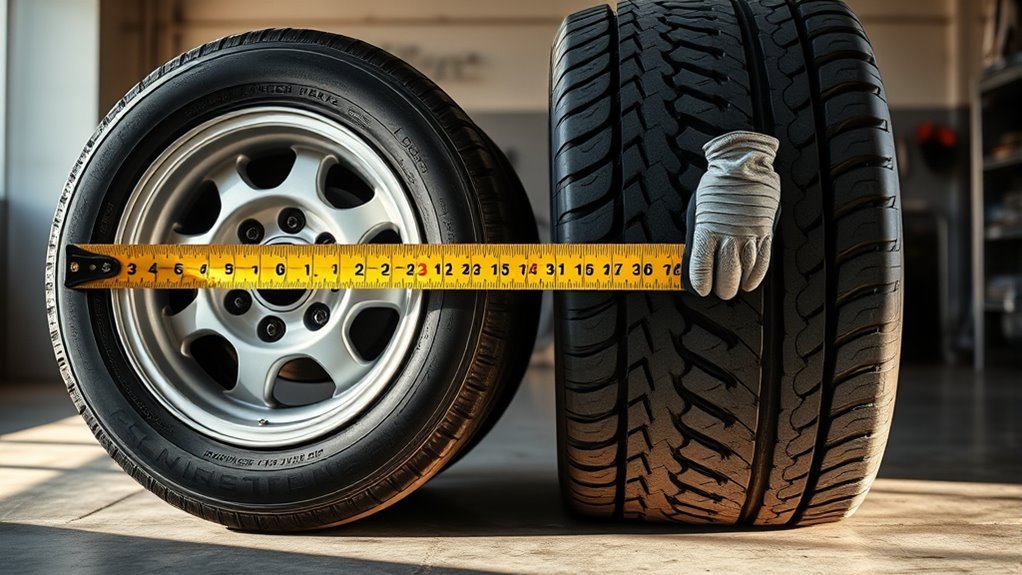
You should not replace trailer tires with regular car tires for normal road use. Trailer tires are built for steady vertical loads, heat control, and straight-line stability, while passenger tires are built for steering, braking, ride comfort, and cornering. The safer choice is usually an ST-rated trailer tire in the size, load range, speed rating, and cold inflation pressure listed on your trailer placard, owner’s manual, or tire sidewall.
Quick Answer
No, you should not use passenger car tires on a trailer unless the trailer manufacturer specifically allows it and the tire’s adjusted load capacity meets the trailer axle rating. Use ST trailer tires, or properly rated LT tires only when they match the trailer’s load, rim, pressure, and clearance requirements.
Key Takeaways
- ST means Special Trailer. These tires are designed for trailer axles, heavier static loads, and reduced sidewall flex.
- Passenger tires marked P are not built for typical trailer duty. Federal rules also require passenger tire load ratings to be reduced when used on a trailer or similar non-passenger application.
- The right tire is the one that matches your trailer placard, GAWR, rim rating, speed rating, and cold inflation pressure.
- LT tires can work on some trailers only when the trailer maker or tire professional confirms the load, pressure, rim, and clearance are correct.
- Check cold pressure before trips, inspect for cracks or bulges, and use the DOT date code to track tire age.
At a Glance
| Time Required | 10–20 minutes to inspect tire markings and compare ratings |
| Difficulty | Easy for basic checks; moderate if changing size or tire type |
| Tools Needed | Tire pressure gauge, trailer placard or owner’s manual, flashlight, load/rim rating information |
| Cost | Inspection is free; replacement cost depends on tire size, load range, and brand |
Quick Answer: Which Tire Should You Use on a Trailer?
Use an ST-rated trailer tire that matches the trailer manufacturer’s specified tire size, load range, speed rating, rim diameter, and cold inflation pressure. Start with the trailer’s tire and loading placard or owner’s manual. Federal tire-selection rules focus on preventing tire overloading, and trailer tire capacity must be matched to the axle load, not guessed from appearance alone. 49 CFR § 571.110
For most utility trailers, boat trailers, campers, livestock trailers, and cargo trailers, that means ST tires rather than passenger car tires. ST tires have construction, sidewalls, and load ratings intended for trailer service. Some heavy-duty trailers can use LT tires, but only when the LT tire meets or exceeds the required load capacity at the correct cold inflation pressure and is approved for the trailer’s rim and use.
Warning: Do not choose a trailer tire by tread depth alone. Trailer tires can age, crack, or weaken internally even when the tread still looks usable, especially if the trailer sits loaded for long periods.
How to Tell Trailer Tires From Car Tires at a Glance
The quickest check is the tire sidewall. Trailer tires normally begin with ST, passenger car tires begin with P, and light-truck tires begin with LT. That code tells you the tire’s intended service category before you look at the tread or price.
Sidewall Code Check
Look for the tire size on the sidewall. A marking like ST205/75R15 means the tire is a Special Trailer tire. A marking like P205/75R15 means passenger tire. A marking like LT225/75R16 means light-truck tire. The code is not decoration; it tells you how the tire was designed and rated.
The load range, maximum load, maximum cold inflation pressure, speed rating, DOT date code, and rim size are also molded into the sidewall. If any of those details do not match the trailer’s requirements, the tire is not the right choice.
Tread and Width
Trailer tires often have simpler, straighter tread patterns designed for tracking behind a tow vehicle. Passenger tires usually have wider tread faces, more siping, and tread patterns designed for steering, wet grip, braking, and cornering. These visual cues can help, but they should never replace the sidewall code and load rating.
- ST tires: built for trailer axles, straight tracking, and load carrying.
- P tires: built for passenger vehicles, ride comfort, steering, and braking.
- LT tires: built for trucks and some heavy-duty towing or hauling applications, but not automatically correct for every trailer.
- Load range: identifies the tire’s load class and pressure requirement.
- Speed rating: identifies the tire’s tested maximum speed capability, not a recommendation to tow that fast.
Sidewall Thickness and Stiffness
ST trailer tires generally use stiffer sidewalls than passenger tires. That stiffness helps the trailer resist sway and sidewall flex while carrying a steady vertical load. Passenger tires are more flexible because a car tire must help absorb bumps and respond to steering and braking forces. That flexibility can become a problem on a trailer because excess sidewall movement creates heat and instability.
How Tire Construction Affects Load, Heat, and Sway Resistance
Tire construction affects three major trailer-safety issues: load capacity, heat buildup, and sway control. A trailer tire spends much of its life carrying weight in one direction behind a tow vehicle. It does not steer like a front tire, drive like a powered axle tire, or corner like a passenger vehicle tire.
Sidewall Strength and Load
ST tires are built to carry trailer loads with less sidewall flex. That matters because a loaded trailer places constant weight on the tires, often while the trailer is bouncing, turning, or sitting in storage. The tire’s maximum load rating must be high enough for the trailer’s axle load. For trailers over 10,000 pounds GVWR, federal rules state that the sum of tire load ratings on an axle must be at least the axle’s GAWR. 49 CFR § 571.120
If a passenger car tire is used on a trailer, federal rules require its load rating to be reduced by dividing by 1.10 before comparing it with the axle rating. That derating is one reason a tire that looks strong enough on paper may not be suitable for trailer use.
A passenger tire’s listed load rating is not the number you should use for trailer fitment. In trailer applications, the rating must be reduced before comparing it with axle requirements.
Heat Build-Up and Inflation
Heat is one of the biggest enemies of trailer tires. Underinflation, overloading, excessive speed, old tires, and damaged sidewalls can all increase heat. NHTSA recommends checking pressure when tires are cold and using the vehicle manufacturer’s recommended cold inflation pressure from the placard, certification label, or owner’s manual. NHTSA TireWise
Many ST tires require higher cold inflation pressure than passenger tires, but not all trailer tires use the same pressure. Smaller trailer tires may call for 50 psi, larger load-range tires may use 65–80 psi, and some heavy-duty trailer tires may require 95–110 psi or more. Always follow the pressure required for your specific tire, rim, and trailer load.
Note: The pressure molded on the tire sidewall is the pressure associated with that tire’s maximum load rating. Your trailer placard, owner’s manual, tire load table, and wheel pressure rating should all be checked before changing tire size or pressure.
Sway Control and Stability
Trailer sway can come from poor loading, high speed, crosswinds, worn suspension, low tongue weight, or the wrong tires. Stiffer ST sidewalls help reduce lateral flex, but tires are only one part of the system. A correctly loaded trailer, proper tongue weight, sound suspension, matched tires, and correct inflation all work together.
- Keep trailer weight within GVWR and each axle within GAWR.
- Use tires with enough load capacity for the real loaded trailer weight.
- Inflate tires when cold before towing.
- Do not mix tire sizes, construction types, or load ranges on the same axle.
- Slow down if the trailer begins to sway; do not accelerate through sway.
Why Passenger Tires Fail on Trailers
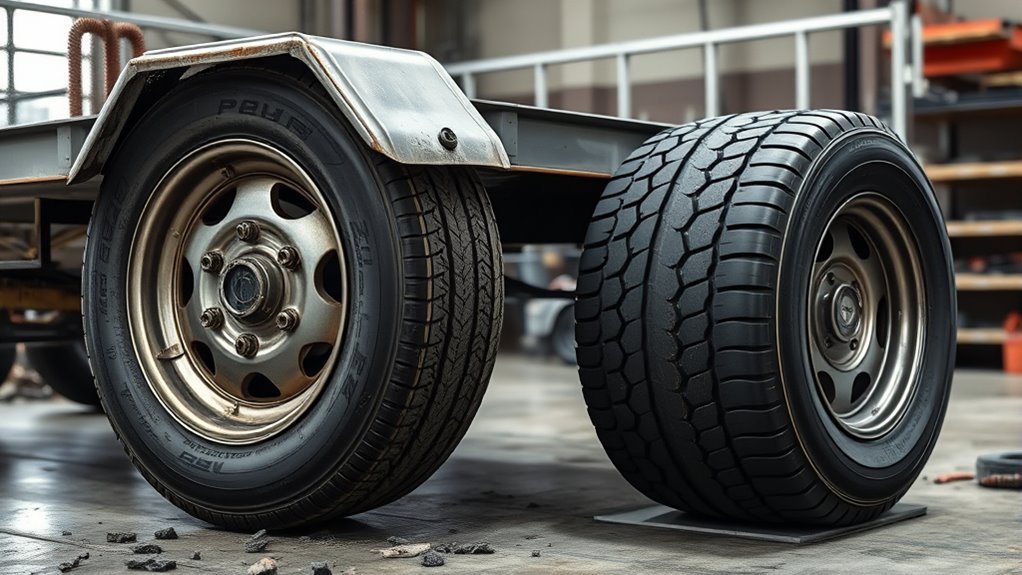
Passenger tires can fail on trailers because they are being used outside their main design purpose. They are made for vehicles that steer, brake, corner, and carry passengers with a focus on comfort and handling. A trailer tire is built for a different job: carrying steady load, tracking straight, resisting sway, and tolerating long periods of storage under weight.
When a passenger tire is installed on a trailer, several problems can appear:
- Lower usable load capacity: A P tire’s load rating must be reduced for trailer use under federal load-rating rules.
- More sidewall flex: Softer passenger tire sidewalls can allow extra trailer movement.
- More heat: Flex, overload, and underinflation create heat, which can damage internal tire structure.
- More sway risk: A flexible tire can make an already poorly loaded trailer harder to control.
- Fitment confusion: A tire may fit the wheel but still fail the load, pressure, or speed requirements.
The smoother ride of a passenger tire may feel appealing on a light trailer, but comfort is not the main goal. Trailer tires are chosen for capacity, stability, heat control, and compatibility with the trailer’s wheels and axles.
When LT Tires Can Replace ST Tires
LT tires can sometimes replace ST tires, but they are not an automatic upgrade. An LT tire must meet the trailer’s required load capacity, fit the rim correctly, clear the fenders and suspension, match the proper cold inflation pressure, and be acceptable for the trailer’s intended use. You should also confirm that the wheel can safely handle the required pressure.
LT tires may make sense when:
- The trailer manufacturer lists an LT option.
- The LT tire’s load rating at the correct pressure meets or exceeds the axle load requirement.
- The rim width, rim diameter, valve stem, and wheel pressure rating match the tire.
- The tire has enough speed rating for your legal towing speed and conditions.
- A qualified tire professional confirms the fitment.
Do not assume an LT tire is stronger just because it came from a pickup truck. Some LT tires have lower trailer-use capacity than the ST tire they would replace. Compare actual load ratings, not tire appearance.
Radial vs Bias-Ply: Which Trailer Tire Should You Choose?
Most highway trailer owners are better served by radial ST tires. Radials usually run cooler, ride smoother, and wear more evenly at highway speeds. Bias-ply tires can still be useful for low-speed work trailers, agricultural use, rough surfaces, or short trips where sidewall stiffness and impact resistance matter more than long-distance heat control.
| Tire Type | Best For | Main Tradeoff |
|---|---|---|
| Radial ST | Highway towing, campers, boat trailers, cargo trailers, longer trips | Usually costs more than bias-ply |
| Bias-ply ST | Short hauls, rough terrain, low-speed utility use | Can run warmer and wear faster on long highway trips |
| LT | Some heavy-duty trailers when approved and properly rated | Not designed specifically for every trailer axle |
| P | Passenger cars, minivans, SUVs, light-duty passenger use | Not recommended for normal trailer use |
[Products Worth Considering]

Milton S-921 pencil tire pressure gauge helps you maintain optimal tire pressure for passenger cars with accurate readings in PSI and kPa. It features a built-in deflator valve for convenient pressure adjustments, plus a single chuck head and nylon indicator bar for easy use on the go. Built from durable plated brass and designed for reliable performance, it’s a practical road trip and cold-weather maintenance tool.

Monitor tire tread wear with a smart, color-coded depth gauge that shows clear condition ranges at a glance. The bar is range marked for fast, easy readings, helping you maintain safer traction and performance. Each gauge is portable with a pocket clip, and the set includes 20 units for daily use and sharing.

Secure your vehicle during transport with this 4-pack of heavy-duty tire tie down straps designed for trailers and hauling. The ratchet system with flat hooks and D-rings helps you tension the straps quickly, while the wheel-friendly design protects tires. With high break strength and corrosion-resistant hardware, these straps provide reliable, confidence-inspiring tie-down security for cars, trucks, and UTVs.
Proper Inflation, Inspection, and Age Limits for Trailer Tires
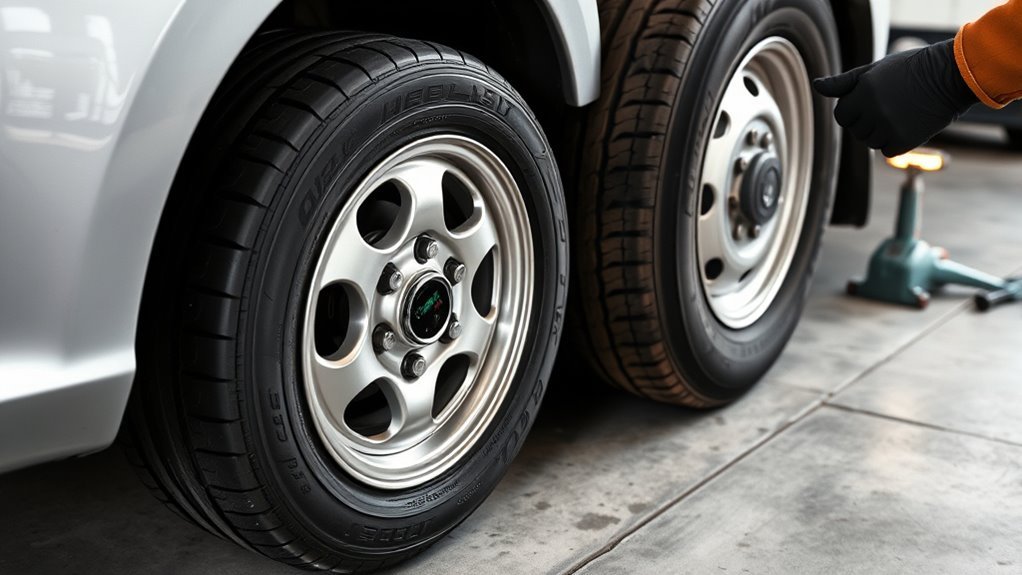
Trailer tire maintenance is simple, but it has to be consistent. Check cold inflation pressure before each trip and at least monthly during storage. Cold means the tire has not been driven for at least three hours. Do not bleed air from a hot tire just because the pressure rises after driving; pressure rise during use is normal.
Trailer Tire Inspection Checklist
- Check cold pressure with a reliable gauge before towing.
- Confirm the tire size, load range, and speed rating match the trailer placard.
- Inspect sidewalls for cracks, cuts, bulges, bubbles, or weather checking.
- Look for uneven tread wear, cupping, feathering, or exposed cords.
- Check valve stems for cracking, leaks, or looseness.
- Verify that lug nuts are torqued to the trailer manufacturer’s specification.
- Read the DOT date code so you know the tire’s manufacturing age.
- Replace any tire with sidewall damage, severe cracking, belt separation, or repeated pressure loss.
Pro Tip: If your trailer sits outside, use tire covers, unload unnecessary cargo during storage, and move the trailer occasionally. Sunlight, ozone, moisture, and long static loading can age tires even when tread depth still looks good.
How Old Is Too Old?
There is no single age rule that fits every trailer tire, climate, storage condition, and brand. Use the tire manufacturer’s guidance first. Many trailer owners begin planning replacement around five to six years, sooner if the tires are weather-cracked, overloaded, stored outdoors, or used for long highway trips. Any tire with structural damage should be replaced immediately, regardless of age or tread depth.
To read the DOT date code, look for the last four digits in the DOT Tire Identification Number. For example, 2319 means the tire was made in the 23rd week of 2019. Some tires show the full DOT code on only one side, so you may need to check the inside sidewall.
Wheel and Hub Compatibility: Bolts, Offset, and Bearing Loads
A car wheel may physically bolt onto a trailer hub, but that does not mean it is safe. Wheel fitment depends on bolt pattern, center bore, offset, rim width, pressure rating, load rating, brake clearance, and hub design. The wrong wheel can overload bearings, rub suspension parts, loosen under load, or place the tire centerline in the wrong position.
| Component | What to Check | Risk if Wrong |
|---|---|---|
| Bolt pattern | Number of lugs and circle diameter | Poor clamping, vibration, wheel loosening |
| Offset | Distance between wheel centerline and mounting face | Bearing overload, tire rub, uneven wear |
| Wheel load rating | Maximum weight the wheel can carry | Wheel cracking or failure |
| Wheel pressure rating | Maximum safe inflation pressure for the rim and valve stem | Air loss, valve failure, rim damage |
| Center bore | Hub clearance and wheel centering | Improper seating or vibration |
Before using a different wheel, confirm the wheel manufacturer’s rating and the trailer manufacturer’s fitment requirements. A wheel that fits a car may have the wrong offset or load rating for a trailer.
[Products Worth Considering]
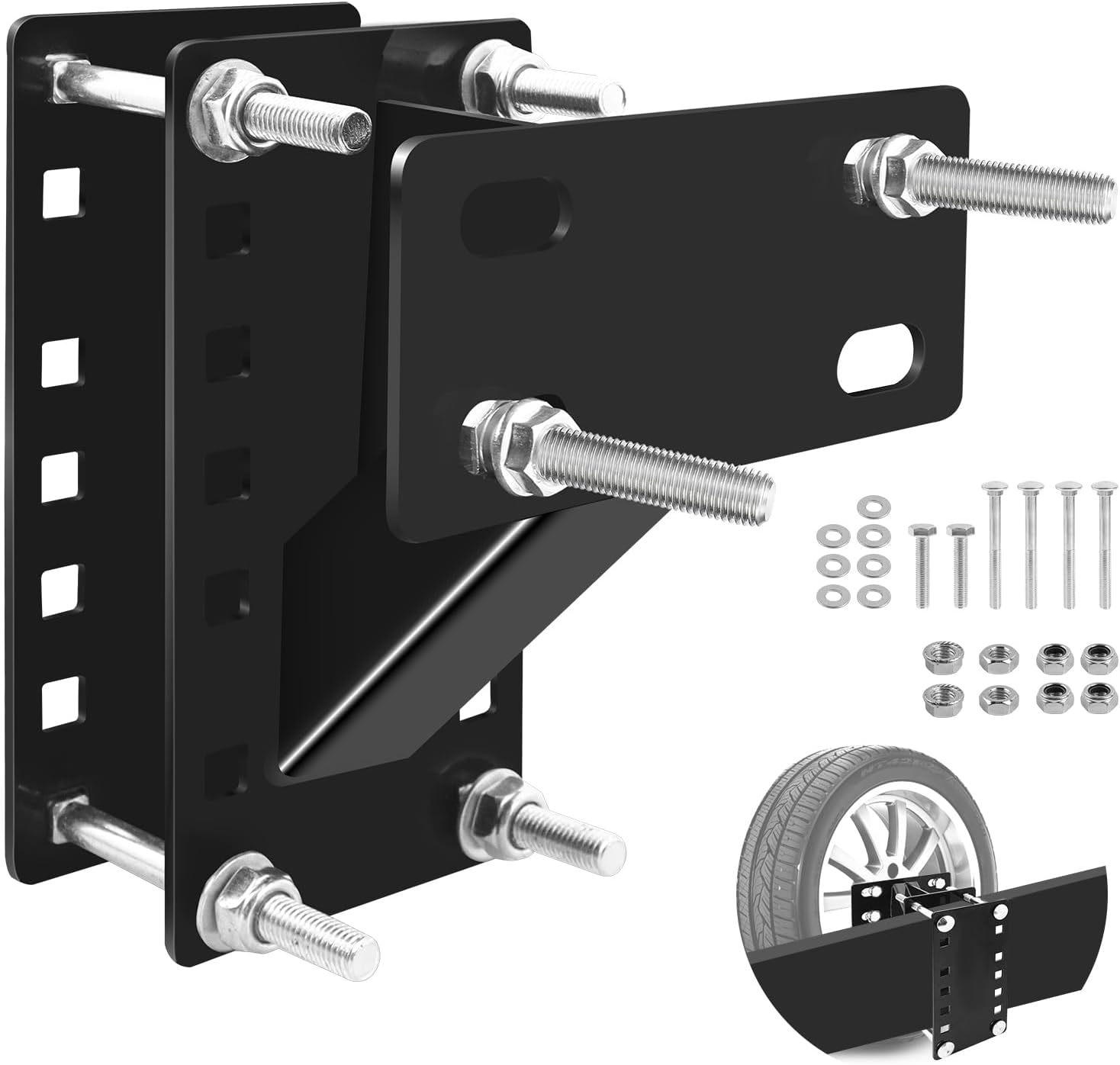
This universal spare tire mount carrier holder is built for utility trailers and boat trailers, offering a secure fit for 4, 5, and 6 lug wheels. It supports multiple bolt pattern sizes and a heavy-duty load capacity while resisting rust with a durable finish. The design allows easy installation and lets you choose the steel beam height for a better fit.

These M14x1.5 closed-end chrome lug nuts are a one-piece replacement designed for secure fitment on compatible GM, Ford, and select Chrysler/Dodge models. Featuring a 60-degree conical seat and anti-rust chrome plating, they help resist corrosion and maintain a bright look for everyday driving. Built for long-term durability, they include OEM-style part references and are backed by 12 months of support.

The GADFISH spare tire carrier is built for reliable hauling with a reinforced welded triangular structure and a behind plate that securely holds the tire up to 150 lbs. It fits a wide range of trailer wheel lug setups, making it suitable for boat trailers as well, while the sloping design helps reduce wind resistance and provides low-ground clearance. Installation is designed to be straightforward with different length bolts and no drilling required.
Trailer Tire Decision Checklist and Buying Tips
Use this checklist before buying trailer tires:
- Find the trailer placard. Look near the VIN/certification label, often at the left front of the trailer frame or body.
- Write down tire size and load range. Match the listed size unless the trailer manufacturer approves a change.
- Check GAWR and GVWR. Each axle and the whole trailer must stay within rated capacity.
- Calculate real loaded weight. Weigh the trailer loaded as used, including water, tools, cargo, fuel, batteries, and accessories.
- Match load capacity. Tire capacity on each axle must meet or exceed the axle load requirement.
- Confirm rim rating. The wheel must match the tire diameter, width, load rating, and inflation pressure.
- Choose radial or bias-ply. Pick radial for most highway towing and bias-ply for some rugged, low-speed use.
- Check speed rating. Do not exceed the tire’s speed rating, and remember that legal and safe towing speeds may be lower.
- Use matching tires on the same axle. Avoid mixing sizes, load ranges, radial/bias construction, or old and new tires on one axle.
- Register the tires. Tire registration helps manufacturers contact you if a safety recall applies.
[Products Worth Considering]

The SAFELIFE dial tire tread depth gauge measures tread depth in 1/32 inch increments with clear, easy-to-read 2-inch dial face. Color zones using a traffic light system help you quickly judge whether tread is low, marginal, or ample for safer driving. Built with a durable zinc cast body and a metal detect probe for precise, comfortable use across cars, motorcycles, trucks, and buses.
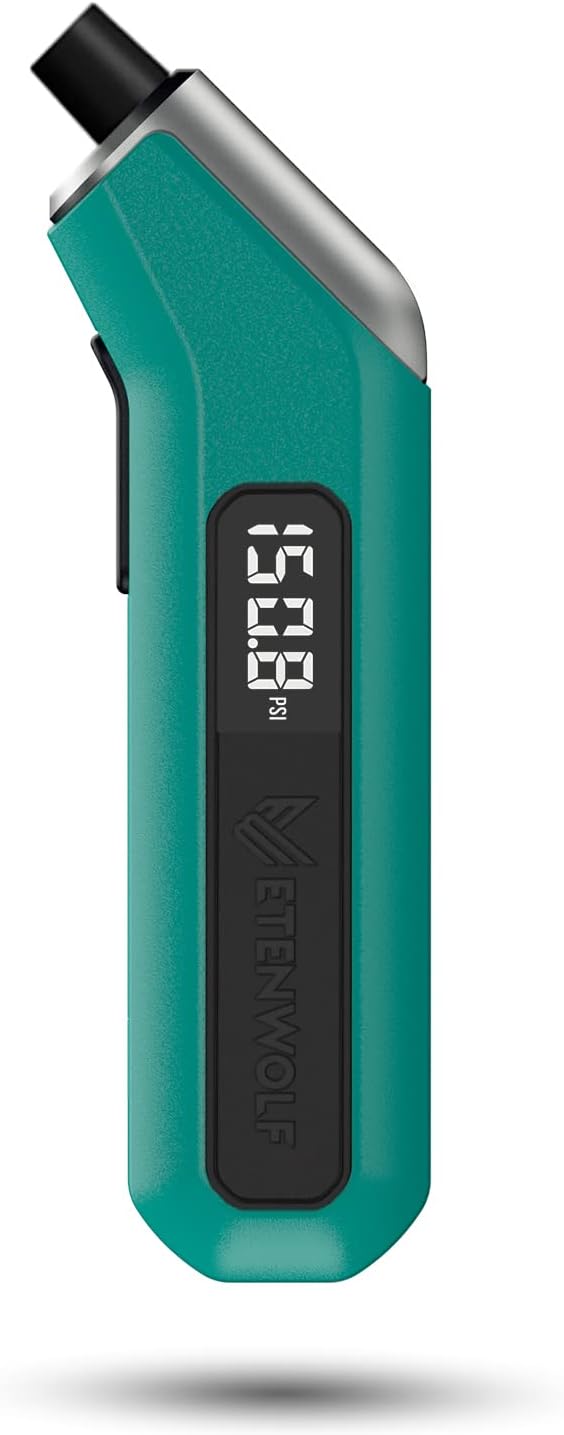
ETENWOLF T300 is a calibrated digital tire pressure gauge designed for reliable readings across low and high pressure ranges. It includes thermal compensation for stable performance in extreme cold or heat, an LED light for visibility, and an auto shut-off to help preserve battery life. Ideal for pickups, RVs, and heavy-duty vehicles, it delivers accurate PSI measurements with sturdy durability.

Keep RV, trailer, or truck dual-axle tires protected with waterproof, UV-resistant covers that help guard against sunlight, snow, rust, and dirt. The dual tire covers are easy to install with a rope/bungee fastener for a stable fit that won’t easily slip. Designed for 27–30 inch diameter wheels, they help maintain tire condition through harsh weather.
Common Mistakes to Avoid
- Using “it fits” as the only test: Fitment also requires the right load, pressure, offset, rim rating, and clearance.
- Inflating by habit: Do not use passenger-car pressure on trailer tires unless that is the trailer’s specified pressure.
- Ignoring the spare: The spare should match the trailer’s load requirement and be inflated before every trip.
- Buying by ply wording only: Modern load range is more useful than old “ply rating” language.
- Mixing tire types: Do not mix radial and bias-ply tires on the same axle.
- Keeping old tires because tread looks deep: Trailer tires often age out before they wear out.
Frequently Asked Questions
Can you replace trailer tires with car tires?
No, not for normal trailer use. Passenger car tires are not designed for the same load, sidewall stiffness, heat, and sway demands as trailer tires. If a passenger tire is used on a trailer, its load rating must be reduced before comparing it with the trailer axle requirement, which often makes it unsuitable.
Can I use car tires on a boat trailer?
You should use ST trailer tires on a boat trailer unless the trailer manufacturer specifies otherwise. Boat trailers often sit for long periods, carry concentrated weight, and may be exposed to water, heat, and storage aging. Use tires that match the trailer placard and inspect them before each trip.
Are LT tires better than ST tires for trailers?
Not always. LT tires can be correct for some heavy-duty trailers, but only when the load rating, pressure, rim rating, clearance, and trailer manufacturer guidance all match. For most standard trailers, the safest direct replacement is the same ST size and load range listed on the trailer placard.
What PSI should trailer tires be inflated to?
Use the cold inflation pressure listed on the trailer placard, owner’s manual, tire load table, or tire sidewall for the required load. Check pressure when the tires are cold. Never exceed the tire, wheel, or valve stem pressure rating.
How often should trailer tires be replaced?
Replace trailer tires immediately if they show cracks, bulges, belt separation, exposed cords, repeated air loss, or impact damage. For age, follow the tire manufacturer’s guidance and check the DOT date code. Many trailer owners plan replacement around five to six years, sooner in harsh storage or heavy-use conditions.
Can I mix radial and bias-ply trailer tires?
Do not mix radial and bias-ply tires on the same axle. It can change handling, heat buildup, and wear. For best stability, use matching size, load range, construction, and similar tread depth on each axle.
Conclusion
You should not swap regular car tires onto a trailer just because they fit the wheel. Trailer tires need the correct load rating, cold inflation pressure, sidewall stiffness, rim compatibility, and heat tolerance for towing. The best choice for most trailers is an ST-rated tire that matches the trailer placard. LT tires can work in some approved applications, but passenger tires should be avoided for normal trailer service.
Before towing, check the tire code, load range, pressure, wheel rating, DOT date code, and visible condition. A few minutes of tire inspection can prevent sway, blowouts, wheel damage, and roadside failure.
Sources
- 49 CFR § 571.110 — tire selection, rims, and load-carrying requirements for vehicles and recreation vehicle trailers at or under 10,000 pounds GVWR.
- 49 CFR § 571.120 — tire load rating requirements, GAWR matching, and passenger tire load derating when used on trailers and other non-passenger applications.
- NHTSA TireWise — tire pressure, tire size, cold inflation, tire inspection, and blowout safety guidance.
- Carlisle ST Trailer Tire FAQ — ST tire sidewall markings, inflation guidance, trailer tire aging notes, and trailer tire construction differences.
- Goodyear Endurance Trailer Tire — example of a modern ST trailer tire line with published load range, speed rating, and inflation specifications.