4Runner Tires for Rain: What Tread Features Matter Most
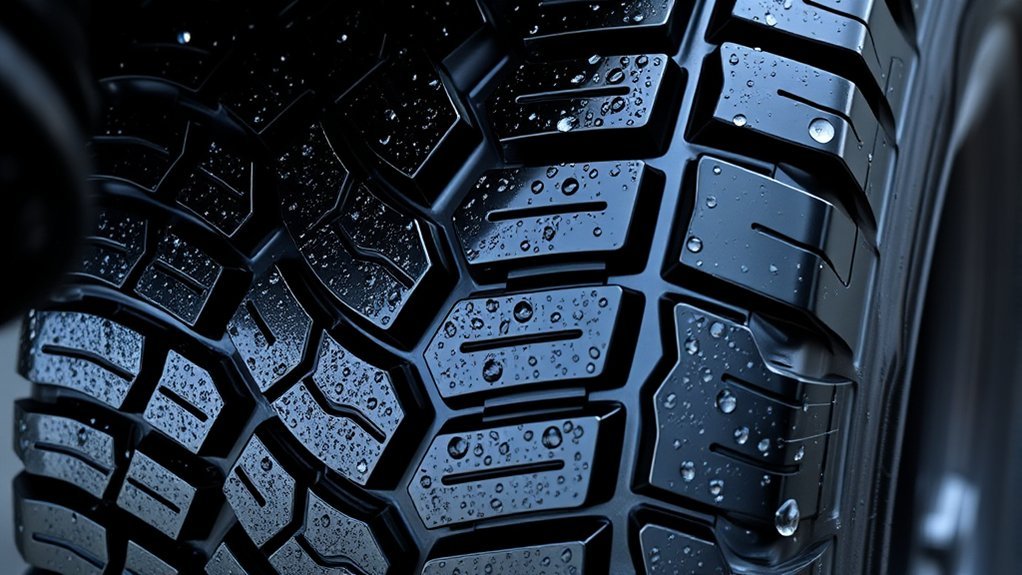
When choosing tires for your 4Runner in the rain, focus on tread design and features that guarantee safety. Look for deep circumferential grooves for effective water evacuation and sipes to enhance grip on slippery roads. A minimum tread depth of 4/32 inches is essential to reduce hydroplaning risk. Opt for high-grip rubber compounds, as they perform better in wet conditions. By understanding these features, you can enhance your driving experience and confidence in rainy weather.
Why Tread Design Matters for 4Runner Tires in Rain
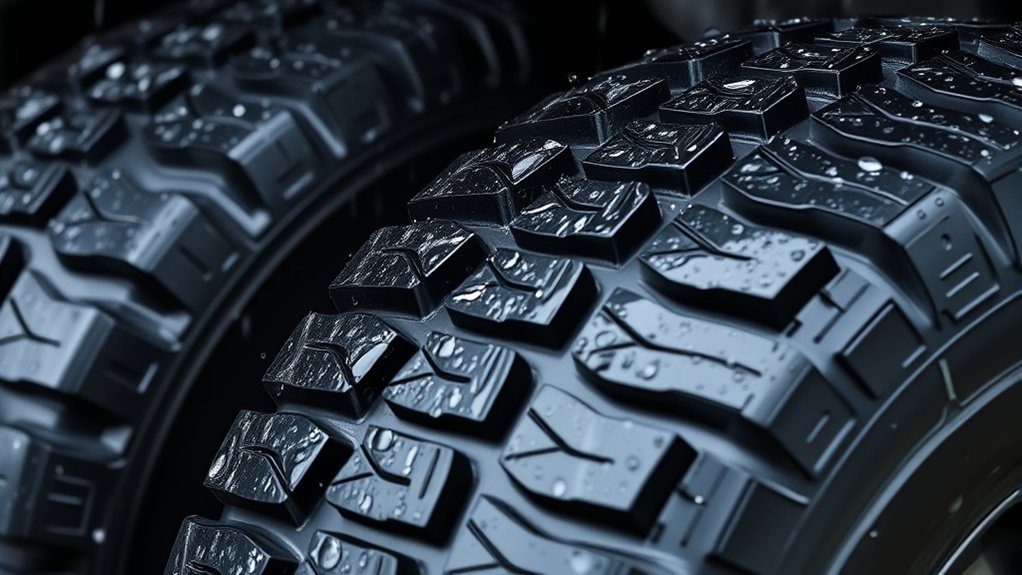
When it rains, the right tread design on your 4Runner tires can make all the difference in maintaining control and safety. Effective tread patterns are vital for ideal water evacuation, as they channel water away from the contact patch. Tires featuring deeper circumferential grooves enhance traction on wet surfaces, allowing you to accelerate and brake more confidently.
Sipes within the tread pattern add extra biting edges, improving grip and stability when you navigate slick roads. If your tread depth is above 4/32 inches, you’ll markedly reduce the risk of hydroplaning. Opting for tires with high UTQG traction ratings, like AA or A, guarantees you’ll experience superior wet-weather performance. By focusing on these essential tread features, you empower yourself with the safety and control you need when driving in rain. Embrace the liberation that comes from being prepared for any weather condition!
Essential Tread Features for Rainy Conditions
To navigate rainy conditions safely, understanding essential tread features is essential. Look for tires with circumferential grooves; these effectively channel water away from the contact patch, reducing hydroplaning risks. Deeper tread depths are important too, as they offer more edges for grip, enhancing traction and stability when driving through puddles or heavy rain.
Don’t overlook sipes—those small slits in the tread that increase biting edges, allowing your tires to adapt to slippery surfaces. Additionally, tires made with high-grip rubber compounds maintain flexibility in cooler temperatures, ensuring ideal contact with wet roads.
Regularly checking your tread depth is key; anything below 4/32 inches greatly raises the risk of hydroplaning and extends stopping distances. By prioritizing these tread technologies, you’ll boost your tire performance, granting you the confidence to tackle even the rainiest of drives.
Understanding Hydroplaning: Risks and How to Prevent It?
Hydroplaning poses a notable risk on wet roads, especially if you’re driving over 30 mph. When tires lose contact with the road due to a film of water, you can easily lose control. Understanding hydroplaning is essential for safe driving.
To reduce your risk, consider these key factors:
- Tread Depth: Keep your tires above 4/32 inches to guarantee effective water evacuation.
- Tread Design: Look for circumferential grooves and sipes that channel water away, maintaining tire contact with the road.
- Traction Ratings: Choose tires with higher ratings (AA or A) for better performance on wet surfaces.
Regular maintenance, like checking tire pressure and tread depth, can greatly reduce hydroplaning risks. By staying informed and proactive, you can drive more confidently in rainy conditions, securing your safety and liberation on the road.
Select the Best Rubber Compound for Wet Weather
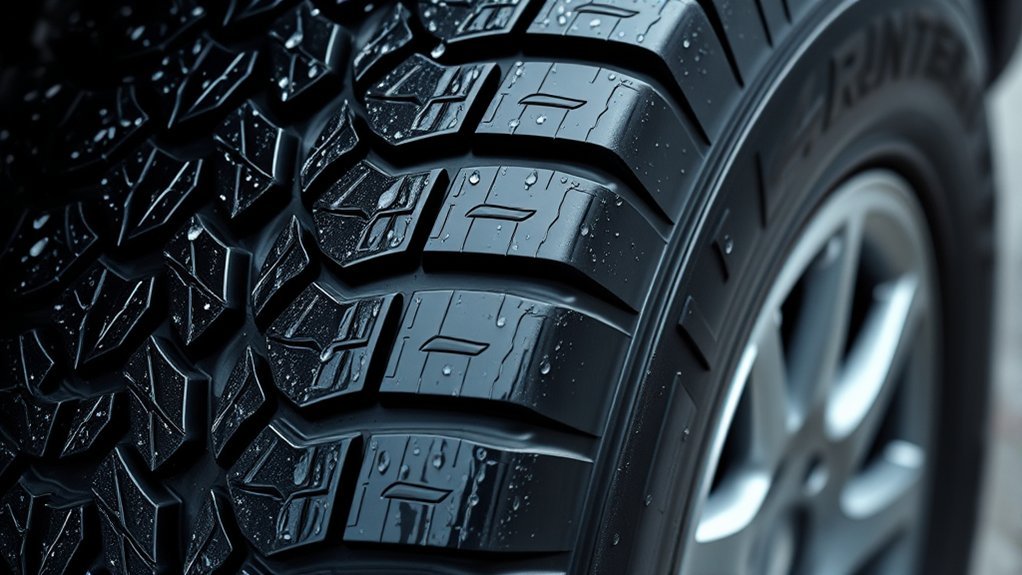
Choosing the right rubber compound for your 4Runner’s tires can make a significant difference in how safely you navigate wet roads. High-grip rubber compounds enhance traction, essential for rainy conditions. Softer compounds improve adherence to slick surfaces, ensuring safer acceleration and braking. Advanced formulations, often featuring silica, maintain flexibility in lower temperatures, reducing hydroplaning risk.
Here’s a quick comparison of rubber compounds:
| Compound Type | Benefits |
|---|---|
| High-Grip | Enhanced traction, optimized contact patch |
| All-Weather | Effective across various temperatures |
| Soft Rubber | Better adherence on slick surfaces, improved braking |
The right rubber performance not only boosts safety but also contributes to compound durability, ensuring your tires withstand the elements. Investing in the right compound lets you experience the freedom of driving confidently, no matter the weather.
How Tread Patterns Impact Traction on Wet Roads
The tread pattern of your 4Runner’s tires plays an essential role in how well they grip wet roads. Choosing the right design can dramatically enhance tread performance and improve safety during rainy conditions.
The tread pattern of your 4Runner’s tires is crucial for optimal grip and safety on wet roads.
- Circumferential grooves: These effectively channel water away from the contact patch, minimizing hydroplaning risks.
- Deeper treads: More biting edges enhance grip, vital for maintaining traction on slick surfaces.
- Directional patterns: Often V-shaped, these excel at water evacuation, keeping your tires in touch with the road.
Maintenance Tips to Keep Your Tires Happy in the Rain
To keep your tires happy in the rain, regularly checking tread depth is essential; aim for at least 4/32 inches to guarantee effective water evacuation. Proper tire inflation is just as important, so maintain a pressure of 33-34 psi for cold tires to enhance grip and prevent uneven wear. By staying on top of these maintenance tips, you’ll boost your vehicle’s performance and safety on wet roads.
Regular Tread Depth Checks
While driving in the rain, guaranteeing your tires have sufficient tread depth is essential for safety and performance. Regular tread depth checks help you avoid hydroplaning and maintain control. Aim for at least 4/32 inches of tread to minimize stopping distances. Use a tread depth gauge to measure accurately and pay attention to tread indicators.
- Inspect for even tread wear to spot alignment or inflation issues.
- Rotate your tires every 5,000 to 7,500 miles to promote consistent tread depth.
- Replace tires when they reach the legal minimum of 2/32 inches to guarantee peak performance.
Stay proactive with your tire maintenance, and you’ll drive confidently through wet conditions. Your safety depends on it!
Proper Tire Inflation
| Condition | Recommended Pressure (psi) | Impact of Under-Inflation |
|---|---|---|
| Cold Tires | 33-34 | Increased wear |
| Warm Weather | 34-35 | Reduced handling performance |
| Rainy Conditions | 33-34 | Higher risk of hydroplaning |
| After Long Trips | Check before departure | Safety compromise |
| Seasonal Changes | Regular checks | Ideal performance |
Top 4Runner Tires for Rainy Weather
When it comes to choosing the best tires for your 4Runner in rainy weather, specific features and trusted brands make all the difference. Look for tires with deep grooves and optimized tread patterns, which help channel water away and reduce hydroplaning risks. Brands like Michelin and Continental stand out for their performance in wet conditions, ensuring you stay safe and stable on the road.
Recommended Tire Brands
Choosing the right tires for your 4Runner can greatly enhance your driving experience in rainy weather. You’ll want tires that excel in tire performance and provide excellent wet traction. Here are some top recommended brands:
- Michelin Defender LTX M/S2: Known for exceptional wet handling and grip.
- Continental TerrainContact AT: Features deep grooves for effective water evacuation.
- Pirelli Scorpion AS 3: Balances grip and stability for reliable performance in rain.
These options guarantee superior safety and traction on slippery roads. Look for tires with a traction grade of AA or A to minimize stopping distances. By choosing wisely, you can confidently navigate through rainy conditions, knowing you’ve got the best support under your 4Runner.
Essential Tread Features
Selecting the right tires goes beyond just brand; understanding the tread features is essential for maneuvering rainy conditions effectively. For peak performance, look for a tread depth of at least 4/32 inches to channel water efficiently and reduce hydroplaning risk. Deep circumferential grooves and lateral channels in the groove design are important for directing water away from the contact patch, enhancing traction. Additionally, increased sipes within the tread patterns provide extra biting edges, improving grip enhancement and braking performance on wet surfaces. High-grip rubber compounds are critical, especially in all-weather and all-terrain tires, maintaining traction in lower temperatures. Finally, prioritize tires with a high traction grade (AA or A) on the UTQG scale to guarantee safety on slippery roads.
Frequently Asked Questions
How Do I Know When to Replace My Tires for Rain?
You’ll know it’s time to replace your tires for rain when you notice significant tire wear, especially if tread depth drops below 2/32 inches. Good tread is essential for driving safety, especially in wet conditions.
Can All-Season Tires Perform Well in Rainy Conditions?
All-season tires can perform well in rainy conditions, but their rain handling isn’t perfect. They balance comfort and durability, yet specialized tires often dance better on wet roads, ensuring you stay confident in every downpour.
What Tire Pressure Is Best for Wet Weather Driving?
For wet conditions, keep your tire pressure at the manufacturer’s recommended level. Proper inflation enhances traction and stability, reducing hydroplaning risks. Regularly check your pressure to guarantee peak performance and safety on slick roads.
Are Wider Tires Better for Rain Traction?
Wider tires can improve rain traction, reducing hydroplaning risk by up to 30%. Their tread pattern differences enhance water dispersion, providing better grip. So, if you want better control, consider wider tires for wet conditions.
How Do I Check My Tire Tread Depth Easily?
To check your tire tread depth easily, use the penny test. Insert a penny into the tread; if you see Lincoln’s head, your tread wear’s too low. Pay attention to the patterns for peak performance.
Conclusion
In the dance of rain-soaked roads, your 4Runner’s tires are your steadfast partners. Choosing the right tread design, rubber compound, and maintaining them guarantees you glide safely through puddles and avoid hydroplaning. As you navigate those slick turns, remember—your tires are the unsung heroes of your journey. Equip them wisely, and they’ll keep you grounded, even when the skies open up. Stay safe, stay smart, and let those tires carry you confidently through the storm.

Related Articles

Can You Mix Tire Brands on a Toyota 4Runner Safely
Toyota warns that mixing tire brands on your 4Runner could destroy your drivetrain, but one emergency strategy might just save your transfer case.
Read More
Choosing 4Runner Tires for Snow and Ice Conditions
Snow and ice driving requires careful tire selection—discover the best options to ensure your 4Runner handles winter conditions with confidence.
Read More
Troubleshooting the 4Runner Tire Pressure Monitoring System
Navigate 4Runner TPMS resets, sensor failures, and hidden calibration tricks mechanics don't share—your dash light holds darker secrets than low tire pressure.
Read More