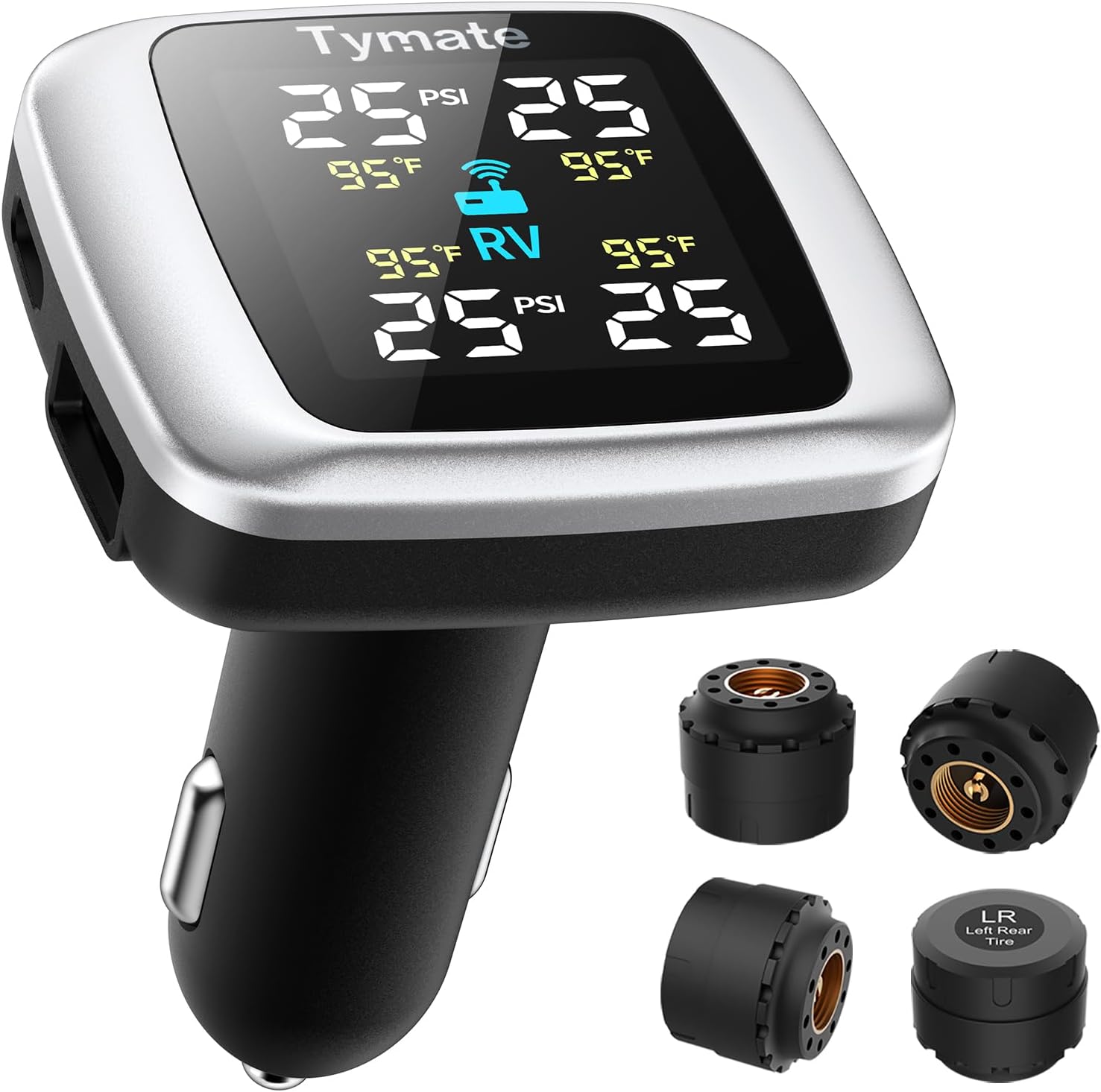
How to Install TPMS Sensors on a Toyota 4Runner

To install TPMS sensors on your Toyota 4Runner, start by selecting OEM sensors (part number 42607-48101) and gather necessary tools, like a torque wrench and TPMS scan tool. Remove the tires using safety equipment and proper techniques, ensuring to follow installation guidelines and torque specifications. After installation, register the new sensors by accessing the vehicle’s settings. If you encounter issues, troubleshooting steps can help you identify and fix problems efficiently—there’s more to explore on ensuring your system works perfectly.
Understanding TPMS Sensors and Their Importance

When you drive your Toyota 4Runner, understanding the role of Tire Pressure Monitoring System (TPMS) sensors is vital for maintaining safety and performance. These sensors use advanced TPMS technology to monitor air pressure in each tire, alerting you if pressure drops below 25% of the recommended level. This proactive monitoring helps prevent blowouts and enhances fuel efficiency.
Proper installation and registration are important; malfunctioning sensors can misreport pressure, triggering dashboard warnings. To guarantee peak performance, focus on sensor longevity. Regular maintenance and timely replacement—generally every 10 years—are key to keeping your TPMS sensors functional. By maintaining your sensors, you not only enhance vehicle safety but also empower your driving experience. Understanding the importance of TPMS sensors keeps you informed and ready to tackle the road ahead confidently, making sure your 4Runner operates at its best.
Choosing the Right TPMS Sensors for Your Toyota 4Runner
Selecting the right TPMS sensors for your Toyota 4Runner is crucial for guaranteeing accurate tire pressure readings and overall vehicle safety. Start by choosing OEM TPMS sensors, like part number 42607-48101, specifically designed for your model. These guarantee compatibility and reliability. Consider rubber-stemmed sensor types, as they offer durability and corrosion resistance, making them suitable for various driving conditions.
To facilitate proper sensor mounting and sealing, purchasing an installation kit, such as part number 04423-33060, is a smart move. Always verify sensor compatibility through Toyota’s official website to avoid installation headaches. Remember, for peak performance, it’s wise to replace all sensors every 10 years or if any sensor shows signs of malfunction. Following these installation tips will help you maintain accurate readings and enhance your driving experience.
Must-Have Tools for TPMS Sensor Installation
Installing TPMS sensors on your Toyota 4Runner requires specific tools to guarantee a successful and secure setup. Here are the must-have tools you’ll need:
- Torque Wrench: Essential for achieving the proper 35 inch-pounds torque specifications when installing the sensors.
- Installation Kit (p/n 04423-33060): This kit should include sealing rings and washers, which must be properly oriented for ideal sensor compatibility.
- TPMS Scan Tool: Recommended for registering and programming the new sensors, ensuring they effectively communicate with your vehicle’s ECU.
- Jack and Jack Stands: Necessary for safely lifting the vehicle and removing the wheels during the installation process.
Additionally, you can use water to check for leaks around the sensor installation, confirming the effectiveness of the sealing ring and washer. With these tools, you’ll set up your TPMS sensors efficiently and accurately.
How to Remove Tires From Rims

To remove tires from rims, you’ll need specific tools and follow a precise procedure. Start by deflating the tire and breaking the bead, then use tire levers to detach the tire from the rim. Remember to wear safety gloves and goggles for protection throughout the process.
Essential Tools Needed
Removing tires from rims requires a few essential tools to guarantee the process is efficient and safe. You’ll need to verify sensor compatibility and monitor tire pressure throughout the installation. Here’s what you should gather:
- Tire Iron – For loosening lug nuts securely.
- Bead Breaker – To break the bead on both sides of the tire for easier removal.
- Tire Mounting Machine or Manual Tire Changer – For smooth extraction without damaging the tire or rim.
- Valve Core Tool – To deflate the tire completely before separation.
Don’t forget safety glasses and gloves to protect against debris. Using a lubricant like tire mounting paste will further ease the removal process, guaranteeing a seamless experience.
Step-by-Step Procedure
After gathering the necessary tools, you’re ready to tackle the tire removal process. Start by lifting the vehicle with a jack and securing it using jack stands. Use a tire iron to loosen the lug nuts in a star pattern, then remove them completely and take off the wheel. Next, deflate the tire by removing the valve core with a valve core tool; this eases the tire’s removal. Employ a tire changing machine or manual levers to pry the tire from the rim, beginning at the bead. Once the tire is off, clean the rim and inspect it for damage or debris before proceeding with sensor calibration.
| Step | Action |
|---|---|
| 1. Lift Vehicle | Use a jack and jack stands |
| 2. Remove Lug Nuts | Loosen in star pattern |
| 3. Deflate Tire | Remove valve core |
| 4. Pry Off Tire | Use machine or levers |
| 5. Inspect Rim | Check for damage/debris |
Installing TPMS Sensors: What You Need to Know

Before you start installing TPMS sensors on your Toyota 4Runner, make sure you have the correct parts and tools at hand, specifically the TPMS sensors (p/n 42607-48101) and installation kits (p/n 04423-33060). Follow best practices during installation, like ensuring the black sealing ring is oriented correctly and assembling the parts in the right order. Finally, don’t forget to check for leaks and follow the owner’s manual for sensor registration.
Required Tools And Parts
To successfully install TPMS sensors on your Toyota 4Runner, you’ll need specific OEM parts and tools to guarantee a proper fit and function. Verifying sensor compatibility is essential for ideal performance. Here’s what you’ll need:
- OEM TPMS Sensors (p/n 42607-48101)
- Installation Kits (p/n 04423-33060)
- Torque Wrench (set to 35 inch-pounds)
- Sealing Components: Black sealing ring and gray washer
Follow these installation tips: correctly orient the black ring and place the gray washer on top. Confirm the rubber seal sandwiches between the rim and sensor, and check for leaks with water post-installation. This setup guarantees longevity and effectiveness in your 4Runner’s tire management system.
Installation Best Practices
Installing TPMS sensors correctly is essential to ensuring your Toyota 4Runner’s tire management system operates effectively. Start by orienting the black sealing ring properly—the narrower raised portion should fit into the rim while the flat side faces the washer and nut. Use the gray washer atop the sealing ring for a secure seal. Torque the sensors to about 35 inch-pounds; this prevents over-tightening that could damage components. After installation, conduct a water leak test to confirm effective sealing, which is vital for accurate tire pressure monitoring. Familiarize yourself with the installation sequence of parts to avoid complications. For ongoing performance, remember these sensor maintenance tips to keep your system functioning at its best.
Ensuring Proper Sealing and Orientation of Sensors
Properly sealing and orienting TPMS sensors is essential for guaranteeing accurate tire pressure readings. To achieve this, follow these sealing techniques and sensor orientation guidelines:
- Black Sealing Ring: Confirm it’s oriented with the narrower raised portion fitting down into the rim for proper sealing.
- Gray Washer: Place this on top of the black sealing ring before securing with the nut for ideal installation.
- Rubber Seal: When sandwiching the rim, verify the flat side of the rubber seal faces the washer to avoid leaks.
- Torque Requirement: Tighten the sensors to approximately 35 inch-pounds, avoiding excessive tightness during installation.
After installation, use water to check for leaks around the sensors. This guarantees a robust seal, allowing your TPMS to function efficiently and accurately, keeping you informed about your tire health.
How to Register New TPMS Sensors: DIY Methods
To register new TPMS sensors on your Toyota 4Runner, you’ll need specific tools and equipment, including a TPMS scan tool. Follow a step-by-step registration process outlined in your owner’s manual to guarantee accuracy. Be ready for potential challenges, as multiple attempts may be necessary for successful sensor recognition.
Required Tools And Equipment
Registering new TPMS sensors on your Toyota 4Runner requires a few essential tools and equipment to guarantee a smooth process. Ensuring sensor compatibility is critical for effective operation and installation safety. Here’s what you’ll need:
- TPMS Scan Tool: Essential for integrating sensor IDs with your vehicle’s ECU.
- Owner’s Manual: Refer to it for specific registration procedures, including accessing the Change Wheel Set.
- Tire Pressure Gauge: To verify and adjust tire pressures as needed.
- OBD-II Scanner (optional): Useful for troubleshooting if the registration fails.
With these tools, you’ll be well-equipped to handle the registration process effectively. If you encounter issues, don’t hesitate to consult a professional for assistance.
Step-By-Step Registration Process
Once you have your tools ready, the registration process for new TPMS sensors on your Toyota 4Runner can begin. Start by setting the vehicle to “Run” mode without starting the engine. Navigate to the instrument cluster and select the “Change Wheel Set” option to choose your new sensors. You may need a TPMS scan tool like Techstream for integrating the new sensor IDs into the ECU. If the sensors don’t activate after driving above 50 mph, try dropping the tire pressure by 5 psi to prompt activation. Be prepared for multiple attempts; some users face challenges during registration. Following these TPMS maintenance tips and ensuring sensor compatibility considerations will enhance your success.
Troubleshooting Common TPMS Sensor Issues
When troubleshooting common TPMS sensor issues, it’s crucial to pay attention to the behavior of the TPMS light. A blinking light often indicates a sensor malfunction, signaling the need for a system scan. Here’s a concise checklist to help you identify and resolve issues:
- Monitor the TPMS Light: If it blinks briefly and then stays solid, investigate further.
- Check Tire Pressure: Confirm all tires are inflated to the recommended levels.
- Inspect for Leaks: Look for visible leaks to rule out external factors affecting tire pressure.
- Use a TPMS Scan Tool: Tools like the Techstream diagnostic cable can assess sensor status and battery life.
If you find a malfunctioning sensor, consider replacing all sensors every 10 years to maintain peak system performance. Engaging with community forums may provide additional insights but confirm proper installation to avoid triggering warning lights.
DIY TPMS Sensor Programming Without a Dealer Visit?
How can you program new TPMS sensors on your Toyota 4Runner without making a trip to the dealer? Start by consulting your owner’s manual for specific registration and initialization procedures, especially adjusting the Wheel Set selection on your instrument cluster. Confirm sensor compatibility with your vehicle’s specifications to avoid issues.
To aid in programming, drive above 50 mph, as this can assist in sensor relearning. You can also use a Techstream diagnostic cable connected to the OBDII port to identify and register new sensor IDs, embracing a DIY approach. If you need to troubleshoot, dropping tire pressure by 5 psi can trigger sensor responses, helping you identify any malfunctioning sensors.
Alternatively, local tire shops often have the necessary equipment for ECU reprogramming and sensor registration, offering an efficient alternative to dealership services. With these programming techniques, you can take control of your TPMS sensor installation.
Testing Your TPMS System After Installation
- Drive the Vehicle: Go above 50 mph for 10-15 minutes to aid in sensor relearning and system initialization.
- Observe the Warning Light: If the TPMS warning light blinks for a minute and then stays solid, a fault is detected.
- Test Sensor Response: Drop tire pressure by 5 psi to see if the TPMS light activates, indicating which sensor might be malfunctioning.
- Use a TPMS Scan Tool: Check for non-functional sensors and confirm all sensors are recognized by the ECU.
Finally, conduct a visual inspection for proper sealing around each sensor. This step prevents leaks that could lead to erroneous warnings and guarantees peak performance.
Frequently Asked Questions
Can I Install TPMS Sensors Myself?
Yes, you can perform a DIY installation of TPMS sensors yourself. Confirm sensor compatibility with your vehicle, follow installation steps precisely, and use the correct tools to achieve peak performance and reliability.
Do Toyota TPMS Sensors Need to Be Programmed?
Yes, Toyota TPMS sensors need programming. You’ll encounter TPMS activation methods to guarantee compatibility and functionality. Local shops can help, or you can use a Techstream tool for DIY programming to avoid sensor compatibility issues.
How Much Does It Cost to Replace a TPMS Sensor on a 4runner?
Replacing a TPMS sensor on your 4Runner typically costs between $50 to $100 per sensor. For installation, consider local shops for sensor installation tips, which may add $20 to $50 per tire, maximizing efficiency.
What Is the Best TPMS Tool for Toyota?
You’d think any TPMS tool would suffice, but for Toyota, the Techstream diagnostic cable reigns supreme. It guarantees sensor compatibility and accurately programs various TPMS sensor types, granting you freedom from dealer visits.
Conclusion
Installing TPMS sensors on your Toyota 4Runner is like tuning a finely crafted engine; each component needs to work in harmony for peak performance. Once you’ve followed the steps to install and register your sensors, you’ll drive with peace of mind, knowing your tires are monitored. Just as a race car driver relies on their gauges, you can trust your TPMS to keep you informed. Stay proactive, and you’ll guarantee a smooth ride for miles to come.

Related Articles

Can You Repair Sidewall Damage on a 4Runner Tire
Got sidewall damage on your 4Runner tire? Here's why that repair could cost you everything.
Read More
How to Fix a Flat Tire on a Toyota 4Runner on the Trail
Find out where Toyota hides your 4Runner's spare and the one trail mistake that could leave you stranded.
Read More
How to Check Tire Age Using the DOT Date Code
Observe your tire's DOT date code to determine its age and safety—discover essential tips to ensure your tires keep you safe on the road.
Read More